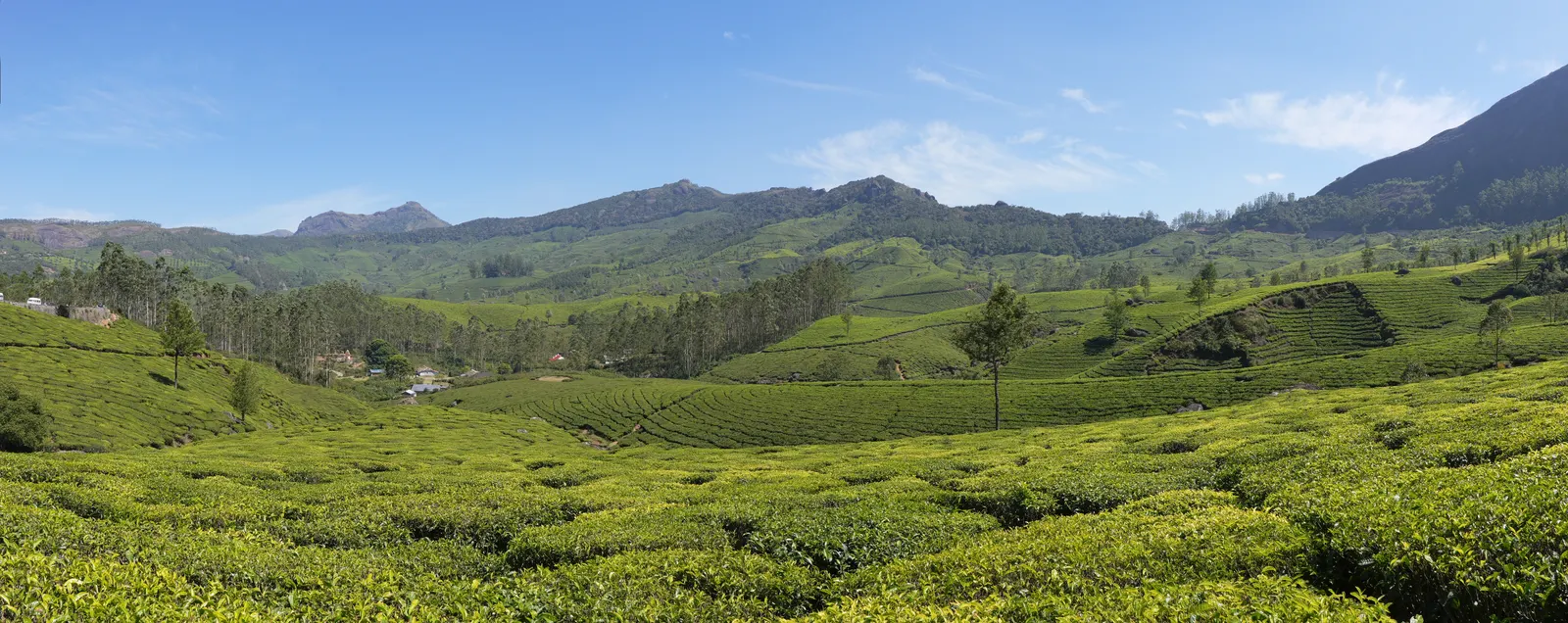
Why Munnar?
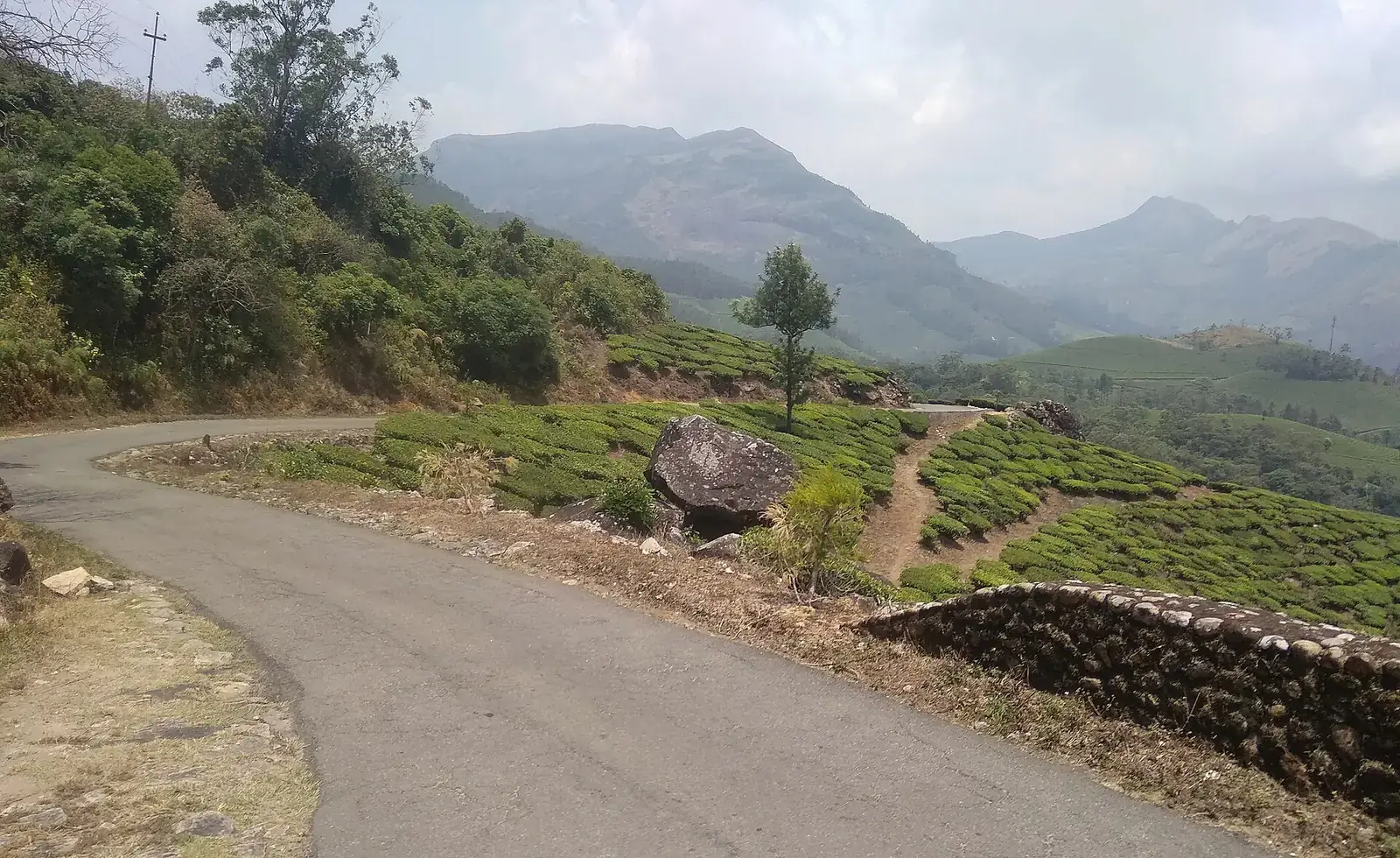
Munnar sits where three mountain streams meet in the Western Ghats, a former British-era hill station that's now Kerala's signature tea country — a landscape of impossibly green, close-cropped tea bushes running over hill after hill, broken only by the odd factory chimney or worker's path.
Beyond the plantations, Munnar is also a gateway to some of the Western Ghats' highest points and rarest ecology: Eravikulam National Park protects the endangered Nilgiri Tahr and the Neelakurinji flower, which blooms across entire hillsides only once every twelve years, while Anamudi — South India's highest peak — rises just beyond the park boundary.
It's a destination built for slow mornings, long drives between viewpoints, and air that's noticeably cooler than anywhere else in tropical Kerala.
🍃 Munnar at a Glance
Looking for activities and experiences? See our guide to the best things to do in Munnar.
Going by road? See our guide to the Kochi to Munnar road trip.
Comparing hill stations? See our guide to hill stations in Kerala.
Best Time to Visit Munnar
Cool, clear, and dry — ideal for viewpoint visits and sunrise jeep tours to Kolukkumalai. This is also Munnar's busiest stretch, so book stays ahead.
Noticeably warmer than winter but still cooler than the Kerala coast — a good shoulder window with fewer crowds.
Heavy rain brings landslide risk on hill roads and low visibility at viewpoints. Tea gardens are at their greenest, but plan for disruptions.
Rains ease, waterfalls and dams are fuller, and the hills are at their most vividly green with clearing skies by late October.
Our pick: December to February for the clearest skies, or October–November if you want fuller waterfalls and dams with fewer peak-season crowds.
How to Reach Munnar
- By Air: Cochin International Airport (COK) is the nearest, about 110km away — roughly 3.5–4 hours by road through winding hill highways.
- By Train: Munnar has no railway station of its own. The nearest major stations are Aluva and Ernakulam Junction, both near Kochi, from where you'll continue by road.
- By Road: Well connected from Kochi (~110km) and from Madurai on the Tamil Nadu side via Top Station (~135km) — the Madurai route also makes for a scenic entry through the Western Ghats.
Top Things to Do in Munnar
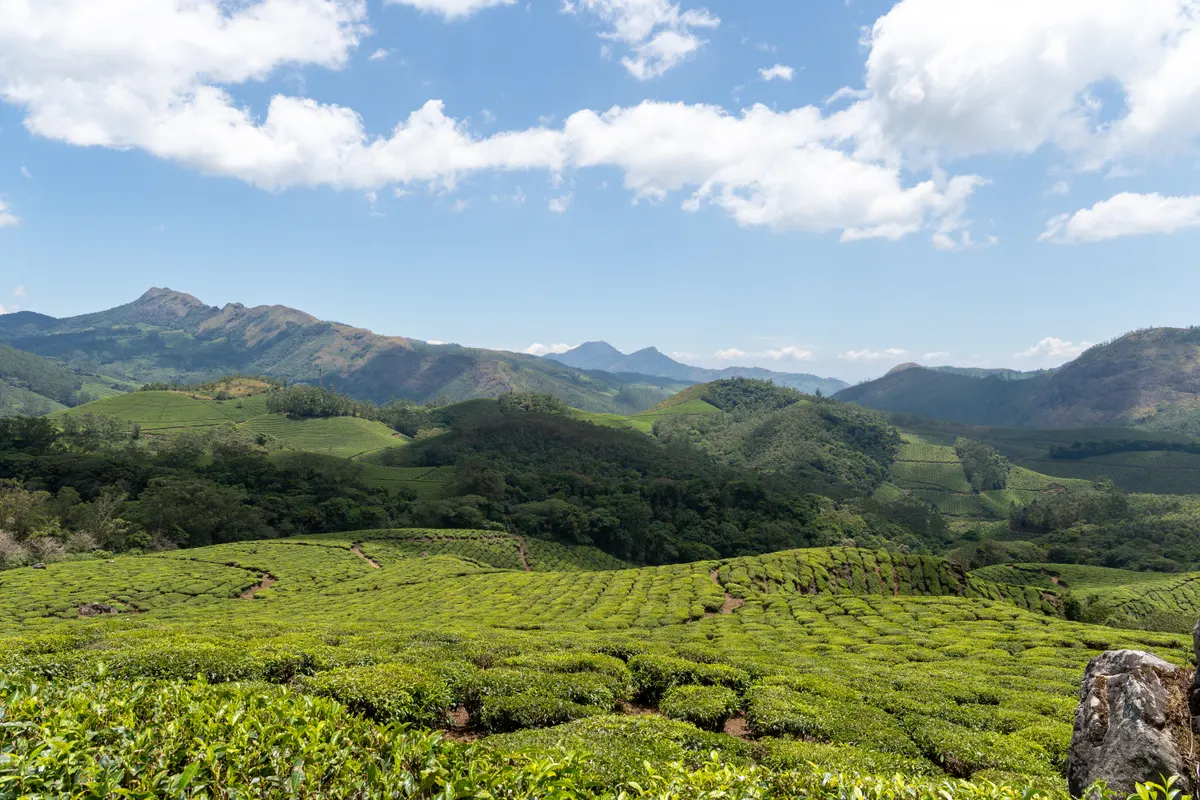
- Eravikulam National Park: Home to the endangered Nilgiri Tahr and the rare Neelakurinji flower, accessed via a shuttle bus from the entrance to a marked viewing trail — check current access hours and any seasonal closures before visiting.
- Kolukkumalai Tea Estate: Reputedly one of the world's highest tea plantations, reached by a bumpy pre-dawn jeep ride for a sunrise that many travellers rate as Munnar's single best experience — book the jeep tour in advance.
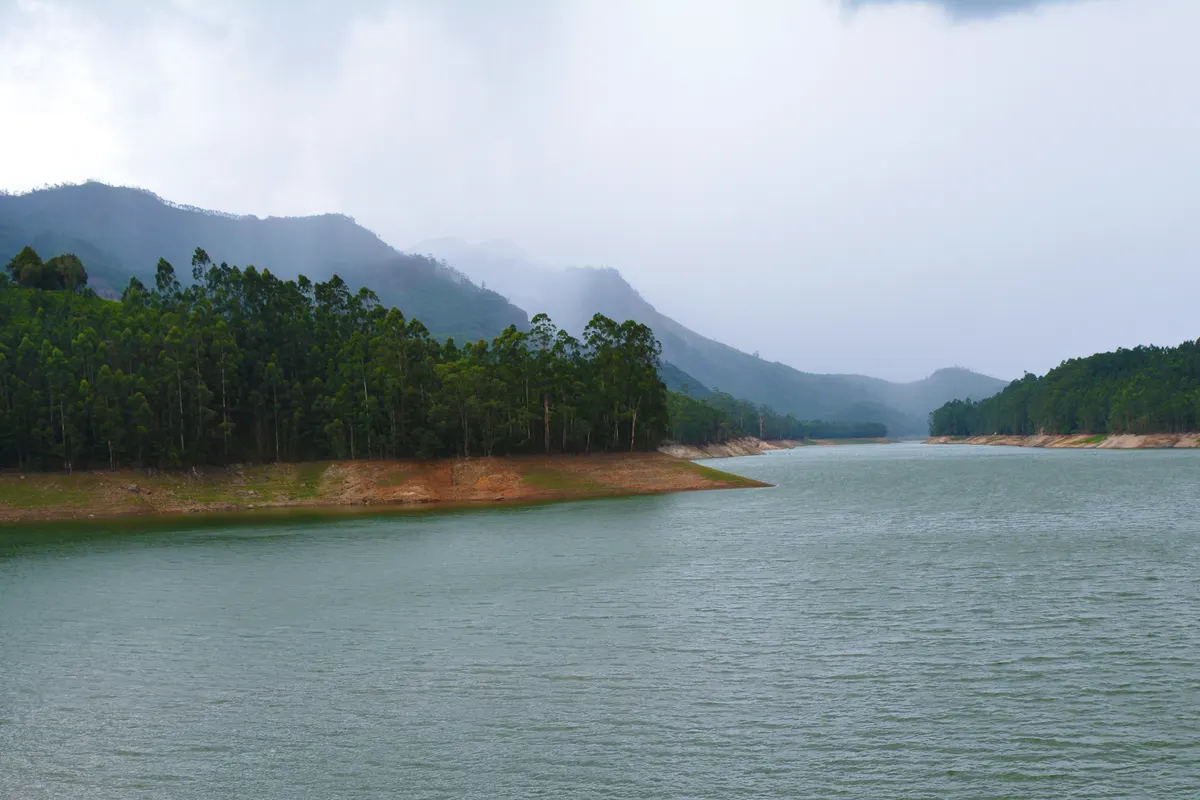
- Mattupetty Dam & Kundala Lake: Two scenic reservoirs a short drive apart, both offering boating and easy lakeside walks against a backdrop of tea-covered hills.
- Top Station: A viewpoint on the Kerala–Tamil Nadu border with sweeping views into the Western Ghats valley below — best visited early morning before clouds roll in.
- Tea Museum: A compact museum tracing Munnar's tea-plantation history, with a working demonstration of the processing steps from leaf to cup.
- Spice Plantation Walks: Guided walks through cardamom, pepper, and coffee plantations near town — a good half-day add-on with a lower physical demand than the Kolukkumalai trip.
Where to Stay in Munnar
Central Munnar town puts you closest to markets and transport, while stays further out toward the tea estates trade convenience for views and quiet.
- → Homestays in central Munnar
- → Budget lodges near the bus stand
- → Backpacker hostels
- → Basic estate-side guesthouses
- → Plantation-view resorts
- → Boutique hill cottages
- → Mid-range hotels near Eravikulam road
- → Cottage stays near Mattupetty
- → Tea-estate luxury resorts
- → Private pool villas
- → Colonial-era heritage bungalows
Staying a little outside central Munnar toward the tea estates trades a few minutes' drive for genuinely quieter, greener surroundings — worth it for a two-night stay or longer.
What to Eat in Munnar
Munnar's food leans toward hearty Kerala hill-country cooking, with plenty of tea-estate-grown produce and warm dishes suited to the cooler climate.
- Kerala breakfast staples: Appam with stew, puttu with kadala curry, and idiyappam are standard morning fare at most local eateries.
- Fresh estate-grown tea: Munnar's own tea, often served strong and sweet, is worth trying at a plantation café over a packaged brand.
- Homestay meals: Many homestays serve home-cooked Kerala thalis with rice, sambar, and seasonal vegetable curries — often the best food option in town.
- Local specialties: Look for cardamom-flavored chai, fresh strawberries and strawberry preserves sold roadside, and honey from local apiaries.
2-Day Munnar Itinerary
Two days cover the essentials comfortably; add a third if you want the Kolukkumalai sunrise trip without rushing the rest of the schedule.
Tea Country & Eravikulam
- ✓Morning: Eravikulam National Park and the Nilgiri Tahr viewing trail
- ✓Visit the Tea Museum for context on the plantation industry
- ✓Afternoon: walk through a nearby spice plantation
- ✓Evening: sunset over the tea estates from a viewpoint near town
Dams, Lakes & Top Station
- ✓Morning: Mattupetty Dam and boating at Kundala Lake
- ✓Drive to Top Station for Western Ghats valley views
- ✓Lunch at a local eatery on the return route
- ✓Afternoon: free time for shopping or a second plantation walk before departure
Budget Breakdown
| Expense | Budget | Mid-Range | Luxury |
|---|---|---|---|
| Accommodation/night | ₹1,000 | ₹4,000 | ₹18,000 |
| Food/day | ₹500 | ₹1,200 | ₹2,500 |
| Local transport per day | ₹400 | ₹1,500 | ₹3,500 |
| Entry fees & tours | ₹300 | ₹800 | ₹1,500 |
| Daily total | ₹2,200 | ₹7,500 | ₹25,500 |
| 2-Day trip total | ₹4,400 | ₹15,000 | ₹51,000 |
* Excludes flight/train to Kochi. Jeep tours (like Kolukkumalai sunrise) are typically an additional per-person cost on top of these figures.
Essential Travel Tips for Munnar
- Book Kolukkumalai jeep tours ahead:Seats fill up fast in peak season, and the pre-dawn departure window is tight.
- Pack warm layers: Even in a tropical state, early mornings and evenings at elevation can dip surprisingly cool.
- Check Eravikulam's access rules:Timings and certain zones can be restricted seasonally for wildlife or Neelakurinji conservation — verify before visiting.
- Allow extra driving time: Hill roads between viewpoints are winding and slower than distance alone suggests.
- Avoid peak monsoon for viewpoints:June–August brings landslide risk and poor visibility at Top Station and similar spots.
- Carry cash for smaller estates and stalls:Card acceptance thins out away from central Munnar.
✅ Do
- →Book the Kolukkumalai sunrise jeep tour in advance
- →Carry a light jacket even in the warmer months
- →Visit Eravikulam early to beat both crowds and cloud cover
- →Try fresh estate tea at a plantation café
- →Allow extra time for winding hill-road drives
- →Time your trip for Dec–Feb or Oct–Nov for the best conditions
❌ Don't
- →Plan a viewpoint-heavy day during peak monsoon
- →Skip checking Eravikulam's current access rules
- →Assume card payments work everywhere
- →Underestimate drive times between hill viewpoints
- →Visit without warm layers, even in summer
- →Rush the Kolukkumalai trip — it needs a pre-dawn start
Frequently Asked Questions
How many days do I need in Munnar?
Two full days cover the essentials well — a day for the tea estates and Eravikulam National Park, and a second for Top Station, Mattupetty, and Kundala Lake. Add a third day if you want the Kolukkumalai sunrise jeep tour or a spice plantation walk.
What is the best time to visit Munnar?
September to May is the best window, with December to February the coolest and clearest. The heaviest monsoon months (June to August) bring landslide risk and reduced visibility on viewpoints, though the hills are at their greenest right after the rains ease.
How do I reach Munnar?
The nearest airport is Kochi (COK), about 110km away, roughly 3.5–4 hours by road. There's no direct railway into Munnar — the nearest stations are Aluva or Ernakulam, from where you'll continue by road. Most travellers fly or take the train into Kochi and hire a cab or take a bus onward.
When does the Neelakurinji flower bloom in Munnar?
The Neelakurinji is famous for blooming in mass only once every 12 years, turning Eravikulam's slopes purple-blue for a few weeks. Bloom windows and exact dates vary and access to flowering zones is often restricted for conservation — check current status with the Eravikulam National Park authorities before planning a trip around it.
Is Munnar good for a honeymoon or family trip?
Both. The cool climate, tea-estate scenery, and relaxed pace suit couples well, while boating at Kundala Lake, the tea museum, and gentler viewpoints work fine for families with kids. Just budget extra time for winding hill roads between sights.
What is the budget for a trip to Munnar?
A budget traveller can manage on roughly ₹1,800–2,200 a day (homestays, local food, shared transport), a mid-range trip runs closer to ₹5,000–6,000 a day, and resort stays with private transport can run ₹15,000+ a day. A 2-day trip totals roughly ₹4,000 on a budget and ₹12,000 mid-range, excluding travel to Kochi.
Do I need permits for Eravikulam National Park or Chembra-style treks?
Eravikulam National Park requires an entry ticket and operates on a shuttle-bus system to the viewing area, with certain zones restricted seasonally for wildlife and Neelakurinji conservation. There's no separate trekking permit for the main tourist zone, but always check current timings and any access restrictions locally before you go.
Published by the Kudozz Club editorial team · Last updated · How we research our guides
Want us to plan this trip for you?
Tell Kudozz Club where you want to go and what kind of trip you’re looking for. We’ll build a Munnar and Kerala itinerary around your dates and budget.
Continue Exploring
View all guidesThings to DoThings to Do in Munnar: Tea Estates, Eravikulam, Viewpoints & Sunrise Jeep Rides
Things to do in Munnar: tea estate walks and the Tea Museum, Eravikulam National Park's Nilgiri tahr, Mattupetty and Echo Point, Kundala Lake, Top Station, a Kolukkumalai sunrise jeep ride, Attukal and Lakkam falls, Chinnar and Marayoor, and spice gardens.
 Hill Stations
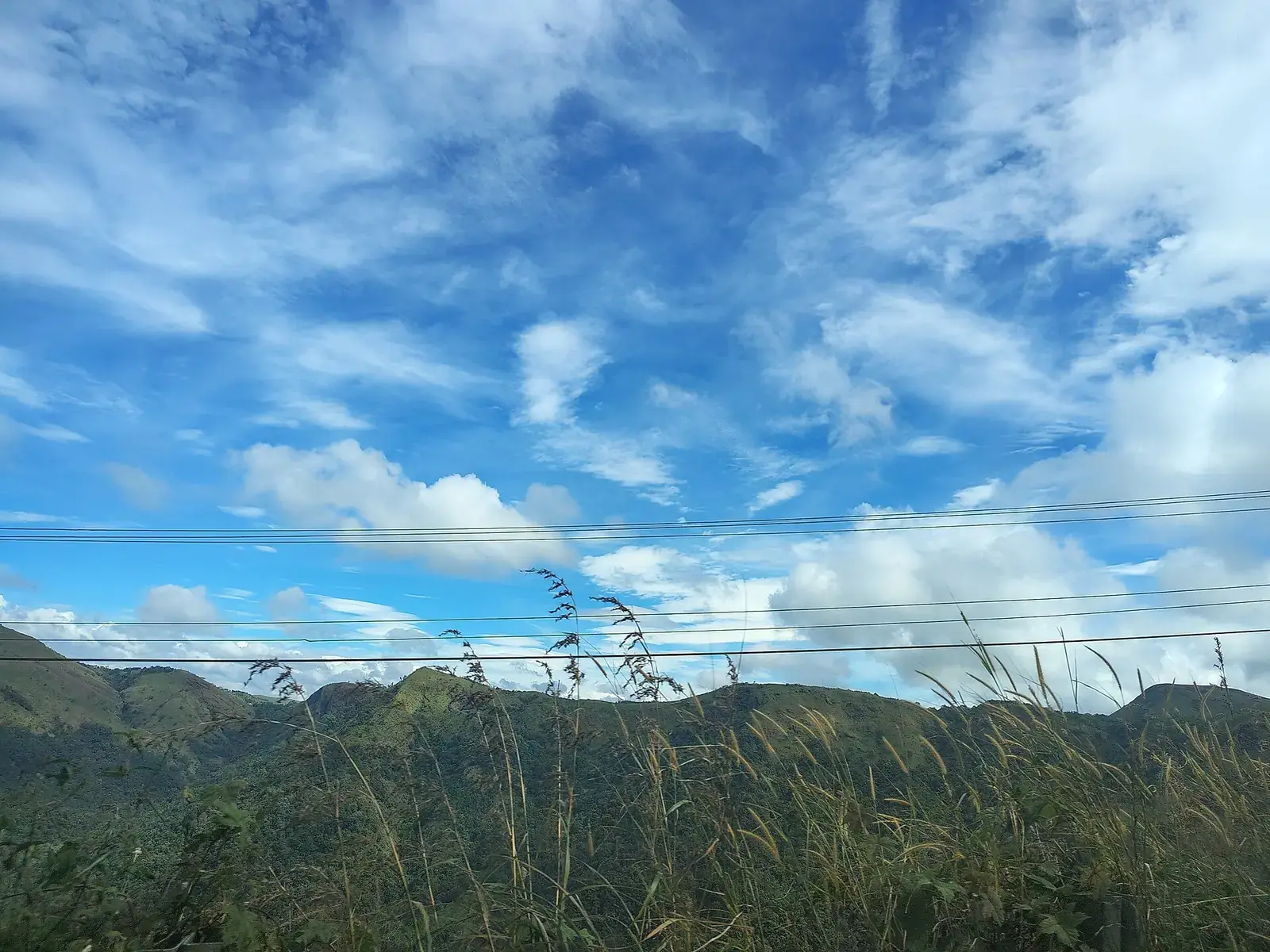
Hill Stations in Kerala: Munnar, Wayanad, Vagamon and More
A guide to the hill stations of Kerala: Munnar and its tea estates and Eravikulam National Park, Wayanad's forests and caves, Vagamon's meadows, Thekkady and Periyar, Ponmudi near Thiruvananthapuram and Nelliyampathy near Palakkad, with seasons, the monsoon, the Neelakurinji bloom and how to combine the hills with the coast.
 Road Trips
Kerala Road Trip: Hills, Backwaters and Coast by Road
A route guide to a Kerala road trip: the classic loop from Kochi to Munnar, Thekkady, Vagamon, Kumarakom or Alappuzha and Varkala, the northern leg to Wayanad over the Thamarassery ghat, approximate distances and drive times, NH66 works, monsoon driving, a seven- to ten-day plan and how to combine driving with a houseboat night.
 Nature Travel
Kerala Nature Itinerary: Hills, Forests, Waterfalls and Backwaters
A seven-day nature itinerary for Kerala from Kochi: Athirappilly and Vazhachal falls, two days in Munnar with Eravikulam's grasslands and tea country, Thekkady with Periyar lake and forest walks, and the Vembanad backwaters at Kumarakom or Alappuzha, with drive times, seasons and variations for Wayanad and Vagamon.