Why the Kerala Backwaters?
There's a particular stillness that settles over you on a Kerala houseboat — usually around the second hour, somewhere past the busy stretch near Alleppey town, when the canal narrows, the engine slows, and the only sounds left are water against the hull, a distant temple bell, and someone in a paddy field calling to their water buffalo. This is what people mean when they say the Kerala backwaters are less a destination and more a deceleration.
The backwaters are a 900-km network of interconnected lakes, canals, rivers, and lagoons running parallel to the Arabian Sea coast through central Kerala — a vast natural and human-engineered water system that has shaped how people here have lived, farmed, and traded for centuries. Coconut palms lean over the water on every side. Paddy fields stretch below sea level, held back by ancient mud embankments. Village life — washing clothes on stone steps, fishing with hand nets, children paddling to school in tiny canoes — happens entirely at water's edge, visible from a passing boat in a way that feels like a privileged glimpse rather than a tourist attraction.
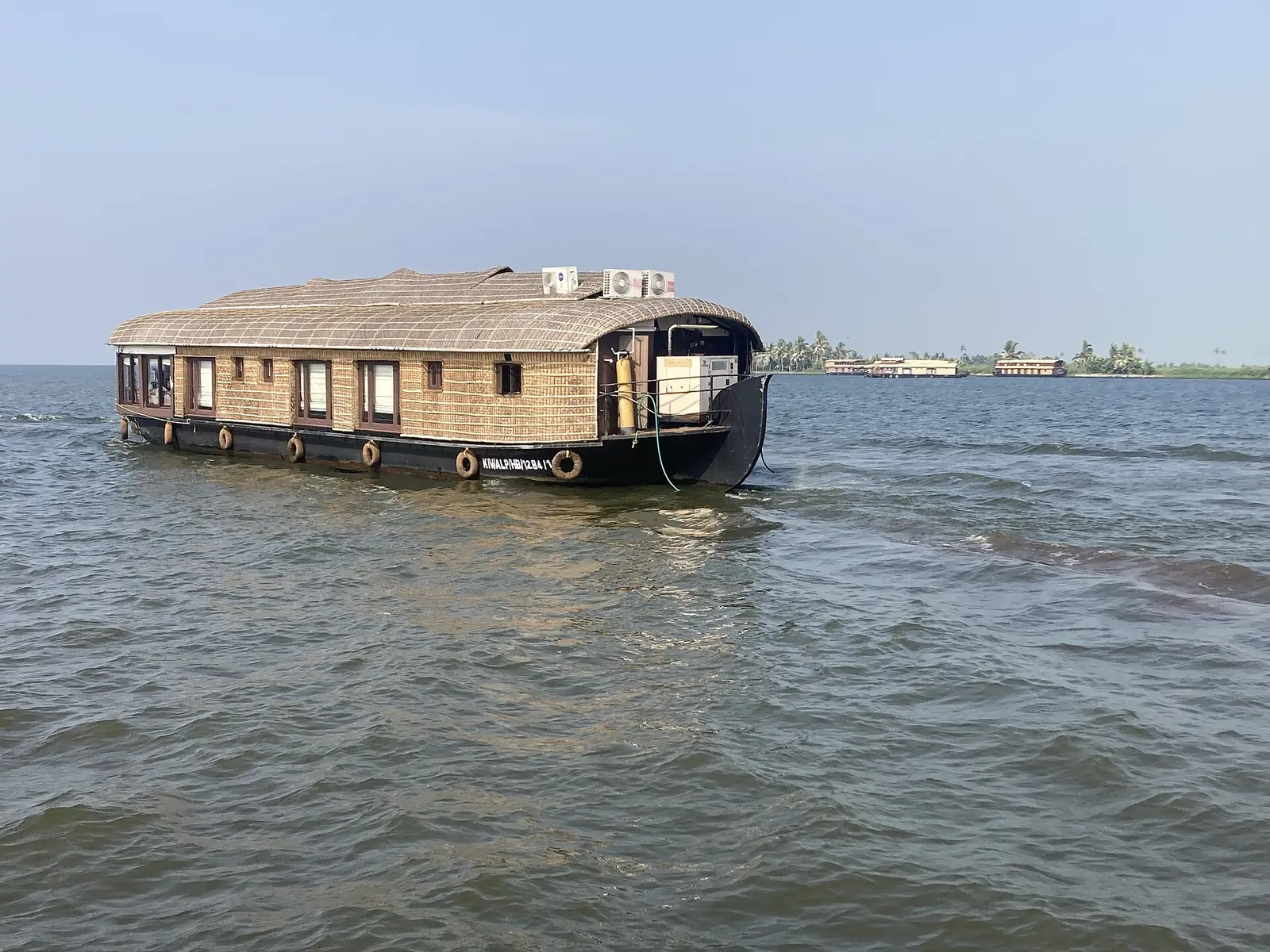
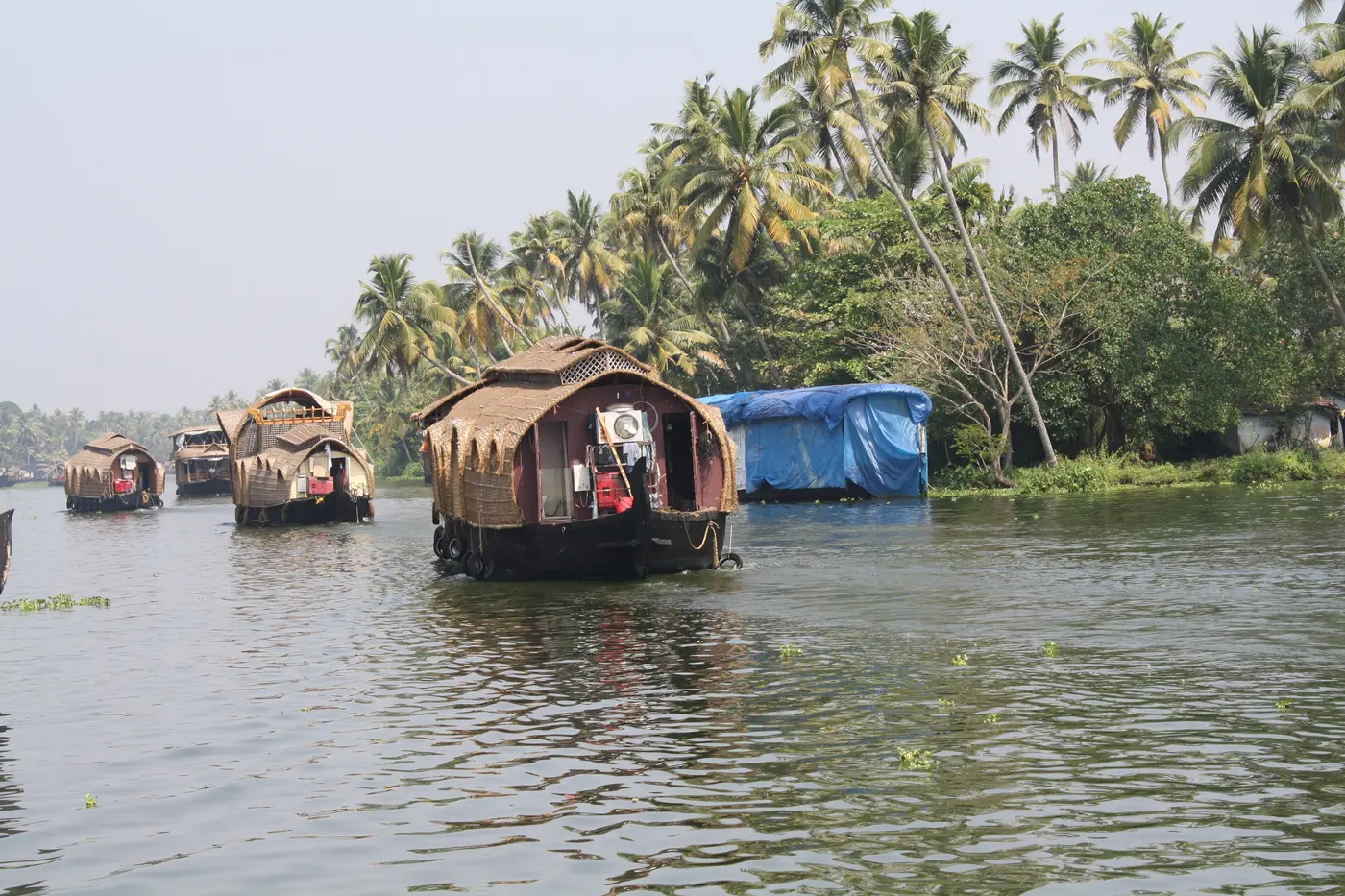
The houseboat (kettuvallam) is how most people experience this — converted rice barges, traditionally built without a single nail using coir rope and jackwood, now refitted with bedrooms, bathrooms, and kitchens, drifting slowly through this water-world for a day or overnight. It is one of the most relaxing travel experiences in India and also one of the easiest to do badly — this guide is built to help you do it well.
🛶 Kerala Backwaters at a Glance
Looking for activities and experiences? See our guide to the best things to do in Kerala.
Planning a beach holiday? Explore our guide to coastal tourism in India.
Best Time to Visit the Kerala Backwaters
Kerala has a tropical monsoon climate with two distinct rainy seasons. The backwaters can technically be visited year-round, but the experience varies enormously by season.
The southwest monsoon ends in September, leaving the backwaters at their greenest and fullest. Water levels are high, paddy fields are vivid green, and the famous Nehru Trophy Snake Boat Race takes place in Alleppey on the second Saturday of August (just before this window opens).
Comfortable temperatures (22–32°C), minimal rain, and the busiest season for houseboat tourism. December–January sees premium pricing and full bookings — reserve houseboats at least 3–4 weeks ahead. The classic 'postcard Kerala' season.
Temperatures climb to 33–37°C with high humidity. Fewer tourists mean better houseboat rates (sometimes 30% lower than peak season) and more flexibility with last-minute bookings. Air-conditioned cabins become genuinely necessary rather than a luxury.
Kerala's monsoon is dramatic and the backwaters at full flood are spectacular — but heavy rain limits deck time and some smaller canals become difficult to navigate. Many Ayurvedic treatment packages specifically target this season (monsoon is considered ideal for Ayurveda in Kerala tradition).
Our pick: Late September to November — the backwaters are at their lushest right after the monsoon, crowds are lower than the December peak, and prices haven't yet hit the holiday premium. If you can time it around the Nehru Trophy Boat Race (August, Alleppey), the energy in town is extraordinary.
How to Reach the Kerala Backwaters
The main gateway is Alleppey (Alappuzha), though Kumarakom and Kollam are also viable bases. All are well connected via Kochi, Kerala's main transport hub.
- By Air: Cochin International Airport (COK) is the main gateway, 85 km from Alleppey and 75 km from Kumarakom. Daily flights from Delhi, Mumbai, Bangalore, Chennai, and most major Indian cities. From the airport, taxis to Alleppey take roughly 2 hours (₹1,800–₹2,500).
- By Train: Alappuzha railway station is directly connected to Kochi (1.5 hrs), Trivandrum (2.5 hrs), and major cities further afield including Bangalore, Chennai, and Mumbai (overnight trains). Kollam Junction is also well served and useful if basing yourself there instead.
- By Road: KSRTC buses connect Kochi to Alleppey in roughly 1.5–2 hours (₹100–₹150). Private taxis from Kochi airport or city are the most convenient option for groups or those with luggage.
- Inter-town backwater ferries: A genuinely memorable way to travel between Alleppey and Kollam (or vice versa) is the public passenger ferry that runs the length of the backwaters — 8 hours, ₹400, departing 10:30 AM daily. This isn't a tourist boat; it's the actual public transport Keralites use, and it covers some of the most beautiful stretches of the entire backwater network.
Understanding the Backwaters
The backwaters are formed where the Arabian Sea meets the network of 44 rivers flowing down from the Western Ghats. Sand bars built up by ocean currents created a series of lakes and lagoons running parallel to the coastline, which over centuries were connected and expanded by canals — both for transport and to drain land for rice cultivation.
The largest of these water bodies is Vembanad Lake — at 96.5 km long, it's the longest lake in India and the centrepiece of the entire backwater system. Alleppey, Kumarakom, and Kottayam all sit on or near its shores. From Vembanad, a maze of smaller canals branches out into the surrounding paddy land — this is the Kuttanad region, the "rice bowl of Kerala," where farming happens below sea level, held back by an extraordinary system of mud embankments (bunds) that has been maintained for over a century.
Understanding this geography helps explain why your houseboat experience differs so much depending on where you start: Alleppey gives you the classic wide-lake and narrow-canal combination; Kumarakom is calmer, more bird-rich, and slightly more upmarket; Kollam connects you to a quieter, less commercialised southern stretch.
Choosing Your Base
Alleppey (Alappuzha)
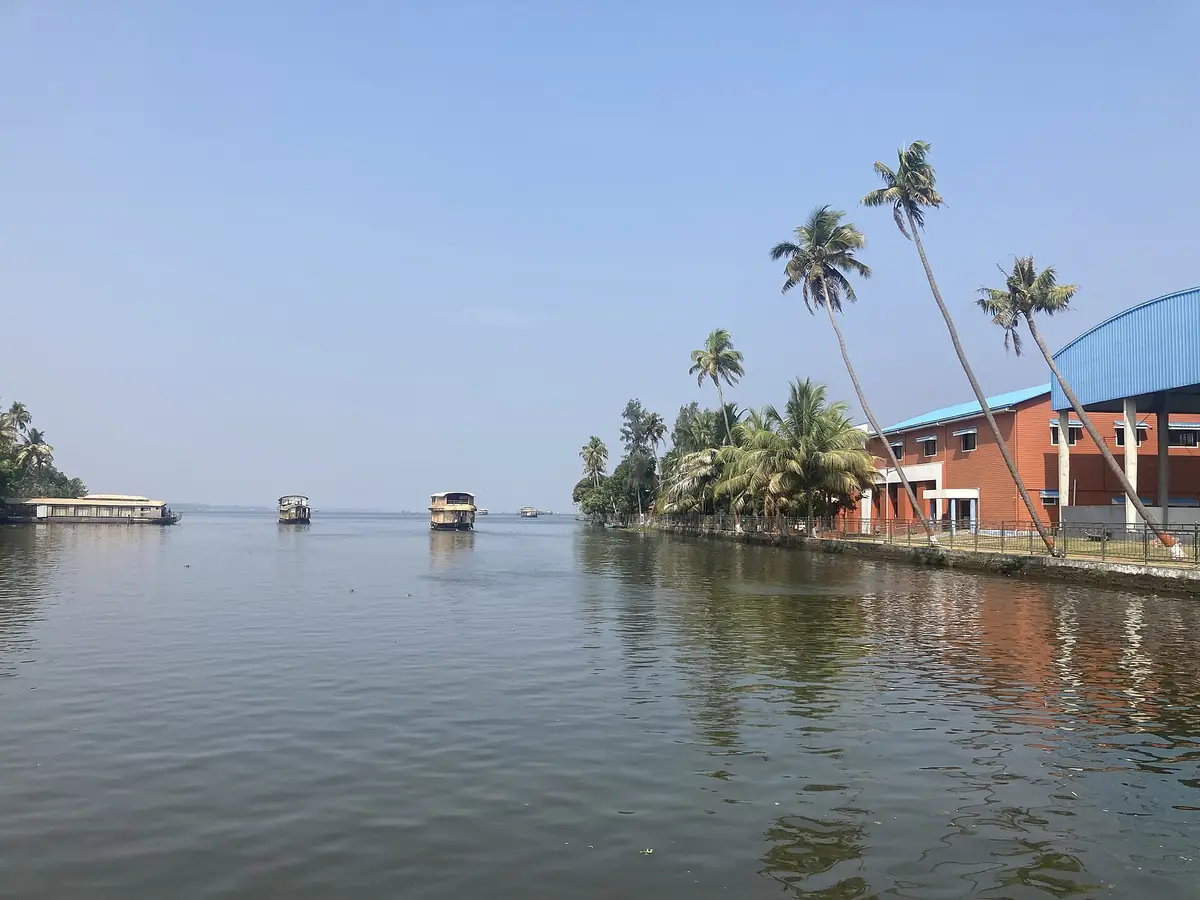
Called the "Venice of the East" by British administrators (a comparison that undersells what's actually unique about it), Alleppey is the undisputed capital of backwater tourism — the largest concentration of houseboats in Kerala, the widest range of routes and prices, and the most developed tourist infrastructure. This is both its strength and its weakness: the main channels near town can feel congested with boat traffic in peak season, but the breadth of choice and the speed with which you can be on the water make it the most practical starting point for most visitors.
The town itself has a faded colonial charm — old coir warehouses, a historic lighthouse, and a beach where the famous Nehru Trophy Snake Boat Race finishes every August in front of enormous crowds. Most houseboats depart from Punnamada Lake, just north of the town centre.
- Best for: First-timers, widest choice of houseboats and price points
- Watch: The Nehru Trophy Snake Boat Race (second Saturday of August)
- Note: Choose a route that goes beyond the main channel (ask your operator) — the narrower village canals are where the real charm is
Kumarakom
On the eastern shore of Vembanad Lake, 16 km from Kottayam, Kumarakom offers a more tranquil, more upmarket alternative to Alleppey — fewer houseboats, more open water, better bird-watching, and some of the finest luxury resorts in South India. Kumarakom's atmosphere is quieter and more deliberately designed for relaxation rather than the bustling boat- traffic energy near Alleppey town.
The Kumarakom Bird Sanctuary, a 14-acre protected wetland on the lake shore, hosts migratory birds from as far as Siberia between November and February — egrets, darters, herons, teal, and the occasional rare sighting draw serious birdwatchers here specifically.
- Best for: Couples, luxury travellers, birdwatchers, those who prefer calm over crowds
- Don't miss: Kumarakom Bird Sanctuary (entry ₹30, best 6–9 AM)
- Luxury picks: Coconut Lagoon, Kumarakom Lake Resort, Taj Kumarakom — among India's finest backwater resorts
Kollam
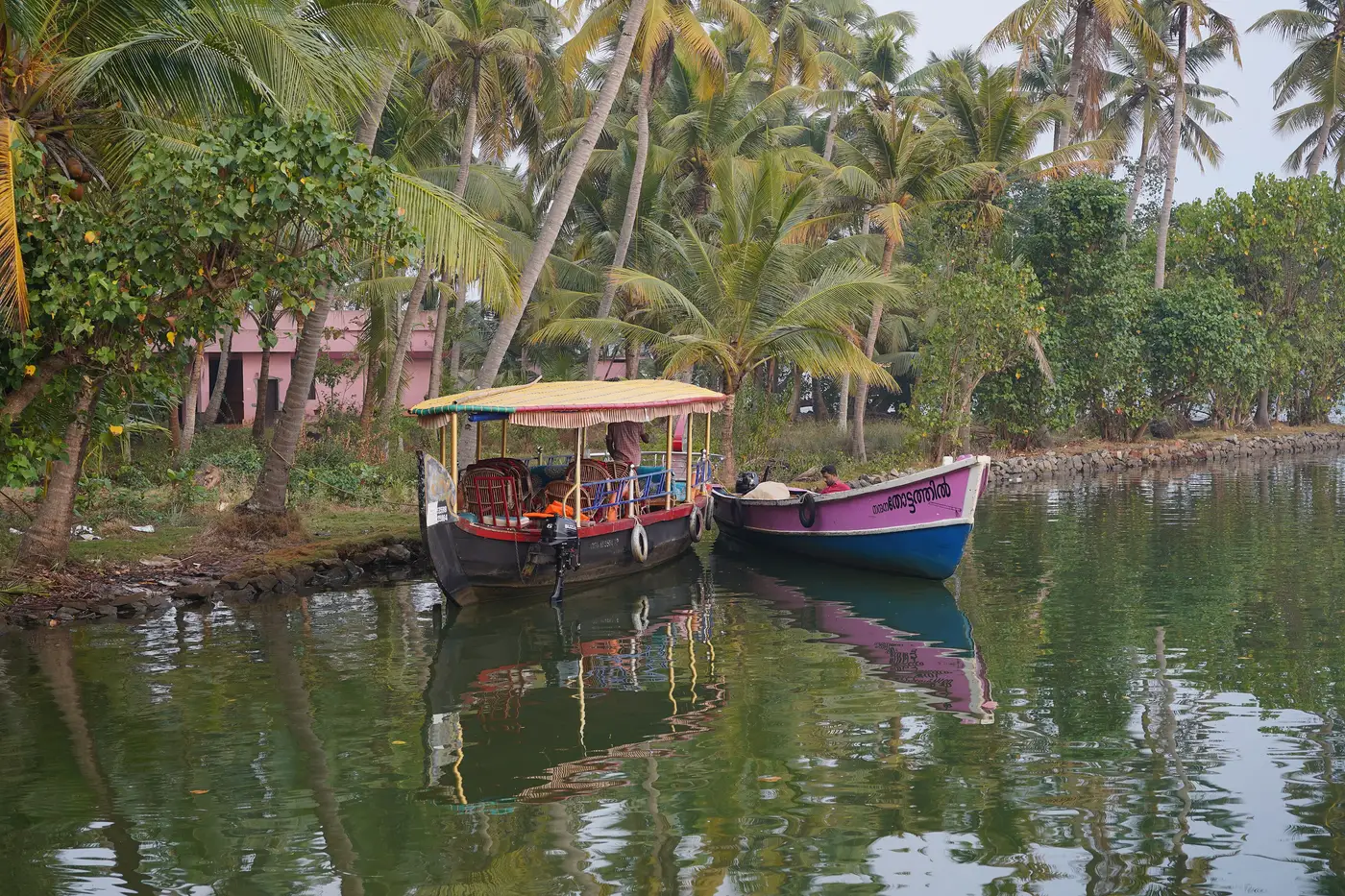
The southern gateway to the backwaters, Kollamconnects to the Ashtamudi Lake system — an eight-armed (ashta = eight, mudi = lake) estuarine water body that's calmer and significantly less touristy than the Alleppey region. This is where serious backwater enthusiasts go for a quieter, more authentic experience, and it's also the southern terminus of the famous Alleppey- Kollam public ferry route.
Kollam's houseboat scene is smaller but high quality, with several operators specialising in genuinely immersive village-canal routes rather than the wider lake cruising more common around Alleppey.
- Best for: Travellers who've done Alleppey before, or those seeking lower crowds
- Connects to: Munroe Island and the southern backwater network
Munroe Island
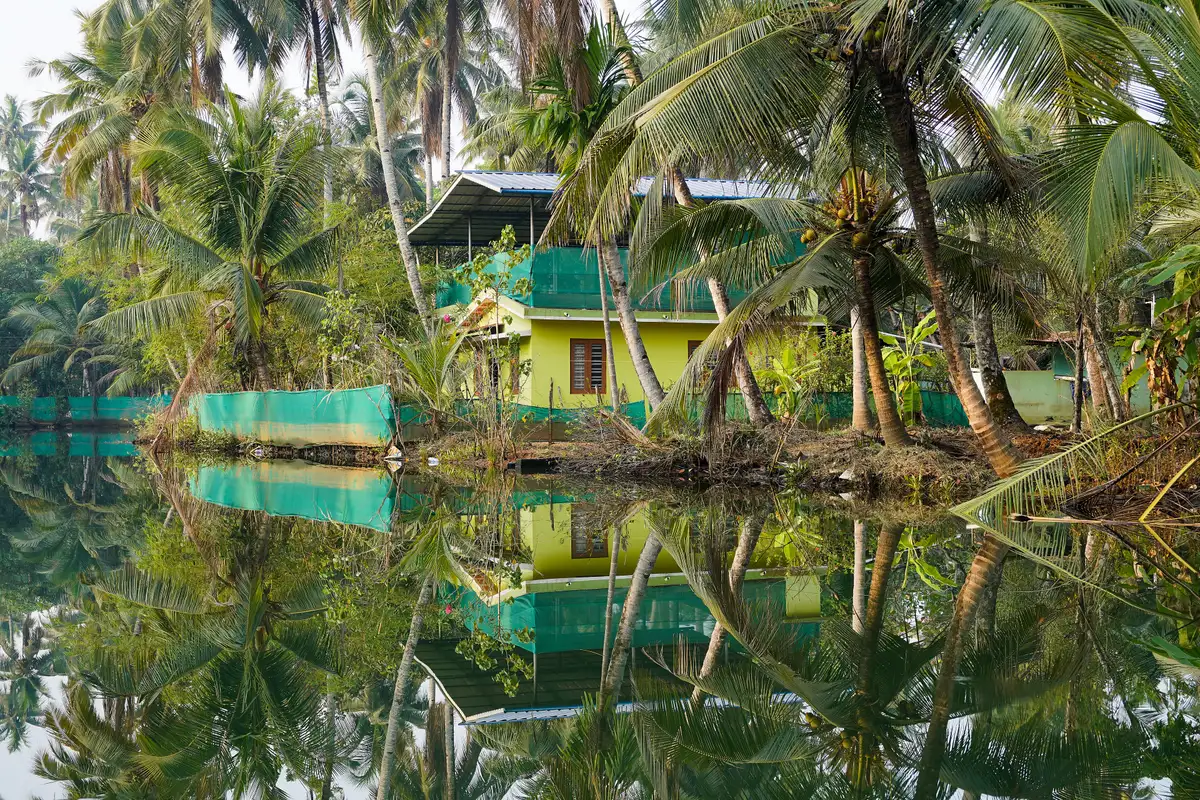
A cluster of small islands at the confluence of the Ashtamudi Lake and Kallada River, near Kollam, Munroe Island (named after British resident Colonel John Munro) is the place to go for a genuinely off-the-houseboat-circuit experience — narrow canoe canals through coconut groves and village paddy fields, with almost none of the houseboat traffic found further north.
Most visitors explore Munroe Island via a half-day canoe tour rather than an overnight houseboat — paddling through canals barely wide enough for the boat, passing coir-making workshops, toddy tapping demonstrations, and village homes where life continues exactly as it has for generations.
Houseboats — The Complete Guide
The kettuvallam houseboat is the centrepiece of any backwaters trip — and understanding the options properly will dramatically improve your experience.
Types & What to Expect
| Type | Bedrooms | Price/night | AC | Best for |
|---|---|---|---|---|
| Standard (non-AC) | 1 | ₹6,000–₹9,000 | No | Budget travellers, couples |
| Deluxe (AC) | 1–2 | ₹9,000–₹15,000 | Yes (bedroom) | Most couples and small families |
| Premium / Luxury | 2–3 | ₹15,000–₹30,000 | Full AC | Special occasions, larger groups |
| Day cruise (no stay) | — | ₹1,500–₹3,000 pp | Optional | Short trips, those who dislike sleeping on water |
| Shared/group boats | 3–5 | ₹4,000–₹6,000 pp total | Varies | Groups splitting costs |
A typical overnight houseboat package includes lunch, evening tea/snacks, dinner, and breakfast the next morning — all prepared fresh onboard by a dedicated cook, usually featuring Kerala specialties using fish bought directly from passing fishing boats. The crew (captain, cook, and sometimes an assistant) live separately at the rear of the boat.
The standard route from Alleppey takes you through Punnamada Lake, into Vembanad Lake briefly, then into the quieter Kuttanad canal network for the overnight mooring, returning the following morning. The boat moves slowly throughout — this is not transport, it's an experience designed around the journey itself.
Booking Tips
- Book directly with operators when possible:Hotel and online travel agency commissions can add 15–25% to the price. Reputable direct-booking operators (Lakes & Lagoons, Spice Backwaters, Xandari Houseboats) offer better value and more route flexibility.
- Read recent reviews carefully: The houseboat industry has significant quality variation — some boats are beautifully maintained, others are tired and poorly cleaned. Filter reviews for the specific boat name, not just the operator company.
- Ask about the route, not just the boat:Many operators run the same congested main-channel loop. Specifically ask whether the route includes Kuttanad's narrow village canals — this is where the real charm of the backwaters lives, not the wide open lake.
- Confirm what's included: Meals, drinking water, and the overnight stay should be standard. Alcohol, special dietary requests, and extended itineraries (multi-day trips) are usually extra. Get this in writing before paying.
- Group bookings save significantly:A houseboat priced for two costs roughly the same for four — splitting costs across a small group dramatically improves the value, especially for premium boats.
- Off-peak negotiation: In the March– May shoulder season, rates are negotiable — especially for walk-in bookings at Alleppey's Punnamada Lake jetty area, where competing operators will discount to fill empty boats.
Village Life & Canoe Tours
The houseboat shows you the backwaters from the main channels — but the smaller, narrower canals that houseboats can't physically enter are where the most intimate village life unfolds, and the best way to access them is by traditional canoe (chundan vallam) with a local paddler-guide.
A typical canoe village tour (2–3 hours, ₹600–₹1,200 per person depending on group size) paddles silently through canals barely wide enough for the boat, passing homes with front steps directly on the water, women washing clothes, children swimming and waving, fishermen with traditional Chinese fishing nets, and small toddy shops where palm wine is tapped fresh from coconut trees.
- Toddy tapping demonstration: Watch (and often taste) the traditional process of climbing coconut palms and collecting toddy — the mildly alcoholic palm sap that's a Kerala staple. Many village tours include a stop at a working toddy shop.
- Coir making: Kuttanad has a long tradition of coir (coconut fibre) rope and mat making — small workshops along the canals demonstrate the traditional spinning process by hand.
- School run by canoe: In the early morning and afternoon, you'll see local children paddling small canoes to and from school — one of the most charming sights in the backwaters and a genuine reminder this is a living community, not a theme park.
- Best operators: Most homestays and smaller guesthouses in Kuttanad can arrange a local canoe guide directly — often more authentic and better value than booking through a houseboat company.
Kuttanad — Farming Below Sea Level
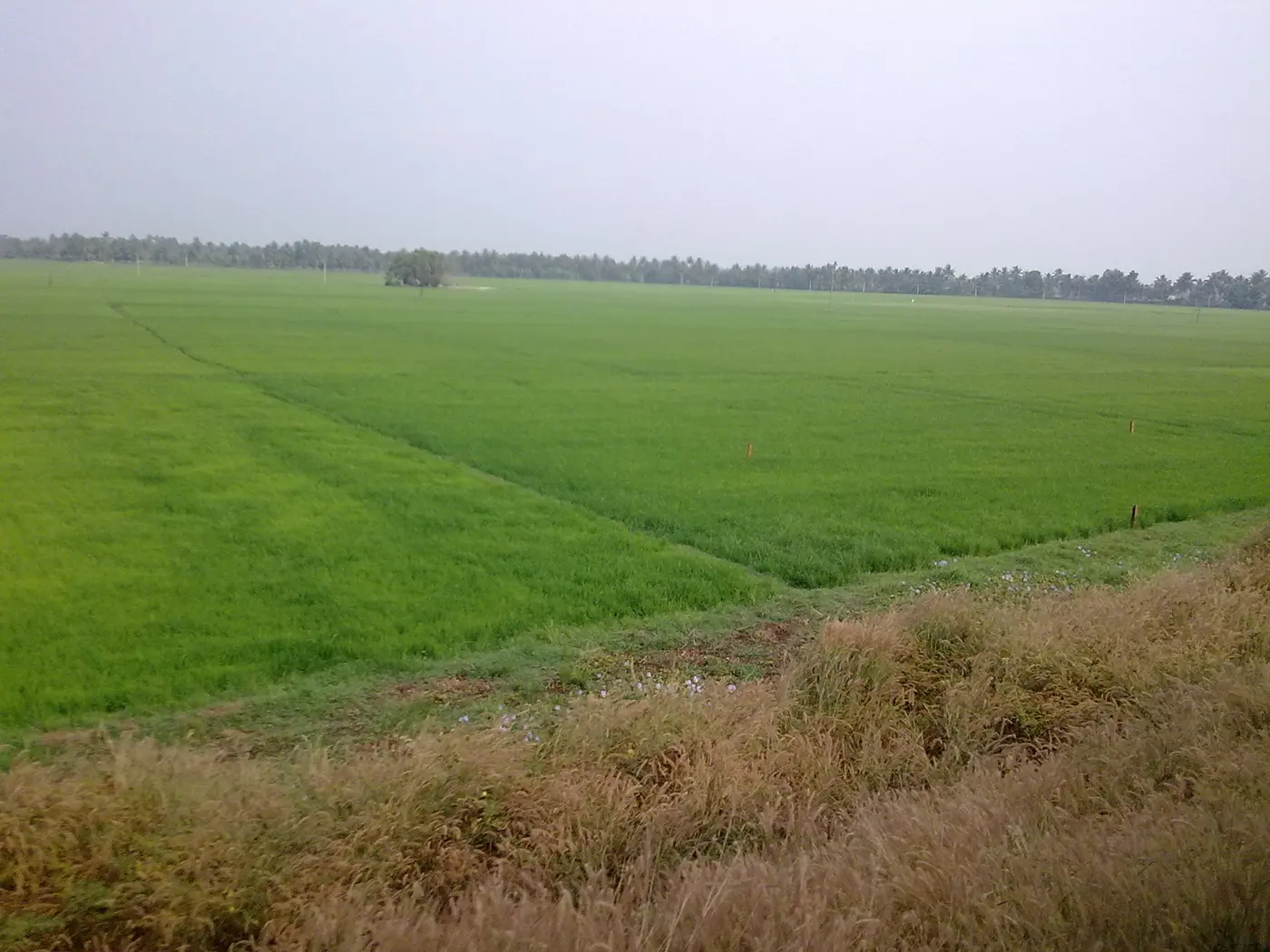
Kuttanad, the "rice bowl of Kerala," is one of the very few places on earth where farming happens below sea level — some paddy fields here sit as much as 2.2 metres below mean sea level, protected from the surrounding water by an extraordinary network of mud embankments (bunds) and pumping systems that has been maintained, in various forms, for over a century.
The technique, called "Pokkali" and "Punja" farming depending on the specific method, involves draining sections of the backwater lake bed, building protective bunds, and pumping out seawater intrusion during the growing season — a remarkable feat of low-tech hydraulic engineering that produces some of Kerala's finest rice. Watching this system in action — farmers working fields visibly lower than the water level of the canal beside them — is one of the most quietly astonishing things you'll see in the backwaters.
The best way to understand Kuttanad is from a houseboat route that specifically traverses the smaller paddy- adjacent canals (ask your operator) or via a guided village walk that includes a stop at an active paddy field during the growing or harvest season (June–September for the main crop).
Birdwatching & Wildlife
The Kerala backwaters, particularly around Kumarakom and the quieter southern stretches near Kollam, host an extraordinary range of resident and migratory bird life — over 140 species recorded in the Kumarakom Bird Sanctuary alone.
Indian Darter
Year-round residentOften seen perched with wings outstretched to dry — a distinctive backwaters sight. Excellent underwater swimmers.
Common Kingfisher
Year-round residentThe flash of electric blue along the canal banks is one of the most common backwater sightings — look for them perched on overhanging branches.
Siberian Crane (rare)
Nov – FebAn exceptional rarity that occasionally appears at Kumarakom during peak migration — serious birders specifically time visits for this possibility.
Cormorants
Year-round, peaks Nov–MarLarge breeding colonies form at Kumarakom Bird Sanctuary — thousands of birds nest in the same trees, an extraordinary spectacle at dawn.
Indian Pond Heron
Year-round residentExtremely common — stands motionless on canal banks waiting for fish, then strikes with remarkable speed. Easy to spot from any moving boat.
Otters
Occasional, dawn/duskSmooth-coated otters are present but elusive — early morning canoe trips have the best chance of a sighting in quieter canal stretches.
Where to Stay (Land-Based)
While the houseboat overnight is the headline experience, most itineraries also include at least one land-based stay — either before or after the houseboat, or instead of it for those who prefer a more relaxed homestay immersion in village life.
- → Homestays in Kuttanad villages
- → Alleppey town guesthouses
- → Munroe Island family homestays
- → Kollam budget hotels (transit)
- → Punnamada Backwater Resort (Alleppey)
- → Mangrove Beach Resort
- → Vembanad Lakeside Resort
- → Lake Heritage Resort (Kumarakom)
- → Coconut Lagoon (Kumarakom — CGH Earth)
- → Kumarakom Lake Resort
- → Taj Kumarakom Resort & Spa
- → Marari Beach Resort (Mararikulam, nearby)
A village homestay in Kuttanad — staying with a local family in a traditional house surrounded by paddy fields — is often the single most memorable accommodation choice in the backwaters, and significantly cheaper than a houseboat night.
What to Eat in the Backwaters
Kerala's backwater cuisine is defined by fresh seafood, coconut, and rice — meals are typically served on a banana leaf and built around what was caught or harvested that morning. Most houseboat meals are excellent and a highlight of the trip in their own right.
- Karimeen (Pearl Spot fish): The signature backwater fish — caught directly from Vembanad Lake, usually fried whole with a turmeric and chilli marinade, or cooked in a tangy fish curry (meen mulakittathu) with kokum and red chillies. If your houseboat cook offers it, accept immediately.
- Sadya (full Kerala feast): A traditional banana leaf meal with up to 20 dishes — rice, sambar, rasam, avial, thoran, pachadi, and payasam for dessert. Many houseboats serve a simplified version for lunch; the full ceremonial version is reserved for festivals and special occasions.
- Appam with stew: Soft, fermented rice pancakes with lacy, crisp edges, served with a mild coconut milk vegetable or chicken stew. A classic Kerala breakfast, often served on houseboats the morning after an overnight stay.
- Toddy: The mildly alcoholic, slightly fizzy palm wine tapped fresh from coconut trees — best tried at a working toddy shop on a village canoe tour rather than bottled versions. Strength and flavour change dramatically through the day as fermentation progresses.
- Tapioca and fish curry: A Kuttanad staple — boiled tapioca (cassava) served with spicy fish curry, a combination that's been central to backwater village diets for generations.
- Fresh tender coconut water: Sold directly from canoes paddling alongside houseboats or at every village stop — ₹30–₹40, chopped open on the spot. The best rehydration in the Kerala heat.
4-Day Kerala Backwaters Itinerary
Four days gives you time for the full backwater experience — an overnight houseboat, a village canoe tour, time in Kumarakom for birdwatching, and a slower village homestay night to balance the more touristic houseboat experience.
Arrival & Alleppey Houseboat Departure
- ✓Arrive in Alleppey from Kochi (train, bus, or taxi)
- ✓Check houseboat boarding details, board by 12 PM
- ✓Onboard lunch as the boat departs Punnamada Lake
- ✓Afternoon cruise through Vembanad Lake into Kuttanad canals
- ✓Overnight mooring near a quiet village — sunset on deck
Houseboat Morning & Kuttanad Village Walk
- ✓Sunrise on deck — coffee as mist clears off the water
- ✓Breakfast (appam and stew) as the boat begins its return
- ✓Disembark Alleppey by 9 AM
- ✓Afternoon: Village walk or canoe tour into Kuttanad paddy fields
- ✓Evening: Check in to Alleppey or Kuttanad homestay
Kumarakom — Birds & Backwater Resort
- ✓Morning: Travel to Kumarakom (45 min from Alleppey)
- ✓Kumarakom Bird Sanctuary (6–9 AM ideal, but flexible)
- ✓Check in to resort, lunch on the lakeside
- ✓Afternoon: Village canoe tour through quieter Kumarakom canals
- ✓Sunset: Vembanad Lake viewpoint from resort or boat
Munroe Island & Departure
- ✓Early travel to Munroe Island (via Kollam, ~2 hrs)
- ✓Half-day canoe tour through Munroe's narrow village canals
- ✓Toddy tapping and coir making demonstrations
- ✓Lunch at a local village eatery
- ✓Onward travel to Kochi airport/station for departure
Budget Breakdown
| Expense | Budget | Mid-Range | Luxury |
|---|---|---|---|
| Houseboat (1 night, incl. meals) | ₹6,500 | ₹11,000 | ₹22,000 |
| Land accommodation/night | ₹1,000 | ₹3,500 | ₹15,000 |
| Food (non-houseboat days) | ₹400 | ₹900 | ₹2,500 |
| Village canoe tour | ₹600 | ₹1,000 | ₹1,500 |
| Local transport/day | ₹300 | ₹800 | ₹2,500 |
| Bird sanctuary + activities | ₹100 | ₹300 | ₹600 |
| 4-Day trip total (approx) | ₹14,000 | ₹27,000 | ₹65,000 |
* Excludes flights to Kochi from outside Kerala. Houseboat cost is the single biggest variable in any backwaters budget — splitting it across a group of 4 dramatically reduces per-person cost.
Essential Travel Tips
- One night on a houseboat is enough for most people:The novelty and romance of the houseboat is real, but the routes are repetitive after the first night. One overnight, combined with a village canoe tour and a land-based stay, gives the fullest experience without the diminishing returns of multiple houseboat nights.
- Insist on a route through the narrow canals:Many budget operators run a route confined to the wider main channel near Alleppey, which is far less interesting than the village-adjacent canals of Kuttanad. Specifically ask before booking.
- Houseboats don't move at night: By law and practical safety, houseboats moor for the evening rather than cruising after dark. Don't expect a moving boat experience overnight — the mooring spot is chosen for tranquility, often near a quiet village.
- Check for plastic policy: Vembanad Lake has suffered significant pollution from tourism. Reputable operators have moved to reusable water bottles and minimal plastic — ask before booking, and bring your own reusable bottle regardless.
- Confirm AC if travelling March–May:Non-AC houseboats become genuinely uncomfortable in the hot season. Confirm cabin AC specifically (not just "the boat has AC," which sometimes only refers to common areas).
- Mosquito protection matters in the evening:The combination of standing water, paddy fields, and dusk creates significant mosquito activity. Houseboats provide nets, but applying repellent before sunset makes the evening deck time far more pleasant.
- Tip the houseboat crew: The captain and cook work long hours preparing fresh meals and navigating narrow canals. A tip of ₹500–₹1,000 per crew member for an overnight stay is standard and appreciated.
- Bring cash for village stops: Toddy shops, small canoe vendors, and village artisans rarely accept cards. Carry small denominations for these informal transactions.
✅ Do
- →Book a houseboat route that includes Kuttanad's narrow canals
- →Take the Alleppey–Kollam public ferry as an experience in itself
- →Try a village canoe tour even if you skip the houseboat
- →Visit Kumarakom Bird Sanctuary at dawn
- →Stay one night in a Kuttanad village homestay
- →Order Karimeen fish curry if your cook offers it
- →Tip the houseboat crew at the end of your stay
- →Bring your own reusable water bottle
❌ Don't
- →Book a houseboat without checking reviews of that specific boat
- →Expect the houseboat to cruise at night
- →Book a non-AC cabin for March–May travel
- →Throw plastic or waste into the water — it's genuinely polluted already
- →Skip the village canoe tour in favour of only the houseboat
- →Forget mosquito repellent for evening deck time
- →Assume cards work at village stops — carry cash
- →Rush the experience — the backwaters reward slowing down
Places to Explore in Kerala
Every Kerala guide on Kudozz Club, in one place — 15 destinations covered so far, from cities and towns to individual attractions. Use this index to plan beyond the highlights above.
Frequently Asked Questions
How many days do I need for the Kerala backwaters?
Four days is a comfortable length, as laid out in this guide's itinerary — one night on a houseboat, a village canoe tour, a day in Kumarakom for birdwatching, and a stop at Munroe Island before departure. If time is tight, even a single overnight houseboat combined with a half-day canoe tour captures most of what makes the backwaters special.
Is one night on a houseboat enough?
Yes, for most travellers one night is enough — the novelty of the houseboat experience is real, but the routes become repetitive after the first night. Pairing one overnight houseboat stay with a village canoe tour and a land-based homestay gives a fuller experience than booking multiple houseboat nights.
What is the best time to visit the Kerala backwaters?
Late September to November is the recommended window — the backwaters are at their lushest right after the monsoon, with high water levels and vivid green paddy fields, and crowds and prices are lower than the December–February peak. December to February is the most popular and driest season, while March to May is hotter but cheaper, with houseboat rates sometimes 30% lower than peak.
How do I reach the Kerala backwaters from Kochi?
The main gateway is Alleppey (Alappuzha). Cochin International Airport (COK) is 85 km away, roughly a 2-hour taxi ride; Alappuzha railway station connects directly to Kochi in about 1.5 hours; and KSRTC buses cover the same route in 1.5–2 hours. Kumarakom and Kollam are also viable bases, both reachable via Kochi.
What is the budget for a Kerala backwaters trip?
A 4-day trip including one houseboat night costs roughly ₹14,000 on a budget itinerary, closer to ₹27,000 mid-range, and upward of ₹65,000 for a luxury trip. The houseboat itself is the single biggest variable in the budget, and splitting the cost across a group of four reduces the per-person price significantly.
Should I base myself in Alleppey, Kumarakom, or Kollam?
Alleppey is the best choice for first-timers, with the widest range of houseboats and price points, though its main channels can feel congested in peak season. Kumarakom, on Vembanad Lake's eastern shore, is calmer, more upmarket, and better for birdwatching. Kollam connects to the quieter Ashtamudi Lake system and suits travellers who've done Alleppey before or want lower crowds, while nearby Munroe Island offers an off-the-houseboat-circuit canoe experience.
What is Kuttanad and why is it famous?
Kuttanad, known as the 'rice bowl of Kerala,' is one of the very few places on earth where farming happens below sea level — some paddy fields sit as much as 2.2 metres below mean sea level, protected by a network of mud embankments (bunds) and pumping systems maintained for over a century. It's best experienced via a houseboat route that traverses the smaller paddy-adjacent canals or a guided village walk.
Published by the Kudozz Club editorial team · Last updated · How we research our guides
Want us to plan this trip for you?
Tell Kudozz Club where you want to go and what kind of trip you’re looking for. We’ll build a Kerala itinerary around your dates and budget.
Continue Exploring
View all guides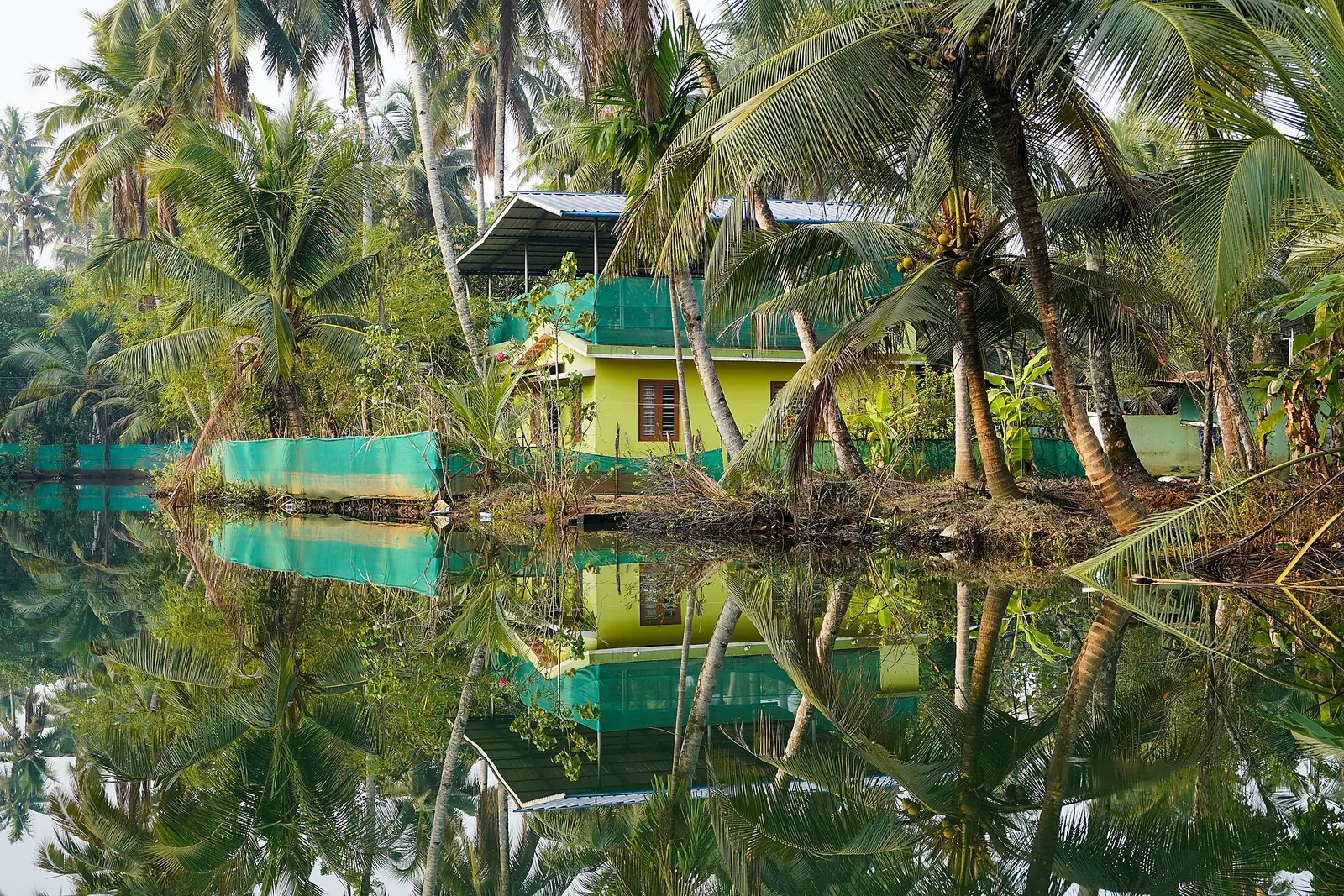 Off-beat
Munroe Island Travel Guide: Backwater Canoeing & Village Life
A cluster of tiny islands where the Ashtamudi Lake meets the Kallada River, explored by narrow canoe through coir-village canals — the complete guide to Munroe Island.
 Nature Travel
Nature Travel in Kerala
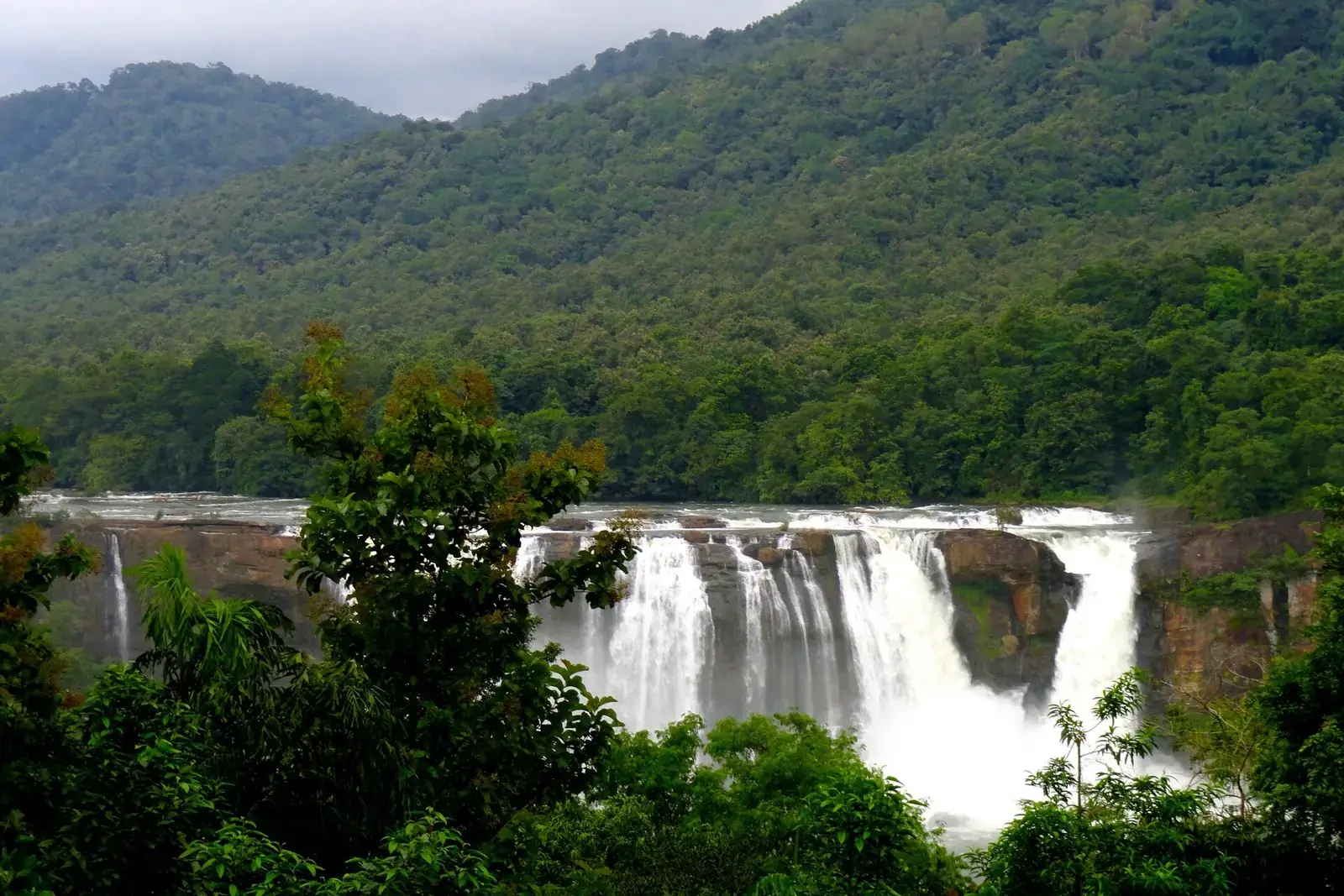
A guide to nature travel in Kerala: the rainforest of Silent Valley, the shola grasslands of Eravikulam, Athirappilly and Vazhachal falls, Periyar lake at Thekkady, the forests and peaks of Wayanad, the meadows of Vagamon, and the backwaters of Vembanad, Kumarakom and Munroe Island, with the best seasons and how to plan a trip.
 Things to Do
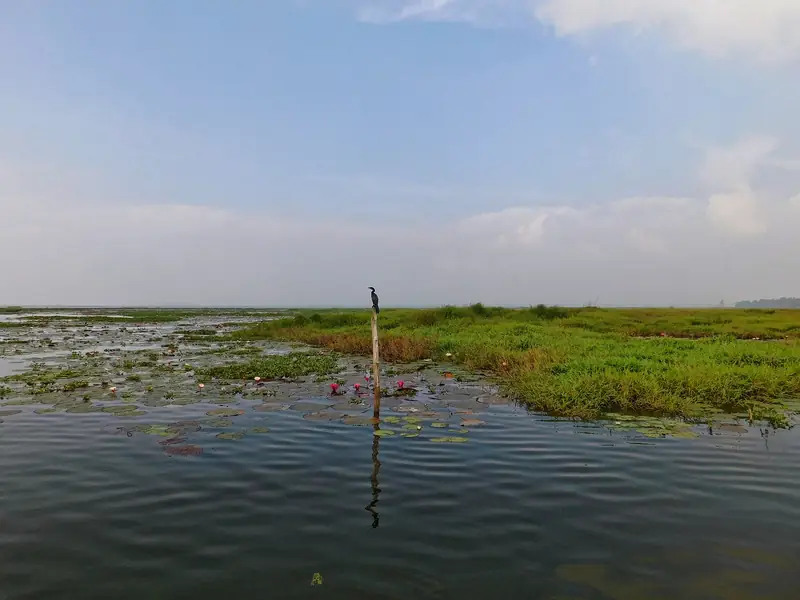
Things to Do in Kumarakom: Bird Sanctuary, Vembanad Lake & Village Life
Things to do in Kumarakom: the bird sanctuary at dawn, sunset cruises and houseboats on Vembanad Lake, Pathiramanal island, village life and toddy-tapping tours, canoe rides, the Bay Island Driftwood Museum, Ayurveda, and trips to Kottayam and Vaikom.
 Road Trips
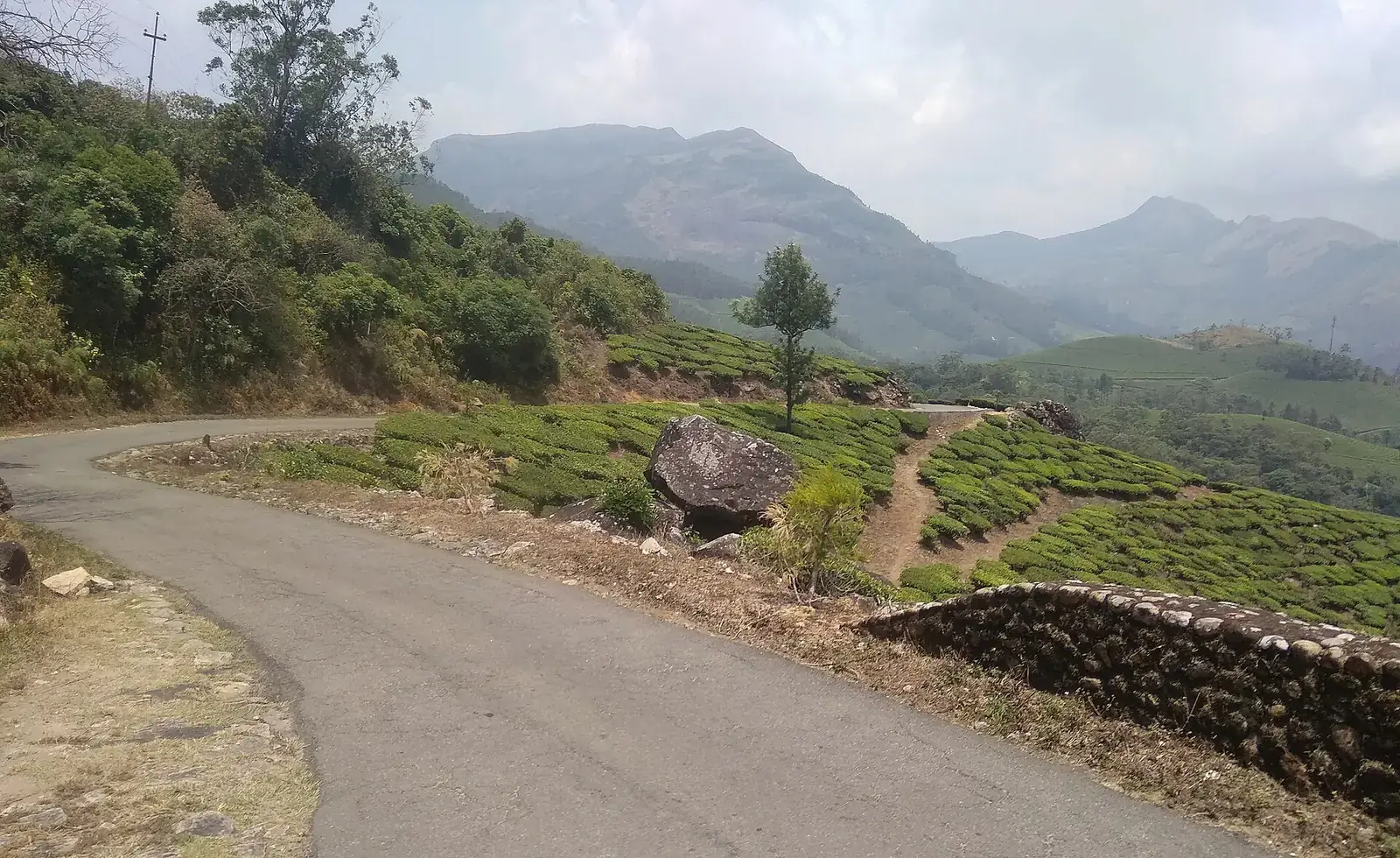
Kerala Road Trip: Hills, Backwaters and Coast by Road
A route guide to a Kerala road trip: the classic loop from Kochi to Munnar, Thekkady, Vagamon, Kumarakom or Alappuzha and Varkala, the northern leg to Wayanad over the Thamarassery ghat, approximate distances and drive times, NH66 works, monsoon driving, a seven- to ten-day plan and how to combine driving with a houseboat night.