Why Kochi?
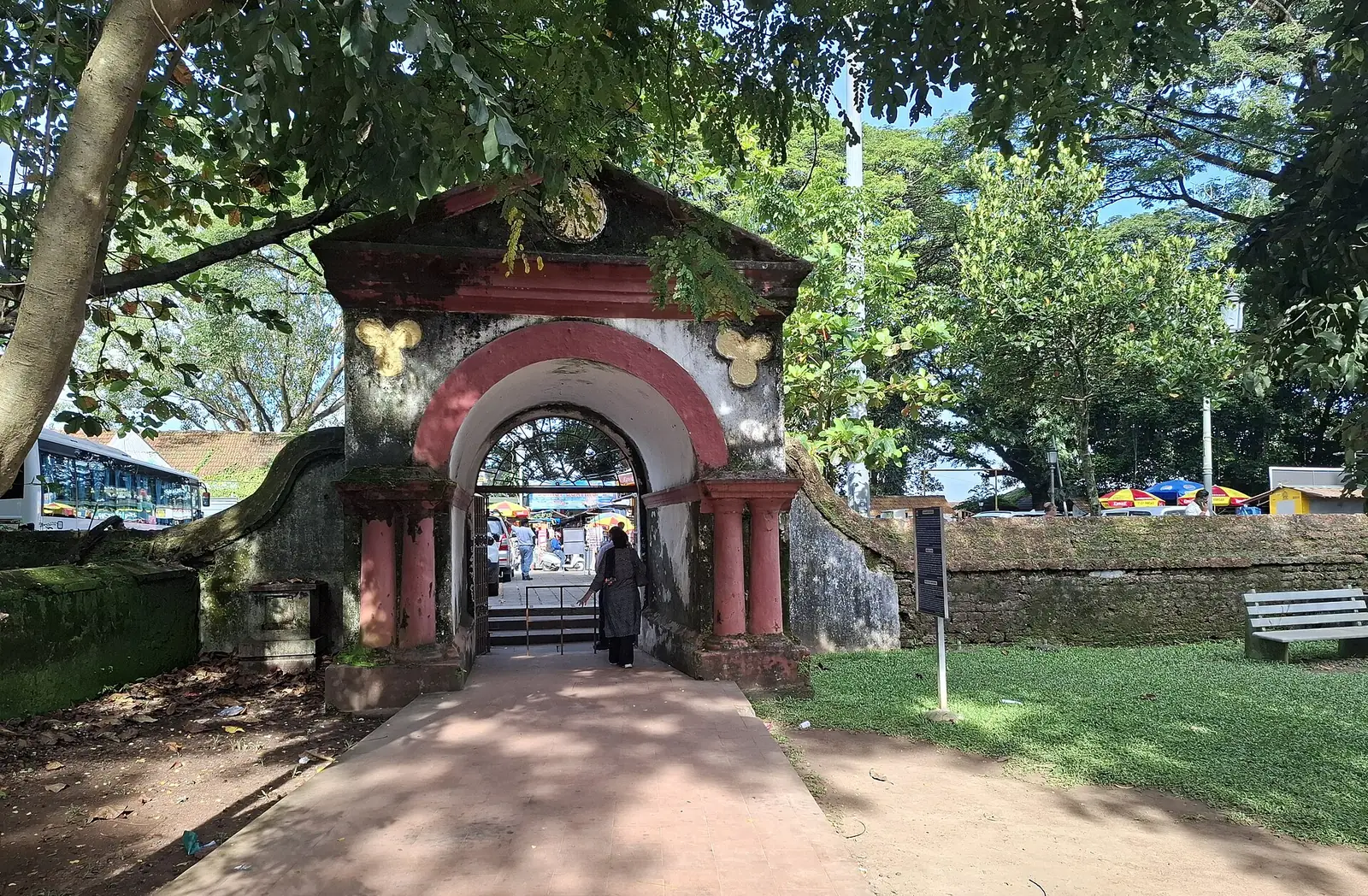
Kochi (Cochin) has been a trading port for over a thousand years, and its old-town peninsula, Fort Kochi, still shows the layers: Portuguese churches, Dutch-era architecture, a centuries-old Jewish quarter, and cantilevered Chinese fishing nets worked by local fishermen at the water's edge. It's Kerala's most walkable city, and its most historically dense — a compact area you can cover almost entirely on foot or bicycle.
As Kerala's primary gateway city, Kochi is also the natural starting or ending point for a wider Kerala trip — Munnar, Alleppey, and Thekkady are all within a few hours by road, making Kochi a practical base as well as a destination in its own right.
⚓ Kochi at a Glance
Looking for activities and experiences? See our guide to the best things to do in Kochi.
Interested in the history? See our guide to heritage in Kerala.
Planning a beach holiday? Explore our guide to coastal tourism in India.
Best Time to Visit Kochi
Dry and comfortably warm, ideal for walking Fort Kochi's streets and lingering at the waterfront for sunset.
Temperatures and humidity both climb — plan museum and indoor stops for the hottest part of the afternoon.
Kerala's monsoon is dramatic and the city turns lush green, but heavy rain can disrupt walking plans and ferry schedules.
Rains taper off, humidity lingers, but the city is noticeably quieter than peak winter months.
Our pick: November to February — the most reliably pleasant stretch for walking Fort Kochi and catching a sunset with the fishing nets in silhouette.
How to Reach Kochi
- By Air: Cochin International Airport (COK) has extensive domestic and international connections, making Kochi Kerala's primary gateway city.
- By Train: Kochi is a major railway junction on the southern network, well connected to Kerala's other cities and the rest of South India.
- By Road: Well connected via NH66 (coastal route) and NH544, with easy onward road access to Munnar, Alleppey, and Thekkady.
Top Things to Do in Kochi
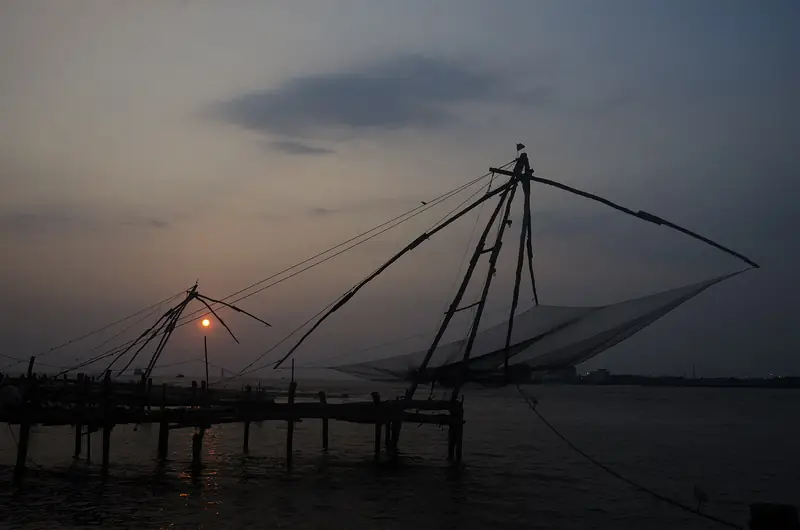
- Chinese Fishing Nets: Cantilevered shore-operated nets along the Fort Kochi waterfront, still worked by local fishermen and iconic at sunset.
- Mattancherry Palace (Dutch Palace): A palace with striking Kerala mural paintings depicting Hindu epics, built originally for the Kochi royal family.
- Paradesi Synagogue, Jew Town: One of the oldest active synagogues in the Commonwealth, in a historic spice-trading quarter.
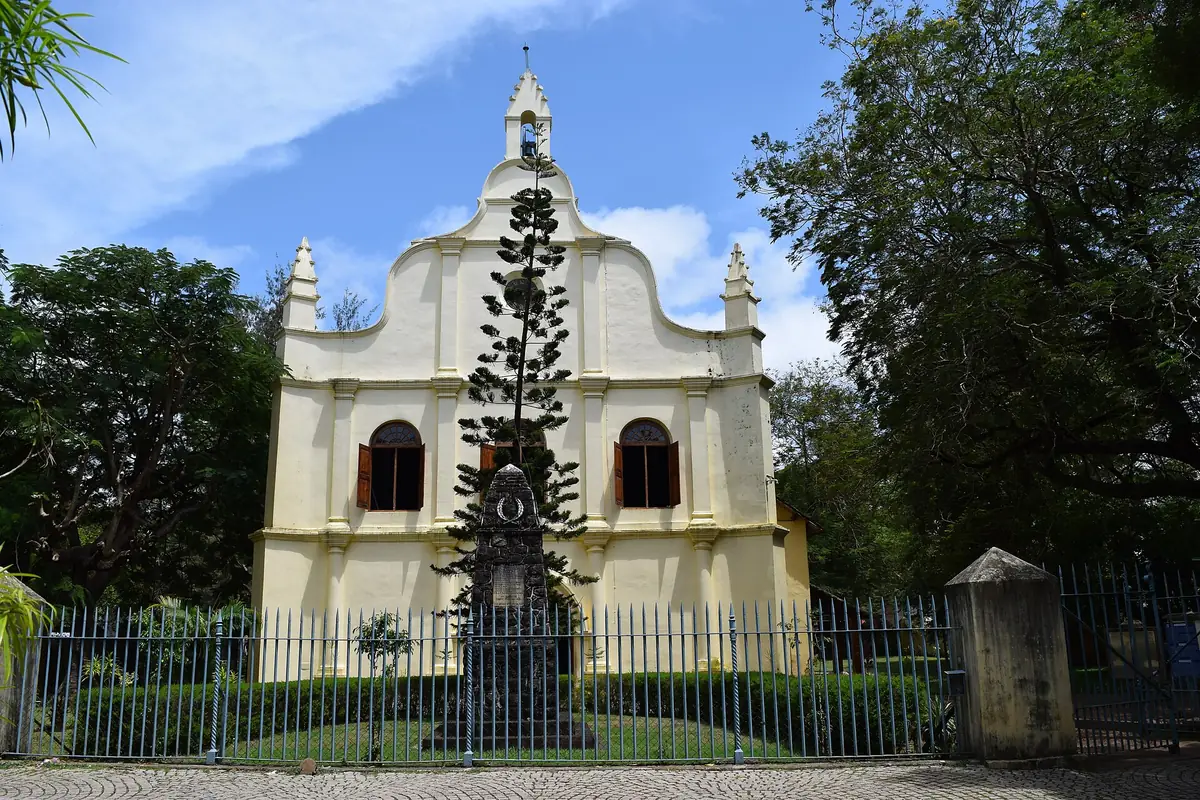
- St. Francis Church: One of the earliest European churches built in India, where Vasco da Gama was originally buried before his remains were moved to Portugal.
- Spice markets, Mattancherry: Narrow lanes stacked with sacks of cardamom, pepper, and other spices, part of Kochi's centuries-old trading heritage.
- Kathakali performance: Several Fort Kochi venues stage evening shows with elaborate makeup demonstrations beforehand — a good introduction to Kerala's classical dance-drama.
- Marine Drive & Willingdon Island: Modern Ernakulam's waterfront promenade and the man-made island housing the naval base and port — worth a look for contrast with old Fort Kochi.
Where to Stay in Kochi
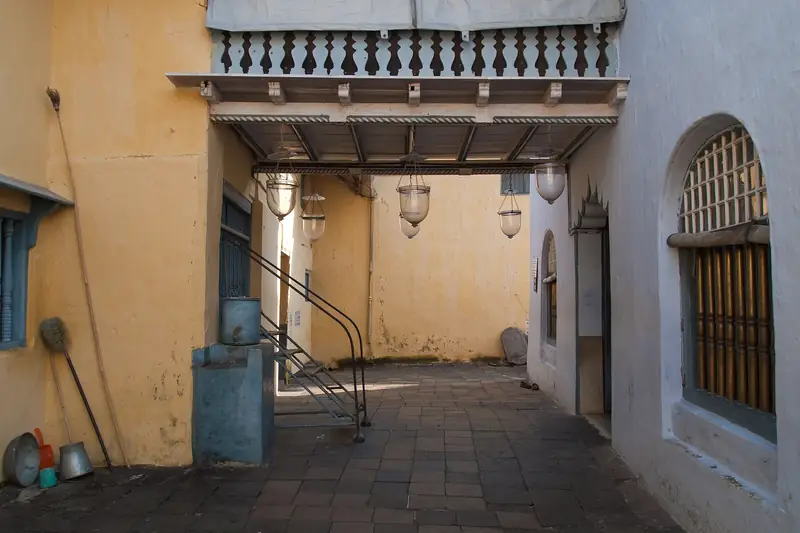
Fort Kochi is the obvious base for most travelers, with Ernakulam as a more modern, business-district alternative.
- → Backpacker hostels, Fort Kochi
- → Budget guesthouses near Jew Town
- → Simple lodges in Ernakulam
- → Heritage boutique hotels, Fort Kochi
- → Mid-range chain hotels, Ernakulam
- → Converted colonial-era bungalows
- → Waterfront heritage properties
- → Premium boutique stays, Fort Kochi
- → Five-star hotels, Ernakulam/Marine Drive
Fort Kochi is the best base — most sights are within walking distance, and it has far more character than Ernakulam's business-district hotels.
What to Eat in Kochi
Kochi's food reflects its trading history — Kerala staples alongside seafood shaped by centuries of spice-route contact.
- Karimeen (pearl spot fish): A Kerala backwater staple, often grilled or served in a tangy fish curry.
- Appam & stew: Lacy rice pancakes paired with a mild coconut-milk vegetable or meat stew — a classic Kerala breakfast.
- Kerala sadya: A traditional vegetarian feast served on a banana leaf, worth seeking out at a local restaurant even outside festival season.
- Jew Town cafes: Small cafes serving a mix of Kerala and continental dishes, popular with the area's steady stream of travelers.
3-Day Kochi Itinerary
Fort Kochi Waterfront
- ✓Arrive, check in around Fort Kochi
- ✓Afternoon: Chinese Fishing Nets, St. Francis Church
- ✓Evening: Sunset at the waterfront
- ✓Dinner at a Fort Kochi cafe
Mattancherry & Jew Town
- ✓Morning: Mattancherry Palace
- ✓Midday: Jew Town spice markets
- ✓Afternoon: Paradesi Synagogue
- ✓Evening: Kathakali performance
Ernakulam & Departure
- ✓Morning: Ferry to Ernakulam, Marine Drive walk
- ✓Late morning: Optional Willingdon Island visit
- ✓Afternoon: Depart via Cochin Airport or onward road/rail travel
Budget Breakdown
| Expense | Budget | Mid-Range | Luxury |
|---|---|---|---|
| Accommodation/night | ₹1,000 | ₹3,000 | ₹13,000 |
| Food/day | ₹450 | ₹1,000 | ₹2,500 |
| Local transport per day | ₹200 | ₹600 | ₹1,500 |
| Entry fees / shows | ₹200 | ₹500 | ₹1,200 |
| Daily total | ₹1,800 | ₹4,500 | ₹15,200 |
| 3-Day trip total | ₹5,400 | ₹13,500 | ₹45,600 |
* Excludes flight/train to the city.
Essential Travel Tips for Kochi
- Explore Fort Kochi on foot or by bicycle: Most major sights are within a comfortable walk of each other.
- Use the ferries: They're cheap, scenic, and connect Fort Kochi, Mattancherry, Ernakulam, and Willingdon Island efficiently.
- Check synagogue timings: The Paradesi Synagogue keeps set visiting hours and is usually closed on Saturdays and Jewish holidays — verify current timings locally.
- Dress modestly at religious sites: Carry a light cover-up for the synagogue and churches.
- Book a Kathakali show in advance: Popular venues can fill up, especially in peak season.
✅ Do
- →Walk or cycle through Fort Kochi at a relaxed pace
- →Catch the fishing nets in action at sunset
- →Watch a Kathakali makeup demonstration and performance
- →Use ferries to hop between Fort Kochi and Ernakulam
- →Explore Jew Town's spice markets and synagogue
❌ Don't
- →Wear beachwear-style clothing into churches or the synagogue
- →Rush Fort Kochi in half a day — it rewards slow exploring
- →Skip checking synagogue and church visiting hours
- →Rely only on road transport when a ferry is faster
- →Miss the spice markets in Mattancherry
Frequently Asked Questions
How many days do I need in Kochi?
Three days is a comfortable amount of time — one for Fort Kochi's waterfront and colonial streets, one for Mattancherry and Jew Town's spice-trade history, and one for Ernakulam, a Kathakali show, or a day trip to the backwaters.
What is the best time to visit Kochi?
October to March is the most comfortable window, with dry weather and temperatures in a pleasant range for walking around Fort Kochi. April to May gets hot and humid, and the monsoon (June–September) brings heavy rain, though the city stays lush and green.
How do I reach Kochi?
Cochin International Airport (COK) has extensive domestic and international connections, and Kochi is a major railway junction on the southern network. As Kerala's primary gateway city, it's also the easiest starting point for onward travel to Munnar, Alleppey, and Thekkady.
Are the Chinese fishing nets still in use?
Yes — the cantilevered nets along the Fort Kochi waterfront are still operated by local fishermen, though many now also let visitors try lifting one for a small fee. Sunset is the best time to see them silhouetted against the water.
Is Fort Kochi walkable?
Very — Fort Kochi is Kochi's most compact, walkable district, and most of its major sights (the fishing nets, Mattancherry Palace, Jew Town, St. Francis Church) are within a comfortable walk or short bicycle ride of each other.
Can non-Jewish visitors enter the Paradesi Synagogue?
Yes, the Paradesi Synagogue in Jew Town is open to visitors during set hours (though usually closed on Saturdays and Jewish holidays) — check current timings locally before visiting, and dress modestly.
What is the budget for a trip to Kochi?
A budget traveler can manage on roughly ₹1,800 a day, a mid-range trip closer to ₹4,500 a day, and a luxury heritage stay can run ₹12,000+ a day. A 3-day trip totals roughly ₹5,400 on a budget and ₹13,500 mid-range, excluding flights or trains to the city.
Published by the Kudozz Club editorial team · Last updated · How we research our guides
Want us to plan this trip for you?
Tell Kudozz Club where you want to go and what kind of trip you’re looking for. We’ll build a Kochi and Kerala itinerary around your dates and budget.
Continue Exploring
View all guidesThings to DoThings to Do in Kochi: Fort Kochi, Jew Town, Kathakali & Harbour Life
Things to do in Kochi: the Chinese fishing nets, St Francis Church and Santa Cruz Basilica, Mattancherry Palace, the Paradesi Synagogue and Jew Town, Kathakali and kalaripayattu, the Kochi-Muziris Biennale, Hill Palace, harbour ferries, the Water Metro, Cherai beach and Kerala seafood.
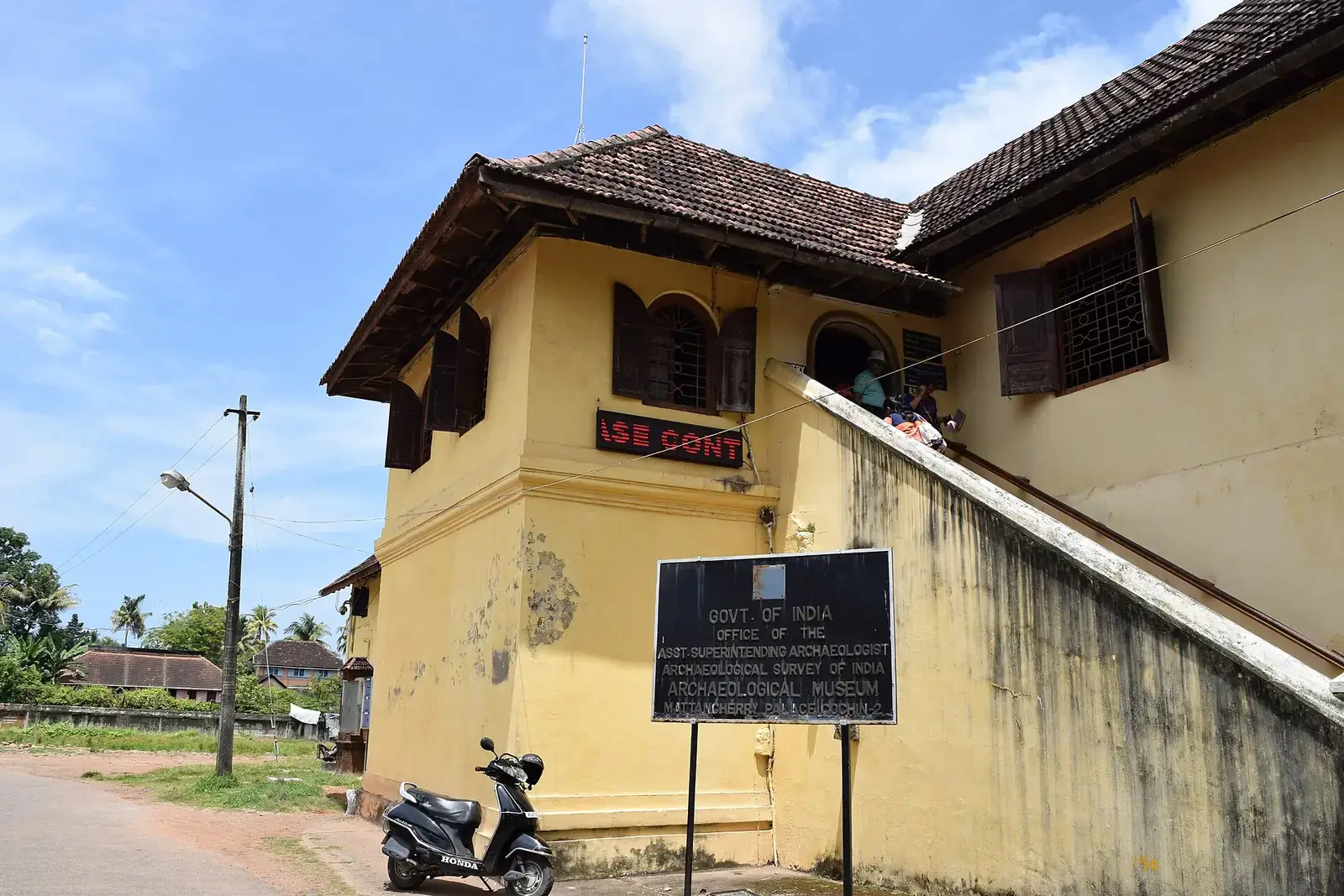 Heritage & Culture
Heritage Tourism in Kerala: Kochi, Palaces and Performing Arts
A guide to heritage tourism in Kerala: Fort Kochi and Mattancherry, the Muziris Heritage Project around Kodungallur, Padmanabhapuram and Kuthiramalika palaces, Bekal and Thalassery forts, the art forms of Kathakali, Kutiyattam, Mohiniyattam and Theyyam, Kerala Kalamandalam, temple festivals such as Thrissur Pooram, snake-boat races, and crafts from Aranmula mirrors to kasavu handloom.
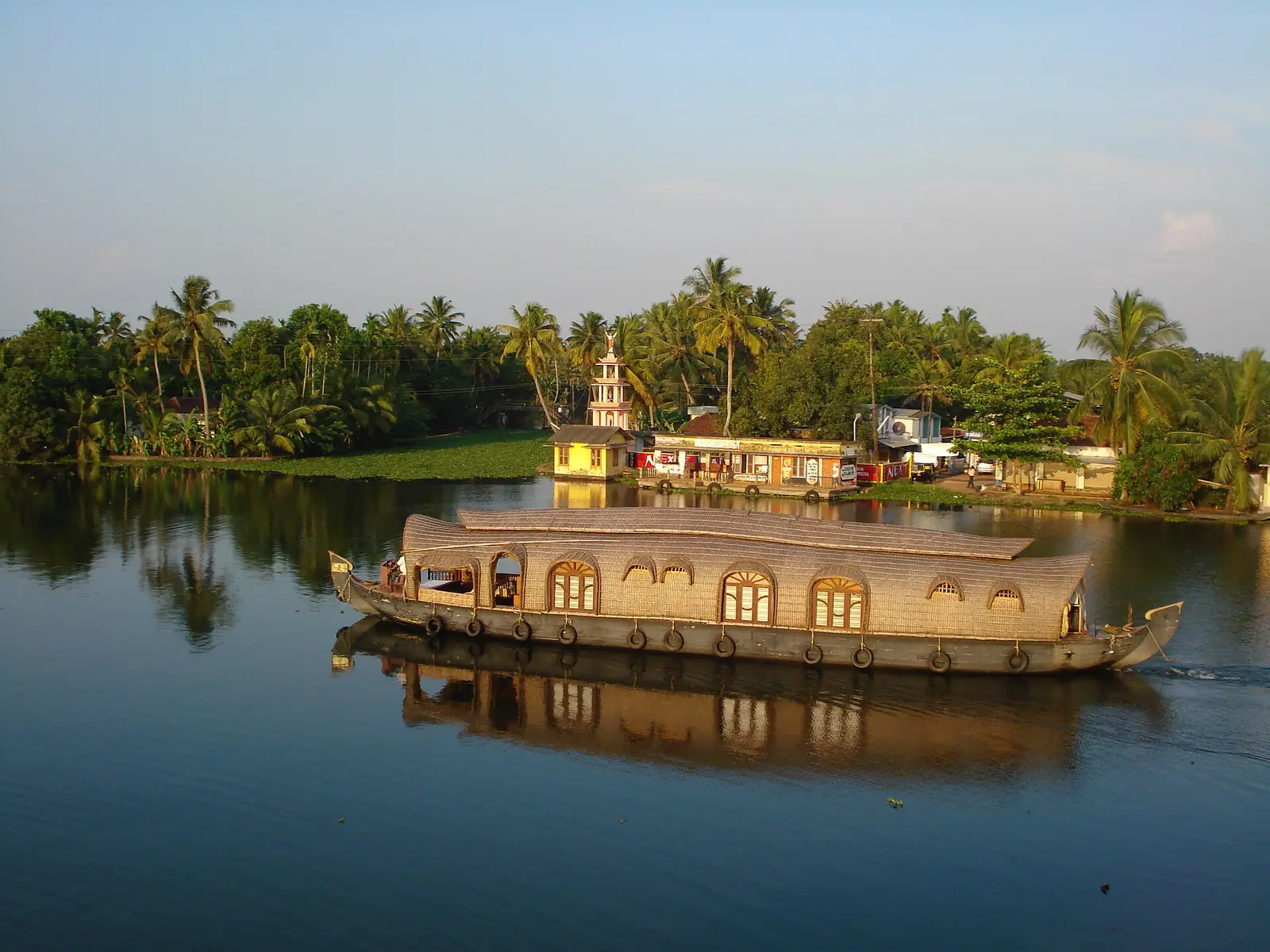 Destination Guide
Alappuzha (Alleppey) Travel Guide: Houseboats & Backwaters
The 'Venice of the East' — a maze of palm-lined backwater canals best explored overnight on a converted rice barge — the complete guide to Alappuzha.
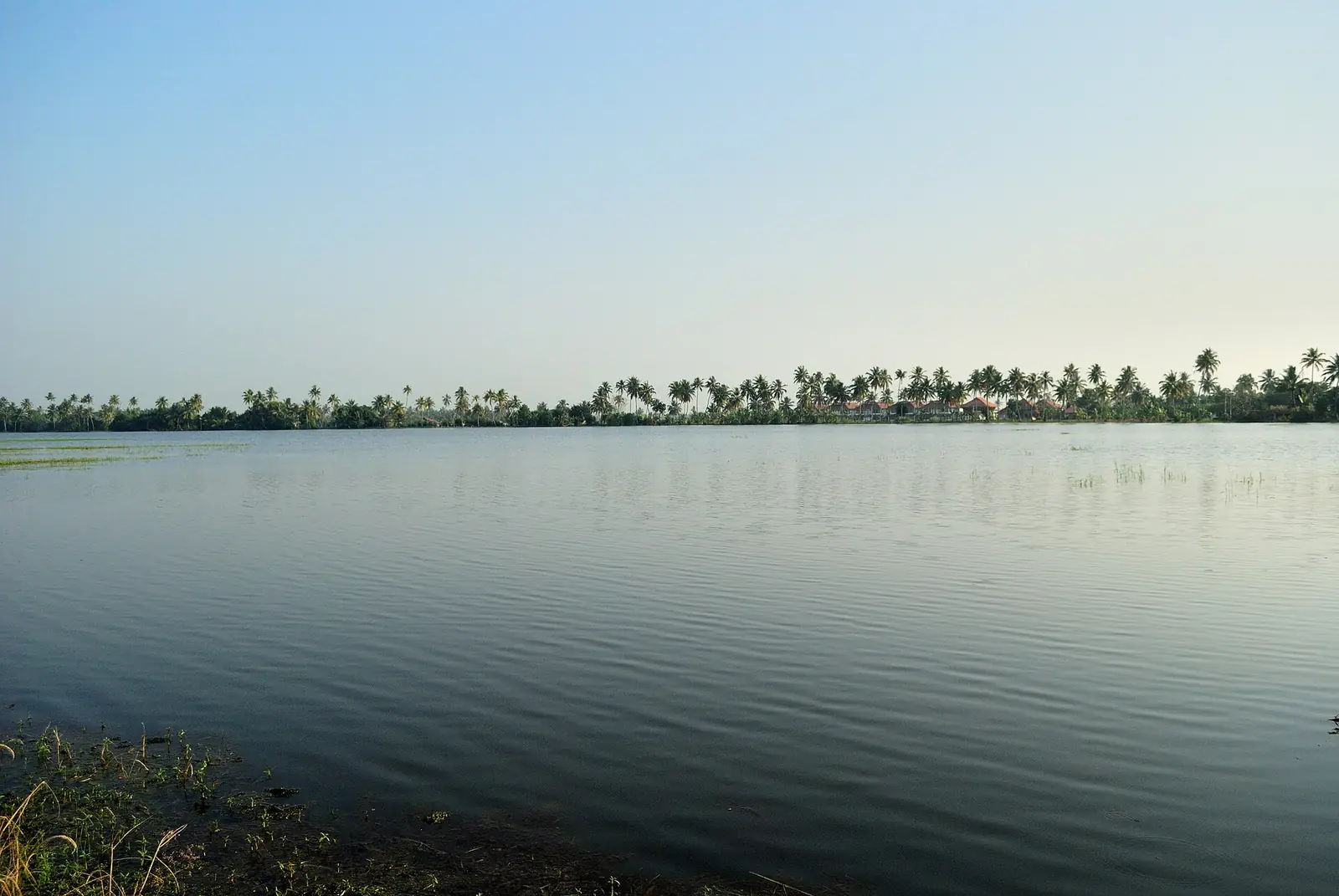 Destination Guide
Kumarakom Travel Guide: Vembanad Lake, Bird Sanctuary & Houseboats
A quieter, greener answer to Alleppey's backwaters, with a bird sanctuary on Kerala's largest lake — the complete guide to Kumarakom.