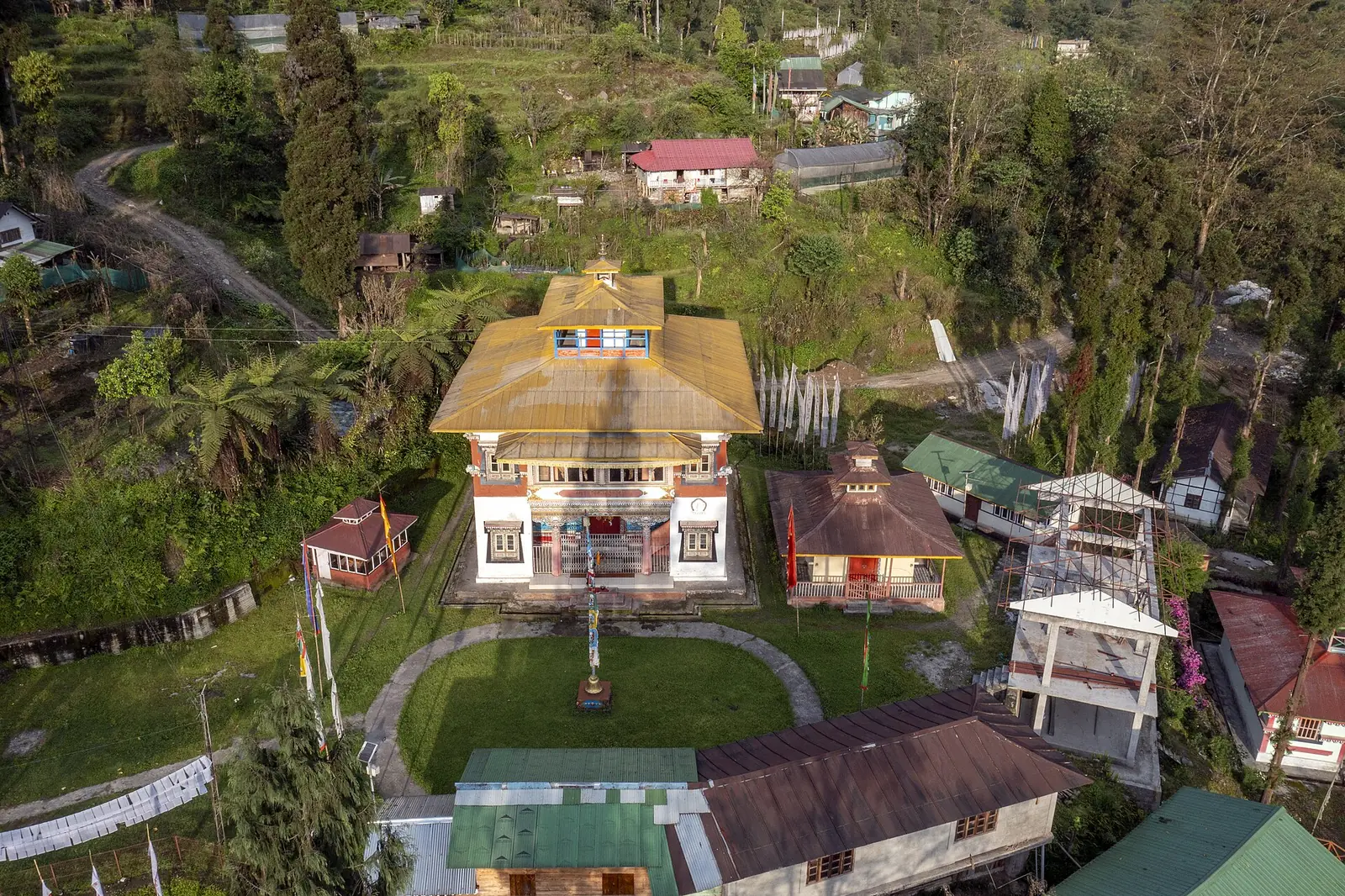
A Protected Lepcha Reserve
Dzongu, in North Sikkim, is a protected reserve set aside exclusively for the indigenous Lepcha community — the original inhabitants of Sikkim. Entry is restricted, generally requiring a special permit and, in practice, often arranged through a local Lepcha host or a registered agency with the right access.
That restricted-access status has helped preserve both exceptional biodiversity — dense forest, waterfalls, hot springs — and traditional Lepcha culture in a way that's increasingly rare elsewhere in Sikkim.
In recent years, the area has cautiously opened to sustainable, community-based tourism, with homestays run by local Lepcha families offering visitors a genuine, low-impact way to experience the region's culture and nature together. This is a place for slow, respectful travel — not a checklist sightseeing stop.
🌿 Dzongu at a Glance
Love the outdoors? See our guide to offbeat nature destinations.
Best Time to Visit Dzongu
Trail access and general comfort both shape when a visit works best.
Clear, dry conditions with accessible trails, ideal for exploring the forest and spending unhurried time with a host family.
Comfortable temperatures with the forest at its most lush before the monsoon sets in.
Heavy rain brings genuinely difficult access on the region's forest roads and trails.
Colder temperatures but a particularly peaceful time to experience the reserve with fewer visitors.
Our pick: October to February or March to May — both give accessible trails and comfortable conditions for a slow-paced stay.
How to Reach Dzongu
- From Gangtok: Access is via North Sikkim, with the specific approach and checkpoints depending on current permit arrangements — confirm the route with your host or agency before departure. See our Gangtok guide for the wider North Sikkim gateway.
- Permits: Generally arranged in advance through a local Lepcha host or a registered agency — this is not something to sort out on arrival.
Homestays, Forest & Hot Springs
Community Homestays
The heart of a Dzongu visit — staying with a Lepcha family gives genuine insight into local life, food, and customs. This isn't a limitation on options; it's the authentic way to experience the reserve.
Forest & Biodiversity
Dense, protected forest defines the landscape, home to varied flora and fauna preserved in part because of the area's restricted-access status.
Hot Springs
Natural hot springs are scattered through the reserve, a relaxing counterpoint to forest walks — ask your host about access to the nearest one.
Waterfalls
Several waterfalls dot the reserve, generally reached via walks arranged through your homestay host, who can point you to routes suited to your pace and interest.
Where to Stay in Dzongu
Lepcha-run homestays are the standard and, for most visitors, the only real option — and part of the appeal rather than a limitation.
- → Lepcha family homestays
- → Meals typically included
- → Arranged via local host or agency
- → Multi-day homestay + permit bundles
- → Local guide included
- → Booked through a registered agency
- → Hotels in nearby North Sikkim towns
- → Useful before/after a Dzongu stay
- → For those unable to secure homestay access
Suggested Visit Plan (2-3 Days)
Arrival & Settling In
- ✓Travel in from Gangtok, permit check
- ✓Arrive at homestay, meet your host family
- ✓Short evening walk near the homestay
Forest, Hot Springs & Culture
- ✓Guided forest walk with your host
- ✓Visit a nearby hot spring or waterfall
- ✓Evening spent learning about Lepcha customs
Slow Morning & Departure
- ✓Unhurried morning, optional further walks
- ✓Depart back toward Gangtok
Where to Eat in Dzongu
- Homestay meals: The primary — often only — dining option, featuring local Lepcha cuisine and homegrown ingredients.
- Traditional preparations: Ask your host about local dishes specific to Lepcha tradition; this is part of the cultural experience.
Budget Breakdown
| Expense | Budget | Mid-Range | Luxury |
|---|---|---|---|
| Homestay/night (full board) | ₹1,500 | ₹2,500 | ₹3,500 |
| Permit + agency fee | ₹500 | ₹1,000 | ₹2,000 |
| Local guide/day | ₹500 | ₹800 | ₹1,200 |
* Figures are approximate and vary by operator — confirm current pricing when arranging your permit and homestay.
Essential Tips for Visiting Dzongu
- Confirm permit requirements early: Rules can change, so check with a trusted local contact or agency well before your trip.
- Approach with genuine respect: This is someone's home and living culture, not a tourist attraction in the conventional sense.
- Don't expect conventional infrastructure: That's the point — Dzongu's appeal is precisely its unspoiled, lightly developed character.
- Ask before photographing people: Standard courtesy that matters even more in a protected cultural reserve.
✅ Do
- →Confirm permit requirements well in advance
- →Book a Lepcha-run community homestay
- →Approach the visit with genuine respect
- →Ask before photographing people or ceremonies
- →Allow a slow, unhurried 2-3 day stay
❌ Don't
- →Arrive without a confirmed permit
- →Expect hotel-style tourist infrastructure
- →Treat local customs casually
- →Rush a visit meant for slowing down
- →Visit during heavy monsoon (Jun-Sep)
Frequently Asked Questions
Why is access to Dzongu restricted?
Dzongu is a protected reserve set aside exclusively for Sikkim's indigenous Lepcha community — the state's original inhabitants — to preserve both their traditional way of life and the area's exceptional biodiversity. The restriction is a deliberate cultural and ecological protection, not a bureaucratic obstacle.
How do I get a permit to visit Dzongu?
Entry generally requires a special permit, in practice often arranged through a local Lepcha host or a registered agency with the right access. Requirements can change, so confirm the current process with a trusted operator before planning your trip.
What is Lepcha culture?
The Lepcha are considered the original inhabitants of Sikkim, with a distinct language, customs, and deep traditional connection to the land. Dzongu remains one of the best-preserved places to experience this culture firsthand, largely because of its restricted-access status.
Is it appropriate for tourists to visit?
Yes, when done respectfully — the area has cautiously opened to community-based tourism through Lepcha-run homestays, which offer a genuine, low-impact way to experience the region. Visitors should approach it as cultural immersion, not a checklist sightseeing stop.
How many days should I plan to stay?
Given the restricted access and the slower pace that defines a meaningful visit here, 2-3 days is a reasonable minimum — enough time to settle into a homestay, explore the forest and hot springs, and engage with the community without rushing.
Published by the Kudozz Club editorial team · Last updated · How we research our guides
Want us to plan this trip for you?
Tell Kudozz Club where you want to go and what kind of trip you’re looking for. We’ll build a Dzongu and Sikkim itinerary around your dates and budget.
Continue Exploring
View all guides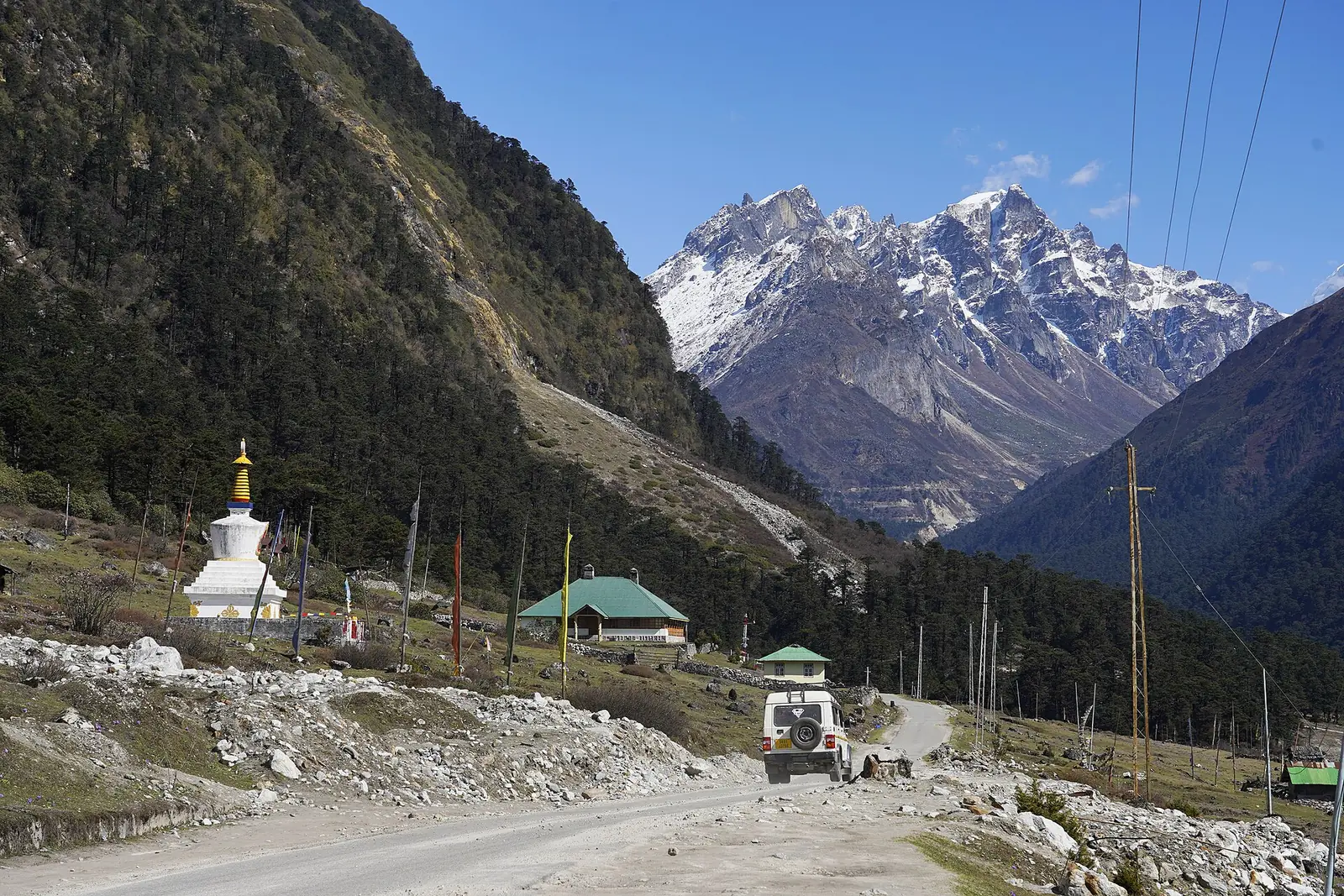 Off-beat
Yumthang Valley Guide: Flowers & Best Time
Sikkim's own Valley of Flowers — a rhododendron sanctuary in full bloom against snow peaks, plus a high-altitude Zero Point extension.
 Adventure
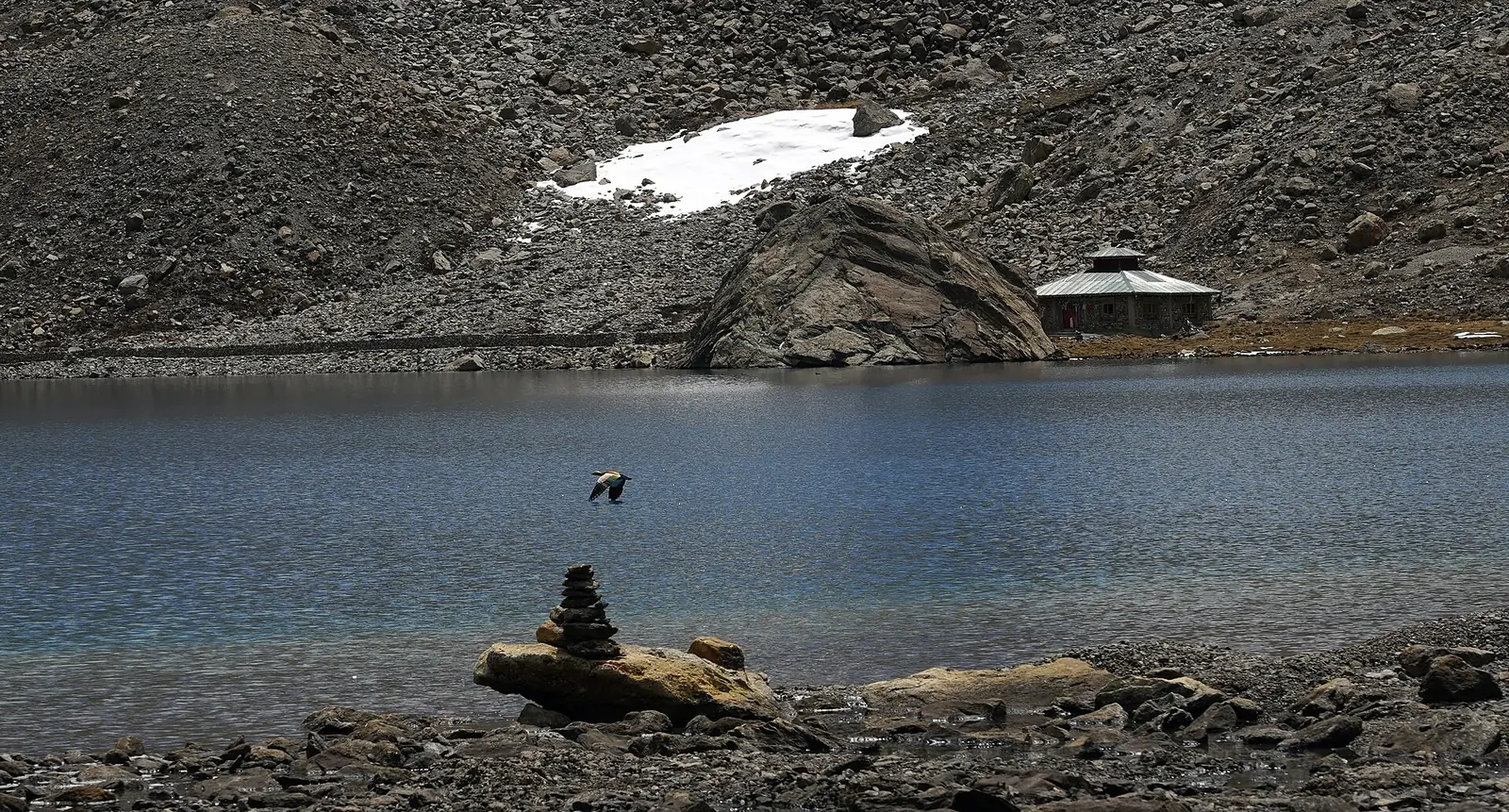
Gurudongmar Lake Guide: Permits & Altitude
A stark, sacred lake at roughly 5,183 metres, revered by both Buddhists and Sikhs — one of the highest lakes in the world accessible by vehicle.
 Off-beat
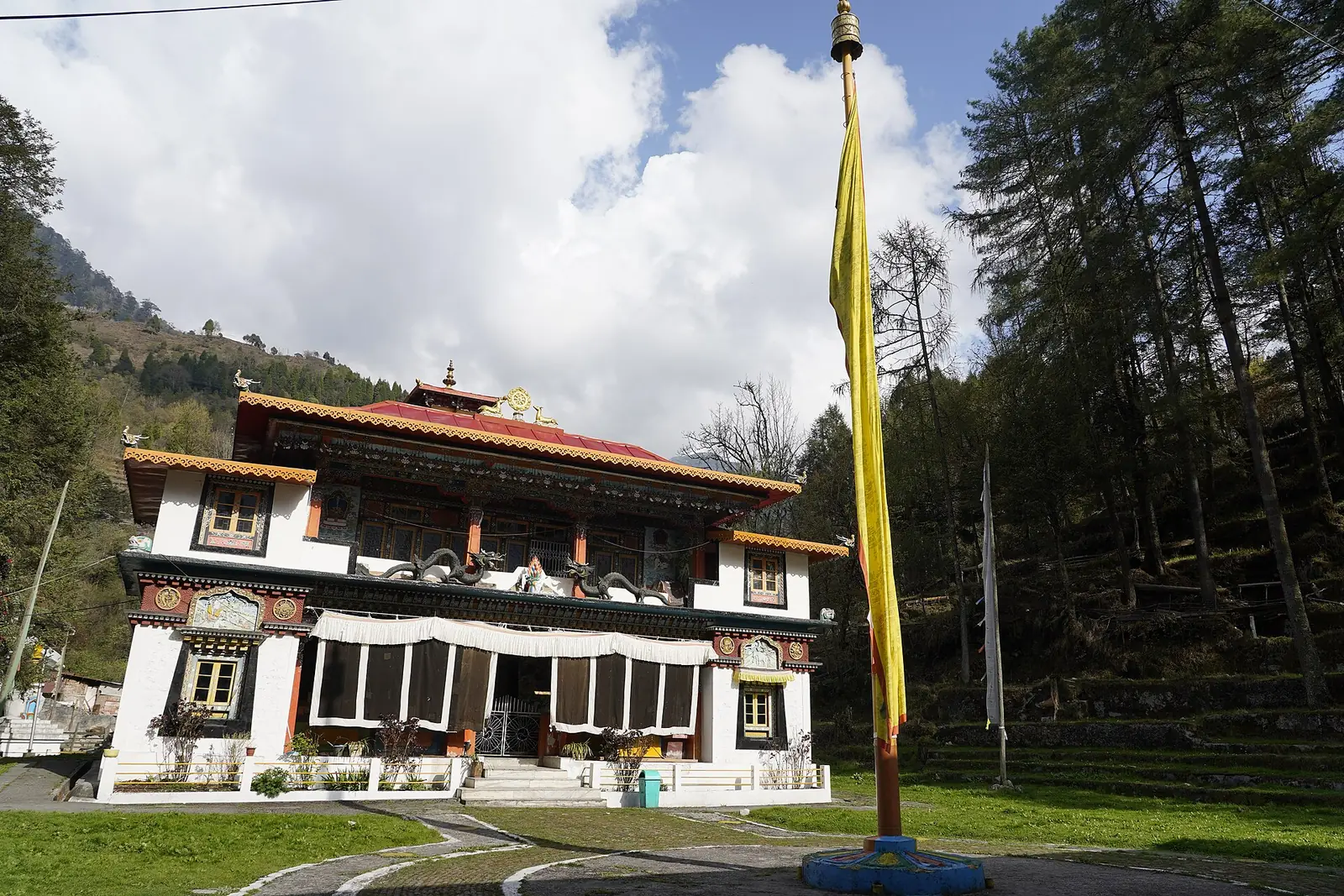
Lachung Travel Guide: Gateway to Yumthang
A river-confluence village in North Sikkim, apple orchards, and the essential overnight base before an early-morning run into Yumthang Valley.
 Off-beat
Ravangla Travel Guide: Buddha Park & Views
A giant seated Buddha with Kanchenjunga in the background, and one of South Sikkim's calmer, less-crowded bases.