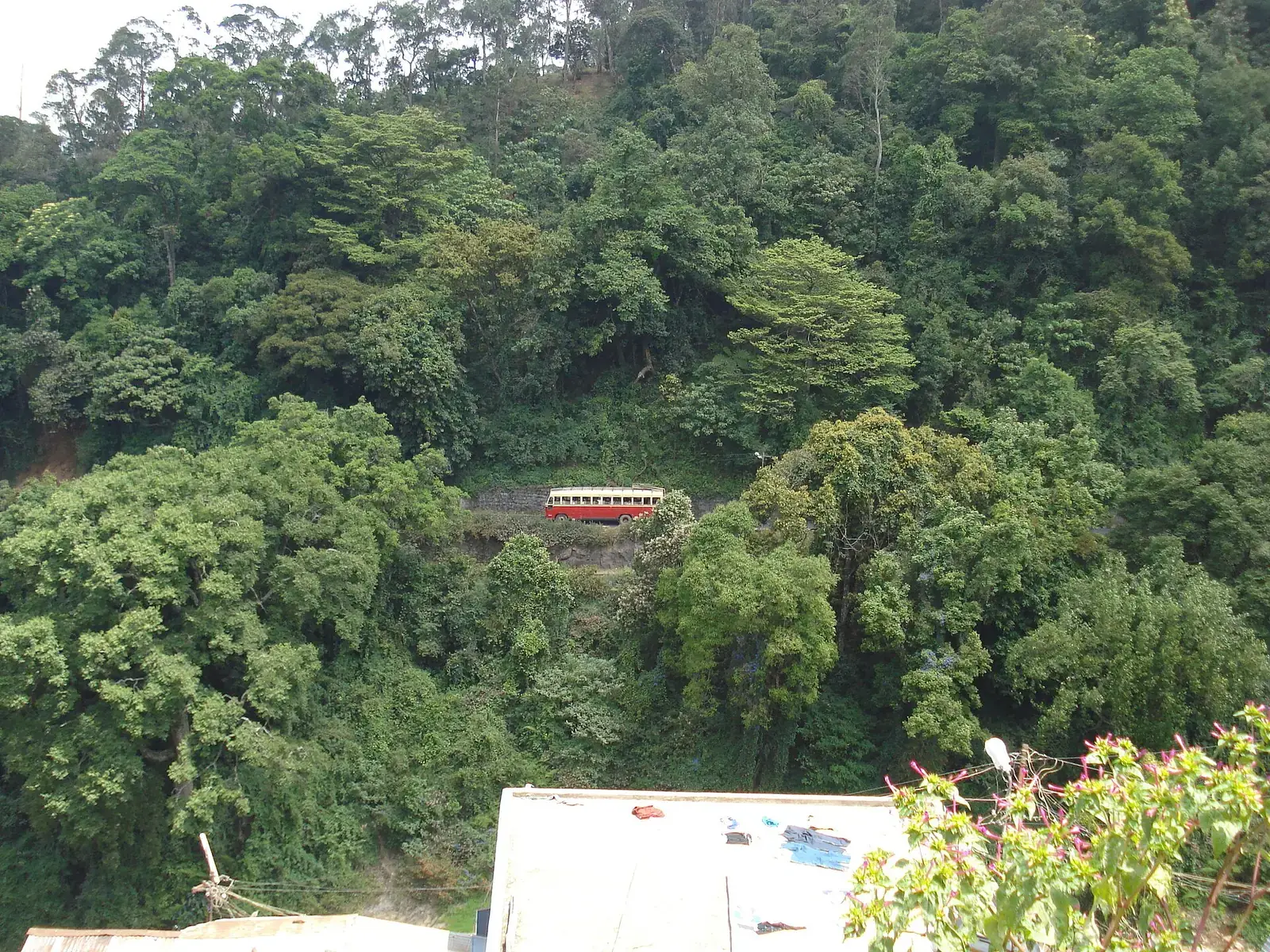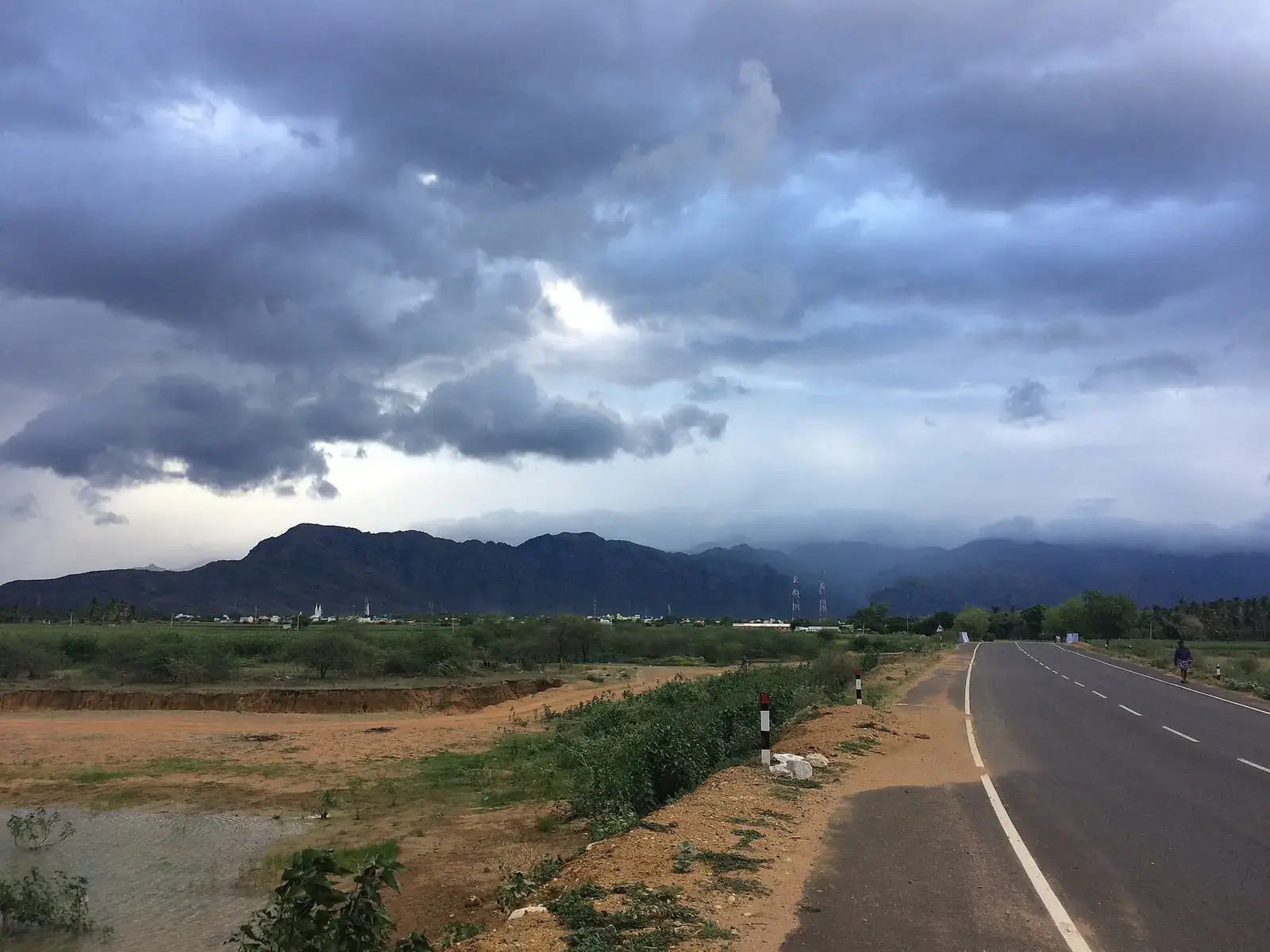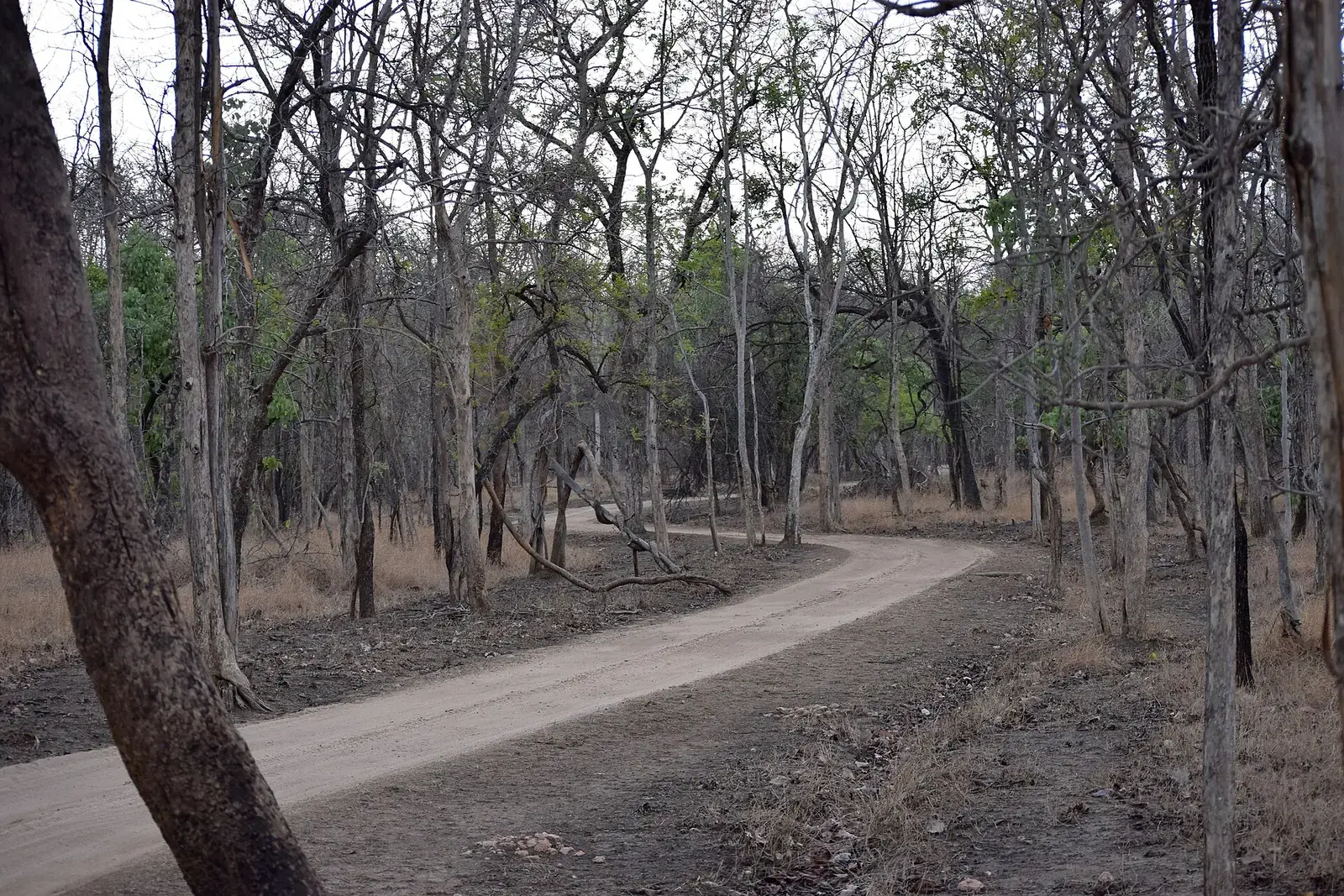
Many of India's best national parks sit in clusters a few hours' drive apart, which makes them ideal for road trips. You can drive between Kanha and Pench in central India, or loop through the forests of the Nilgiri Biosphere Reserve where Karnataka, Tamil Nadu and Kerala meet. The road becomes part of the experience, sometimes passing through the reserves themselves.
This page is about the routes. Our Wildlife cluster covers the parks, safaris and species in depth; safaris are always booked separately through official portals.
Quick answer
The best wildlife road trips in India are central India's circuit linking Bandhavgarh, Kanha, Pench and Tadoba; the Nilgiri loop through Nagarhole and Kabini, Wayanad, Bandipur and Mudumalai; Corbett and Rajaji in Uttarakhand; Kaziranga and Nameri in Assam; Gir and the Little Rann of Kutch in Gujarat; and Ranthambore and Sariska in Rajasthan. Most parks are open roughly from October to June, with core zones closed in the monsoon.
Key takeaways
- Book safaris well in advance through each park's official portal.
- Core zones of most tiger reserves close from about July to September.
- Several highways through reserves close to traffic at night.
- Allow at least two nights per park; sightings are never guaranteed.
- Drive slowly through wildlife corridors and never feed or approach animals.
Wildlife circuits at a glance
| Circuit | Parks | Gateway | Typical days |
|---|---|---|---|
| Central India | Bandhavgarh, Kanha, Pench, Tadoba | Jabalpur or Nagpur | 8 to 10 |
| Nilgiri loop | Nagarhole/Kabini, Wayanad, Bandipur, Mudumalai | Bengaluru or Mysuru | 5 to 7 |
| Uttarakhand | Corbett, Rajaji | Delhi | 4 to 5 |
| Assam | Kaziranga, Nameri | Guwahati | 4 to 5 |
| Gujarat | Gir, Little Rann of Kutch | Ahmedabad or Rajkot | 5 to 6 |
| Rajasthan | Ranthambore, Sariska | Delhi or Jaipur | 4 to 5 |
Central India
Jabalpur is the usual start. Bandhavgarh lies a few hours north-east, Kanha a few hours south-east, and from Kanha the road runs west to Pench on the Madhya Pradesh–Maharashtra border, then south to Nagpur and Tadoba. The roads are mostly good two-lane highways through farmland and forest.
Central India
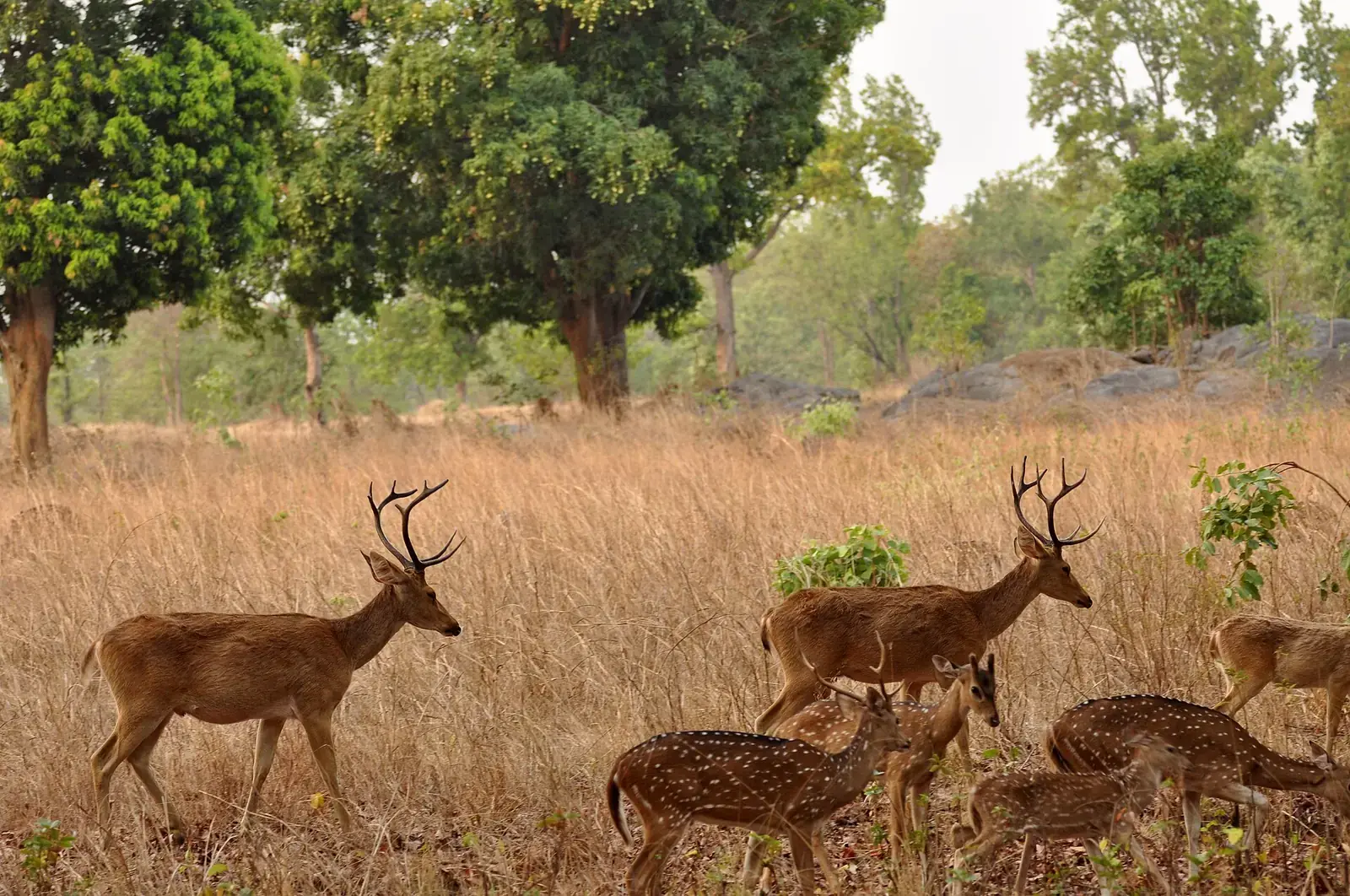
Park guides.
Wildlife tourism in Madhya Pradesh · Kanha guide · Pench Tiger Reserve · Tadoba guide
The Nilgiri loop
From Bengaluru or Mysuru, the road to Kabini and Nagarhole leads on to Wayanad in Kerala, then back through Bandipur and Mudumalai towards Ooty or Mysuru. Much of this loop runs through reserves, and highways through Bandipur and Mudumalai close to most traffic at night.
Uttarakhand and Assam
Corbett and Rajaji
Along the Himalayan foothills, a few hours from Delhi.
Kaziranga and Nameri
Rhinos on the Brahmaputra floodplain, and forest on the Arunachal border.
Gujarat and Rajasthan
Gir and the Little Rann
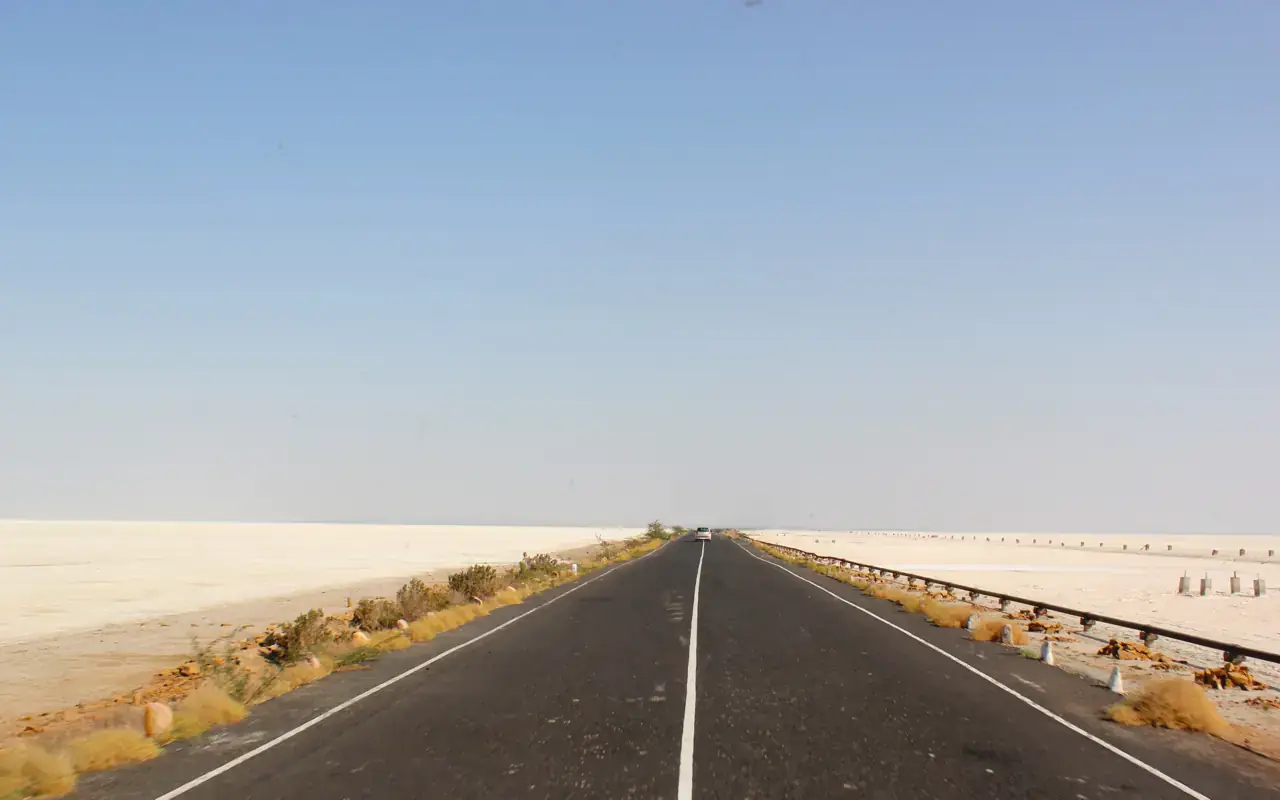
Asiatic lions at Gir, and wild asses on the salt flats near Dasada.
Forest roads and safari rules
- Safaris are booked separately through official park portals, often months ahead for popular zones.
- Private cars are not allowed on safari routes; use licensed gypsies or canters.
- Highways through some reserves close at night; check timings before planning drives.
- Keep to speed limits in wildlife corridors, and never stop to feed or photograph animals from outside the car.
Where to stay
Most parks have lodges and homestays in the buffer villages near each gate, along with forest department rest houses that are basic but well placed. Choose a stay close to the gate you will use most, since safaris start at dawn. On a circuit, alternate a long driving day with a rest day in the park so you are not always rushing between gates.
When to go
Most parks open from about October to June. Winter (November to February) is pleasant; spring and early summer (March to June) often bring better sightings as animals gather near water, though it is hot. Core zones of most tiger reserves close from about July to September.
Safety
- On forest roads through tiger reserves, keep to the speed limit, do not stop or get out of the car, and never feed animals.
- Mountain roads close or slow down after heavy rain, snow or landslides; check road status and weather updates each morning and avoid driving after dark.
- Permits, tolls, entry fees, pass openings and road works change; check official sources shortly before you travel.
- Distances and driving times are approximate and vary with traffic, weather, road works and stops.
What to pack
- Driving licence, RC, insurance and PUC certificate, with copies
- Warm layers and a rain jacket
- Motion-sickness tablets for winding roads
- Cash for small towns and barriers
Want the route, stops and stays planned around your dates?
FAQs
What is the best wildlife road trip in India?
Central India's Kanha–Pench–Tadoba circuit and the Nilgiri loop through Kabini, Bandipur and Mudumalai.
Can I drive my own car on safari?
No. Safaris use licensed park vehicles booked through official portals.
When are tiger reserves open?
Most from about October to June; core zones usually close in the monsoon.
Are forest highways open at night?
Some, such as those through Bandipur and Mudumalai, close to most traffic at night.
How many days should I spend in each park?
At least two nights, for several safaris.
Will I see a tiger?
Sightings are never guaranteed; more safaris improve your chances.