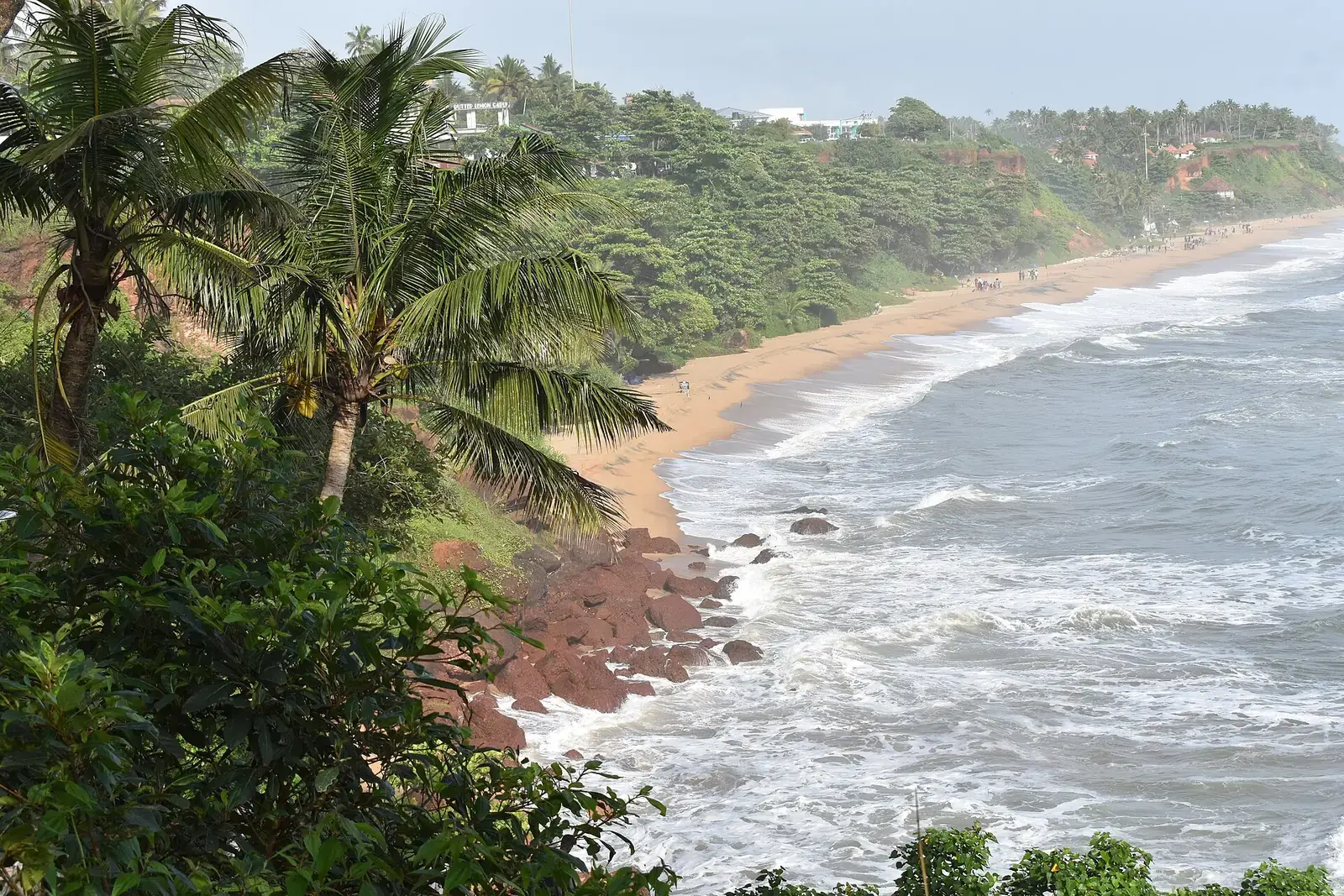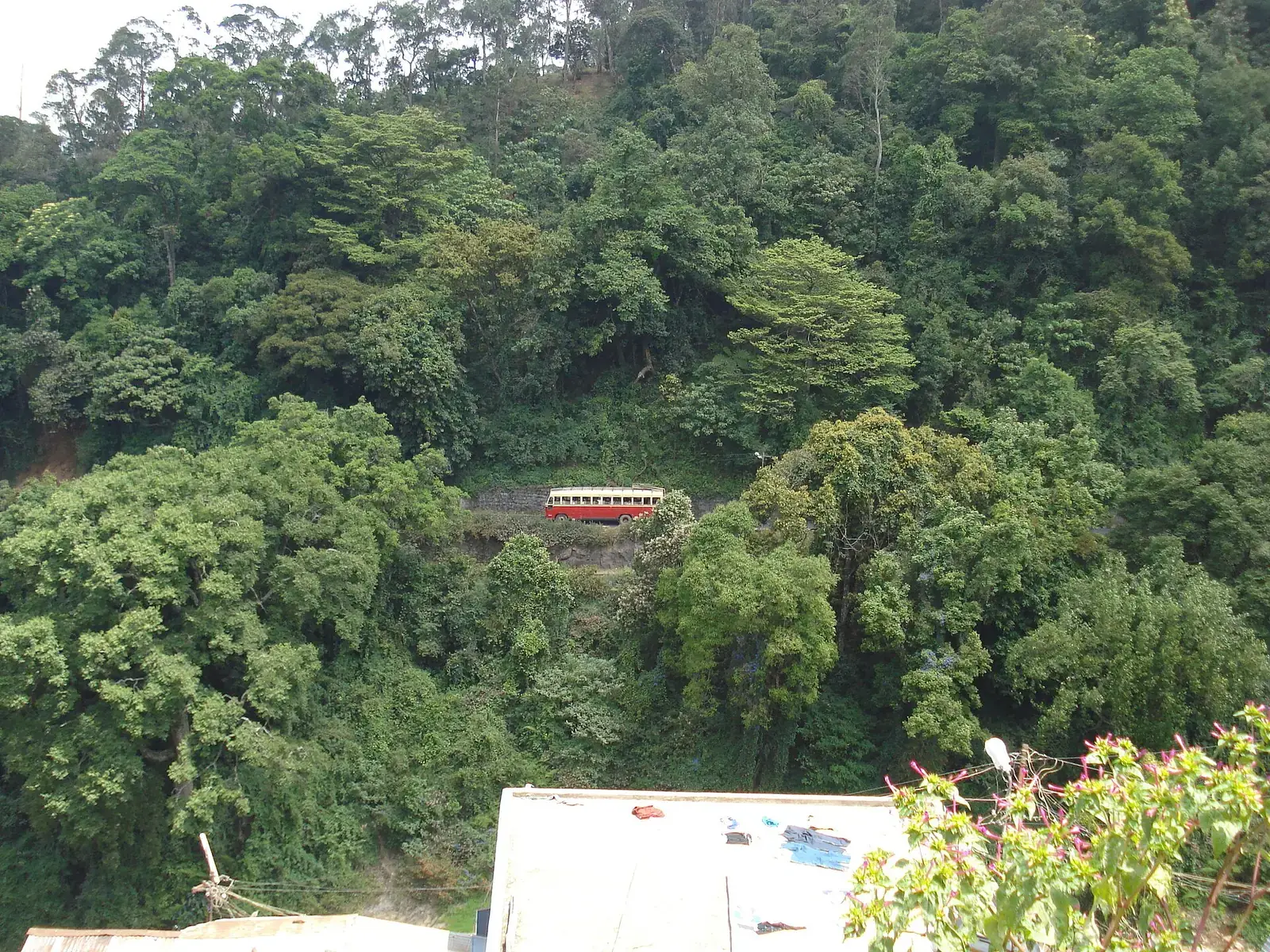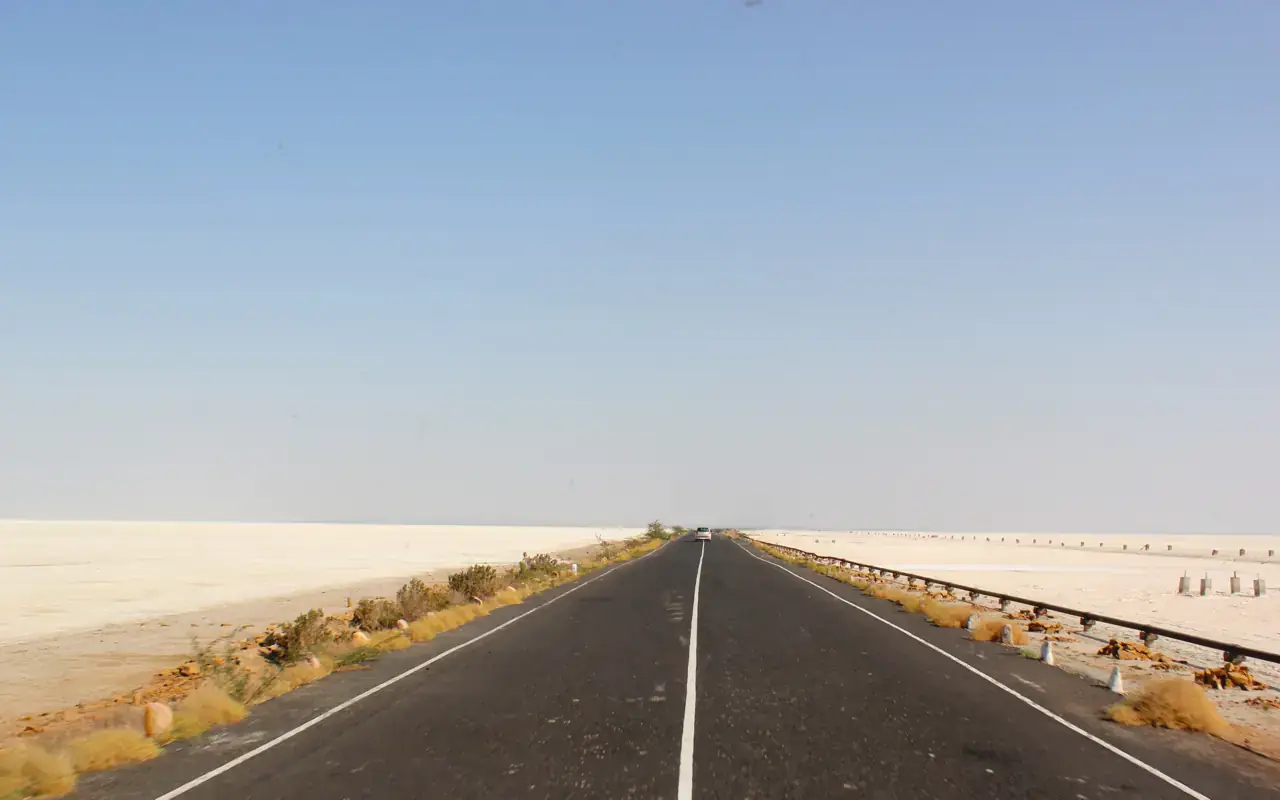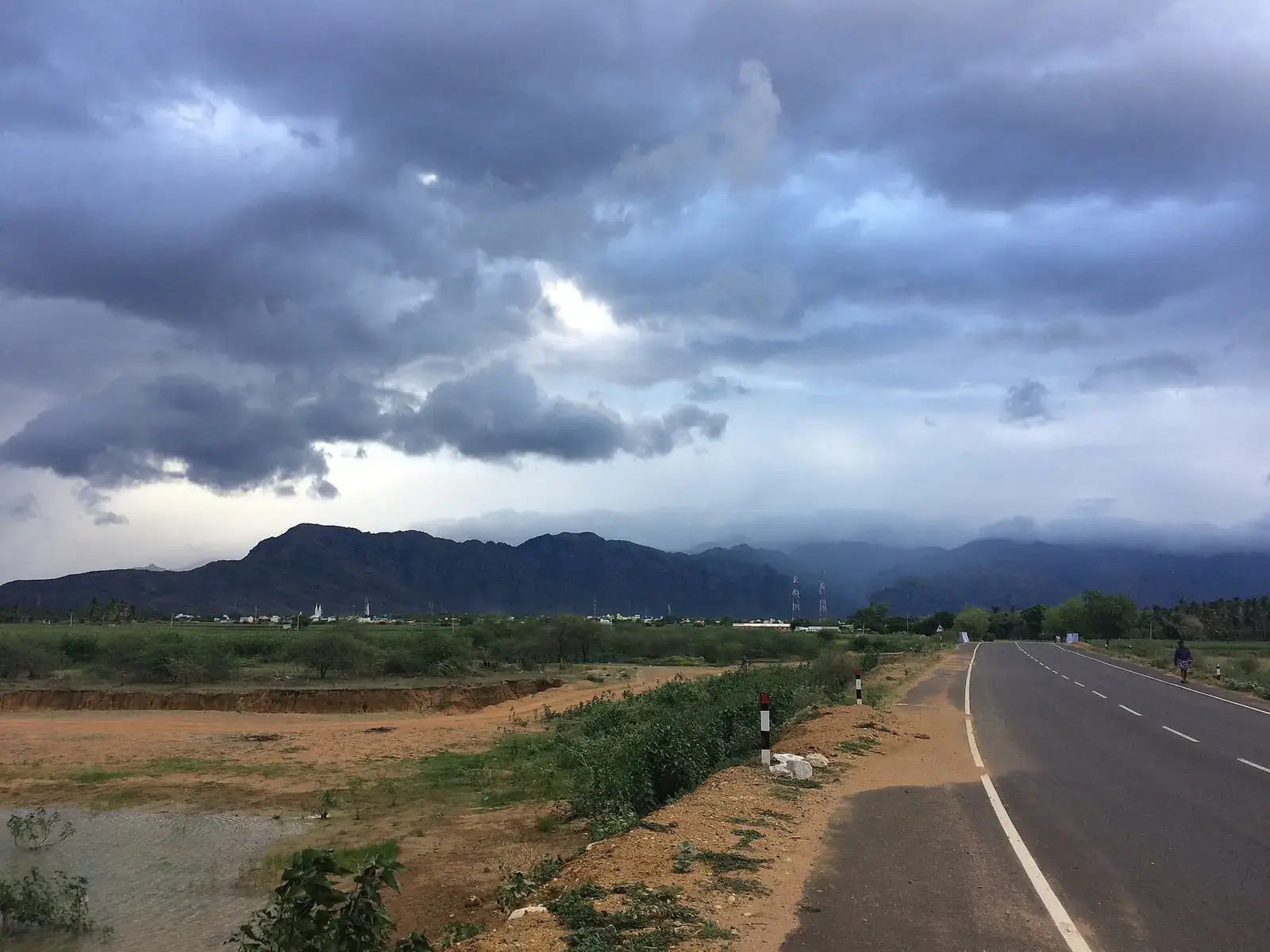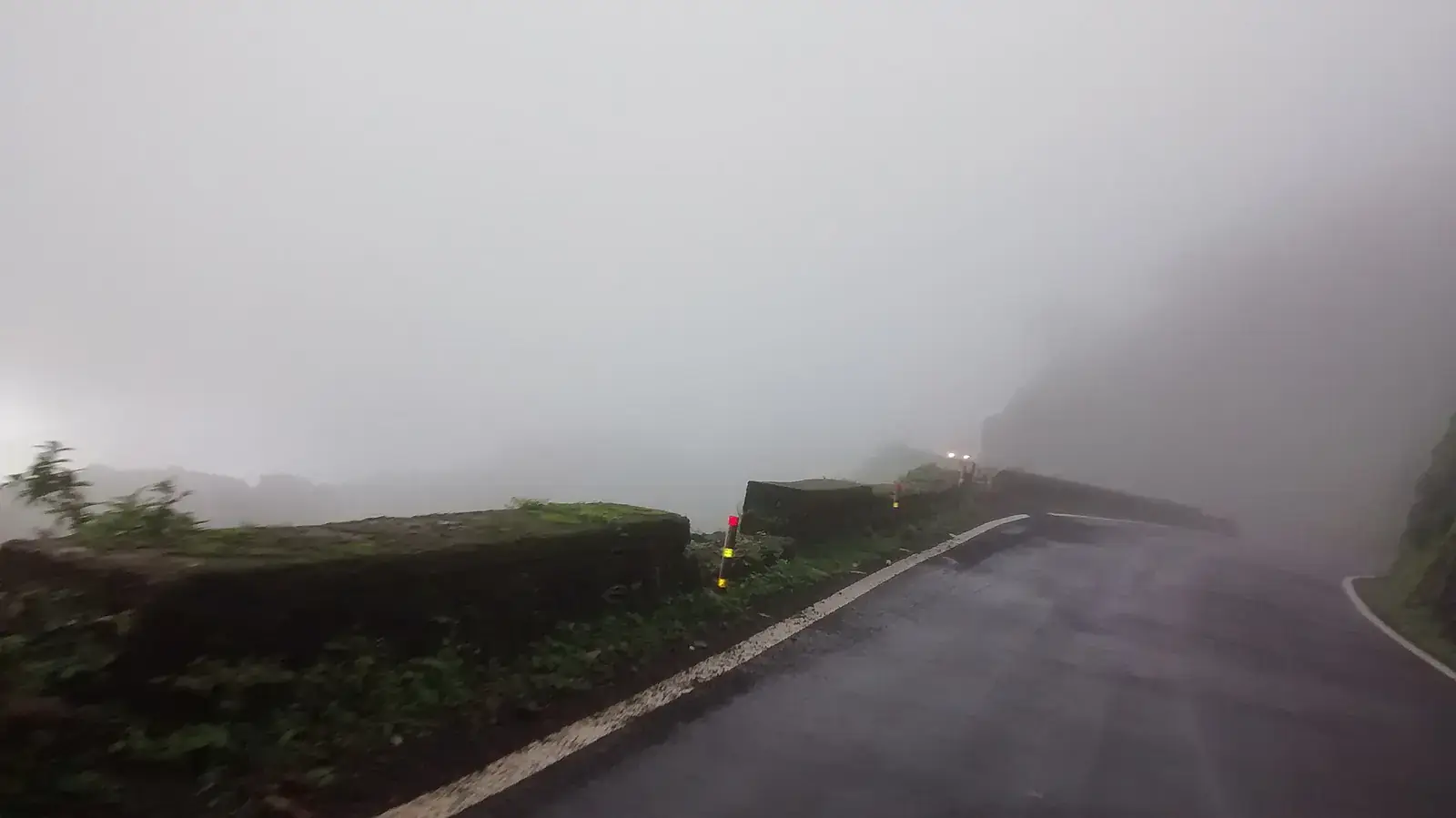
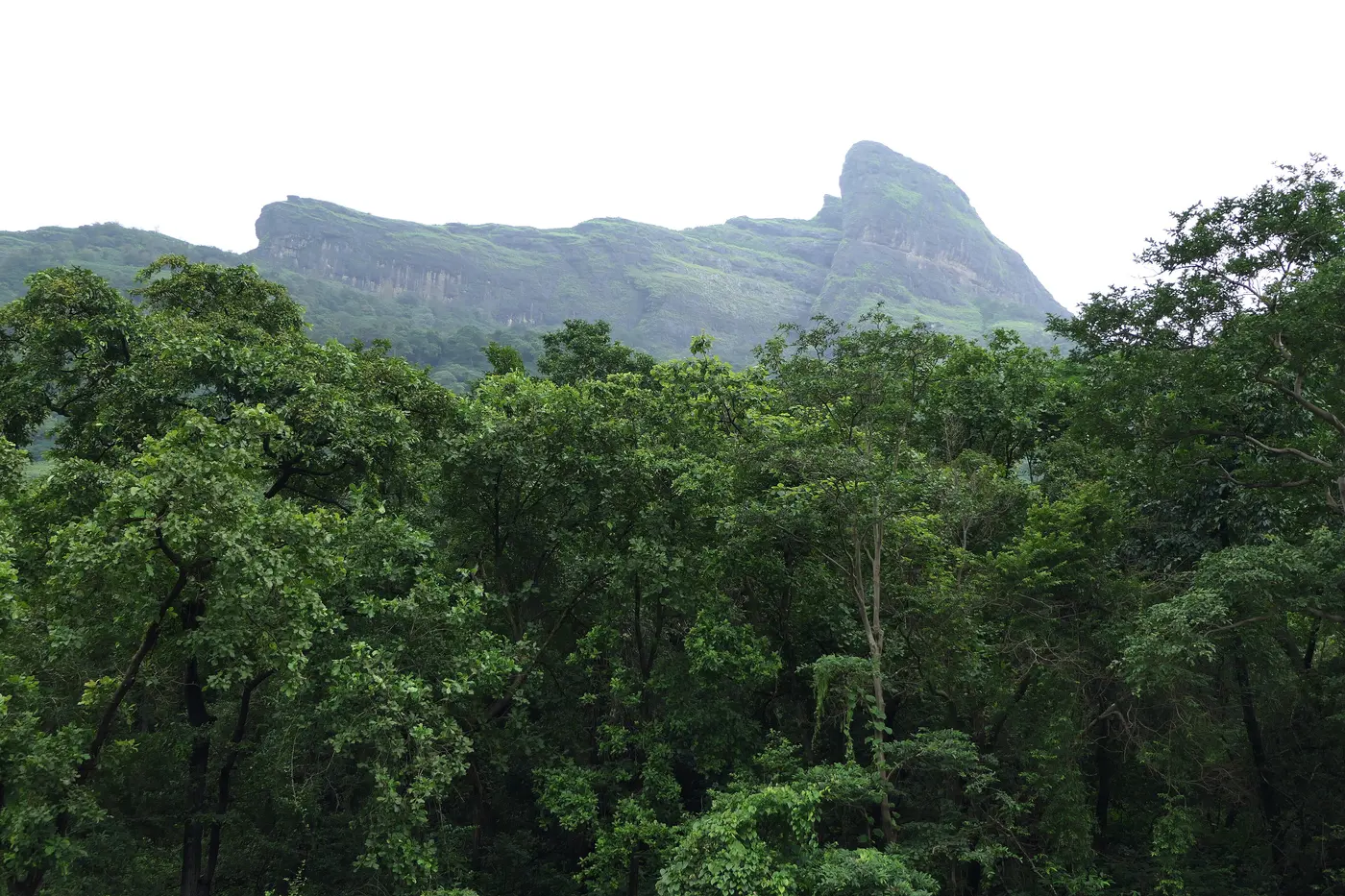
A 'ghat' is a mountain pass, and the Western Ghats are crossed by dozens of them, each a winding road climbing from the Konkan or Malabar coast to the Deccan plateau, or up to hill stations in the south. They are at their most dramatic in and just after the monsoon, when waterfalls stream off the cliffs and clouds fill the valleys.
This page covers the drives. Our Nature cluster covers the Western Ghats' forests, grasslands and wildlife.
Quick answer
The best Western Ghats road trips include Malshej and Tamhini ghats near Mumbai and Pune, the Amboli ghat towards Goa, the Chorla ghat from Belagavi, Agumbe and Charmadi ghats in Karnataka, the Thamarassery ghat to Wayanad in Kerala, and the Aliyar–Valparai road with its 40 hairpins in Tamil Nadu. July to October is the greenest time; October to February is safest for driving.
Key takeaways
- Ghat roads are at their greenest from July to October, and safest from October to February.
- Landslides and fog are common in the monsoon; drive in daylight and check alerts.
- Many ghat roads have hairpin bends; use low gears and avoid overtaking.
- Some ghats restrict heavy vehicles or close for repairs; check before choosing a route.
- Popular monsoon spots are crowded at weekends; go on weekdays.
Western Ghats drives at a glance
| Ghat road | State | Links | Best for |
|---|---|---|---|
| Malshej ghat | Maharashtra | Kalyan–Junnar | Monsoon waterfalls near Mumbai |
| Tamhini ghat | Maharashtra | Pune–Mangaon | Forest and waterfalls |
| Amboli ghat | Maharashtra | Belagavi/Kolhapur–Sawantwadi | Mist and falls near Goa |
| Chorla ghat | Goa–Karnataka | Belagavi–north Goa | Forest route into Goa |
| Agumbe ghat | Karnataka | Shivamogga–Udupi | Rainforest and sunset point |
| Charmadi ghat | Karnataka | Chikmagalur–Mangaluru | Waterfalls and views |
| Thamarassery ghat | Kerala | Kozhikode–Wayanad | Nine hairpins |
| Aliyar–Valparai | Tamil Nadu | Pollachi–Valparai | About 40 hairpins, tea and rainforest |
Maharashtra's Sahyadri
Near Mumbai and Pune, Malshej and Tamhini are classic monsoon drives with waterfalls beside the road. Further south, the road from Mahabaleshwar to Pratapgad and the Amboli ghat near the Goa border are known for mist and rain. At weekends in July and August, police often restrict parking and access at crowded spots.
Maharashtra
Our guides.
Road trips from Mumbai · Hill stations in Maharashtra · Mahabaleshwar guide
Goa and Karnataka
Chorla and Anmod carry most traffic from the Deccan into Goa. In Karnataka, the Agumbe ghat climbs through rainforest to a famous sunset point, the Charmadi ghat links Chikmagalur with the coast past waterfalls, and the road through Kudremukh crosses shola grassland. Charmadi and Shiradi have had monsoon closures and heavy-vehicle restrictions in recent years.
Kerala and Tamil Nadu
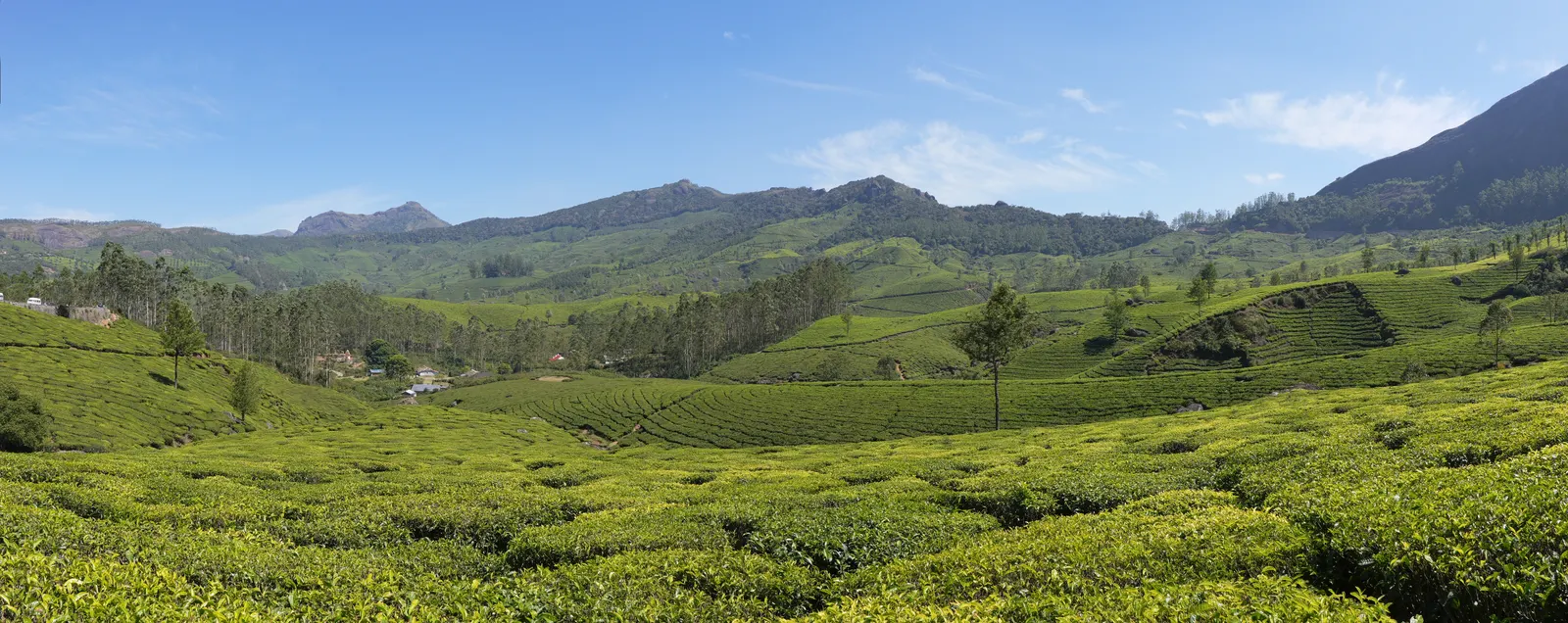
In Kerala, the Thamarassery ghat climbs to Wayanad and the Kochi–Munnar road winds up past waterfalls. In Tamil Nadu, the Aliyar–Valparai road has around 40 numbered hairpins through tea estates and rainforest fragments, and the Kodaikanal and Ooty ghats climb into the Palani hills and Nilgiris.
Waterfalls from the road
Many of the Ghats' waterfalls are visible from the road in the monsoon: Malshej's cliffs, Tamhini's cascades, the falls on the Amboli ghat, Charmadi's streams and Cheeyappara on the way to Munnar. Most are seasonal and dry up by winter; swimming beneath them is dangerous and often banned.
Hill stations by road
- Matheran is car-free; park at Dasturi and walk or take a horse or rickshaw.
- Mahabaleshwar and Panchgani are a scenic drive from Pune.
- Coorg, Chikmagalur and Sakleshpur are easy drives from Bengaluru.
- Ooty, Coonoor and Kodaikanal need e-passes for outside vehicles.
When to go
July to October is the greenest time, with waterfalls and mist, but also the riskiest for driving because of landslides, fog and slippery roads. October to February is the safest and clearest. March to May is warm and dry, with fewer waterfalls.
Safety
- On ghat roads, use low gears downhill, give way to uphill traffic where the road is narrow, and do not overtake on blind bends.
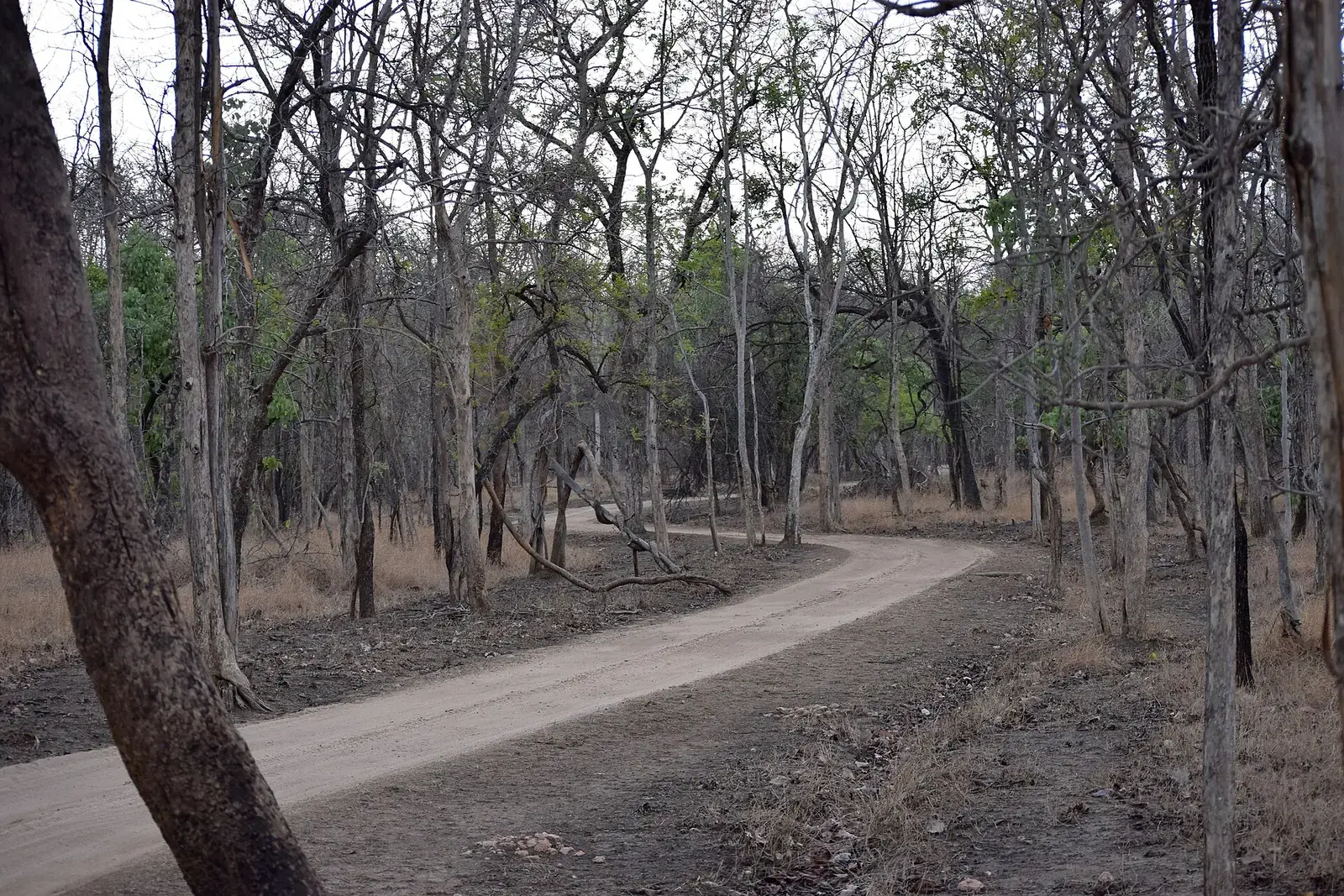
- On forest roads through tiger reserves, keep to the speed limit, do not stop or get out of the car, and never feed animals.
- Follow India Meteorological Department and district alerts in the monsoon; avoid ghat roads on red-alert days.
- Mountain roads close or slow down after heavy rain, snow or landslides; check road status and weather updates each morning and avoid driving after dark.
- Permits, tolls, entry fees, pass openings and road works change; check official sources shortly before you travel.
- Distances and driving times are approximate and vary with traffic, weather, road works and stops.
What to pack
- Driving licence, RC, insurance and PUC certificate, with copies
- Warm layers and a rain jacket
- Motion-sickness tablets for winding roads
- Cash for small towns and barriers
Want the route, stops and stays planned around your dates?
FAQs
What are the best ghat roads in the Western Ghats?
Malshej, Tamhini and Amboli in Maharashtra, Chorla in Goa, Agumbe and Charmadi in Karnataka, Thamarassery in Kerala and Valparai in Tamil Nadu.
When is the best time for a Western Ghats road trip?
July to October for greenery, October to February for safer driving.
Are ghat roads safe in the monsoon?
They are drivable with care, but landslides and fog are common. Check alerts and drive in daylight.
Which ghat road is closest to Mumbai?
Malshej and the old Bhor ghat near Lonavala are the closest.
How many hairpins are on the Valparai road?
About 40 numbered hairpin bends from Aliyar.
Do ghat roads have restrictions?
Some restrict heavy vehicles or close for repairs; check before travelling.