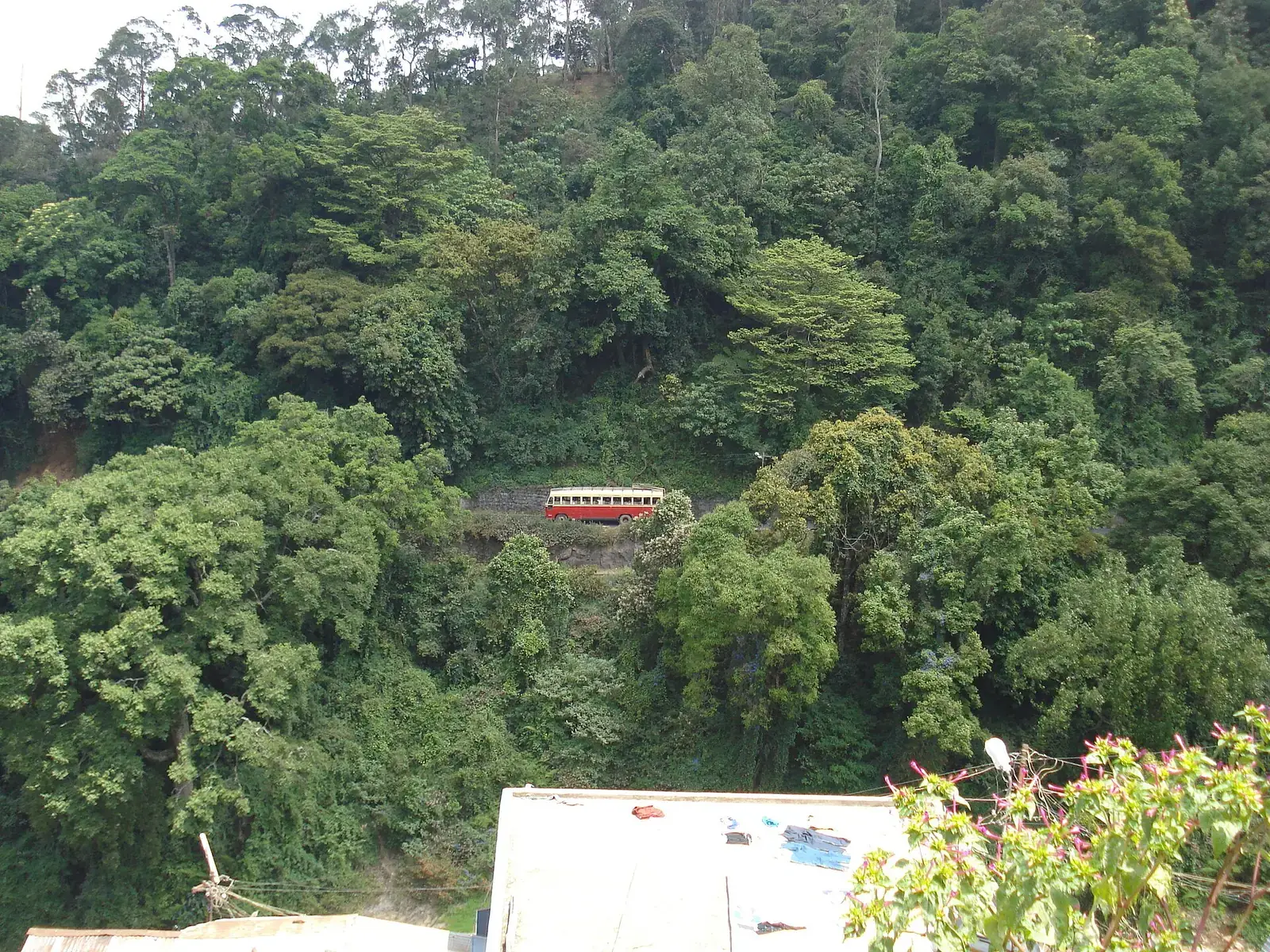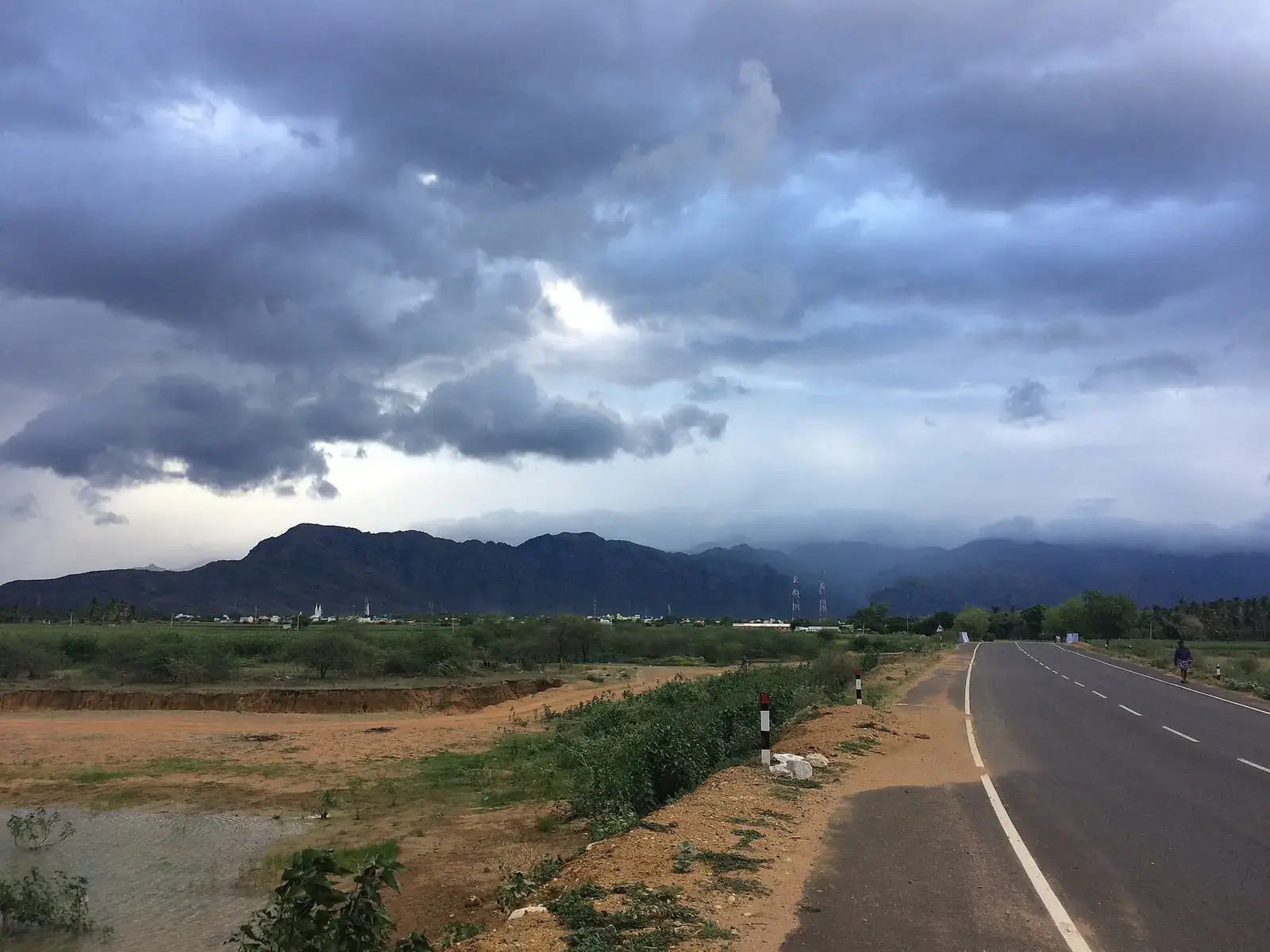
The south-west monsoon reaches Kerala around early June and covers most of India by July, lasting until September in the north. For road-trippers it is a double-edged season. In the Western Ghats, Kerala and Meghalaya, waterfalls appear on every cliff and the hills turn vivid green. In the Himalayan states, the same rains bring landslides that close roads for days.
Meanwhile, the high-altitude desert beyond the Great Himalaya lies in the rain shadow, making July and August the peak season for Ladakh and Spiti, even though the roads to reach them cross rain-affected country.
Quick answer
The best monsoon road trips in India are the Western Ghats around Mumbai and Pune (Malshej, Tamhini, Lonavala, Mahabaleshwar), the Konkan coast, Coorg and Chikmagalur, Kerala's hills, Meghalaya around Shillong and Sohra, and, in the rain shadow, Ladakh and Spiti. Avoid Himachal's and Uttarakhand's landslide-prone valleys in peak monsoon. Drive in daylight and check weather alerts daily.
Key takeaways
- The Western Ghats and Kerala are at their most beautiful from July to September.
- Ladakh and Spiti stay mostly dry, but the approach roads can be hit by rain.
- Himachal and Uttarakhand see frequent, sometimes severe landslides in July and August.
- Check India Meteorological Department alerts and district advisories every day.
- Never drive through flooded causeways or stop below unstable slopes.
Where to drive in the monsoon
| Route | Why | Watch out for |
|---|---|---|
| Malshej, Tamhini, Lonavala | Waterfalls and mist near Mumbai and Pune | Weekend crowds, restricted spots |
| Mahabaleshwar–Pratapgad | Clouds and cliffs | Heavy rain; some points close |
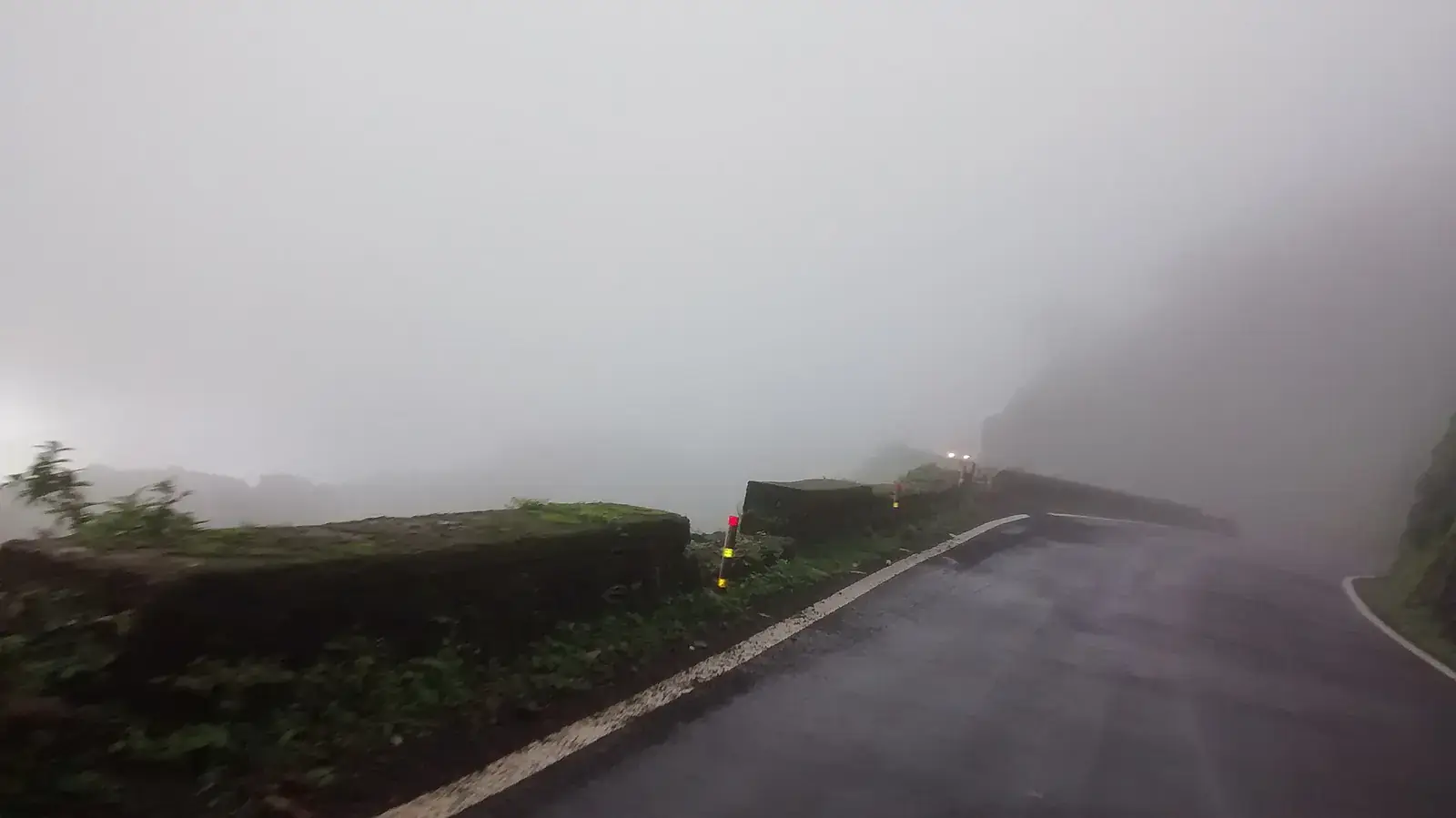
| Amboli ghat | Among the wettest spots in Maharashtra | Fog and slippery bends |
| Coorg and Chikmagalur | Misty coffee estates | Landslides on some ghat roads |
| Kerala hills | Waterfalls on the Munnar road | Red-alert closures |
| Meghalaya | Sohra's giant waterfalls | Very heavy rain, low visibility |
| Ladakh and Spiti | Rain shadow, dry and clear | Slides on the approach roads |
The Western Ghats
Around Mumbai and Pune, the monsoon is the main road-trip season. Waterfalls pour off the Sahyadri at Malshej and Tamhini, and hill forts disappear into cloud. At weekends in July and August, local authorities often restrict access to crowded waterfalls and viewpoints, and some have banned swimming. Weekdays are far better.
Ghats
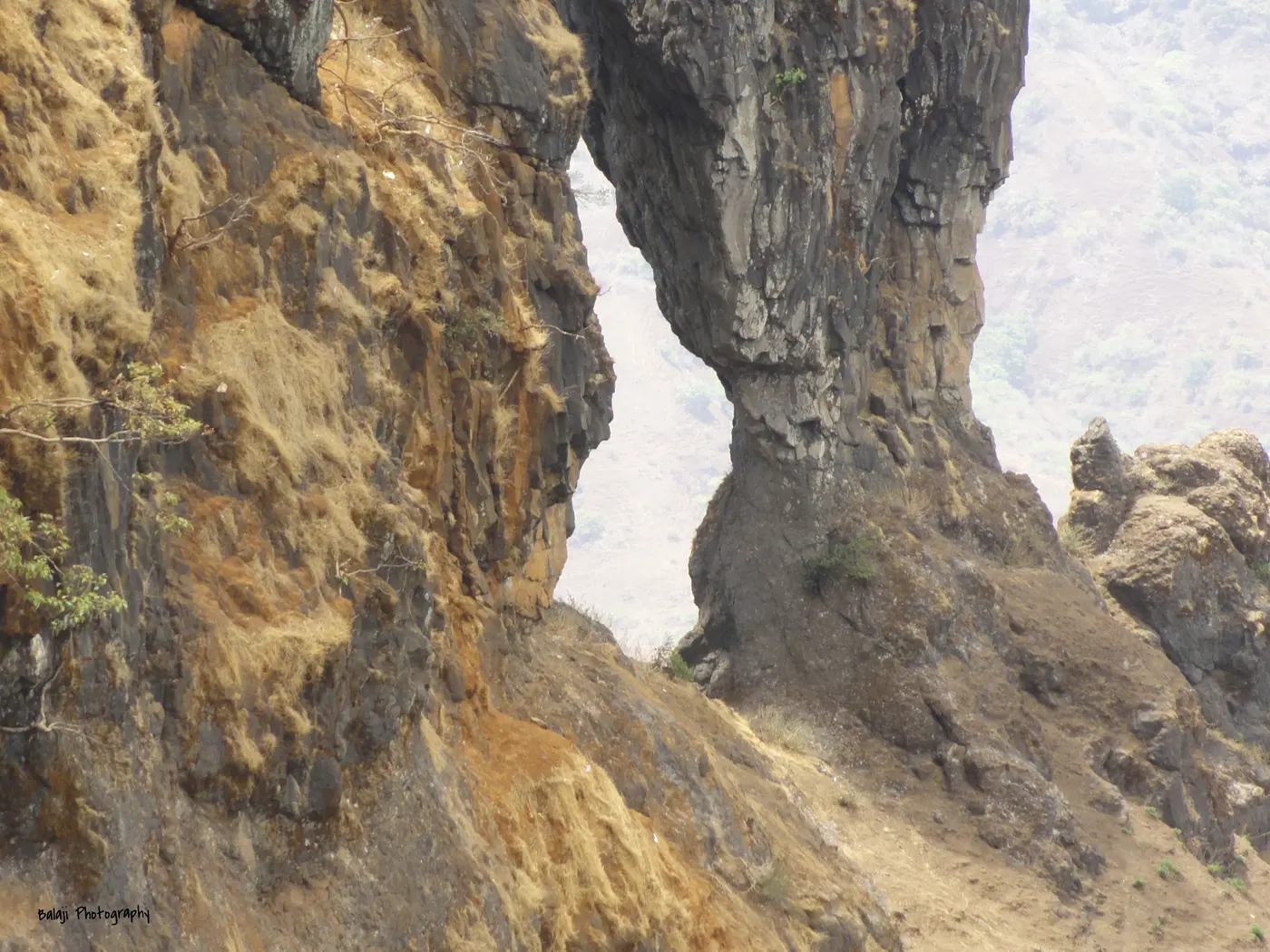
More ghat drives.
Western Ghats road trips · Road trips from Mumbai and Pune · Monsoon hill stations
Karnataka and Kerala
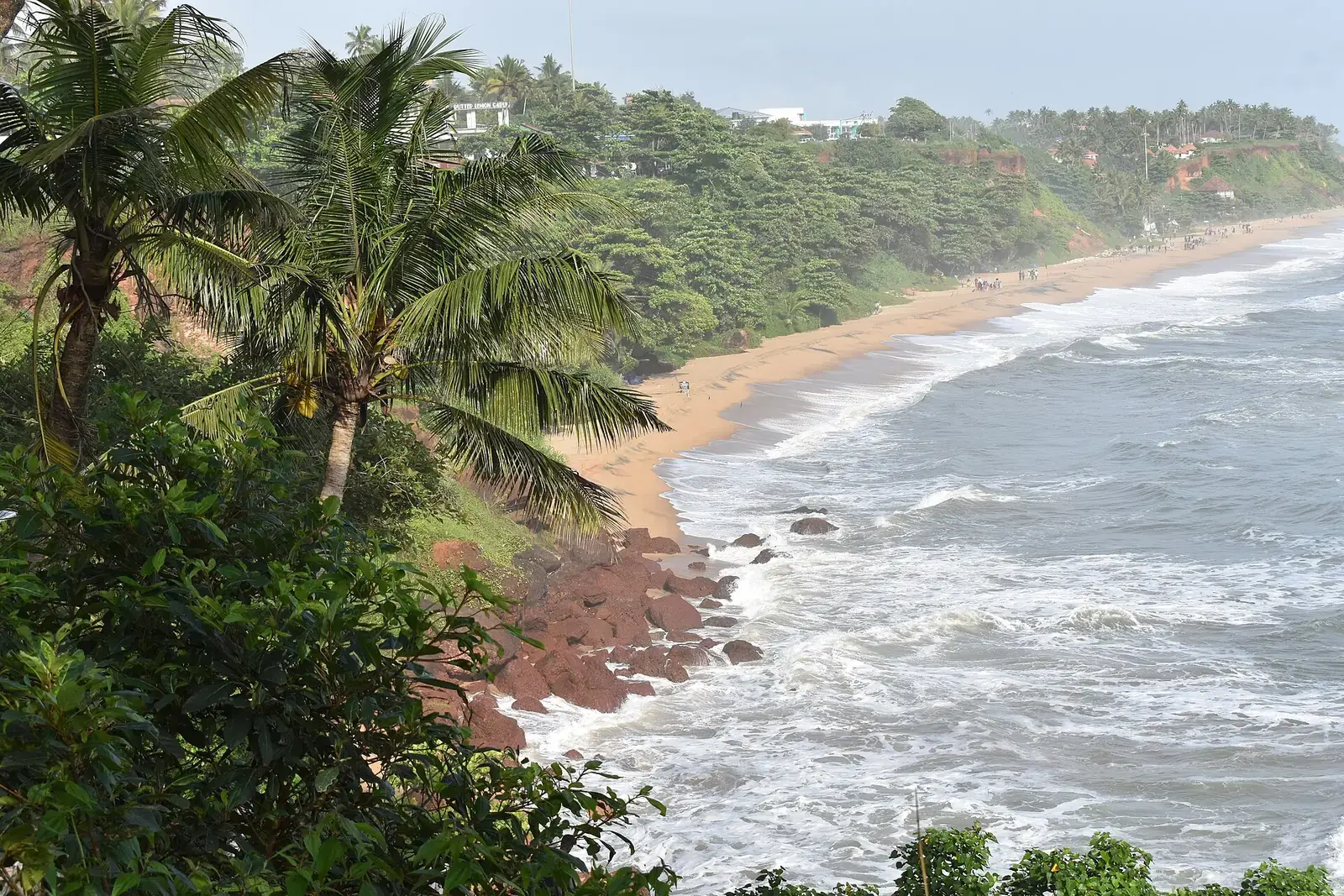
Coorg, Chikmagalur and Sakleshpur turn misty and green, and Jog Falls is at its fullest. In Kerala, the Kochi–Munnar road passes waterfalls, and Athirappilly roars. Heavy rain can trigger landslides; Wayanad suffered a devastating one in July 2024, and district authorities close roads and viewpoints on red-alert days.
Meghalaya
Sohra and Mawsynram are among the wettest places on earth. The monsoon brings enormous waterfalls, but also days of fog when viewpoints show nothing. Roads from Guwahati usually stay open, but landslides happen.
The rain shadow: Ladakh and Spiti
Behind the Great Himalaya, Ladakh and Spiti get little monsoon rain, so July and August are peak season there. The catch is getting in: the Manali side and Kinnaur can see landslides and swollen streams. Flying to Leh and driving within Ladakh avoids the riskiest approach roads.
Where to avoid in peak monsoon
- Himachal's Beas valley between Mandi and Manali, and Kinnaur along the Sutlej.
- Uttarakhand's Char Dham valleys and the Kumaon hills during heavy spells.
- The Teesta valley road to Sikkim, which often closes.
- Low-lying coastal roads during cyclone or flood warnings.
Driving safely in the rain
- Drive only in daylight and slow down; stopping distances are much longer on wet roads.
- Switch on headlights in rain and fog; do not use hazard lights while moving.
- Never cross a flooded causeway or stream; the depth and current are hard to judge.
- Do not stop or park below cut slopes or loose rock.
- Keep wipers, tyres and brakes in good condition, and carry a torch and first-aid kit.
Safety
- Check India Meteorological Department warnings and district alerts daily, and change plans on red-alert days.
- Mountain roads close or slow down after heavy rain, snow or landslides; check road status and weather updates each morning and avoid driving after dark.
- Permits, tolls, entry fees, pass openings and road works change; check official sources shortly before you travel.
- Distances and driving times are approximate and vary with traffic, weather, road works and stops.
What to pack
- Rain jackets and umbrellas
- Microfibre cloths for fogged windows
- Spare dry clothes in a waterproof bag
- Torch and power bank
Want the route, stops and stays planned around your dates?
FAQs
Where can I go on a road trip in the monsoon in India?
The Western Ghats around Mumbai and Pune, Coorg, Kerala, Meghalaya, and, in the rain shadow, Ladakh and Spiti.
Is it safe to drive in the hills during the monsoon?
It can be risky. Himachal and Uttarakhand see frequent landslides; check alerts and keep plans flexible.
Is Ladakh good in the monsoon?
Yes; Ladakh is in the rain shadow and July to August is peak season, but approach roads can be affected.
What is the best monsoon drive near Mumbai?
Malshej, Tamhini and Lonavala on weekdays.
How do I drive safely in heavy rain?
Slow down, drive in daylight, use headlights and never cross flooded roads.
When does the monsoon end?
Usually by late September in the north and west; the east coast gets rain later, from October to December.