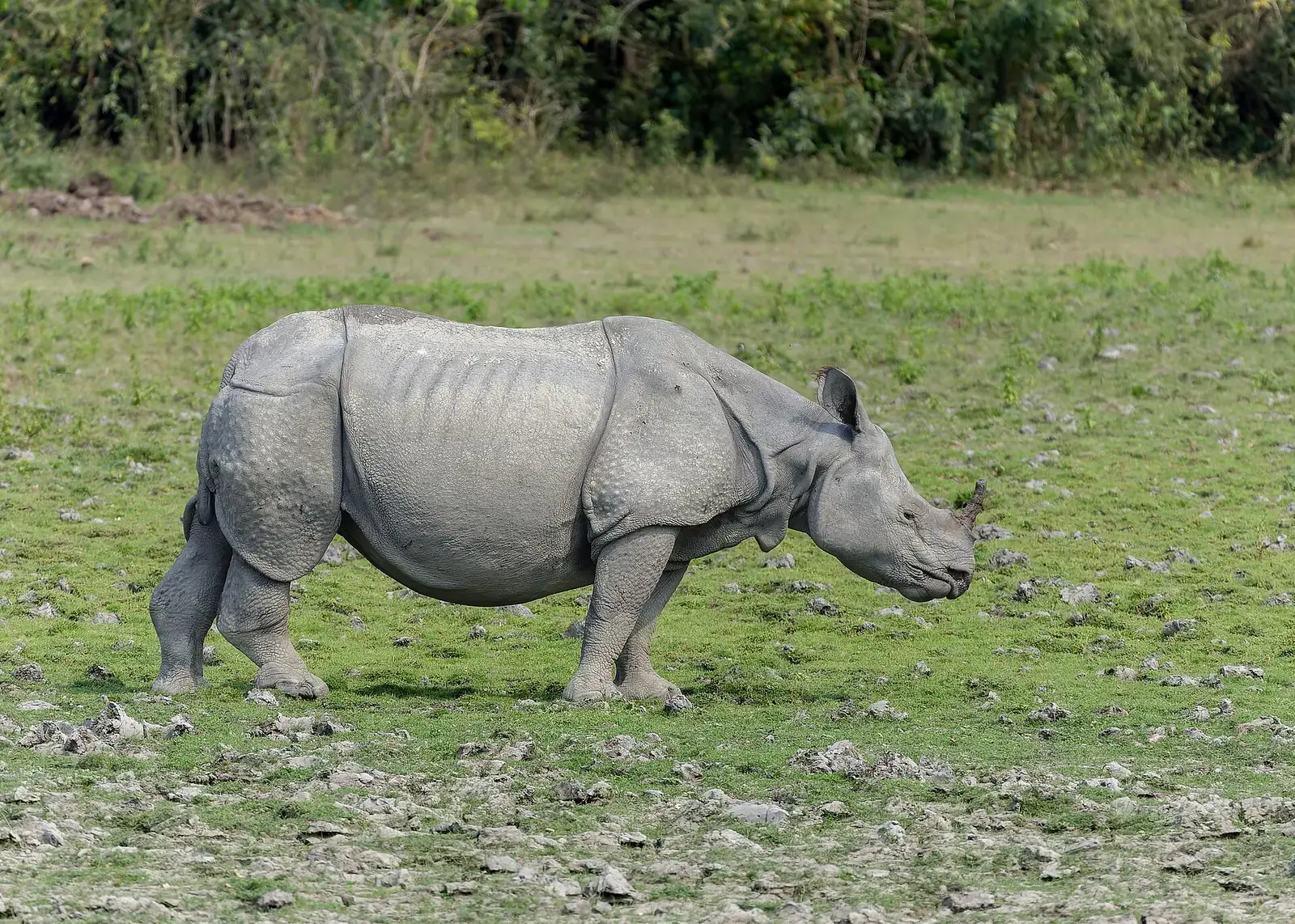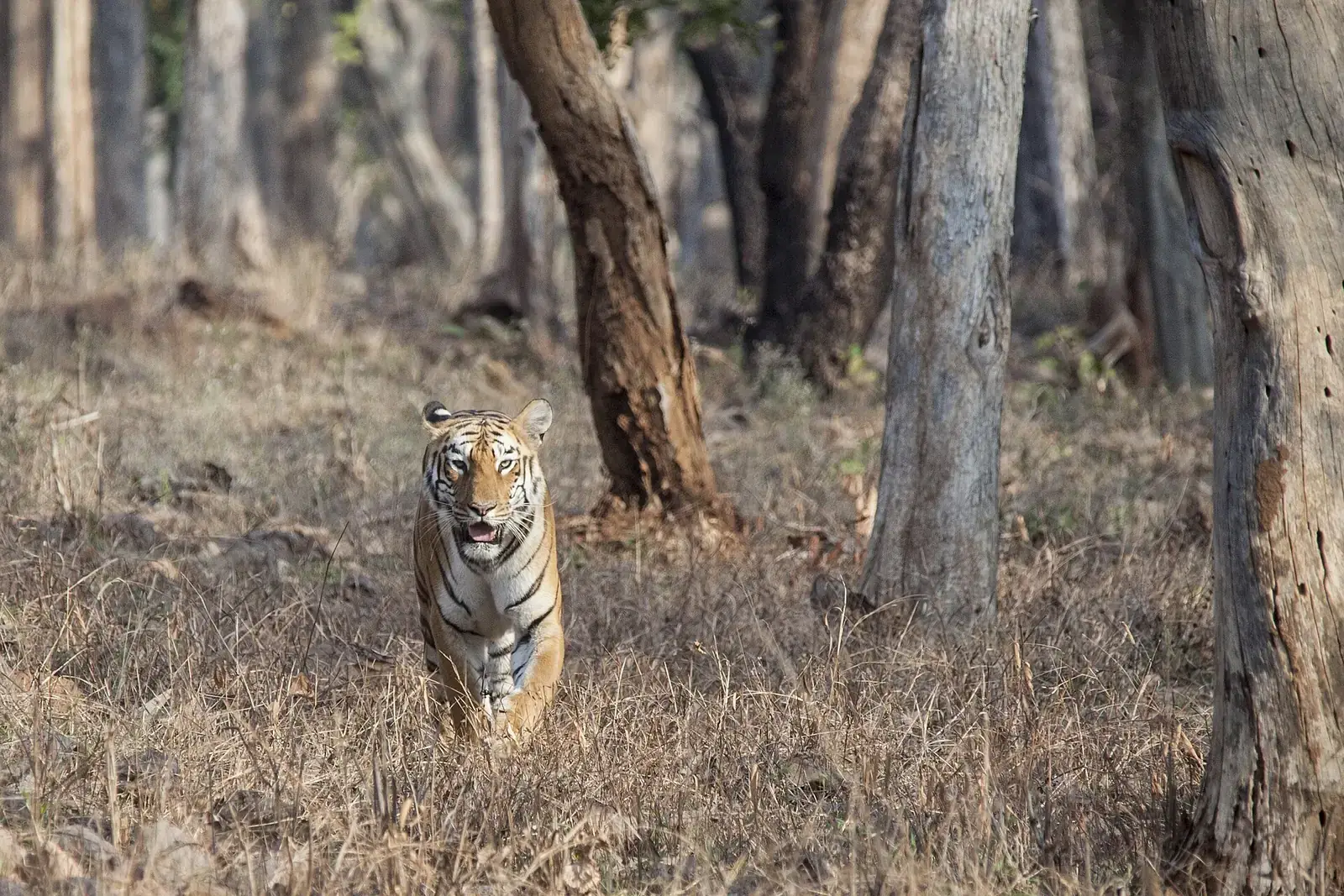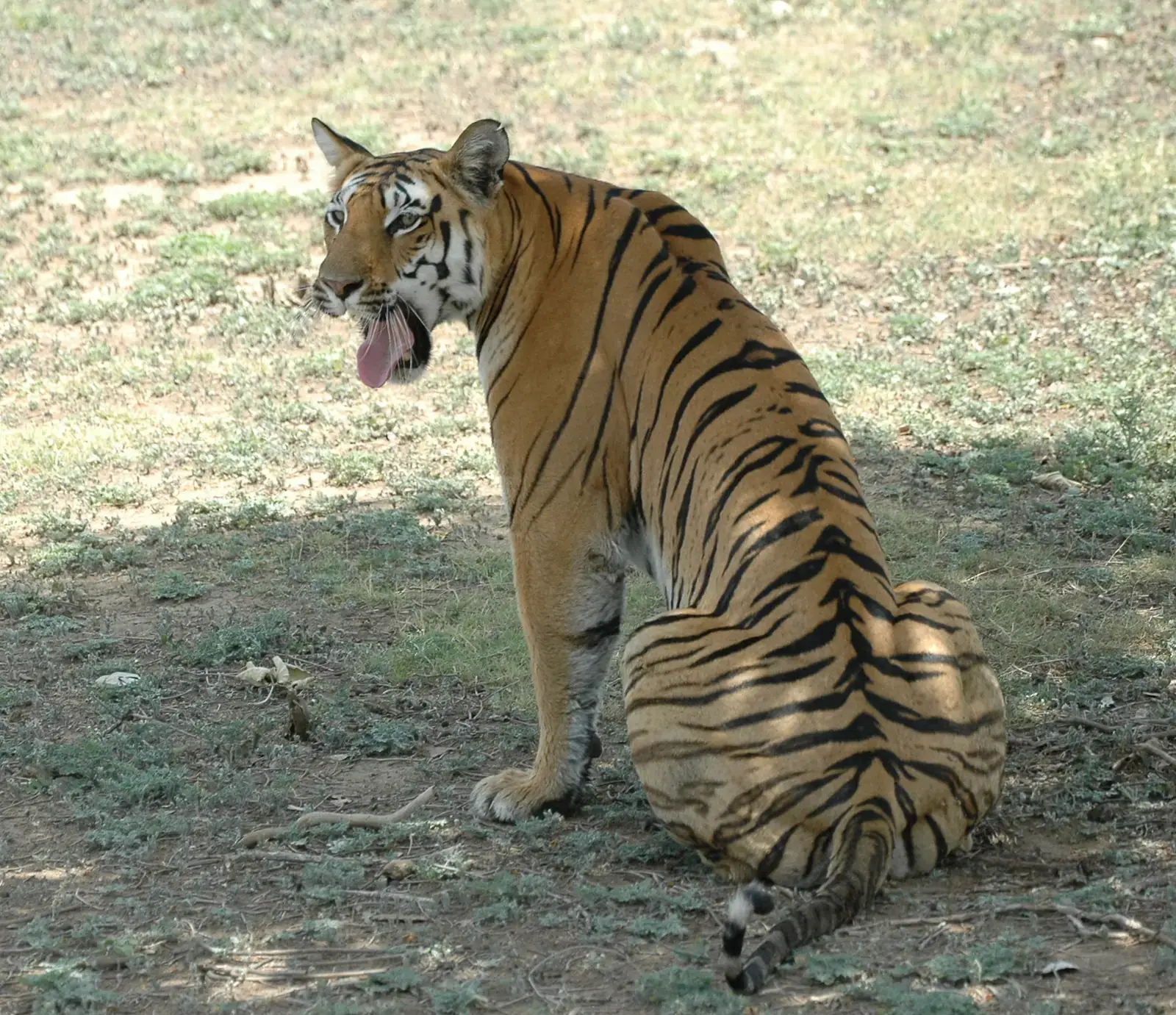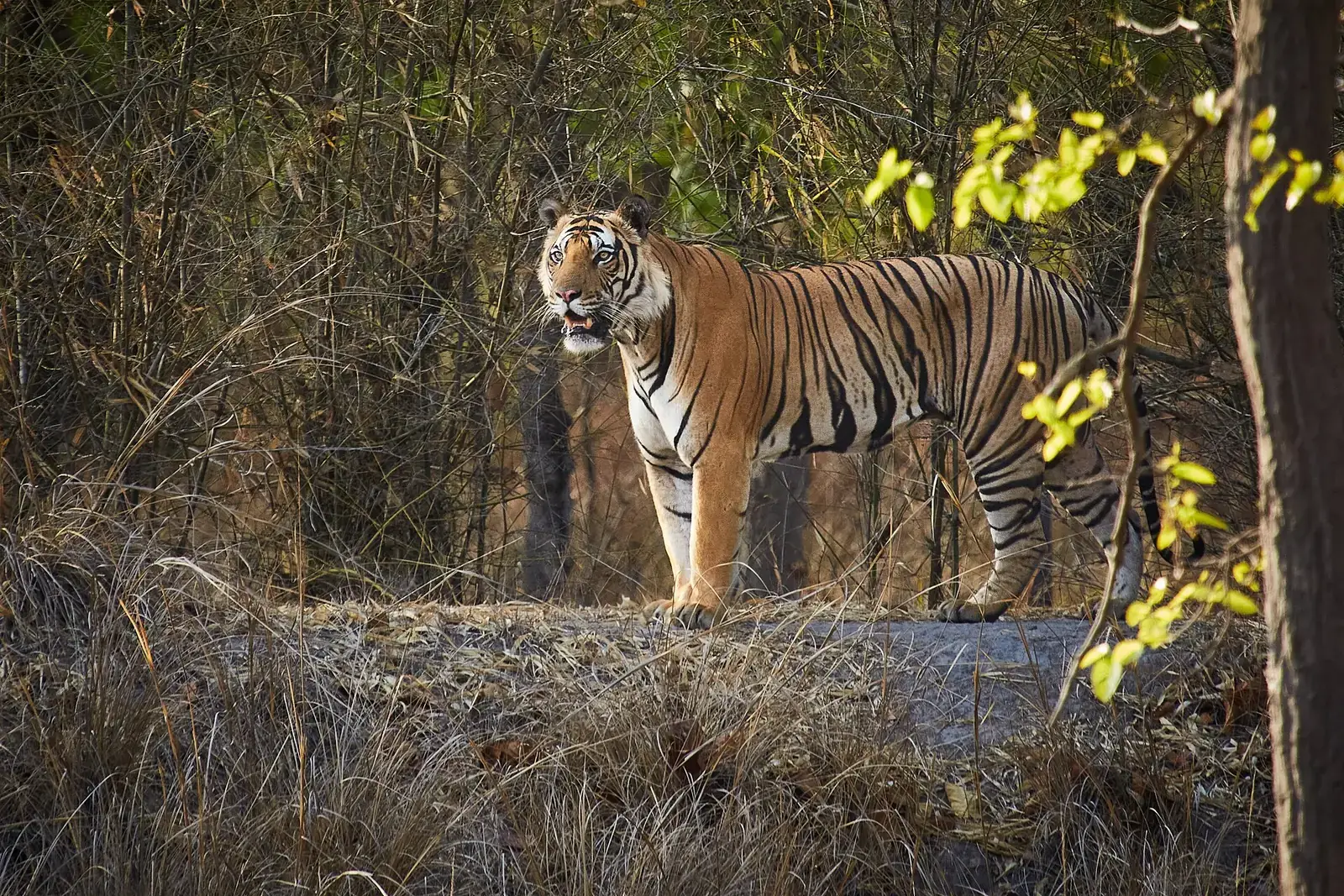
A tiger reserve is not a separate kind of park. It is an area notified under the Wildlife (Protection) Act to conserve tigers, usually built around one or more national parks or wildlife sanctuaries (its core, or critical tiger habitat) and surrounded by a buffer zone where people live and use the land. Reserves are overseen by the National Tiger Conservation Authority (NTCA), which grew out of Project Tiger, launched in 1973 with nine reserves.
By 2025 India had 58 tiger reserves, after Ratapani (December 2024) and Madhav (March 2025), both in Madhya Pradesh. Only a portion of them have established tourism. This guide explains the system and lists the reserves most worth visiting.
Quick answer
India has 58 tiger reserves (as of 2025), managed with the National Tiger Conservation Authority. The best tiger reserves to visit for safaris include Bandhavgarh, Kanha, Pench, Satpura and Panna in Madhya Pradesh, Tadoba-Andhari in Maharashtra, Ranthambore in Rajasthan, Corbett in Uttarakhand, Nagarhole and Bandipur in Karnataka, and the Sundarbans in West Bengal. Tourism is limited to set zones in the core and buffer.
Key takeaways
- India had 58 tiger reserves as of 2025; Madhya Pradesh has the most, with nine.
- A tiger reserve has a core (critical tiger habitat) and a buffer zone; tourism runs in designated zones only.
- Many tiger reserves overlap national parks or sanctuaries: Kanha National Park is the core of Kanha Tiger Reserve, for example.
- Only some reserves have established safari tourism with online booking.
- Reserves are assessed by the NTCA for management effectiveness, and new reserves are still being added.
How the reserve system works
Core and buffer
The core, or critical tiger habitat, is kept as free of human use as possible; it usually includes a national park or sanctuary. The buffer around it supports people, farming and forestry while providing space for wildlife to move.
Tourism zones
Safaris run only on designated routes. NTCA guidelines restrict tourism to a limited part of the core, and more safaris now run in buffer zones, which reduces pressure on the core and spreads income to local communities.
Who manages what
State forest departments run each reserve and its safaris; the NTCA sets national guidelines, funds conservation and coordinates the All India Tiger Estimation, carried out every four years.
Tiger reserves with established tourism, by state
| State | Reserves visitors most often choose | Other reserves |
|---|---|---|
| Madhya Pradesh | Kanha, Bandhavgarh, Pench, Satpura, Panna | Sanjay-Dubri, Veerangana Durgavati, Ratapani, Madhav |
| Maharashtra | Tadoba-Andhari, Pench (Maharashtra) | Melghat, Navegaon-Nagzira, Bor, Sahyadri |
| Rajasthan | Ranthambore, Sariska | Mukundra Hills, Ramgarh Vishdhari, Dholpur-Karauli |
| Uttarakhand | Corbett, Rajaji | |
| Uttar Pradesh | Dudhwa, Pilibhit | Amangarh, Ranipur |
| Karnataka | Nagarhole, Bandipur, Bhadra | Kali (Dandeli-Anshi), Biligiri Ranganatha Temple |
| Kerala | Periyar | Parambikulam |
| Tamil Nadu | Mudumalai, Anamalai | Sathyamangalam, Kalakad-Mundanthurai, Srivilliputhur-Megamalai |
| Assam | Kaziranga, Manas | Nameri, Orang |
| West Bengal | Sundarbans | Buxa |
| Odisha | Similipal | Satkosia |
| Other states | Valmiki (Bihar), Palamau (Jharkhand), Achanakmar (Chhattisgarh), Amrabad and Kawal (Telangana), Nagarjunsagar-Srisailam (Andhra Pradesh), Namdapha and Pakke (Arunachal Pradesh), Dampa (Mizoram) |
The best tiger reserves to visit
For the highest chance of sightings
Bandhavgarh, Tadoba-Andhari, Kanha and Ranthambore are consistently among the most productive, with good infrastructure and many safari routes.
For an all-round wildlife experience
Kanha, Kabini and Nagarhole, Corbett and Kaziranga (also a tiger reserve) offer tigers alongside elephants, leopards, deer, rhinos and birds.
For fewer crowds
Satpura, Panna, Pench's quieter gates, Dudhwa and Bhadra see fewer visitors.
For a different landscape
The Sundarbans' mangroves, Manas's grasslands below Bhutan, and Periyar's lake.
Near Delhi
Sariska (about four hours) and Corbett (about six to seven hours), with Ranthambore reachable by train.
Newer reserves
Recent additions include Ratapani (December 2024) and Madhav (March 2025) in Madhya Pradesh, Guru Ghasidas-Tamor Pingla in Chhattisgarh, and Dholpur-Karauli in Rajasthan. Tourism facilities in newer reserves are usually limited or still being developed; check with the state forest department before planning a trip.
How to choose between them
- First trip with a short break: Ranthambore, Pench or Sariska, which are close to airports and big cities.
- Most frequent sightings in recent years: Bandhavgarh, Tadoba and Kanha, based on visitor reports rather than any guarantee.
- Scenery and variety: Corbett for rivers and the Himalayan foothills, Kaziranga for grasslands, rhinos and elephants.
- Something different: Satpura for walking and boat safaris, the Sundarbans for boat trips through mangroves.
Safety
- Visit only on official safaris with registered guides and vehicles.
- Do not enter reserve forests on foot outside permitted areas; buffer villages share space with tigers and elephants.
- Respect closures and rules; they protect both animals and visitors.
Ready to plan your wildlife escape?
FAQs
How many tiger reserves are there in India?
58, as of 2025, after Ratapani and Madhav in Madhya Pradesh were added.
Which state has the most tiger reserves?
Madhya Pradesh, with nine.
What is the difference between a tiger reserve and a national park?
A national park is a legal category of protected area. A tiger reserve is a larger conservation unit, usually with a national park or sanctuary as its core, plus a buffer zone.
What is a buffer zone safari?
A safari in the area around the core, where tigers also live. Buffer safaris are often easier to book and can be productive.
Which was India's first tiger reserve?
Project Tiger launched in 1973 with nine reserves, including Corbett, Kanha, Manas, Palamau, Ranthambore, Similipal, Sundarbans, Melghat and Bandipur.