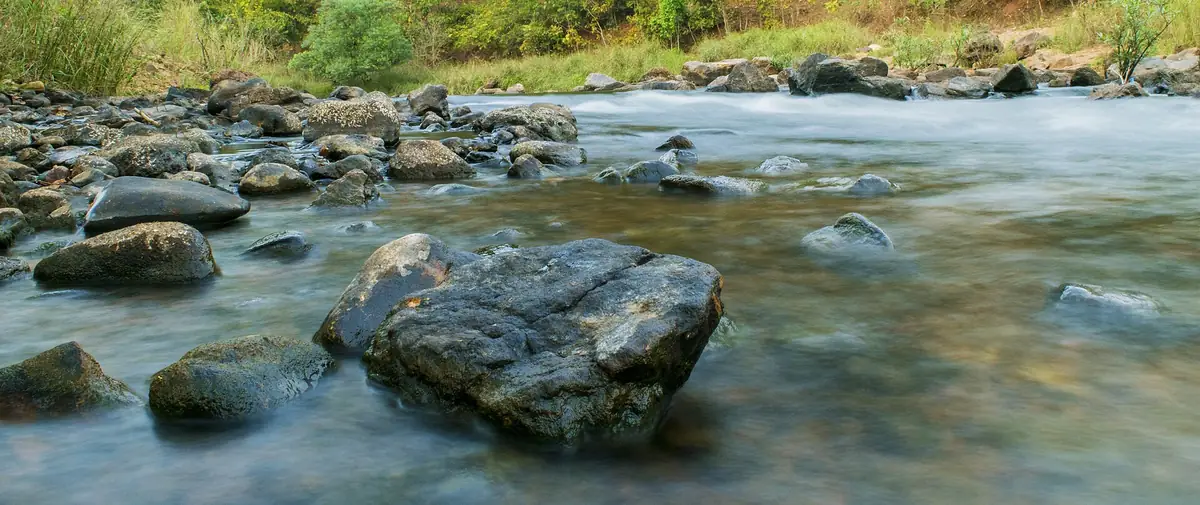
Why Maredumilli?
Maredumilli is a genuinely dense, biodiverse pocket of the Eastern Ghats, run in significant part through Andhra Pradesh Forest Department eco-tourism initiatives that involve local tribal communities directly — a real community-based tourism model, not just a marketing label.
Minimal tourist infrastructure here is by design. This isn't a resort destination — it's forest trekking trails, waterfalls, and natural hot springs, appealing to travelers who want genuine forest immersion over polished amenities.
🌳 Maredumilli at a Glance
Best Time to Visit Maredumilli
Comfortable trekking weather with good, though not peak, waterfall flow.
Waterfalls are at their most dramatic, but trails get muddy and slippery.
Warmer, with reduced waterfall flow — the hot springs remain a draw regardless.
Our pick: October to February for the most comfortable trekking, or June-September specifically if you want the waterfalls at maximum flow and don't mind muddy trails.
How to Reach Maredumilli
- By Air/Rail: Rajahmundry (~85km, cross-reference that guide) is the nearest airport and railway station, and the practical regional base.
- By Road: Via Rampachodavaram, the standard route into Maredumilli.
Top Things to Do in Maredumilli
- Jalatarangini and Kottapalli Jalapatham: Smaller, less crowded waterfalls than Andhra's headline falls, but genuinely scenic.
- Natural hot springs: Locally believed to have therapeutic properties, a genuine local tradition.
- Forest Department trekking trails: Marked routes through bamboo and teak forest.
- Tribal eco-tourism camps: A genuine community-based tourism model involving local communities directly.
Where to Stay in Maredumilli
- → Forest Department eco-camps
- → Basic community-run cottages
- → Better-appointed Forest Department cottages
- → Genuinely minimal — this is an eco-tourism destination by design
What to Eat in Maredumilli
- Eco-camp meals: Simple, home-style local cooking served at Forest Department stays.
- Tribal-community cuisine: Basic local dishes reflecting the region's tribal food traditions.
2-Day Maredumilli Itinerary
Waterfalls & Trekking
- ✓Arrive, check in at an eco-camp
- ✓Afternoon: forest trekking trail
- ✓Visit Jalatarangini or Kottapalli Jalapatham
Hot Springs & Departure
- ✓Morning: natural hot springs
- ✓Late morning: departure or onward to Rajahmundry
Budget Breakdown
| Expense | Budget | Mid-Range |
|---|---|---|
| Eco-camp accommodation/night | ₹1,000 | ₹2,800 |
| Food/day | ₹300 | ₹700 |
| Local transport/permits | ₹200 | ₹500 |
| Daily total | ₹1,500 | ₹4,000 |
| 2-Day trip total | ₹3,000 | ₹8,000 |
* Excludes transport to Rajahmundry. Genuinely low-cost given the Forest Department's affordable eco-camp model.
Essential Travel Tips for Maredumilli
- Book eco-tourism permits/stays in advance: Capacity is genuinely limited.
- Set expectations for basic facilities: This is an eco-tourism destination, not a resort.
- Combine with Rajahmundry and Papi Hills: A natural regional trip pairing.
- Respect local tribal communities: This is a genuine community-based tourism model, not a staged attraction.
✅ Do
- →Book Forest Department eco-camps and permits ahead
- →Try the trekking trails through bamboo and teak forest
- →Respect local tribal communities and their tourism model
- →Carry insect repellent and a rain layer
- →Combine with Rajahmundry and Papi Hills
❌ Don't
- →Expect resort-level amenities
- →Show up without booking eco-camp accommodation
- →Skip insect repellent given the dense forest setting
- →Attempt trails in heavy monsoon without caution
- →Treat local tribal communities as a photo-op rather than genuine hosts
Frequently Asked Questions
How many days do I need in Maredumilli?
One to two days covers the main waterfalls, hot springs, and a forest trekking trail comfortably.
What is the best time to visit Maredumilli?
October to February offers the most comfortable trekking weather. Monsoon (June–September) brings the fullest waterfalls but muddier trails.
How do I reach Maredumilli?
The nearest airport and railway station is Rajahmundry (~85km), the practical regional base. Road access via Rampachodavaram is the standard route.
Is Maredumilli good for a family trip?
It suits families comfortable with basic eco-camp accommodation and outdoor activity — this isn't a resort destination, so set expectations for genuinely rustic, forest-based facilities.
Do I need to book accommodation in advance?
Yes — Forest Department eco-camps and cottages are the primary accommodation option and have limited capacity, so book ahead, especially on weekends.
What is the budget for a trip to Maredumilli?
A budget traveler can manage on roughly ₹1,500 a day using Forest Department eco-camps, which are genuinely affordable given the basic facilities.
Can I combine Maredumilli with other Andhra Pradesh destinations?
Yes — it's most naturally combined with Rajahmundry and the Papi Hills boat cruise (cross-reference both guides) for a fuller Godavari-region trip.
Published by the Kudozz Club editorial team · Last updated · How we research our guides
Want us to plan this trip for you?
Tell Kudozz Club where you want to go and what kind of trip you’re looking for. We’ll build a Maredumilli and Andhra Pradesh itinerary around your dates and budget.
Continue Exploring
View all guides Off-beat
Lambasingi Travel Guide: The Kashmir of Andhra Pradesh
A high-altitude village that drops below freezing on winter mornings, earning it the nickname 'Kashmir of Andhra Pradesh' — the complete guide to Lambasingi.
 Off-beat
Araku Valley Travel Guide: Coffee Hills & the Train Journey Through 58 Tunnels
A coffee-growing tribal valley in the Eastern Ghats, reached by a train ride through 58 tunnels and dozens of bridges — the complete guide to Araku Valley.
 Off-beat
Horsley Hills Travel Guide: A Quiet Hill Station in Rayalaseema
A cool, forested hill station between Tirupati and Bangalore that's stayed genuinely low-key despite its convenient location — the complete guide to Horsley Hills.
 Off-beat
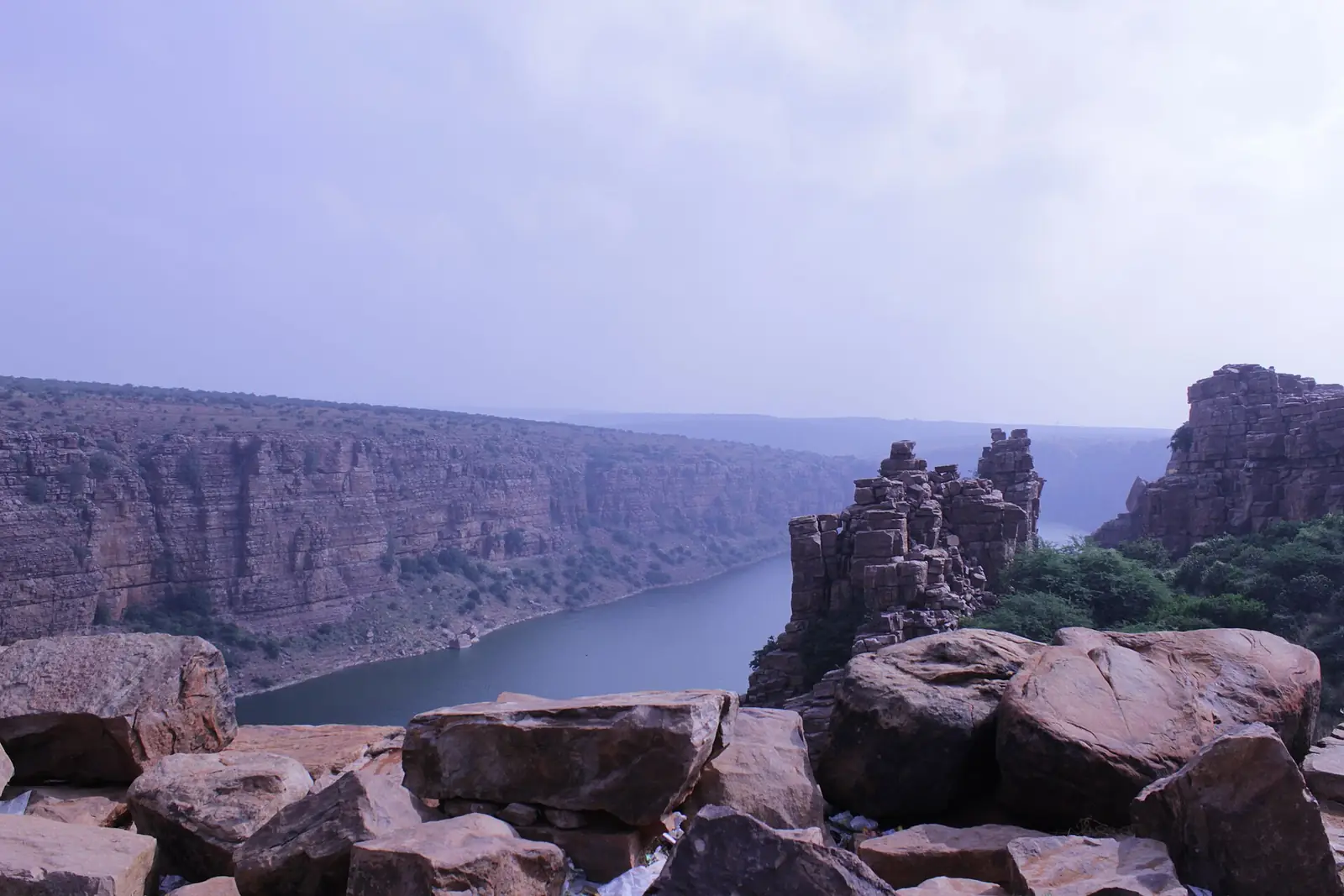
Gandikota Travel Guide: India's Grand Canyon
A red sandstone gorge carved by the Pennar River, ringed by a 13th-century fort, that's earned the nickname 'Grand Canyon of India' — the complete guide to Gandikota.