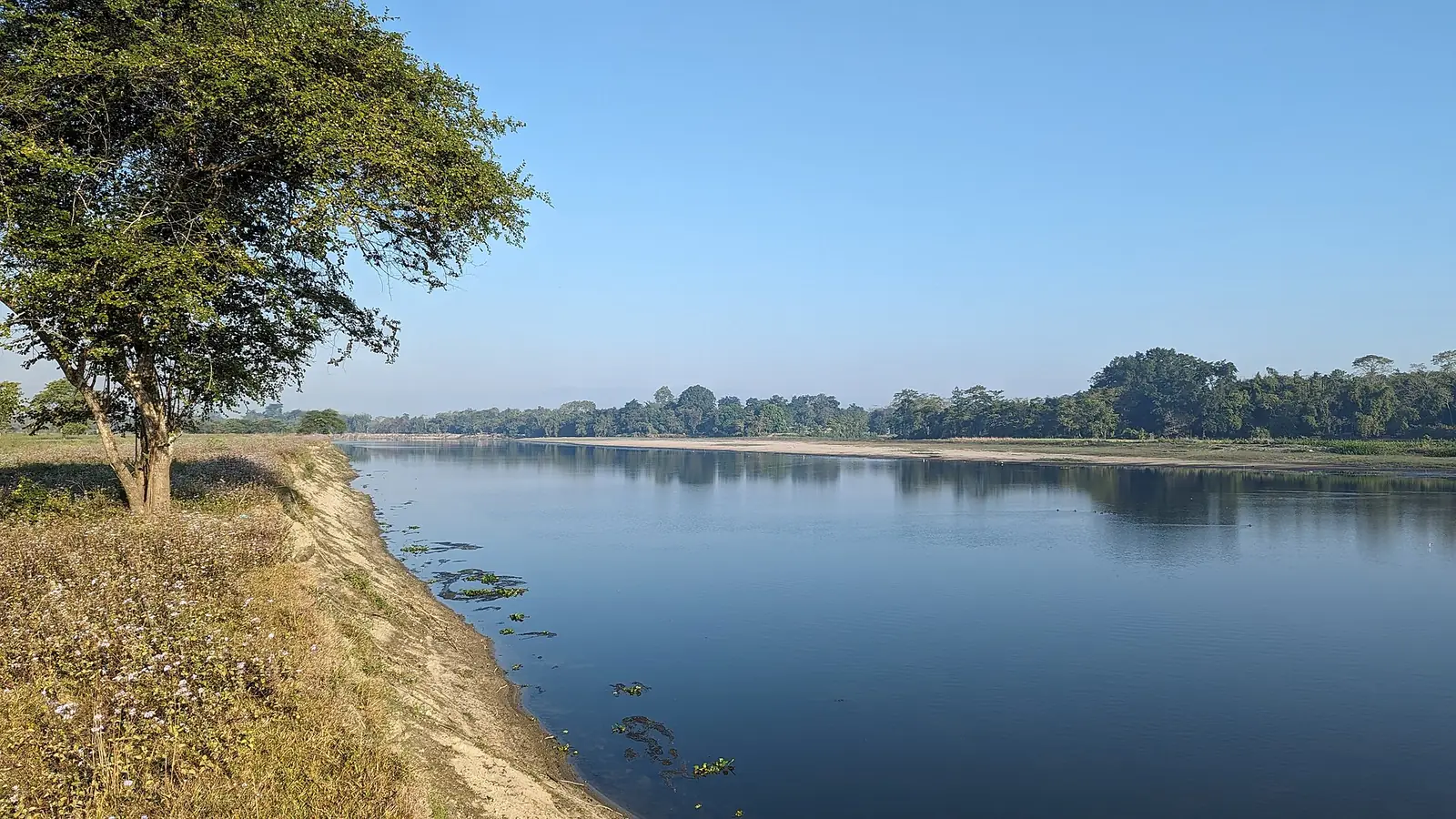
Why Majuli?
Majuli is widely cited as one of the world's largest river islands, formed by the Brahmaputra — though the island is genuinely, actively shrinking, having lost significant area over recent decades to erosion and the river's shifting course, a real environmental concern worth knowing before you visit rather than treating it as a permanent fixture.
The island is home to satras — Neo-Vaishnavite monastic institutions founded in the 15th-16th centuries by the Assamese saint-reformer Srimanta Sankardev — making Majuli one of the most religiously and culturally significant places in Assam, alongside a rural landscape of rice paddies, mask-making villages, and traditional stilt houses.
🛶 Majuli at a Glance
Looking for activities and experiences? See our guide to the best things to do in Majuli.
Love the outdoors? See our guide to riverside destinations in India.
Best Time to Visit Majuli
Dry season with the most reliable ferry access and easiest island exploration by bicycle or on foot.
Flooding can significantly restrict movement around the island and affect ferry reliability.
Our pick: October to March — the most reliable window for ferry crossings and exploring the island by bicycle.
How to Reach Majuli
- By Ferry: The standard route — ferries depart from Nimati Ghat near Jorhat to Majuli's main ghat.
- By Air: Jorhat Airport is roughly 20km from Nimati Ghat.
- By Road: Jorhat is the practical gateway town for organizing the ferry crossing.
Top Things to Do in Majuli
- Visit a satra: Explore one of Majuli's Neo-Vaishnavite monasteries, ideally during an active prayer or practice session for genuine cultural insight.
- Samaguri Satra: Known specifically for its traditional mask-making craft, worth seeing the process firsthand.
- Sattriya dance: A classical Indian dance form rooted in the satras — ask locally about performance opportunities.
- Cycle around the island: A popular and genuinely rewarding way to see the rice paddies, pottery villages, and stilt houses.
- Birdwatching: The island's wetlands attract migratory birds in season.
Where to Stay in Majuli
- → Local homestays
- → Basic guesthouses near the main ghat
- → Bamboo-cottage style eco-stays
- → Better-appointed homestays
- → A small number of higher-end eco-resorts — options here remain genuinely limited
A local homestay is genuinely the most authentic and recommended way to experience Majuli.
What to Eat in Majuli
- Homestay-cooked Assamese meals: Fresh, simple rice-based meals with local vegetables and fish.
- Khar and tenga: Classic Assamese preparations, widely served at local homestays.
- Satra prasad: Some satras offer simple communal meals to visitors — a genuine, humble local experience.
2-Day Majuli Itinerary
Ferry & Satras
- ✓Morning ferry from Nimati Ghat
- ✓Check into a homestay
- ✓Afternoon: visit 1-2 major satras
Cycling & Crafts
- ✓Morning: cycle around the island's villages
- ✓Visit Samaguri Satra for mask-making
- ✓Afternoon: ferry back to Jorhat
Budget Breakdown
| Expense | Budget | Mid-Range |
|---|---|---|
| Accommodation/night | ₹700 | ₹2,500 |
| Food/day | ₹300 | ₹700 |
| Ferry + local transport | ₹500 | ₹300 |
| Daily total | ₹1,500 | ₹3,500 |
| 2-Day trip total | ₹3,000 | ₹7,000 |
* Excludes transport to the region.
Essential Travel Tips for Majuli
- Check ferry schedules ahead: They're weather-dependent and can change seasonally.
- Stay in a homestay: The most authentic way to experience the island.
- Visit satras respectfully: These are active religious institutions, not tourist attractions.
- Rent a bicycle: The best way to see the island's spread-out villages.
✅ Do
- →Check current ferry schedules before traveling
- →Stay in a local homestay for an authentic experience
- →Visit a satra during an active practice session if possible
- →Rent a bicycle to explore the island
- →Dress modestly and respectfully at satras
❌ Don't
- →Travel to Majuli in monsoon expecting easy movement
- →Treat satras as photo-op tourist attractions
- →Skip checking ferry timing in advance
- →Expect developed tourist infrastructure
- →Rush through without cycling around the island
Frequently Asked Questions
How many days do I need in Majuli?
One to two days covers the main satras, a mask-making village, and a bicycle ride around the island comfortably.
What is the best time to visit Majuli?
October to March, when ferry access and island roads are most reliable. Monsoon (June–September) brings flooding that can significantly restrict movement.
How do I reach Majuli?
Ferries depart from Nimati Ghat near Jorhat to Majuli's main ghat. Jorhat is the standard gateway, with its own airport roughly 20km from the ghat.
Is Majuli island actually shrinking?
Yes — this is a genuine, ongoing environmental issue. The island has lost significant area over recent decades due to the Brahmaputra's shifting course and annual erosion.
What are satras?
Neo-Vaishnavite monastic institutions founded in the 15th-16th centuries by the Assamese saint-reformer Srimanta Sankardev — centres of religious practice, classical Sattriya dance, and traditional arts. Majuli has one of the highest concentrations of active satras anywhere.
What is the budget for a trip to Majuli?
A budget traveler can manage on roughly ₹1,500 a day with a homestay, a mid-range trip closer to ₹3,500 a day. A 2-day trip totals roughly ₹3,000 on a budget and ₹7,000 mid-range.
Is Majuli good for a family trip?
Yes — the pace is slow and rural, well suited to unhurried exploring, though facilities are basic compared to bigger destinations. Cycling around the island is a popular family activity.
Published by the Kudozz Club editorial team · Last updated · How we research our guides
Want us to plan this trip for you?
Tell Kudozz Club where you want to go and what kind of trip you’re looking for. We’ll build a Majuli and Assam itinerary around your dates and budget.
Continue Exploring
View all guides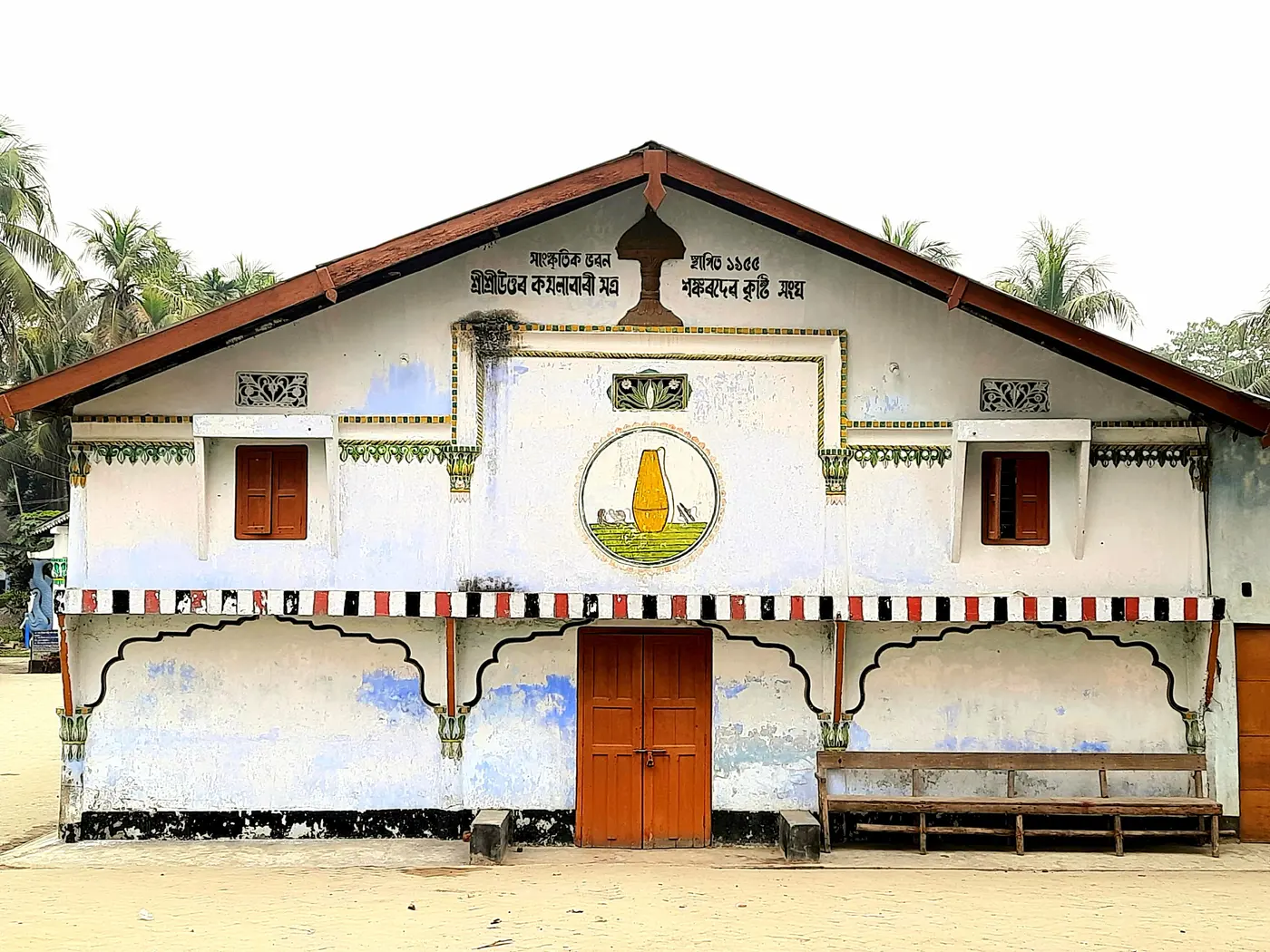 Things to Do
Things to Do in Majuli: Satras, Mask-Making & River Island Life
Things to do in Majuli: the ferry across the Brahmaputra, the Vaishnavite satras of Kamalabari, Auniati, Dakhinpat and Garamur, mask-making at Samaguri, Salmora's pottery, Mising villages, cycling, birdwatching and the Raas festival.
 Off-beat
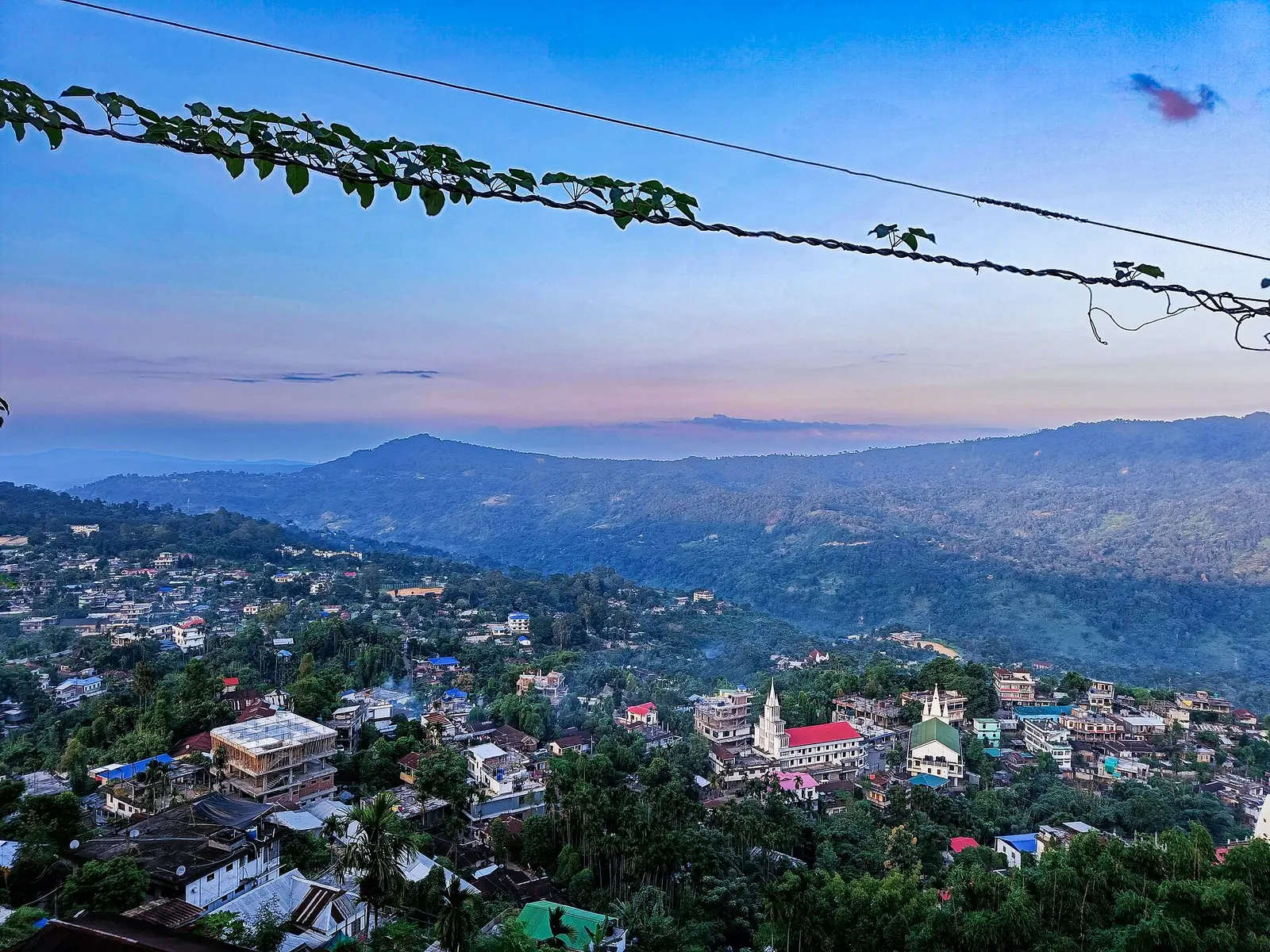
Haflong Travel Guide: Assam's Only Hill Station
A lake-centred hill town in the North Cachar Hills, home to a genuinely diverse mix of hill tribes rarely visited by outside travelers — the complete guide to Haflong.
 Wildlife Tourism
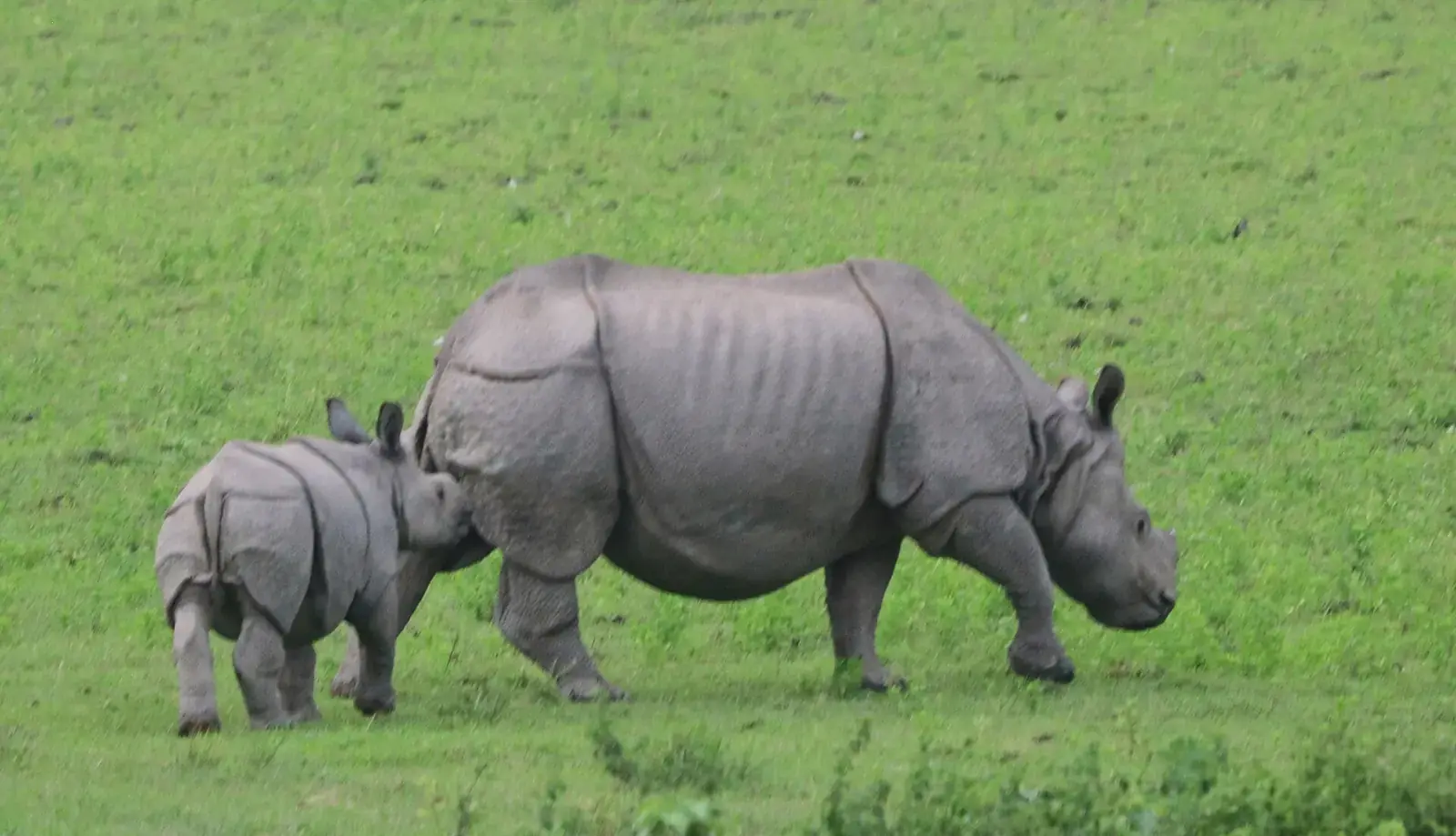
Where to See One-Horned Rhinos in India
A guide to seeing the greater one-horned rhinoceros in India: Kaziranga, which holds most of them, Pobitora near Guwahati, Orang and Manas in Assam, Jaldapara and Gorumara in the Dooars of West Bengal, and Dudhwa in Uttar Pradesh, with population figures, seasons, safari types and conservation history.
 Road Trips
Northeast India Road Trips: Meghalaya, Assam, Arunachal and Sikkim
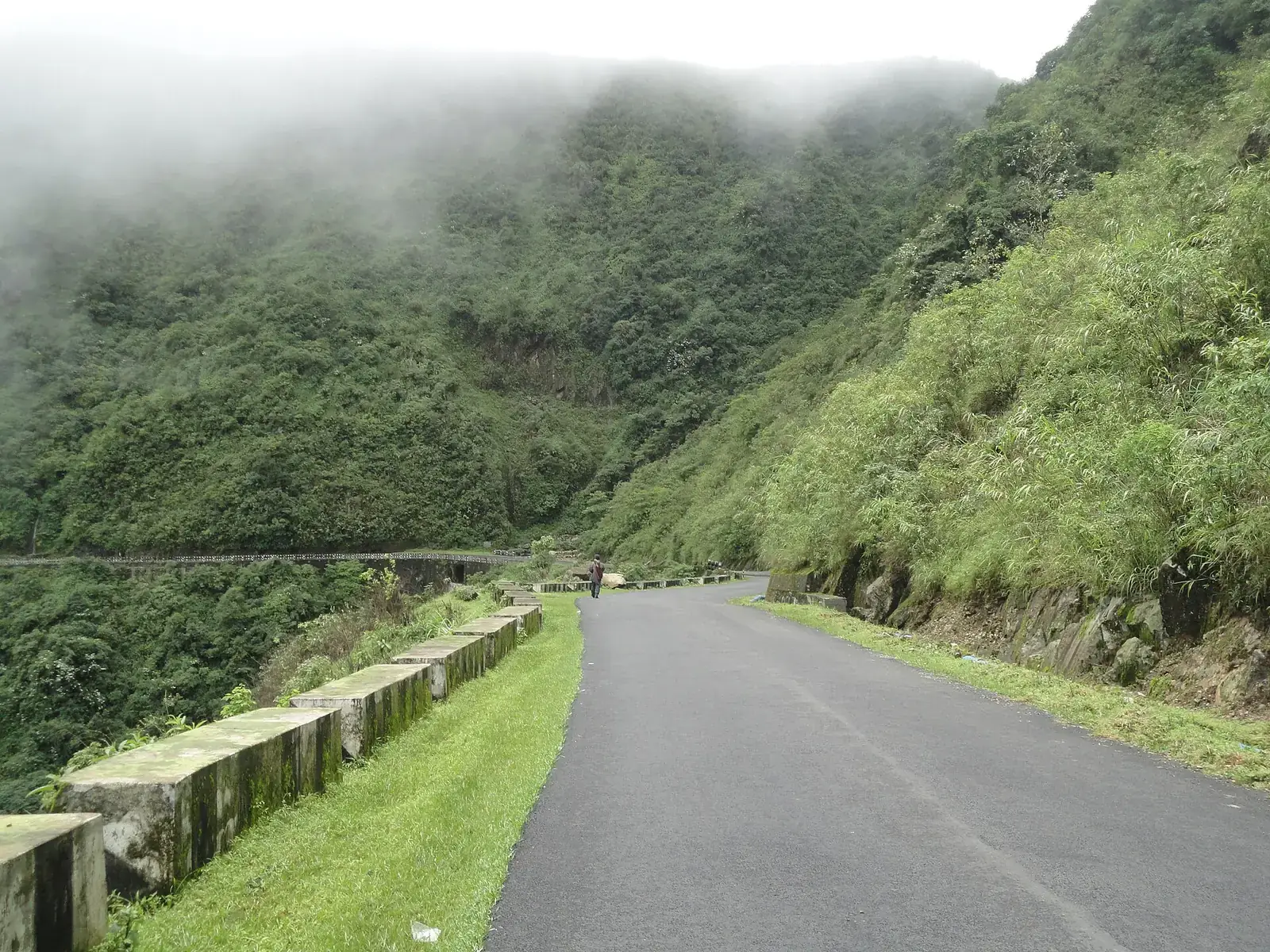
A guide to road trips in Northeast India: Guwahati to Shillong, Sohra and Dawki in Meghalaya, Kaziranga and Majuli in Assam, Guwahati to Tawang and Ziro in Arunachal Pradesh, the Siliguri–Gangtok road and North Sikkim, and Dimapur to Kohima in Nagaland, with Inner Line Permits, local-vehicle rules, landslides and the best seasons.