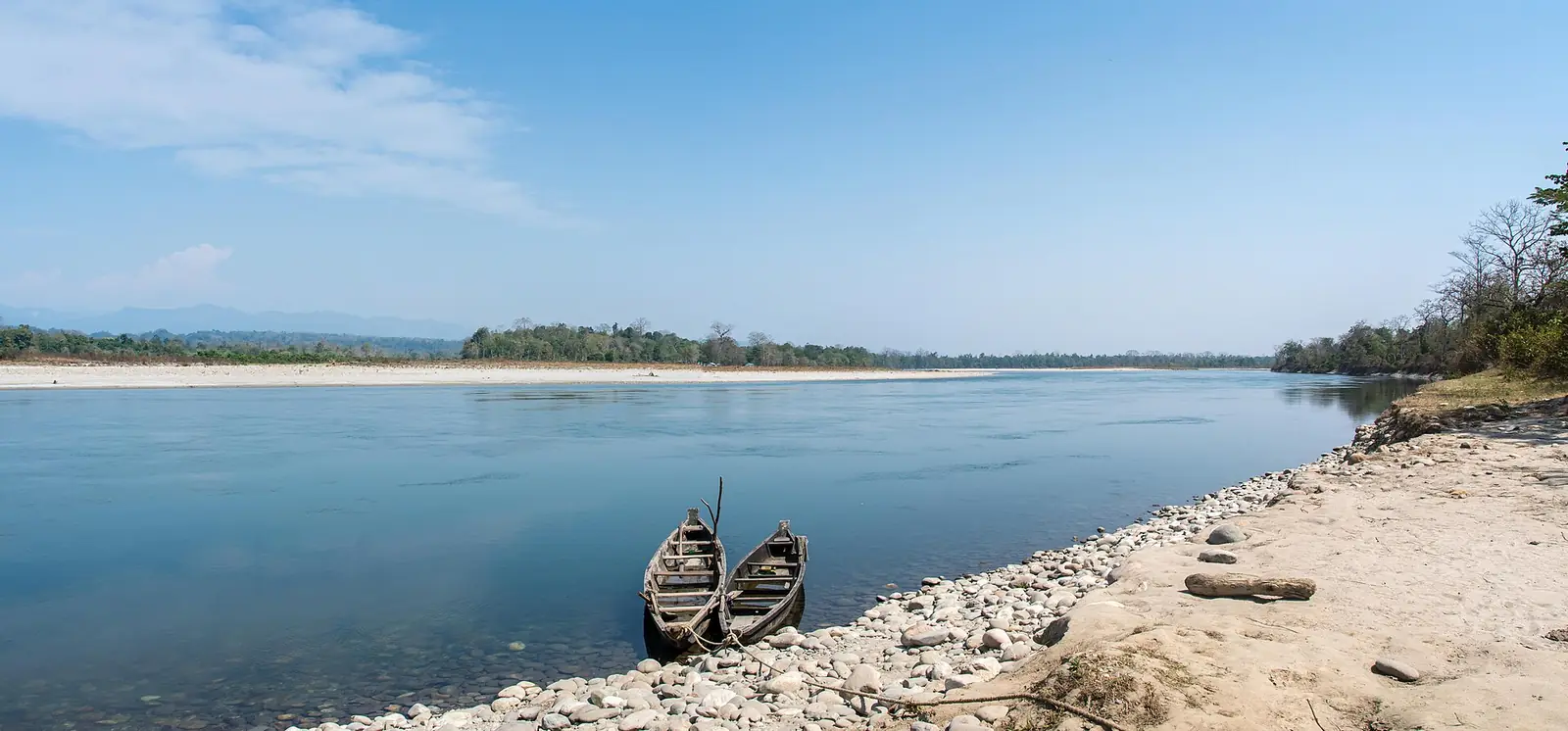
Why Assam?
Cradled by the mighty Brahmaputra river as it winds across the state, Assam is the gateway to Northeast India — the state most travelers pass through, and increasingly, the one they stay for. It packs an unusual range of experiences into a manageable footprint: wildlife, river culture, tea country, and centuries of history.
Kaziranga National Park is Assam's headline act, a UNESCO World Heritage Site and stronghold of the one-horned rhinoceros, home to roughly two-thirds of the world's remaining population. Not far east, Majuli holds the title of the world's largest river island, its Vaishnavite monasteries drifting slowly with the Brahmaputra's shifting course.
Add the world-famous tea gardens around Jorhat, the riverside temples of Guwahati, and Assam's role as the springboard to Meghalaya, Nagaland, and the rest of the Northeast, and it's clear why the state rewards far more than a quick stopover.
🦏 Assam at a Glance
Planning a wildlife trip? See our guide to wildlife tourism in Assam.
Best Time to Visit Assam
Assam's climate and, crucially, Kaziranga's park calendar both make timing important — the monsoon doesn't just bring rain, it closes the park's core zones entirely.
Cool, dry, and clear (10–25°C) — ideal for safaris, river cruises, and comfortable sightseeing across the state.
Still within Kaziranga's open season, with pleasant weather before the pre-monsoon heat and humidity build.
Kaziranga's core zones close entirely (roughly May–October) as the Brahmaputra floods the park — this is a hard logistics constraint, not just a comfort issue.
Kaziranga typically reopens for safaris around late October or early November once floodwaters recede — an excellent time to catch the park at its greenest.
Our pick: November to February for the best all-round conditions — cool weather, open safari zones, and calm rivers for Majuli's ferry crossing. Avoid planning a Kaziranga-centered trip anytime from May to October.
How to Reach Assam
- By Air: Lokpriya Gopinath Bordoloi International Airport in Guwahati is the main gateway to Northeast India, with regular flights from Delhi, Mumbai, Kolkata, Bengaluru, and other major cities.
- By Rail: Guwahati is extensively connected to the national rail network, with routes also serving Jorhat and other towns closer to Kaziranga and Majuli.
- By Road: Guwahati functions as the springboard to the rest of the Northeast — a solid highway connects it to Kaziranga (~4–5 hrs) and onward to Jorhat for Majuli.
Kaziranga National Park: Rhino Country
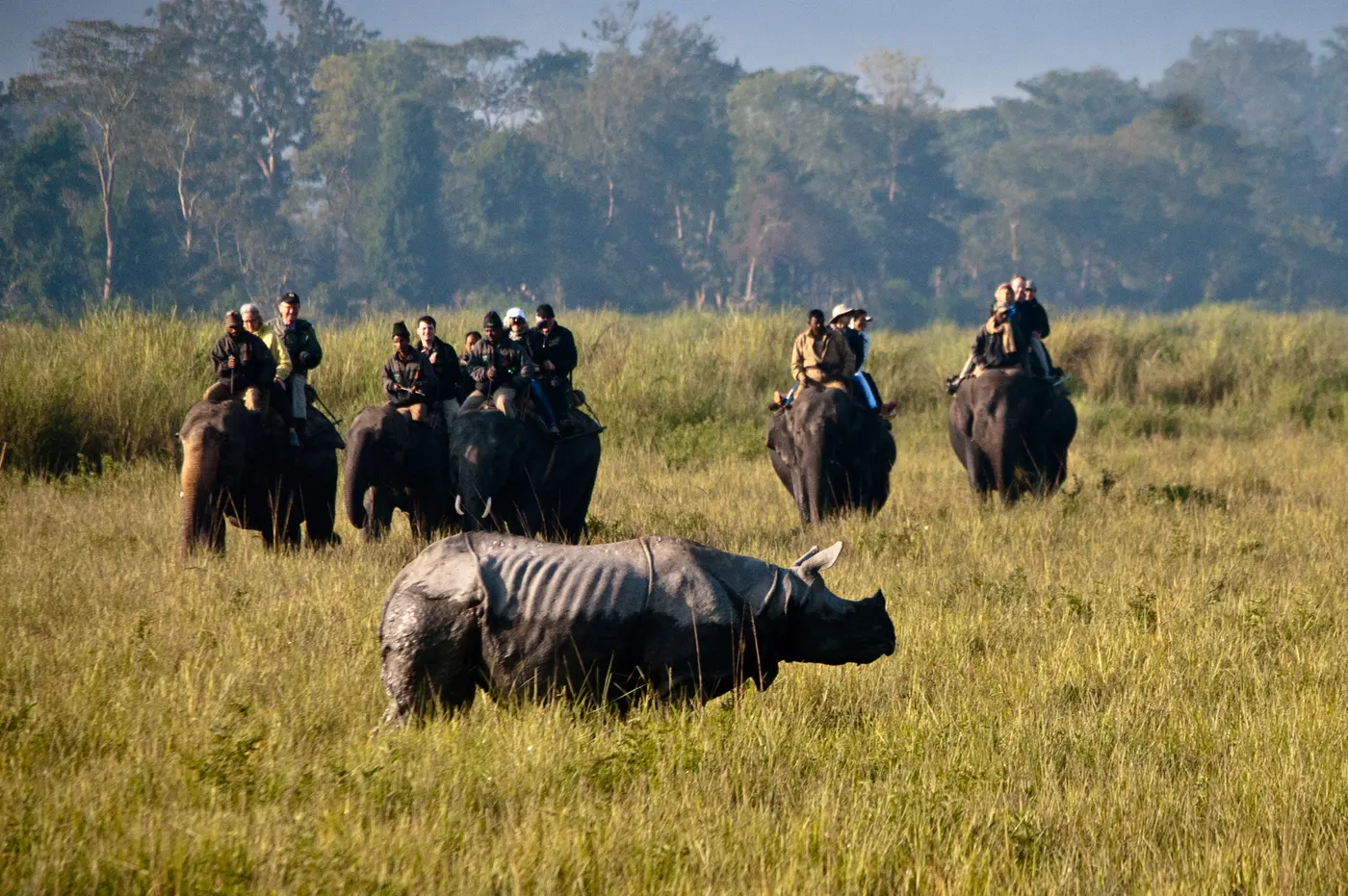
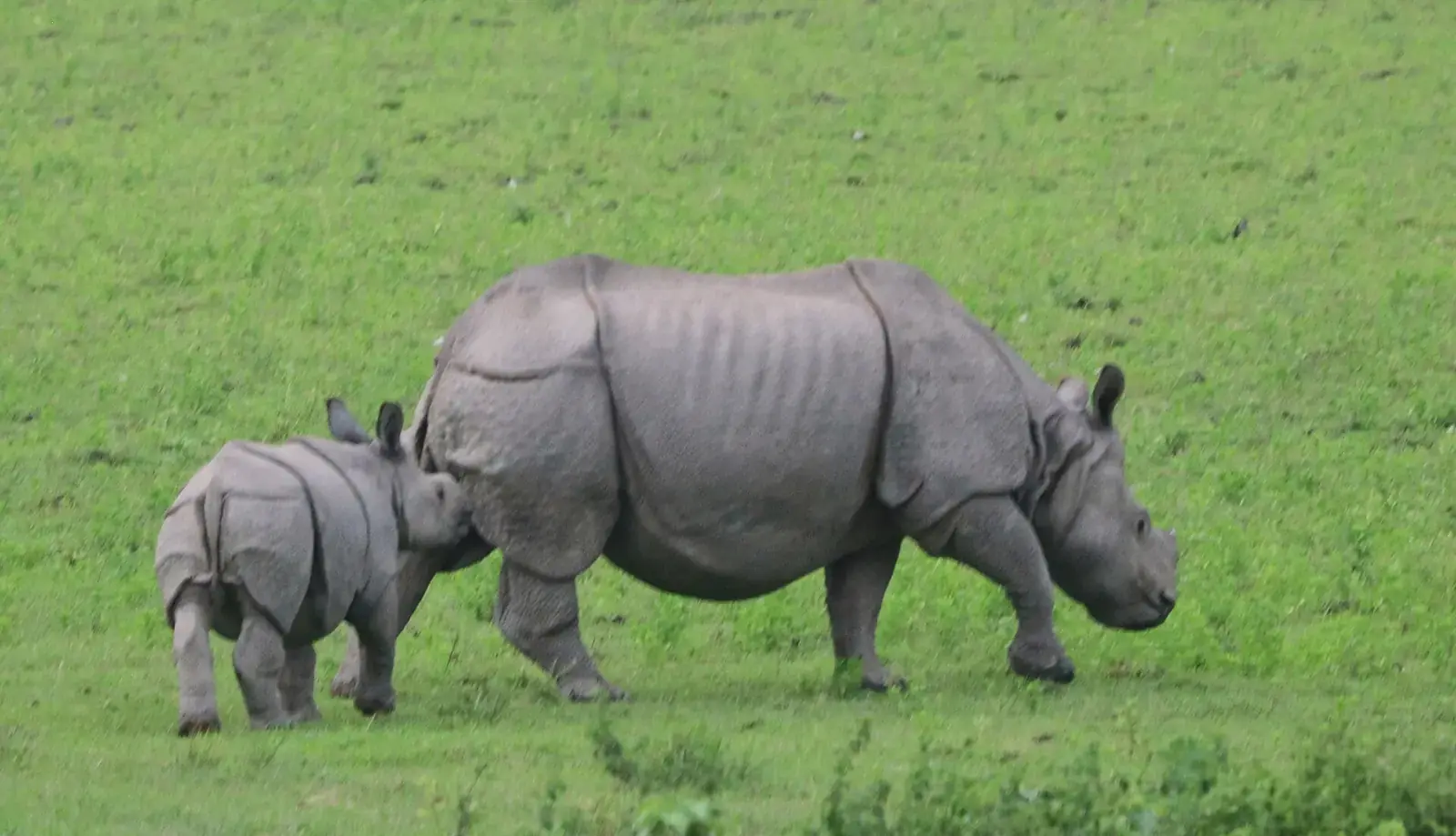
A UNESCO World Heritage Site, Kaziranga is home to roughly two-thirds of the world's one-horned rhinoceros population, grazing across tall elephant grass and wetlands fed by the Brahmaputra.
- Elephant-back safaris: An early morning ritual that brings visitors close to grazing rhinos through the tall grass — often the best chance for a close sighting.
- Jeep safaris: Covering the park's Central, Western, and Eastern ranges, each with slightly different terrain and sighting odds across the day.
- Beyond rhinos: Kaziranga also shelters Bengal tigers, wild elephants, and one of the largest populations of swamp deer anywhere in the world.
Guwahati & Kamakhya Temple
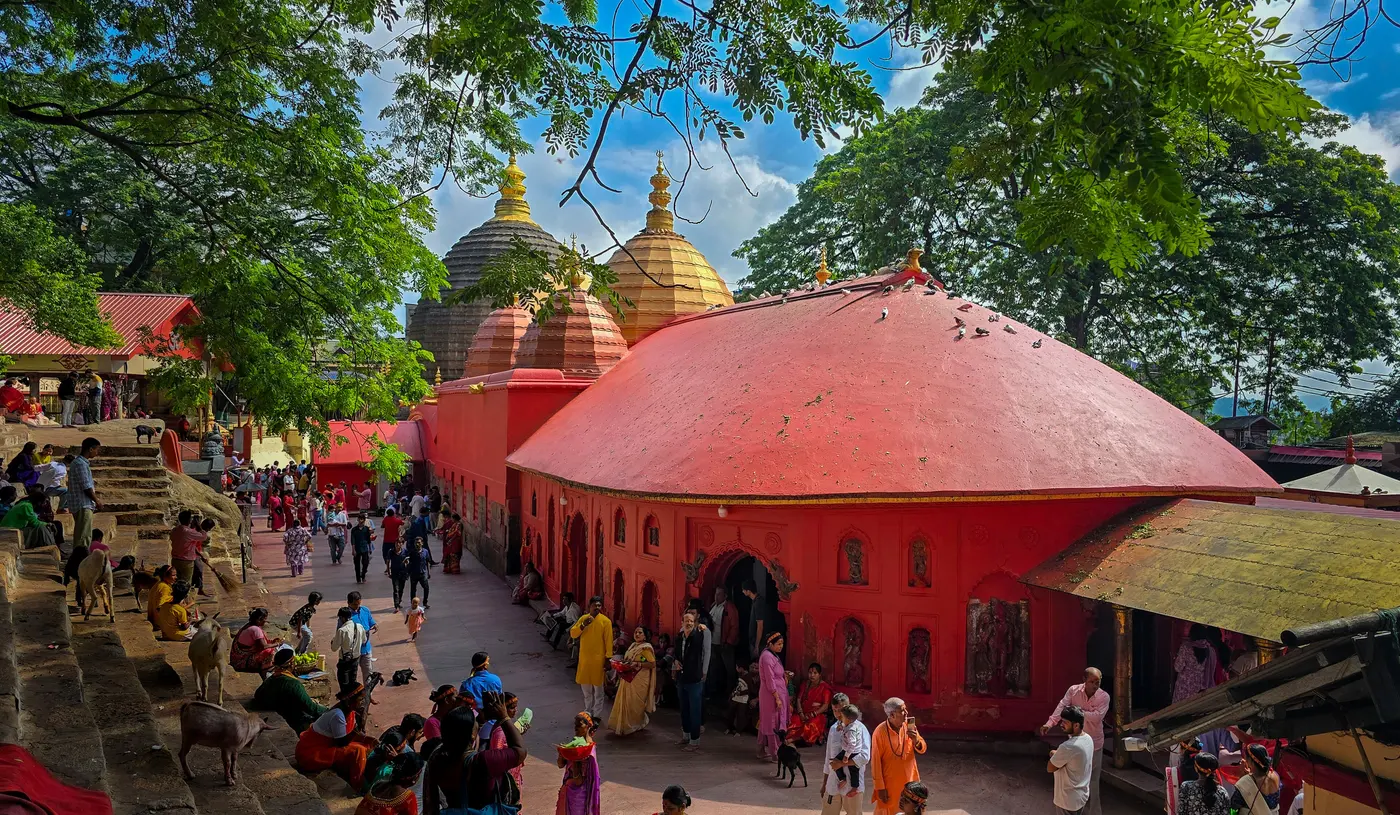
Assam's largest city sits directly on the Brahmaputra, and most trips begin and end here — but Guwahati is worth more than a transit stop.
- Kamakhya Temple: One of the most significant Shakti Peeth temples in India, perched atop Nilachal Hill with commanding views over the city and river below.
- Brahmaputra river cruises: Sunset cruises are a Guwahati institution, offering a calm, golden-hour view of the river that defines the city.
- Umananda Island: Said to be the world's smallest inhabited river island, a short ferry ride from the city and home to a small Shiva temple.
Majuli: The River Island
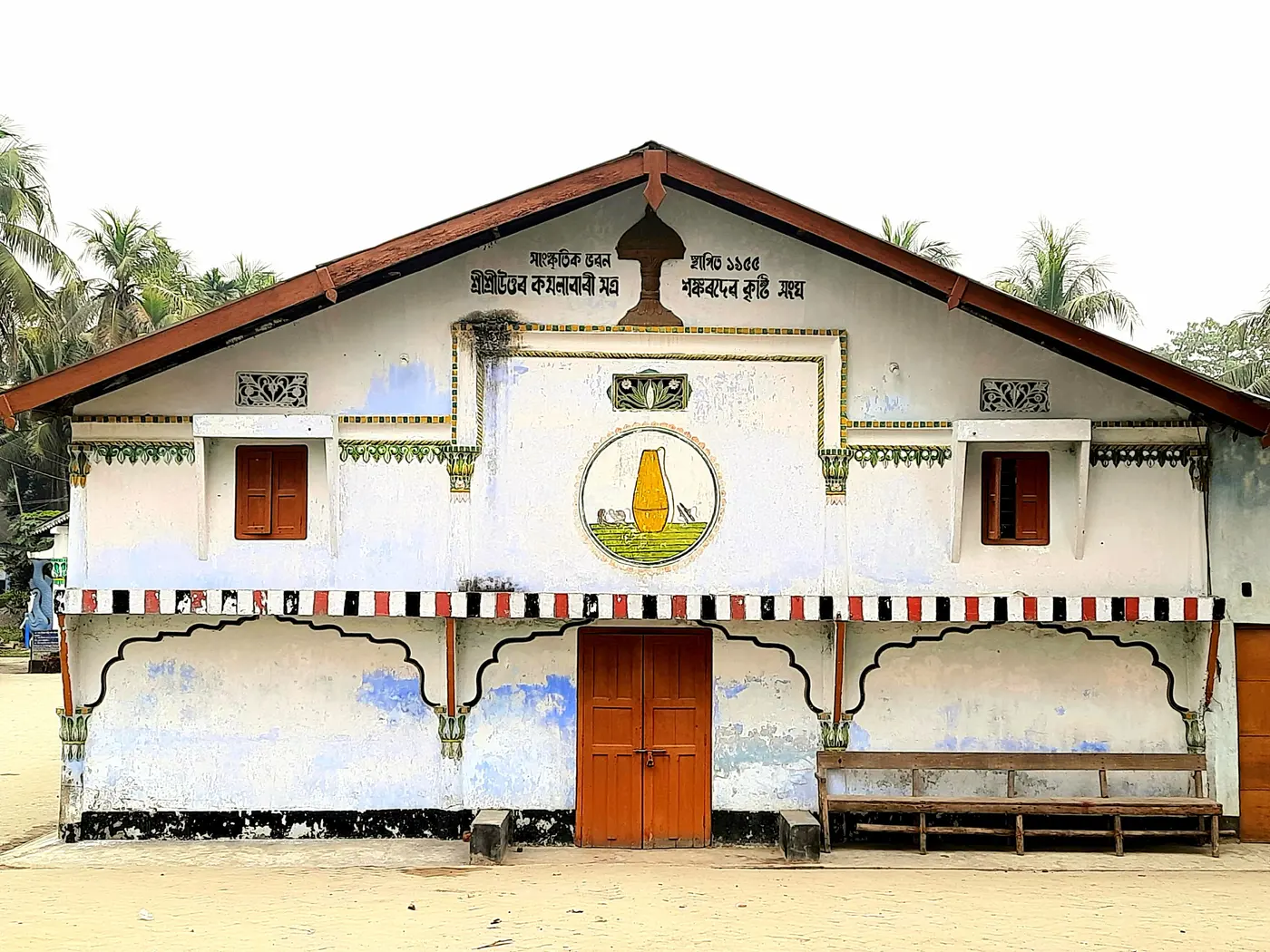
Majuli holds the record as the world's largest river island, reachable by ferry from Jorhat — a slow crossing that feels like a genuine transition into a different pace of life.
- Satras (Vaishnavite monasteries): Founded by the 15th-century saint Srimanta Sankardev, these monasteries remain active centers of Assamese Vaishnavite culture, music, and dance.
- Mishing tribal culture: Majuli is home to a significant Mishing community, with distinctive stilt houses adapted to the island's shifting, flood-prone geography.
- Mask-making traditions: Several satras practice a centuries-old craft of making elaborate masks used in traditional performances — workshops are open to visitors.
Tea Gardens, Manas & Sivasagar
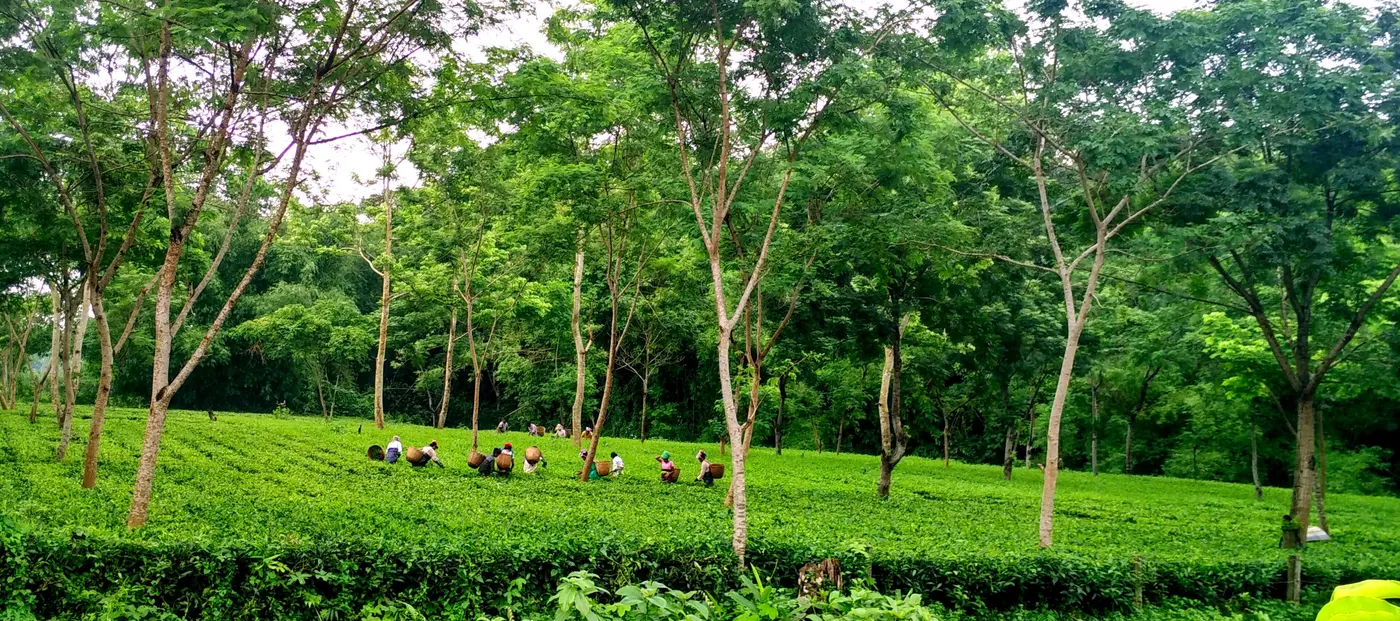
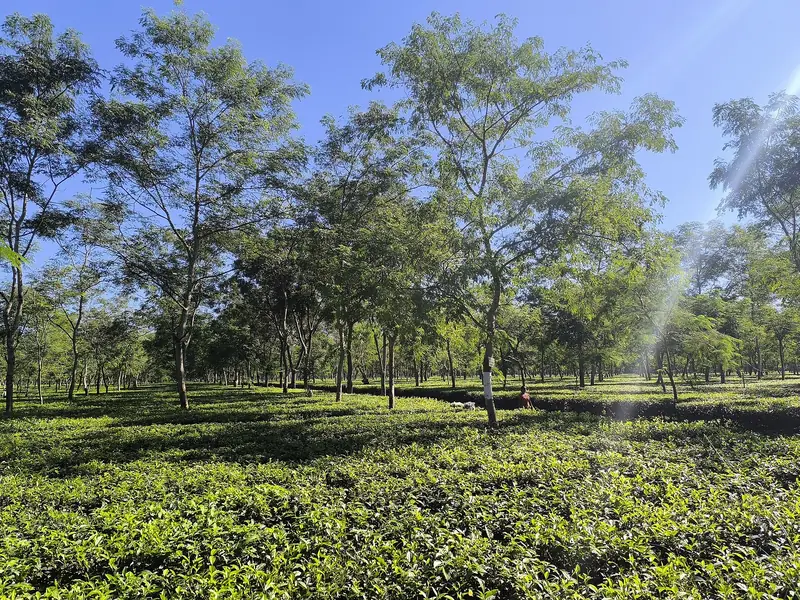
- Tea Gardens (Jorhat): Known as Assam's "tea capital," Jorhat and its surrounding estates produce some of the world's most recognized tea — several estates offer stays and guided tastings.
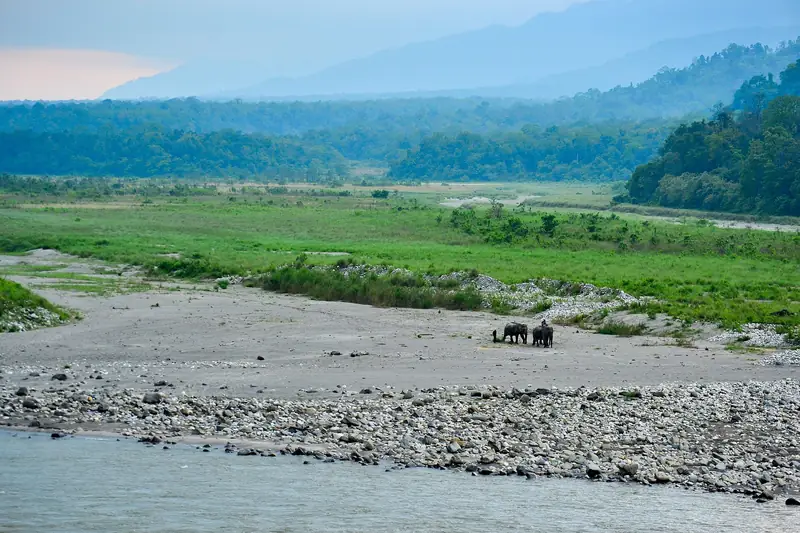
- Manas National Park: Another UNESCO World Heritage Site and tiger reserve, far less crowded than Kaziranga and set against the foothills of Bhutan.
- Sivasagar: The historical capital of the Ahom dynasty, home to grand temples, palaces, and the massive Sivasagar tank — a strong pick for history beyond the wildlife circuit.
Where to Stay
Plan to base yourself in 2–3 hubs — Guwahati, near Kaziranga, and Jorhat or Majuli — rather than one central location, given the distances involved.
- → Guesthouses, Guwahati
- → Budget lodges near Kaziranga gate
- → Homestays, Majuli
- → Business hotels, Guwahati
- → Jungle resorts, Kaziranga
- → Tea estate stays, Jorhat
- → Riverfront hotels, Guwahati
- → Luxury jungle lodges, Kaziranga
- → Heritage tea bungalows, Jorhat
Jungle lodges near Kaziranga's gates cost noticeably more than equivalent town hotels — factor this into your budget if the safari is central to your trip.
What to Eat in Assam
- Assamese Thali: A traditional spread built around steamed rice, dal, seasonal vegetables, and a fish or meat curry — usually light on oil and spice compared to much of Indian cuisine.
- Khar: A distinctive alkaline-based dish made using filtered ash extract, a signature of Assamese cooking found nowhere else in the country quite like this.
- Masor Tenga: A tangy, light fish curry souring with tomato or elephant apple — one of the most-loved everyday dishes in Assamese homes.
- Assam Tea: More than a beverage — the state's tea culture runs deep, with plantation visits, tastings, and roadside tea stalls all part of the experience.
- Pitha: Traditional rice cakes, sweet or savory, especially common around festivals like Bihu but available year-round in local eateries.
7-Day Assam Itinerary
Seven days is a reasonable minimum to combine Guwahati, Kaziranga, and Majuli without excessive rushing.
Arrive Guwahati
- ✓Arrive, settle in
- ✓Kamakhya Temple at sunset
- ✓Evening Brahmaputra river cruise
Guwahati
- ✓Umananda Island ferry trip
- ✓Explore local markets and old town
- ✓Travel to Kaziranga in the afternoon
Kaziranga National Park
- ✓Sunrise elephant-back safari
- ✓Afternoon jeep safari, Central/Western range
- ✓Second day: Eastern range safari
Travel to Jorhat & Majuli
- ✓Travel to Jorhat (~2–3 hrs)
- ✓Ferry crossing to Majuli
- ✓Evening at a Majuli homestay
Majuli
- ✓Visit Vaishnavite satras
- ✓Mask-making workshop
- ✓Mishing village and cycling around the island
Jorhat & Departure
- ✓Ferry back to Jorhat
- ✓Tea estate visit and tasting
- ✓Departure via Jorhat or return to Guwahati
Budget Breakdown
| Expense | Budget | Mid-Range | Luxury |
|---|---|---|---|
| Accommodation/night | ₹1,200 | ₹4,000 | ₹10,000 |
| Food/day | ₹450 | ₹1,000 | ₹2,500 |
| Local transport/day | ₹500 | ₹1,300 | ₹3,000 |
| Safari & entry fees/day | ₹1,800 | ₹3,500 | ₹6,500 |
| Daily total | ₹3,950 | ₹9,800 | ₹22,000 |
| 7-Day trip total | ₹27,650 | ₹68,600 | ₹154,000 |
* Excludes flights. Elephant-back and jeep safari fees at Kaziranga are a significant line item — sharing a jeep brings per-person costs down considerably.
Essential Travel Tips for Assam
- Book Kaziranga safaris well in advance: Elephant-back and jeep safari slots are capped daily and fill up fast during peak season (Nov–Feb).
- Confirm park open dates before booking: Kaziranga's core zones close for monsoon flooding roughly May–October — always verify current dates before finalizing your trip.
- Carry cash outside Guwahati: Card acceptance drops off quickly once you're near Kaziranga, in Jorhat, and especially on Majuli.
- Respect satra etiquette on Majuli: Dress modestly, remove footwear before entering prayer halls, and ask before photographing monks or ceremonies.
- Time the Majuli ferry carefully: Crossings run on a limited daily schedule and can be affected by river conditions — confirm timings a day ahead.
- Factor in long transit days: Distances between Guwahati, Kaziranga, and Majuli are substantial — build buffer time into your itinerary.
✅ Do
- →Book Kaziranga safari permits weeks ahead
- →Confirm the park is open before you travel
- →Carry cash for Majuli and rural areas
- →Dress modestly and respectfully at satras
- →Stay overnight on Majuli, not just a day trip
- →Share safari jeeps to reduce per-person cost
❌ Don't
- →Plan a Kaziranga trip during the May–October closure
- →Rely on cards outside Guwahati
- →Show up to a safari without a booked permit
- →Photograph monks or ceremonies without asking
- →Underestimate the ferry schedule to Majuli
- →Rush Majuli into a single-day visit
Places to Explore in Assam
Every Assam guide on Kudozz Club, in one place — 15 destinations covered so far, from cities and towns to individual attractions. Use this index to plan beyond the highlights above.
Frequently Asked Questions
How many days do I need for Assam?
Seven days is a reasonable minimum to combine Guwahati, Kaziranga, and Majuli without excessive rushing — typically two days in Guwahati, two days at Kaziranga for safaris, and two to three days around Jorhat and Majuli.
What is the best time to visit Assam?
November to February is the best window, with cool, dry, and clear weather (10–25°C) ideal for safaris, river cruises, and sightseeing. March-April is still good, but May to October is Kaziranga's monsoon closure — the park's core zones shut entirely as the Brahmaputra floods, which is a hard logistics constraint, not just a comfort issue.
How do I reach Kaziranga from Guwahati?
Guwahati's Lokpriya Gopinath Bordoloi International Airport is the main gateway to Northeast India. A solid highway connects Guwahati to Kaziranga in roughly 4–5 hours by road, and the route continues onward to Jorhat for Majuli.
What is the budget for a trip to Assam?
A daily budget runs roughly ₹3,950 on a budget trip, ₹9,800 mid-range, or ₹22,000 luxury, with safari and entry fees at Kaziranga a significant line item. A 7-day trip totals about ₹27,650–₹1,54,000 depending on tier, excluding flights.
Is Assam safe for solo travellers?
Assam is generally straightforward to travel, with Guwahati as a well-connected base and organized safari and homestay infrastructure around Kaziranga and Majuli. As with anywhere, carry cash outside Guwahati since card acceptance drops off near Kaziranga, Jorhat, and especially on Majuli, and confirm ferry timings a day ahead when heading to Majuli.
Is Kaziranga National Park worth visiting?
Yes — Kaziranga is a UNESCO World Heritage Site and home to roughly two-thirds of the world's remaining one-horned rhinoceros population, alongside Bengal tigers, wild elephants, and one of the largest swamp deer populations anywhere. Both elephant-back and jeep safaris are worth booking, since they cover different zones with genuinely different vantage points.
How do I get to Majuli Island?
Majuli, the world's largest river island, is reached by ferry from Jorhat — a slow crossing that feels like a genuine transition into a different pace of life. Crossings run on a limited daily schedule and can be affected by river conditions, so confirm timings a day ahead, and it's worth staying overnight rather than a rushed day trip.
Published by the Kudozz Club editorial team · Last updated · How we research our guides
Want us to plan this trip for you?
Tell Kudozz Club where you want to go and what kind of trip you’re looking for. We’ll build a Assam itinerary around your dates and budget.
Continue Exploring
View all guidesThings to DoThings to Do in Kaziranga: Rhino Safaris, Wetlands & Tea Country
Things to do in Kaziranga: jeep safaris in the Central, Western and Eastern ranges, one-horned rhinos, wild buffalo and elephants, birdwatching on the beels, the Orchid and Biodiversity Park, tea estate visits, Karbi villages and Kakochang waterfall.
 Wildlife Tourism
Where to See One-Horned Rhinos in India
A guide to seeing the greater one-horned rhinoceros in India: Kaziranga, which holds most of them, Pobitora near Guwahati, Orang and Manas in Assam, Jaldapara and Gorumara in the Dooars of West Bengal, and Dudhwa in Uttar Pradesh, with population figures, seasons, safari types and conservation history.
 Wildlife Tourism
Wildlife Tourism in Assam: Kaziranga, Manas, Pobitora and More
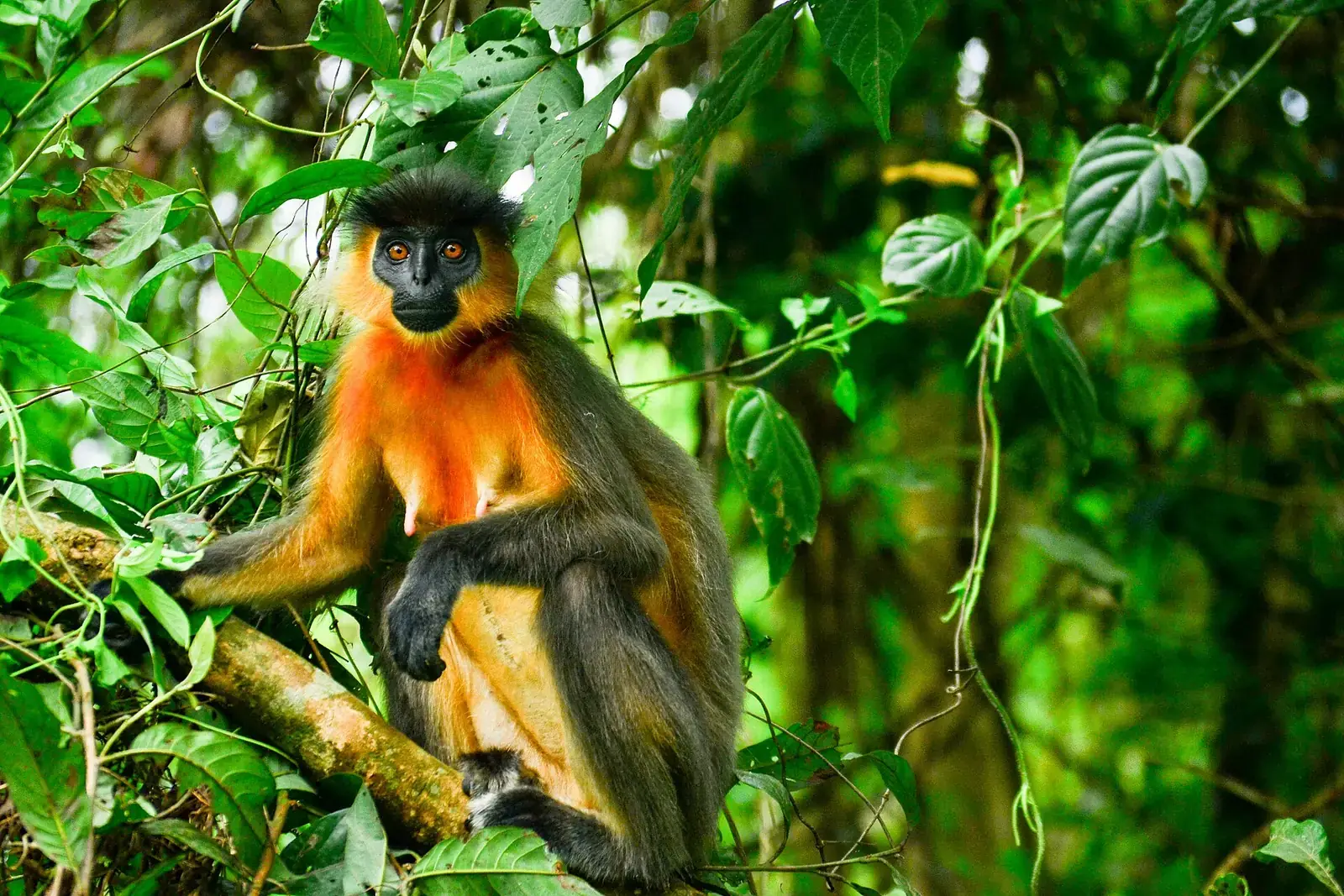
A guide to wildlife tourism in Assam: Kaziranga National Park and its ranges, Manas on the Bhutan border, Pobitora near Guwahati, Nameri, Orang, Dibru-Saikhowa's feral horses and river dolphins, and Hollongapar Gibbon Sanctuary, with rhinos, elephants, tigers, primates and birds, seasons, safaris and routes.
 Destination Guide
Tezpur Travel Guide: The City of Eternal Romance
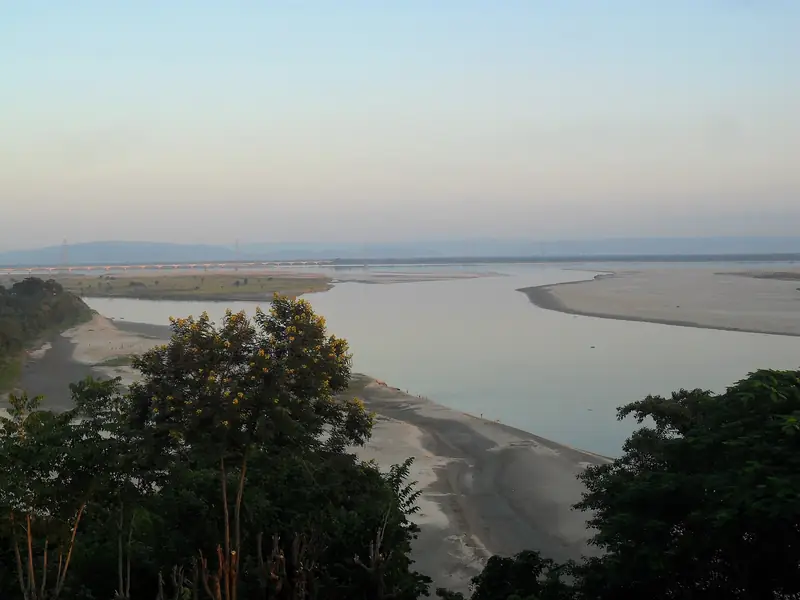
A riverside town wrapped in Mahabharata legend, ringed by ancient ruins and a hilltop garden overlooking the Brahmaputra — the complete guide to Tezpur.