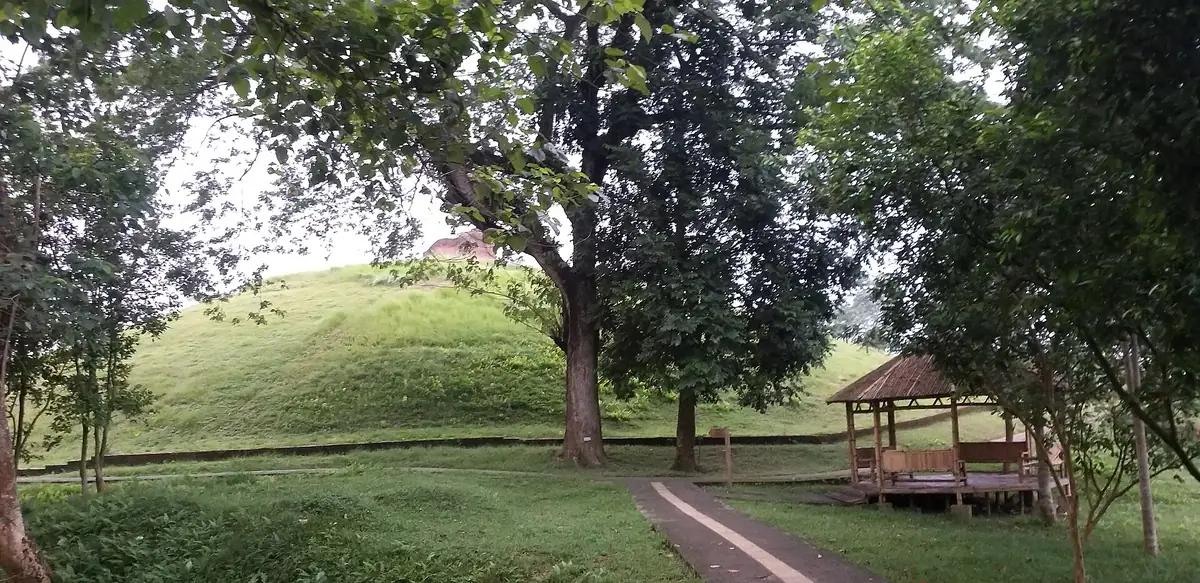
Why Charaideo?
Charaideo holds a cluster of Maidams — earthen burial mounds built to house the remains of Ahom dynasty kings and royalty, following a distinctive Tai-Ahom royal burial tradition that the dynasty carried with them into Assam. The mounds have earned the popular nickname "Pyramids of Assam," a comparison about monumental funerary significance rather than architectural style.
In 2024, the Moidams of Charaideo were inscribed on the UNESCO World Heritage List — making this one of a very small number of UNESCO sites anywhere in Northeast India, and a genuinely significant recognition for Assam's pre-colonial royal history.
Charaideo was also the first capital established by Chaolung Sukaphaa, the founder of the Ahom dynasty, after his migration into the Brahmaputra valley in the 13th century. The Ahoms later moved their political capital to Sivasagar, but Charaideo remained their sacred royal burial ground for centuries afterward.
🏛️ Charaideo at a Glance
Best Time to Visit Charaideo
Cool, dry, and comfortable for walking across the open mound terrain with little natural shade.
Warmer temperatures make the shadeless site less comfortable for a leisurely visit.
Heavy rain and muddy ground can make walking around the mounds difficult and less pleasant.
Our pick: October to March — cool, dry conditions for walking the open mound grounds comfortably.
How to Reach Charaideo
- By Air: Jorhat Airport, about 28km away, is the nearest. Dibrugarh is a slightly farther alternative.
- By Road: Most travelers reach Charaideo via Sivasagar, about 28km away, combining both in a single day trip.
Top Things to See in Charaideo
- The Ahom Maidams: A cluster of earthen burial mounds built to house Ahom royalty, the site's UNESCO-recognized centerpiece.
- Charaideo's founding history: The site of Chaolung Sukaphaa's first Ahom capital, before the dynasty later moved its seat to Sivasagar.
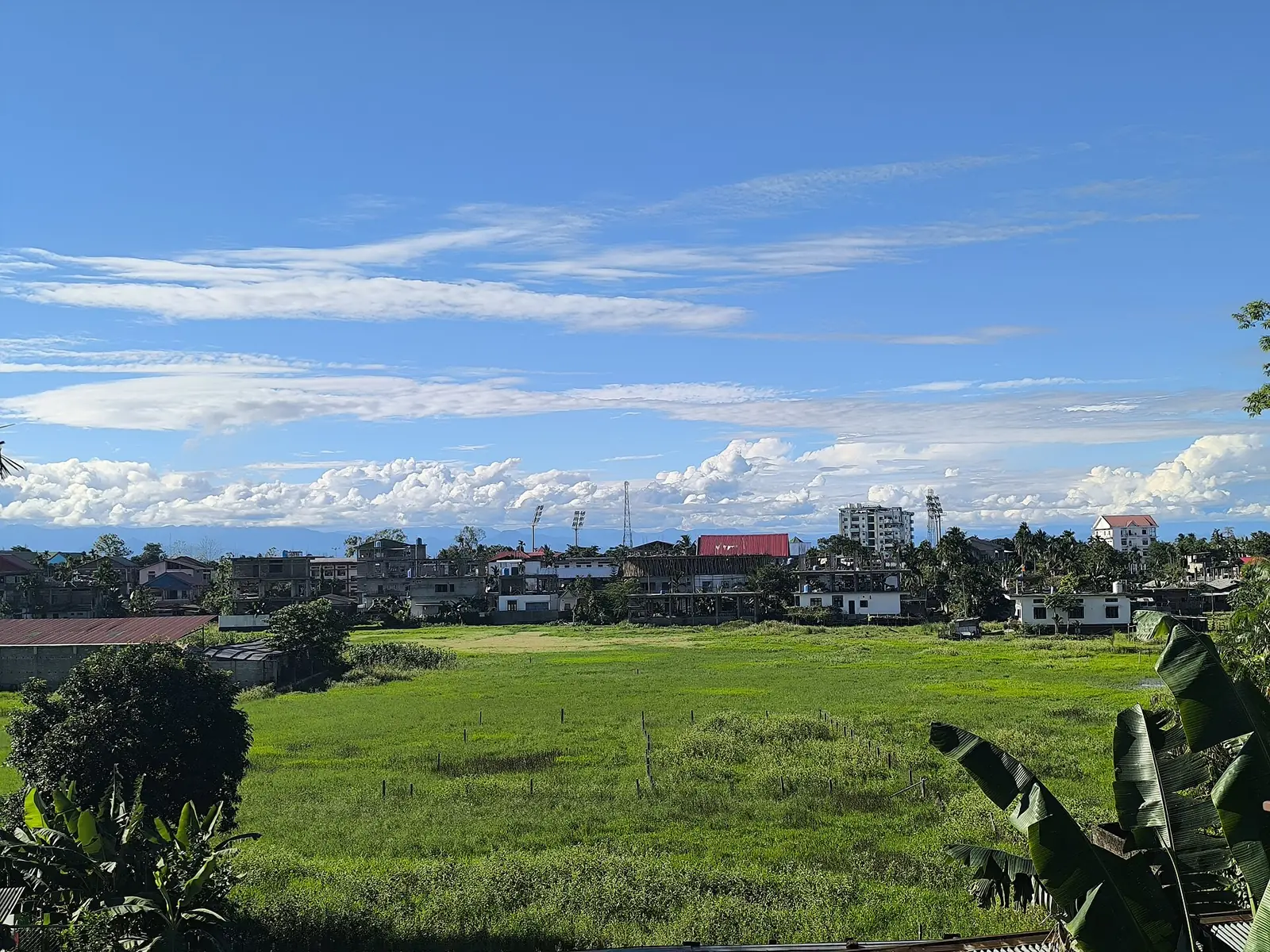
- The surrounding rural landscape: Open, quiet Upper Assam countryside that makes the site feel genuinely uncrowded even as a UNESCO destination.
Where to Stay Near Charaideo
- → Guesthouses in Sivasagar
- → Basic hotels in Jorhat
- → Sivasagar mid-range hotels
- → Jorhat business hotels
- → A handful of better-appointed Jorhat hotels — luxury options directly near Charaideo are limited
What to Eat Near Charaideo
- Assamese thalis: Simple rice, dal, and fish-based meals at local eateries in Sivasagar or Jorhat.
- Local tea: Given the region's tea-growing heritage, a proper Assam tea stop is worth the detour.
Half-Day Charaideo Itinerary
Sivasagar to Charaideo
- ✓Depart from Sivasagar or Jorhat
- ✓Explore the Ahom Maidams
- ✓Learn the site's founding history
Return & Combine
- ✓Return to Sivasagar for temple/tank sightseeing
- ✓Or continue on to Jorhat for tea-estate visits
Budget Breakdown
| Expense | Budget | Mid-Range |
|---|---|---|
| Accommodation/night (Sivasagar/Jorhat) | ₹800 | ₹3,000 |
| Food/day | ₹300 | ₹700 |
| Local transport (round trip) | ₹800 | ₹1,500 |
| Daily total | ₹1,200 | ₹3,000 |
* Excludes transport to the region. Accommodation is typically based in Sivasagar or Jorhat rather than at the site itself.
Essential Travel Tips for Charaideo
- Combine with Sivasagar: The two sites naturally pair into a single day of Ahom heritage.
- Hire a guide for context: The site's history isn't always well signposted for casual visitors.
- Check current visitor facilities: Given the site's recent UNESCO inscription, facilities may still be evolving.
- Carry water and sun protection: The open mound grounds offer little shade.
✅ Do
- →Combine with Sivasagar for a fuller Ahom heritage day
- →Hire a local guide for historical context
- →Carry water and sun protection
- →Base yourself in Sivasagar or Jorhat
- →Visit with genuine interest in pre-colonial Assamese history
❌ Don't
- →Expect developed tourist infrastructure at the site itself
- →Visit without water or sun protection
- →Skip Sivasagar if you've come this far
- →Rush the visit — the mounds reward context and unhurried time
- →Assume standard tourist facilities given the recent UNESCO status
Frequently Asked Questions
What are the Charaideo Maidams?
Earthen burial mounds built by the Ahom dynasty to house the remains of their kings and royalty, following a distinctive Tai-Ahom royal burial tradition that predates the dynasty's arrival in Assam. They're popularly nicknamed the 'Pyramids of Assam' for their monumental funerary purpose, though the comparison is about scale of significance rather than architectural style.
Is Charaideo a UNESCO World Heritage Site?
Yes — the Moidams were inscribed on the UNESCO World Heritage List in 2024, making it one of very few UNESCO sites in Northeast India. As with any recently designated site, it's worth confirming current visitor facilities and any access changes before you go.
Why was Charaideo important to the Ahom dynasty?
It was the first capital established by Chaolung Sukaphaa, the founder of the Ahom dynasty, after his migration into the Brahmaputra valley in the 13th century. The Ahoms later moved their capital to Sivasagar, but continued using Charaideo as their royal burial ground for centuries.
How do I reach Charaideo?
The nearest airports are Jorhat (~28km) and Dibrugarh. Most visitors combine Charaideo with Sivasagar, about 28km away, as a single day-trip loop.
How many days do I need for Charaideo?
Charaideo itself is a half-day visit. Most travelers pair it with Sivasagar (~28km away) to make a full day of Ahom heritage sightseeing.
What is the best time to visit Charaideo?
October to March offers the most comfortable weather for walking around the open mound sites.
What is the budget for visiting Charaideo?
This is a low-cost day-trip destination — a budget traveler can manage on roughly ₹1,200 a day, mostly covering transport and food, since accommodation is typically based in nearby Sivasagar or Jorhat.
Published by the Kudozz Club editorial team · Last updated · How we research our guides
Want us to plan this trip for you?
Tell Kudozz Club where you want to go and what kind of trip you’re looking for. We’ll build a Charaideo and Assam itinerary around your dates and budget.
Continue Exploring
View all guides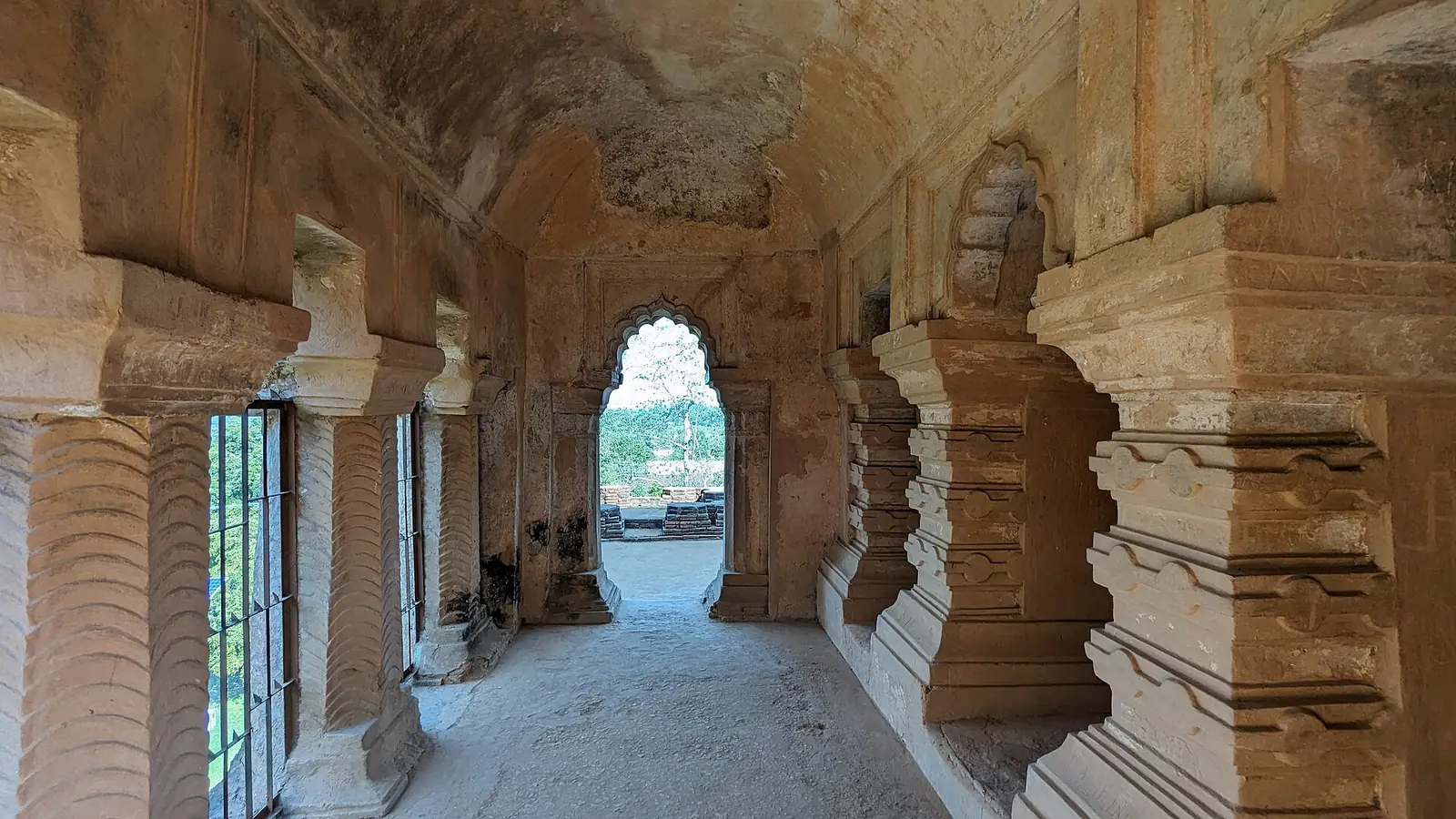 Heritage
Sivasagar Travel Guide: Ahom Dynasty Capital & Ancient Tanks
The former capital of the 600-year Ahom dynasty, ringed by a massive man-made tank and three of Assam's grandest surviving temples — the complete guide to Sivasagar.
 Heritage
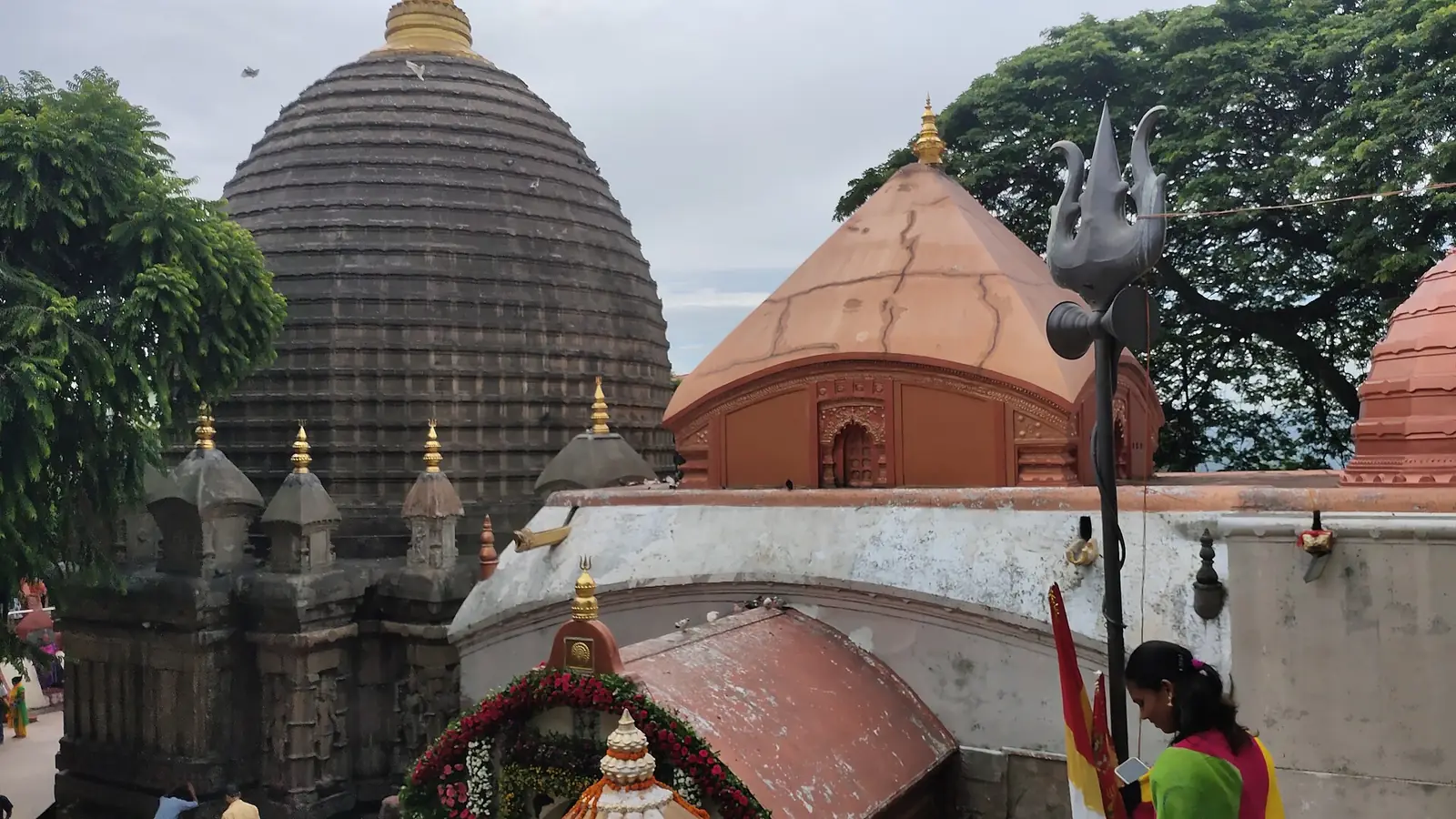
Kamakhya Temple Travel Guide: Shakti Peetha & Ambubachi Mela
One of the most powerful Shakti Peethas in Hindu tradition, hosting an annual fertility festival unlike any other temple gathering in India — the complete guide to Kamakhya Temple.
 Heritage
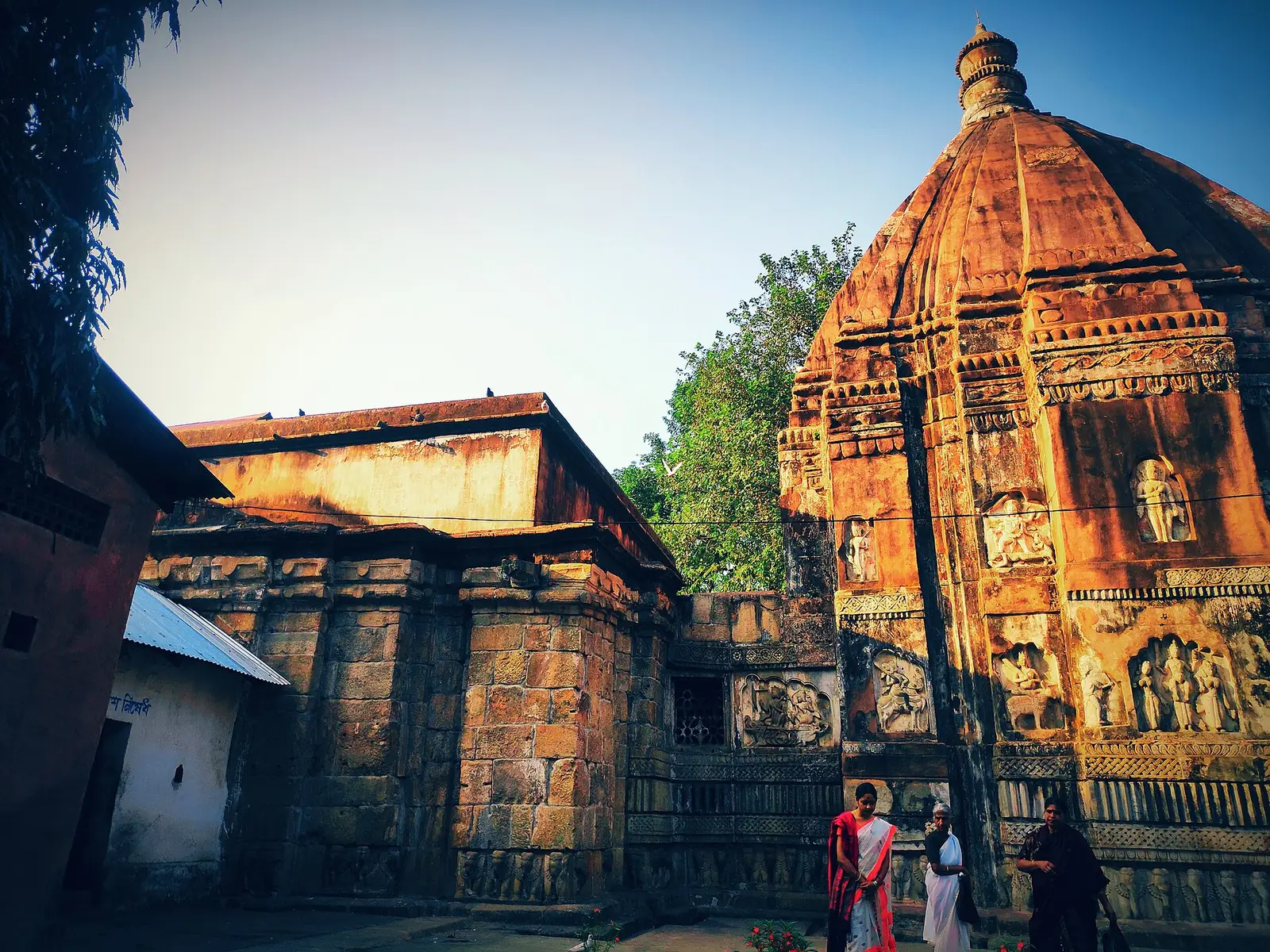
Hajo Travel Guide: A Temple Town Sacred to Four Religions
A small town where Hindus, Buddhists, and Muslims each hold a shrine to be sacred, all within walking distance of each other — the complete guide to Hajo.
 Destination Guide
Dibrugarh Travel Guide: The Tea Capital of Assam
A city surrounded by more tea gardens than anywhere else on Earth, and the practical gateway to Assam's easternmost wilderness — the complete guide to Dibrugarh.