Sikkim's Founding Village
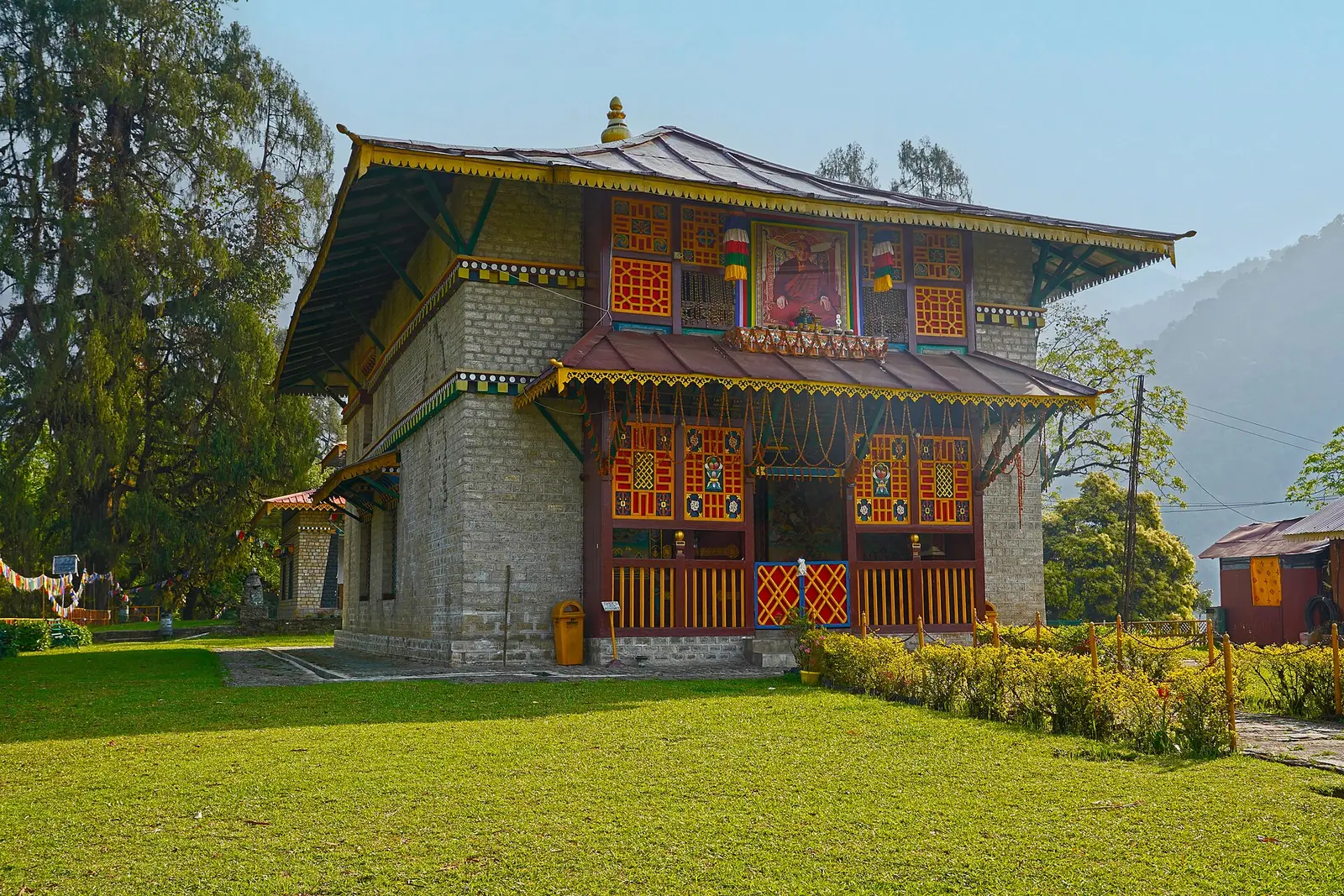
Yuksom, in West Sikkim, holds a singular place in the state's history — it was here, in 1642, that the first Chogyal (king) of Sikkim was crowned at Norbugang, founding the kingdom that would rule Sikkim for the next three centuries. A stone throne and a commemorative chorten still mark the exact site today.
Beyond its history, Yuksom is home to Dubdi Monastery — widely considered Sikkim's oldest monastery — and the small, sacred Kathok Lake. But for most visitors today, Yuksom's defining role is as the main trailhead into Kanchenjunga National Park, a UNESCO World Heritage Site, including the celebrated Dzongri and Goecha La treks that bring hikers to close-up views of the Kanchenjunga massif.
That dual identity — founding village and trekking gateway — makes Yuksom worth visiting whether or not you're attempting the trek.
⛰️ Yuksom at a Glance
Comparing hill stations? See our guide to hill stations in Sikkim.
Planning something active? Read our guide to adventure activities in Sikkim.
Best Time to Visit Yuksom
Weather shapes both village sightseeing and, more critically, trekking conditions if you're heading onward into Kanchenjunga National Park.
Clear skies, rhododendrons in bloom along trek routes, and comfortable temperatures for both village sightseeing and trekking.
Heavy rain makes the Dzongri/Goecha La trails genuinely difficult and reduces visibility of the Kanchenjunga massif to near zero.
Post-monsoon clarity gives some of the best mountain views of the year, with cool but manageable trekking temperatures.
Village sightseeing remains possible, but high-altitude trekking becomes considerably harder and less advisable for most visitors.
Our pick: March to May or October to November — both give clear skies and manageable conditions whether you're just visiting the village or heading into the national park.
How to Reach Yuksom
- From Gangtok: Roughly 5-6 hours by road, depending on conditions — most visitors hire a taxi or join a shared vehicle for the journey.
- Via Pelling: A shorter onward drive from Pelling, making it a natural add-on if you're already touring West Sikkim.
- Nearest airport/rail: Pakyong Airport and New Jalpaiguri (NJP) railway station are the nearest transport hubs, both requiring a multi-hour onward drive.
Norbugang, Dubdi & the Trek Gateway
Norbugang Coronation Site
A stone throne and chorten mark the spot where Sikkim's first Chogyal was crowned in 1642 — a short, easy walk from the main village, and the essential historical stop for anyone visiting Yuksom.
Dubdi Monastery
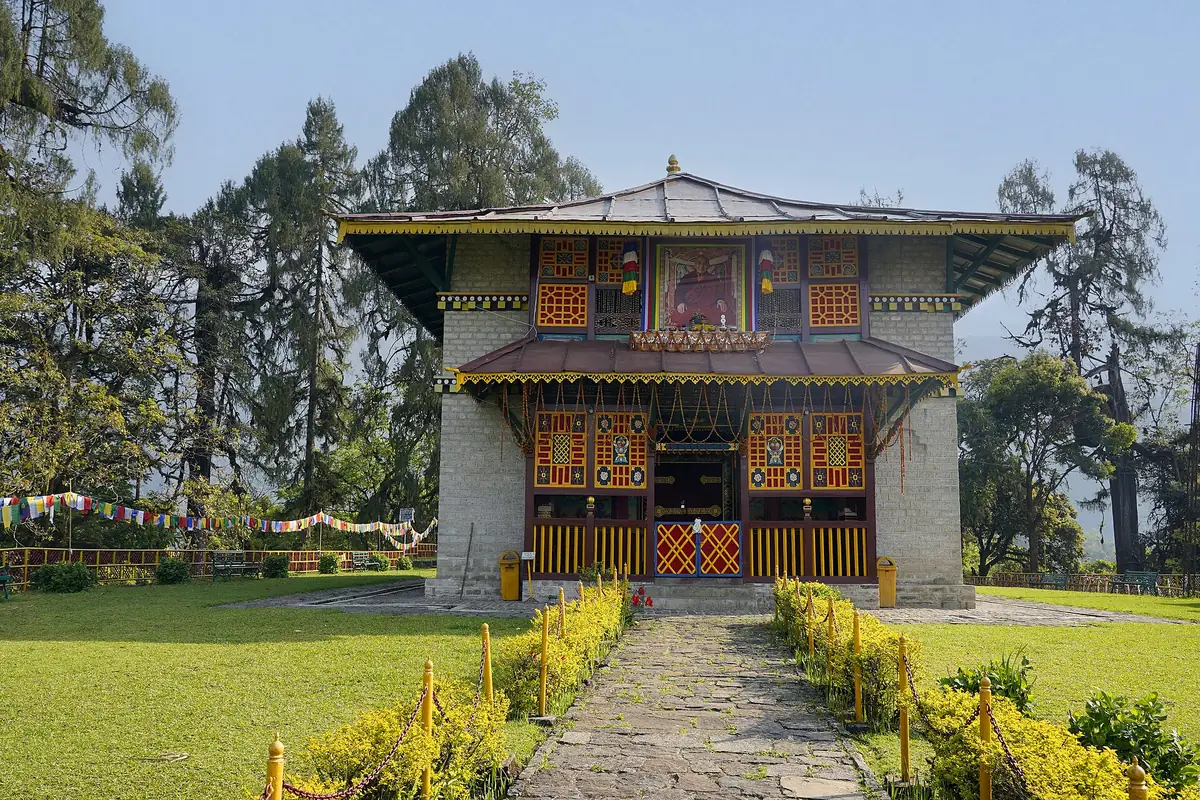
Considered Sikkim's oldest monastery, reached via a short uphill hike above the village. The climb itself, through forest, is as much a part of the experience as the monastery.
Kathok Lake
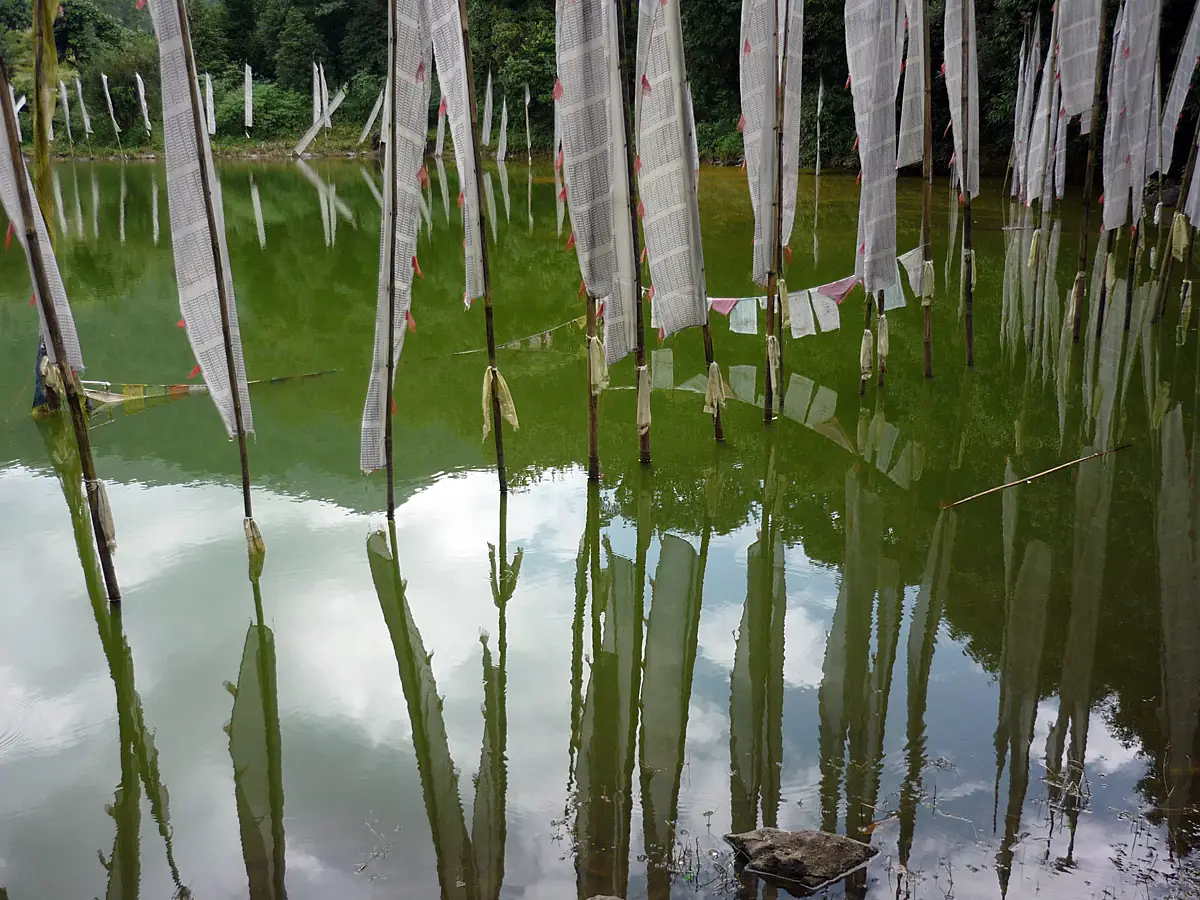
A small, sacred lake near the village, a quieter stop that pairs well with Norbugang and Dubdi Monastery in a half-day village-sightseeing loop.
Dzongri & Goecha La Trek
Yuksom is the main trailhead into Kanchenjunga National Park. The multi-day trek routes via Dzongri and, for those going further, on to Goecha La, delivering some of the closest trekking views of the Kanchenjunga massif available anywhere. It requires a permit and is generally undertaken with a registered trekking agency — this is a serious multi-day commitment, not a casual day hike.
Where to Stay in Yuksom
Accommodation is modest and geared as much toward trekkers as sightseers, ranging from simple guesthouses to a few more comfortable options.
- → Village guesthouses
- → Trekker lodges near the trailhead
- → Basic homestays
- → Small hotels with mountain views
- → Comfortable trekker-oriented lodges
- → Family-run guesthouses
- → Boutique heritage-style stays
- → Premium mountain-view resorts
- → Full-board trekking base camps
Suggested Visit Plan
Your plan hinges on one decision: are you trekking, or just visiting the village?
Village & History (non-trekkers)
- ✓Arrive from Gangtok or Pelling, check in
- ✓Norbugang coronation site
- ✓Dubdi Monastery hike
- ✓Kathok Lake
Dzongri / Goecha La Trek (trekkers)
- ✓Arrive, final permit/gear check with agency
- ✓Multi-day trek via Dzongri toward Goecha La
- ✓Return trek and descent to Yuksom
Where to Eat in Yuksom
- Guesthouse kitchens: Most accommodation serves simple home-style Sikkimese and North Indian meals — the most reliable option in a village this small.
- Trekker cafes: A handful of small cafes near the trailhead cater to trekkers with hearty, simple meals before and after treks.
- Momos and thukpa: Standard, reliable staples found throughout the village.
Budget Breakdown
| Expense | Budget | Mid-Range | Luxury |
|---|---|---|---|
| Accommodation/night | ₹1,200 | ₹3,000 | ₹6,000 |
| Food/day | ₹500 | ₹1,000 | ₹2,000 |
| Trekking permit + guide/day (Goecha La) | ₹2,500 | ₹3,500 | ₹5,000 |
| Local transport/day | ₹500 | ₹1,200 | ₹2,500 |
* Trekking costs apply only if attempting Dzongri/Goecha La and vary significantly by agency and trek duration.
Essential Tips for Visiting Yuksom
- Arrange trekking permits well ahead: Goecha La/Dzongri permits and a registered guide should be sorted before you arrive, not on the spot.
- Non-trekkers, don't skip Yuksom: Norbugang and Dubdi Monastery are worth a dedicated day even without trekking.
- Time your visit around trekking season: Mar-May and Oct-Nov give the best trail and viewing conditions if trekking is the goal.
- Carry cash: ATM access is limited in this small village.
- Pack for altitude if trekking: Warm layers and proper gear are essential even in the milder trekking windows.
✅ Do
- →Book trekking permits and agency well in advance
- →Visit Norbugang and Dubdi Monastery even without trekking
- →Carry cash for the whole stay
- →Time trekking attempts for Mar-May or Oct-Nov
- →Pack warm layers regardless of season
- →Combine with Pelling for a fuller West Sikkim trip
❌ Don't
- →Attempt Dzongri/Goecha La without a permit and guide
- →Trek during the Jun-Sep monsoon
- →Rely on ATMs in the village
- →Rush Norbugang and Dubdi Monastery in a few minutes
- →Underestimate altitude on the trek
- →Expect Gangtok-level tourist infrastructure
Frequently Asked Questions
What is the historical significance of Yuksom?
Yuksom was Sikkim's first capital — in 1642, the first Chogyal (king) of Sikkim was crowned here at Norbugang, a site still marked today by a stone throne and a commemorative chorten. It's one of the few places in Sikkim where you can stand at the exact founding site of the kingdom.
Is Yuksom only worth visiting for trekkers, or is it worth a stop otherwise?
It's genuinely worth visiting either way. Non-trekkers can spend a day exploring Norbugang, Dubdi Monastery (Sikkim's oldest), and Kathok Lake. Trekkers use it as the main trailhead into Kanchenjunga National Park, but the village's own history stands on its own.
How far is Yuksom from Gangtok?
Roughly 5-6 hours by road, depending on conditions. Most visitors either come via Pelling (a shorter onward drive) or arrange the trip directly from Gangtok as part of a wider West Sikkim itinerary.
What is the Goecha La trek?
A multi-day trek through Kanchenjunga National Park, typically routing via Dzongri, that brings trekkers to close-up views of the Kanchenjunga massif — one of the most rewarding high-altitude treks in the Eastern Himalayas. It requires a permit and is generally done with a registered trekking agency.
Do I need a permit just to visit the village, or only to trek?
Visiting Yuksom village itself — Norbugang, Dubdi Monastery, Kathok Lake — doesn't require special trekking permits. Permits become necessary once you head into Kanchenjunga National Park for the Dzongri/Goecha La trek.
What is the best time to visit Yuksom?
March to May and October to November are best for both village sightseeing and trekking conditions — clear skies and comfortable temperatures. Avoid the June to September monsoon if you're planning to trek, as trails become difficult and visibility drops.
Published by the Kudozz Club editorial team · Last updated · How we research our guides
Want us to plan this trip for you?
Tell Kudozz Club where you want to go and what kind of trip you’re looking for. We’ll build a Yuksom and Sikkim itinerary around your dates and budget.
Continue Exploring
View all guides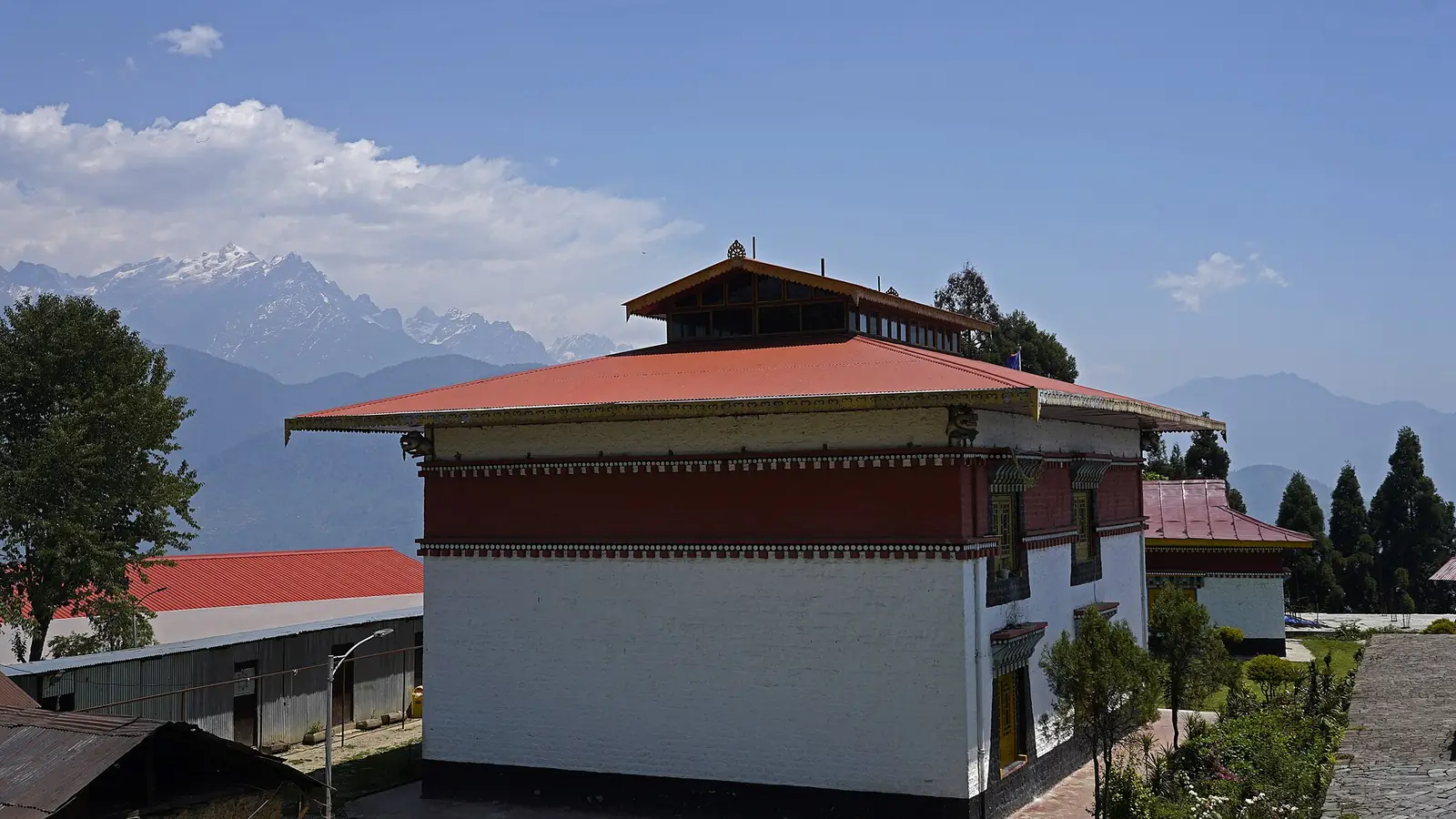 Destination Guide
Pelling Travel Guide: Kanchenjunga Views & Tips
One of Sikkim's best sunrise viewpoints for the world's third-highest peak, paired with a centuries-old monastery and the ruins of a lost capital.
 Heritage
Khecheopalri Lake Guide: The Wishing Lake
A still forest lake revered by Buddhists and Hindus alike, where local legend says the birds themselves keep the water clean.
 Trekking
Shirui Hills Trek Guide: Shirui Lily & Best Time to Visit
The only place on the planet where the rare Shirui Lily grows wild, and a moderate trek to a 2,835m peak with sweeping views of the Naga hills — the complete guide to Shirui Hills.
 Trekking
Adi Kailash Travel Guide: Trek, Permits & Best Time
"Little Kailash" near the Nepal-Tibet border — a Shiva-associated peak, Om Parvat's snow-formed symbol, and a genuinely remote, permit-gated multi-day Himalayan journey.