Why This Circuit?
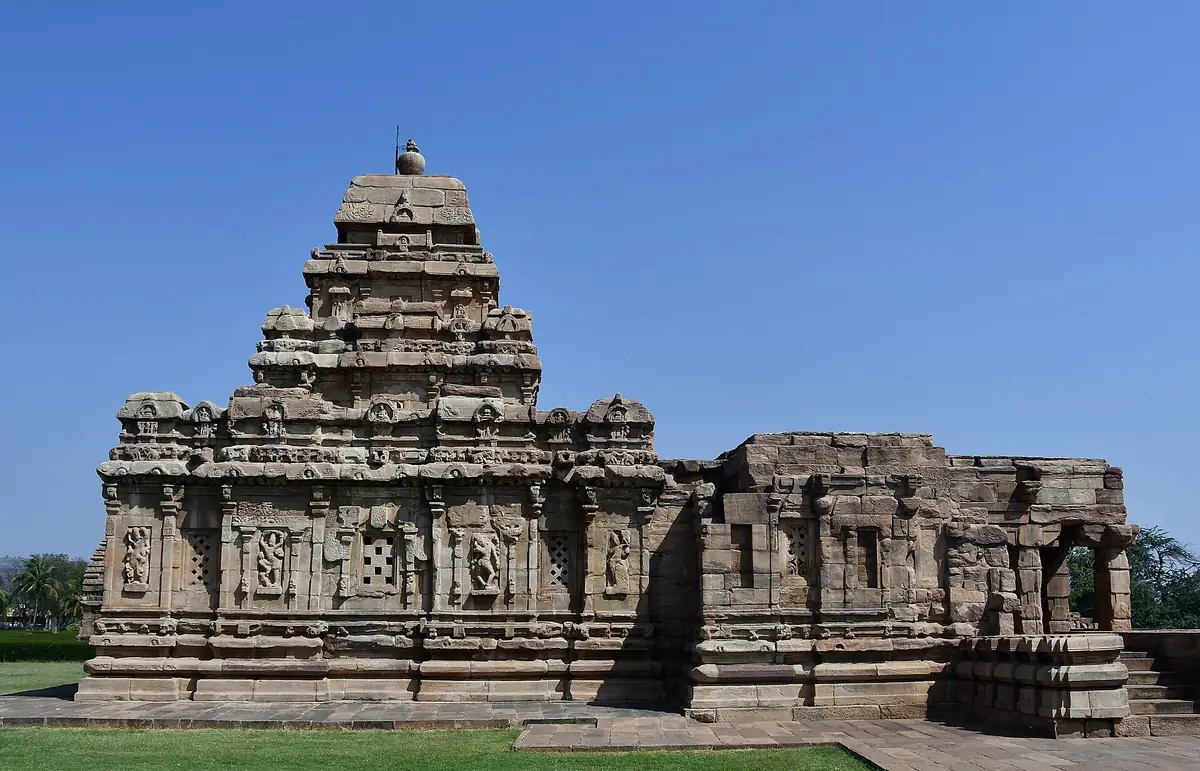
Badami, Aihole, and Pattadakal together form one of India's most historically significant early temple-architecture clusters, built during the 6th to 8th centuries CE under the Chalukya dynasty. If Hampi shows the height of South Indian temple-city ambition centuries later, this trio shows where the architectural language that made it possible was first worked out.
Badami has rock-cut cave temples carved directly into a dramatic red sandstone cliff. Aihole, often called the "cradle of Indian temple architecture," has well over a hundred temples showing the Chalukyas' early experiments across wildly different styles. Pattadakal, a UNESCO World Heritage Site and the Chalukyas' coronation site, shows North Indian and South Indian temple styles built deliberately side by side.
🛕 Circuit at a Glance
Interested in the history? See our guide to temple architecture of India.
Planning something active? Read our guide to rock climbing in India.
Best Time to Visit
Cool, comfortable weather for extensive outdoor walking between temples across all three sites.
This region gets genuinely hot — a full day outdoors is far more taxing.
Green surroundings but rain can disrupt a full day of moving between three separate sites.
Our pick: October to February — comfortable temperatures for a genuinely demanding two days of outdoor walking.
How to Reach Badami
- By Air: Hubli (~110km) and Belagavi are the nearest airports, both requiring an onward drive.
- By Train: Badami has its own railway station, well connected to Bengaluru and Hubli — the natural base for the circuit.
- By Road: Once in Badami, Aihole and Pattadakal (roughly 35-45km away) are best reached by hired car.
Badami, Aihole & Pattadakal
- Badami Cave Temples: Four rock-cut cave temples carved into a red sandstone cliff overlooking Agastya Lake, with Hindu and Jain dedications and finely detailed relief carvings.
- Badami Fort: Hilltop fortifications above the caves offering panoramic views.
- Bhutanatha Temple group: Temples at Badami that reflect directly in Agastya Lake — a signature photo spot.
- Aihole's Durga Temple: The centrepiece of Aihole's cluster of well over a hundred temples, notable for its unusual curved apsidal shape.
- Pattadakal's Virupaksha Temple: The UNESCO site's centrepiece, built to commemorate a Chalukya military victory and blending North Indian nagara and South Indian dravida styles.
Where to Stay
- → Basic guesthouses in Badami town
- → Budget hotels near the railway station
- → Heritage-adjacent mid-range hotels
- → Tourism board resorts in Badami
- → A small number of better-appointed properties — luxury choices here are genuinely limited
Base yourself in Badami — it has the most stay options and sits roughly central to Aihole and Pattadakal.
What to Eat
- North Karnataka thalis: This region's food leans toward jowar/bajra rotis and distinct North Karnataka-style curries, different from the rice-heavy cuisine of coastal Karnataka.
- Local eateries in Badami town: Simple, reliable options near the main market and railway station area.
2-Day Itinerary
Badami
- ✓Arrive, check in
- ✓Morning: Badami cave temples
- ✓Afternoon: Badami Fort, Bhutanatha Temple group and lake
- ✓Evening: sunset over Agastya Lake
Aihole & Pattadakal
- ✓Morning: drive to Aihole, explore the Durga Temple and temple cluster
- ✓Afternoon: continue to Pattadakal, Virupaksha Temple
- ✓Evening: return to Badami, departure
Budget Breakdown
| Expense | Budget | Mid-Range |
|---|---|---|
| Accommodation/night | ₹1,000 | ₹3,000 |
| Food/day | ₹350 | ₹800 |
| Car hire for the circuit (day) | ₹1,800 | ₹3,000 |
| Entry fees / guide | ₹200 | ₹600 |
| Daily total | ₹1,800 | ₹4,200 |
| 2-Day trip total | ₹3,600 | ₹8,400 |
* Excludes transport to Badami. Car hire is the biggest line item since public transport between the three sites is impractical.
Essential Travel Tips
- Hire a car for the full circuit: By far the most practical way to see all three sites without wasting a day.
- Hire a guide at each site: The architectural and historical context here is dense and genuinely enhances the visit.
- Carry water and sun protection: Long stretches of outdoor walking with limited shade.
- Start early: Two full sites (Aihole + Pattadakal) in one day needs an early start to avoid rushing.
✅ Do
- →Hire a car and driver for the full circuit
- →Bring a knowledgeable guide for context
- →Start early on the Aihole + Pattadakal day
- →Carry ample water and sun protection
- →Base yourself in Badami town
❌ Don't
- →Rely on public transport between the three sites
- →Attempt this circuit in peak summer heat without precautions
- →Rush Aihole and Pattadakal into a half-day
- →Skip hiring a guide — the architectural context matters here
- →Underestimate the walking involved across all three sites
Frequently Asked Questions
How many days do I need for the Badami-Aihole-Pattadakal circuit?
Two days works well — one full day for Badami's cave temples, fort, and lake, and a second day combining Aihole and Pattadakal, which sit close enough together to cover comfortably.
What is the best time to visit?
October to February is most comfortable for extensive outdoor walking between temples. March to June gets very hot for a day spent largely outdoors.
How do I get between the three sites?
Aihole and Pattadakal are roughly 35-45km from Badami and from each other. Hiring a car and driver for the full circuit is by far the most practical approach — public transport between the three is limited and slow.
How do I reach Badami?
The nearest airports are Hubli (~110km) and Belagavi. Badami has its own railway station well connected to Bengaluru and Hubli, and it's the natural base town for the whole circuit.
Why is Pattadakal a UNESCO World Heritage Site but Badami and Aihole aren't (as a whole)?
Pattadakal's Virupaksha Temple and its cluster of temples are recognized specifically for showing a deliberate blend of North Indian nagara and South Indian dravida architectural styles side by side — a unique demonstration that earned it UNESCO status. Badami and Aihole remain nationally protected but significant heritage sites in their own right.
Do I need a guide?
A guide isn't mandatory but is genuinely useful — the architectural details and historical context across all three sites are dense, and a knowledgeable guide makes the visit far more rewarding.
What is the budget for this trip?
A budget traveler can manage on roughly ₹1,800 a day including a shared car for the circuit, a mid-range trip closer to ₹4,200 a day with a private car and guide.
Published by the Kudozz Club editorial team · Last updated · How we research our guides
Want us to plan this trip for you?
Tell Kudozz Club where you want to go and what kind of trip you’re looking for. We’ll build a Badami, Aihole & Pattadakal and Karnataka itinerary around your dates and budget.
Continue Exploring
View all guides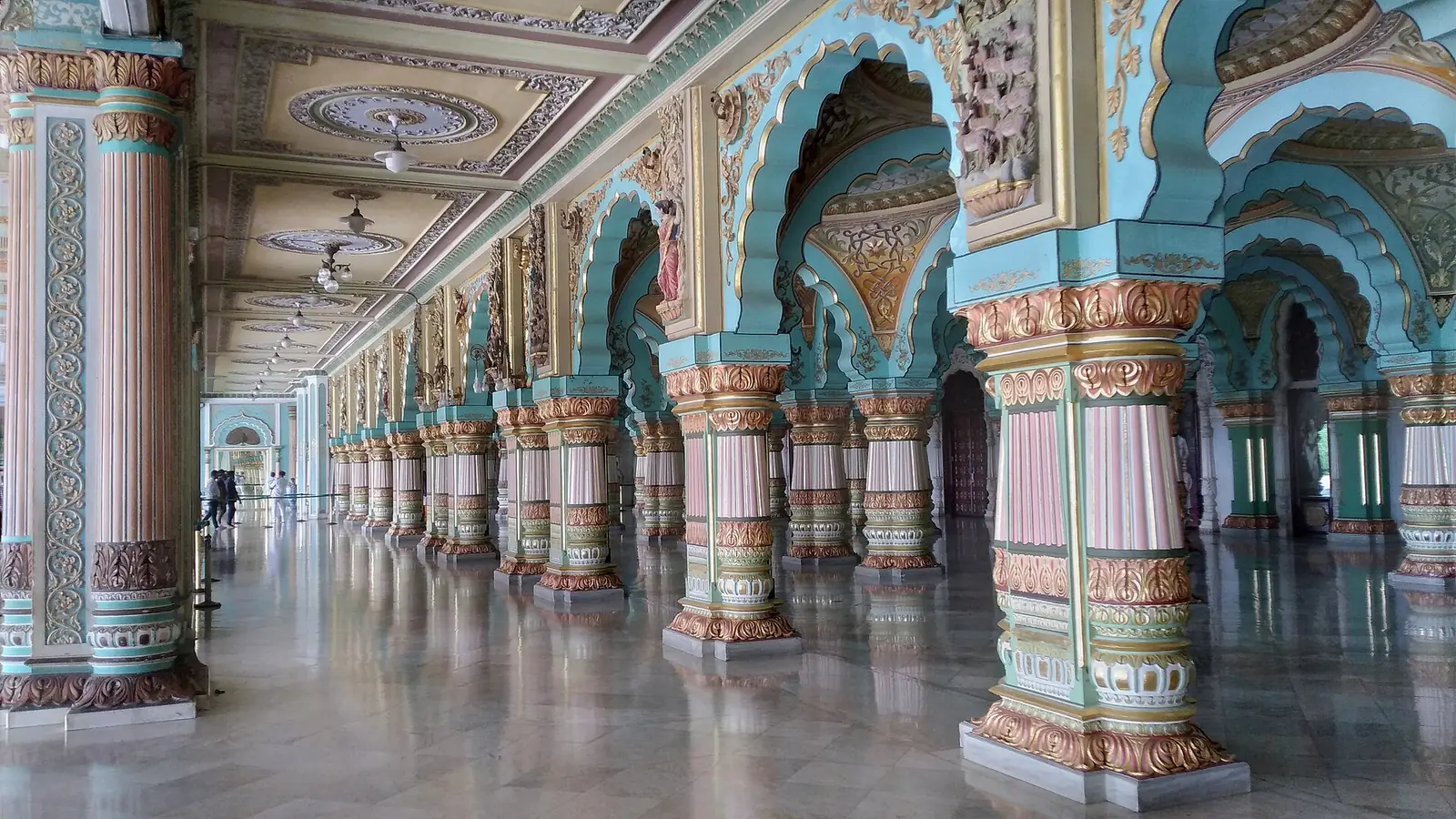 Heritage
Mysuru Travel Guide: Mysore Palace, Dasara & City Guide
A Wodeyar-dynasty palace lit by nearly 100,000 bulbs every evening, and a ten-day Dasara festival that turns the whole city into a procession — the complete guide to Mysuru.
 Heritage
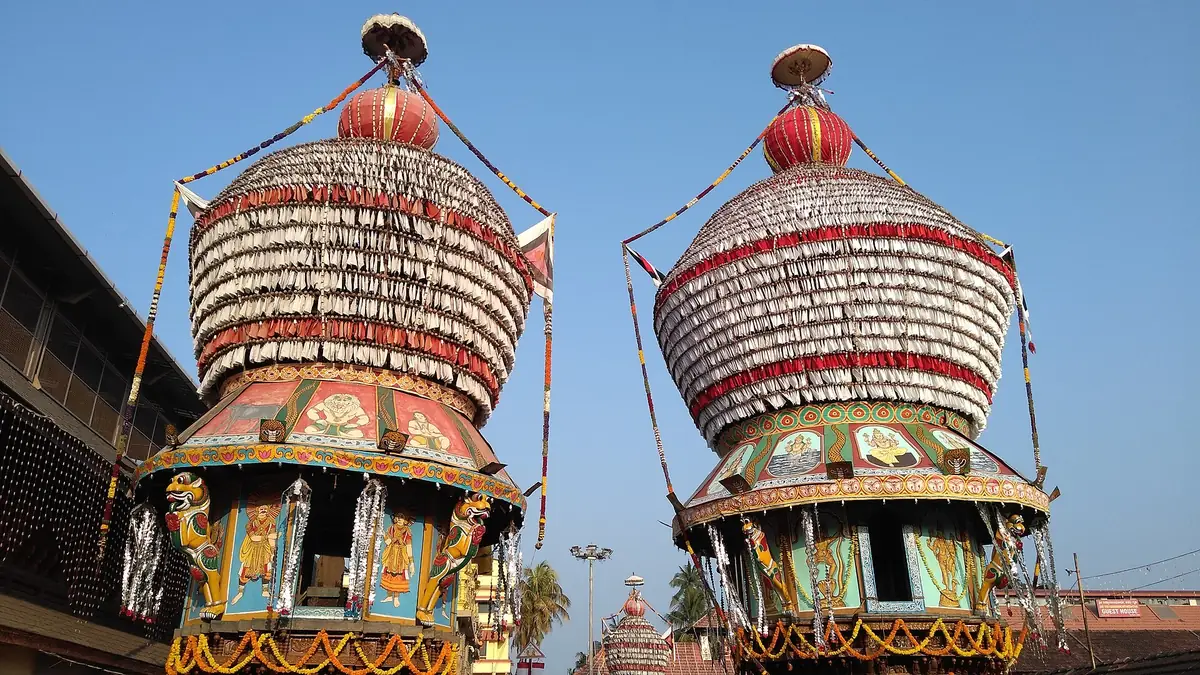
Udupi Travel Guide: Krishna Temple, Beaches & Udupi Cuisine
The temple town that gave India its vegetarian restaurant chain culture, plus a quiet stretch of Karnataka coast — the complete guide to Udupi.
 Heritage
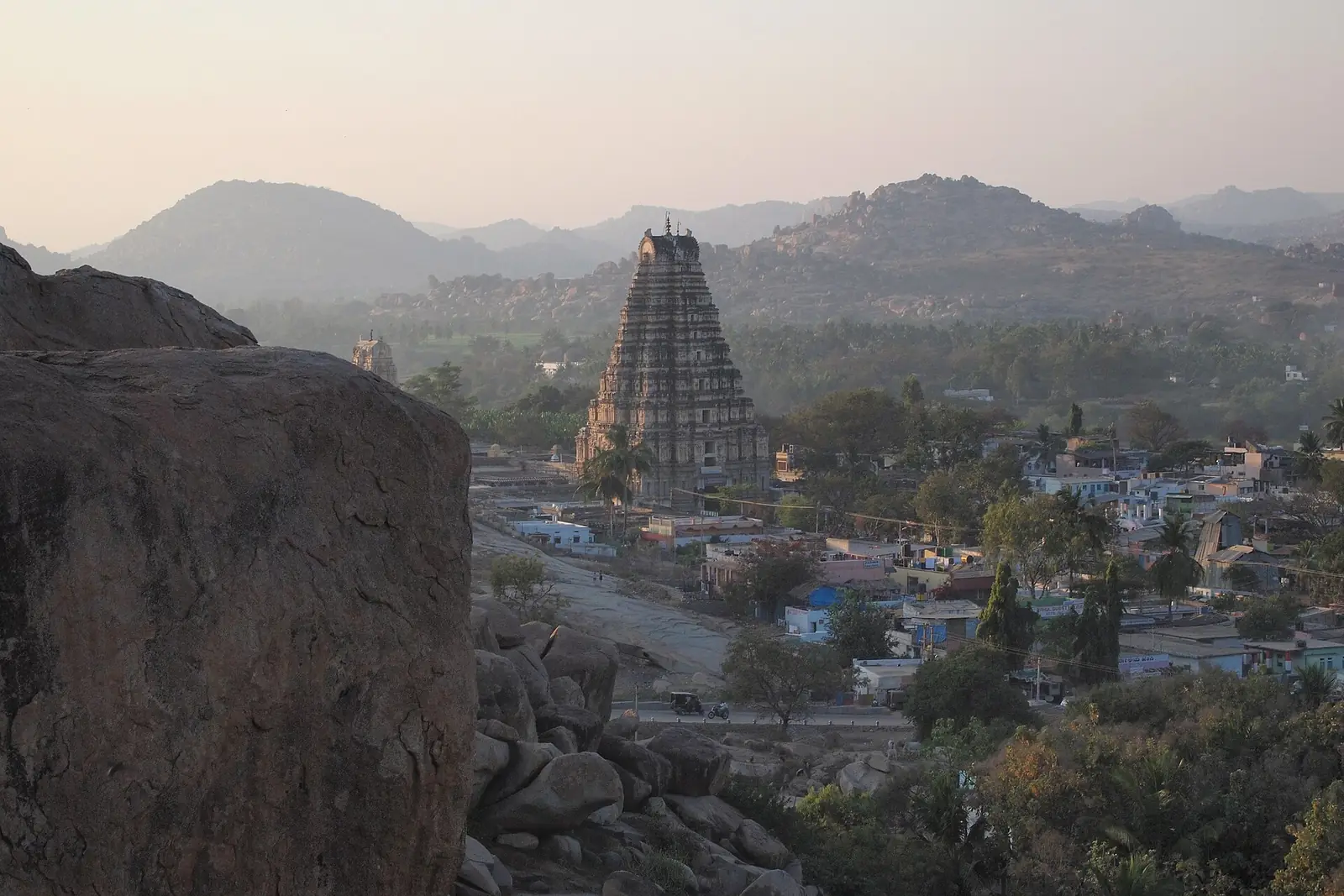
Hampi Travel Guide: Ruins, Boulders, Temples & Tips
The extraordinary ruins of the Vijayanagara Empire scattered across a surreal boulder landscape — the complete guide to Hampi.
 Road Trips
Bengaluru to Coorg Road Trip: Route, Stops and Weekend Plan
A route guide to the Bengaluru to Coorg road trip: the Bengaluru–Mysuru expressway, the routes via Hunsur or Kushalnagar to Madikeri, approximate distance and driving time, stops at Srirangapatna, Bylakuppe, Dubare and the Harangi backwaters, two-wheeler rules on the expressway, the monsoon and a two- to four-day plan.