Why Dholavira?
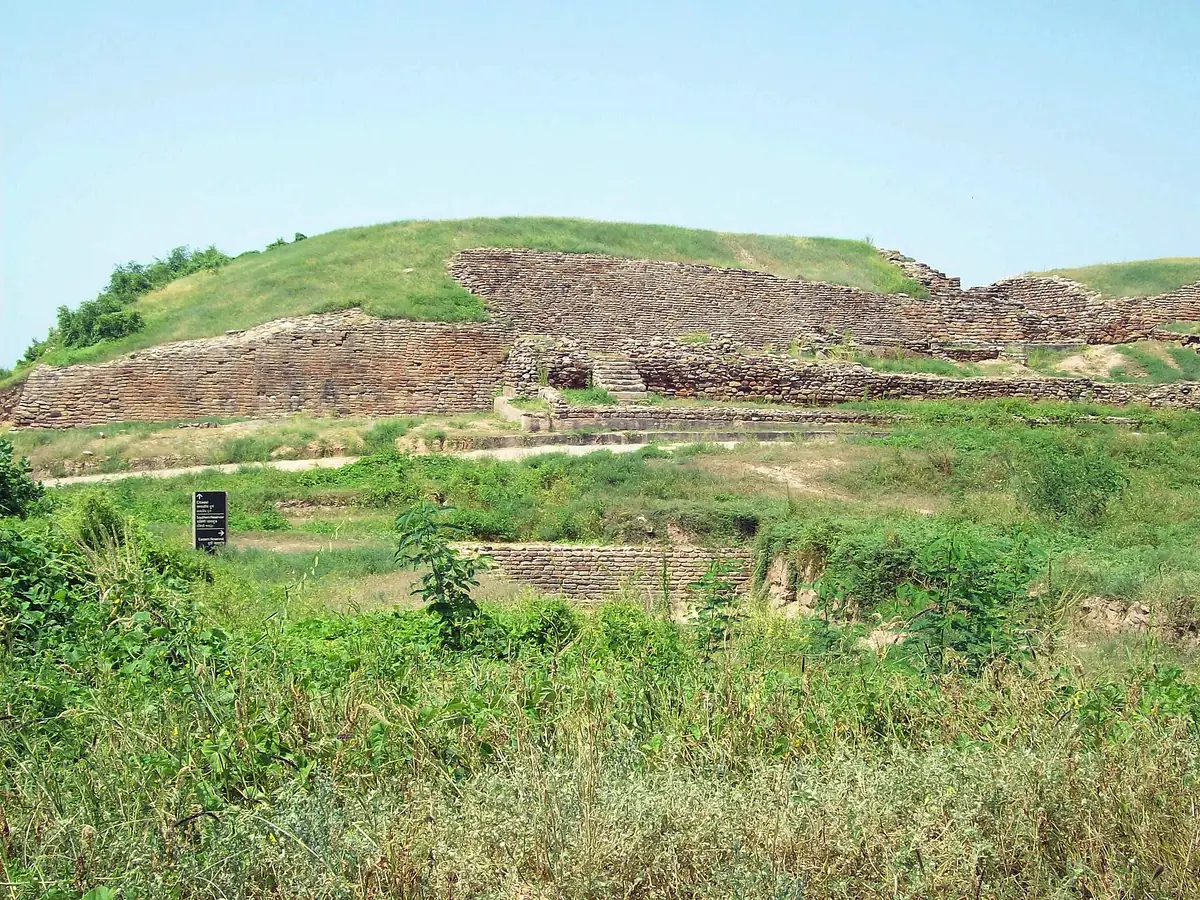
Dholavira is one of the largest and best-preserved cities of the Indus Valley (Harappan) Civilization, a UNESCO World Heritage Site sitting on Khadir Island within the Great Rann of Kutch. What sets it apart from other Harappan sites is a genuinely remarkable water conservation system — a network of stepped tanks and channels engineered to harvest and store scarce water in this arid region, roughly 5,000 years ago.
The site's distinctive tripartite layout — a walled citadel, middle town, and lower town — reflects a level of urban planning that's rare to see this clearly preserved. An on-site museum displays excavated pottery, seals, and jewelry, including a famous inscribed signboard among the earliest publicly displayed examples of Indus script.
🏺 Dholavira at a Glance
Going by road? See our guide to winter road trips in India.
Interested in the history? See our guide to archaeological sites in India.
Best Time to Visit Dholavira
Cool, dry weather makes extended walking across the exposed excavated site genuinely manageable.
Still workable but noticeably hotter — go earlier in the day.
Extreme heat across this arid region makes a proper visit to the shadeless site genuinely difficult.
Our pick: November to February — the only genuinely comfortable window for walking this exposed, shadeless excavated site.
How to Reach Dholavira
- By Air: Bhuj Airport, roughly 250km away, is the nearest — expect a long onward drive.
- By Road: The only practical route to the site, given its remote position on Khadir Island within the Rann of Kutch.
Top Things to See at Dholavira
- The water conservation system: Stepped tanks and channels engineered to harvest scarce water — the site's standout feature.
- The tripartite city layout: A walled citadel, middle town, and lower town, offering a rare clear view of Harappan urban planning.
- The inscribed signboard: Among the earliest publicly displayed examples of Indus script.
- Dholavira Museum: On-site displays of excavated pottery, seals, and jewelry providing valuable context.
Where to Stay Near Dholavira
- → Basic guesthouses near the site
- → Simple stays in Bhuj (longer commute)
- → Better-appointed Bhuj hotels
- → Tent-stay options during peak season
- → A handful of higher-end Bhuj properties — luxury near the remote site itself is genuinely limited
What to Eat Near Dholavira
- Kutchi thalis: Regional Gujarati fare with Kutch's distinctive local touches.
- Guesthouse-served meals: Most stays near the remote site serve set vegetarian meals.
- Bhuj's wider food scene: A larger range of options if basing there for the trip.
2-Day Dholavira Itinerary
Travel to Dholavira
- ✓Long drive from Bhuj to Dholavira
- ✓Check in near the site
- ✓Sunset views over the Rann landscape
Excavated City & Museum
- ✓Morning: explore the citadel, middle town, and water system
- ✓Visit the on-site museum
- ✓Afternoon: return drive to Bhuj
Budget Breakdown
| Expense | Budget | Mid-Range |
|---|---|---|
| Accommodation/night | ₹900 | ₹2,800 |
| Food/day | ₹350 | ₹800 |
| Local transport per day | ₹500 | ₹1,200 |
| Daily total | ₹1,500 | ₹3,500 |
| 2-Day trip total | ₹3,000 | ₹7,000 |
* Excludes transport to the region. Local transport costs are higher here given the long distances involved.
Essential Travel Tips for Dholavira
- Build in a full travel day each way: This is one of Gujarat's more remote heritage destinations.
- Carry sufficient water and sun protection: The site is exposed with minimal shade.
- Hire a guide: Context on the water management system and urban layout significantly improves the visit.
- Combine with Bhuj/Kutch region logistics: Base yourself accordingly given the site's remoteness.
✅ Do
- →Build in a full travel day each way
- →Carry sufficient water and sun protection
- →Hire a guide for historical context
- →Visit the on-site museum
- →Plan around Oct-Feb for comfortable conditions
❌ Don't
- →Underestimate the travel distance and time
- →Visit without sun protection or enough water
- →Attempt a rushed day trip without a full travel plan
- →Visit in peak summer heat
- →Expect extensive facilities near the remote site
Frequently Asked Questions
How many days do I need for Dholavira?
A full day at the site itself, plus a day of travel each way given its remoteness — most travelers plan 1-2 nights near Bhuj or the site to avoid a rushed visit.
What is the best time to visit Dholavira?
October to March. This is an exposed, largely shadeless archaeological site, and summer heat makes a proper visit genuinely difficult.
How do I reach Dholavira?
The nearest airport is Bhuj, roughly 250km away — a long drive given the site's remote position on Khadir Island within the Rann of Kutch. Road is the only practical route.
What makes Dholavira historically significant?
It's one of the largest and best-preserved Indus Valley Civilization sites, notable for a sophisticated water conservation system of stepped tanks and channels, a distinctive tripartite walled city layout, and one of the earliest known examples of Indus script displayed on-site.
Is there a museum at Dholavira?
Yes — an on-site museum displays pottery, seals, jewelry, and other artifacts excavated from the site, providing useful context before or after walking the ruins.
Can Dholavira be combined with the Rann of Kutch/Rann Utsav?
Yes, though the logistics require planning given the distances involved within the Kutch region — many travelers base in Bhuj and treat Dholavira as a dedicated day trip from there.
What is the budget for a trip to Dholavira?
A budget traveler can manage on roughly ₹1,500 a day, though accommodation options near the site itself are limited — many stay in Bhuj and factor in the longer travel day.
Published by the Kudozz Club editorial team · Last updated · How we research our guides
Want us to plan this trip for you?
Tell Kudozz Club where you want to go and what kind of trip you’re looking for. We’ll build a Dholavira and Gujarat itinerary around your dates and budget.
Continue Exploring
View all guides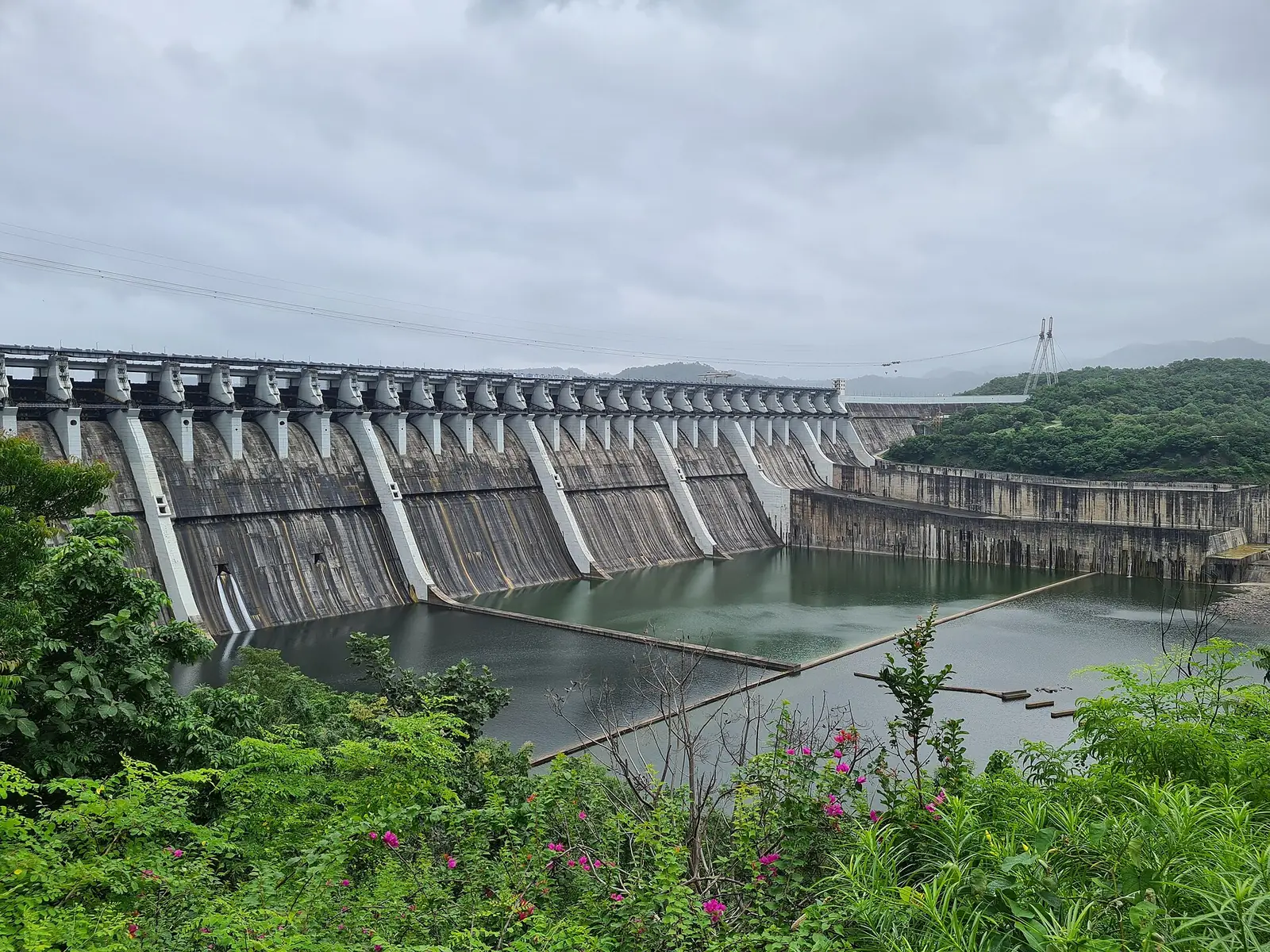 Heritage
Statue of Unity Travel Guide: World's Tallest Statue, Timings & Tips
The world's tallest statue, twice the height of the Statue of Liberty, rising from an island in the Narmada River — the complete guide to the Statue of Unity.
 Heritage
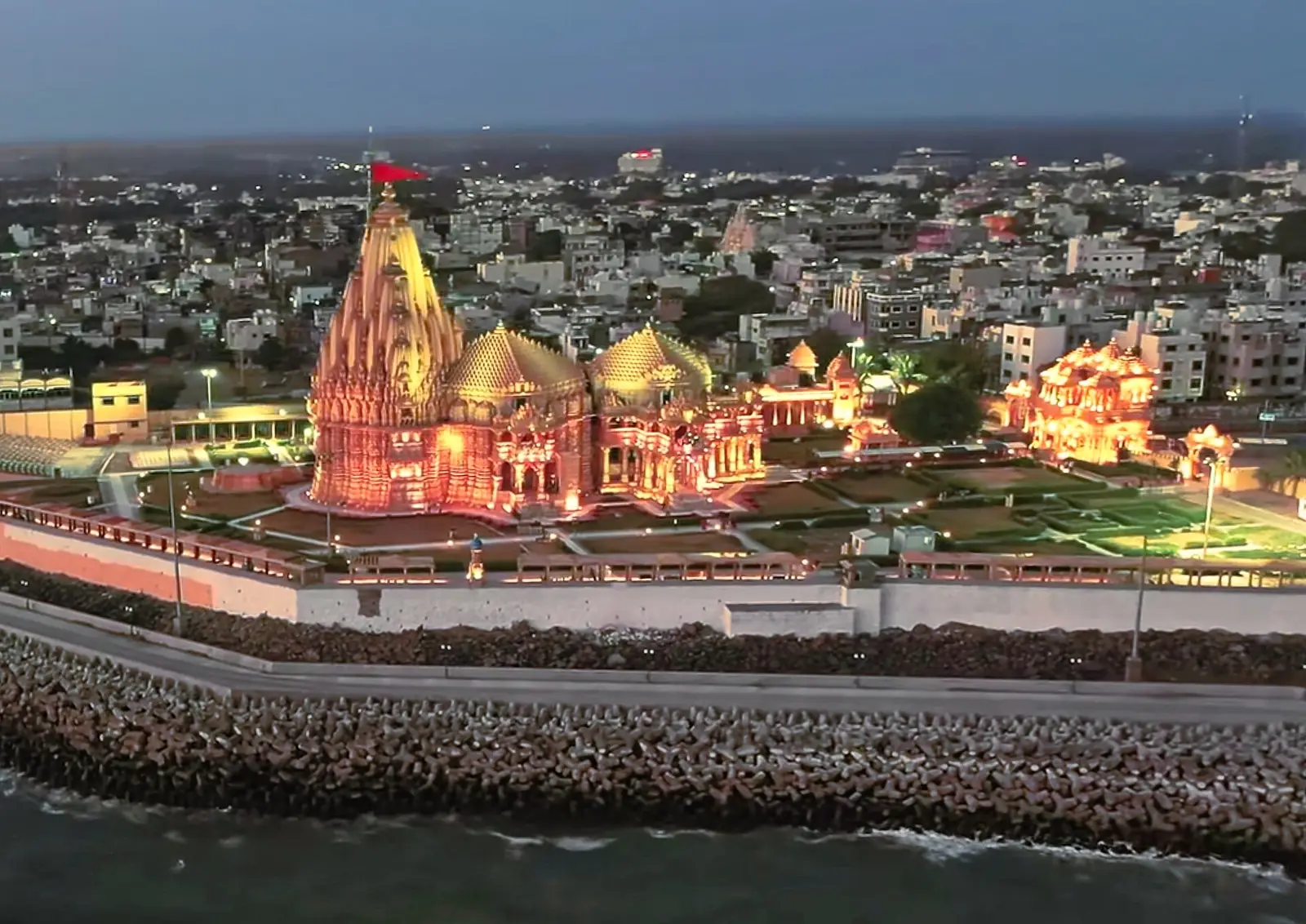
Somnath Temple Travel Guide: History, Timings & Light Show
The first of the 12 Jyotirlingas, destroyed and rebuilt multiple times over a thousand years, standing today rebuilt in Chalukya style facing the Arabian Sea — the complete guide to Somnath.
 Heritage
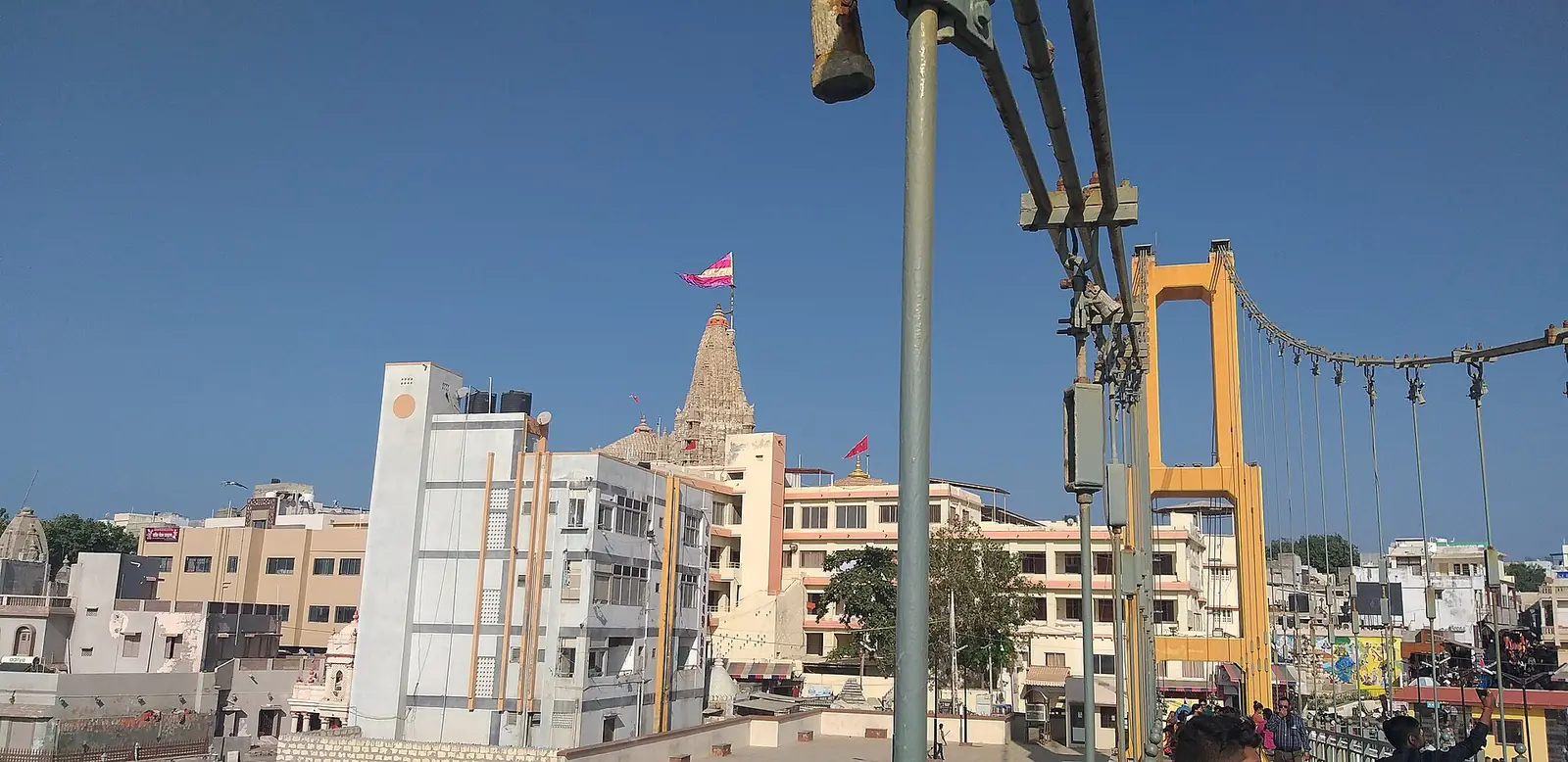
Dwarka Travel Guide: Krishna's Ancient Kingdom & Char Dham Site
One of Hinduism's four Char Dham pilgrimage sites, believed to be the ancient capital of Krishna's kingdom on the Arabian Sea coast — the complete guide to Dwarka.
 Heritage
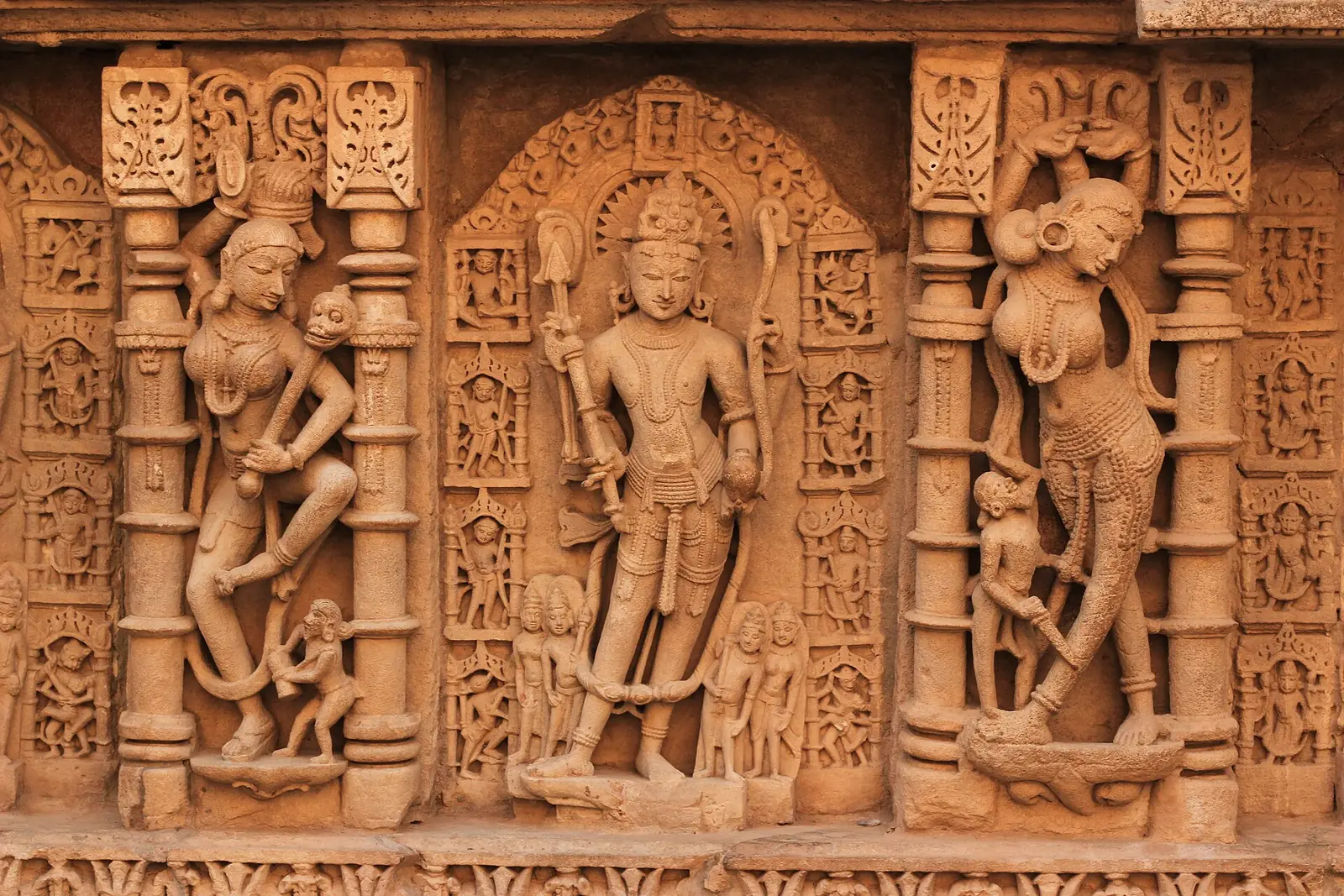
Patan Travel Guide: Rani ki Vav Stepwell & Patola Sarees
A seven-storey inverted temple carved entirely underground, and a handwoven silk saree so intricate it takes months to make — the complete guide to Patan.