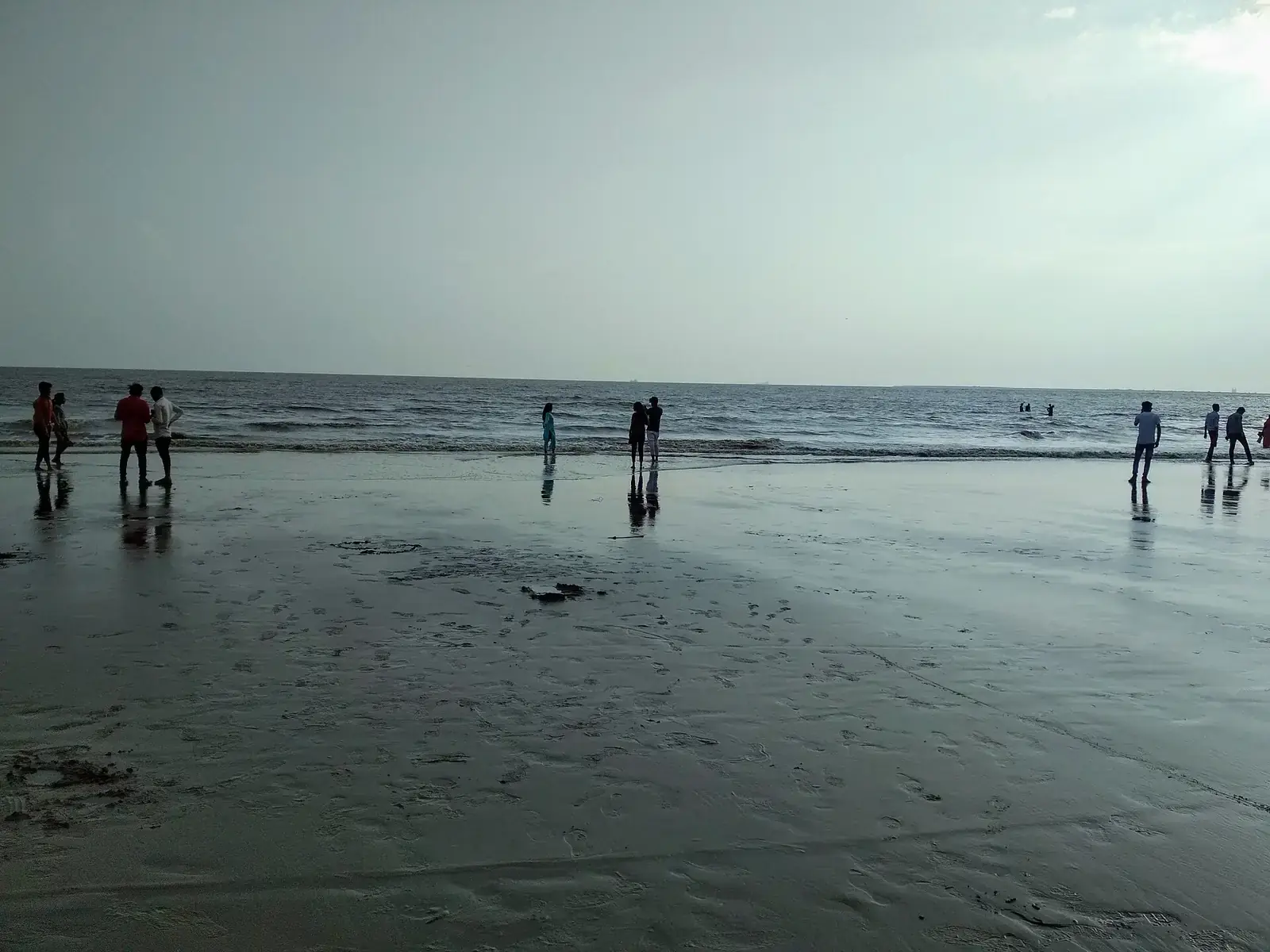
Why Surat?
Surat carries two defining, and slightly unlikely, identities: it's the city where a substantial share of the world's diamonds are cut and polished, and it's home to one of India's most ambitious urban riverfront redevelopments. Neither is what most travelers expect from a Gujarat itinerary, which is exactly why it's worth a stop.
Long before Bombay rose to prominence, Surat was one of India's most important port cities — a legacy still visible in its old Dutch, British, and Armenian cemeteries and its historic castle on the Tapi River. Today it pairs that layered history with a food scene locals will insist rivals Ahmedabad's.
💎 Surat at a Glance
Looking for activities and experiences? See our guide to the best things to do in Surat.
Planning a beach holiday? Explore our guide to the best beaches in Gujarat.
Best Time to Visit Surat
Cool, dry, and comfortable for long riverfront walks and a proper food crawl through the old city.
Coastal humidity makes midday sightseeing tiring — plan outdoor time for morning or evening.
Heavy coastal rain can disrupt riverfront plans — build flexibility into any itinerary.
Our pick: November to February — the most comfortable window for the riverfront and old-city walking.
How to Reach Surat
- By Air: Surat Airport has decent domestic connectivity to major Indian cities.
- By Train: Surat railway station sits on the busy Mumbai-Ahmedabad main line — one of the easier Gujarat cities to reach by rail.
- By Road: Well connected via NH48, roughly 4-5 hours from Mumbai and 3-4 hours from Ahmedabad by car.
Top Things to Do in Surat
- Tapi Riverfront: A large-scale redeveloped promenade along the Tapi River, with walking paths, gardens, and lively evening activity.
- Surat Castle: A 16th-century fort on the riverbank, a quick and easy heritage stop.
- Dutch Garden and old cemeteries: A lesser-known colonial-era heritage layer from Surat's history as an early major Indian port city.
- Old-city textile and diamond trade: Not a visitor attraction in the conventional sense, but a genuine part of the city's identity worth knowing about as you walk through the commercial districts.
Where to Stay in Surat
- → Budget hotels near the railway station
- → Guesthouses in the old city
- → Riverfront-adjacent mid-range hotels
- → Business-district hotels
- → Premium business hotels
- → Upscale riverside properties
What to Eat in Surat
- Locho: A steamed savory snack genuinely distinct to Surat, worth seeking out specifically.
- Ghari: A rich, layered sweet especially associated with Diwali season, another Surati specialty.
- Undhiyu and Gujarati thalis: The broader Gujarati vegetarian tradition, well represented across the city.
- Street food lanes: Surat's food streets have a citywide reputation that genuinely rivals Ahmedabad's — worth a dedicated evening.
2-Day Surat Itinerary
Heritage & Riverfront
- ✓Arrive, check in
- ✓Afternoon: Surat Castle and Dutch Garden
- ✓Evening: Tapi Riverfront walk and sunset
Food Crawl & Departure
- ✓Morning: old-city walk
- ✓Afternoon: locho, ghari, and street food crawl
- ✓Evening: departure
Budget Breakdown
| Expense | Budget | Mid-Range | Luxury |
|---|---|---|---|
| Accommodation/night | ₹1,000 | ₹3,200 | ₹9,000 |
| Food/day | ₹400 | ₹900 | ₹2,000 |
| Local transport per day | ₹200 | ₹600 | ₹1,500 |
| Daily total | ₹1,600 | ₹4,700 | ₹12,500 |
| 2-Day trip total | ₹3,200 | ₹9,400 | ₹25,000 |
* Excludes transport to the region.
Essential Travel Tips for Surat
- Visit the Tapi Riverfront in the evening: It's genuinely at its liveliest and most photogenic then.
- Try distinctly Surati snacks: Locho and ghari are worth seeking out specifically, not just generic Gujarati fare.
- Gujarat is a dry state: Alcohol requires a permit and isn't casually available.
- Combine with Mumbai or Ahmedabad: Surat's rail/road position makes it an easy add-on rather than a standalone detour.
✅ Do
- →Visit the Tapi Riverfront at sunset
- →Try locho and ghari specifically
- →Combine with a Mumbai-Ahmedabad rail/road trip
- →Explore Surat Castle and Dutch Garden
- →Carry a valid liquor permit if you plan to drink
❌ Don't
- →Expect public diamond workshop tours
- →Skip the riverfront thinking it's just another park
- →Assume casual alcohol availability
- →Visit only for the food and skip the heritage sites entirely
- →Rush through in a few hours — the city rewards a proper day
Frequently Asked Questions
How many days do I need in Surat?
One to two days covers the Tapi Riverfront, Surat Castle, Dutch Garden, and a proper food crawl through the city's snack culture. It also works well as a stop on a longer Gujarat coastal route between Mumbai and Ahmedabad.
What is the best time to visit Surat?
October to March offers the most comfortable temperatures for riverfront walks and street food exploring. Summers (April–June) get hot and humid, and monsoon (July–September) brings heavy rain typical of coastal Gujarat.
How do I reach Surat?
Surat Airport has decent domestic connectivity. Surat railway station sits on the busy Mumbai-Ahmedabad main line, making it one of the easiest Gujarat cities to reach by train. Road access via NH48 is straightforward from both Mumbai and Ahmedabad.
Can I visit a diamond workshop in Surat?
Surat's diamond cutting and polishing industry is a defining part of the local economy, but it isn't generally set up as a visitor attraction with public factory tours — most workshops are working commercial spaces, not tourism sites.
What should I eat in Surat?
Locho (a steamed savory snack) and ghari (a sweet made specifically around Diwali season) are distinctly Surati specialties you won't find in quite the same form elsewhere in Gujarat — seek them out alongside standard Gujarati thalis and street food.
Is Surat worth visiting on its own, or just as a stopover?
It works well both ways — the Tapi Riverfront and food scene justify a dedicated day or two, and its position on the Mumbai-Ahmedabad rail/road corridor also makes it a natural, easy stop on a longer Gujarat trip.
What is the budget for a trip to Surat?
A budget traveler can manage on roughly ₹1,500 a day, a mid-range trip closer to ₹4,000 a day. Note Gujarat is a legally dry state — alcohol requires a permit and isn't casually available.
Published by the Kudozz Club editorial team · Last updated · How we research our guides
Want us to plan this trip for you?
Tell Kudozz Club where you want to go and what kind of trip you’re looking for. We’ll build a Surat and Gujarat itinerary around your dates and budget.
Continue Exploring
View all guides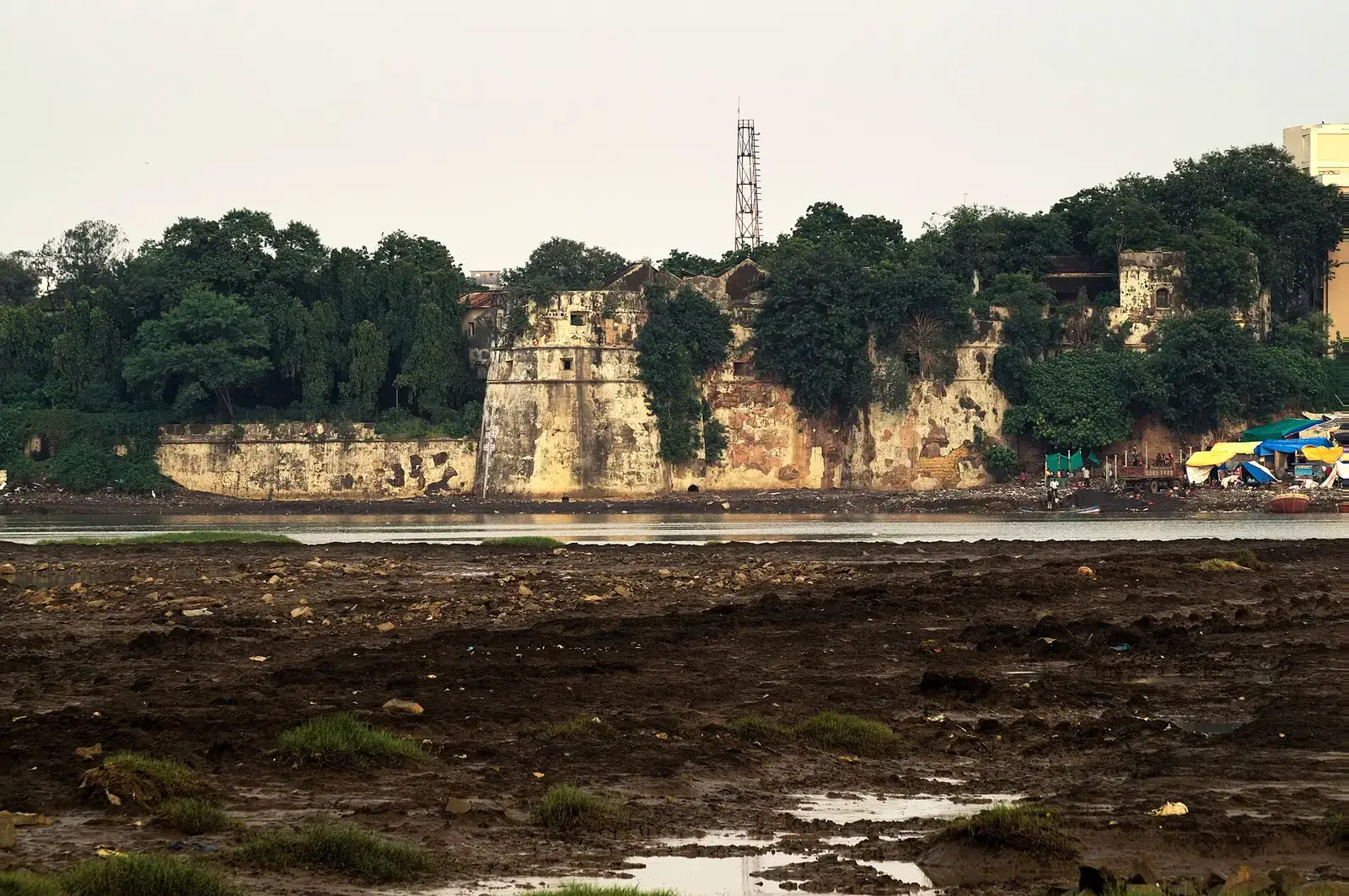 Things to Do
Things to Do in Surat: Food Streets, Heritage, Beaches & Diamond City Life
Things to do in Surat: eat your way through locho, undhiyu, ghari and ponk, see Surat Castle and the Dutch and Armenian cemeteries, walk the Tapi riverfront, visit Dumas and Suvali beaches, the Sardar Patel Museum and the Science Centre, and take trips to Dandi, Tithal and Saputara.
 Destination Guide
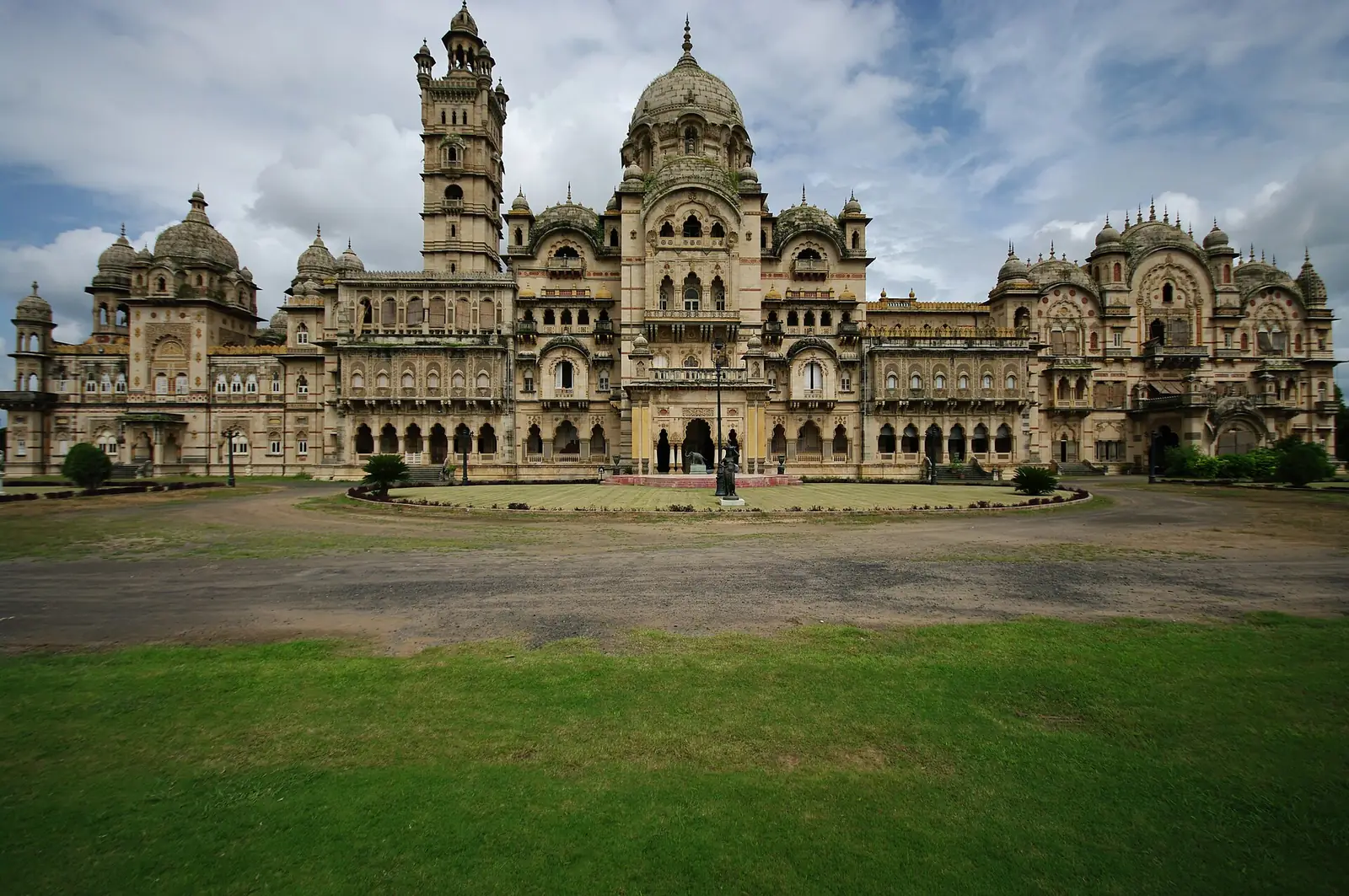
Vadodara Travel Guide: Laxmi Vilas Palace & Baroda's Heritage
A palace four times the size of Buckingham Palace, still home to the Gaekwad royal family — the complete guide to Vadodara.
 Destination Guide
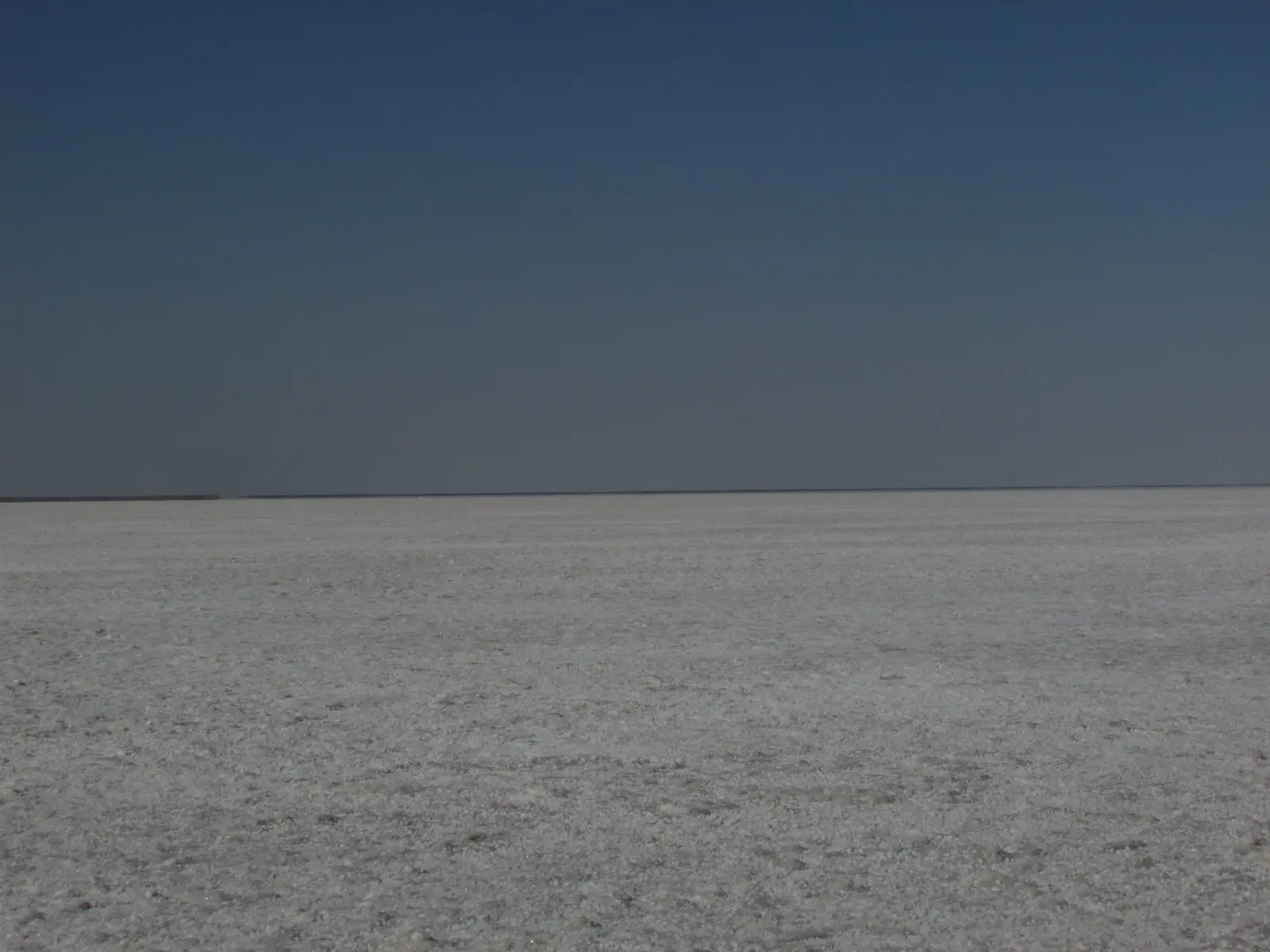
Gujarat Travel Guide: Rann of Kutch, Somnath & Gir National Park
A shimmering white salt desert stretching to the horizon, temple towns steeped in mythology, and the last wild lions outside Africa — Gujarat is India's most quietly extraordinary state.
 Destination Guide
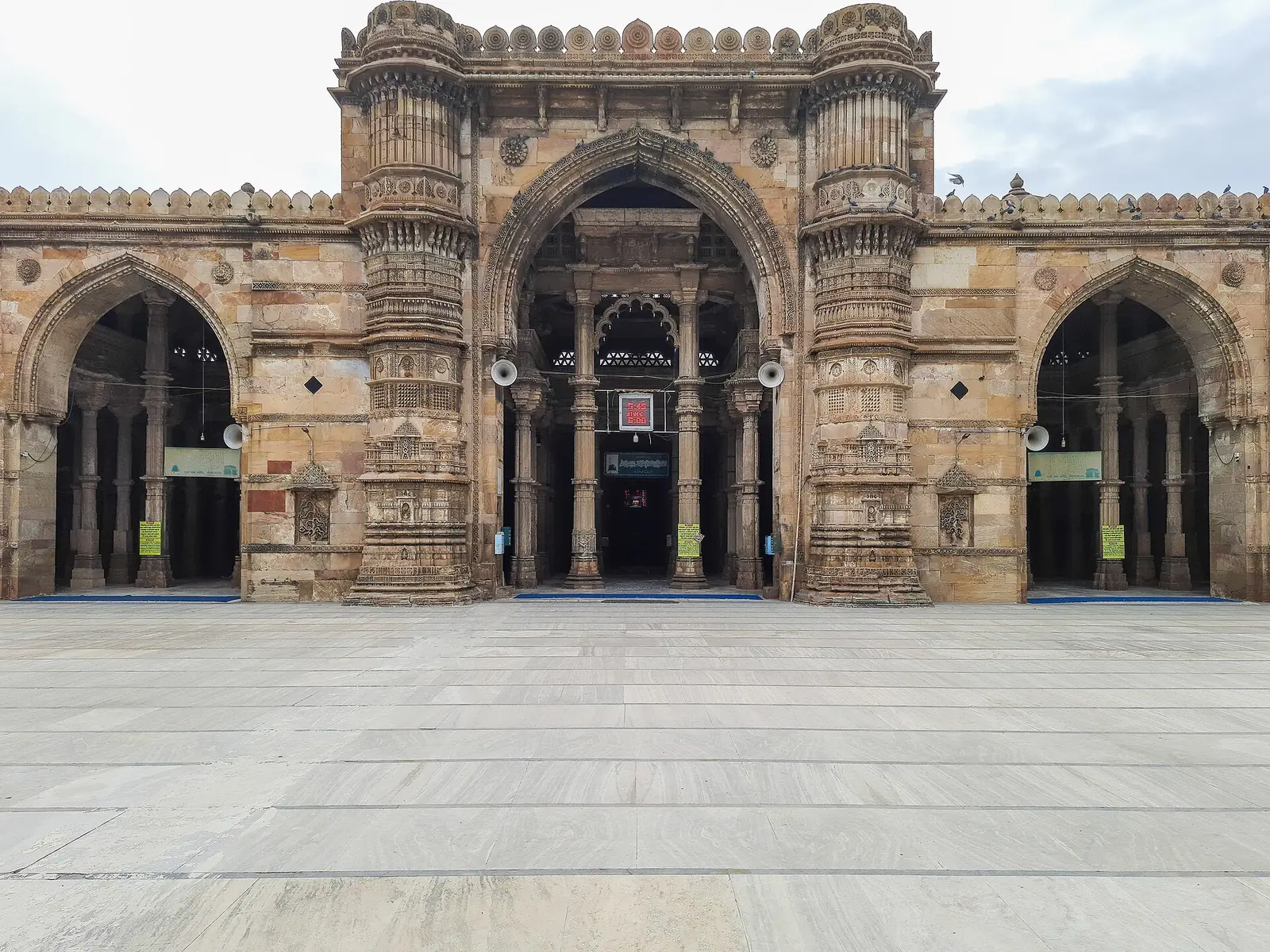
Ahmedabad Travel Guide: Heritage Walk, Sabarmati Ashram & Food
India's first UNESCO World Heritage City, home to Gandhi's ashram on the Sabarmati riverbank and a street-food scene that runs half the night — the complete guide to Ahmedabad.