Why Gujarat?
India's westernmost state, Gujarat is often overlooked by first-time visitors chasing Rajasthan or Kerala, yet it offers a genuinely singular mix — a UNESCO-listed historic city, a landscape unlike anywhere else in the country, temples central to Hindu mythology, and the only wild population of Asiatic lions left on the planet.
Ahmedabad, Gujarat's largest city, was the first city in India to be inscribed as a UNESCO World Heritage City, and it's also where Mahatma Gandhi founded the Sabarmati Ashram and launched the Salt March that helped shape India's independence movement. Gujarat's long mercantile and business tradition — the state remains one of India's most entrepreneurial — runs through everything from its bustling markets to its diaspora communities worldwide.
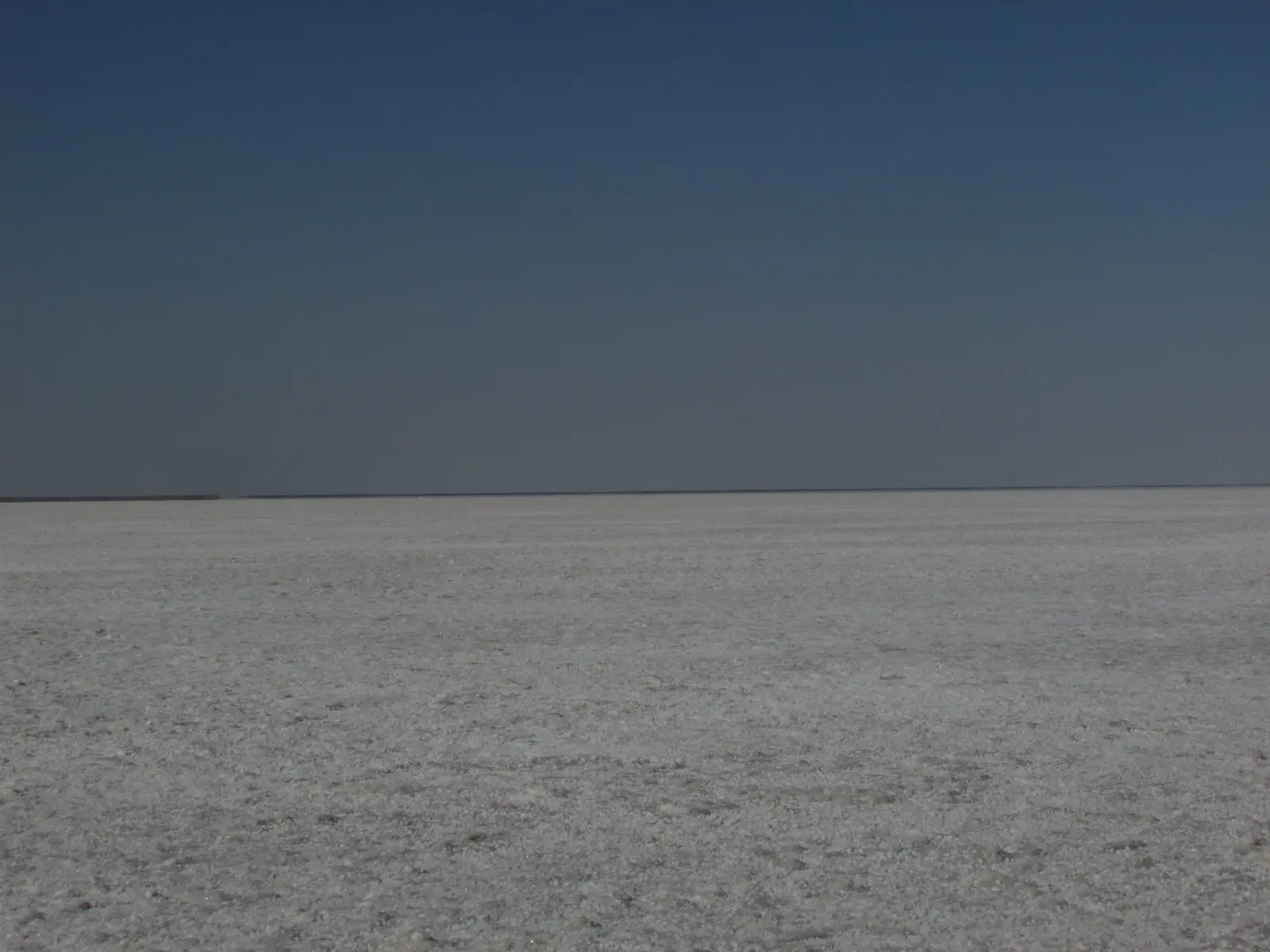
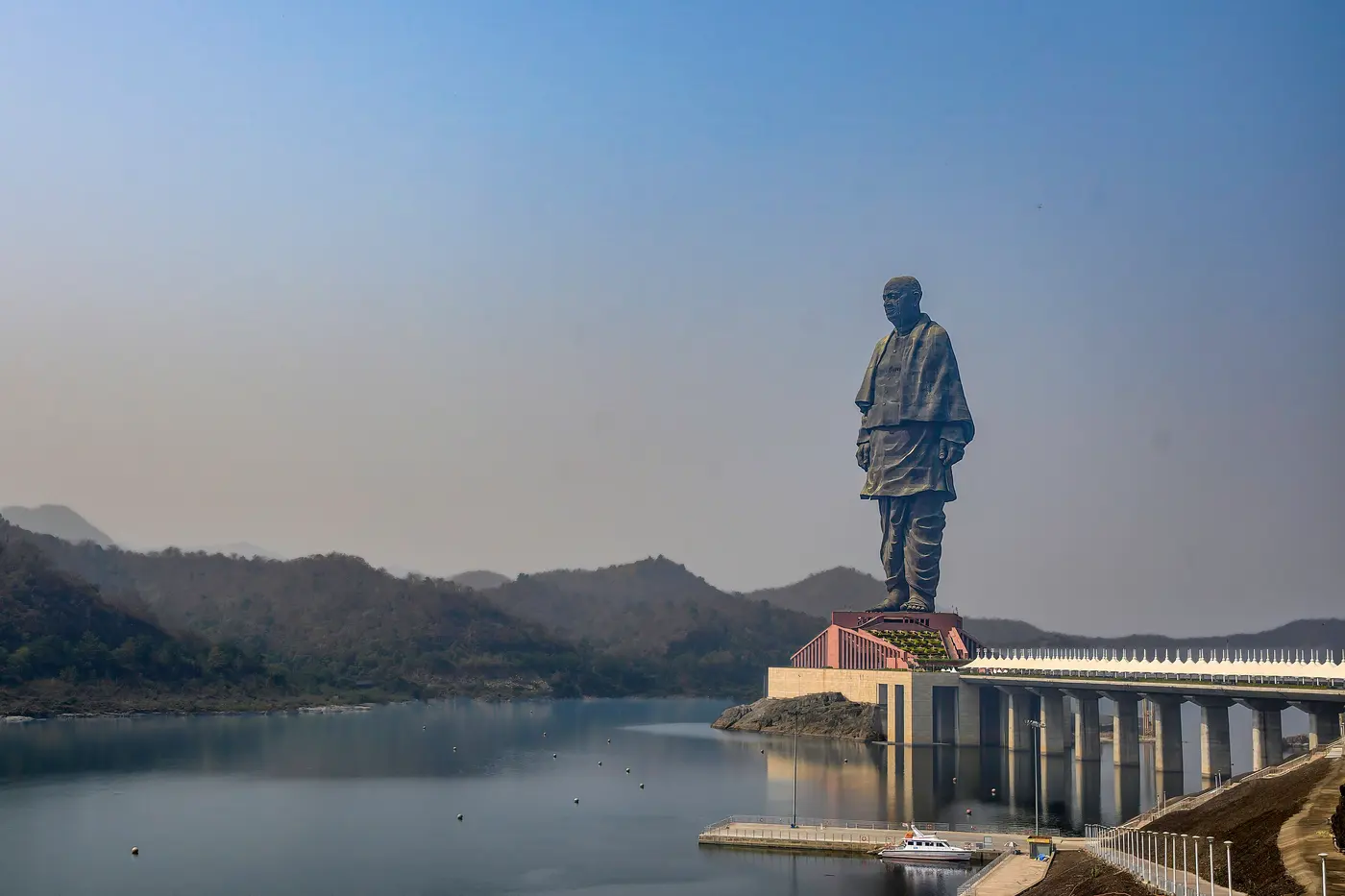
Beyond the cities, Gujarat holds the Rann of Kutch, a vast white salt desert that hosts one of India's most spectacular seasonal festivals, and Gir National Park, the last refuge of the Asiatic lion. Add the Statue of Unity — at over 180 metres, the tallest statue in the world — and Gujarat's case for a dedicated trip becomes hard to ignore.
🦁 Gujarat at a Glance
Want a day-by-day plan? Follow our Gujarat heritage itinerary.
Interested in the history? See our guide to heritage in Gujarat.
Planning a pilgrimage? See our guide to spiritual places in Gujarat.
Planning a wildlife trip? See our guide to wildlife tourism in Gujarat.
Planning a beach holiday? Explore our guide to the best beaches in Gujarat.
Best Time to Visit Gujarat
Gujarat's climate ranges from the coastal humidity of Diu and Somnath to the extreme heat and cold of the Kutch desert — timing matters more here than in most Indian states.
Cool, dry, and pleasant (10–28°C) — ideal for the Rann of Kutch, wildlife safaris in Gir, and comfortable city sightseeing.
A months-long tent city festival on the white salt desert near Dhordo, with folk music, crafts, and full-moon walks across the Rann.
Temperatures in Kutch and Saurashtra regularly cross 40°C — the salt desert becomes genuinely punishing to visit.
The Great Rann of Kutch actually floods during monsoon, submerging the salt flats — Gir's safari zones close as well.
Our pick: November to February, ideally timed with the Rann Utsav — this is when the white desert, the wildlife parks, and the cities are all at their best simultaneously. Avoid Kutch entirely during monsoon and the peak summer months.
How to Reach Gujarat
- By Air: Ahmedabad's Sardar Vallabhbhai Patel International Airport (AMD) is Gujarat's main gateway, with regular domestic and several international connections. Smaller airports at Rajkot, Bhuj, and Diu serve regional routes.
- By Rail: Ahmedabad, Rajkot, Bhuj, and Vadodara are all well connected to the national rail network, with direct trains from Delhi, Mumbai, and other major cities.
- By Road: A strong highway network connects Gujarat's major towns, though distances between Ahmedabad, Kutch, and Gir/Somnath are substantial — expect long travel days.
Rann of Kutch: The White Desert
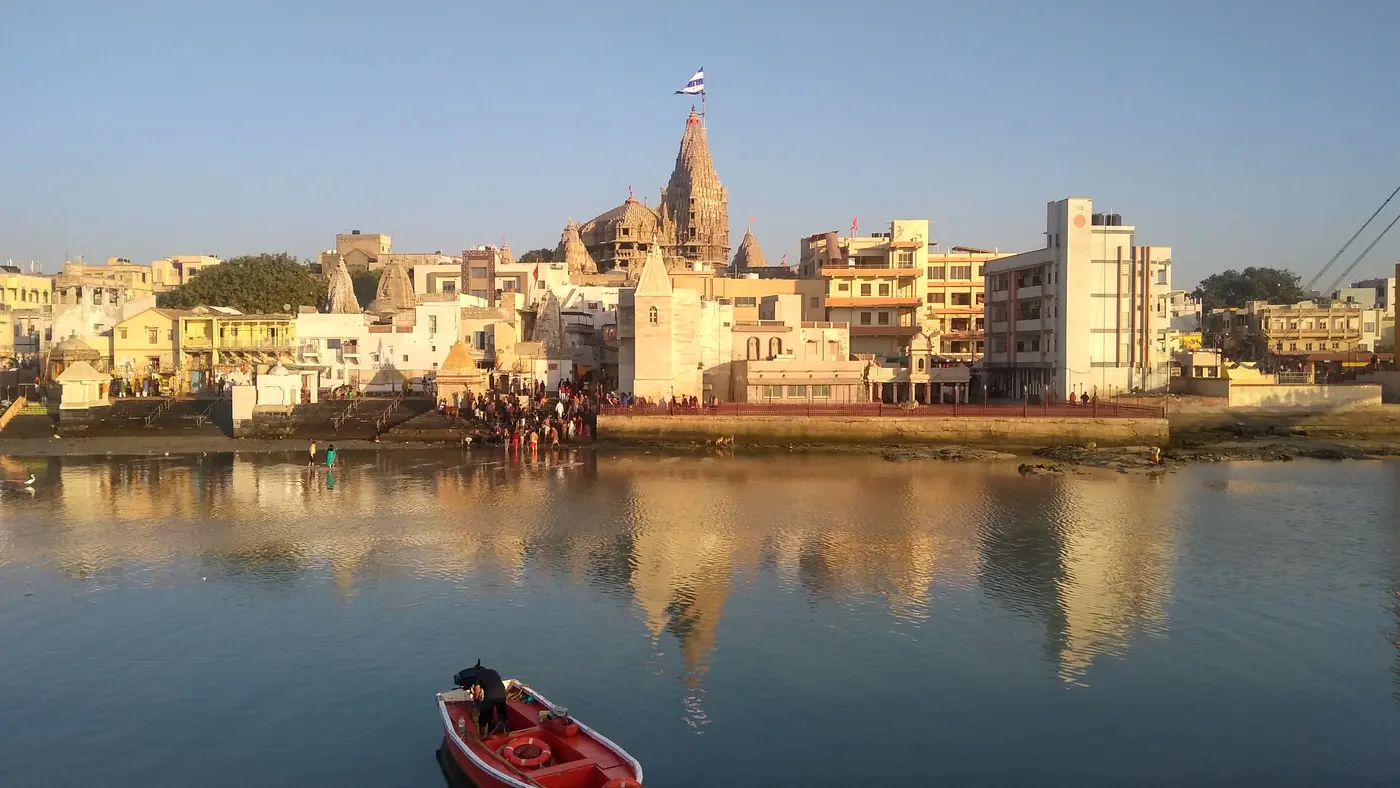
The Great Rann of Kutch is one of the largest salt deserts on Earth — a flat, white expanse stretching to the horizon that, under a full moon, looks almost otherworldly. It's unlike anywhere else in India.
- Rann Utsav: A tent city festival held each winter (roughly November to February) near the village of Dhordo, with folk music and dance performances, local handicrafts, and organized full-moon walks out onto the salt flats.
- White Desert Full-Moon Walks: Walking out onto the Rann under moonlight, when the salt surface seems to glow, is one of the most memorable experiences Gujarat offers.
- Kutch's Handicraft Villages: Villages around Bhuj are home to some of India's finest embroidery, mirror-work, and block-printing traditions — well worth a detour for craft enthusiasts.
Somnath & Dwarka: Temple Towns
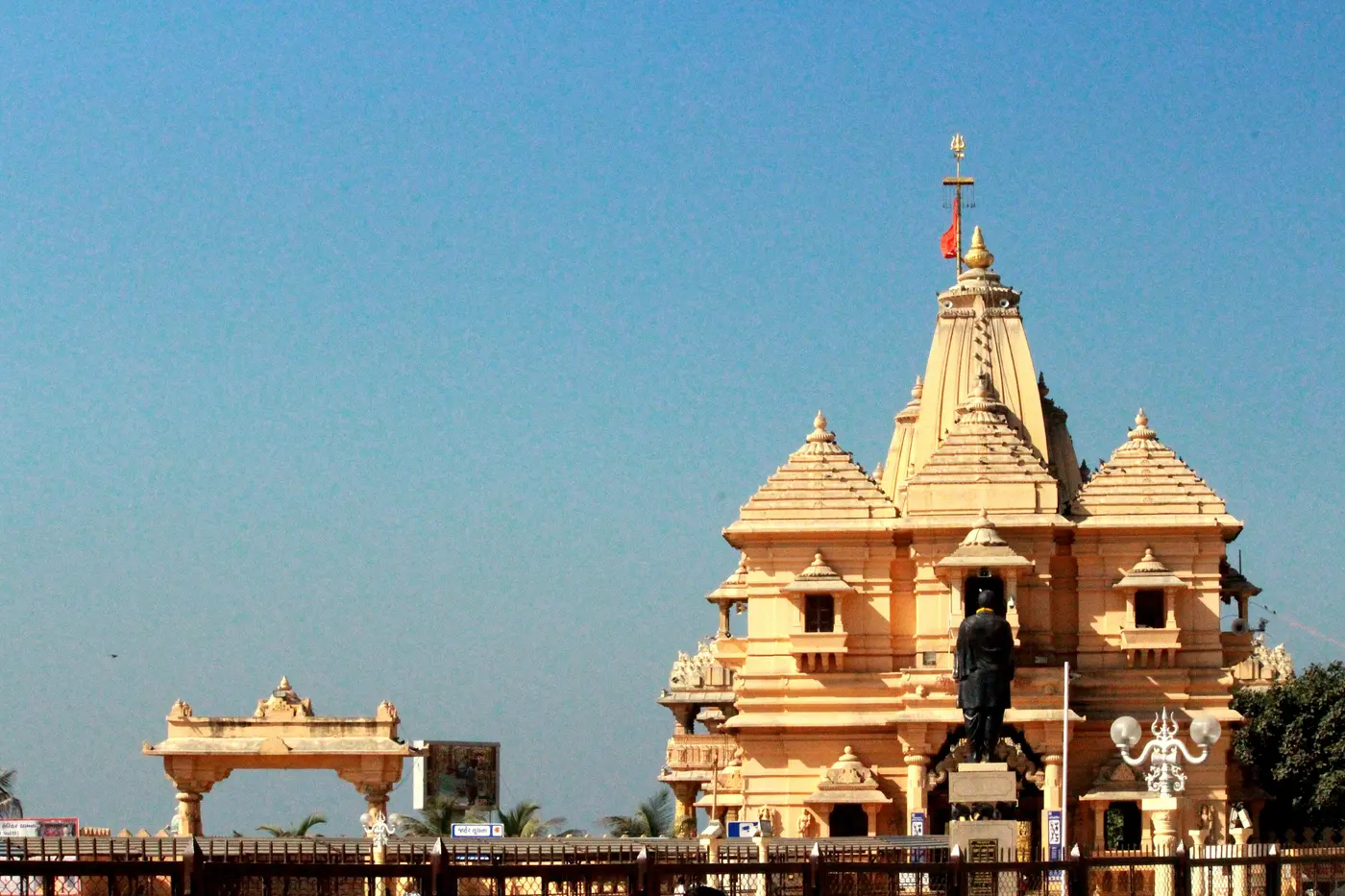
Gujarat's coastline holds two of Hinduism's most significant pilgrimage sites, each carrying centuries of history and mythology.
- Somnath Temple: The first of the twelve Jyotirlingas, Somnath has been destroyed and rebuilt multiple times over its history, most recently in the mid-20th century — its current form stands dramatically on the Arabian Sea coast.
- Dwarka: According to mythology, the site of Krishna's kingdom, submerged by the sea after his death. The Dwarkadhish Temple, dedicated to Krishna, is one of the char dham pilgrimage sites and draws devotees from across India.
- Beyet Dwarka: A short boat ride from the mainland, this island is believed to have been Krishna's actual residence — a worthwhile add-on for those visiting Dwarka.
Gir National Park: Asiatic Lions
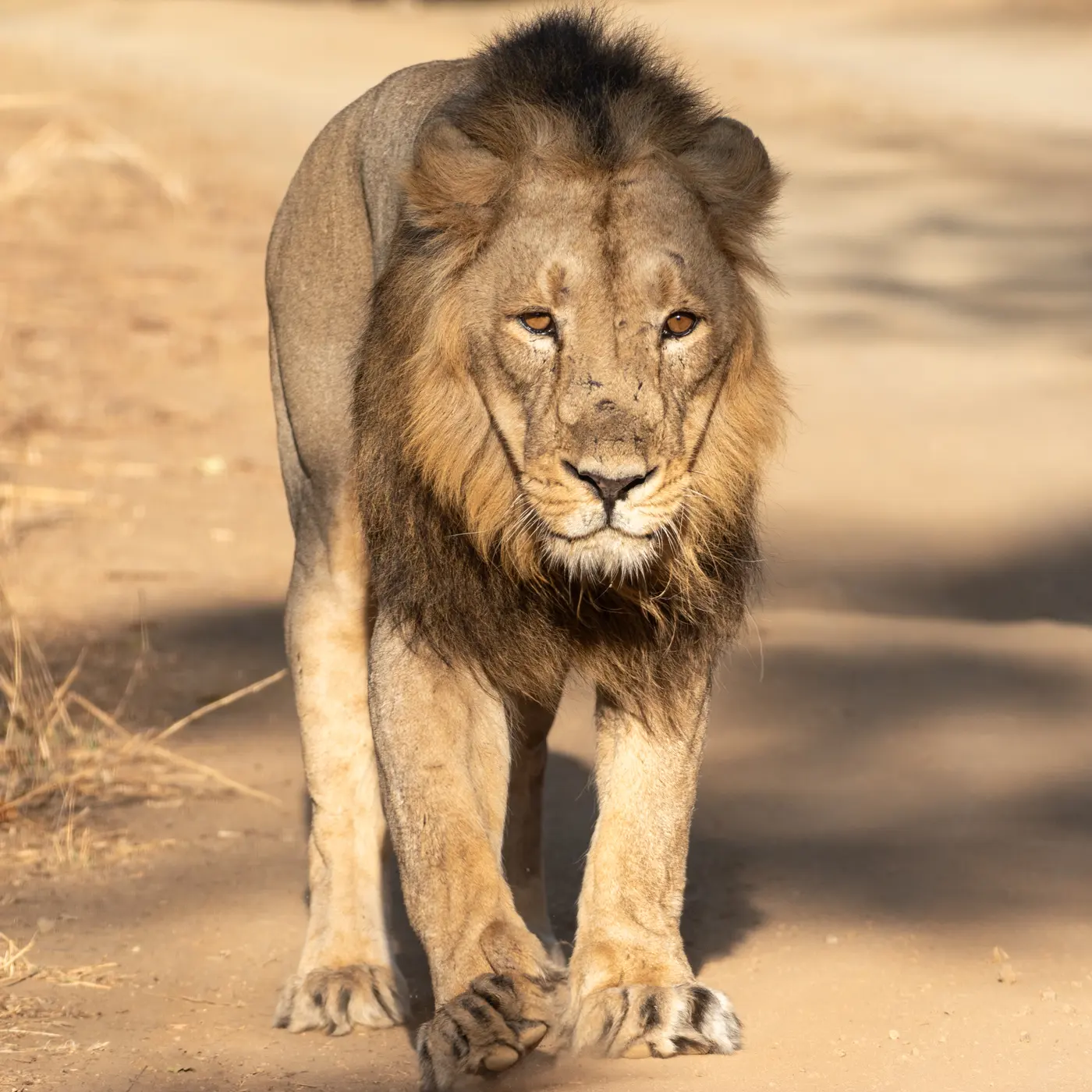
Gir National Park, near the town of Sasan Gir, is the only place on Earth outside Africa where lions still roam in the wild. Every free-ranging Asiatic lion left in the world lives within this single forest landscape.
- Jeep Safaris: Morning and afternoon safari slots run through Gir's dry deciduous forest, with sightings of Asiatic lions, leopards, and a wide range of birdlife — permits should be booked in advance.
- Sasan Gir: The main base town for safaris, with a range of accommodation from budget lodges to dedicated wildlife resorts near the park gate.
- Devalia Safari Park: A fenced alternative within Gir's interpretation zone, useful as a backup if core-zone permits are unavailable.
Ahmedabad, Statue of Unity & Diu
- Ahmedabad: India's first UNESCO World Heritage City, home to the Sabarmati Ashram (Gandhi's residence during the independence movement), the intricately carved Sidi Saiyyed Mosque, and the old city's stepwells, including the stunning Adalaj Vav.
- Statue of Unity: Near Kevadia, this is the tallest statue in the world at over 180 metres, depicting Sardar Vallabhbhai Patel — a viewing gallery near the top offers sweeping views of the Narmada dam and valley below.
- Diu: A former Portuguese colony (technically a separate Union Territory, but commonly visited alongside Gujarat), known for its whitewashed churches, colonial-era fort, and relaxed beach towns — a welcome contrast to Gujarat's dry interior.
Where to Stay
Given Gujarat's spread, plan to base yourself in 3–4 distinct hubs — Ahmedabad, Kutch (Bhuj or the Rann Utsav tent city), Gir/Sasan, and Somnath or Diu — rather than one central location.
- → Guesthouses, Ahmedabad old city
- → Budget lodges, Bhuj/Kutch
- → Basic stays near Sasan Gir gate
- → Business hotels, Ahmedabad
- → Rann Utsav tent city, Dhordo
- → Wildlife resorts, Sasan Gir
- → Heritage & 5-star hotels, Ahmedabad
- → Premium tents, Rann Utsav
- → Luxury lodges, Gir forest edge
The Rann Utsav tent city runs on a seasonal booking system with fixed nightly rates — book well ahead, as availability drops sharply around weekends and the festival's peak weeks.
What to Eat in Gujarat
Gujarat is widely regarded as India's vegetarian food capital, with a thali culture built around balancing sweet, salty, and spicy flavors in a single meal.
- Gujarati Thali: An elaborate, all-you-can-eat vegetarian spread of rotli, dal, shaak (vegetable curries), rice, and a sweet dish — often refilled repeatedly at dedicated thali restaurants.
- Dhokla: A steamed, spongy fermented rice-and-lentil cake, tempered with mustard seeds — one of Gujarat's most iconic snacks nationwide.
- Khandvi: Thin, tightly rolled gram flour rolls tempered with mustard seeds and curry leaves — a delicate, distinctly Gujarati snack.
- Undhiyu: A slow-cooked mixed vegetable dish, traditionally made in winter with seasonal produce — a Gujarati specialty especially popular around Uttarayan.
- Fafda-Jalebi: A classic Sunday morning breakfast pairing — crisp, savory fafda alongside sweet, syrupy jalebi.
7-Day Gujarat Itinerary
Seven days is a reasonable minimum to combine Ahmedabad, the Rann of Kutch, Gir National Park, and the temple towns without excessive rushing.
Ahmedabad
- ✓Arrive, Sabarmati Ashram
- ✓Old city walk, Sidi Saiyyed Mosque
- ✓Adalaj Vav stepwell
Rann of Kutch
- ✓Travel to Bhuj/Dhordo (~5–6 hrs)
- ✓Handicraft villages around Bhuj
- ✓Rann Utsav tent city, full-moon desert walk
Travel to Gir
- ✓Long travel day toward Sasan Gir
- ✓Check in near the park gate
- ✓Rest and prep for early safari
Gir National Park
- ✓Morning jeep safari — Asiatic lions
- ✓Afternoon safari or Devalia Safari Park
- ✓Evening at leisure in Sasan Gir
Somnath & Diu
- ✓Travel to Somnath (~1.5 hrs)
- ✓Somnath Temple, coastal promenade
- ✓Optional day trip to Diu
Dwarka & Departure
- ✓Travel to Dwarka, Dwarkadhish Temple
- ✓Beyet Dwarka boat trip
- ✓Return to Ahmedabad / departure
Budget Breakdown
| Expense | Budget | Mid-Range | Luxury |
|---|---|---|---|
| Accommodation/night | ₹1,000 | ₹3,500 | ₹8,800 |
| Food/day | ₹400 | ₹950 | ₹2,300 |
| Local transport/day | ₹500 | ₹1,200 | ₹2,800 |
| Safari & entry fees/day | ₹1,200 | ₹2,500 | ₹5,000 |
| Daily total | ₹3,100 | ₹8,150 | ₹18,900 |
| 7-Day trip total | ₹21,700 | ₹57,050 | ₹132,300 |
* Excludes flights. Gir safari permit and jeep costs are a significant line item — shared jeeps bring per-person costs down considerably. Note that Gujarat is a "dry" state, so budget alcohol costs are not applicable in the usual sense.
Essential Travel Tips for Gujarat
- Gujarat is a legally "dry" state: Alcohol sale and consumption is prohibited without a permit — tourists can apply for a temporary liquor permit at designated shops or hotels, but don't expect casual availability.
- Book Gir safari permits well in advance: Daily visitor numbers are capped — book online through the official portal, especially in peak winter season.
- Book Rann Utsav accommodation early: The tent city runs on a fixed seasonal calendar and fills up quickly around weekends and festival peak weeks.
- Plan around monsoon flooding in Kutch: The Rann floods during monsoon (roughly July– September) — the white desert isn't accessible during this period.
- Carry cash for smaller towns: Card acceptance drops off quickly outside Ahmedabad and major tourist hubs.
- Factor in long transit days:Distances between Ahmedabad, Kutch, and Gir/Somnath are substantial — build buffer time into your itinerary.
✅ Do
- →Apply for a liquor permit in advance if you plan to drink
- →Book Gir safari permits weeks ahead in peak season
- →Book Rann Utsav tents early, especially for weekends
- →Carry cash for smaller towns and villages
- →Time your Kutch visit around a full moon if possible
- →Build buffer time into long inter-city transfers
❌ Don't
- →Carry or drink alcohol without a valid permit
- →Show up to Gir without a booked safari permit
- →Plan a Rann of Kutch trip during monsoon
- →Underestimate travel time between Kutch and Gir
- →Rely on cards outside Ahmedabad and major hubs
- →Skip sun protection on the white salt desert
Places to Explore in Gujarat
Every Gujarat guide on Kudozz Club, in one place — 14 destinations covered so far, from cities and towns to individual attractions. Use this index to plan beyond the highlights above.
Frequently Asked Questions
How many days do I need for Gujarat?
Seven days is a reasonable minimum to combine Ahmedabad, the Rann of Kutch, Gir National Park, and the temple towns of Somnath and Dwarka without excessive rushing. Given Gujarat's spread, plan on basing yourself in 3-4 distinct hubs rather than one central location.
What is the best time to visit Gujarat?
November to February is best — cool, dry, and pleasant (10–28°C), ideal for the Rann of Kutch, wildlife safaris in Gir, and comfortable city sightseeing. This window also coincides with the Rann Utsav festival. Avoid Kutch entirely during monsoon (July–September), when the Rann actually floods, and during the extreme heat of March–June.
How do I reach Gujarat?
Fly into Ahmedabad's Sardar Vallabhbhai Patel International Airport (AMD), Gujarat's best-connected gateway, with regular domestic and several international connections. Smaller airports at Rajkot, Bhuj, and Diu serve regional routes, and Ahmedabad, Rajkot, Bhuj, and Vadodara are all well connected by rail to Delhi, Mumbai, and other major cities.
Is Gujarat safe for solo travellers?
Gujarat is generally considered one of India's safer and more organized states to travel, with well-developed tourist infrastructure around Ahmedabad, Gir, and the Rann Utsav tent city. As a legally 'dry' state, its nightlife is limited, which many solo travellers find adds to the sense of calm compared to more touristy circuits.
What is the budget for a trip to Gujarat?
A budget traveller can expect to spend roughly ₹3,100 a day, a mid-range trip runs about ₹8,150 a day, and a luxury trip around ₹18,900 a day. A full 7-day trip totals roughly ₹21,700 on a budget, ₹57,050 mid-range, or ₹132,300 for luxury, excluding flights. Gir's safari and jeep costs are a significant line item, though shared jeeps bring per-person costs down.
Is Gujarat worth visiting?
Yes — it's a genuinely singular mix rarely covered on a first India trip: a UNESCO-listed heritage city in Ahmedabad, the otherworldly white salt desert of the Rann of Kutch, temple towns like Somnath and Dwarka steeped in mythology, and Gir National Park, the only place on Earth outside Africa where lions still roam wild.
Can I drink alcohol in Gujarat?
Gujarat is a legally 'dry' state, so alcohol sale and consumption is prohibited without a permit. Tourists can apply for a temporary liquor permit at designated shops or hotels, but casual availability shouldn't be expected the way it would elsewhere in India.
Published by the Kudozz Club editorial team · Last updated · How we research our guides
Want us to plan this trip for you?
Tell Kudozz Club where you want to go and what kind of trip you’re looking for. We’ll build a Gujarat itinerary around your dates and budget.
Continue Exploring
View all guides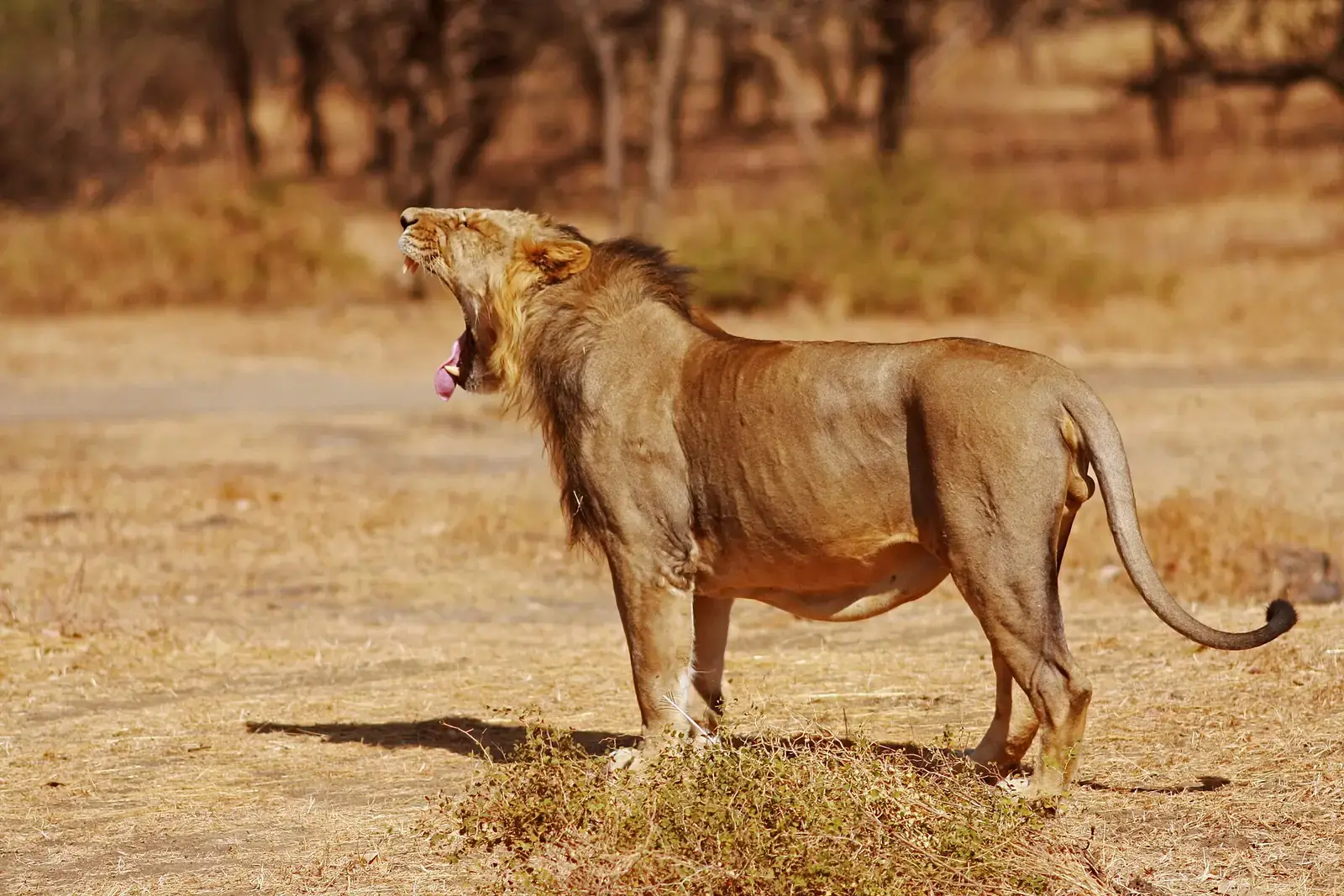 Wildlife Tourism
Wildlife Tourism in Gujarat: Gir Lions, Wild Ass and Wetlands
A guide to wildlife tourism in Gujarat: Gir National Park and Sanctuary, the only wild home of the Asiatic lion, with its safari permits, Devalia and Ambardi safari parks, the Indian Wild Ass Sanctuary in the Little Rann of Kutch, Velavadar's blackbuck, Nal Sarovar and Thol wetlands, flamingos in the Great Rann, the Marine National Park's reefs, seasons and routes.
 Off-beat
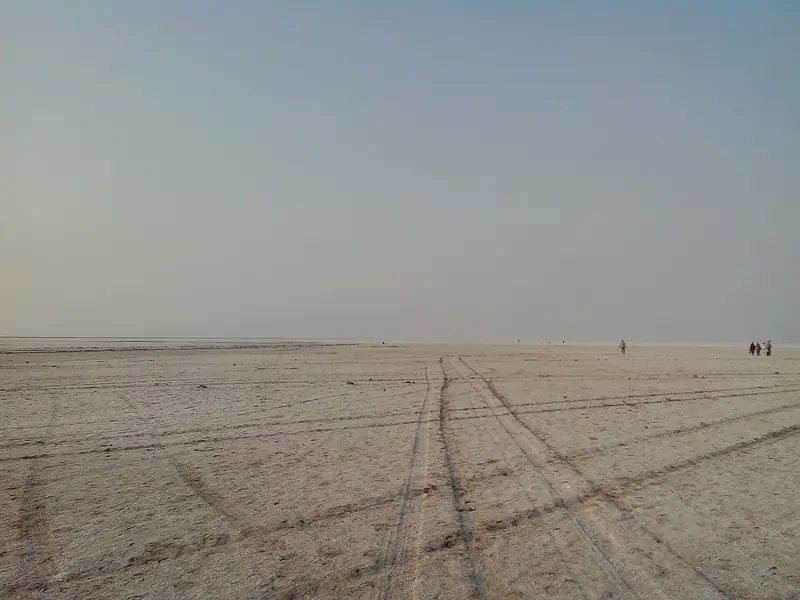
Rann of Kutch Travel Guide: White Desert & Rann Utsav
A salt desert that turns silver-white under a full moon, and a month-long cultural festival that transforms it into a tent city every winter — the complete guide to the Rann of Kutch.
 Adventure
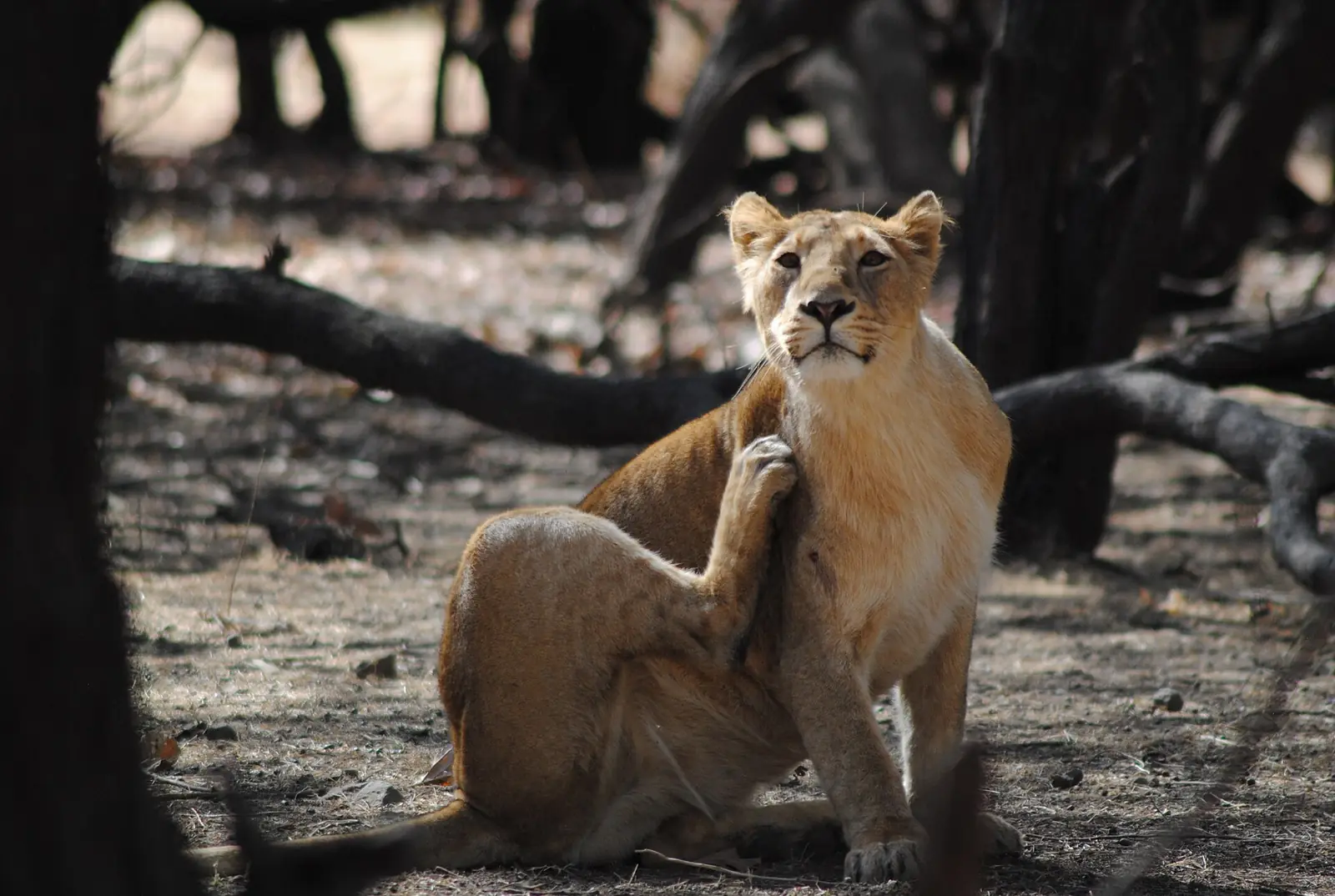
Gir National Park Travel Guide: Asiatic Lion Safari & Best Time
The last place on Earth with wild Asiatic lions outside Africa, and one of India's most successful conservation stories — the complete guide to Gir National Park.
 Destination Guide
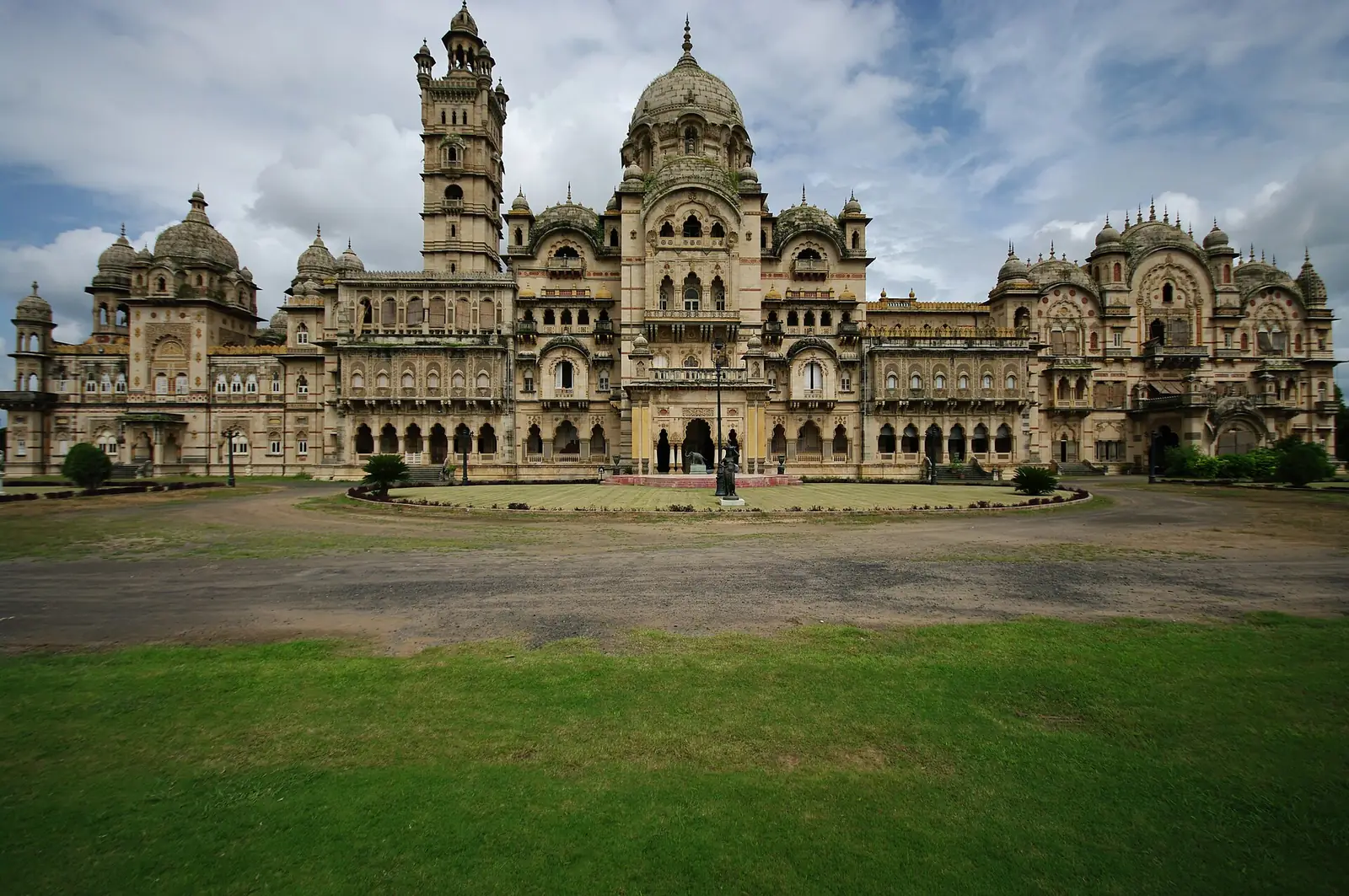
Vadodara Travel Guide: Laxmi Vilas Palace & Baroda's Heritage
A palace four times the size of Buckingham Palace, still home to the Gaekwad royal family — the complete guide to Vadodara.