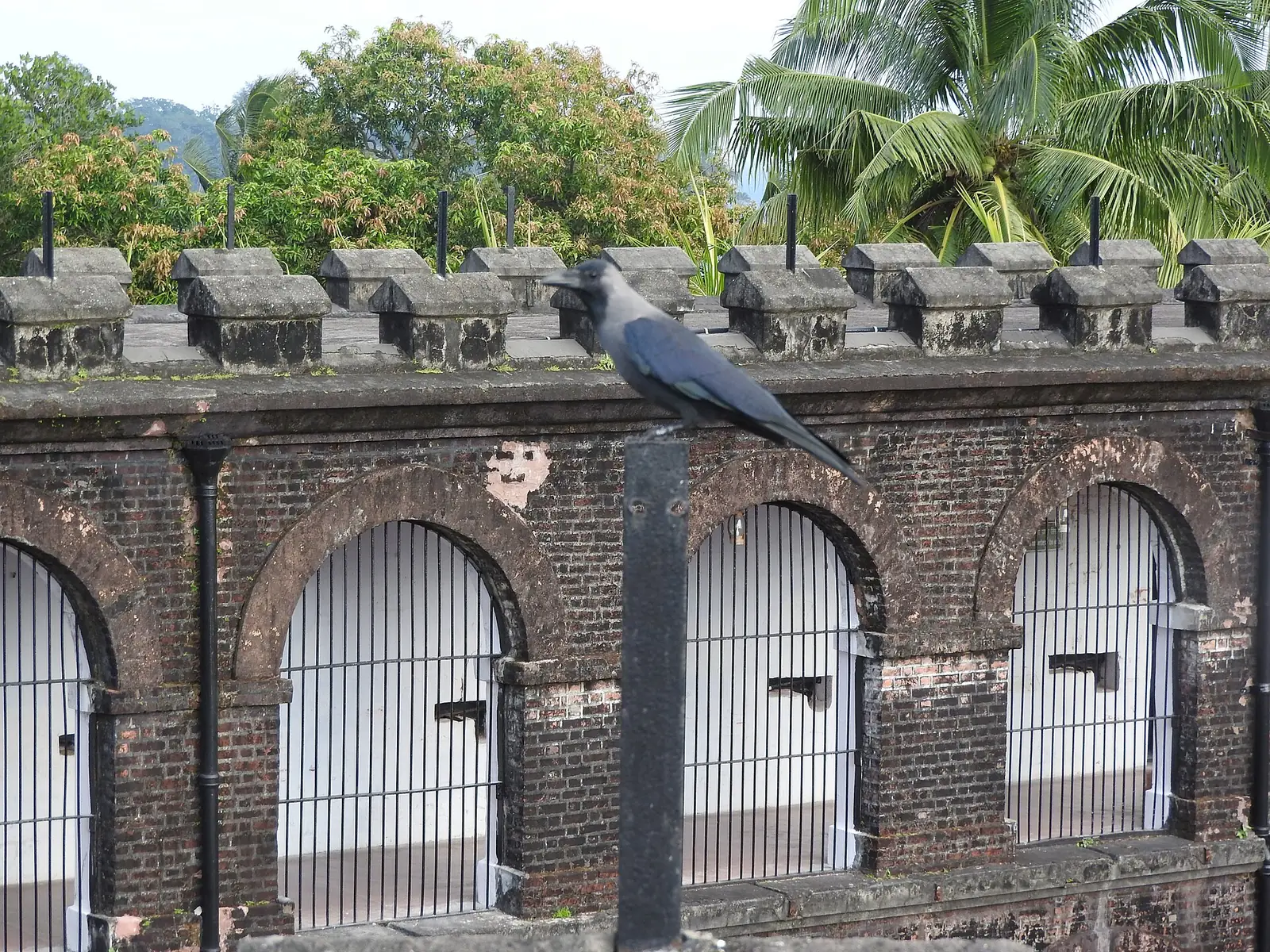
A Monument to Kaala Pani
Cellular Jail sits in the heart of Sri Vijaya Puram (Port Blair), the capital of the Andaman & Nicobar Islands, and it's arguably the single most important historical site in the entire archipelago. Built by the British between 1896 and 1906, it was designed with a chilling purpose: a pentagonal, spoke-and-hub layout of seven wings radiating from a central watchtower, each cell built for total isolation rather than shared imprisonment.
That isolation — combined with the sheer remoteness of the islands themselves — is why transportation here earned the name "Kaala Pani" (Black Water), a fate Indians of the era regarded as close to a living death. Freedom fighters and political prisoners, most famously Vinayak Damodar Savarkar (Veer Savarkar), were held here through the early 20th century, often in solitary confinement designed to break their spirit as much as restrict their movement.
Today, three of the original seven wings have been demolished, but the remaining four stand preserved as a National Memorial — part solemn museum, part evening spectacle, and one of the few places in India where the cost of independence feels genuinely, physically close.
⛓️ Cellular Jail at a Glance
Interested in the history? See our guide to colonial-era heritage in India.
Best Time to Visit
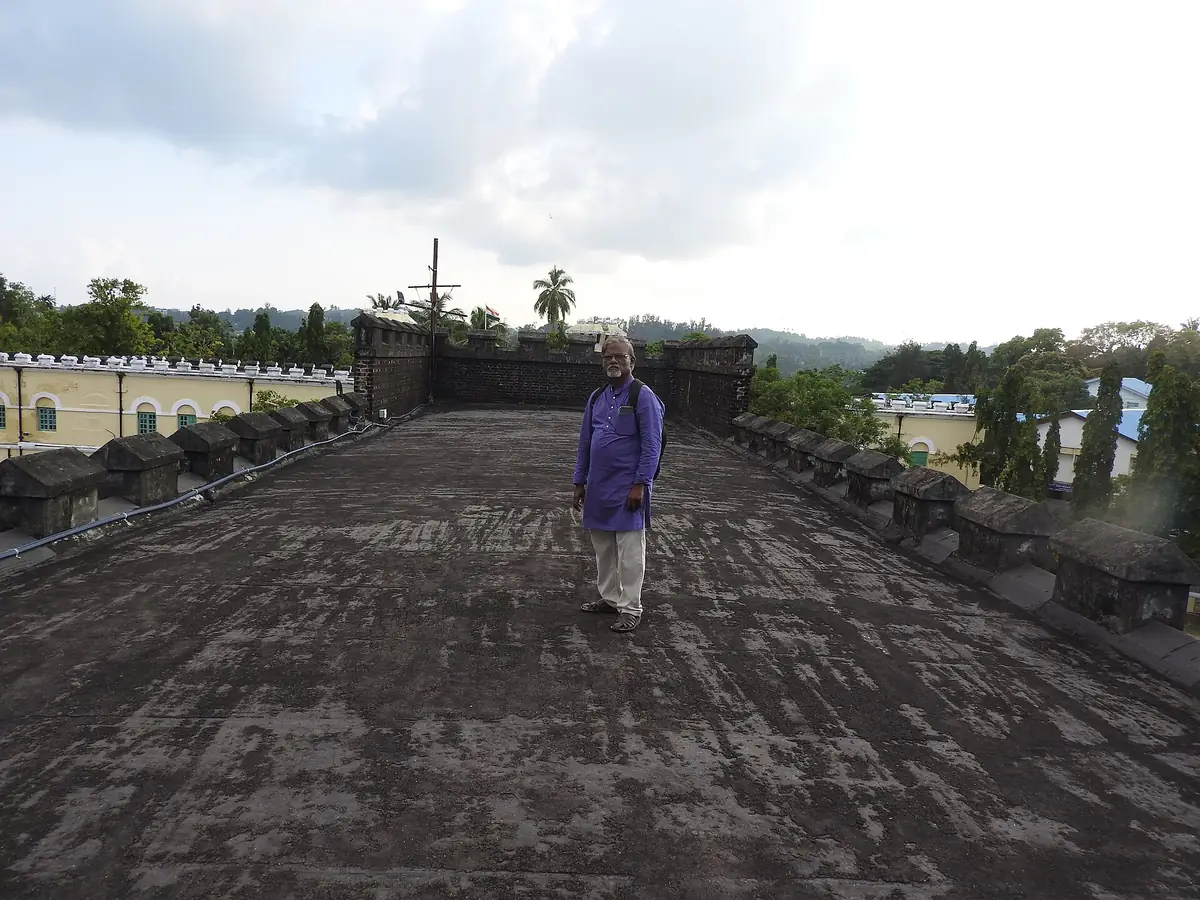
Cellular Jail is a year-round indoor-outdoor visit, but timing your day around the evening show matters more than the season.
Arrive a couple of hours before closing to see the cell blocks and galleries in cooler, softer light before the evening show begins.
Cool, dry weather makes walking the open courtyard and queuing for the show far more comfortable than in the humid summer months.
Our pick: Arrive by mid-afternoon, tour the museum unhurried, then stay on for the evening Light and Sound Show — the two together make for a full, unforgettable visit.
How to Reach Cellular Jail
Cellular Jail sits centrally within Sri Vijaya Puram (Port Blair), making it one of the easiest sights in the islands to reach.
- By Taxi/Auto: A short, inexpensive ride from anywhere in the city centre or from Phoenix Bay Jetty.
- On foot: Walkable from several central hotels and Aberdeen Bazaar if you're staying nearby.
History of Cellular Jail
Construction began in 1896 and finished a decade later in 1906, built by the British colonial administration specifically to house political prisoners rather than ordinary criminals. Its pentagonal design — seven wings radiating out from a central watchtower like spokes — meant every cell faced outward, away from other cells, so prisoners could never see or communicate with one another. Each cell measured roughly the same small footprint, built for one occupant in total solitary confinement.
Prisoners were subjected to hard labour, extracting oil from coconuts and grinding grain by hand, alongside routine physical punishment for even minor infractions. The extreme isolation of the islands themselves — weeks from the mainland by ship in that era — compounded the psychological toll, giving rise to the enduring name "Kaala Pani."
Vinayak Damodar Savarkar, later honoured with the Veer ("brave") title, is the most widely known prisoner held here, alongside numerous other revolutionaries associated with India's independence movement. Three of the jail's original seven wings were demolished after independence; the remaining four are preserved today as the National Memorial.
The Museum & Cell Blocks
Inside, visitors can walk through preserved cell blocks, see the original gallows where prisoners were executed, and move through museum galleries documenting the freedom struggle with photographs, artefacts, and written accounts from former prisoners.
- Cell blocks: Walk the narrow corridors and step into individual cells to understand the scale of the isolation prisoners endured.
- The gallows: A sobering, preserved execution site within the jail complex.
- Photo and artefact galleries: Covering the broader Indian independence movement, not just the jail's own history.
- Central watchtower: The hub from which guards could observe all seven original wings simultaneously.
The Light and Sound Show
Held on the jail grounds after the museum closes, the evening Light and Sound Show uses dramatic lighting, narration, and sound design to walk the audience through the jail's history and India's freedom struggle — widely considered one of the best such shows in the country, and an experience that lands even harder once you've already walked the cell blocks in daylight.
Shows typically run in two language slots each evening — commonly Hindi and English — with exact timings shifting slightly by season. Seating is on the jail grounds itself, so arrive a little early to get a comfortable spot.
Suggested Visit Plan (Half-Day)
Museum & Cell Blocks
- ✓Arrive 2-3 hours before closing
- ✓Walk the preserved cell blocks and gallows
- ✓Tour the freedom-struggle photo galleries
Light and Sound Show
- ✓Grab an early dinner nearby or snacks on hand
- ✓Take a seat on the jail grounds before showtime
- ✓Stay for the full narration and lighting sequence
Budget Breakdown
| Expense | Budget | Mid-Range | Luxury |
|---|---|---|---|
| Museum entry | ₹30–50 | ₹30–50 | ₹30–50 |
| Light & Sound Show ticket | ₹50–100 | ₹50–100 | ₹50–100 |
| Transport (round trip) | ₹150 | ₹400 | ₹800 |
| Total (approx.) | ₹230 | ₹500 | ₹950 |
* Figures are per person. See our Sri Vijaya Puram (Port Blair) guide for a fuller city budget.
Essential Tips
- Check show timings on arrival: Language slots and exact start times shift seasonally — confirm at the ticket counter when you arrive for the museum.
- Dress respectfully: This is a solemn memorial site, not a casual attraction — modest, comfortable clothing is appropriate.
- Carry water: The daytime courtyard walk has limited shade, especially in warmer months.
- Combine with a city day: Pair it with Corbyn's Cove or the Chatham Saw Mill earlier in the day — see our Sri Vijaya Puram (Port Blair) guide for the full day plan.
✅ Do
- →Stay for the evening Light and Sound Show
- →Arrive with time to walk the galleries unhurried
- →Confirm show timings at the ticket counter
- →Carry water for the open courtyard walk
- →Combine with other Port Blair sights same day
❌ Don't
- →Rush through in under an hour
- →Skip the Light and Sound Show to save time
- →Treat the site casually — it's a memorial
- →Assume showtimes are fixed year-round
- →Visit at midday without water in summer
Frequently Asked Questions
Why is Cellular Jail called Kaala Pani?
"Kaala Pani" (Black Water) was the nickname prisoners and the wider Indian public gave to Cellular Jail and, more broadly, to transportation to the Andaman Islands. The isolation of the islands, the harsh solitary-confinement design of the jail, and the sense of being cut off from the mainland made it feel like a fate worse than death for many freedom fighters sent there.
Who was imprisoned at Cellular Jail?
Cellular Jail held numerous Indian freedom fighters and political prisoners through the early 20th century, most famously Vinayak Damodar Savarkar (Veer Savarkar), who spent years there in solitary confinement. The airport in Port Blair is named after him.
What are the timings for the Light and Sound Show?
The show typically runs in two slots each evening — commonly an earlier Hindi show and a later English show (or vice versa, depending on the season) — held on the jail grounds after the museum closes for the day. Exact timings shift seasonally, so confirm locally or with your hotel on the day of your visit.
How much time should I set aside for Cellular Jail?
Budget 1.5-2 hours for the museum galleries and cell blocks in the afternoon, plus roughly 45 minutes to an hour for the evening Light and Sound Show — the two are best done as a single extended visit rather than separate trips.
Is Cellular Jail suitable for children?
Yes, though some of the historical content — descriptions of torture and harsh punishment — is sobering rather than light entertainment. It's a genuinely educational stop for older children and a moving one for adults with an interest in India's independence history.
Is Cellular Jail wheelchair accessible?
The main courtyard and ground-floor galleries are reasonably walkable, but the jail's original stone stairways and upper-level cell blocks have limited accessibility — check with staff on arrival if mobility is a concern.
Published by the Kudozz Club editorial team · Last updated · How we research our guides
Want us to plan this trip for you?
Tell Kudozz Club where you want to go and what kind of trip you’re looking for. We’ll build a Cellular Jail and Andaman itinerary around your dates and budget.
Continue Exploring
View all guides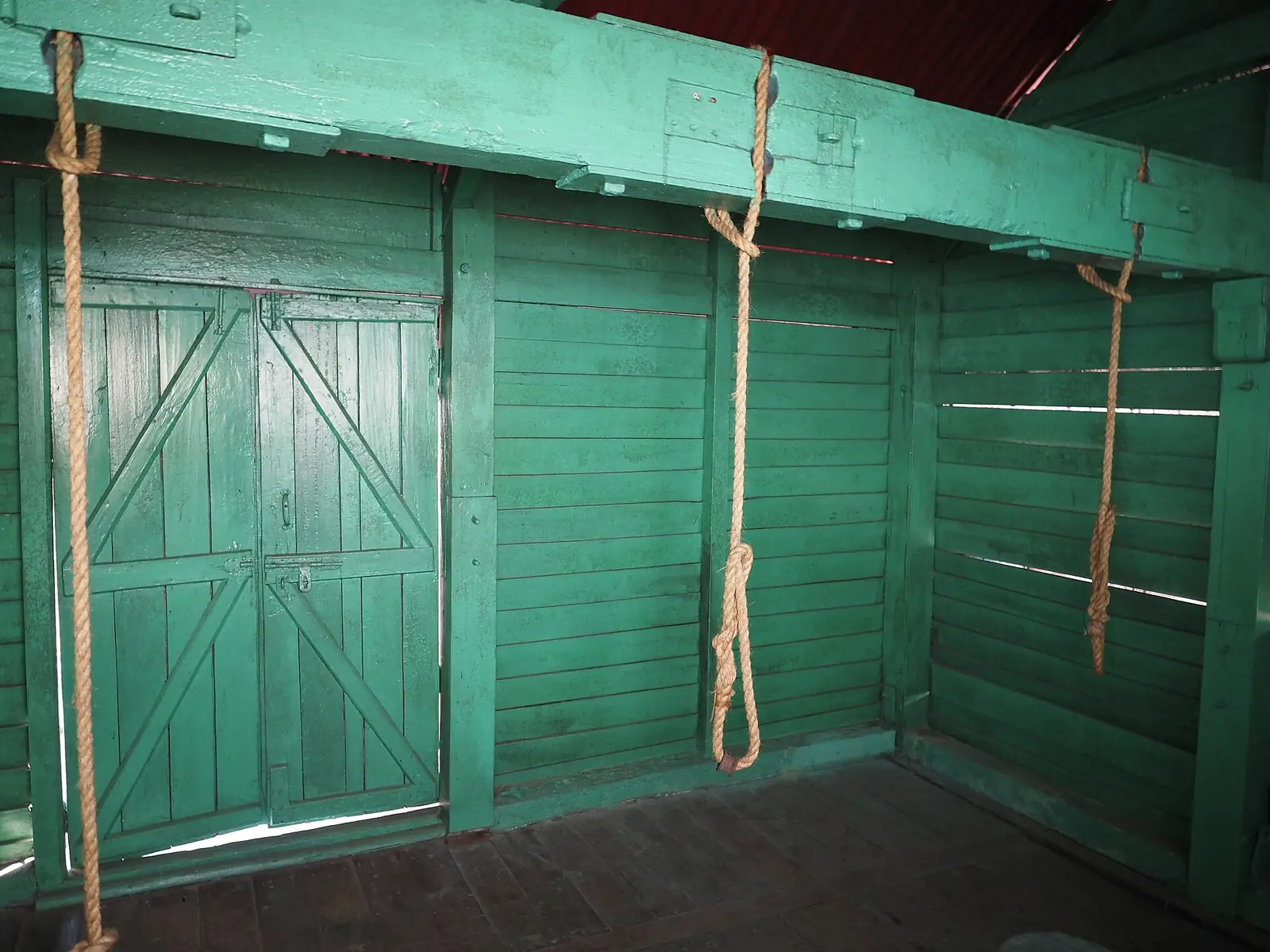 Destination Guide
Sri Vijaya Puram (Port Blair) Travel Guide: Sights & Tips
The capital of the Andaman & Nicobar Islands and the gateway almost every traveller passes through — Cellular Jail, Corbyn's Cove, and the ferries onward.
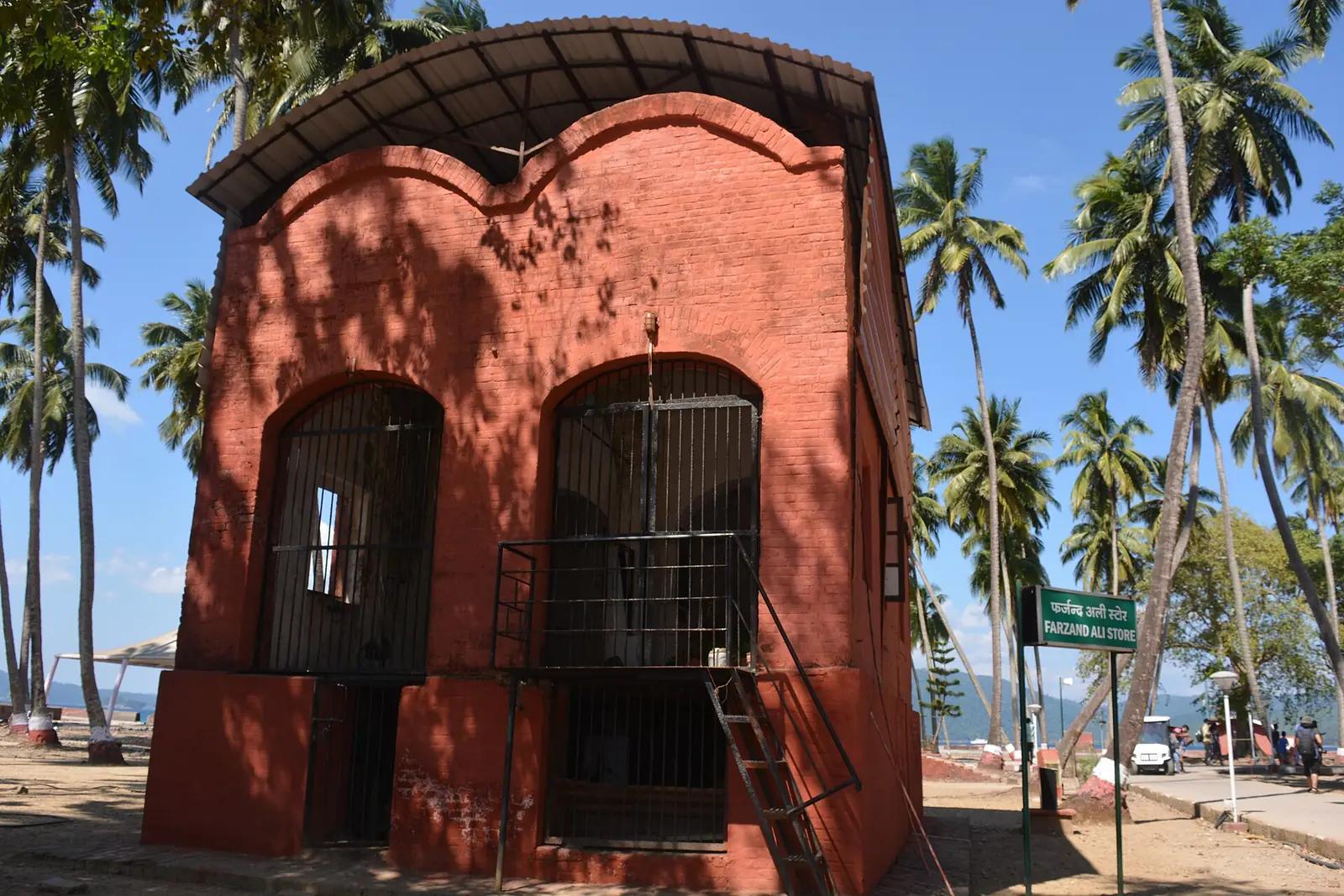 Heritage
Ross Island Travel Guide: Ruins, History & How to Visit
Once the 'Paris of the East' and the British administrative capital of the Andamans — now silent ruins overtaken by strangler figs, roamed by deer and peacocks.
 Things to Do
Things to Do in Port Blair (Sri Vijaya Puram): Cellular Jail, Islands & Sunsets
Things to do in Port Blair: the Cellular Jail and its light show, Ross Island, North Bay's corals, Corbyn's Cove, Chidiya Tapu sunset, the Samudrika and Anthropological museums, Wandoor and Jolly Buoy, Mount Harriet and a day trip to Baratang.
 Trekking
Mount Manipur (Mount Harriet) Travel Guide: Trek & Views
South Andaman's highest point, across the harbour from Port Blair — colonial-era ruins, forest trails, and panoramic views over Ross Island and North Bay.