Why Chhattisgarh?
Carved out of Madhya Pradesh in 2000, Chhattisgarh is one of India's least-visited states, and also one of its most heavily forested — nearly 44% of the state is under forest cover, among the highest proportions in the country. That forest, combined with a genuinely deep tribal heritage, is what makes Chhattisgarh worth the trip.
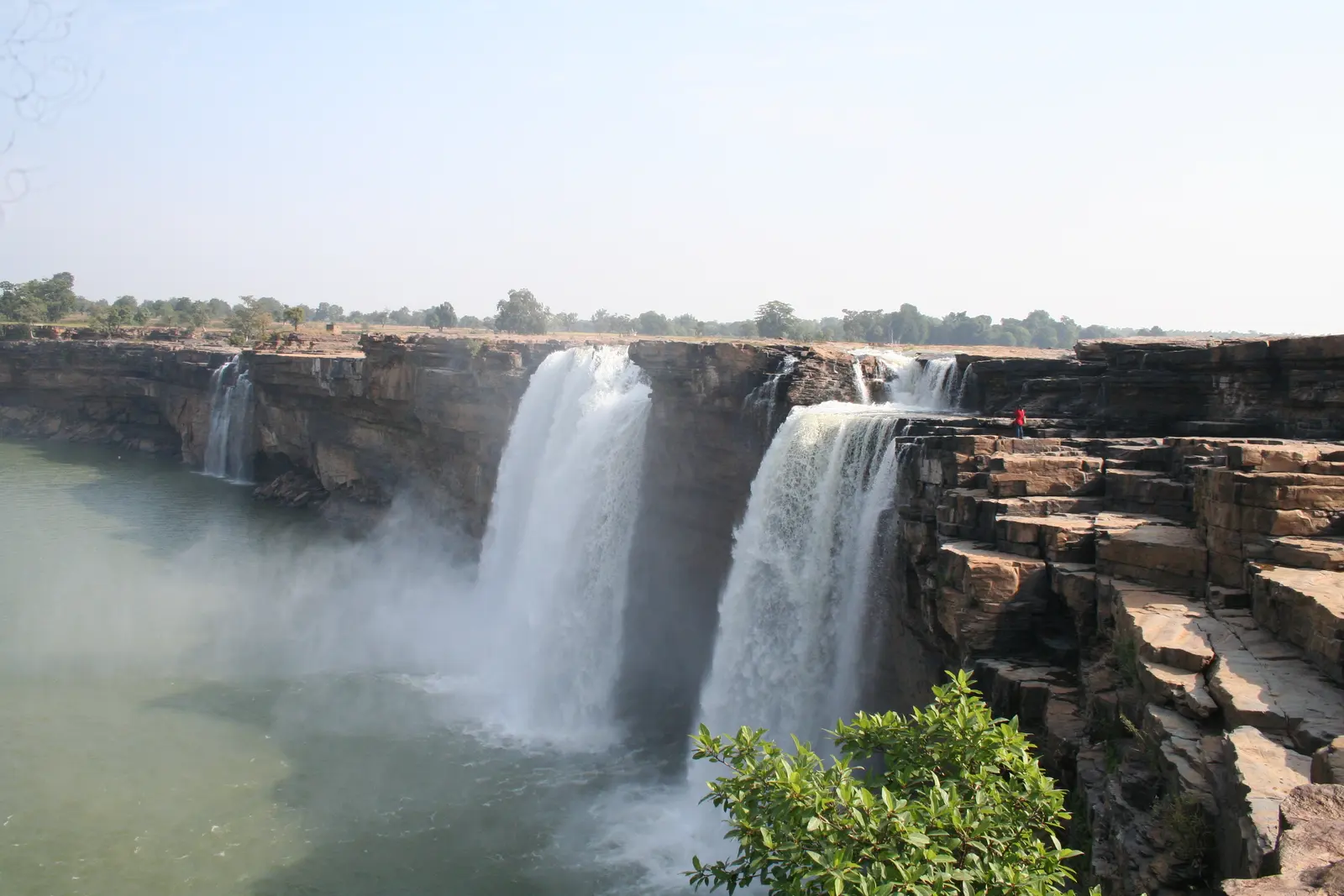
The headline attraction is Chitrakote Falls, a horseshoe-shaped waterfall on the Indravati river near Jagdalpur that's often nicknamed the "Niagara of India" — at peak flow it runs noticeably wider than Niagara Falls, even if it isn't as tall. Beyond the falls, the Bastar region is home to some of India's richest surviving tribal culture, anchored by the Bastar Dussehra, a festival tradition that runs for over 75 days, among the longest continuous festival cycles anywhere in the country.
Chhattisgarh sees a fraction of the visitors that neighbouring Madhya Pradesh does, which means genuinely empty viewpoints and trails, but also real gaps in tourist infrastructure once you leave Raipur — plan with flexibility and treat this as an off-the-beaten-path trip, not a polished one.
🌲 Chhattisgarh at a Glance
Best Time to Visit Chhattisgarh
Chhattisgarh has a hot, humid climate with a strong monsoon — timing genuinely changes both the comfort of travel and how dramatic Chitrakote Falls looks.
Cool, dry, and pleasant (12–28°C) — the most comfortable window for exploring Bastar, Kanger Valley, and Jagdalpur without heat or rain slowing you down.
Temperatures climb sharply, often past 40°C in the plains around Raipur — outdoor sightseeing is best done early morning.
Chhattisgarh receives substantial monsoon rain; rural Bastar roads and Kanger Valley's cave paths can become genuinely difficult to access.
Just after monsoon, the Indravati runs full and Chitrakote Falls is at its widest and loudest — spectacular, but overlapping with harder travel conditions.
Our pick: If comfortable travel across the whole state matters more than the falls at their peak, go October to February. If Chitrakote Falls at full force is the priority, plan for late September or early October and accept a bit more mud and heat along the way.
How to Reach Chhattisgarh
- By Air: Swami Vivekananda Airport (RPR) in Raipur is the state's main gateway, with regular flights from Delhi, Mumbai, Bengaluru, Kolkata, and other major cities.
- By Rail: Raipur and Bilaspur are the two major railway junctions in the state, both well connected to the wider Indian rail network.
- By Road: Raipur is linked by national highways to Nagpur, Bhubaneswar, and other regional hubs, though onward travel to Bastar and Jagdalpur still takes several hours by road.
Chitrakote Falls: The Niagara of India
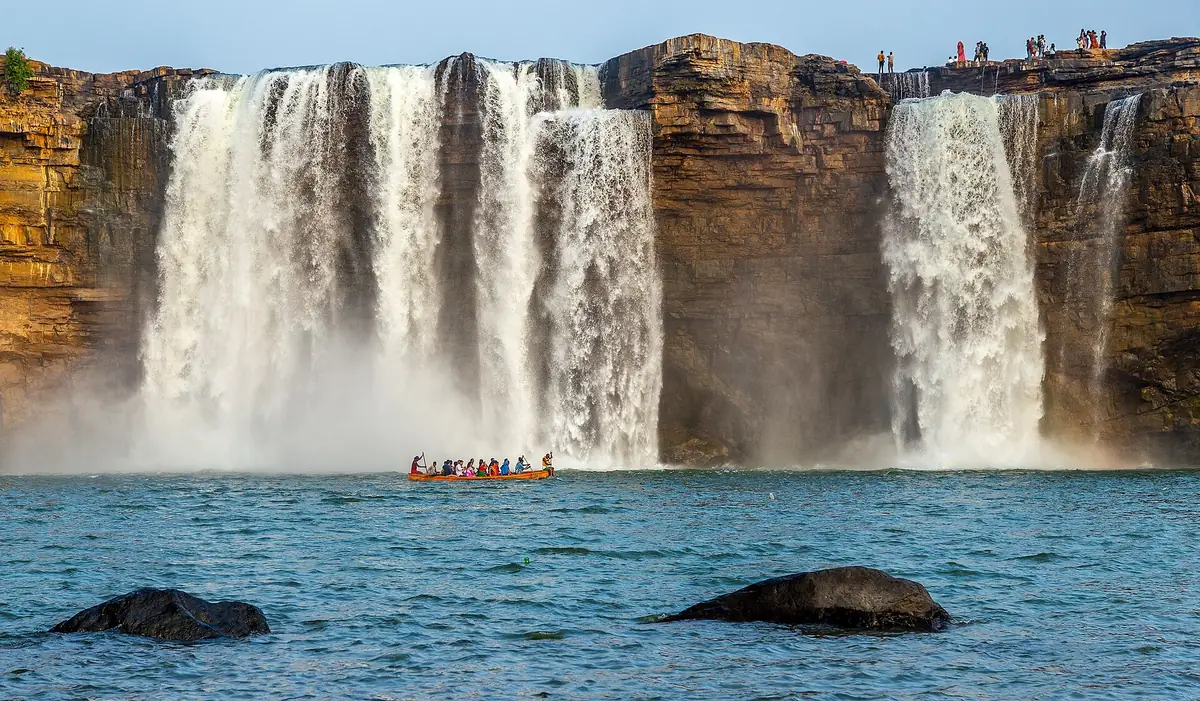
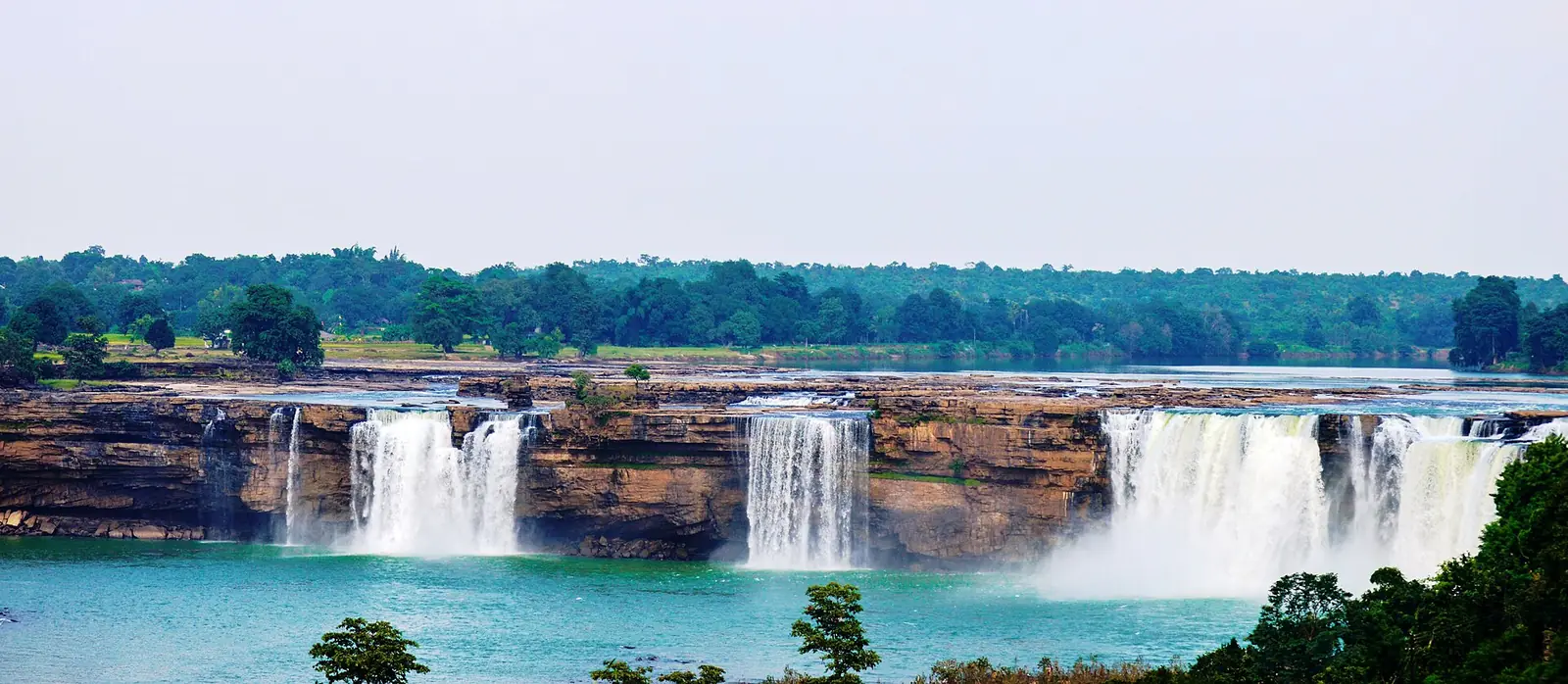
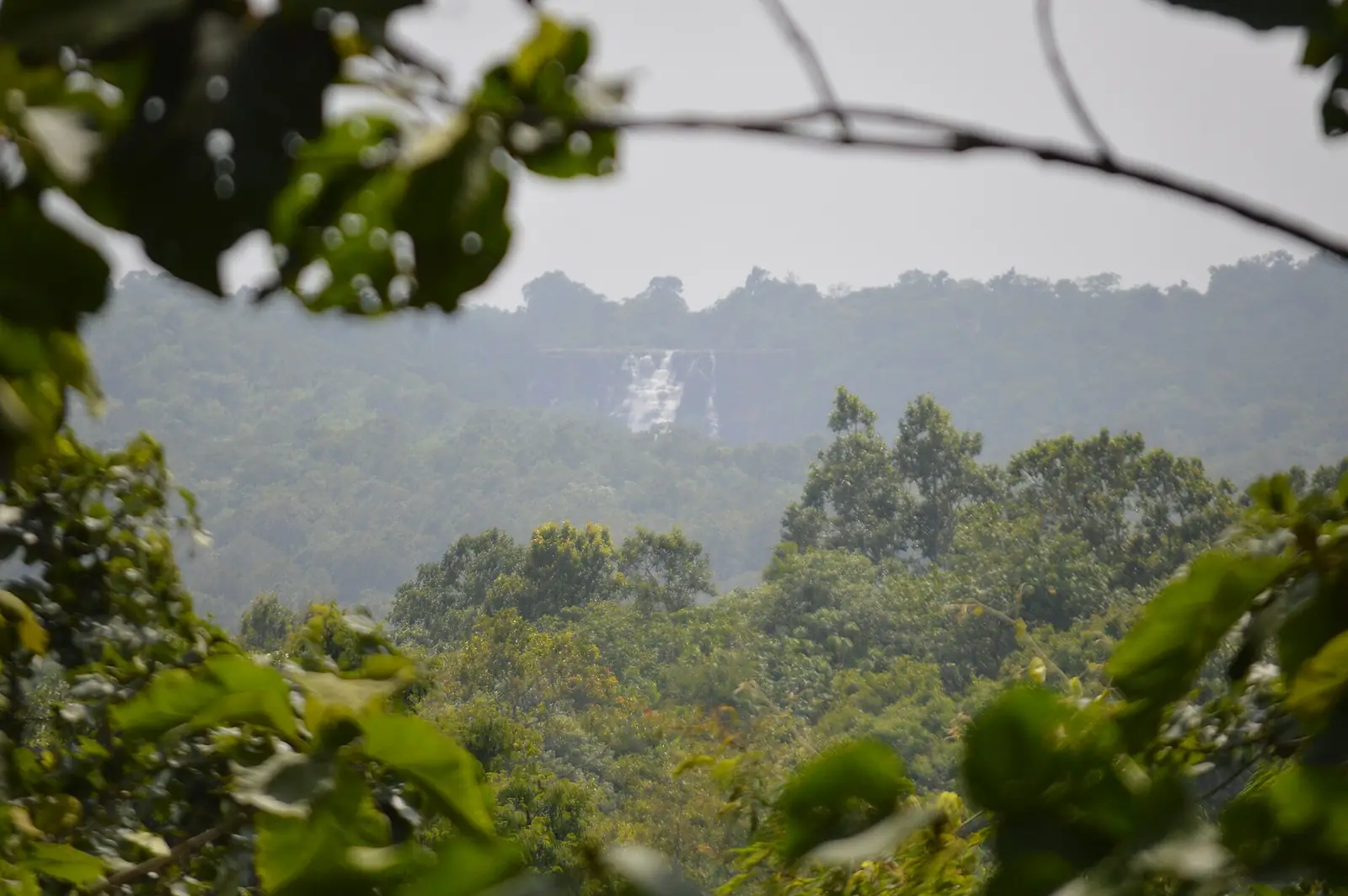
Chitrakote Falls sits on the Indravati river, roughly 38 km from Jagdalpur, and is a horseshoe-shaped waterfall that spreads dramatically wide during and after monsoon — at peak flow, its width genuinely exceeds Niagara Falls, though its drop of around 29 metres is nowhere near as tall.
- Post-monsoon peak: Roughly August to October, when the Indravati runs full and the falls are at their widest and loudest — the single best time to see them.
- Dry-season contrast: Outside monsoon, the falls thin out considerably into multiple smaller cascades, still scenic but far less dramatic than the "Niagara of India" reputation suggests.
- Viewpoints and boat rides: Multiple viewpoints overlook the falls, and local boat operators offer short rides on the river below during calmer water conditions.
Bastar: Tribal Heartland
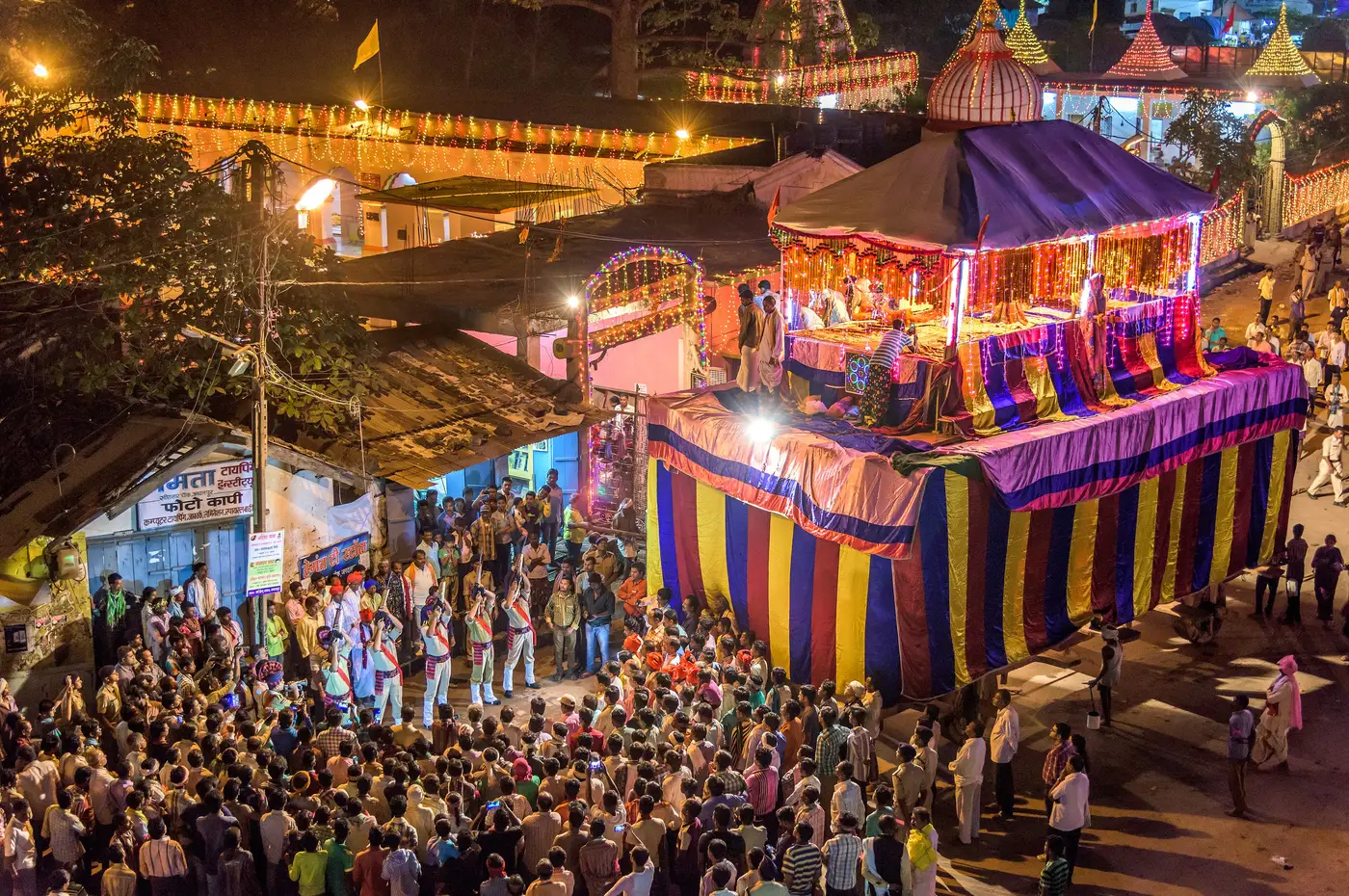
The Bastar region, centred on Jagdalpur, is home to some of India's most intact tribal culture, including the Gond, Muria, and Maria communities, and is the region most travellers come to Chhattisgarh for beyond Chitrakote Falls.
- Bastar Dussehra: An extraordinary festival tradition running for over 75 days, among the longest continuous festival cycles in India, distinct from the Dussehra celebrated elsewhere in the country and rooted in local tribal and royal history.
- Dhokra metal casting: A traditional lost-wax metal casting craft practised by artisans across Bastar, producing distinctive figurines and decorative pieces — genuinely worth seeking out directly from artisan villages.
- Terracotta art: Bastar's tribal terracotta work, often depicting animals and deities, is another significant craft tradition rooted in local village practice.
- Weekly tribal haats: Rotating weekly markets held across Bastar's villages, where tribal communities trade produce, crafts, and goods — a far more grounded way to experience local life than any formal tourist site.
Kanger Valley, Sirpur & Raipur
- Kanger Valley National Park: A biodiversity-rich forest reserve near Jagdalpur, home to limestone caves including Kotumsar Cave, along with several waterfalls and a wide range of Central Indian flora and fauna.
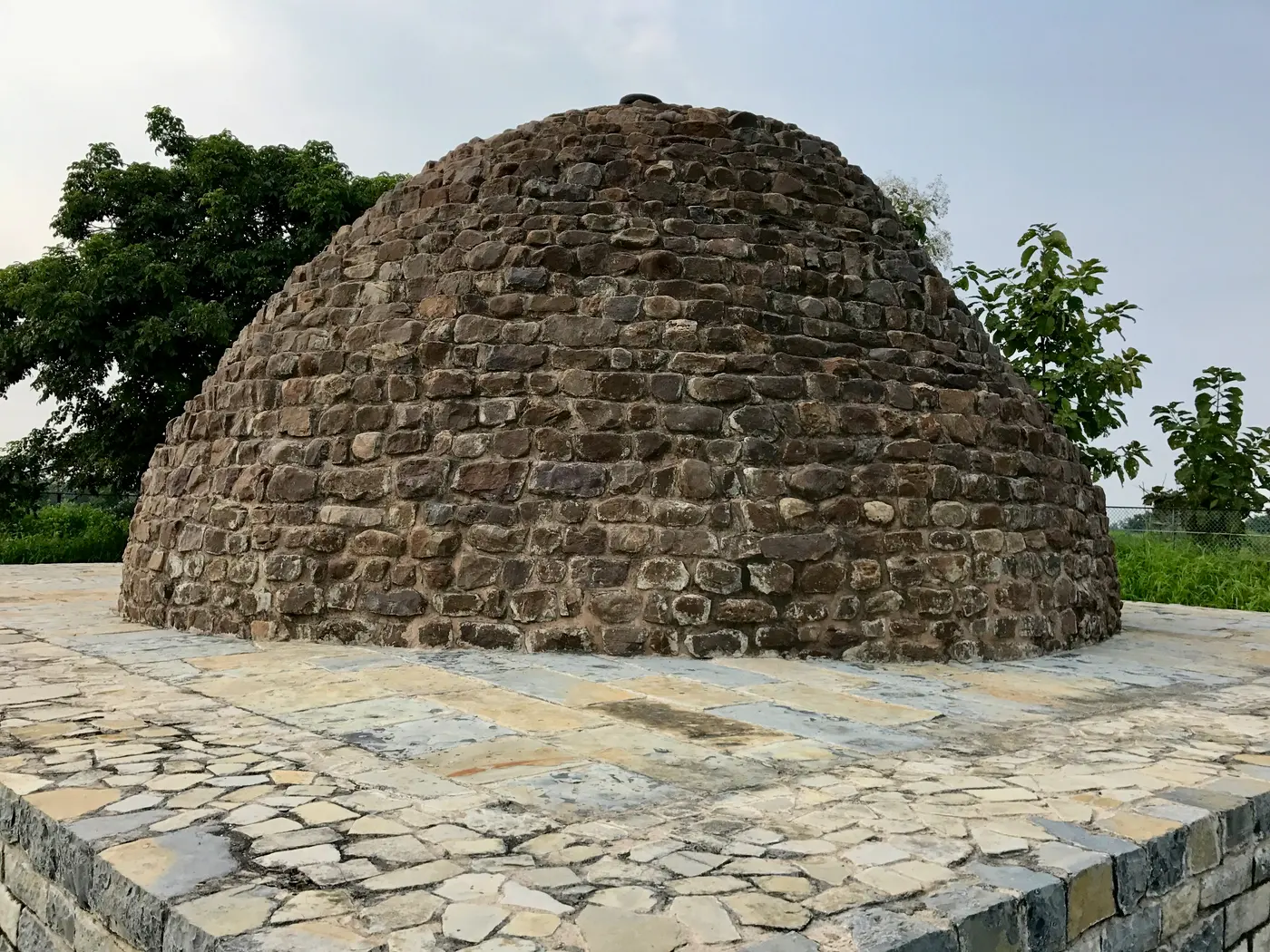
- Sirpur: An ancient archaeological site with excavated Buddhist monastery ruins dating back well over a thousand years, offering a very different side of Chhattisgarh's history from its tribal heritage.
- Raipur: The state capital, worth a day for the Mahant Ghasidas Memorial Museum, which holds a strong collection of tribal artefacts and regional history, alongside the city's more standard urban sightseeing.
Where to Stay
Accommodation is concentrated in Raipur and Jagdalpur — outside these two towns, options thin out significantly, so plan day trips to Chitrakote and Kanger Valley accordingly.
- → Guesthouses and lodges, Jagdalpur
- → State tourism board stays, Raipur
- → Basic rooms near Chitrakote Falls
- → Business hotels, Raipur
- → Mid-range hotels, Jagdalpur
- → Resort-style stays near Kanger Valley
- → Premium business hotels, Raipur
- → Select upscale hotels, Jagdalpur
- → Heritage-style stays (very limited)
Base yourself in Jagdalpur for the Bastar and Chitrakote leg of the trip, and in Raipur for the capital and Sirpur — dedicated tourist accommodation elsewhere in the state is genuinely limited.
What to Eat in Chhattisgarh
- Chila: Savoury rice-flour pancakes, often served for breakfast — a Chhattisgarhi staple reflecting the state's rice-belt roots.
- Bafauri: Steamed, then lightly fried dumplings made from ground chana dal, typically served with chutney — a popular local snack.
- Faraa: Steamed rice-flour dumplings, simple and homely, often eaten with a splash of mustard oil.
- Rice-based staples: As with much of Central India's rice belt and its tribal food traditions, rice in various forms forms the backbone of most everyday Chhattisgarhi meals, paired with simple dals and seasonal vegetables.
5-Day Chhattisgarh Itinerary
Five days is a reasonable minimum to cover Raipur, Bastar, Chitrakote Falls, and Kanger Valley without excessive rushing.
Raipur
- ✓Arrive, check in
- ✓Mahant Ghasidas Memorial Museum
- ✓Evening: local market walk in Raipur
Sirpur & Onward to Jagdalpur
- ✓Morning at Sirpur's Buddhist ruins
- ✓Travel onward to Jagdalpur
- ✓Evening arrival and check in
Bastar & Jagdalpur
- ✓Visit a nearby tribal haat (market day permitting)
- ✓Dhokra and terracotta artisan villages
- ✓Explore Jagdalpur town
Chitrakote Falls
- ✓Drive to Chitrakote Falls
- ✓Multiple viewpoints, boat ride if conditions allow
- ✓Return to Jagdalpur
Kanger Valley & Departure
- ✓Kanger Valley National Park, Kotumsar Cave
- ✓Last-minute Jagdalpur sightseeing
- ✓Departure
Budget Breakdown
| Expense | Budget | Mid-Range | Luxury |
|---|---|---|---|
| Accommodation/night | ₹900 | ₹2,700 | ₹6,500 |
| Food/day | ₹400 | ₹900 | ₹2,000 |
| Local transport/day | ₹500 | ₹1,200 | ₹2,800 |
| Activities/day | ₹200 | ₹500 | ₹1,000 |
| Daily total | ₹2,000 | ₹5,300 | ₹12,300 |
| 5-Day trip total | ₹10,000 | ₹26,500 | ₹61,500 |
* Excludes flights to Raipur. Local transport costs are higher than average given the distances between Raipur, Jagdalpur, Chitrakote Falls, and Kanger Valley.
Essential Travel Tips for Chhattisgarh
- Check current travel advisories: Parts of interior Bastar districts have periodically seen security-related travel advisories — confirm the latest guidance before finalising plans and stick to well-established tourist routes around Jagdalpur, Chitrakote, and Kanger Valley.
- Hire a car with driver for day trips: Public transport to Chitrakote Falls and Kanger Valley is limited and slow — a private vehicle is far more practical.
- Carry cash: Card and digital payment acceptance is inconsistent outside Raipur and Jagdalpur's main commercial areas.
- Respect tribal village and haat etiquette: If visiting a weekly tribal market or village, go with a local guide and ask before photographing people or ceremonies.
- Time your trip around Bastar Dussehra if interested: This 75-day-plus festival cycle is one of the most distinctive cultural experiences in the state — check the current year's schedule if it's a priority.
- Book flights well ahead in peak season: Raipur has moderate flight frequency compared to larger metro hubs, and options into Jagdalpur are thinner still.
✅ Do
- →Check current advisories before visiting interior Bastar districts
- →Hire a car with driver for Chitrakote and Kanger Valley
- →Try local dishes like chila, bafauri, and faraa
- →Carry cash for areas outside Raipur and Jagdalpur
- →Ask permission before photographing tribal communities
- →Time your visit around Bastar Dussehra if interested
❌ Don't
- →Travel into unfamiliar interior Bastar areas without checking advisories
- →Rely on public transport for Chitrakote or Kanger Valley
- →Expect Madhya Pradesh-level tourist infrastructure
- →Rely on cards outside Raipur or Jagdalpur's main areas
- →Photograph tribal communities without asking first
- →Skip mosquito precautions on forested day trips
Places to Explore in Chhattisgarh
Every Chhattisgarh guide on Kudozz Club, in one place — 15 destinations covered so far, from cities and towns to individual attractions. Use this index to plan beyond the highlights above.
Frequently Asked Questions
How many days do you need for a Chhattisgarh trip?
Five days is a reasonable minimum to cover Raipur, Bastar, Chitrakote Falls, and Kanger Valley without excessive rushing, following a route that touches Sirpur, Jagdalpur, and the tribal villages around Bastar as well.
What is the best time to visit Chhattisgarh?
October to March is cool, dry, and pleasant (12–28°C) and the most comfortable window for exploring Bastar, Kanger Valley, and Jagdalpur. If seeing Chitrakote Falls at its widest and loudest matters more, plan for late September or early October, just after monsoon, and accept a bit more mud and heat along the way.
Is Chhattisgarh safe for travellers?
Chhattisgarh is generally fine to visit on well-established tourist routes around Raipur, Jagdalpur, Chitrakote Falls, and Kanger Valley, but parts of interior Bastar districts have periodically seen security-related travel advisories. Confirm the latest guidance before finalising plans and stick to established routes rather than unfamiliar interior areas.
How do I reach Chhattisgarh?
Swami Vivekananda Airport (RPR) in Raipur is the state's main gateway, with regular flights from Delhi, Mumbai, Bengaluru, and Kolkata. Raipur and Bilaspur are the two major railway junctions, and Raipur is linked by national highways to Nagpur and Bhubaneswar, though onward travel to Bastar and Jagdalpur still takes several hours by road.
Is Chitrakote Falls worth visiting?
Yes — Chitrakote Falls on the Indravati river, roughly 38 km from Jagdalpur, is a horseshoe-shaped waterfall often nicknamed the 'Niagara of India' because at peak flow its width genuinely exceeds Niagara Falls, even though its roughly 29-metre drop is nowhere near as tall. It's most dramatic post-monsoon (August–October); in the dry season it thins into smaller, still-scenic cascades.
What is Bastar Dussehra?
Bastar Dussehra is an extraordinary festival tradition centred on Jagdalpur that runs for over 75 days, among the longest continuous festival cycles anywhere in India. It's distinct from the Dussehra celebrated elsewhere in the country and is rooted in local tribal and royal history — worth timing a trip around if you're interested in Chhattisgarh's tribal culture.
What is the budget for a Chhattisgarh trip?
A budget traveller can expect a daily total of around ₹2,000, a mid-range traveller around ₹5,300, and a luxury traveller around ₹12,300 per day, covering accommodation, food, local transport, and activities — working out to roughly ₹10,000, ₹26,500, or ₹61,500 respectively for a 5-day trip, excluding flights to Raipur.
Published by the Kudozz Club editorial team · Last updated · How we research our guides
Want us to plan this trip for you?
Tell Kudozz Club where you want to go and what kind of trip you’re looking for. We’ll build a Chhattisgarh itinerary around your dates and budget.
Continue Exploring
View all guides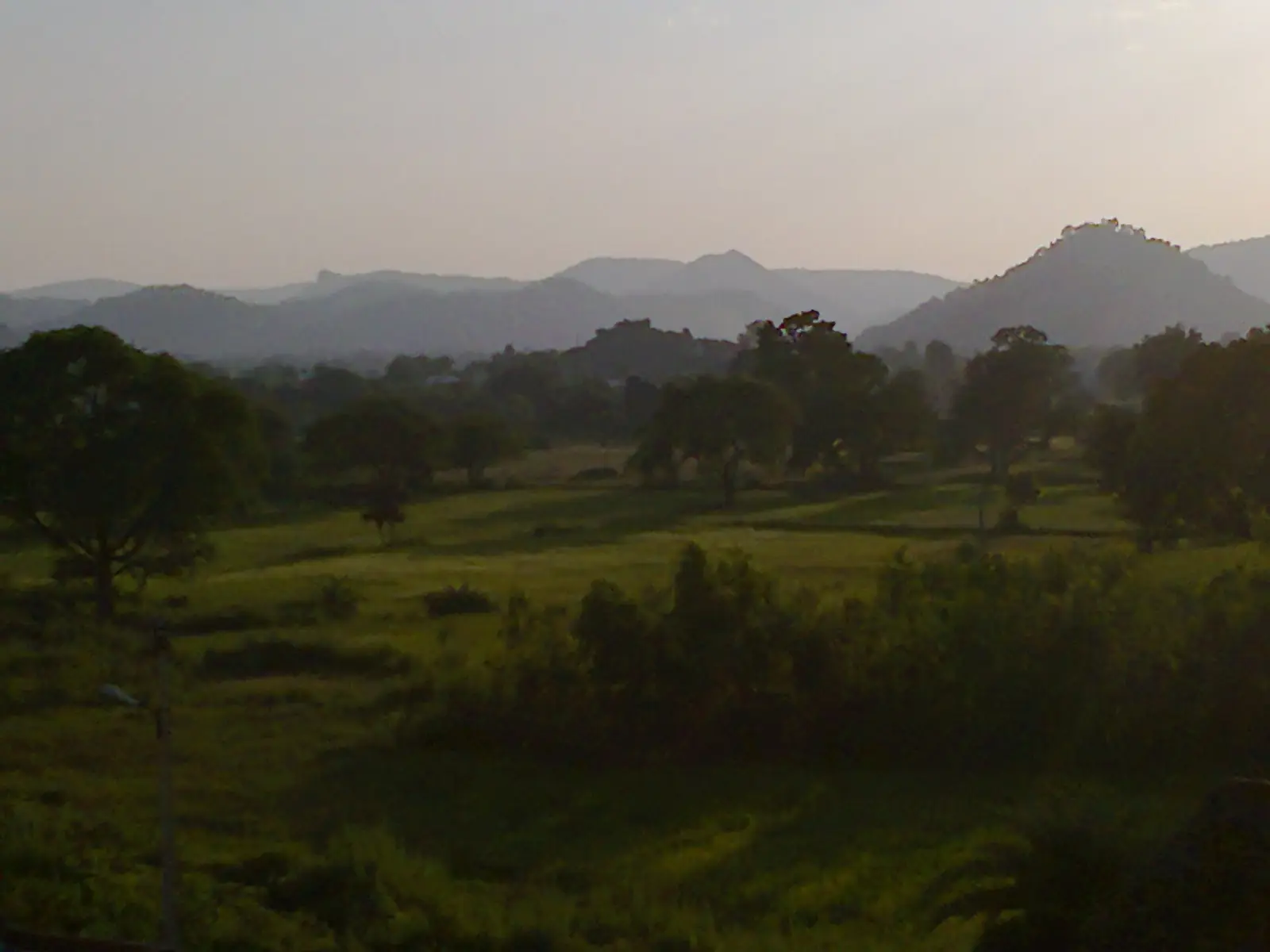 Off-beat
Kanker Travel Guide: Palace Stays & Gateway to Interior Bastar
A former princely palace turned heritage hotel, and one of the quieter entry points into Chhattisgarh's tribal heartland — the complete guide to Kanker.
 Off-beat
Chitrakote Falls Travel Guide: India's Widest Waterfall
A horseshoe-shaped waterfall nearly a kilometre wide on the Indravati River, wide enough to earn the nickname 'Niagara of India' — the complete guide to Chitrakote.
 Off-beat
Bastar Travel Guide: Tribal Culture, Bastar Dussehra & Dandami Art
A 75-day tribal Dussehra festival unlike any other in India, and a district that's home to some of the country's most distinct indigenous cultures — the complete guide to Bastar.
 Adventure
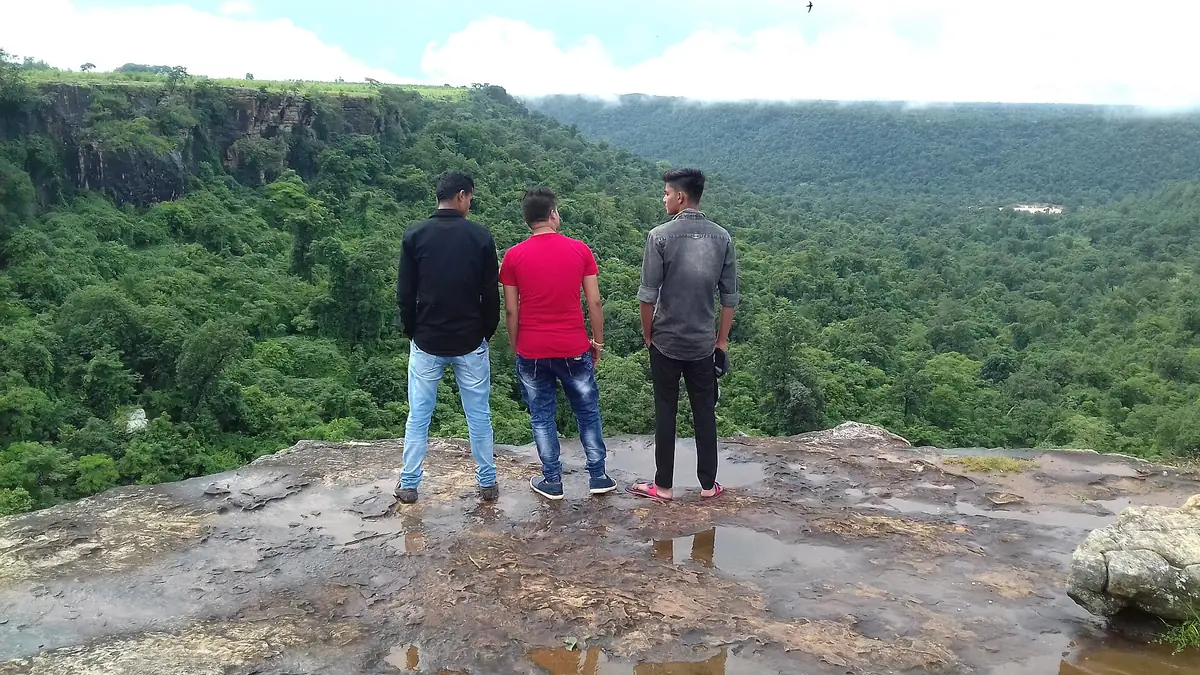
Kanger Valley National Park Travel Guide: Caves, Falls & Wildlife
A national park with limestone caves, two major waterfalls, and one of India's few forests dense enough to still hide wild buffalo — the complete guide to Kanger Valley.