The World's Only Floating Park
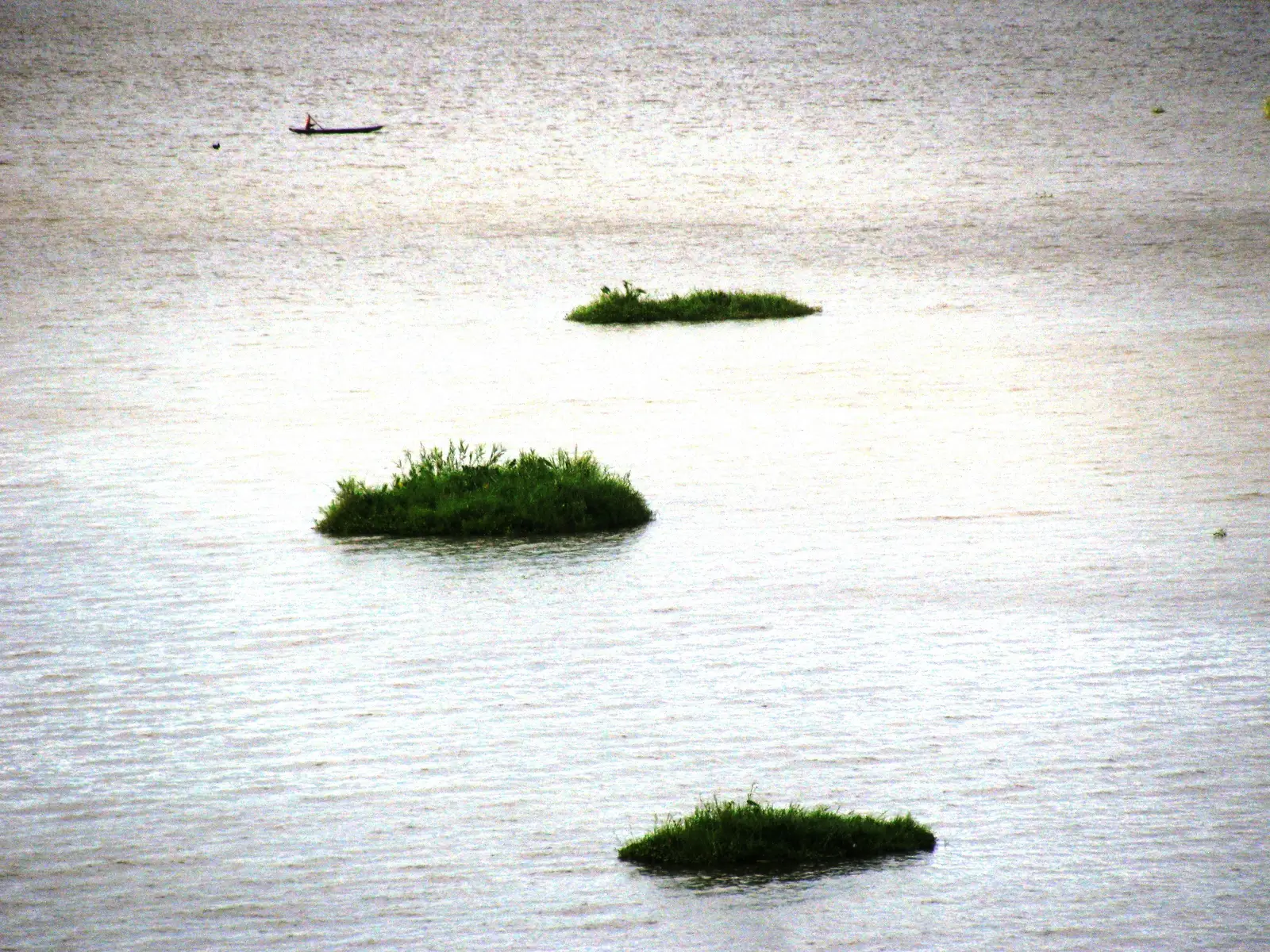
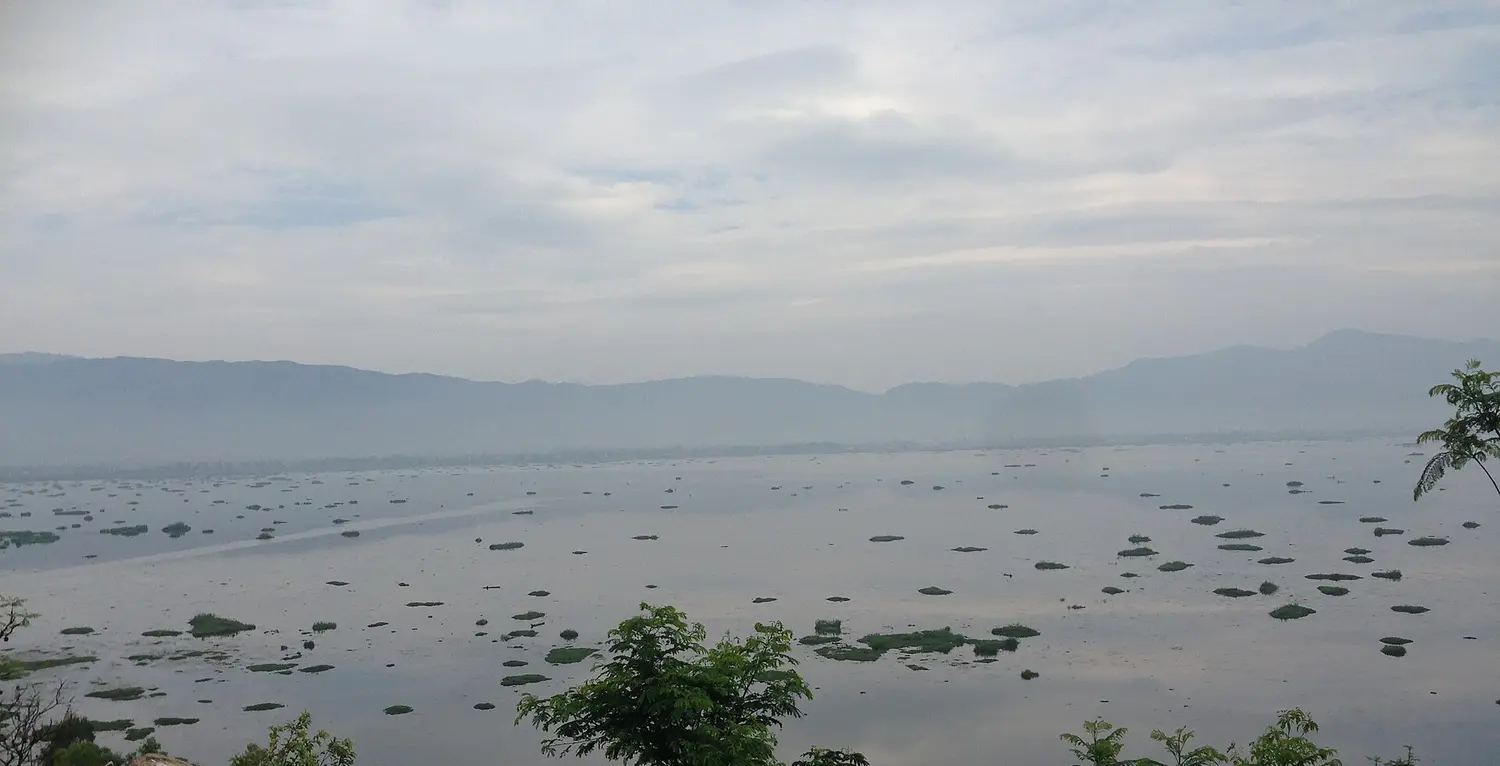
Keibul Lamjao National Park sits inside Loktak Lake in Manipur, and it holds a genuinely unique distinction — it's the world's only floating national park. Its entire terrain, roughly 40 sq km in area, is made of phumdis: floating masses of vegetation, soil, and organic matter that drift on the lake's surface rather than sitting on solid ground.
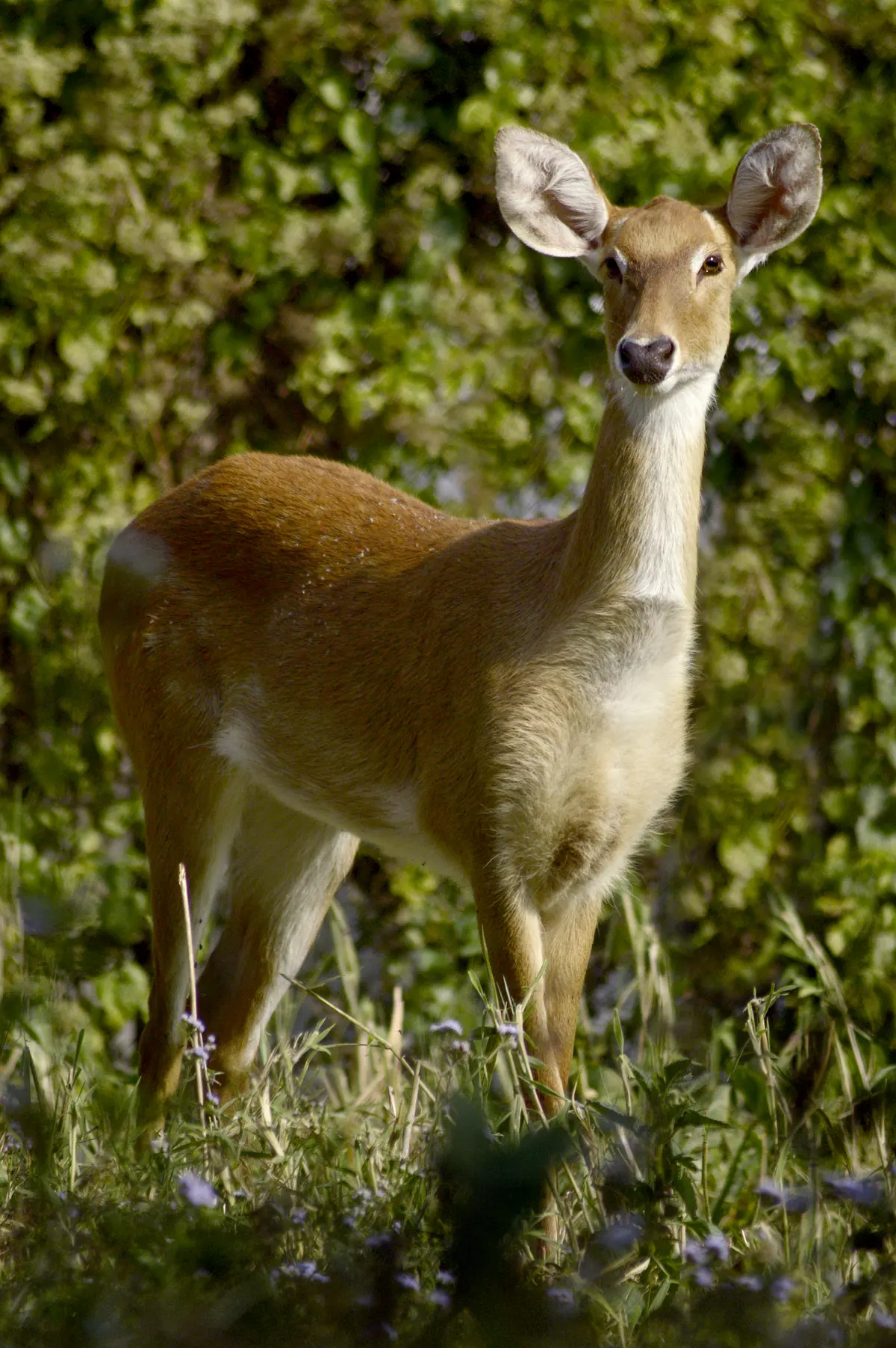
The park exists to protect the Sangai (Rucervus eldii eldii), the brow-antlered deer that is Manipur's state animal. Keibul Lamjao is the only place left in the world where the Sangai survives in the wild, which makes this small, unusual wetland park disproportionately important for the species' conservation.
Beyond the Sangai, the park's phumdis and open water support a range of birdlife and other wetland species, making it worthwhile even beyond the headline attraction — though the floating deer habitat is genuinely the reason most visitors make the trip.
🦌 Keibul Lamjao at a Glance
Planning a wildlife trip? See our guide to where to see wildlife in India.
Best Time to Visit Keibul Lamjao
Because the park's ground is literally floating vegetation, the season affects more than just comfort — it changes how firm and accessible the phumdis actually are.
The phumdis are firmer and more stable, visibility is better, and boat safaris run more reliably — the best window for spotting the Sangai.
Heavy rain waterlogs and destabilizes the phumdis. Safaris may be limited or suspended, and conditions inside the park are far less predictable.
Still generally accessible, but warming and humidity are rising ahead of the rains — an acceptable but not ideal window.
Conditions are improving as the rains recede, though the phumdis may still be softer than in peak dry season.
Our pick: November to April — firmer phumdis, clearer boat access, and the best odds of spotting the Sangai and resident birdlife.
How to Reach Keibul Lamjao
- Via Imphal: Fly into Imphal, Manipur's main gateway, then travel by road toward Moirang, the lake's main gateway town.
- Via Moirang: Keibul Lamjao is reached via Moirang, roughly 45–50 km from Imphal by road — most visitors hire a car with driver for the day trip.
- Into the park: From the lakeside access point near Moirang, guided boat safaris (run through the forest department) take visitors into the park itself — there's no walking or driving directly onto the phumdis.
The Park & the Sangai
Guided Boat Safaris
Because the park is made of floating phumdis rather than solid ground, exploring it means boat safaris through forest department boats and guides — there's no fixed trail network like a conventional park.
Spotting the Sangai
Boats approach at a respectful distance to avoid disturbing the deer, so patience and a decent pair of binoculars go a long way. Early morning is generally the quietest and most productive time on the water.
Birdlife and Wetland Species
Beyond the Sangai, the park's mix of open water and floating vegetation supports a variety of resident and seasonal birdlife, making the boat ride worthwhile even between deer sightings.
Photography
The scenery itself — thick mats of floating vegetation stretching across open water — is unusual enough to be worth photographing on its own, independent of any wildlife sightings.
Where to Stay
Keibul Lamjao has essentially no accommodation of its own — this is a day-trip destination, and lodging is realistically back in Imphal, with a handful of guesthouses near Moirang and Loktak Lake for those who want to stay closer.
- → Basic guesthouses
- → Homestays
- → Very limited options
- → Guesthouses
- → Tourist lodges
- → Business hotels
- → Boutique stays
Base yourself in Imphal and treat Keibul Lamjao as a day trip via Moirang — dedicated accommodation right at the park simply doesn't exist.
Suggested Visit Plan (Day Trip from Imphal)
Imphal to Moirang
- ✓Early departure from Imphal (~45–50 km)
- ✓Arrive at the Loktak Lake / Moirang boat access point
- ✓Board a forest department boat into the park
Inside the Park
- ✓Guided boat safari through the phumdis
- ✓Look for the Sangai and resident birdlife
- ✓Photograph the floating landscape
Moirang & Return
- ✓Optional stop at the Moirang INA Museum nearby
- ✓Lunch in Moirang or back in Imphal
- ✓Return to Imphal by evening
Keibul Lamjao pairs naturally with a wider Loktak Lake visit — most travelers combine the two into a single day trip from Imphal.
Food Nearby
- Carry snacks and water: There's little to no food service directly at the park's boat access point, so bring your own for the safari itself.
- Eat in Moirang: Small local eateries in Moirang town serve basic Manipuri meals — a reasonable stop before or after the safari.
- Save the proper meal for Imphal: Manipuri staples like eromba and chak-hao kheer are easier to find with more variety back in Imphal.
Budget Breakdown
| Expense | Budget | Mid-Range | Luxury |
|---|---|---|---|
| Car with driver (day trip) | ₹2,000 | ₹3,500 | ₹6,000 |
| Boat safari (per boat) | ₹500 | ₹1,000 | ₹2,000 |
| Imphal hotel/night | ₹1,000 | ₹3,000 | ₹6,000 |
| Food/day | ₹400 | ₹800 | ₹1,500 |
* Boat safaris are typically charged per boat rather than per person — splitting the cost across a group brings the per-head price down significantly.
Essential Tips for Visiting Keibul Lamjao
- Carry your Inner Line Permit: Manipur requires an ILP for visitors from outside the state, in effect since December 2019 — arrange it before travel.
- Go early morning: The calmest water and the best chance of spotting the Sangai come in the early hours before the day heats up.
- Book through official forest department boats: Use designated operators rather than informal arrangements for a safer, properly guided safari.
- Keep a respectful distance: The Sangai is endangered and easily disturbed — let guides control how close the boat approaches.
✅ Do
- →Carry your Inner Line Permit for Manipur
- →Visit in the Nov–Apr dry season for best access
- →Book an early morning boat safari
- →Use official forest department boat operators
- →Carry binoculars for spotting the Sangai and birds
- →Pack water and snacks for the safari
❌ Don't
- →Expect to find accommodation right at the park
- →Visit during peak monsoon without checking access
- →Book informal, unlicensed boat operators
- →Approach the Sangai closer than guides advise
- →Skip the ILP paperwork before traveling
- →Rush the visit into less than half a day
Frequently Asked Questions
What makes Keibul Lamjao unique?
It's the world's only floating national park — its entire terrain is made of phumdis, floating masses of vegetation, soil, and organic matter drifting on Loktak Lake. There's no other national park like it anywhere.
What is the Sangai deer?
The Sangai (Rucervus eldii eldii), also called the brow-antlered deer, is an endangered species and Manipur's state animal. Keibul Lamjao is the only place in the world where it survives in the wild.
How do I visit Keibul Lamjao National Park?
You reach it via Moirang, the main gateway town on Loktak Lake, roughly 45–50 km from Imphal. From there, guided boat safaris run by the forest department take visitors into the park to spot the Sangai and birdlife from a respectful distance.
When is the best time to visit?
November to April, during the dry season, when the phumdis are firmer and visibility is better. During the monsoon (roughly June–September), the phumdis become waterlogged and unstable, and boat safaris may be limited or suspended.
Where should I stay to visit Keibul Lamjao?
There's no real accommodation inside the park itself. Most visitors base themselves in Imphal and do Keibul Lamjao as a day trip, with occasional guesthouses available near Moirang and Loktak Lake.
Published by the Kudozz Club editorial team · Last updated · How we research our guides
Want us to plan this trip for you?
Tell Kudozz Club where you want to go and what kind of trip you’re looking for. We’ll build a Keibul Lamjao National Park and Manipur itinerary around your dates and budget.
Continue Exploring
View all guides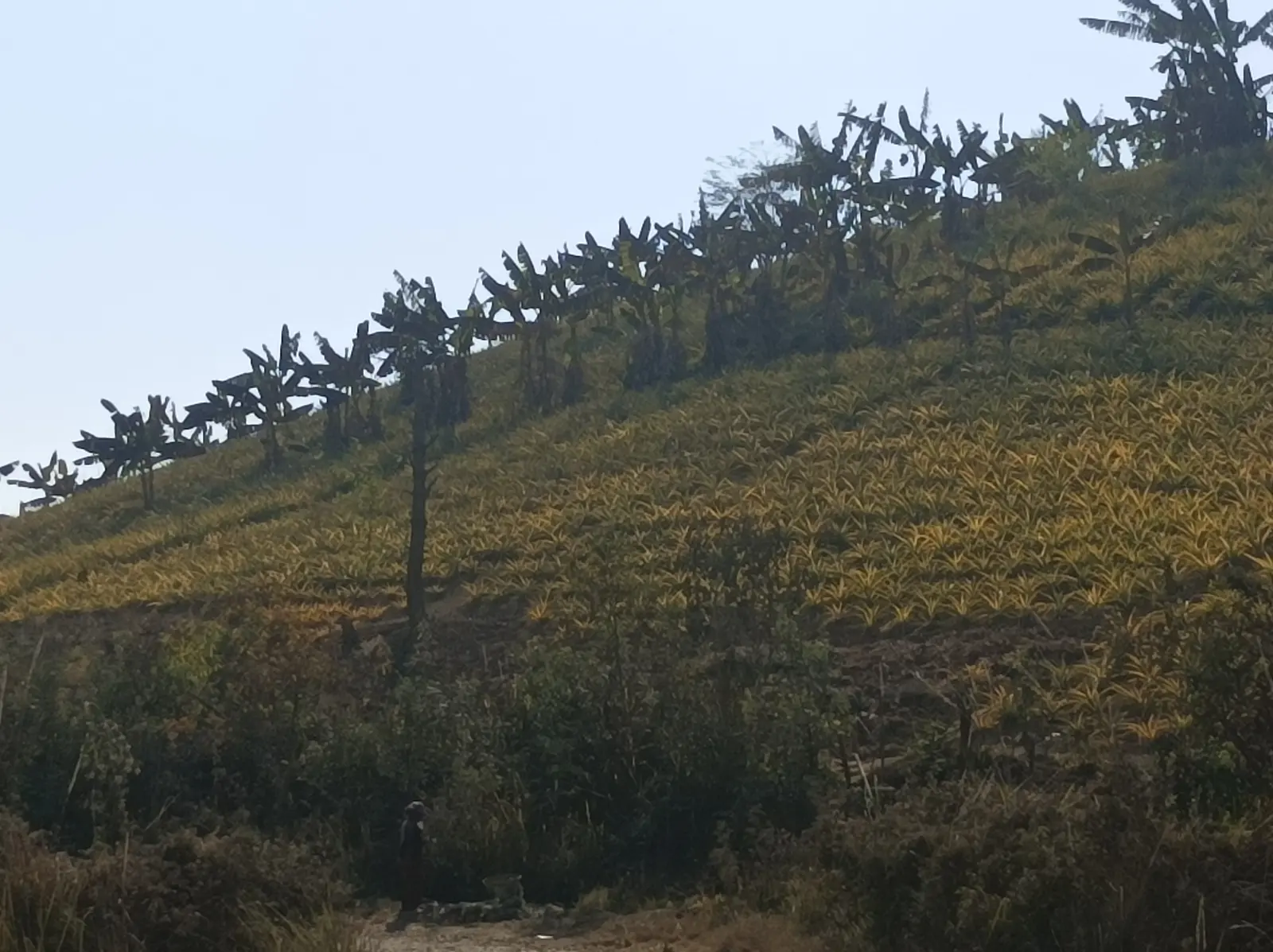 Off-beat
Kangpokpi Travel Guide: Pineapple Hills Near Imphal
A cool Kuki-Zo hill town on NH2 known for its pineapple harvest, forested slopes and quiet waterfalls, just a short drive north of Imphal — the complete guide to Kangpokpi.
 Off-beat
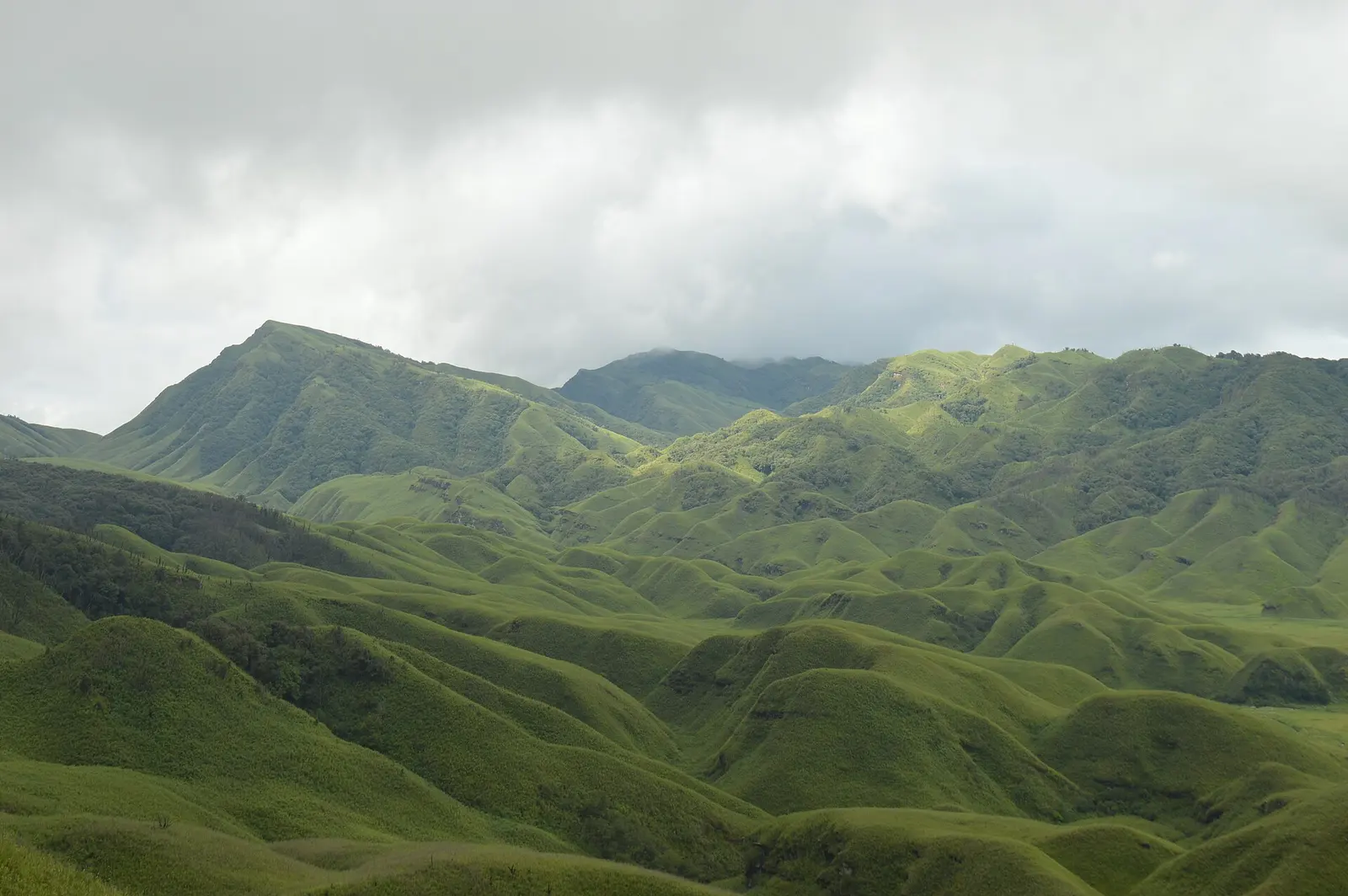
Senapati Travel Guide: Mao Gate, King Chilli & Naga Hills
Terraced Naga hill farms growing one of the world's hottest chillies, and the road gateway where Manipur meets Nagaland at Mao Gate — the complete guide to Senapati.
 Off-beat
Manipur Travel Guide: Loktak Lake, Imphal & Kangla Fort
Floating islands drifting across a shimmering lake, the world's only floating national park, and a market run entirely by women for centuries — the complete guide to Manipur.
 Off-beat
Moreh Travel Guide: India's Border Town to Myanmar
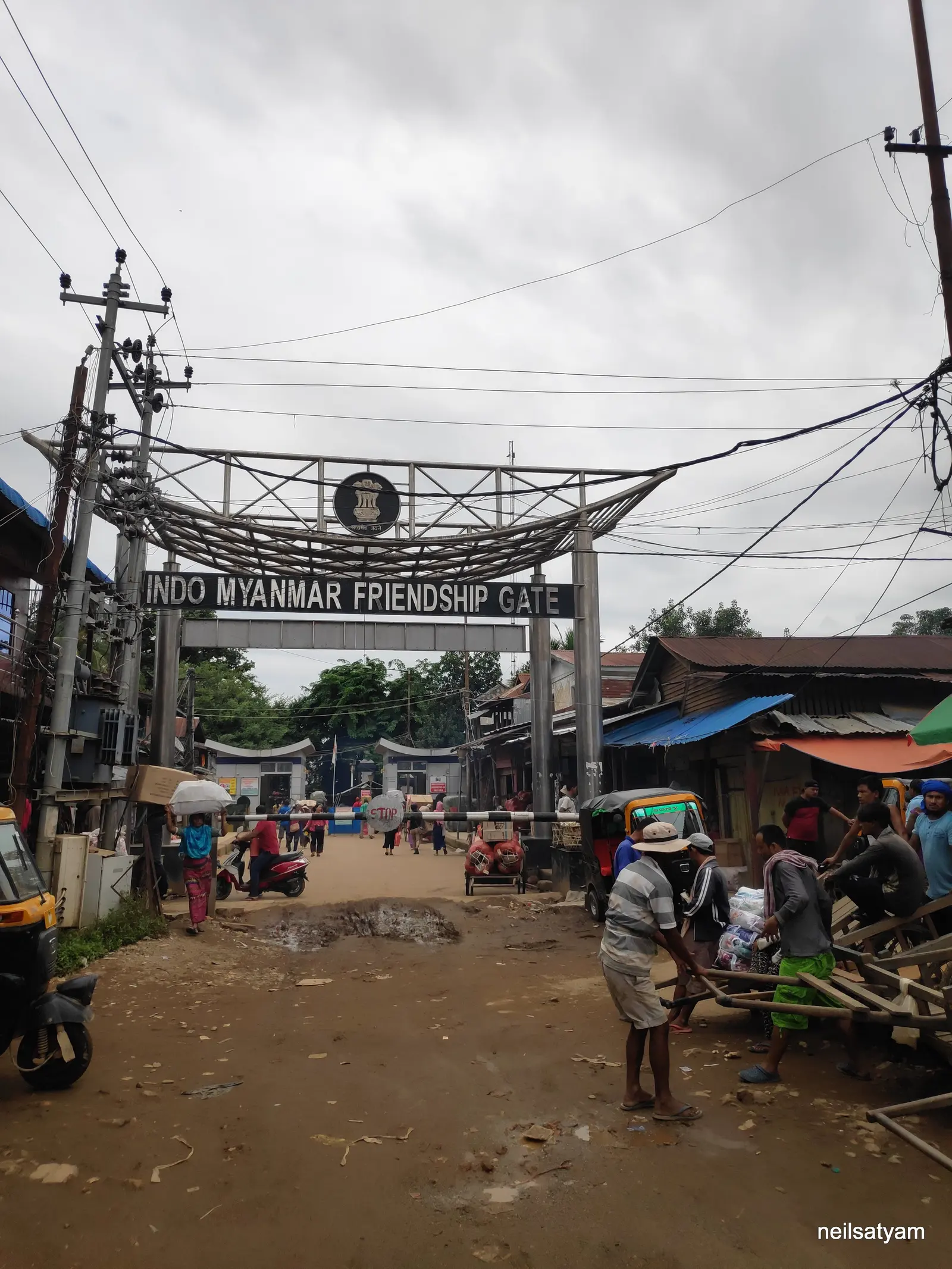
A frontier trading town linked to Myanmar by a bridge over the Yu River, and India's easternmost gateway on the road to Southeast Asia — the complete guide to Moreh.