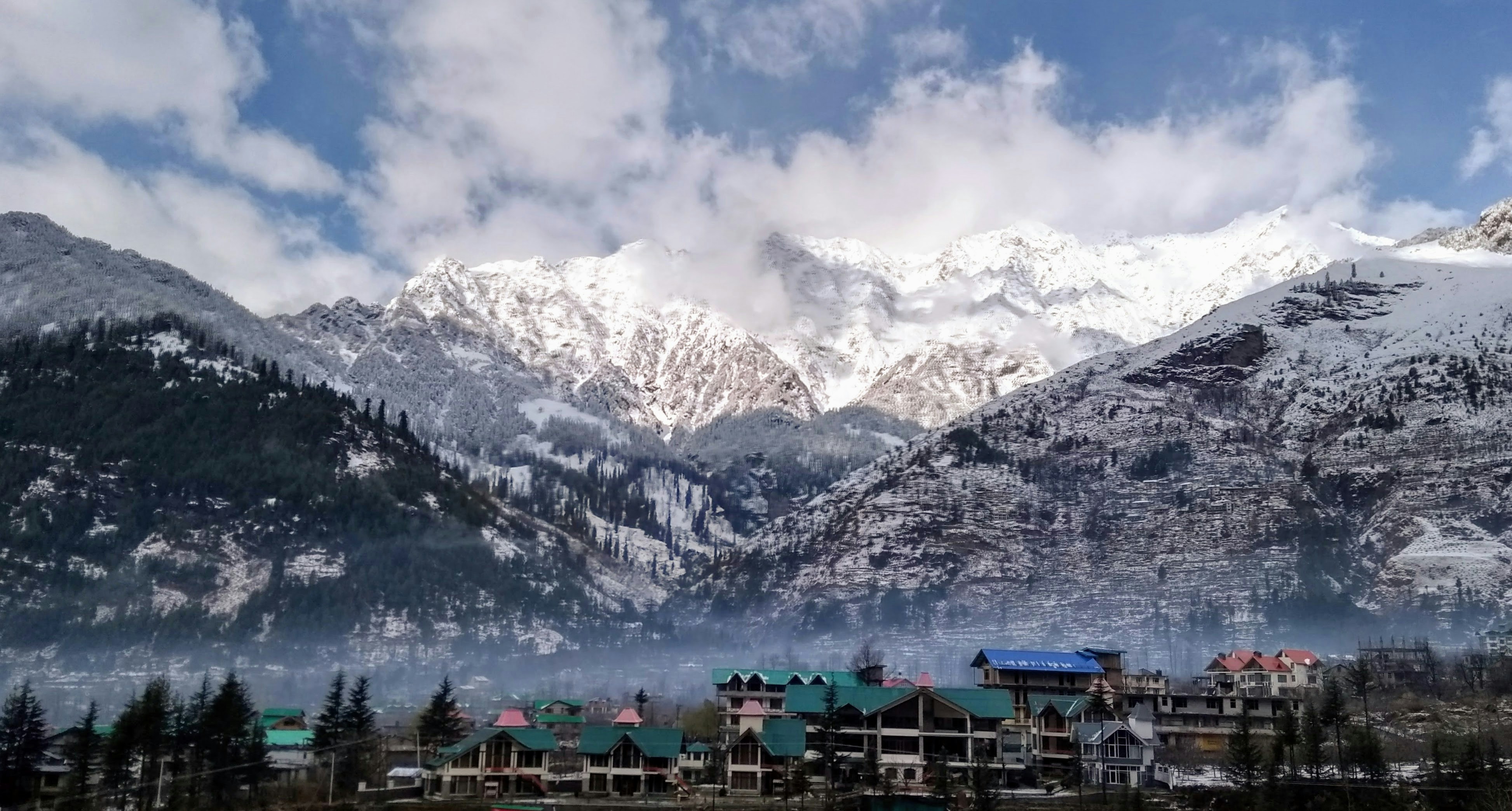
Why Valley of Flowers?
There are Himalayan treks that impress through scale — the sheer verticality of the peaks, the crushing silence of the glaciers, the altitude that makes your lungs work for every breath. And then there is the Valley of Flowers — a trek that moves you in an entirely different way, through beauty so concentrated and so brief that it feels less like a landscape and more like an event.
Tucked in the Chamoli district of Uttarakhand at 3,352 to 3,658 metres, the Valley of Flowers National Park is a 6-km-long, 2-km-wide alpine meadow that transforms every year between late July and mid-September. During those eight weeks, more than 300 species of wildflowers bloom in sequence — Himalayan blue poppies, brahmakamal, cobra lily, primulas, anemones, marsh marigolds, geraniums, and dozens more — carpeting the valley floor in shifting waves of colour that change week by week. Outside that window, the valley is buried under metres of snow and completely inaccessible.
The trek itself is accessible to almost anyone with reasonable fitness — it's not technically demanding and the highest point is Hemkund Sahib at 4,329 metres (which can be skipped). What it requires is timing. Come too early and the flowers haven't opened. Come too late and the first autumn frost has ended the season. Get the timing right and you will see one of the most extraordinary natural spectacles on earth.
🌸 Valley of Flowers at a Glance
Best Time to Visit Valley of Flowers
This is the single most important planning decision for this trek. The Valley of Flowers National Park is open only from June 1 to October 31 each year. But open and blooming are two very different things.
The snow is still melting across much of the valley. Early wildflowers appear — primulas, anemones, and some orchids — but the main bloom carpet hasn't formed. The trek is peaceful and uncrowded. Good for those who enjoy a quieter, rawer experience.
The valley is at its most extraordinary. Multiple bloom waves overlap — blue poppies, cobra lilies, brahmakamal, geraniums, and dozens more species create the famous carpet effect. This is when the photographs you've seen are taken. Also the busiest period.
The main bloom begins to thin but late-flowering species like aster, aconitum, and saussurea are at peak. The crowds have thinned considerably. Brahmakamal — the most sacred Himalayan flower — blooms through August into September. Our recommended sweet spot.
The flowers are gone, leaves have turned, and early snow may have fallen on the higher sections. The valley has a stark, autumnal beauty but the spectacle is over. The park closes October 31. Hemkund Sahib usually closes by early October.
Our pick: The last week of July through the first two weeks of August. This is when the greatest number of species are simultaneously in bloom — the valley floor is a living mosaic of colour. Book accommodation in Ghangaria at least 3–4 weeks ahead for this window.
Flower Bloom Calendar
Different species bloom in sequence through the season. Here's a rough guide to what flowers when, so you can plan your visit around the species you most want to see:
| Flower | Peak Month | Colour | Notes |
|---|---|---|---|
| Himalayan Blue Poppy | July–Aug | 🔵 Vivid blue | Rarest & most sought — Meconopsis aculeata |
| Brahmakamal | Aug–Sep | ⚪ White/cream | Sacred lotus of the Himalayas — blooms at night |
| Cobra Lily | July–Aug | 🟣 Purple-green | Dramatic hooded spathe — unmistakable |
| Marsh Marigold | Jun–Jul | 🟡 Bright yellow | First to bloom as snow melts |
| Himalayan Primula | Jun–Jul | 🩷 Pink/purple | Carpets the lower sections early season |
| Anemone | July–Aug | ⚪🩷 White/pink | Multiple species bloom simultaneously |
| Geranium | Jul–Sep | 🩷 Deep pink | One of the most abundant species — broad coverage |
| Aconitum (Monkshood) | Aug–Sep | 🔵 Deep blue | Toxic but spectacular in dense clusters |
| Potentilla | Jul–Aug | 🟡 Yellow | Low-growing, forms dense yellow mats |
| Saussurea | Aug–Sep | 🟣 Purple | High altitude specialist — found near snowline |
How to Reach Govindghat
All routes into the Valley of Flowers converge at Govindghat — the road-head village on the banks of the Alaknanda River, 273 km from Rishikesh, where the motor road ends and the trek begins. Getting to Govindghat is a journey in itself.
By Road from Rishikesh
The most common approach is the overland route from Rishikesh through the Char Dham highway — a spectacular mountain road that passes through Devprayag, Rudraprayag, Karnaprayag, Nandaprayag, and Chamoli before reaching Joshimath (30 km before Govindghat) and then Govindghat itself.
- Rishikesh to Govindghat: 273 km, approximately 8–10 hours by car depending on road conditions and landslides. The road is NH7 (Char Dham highway) — scenic but winding with frequent stops at confluences and viewpoints.
- By GMOU/KSRTC bus: Government buses run from Rishikesh ISBT to Joshimath daily (₹400–₹600, 9–10 hours). From Joshimath, local buses and shared jeeps cover the 30 km to Govindghat (₹60–₹80).
- By private taxi: Rishikesh to Govindghat costs ₹4,500–₹6,000 for a sedan/SUV. Many trekkers share costs by booking through their guesthouses or meeting fellow trekkers at Rishikesh.
- Break the journey at Joshimath:Strongly recommended — stops the drive from being exhausting and gives partial acclimatisation at 1,890 m before the trek. Joshimath has good guesthouses (₹600–₹1,500/night).
By Air & Train
- By Air: Jolly Grant Airport, Dehradun (DED) is the nearest airport — 295 km from Govindghat (~10 hours by road). Daily flights from Delhi (₹3,000–₹8,000). From Dehradun, take a taxi or bus to Rishikesh (45 min), then onward to Govindghat.
- By Train: Rishikesh (or Haridwar, 25 km away) is the nearest railhead. Multiple trains from Delhi daily — Yoga Express, Dehradun Shatabdi, Jan Shatabdi. From Haridwar/Rishikesh, continue by bus or taxi to Govindghat.
- Helicopter (premium option):Helicopter services operate from Govindghat to Ghangaria (the base camp) during peak season — cutting the 14-km walk to a 10-minute flight. Cost: ₹3,500–₹5,000 one way. Book in advance through operators in Govindghat. Weather-dependent and frequently cancelled.
Permits & Entry Fees
Valley of Flowers National Park is a protected area under the Wildlife Protection Act — all visitors require permits. The process is straightforward but must be completed at the park office in Ghangaria, not at Govindghat.
Valley of Flowers Entry Permit
Hemkund Sahib Gurudwara
Camera & Video Fees
📋 Documents to carry (2 photocopies each)
The Trek Overview
The Valley of Flowers trek is a relatively straightforward out-and-back trail with one main base camp. The total round-trip distance from Govindghat is approximately 38 km, broken into logical daily stages. There is no camping inside the National Park — all trekkers must return to Ghangaria by sunset each day.
Stage 1: Govindghat to Ghangaria
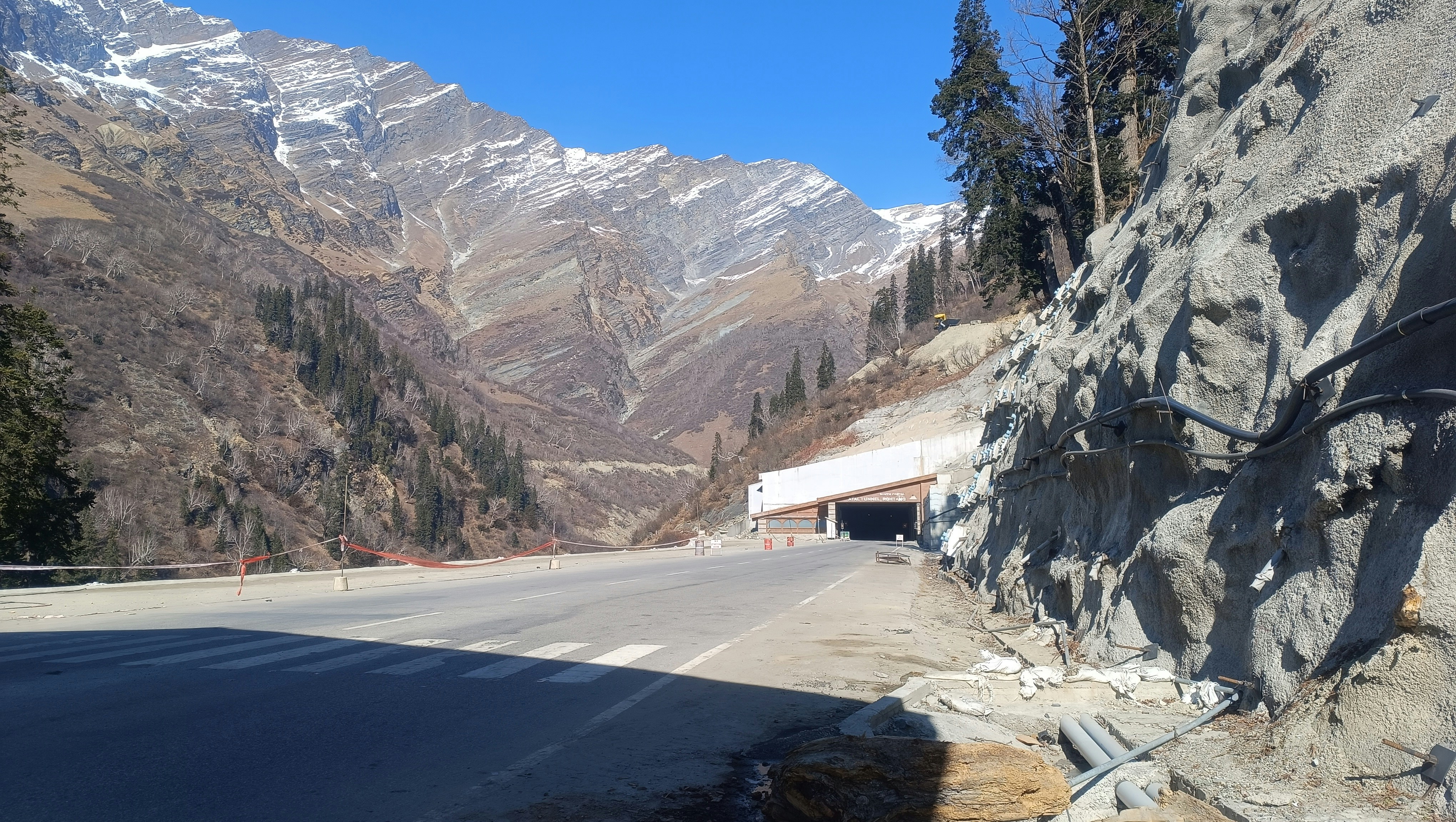
The trek begins at Govindghat (1,828 m) at the Laxman Ganga/Alaknanda confluence — a sacred meeting of rivers marked by a small Gurudwara. From here, a well-maintained trail climbs steadily along the Pushpawati (Laxman Ganga) River through forest, waterfalls, and small hamlets to reach Ghangaria (3,048 m) — the sole settlement before the park and your base for the entire trek.
The trail is well-marked and impossible to lose. There are tea stalls and rest points at Pulna (3 km), Bhyundar village (8 km), and Ghangharia itself. Most trekkers take 5–6 hours at a comfortable pace. Do not rush — the altitude gain is significant and arriving exhausted at Ghangaria affects the next day in the valley.
Stage 2: Ghangaria to Valley of Flowers
From Ghangaria, the Valley of Flowers trail branches left (east) — the right fork leads to Hemkund Sahib. The walk to the park entrance takes approximately 45 minutes over easy terrain. From the entrance gate (where you show your permit), the valley floor opens ahead of you.
The valley floor path is one of the most extraordinary walks in India. For the first kilometre after the gate, the trail is relatively open and the flowers carpet both sides. By the time you're 2 km in, the valley walls rise steeply around you and the scale becomes apparent. The path continues to the snout of the Pushpawati glacier at the valley head — about 6 km from the gate — where a waterfall drops directly from the ice.
Hemkund Sahib
The second great trek from Ghangaria climbs 6 km (one way) to Hemkund Sahib at 4,329 metres — one of the holiest Sikh shrines in the world, built on the banks of a glacial lake ringed by seven snow-capped peaks. Guru Gobind Singh, the tenth Sikh Guru, meditated here in a previous life according to Sikh scripture — and the site draws hundreds of thousands of pilgrims during the brief open season.
The trek to Hemkund is significantly harder than the Valley of Flowers — the altitude gain from Ghangaria (3,048 m) to Hemkund (4,329 m) over 6 km is steep and continuous. The lake itself, set in a natural amphitheatre of glaciated peaks with the white marble Gurudwara reflected in its ice-cold water, is one of the most dramatic religious settings anywhere in the world.
🛕 Hemkund Sahib — Key Facts
The route to Hemkund passes through a section of the Valley of Flowers' lower slopes — brahmakamal and aconitum grow along the higher sections of the path in late August. Many trekkers combine Hemkund and the Valley of Flowers on separate days from the same Ghangaria base.
Flowers to Look For
The Valley of Flowers contains over 300 species of flowering plants across 17 families. You don't need to be a botanist to be moved by it, but knowing what you're looking at deepens the experience. Here are the highlights:
Himalayan Blue Poppy
Meconopsis aculeata
Peak: July – August
The jewel of the valley. A luminous sky-blue poppy that grows on rocky slopes — the colour seems almost artificially vivid. Found scattered rather than in massed carpets, which makes spotting one feel like a discovery.
Brahmakamal
Saussurea obvallata
Peak: August – September
The most sacred flower of the Himalayas — the lotus of Brahma, used in Char Dham worship. A distinctive cream-coloured bloom enclosed in papery purple-green bracts. Found from 3,600 m upward. Blooms at night.
Cobra Lily
Arisaema tortuosum
Peak: July – August
One of the valley's most dramatic plants — a deep purple-green hooded spathe that looks precisely like a rearing cobra. Unmistakable once seen. Grows in clusters along the valley walls and stream banks.
Monkshood (Aconitum)
Aconitum heterophyllum
Peak: August – September
Towers of deep blue-purple flowers on tall stalks that dominate the late-season valley palette. Beautiful but highly toxic — all parts of the plant are poisonous. Medicinal in traditional Ayurvedic practice.
Marsh Marigold
Caltha palustris
Peak: June – July
Among the first flowers to appear as snow melts in June — bright yellow blooms that carpet the marshy sections of the valley floor. A signal that the season has begun.
Himalayan Geranium
Geranium wallichianum
Peak: July – September
One of the most abundant species in the valley — deep magenta-pink flowers that appear across the valley floor from July through September, forming the background fabric of the famous colour carpet.
Wildlife in the Valley
The Valley of Flowers sits within the Nanda Devi Biosphere Reserve — a UNESCO World Heritage Site that protects one of the most biodiverse Himalayan ecosystems remaining. The wildlife in the valley is rarely seen but genuinely present, and patient, quiet visitors are occasionally rewarded.
Snow Leopard
Likelihood: Very rarePresent in the higher elevations above the valley walls. Tracks occasionally seen in snow. An encounter would be exceptional luck.
Himalayan Brown Bear
Likelihood: UncommonSeen occasionally in the upper valley. Make noise while walking — bears avoid humans but unexpected encounters are dangerous.
Blue Sheep (Bharal)
Likelihood: CommonFrequently seen on the rocky slopes above the valley floor. Herds of 20–30 are not unusual near the glacier snout.
Musk Deer
Likelihood: OccasionalThe critically endangered Himalayan musk deer inhabits the forested sections of the lower valley. Dawn and dusk sightings possible.
Himalayan Monal
Likelihood: CommonUttarakhand's state bird — a pheasant with extraordinary iridescent plumage. Frequently seen at the forest edges near Ghangaria and in the valley.
Golden Eagle
Likelihood: RegularSeen riding thermals above the valley walls most clear mornings. Lammergeiers (bearded vultures) also patrol the higher ridges.
Ghangaria — Your Base Camp
Ghangaria (3,048 m) is the sole settlement between Govindghat and both trek destinations — a small cluster of guesthouses, dhabas, a Forest Department office, a medical post, and a BSNL mobile tower that provides the last connectivity before the valley. It has no road access; everything — food, building materials, fuel — arrives by horse or on porters' backs.
Despite being a basic mountain settlement, Ghangaria has enough facilities for a comfortable few days: warm guesthouses, hot meals, a small medical centre (staffed during peak season), battery charging points, and a bonfire area at the larger guesthouses. It can feel crowded in peak July–August — accommodation fills fast and dinners at the dhabas have queues. The evenings are genuinely cold even in summer (5–8°C) — bring warm layers.
- Connectivity: BSNL mobile signal (weak but present) and limited satellite phone services. No Airtel or Jio signal.
- Medical: A basic medical post (GMVN-operated) handles minor altitude-related issues. For serious illness, evacuation is by horse or helicopter — the nearest hospital is in Joshimath (30 km from Govindghat by road).
- Porters and horses: Available at Govindghat and Pulna for carrying bags to Ghangaria. ₹600–₹900 per bag for the 14 km. Horses for riding ₹2,500–₹3,500 one way.
Where to Stay
All accommodation for the Valley of Flowers trek is concentrated in Ghangaria and at Govindghat/Joshimath before and after the trek. Camping inside the National Park is not permitted.
- → Local family guesthouses (book in person)
- → GMVN Tourist Rest House (₹600–₹900)
- → Gurudwara Hemkund Sahib (free/donation, limited rooms)
- → Basic dorm beds at Sikh pilgrimage camp
- → Hotel Deepak (one of the better options)
- → Snow View Guesthouse
- → Himalayan Cottage
- → Private rooms with attached bath (book ahead)
- → GMVN Tourist Bungalow Joshimath
- → Hotel Nandadevi
- → Auli Ski Resort (GMVN) — 16 km from Joshimath
- → Hotel Kamet
What to Eat
Food in Ghangaria is functional rather than extraordinary — everything is carried in by horse or porter, which limits both variety and quality. But it's hot, filling, and surprisingly affordable given the logistics. Never underestimate the comfort of a dhaba meal after a 14-km uphill day.
- Dal rice: The trekker's staple — thick yellow dal with plain rice, served at every dhaba. Nutritious, cheap (₹100–₹150), and available all day. Add pickle and papad and it's a genuinely good meal after a long day.
- Chapati and sabzi: Whole wheat chapatis with seasonal vegetable curry — the second dhaba staple. Aloo (potato), gobi (cauliflower), and palak (spinach) are most common.
- Maggi: The universal Himalayan trek food — instant noodles that cost ₹50–₹70 at trail-side stalls. Available at Pulna, Bhyundar, and Ghangaria. The masala version with a fried egg is the classic.
- Langar at Hemkund Sahib: Free community food served throughout the day at the Gurudwara — dal, rice, roti, and kheer. The single best meal on the trek and genuinely moving to participate in.
- Pahari chai: Strong, sweet, ginger- cardamom tea served in small glasses at every trail stop. ₹20–₹30. Non-negotiable at every rest point.
- Carry snacks from Joshimath: The best preparation is buying dry fruits, energy bars, glucose biscuits, and chocolate in Joshimath or Rishikesh. Prices in Ghangaria are 30–50% higher than in the plains.
5-Day Valley of Flowers Itinerary
Five days is the ideal length — it covers the full Govindghat–Valley of Flowers–Hemkund Sahib circuit without rushing, with a buffer for weather or road delays.
Rishikesh → Joshimath
- ✓Depart Rishikesh by 6 AM (taxi or GMOU bus to Joshimath)
- ✓273 km, approximately 9 hours with stops — arrive afternoon
- ✓Devprayag confluence (rivers Bhagirathi + Alaknanda) — photo stop
- ✓Check in to Joshimath guesthouse — rest for acclimatisation
Joshimath → Govindghat → Ghangaria
- ✓Drive from Joshimath to Govindghat (30 km, 1 hour)
- ✓Begin trek from Govindghat at 7 AM sharp
- ✓Trek 14 km to Ghangaria (5–7 hours, 1,220 m ascent)
- ✓Arrive Ghangaria by 2–3 PM — get permit from Forest Dept (open till 5 PM)
Valley of Flowers — Full Day
- ✓Depart Ghangaria 6:30 AM — enter park by 7:15 AM (permits checked)
- ✓Walk the full 6 km valley floor to glacier snout and back
- ✓Slow down — sit, observe, photograph the flower carpets
- ✓Return to park gate before 5 PM (strictly enforced)
Hemkund Sahib Trek
- ✓Depart Ghangaria for Hemkund Sahib by 5:30 AM
- ✓6 km, 1,281 m ascent — 3–4 hours up, 2–3 hours down
- ✓Hemkund Lake at 4,329 m — dip in the icy sacred water (optional)
- ✓Langar at the Gurudwara, return to Ghangaria by 2 PM
Ghangaria → Govindghat → Rishikesh
- ✓Optional: Second valley visit (early morning, permit required)
- ✓Descend 14 km from Ghangaria to Govindghat (3–4 hours)
- ✓Drive from Govindghat to Rishikesh (9–10 hours)
- ✓Dinner at a Rishikesh riverside café — well earned
Packing List
The Valley of Flowers trek is moderate in difficulty but takes place during monsoon season at altitude — which means rain, cold nights, and wet trails are guaranteed. Pack accordingly.
👕 Clothing
- →Waterproof rain jacket (non-negotiable — it will rain every afternoon)
- →Waterproof rain pants or pack cover
- →Warm mid-layer (fleece or down — nights at Ghangaria are cold)
- →Moisture-wicking base layer (2 sets)
- →Warm hat and gloves (for Hemkund Sahib)
- →Quick-dry trekking trousers (2 pairs)
- →Gaiters (for wet trail sections)
👟 Footwear
- →Waterproof trekking boots with ankle support (essential)
- →Gaiters for muddy sections
- →Lightweight camp sandals or flipflops for Ghangaria evenings
- →Wool or synthetic trekking socks (3 pairs minimum)
- →Spare dry socks in a waterproof bag
🎒 Gear
- →Trekking poles (particularly helpful on descent)
- →Headtorch with spare batteries
- →Daypack (25–30L) + larger bag for Ghangaria to store non-essentials
- →Dry bags / waterproof pack covers
- →Reusable water bottle (2L) — water available at streams
- →High-energy snacks (trail mix, energy bars, dry fruits)
- →Lightweight sit mat
📋 Documents & Safety
- →Aadhaar/Passport + 2 photocopies + 2 passport photos
- →Cash (₹5,000–₹8,000 minimum) — no ATMs in Ghangaria
- →Basic first aid kit (blister patches, Disprin, ORS, Diamox)
- →Pulse oximeter
- →Sunscreen SPF 50+ and UV-400 sunglasses
- →Insect repellent
- →Offline maps downloaded (Maps.me)
📷 Photography
- →Camera with macro lens capability (flowers reward close-up)
- →Extra memory cards and batteries (no charging in valley)
- →Waterproof camera bag or dry bag
- →Polarising filter (dramatically improves flower photography in overcast light)
- →Tripod or gorilla pod for low-light shots
- →No drone — strictly prohibited in the National Park
🌿 Leave No Trace
- →Reusable water bottle — avoid single-use plastic
- →Ziplock bags for packing out all waste
- →Biodegradable soap and toiletries
- →Trowel (for sites away from water sources — Ghangaria has toilets)
- →Do not pick flowers — it is illegal inside the National Park
- →Stay on the marked trail — the ecosystem is fragile
Budget Breakdown
| Expense | Budget | Mid-Range | Comfort |
|---|---|---|---|
| Joshimath stay/night | ₹600 | ₹1,500 | ₹3,500 |
| Ghangaria stay/night | ₹700 | ₹1,800 | ₹3,000 |
| Food per day (Ghangaria) | ₹300 | ₹500 | ₹800 |
| VOF entry permit/day | ₹150 | ₹150 | ₹150 |
| Camera fee/day | ₹50 | ₹50 | ₹150 |
| Porter (Govindghat–Ghangaria) | ₹0 (self carry) | ₹700 | ₹900 |
| Transport (Rishikesh–Govindghat) | ₹400 (bus) | ₹1,500 (shared taxi) | ₹5,000 (private car) |
| 5-Day Total (estimate) | ₹6,000 | ₹12,000 | ₹22,000 |
* Helicopter from Govindghat to Ghangaria adds ₹3,500–₹5,000 one way but saves 5–7 hours of walking each way. If budget allows, consider helicopter up (save energy) and trek down (enjoy the scenery at your pace).
Essential Travel Tips
- Timing is everything — plan meticulously: Unlike most treks, the Valley of Flowers has a window of roughly 8 weeks where it's actually worth visiting for the flowers. Plan for late July to mid-August and check bloom reports from the Forest Department or recent trekker blogs before booking.
- Build buffer days for landslides: The Rishikesh–Govindghat road is frequently blocked by landslides in July–August — sometimes for 12–24 hours, occasionally longer. Build at least one buffer day on each end of your trip. Rigid schedules lead to missed treks and abandoned trips.
- Acclimatise at Joshimath: Don't drive from Rishikesh (620 m) to Ghangaria (3,048 m) in a single day. One night at Joshimath (1,890 m) makes a measurable difference to your comfort on the trail.
- Get your permit on arrival at Ghangaria: The Forest Department permit office in Ghangaria opens at 7 AM and closes at 1 PM (and again 2–5 PM). If you arrive in the evening on your first day, get the permit first thing the next morning — you cannot enter the valley without it.
- Never pick flowers: It sounds obvious but rangers report violations every season. Every species in the valley is protected under the Wildlife Protection Act. Picking, uprooting, or removing any plant material carries a fine and possible arrest.
- Afternoon rain is certain: In July–August, clouds build by noon and rain begins by early afternoon on most days. Plan to be inside the valley and walking back toward the gate by 1–2 PM. The morning light (8–11 AM) is also the best for flower photography.
- Carry no ATM cash from Joshimath: There are no ATMs beyond Joshimath. Withdraw enough for your entire stay — permits, food, accommodation, porters, emergencies — before leaving Joshimath. ₹5,000–₹8,000 is a comfortable amount for 4 days in Ghangaria.
- Respect the Hemkund Sahib pilgrimage: The trail to Hemkund Sahib is also a major pilgrimage route for Sikh devotees — many elderly and physically challenged pilgrims make this climb every season. Give way on the trail, be patient on congested sections, and don't treat the sacred site as merely a trekking destination.
✅ Do
- →Visit in late July – mid August for peak bloom
- →Acclimatise overnight at Joshimath before the trek
- →Get your Forest Dept permit in Ghangaria on arrival
- →Leave Govindghat and Ghangaria by 6–7 AM
- →Walk the full valley to the glacier snout
- →Eat langar at Hemkund Sahib Gurudwara
- →Carry ₹6,000+ cash — no ATMs beyond Joshimath
- →Build 1–2 buffer days for landslide delays
❌ Don't
- →Pick, uproot, or remove any flowers — it's illegal
- →Enter the valley after 3 PM or stay past 5 PM
- →Fly a drone — strictly prohibited in the National Park
- →Leave trash anywhere on the trail or in the valley
- →Visit in June expecting full bloom — it's too early
- →Attempt the trek without waterproof gear
- →Underestimate the Govindghat–Ghangaria day — it's 14 km uphill
- →Skip Hemkund Sahib if physically able — it's extraordinary
What to Pack for Valley of Flowers
Gear we've tested or rely on recommendations from people who have. Nothing here is sponsored — these are genuine picks based on what actually works on the trail.
As an Amazon Associate, we earn from qualifying purchases. Links may earn a small commission at no extra cost to you.
Trekking Jacket
Why carry it: Afternoon rain is guaranteed on most Himalayan treks. A waterproof shell is the single item you'll be most thankful you packed.
Trekking Shoes
Why carry it: Your feet are your vehicle. Wet, unsupported feet ruin a trek faster than anything else. These are reliable and genuinely waterproof.
Trekking Poles
Why carry it: Most people who skip poles regret it on the descent. The knee strain on a long downhill with a loaded pack is real.
Water Filter
Why carry it: Mountain streams in most Himalayan treks are clean enough to filter directly — stop buying single-use plastic and carry this instead.
Head Torch
Why carry it: Every experienced trekker starts before dawn. A headtorch isn't optional — it's infrastructure. Always carry spare batteries.
Pulse Oximeter
Why carry it: SpO2 below 85% at rest means descend. You can't know your oxygen level without this. At ₹800 it's one of the best investments for any high-altitude trek.
Continue Exploring
View all guides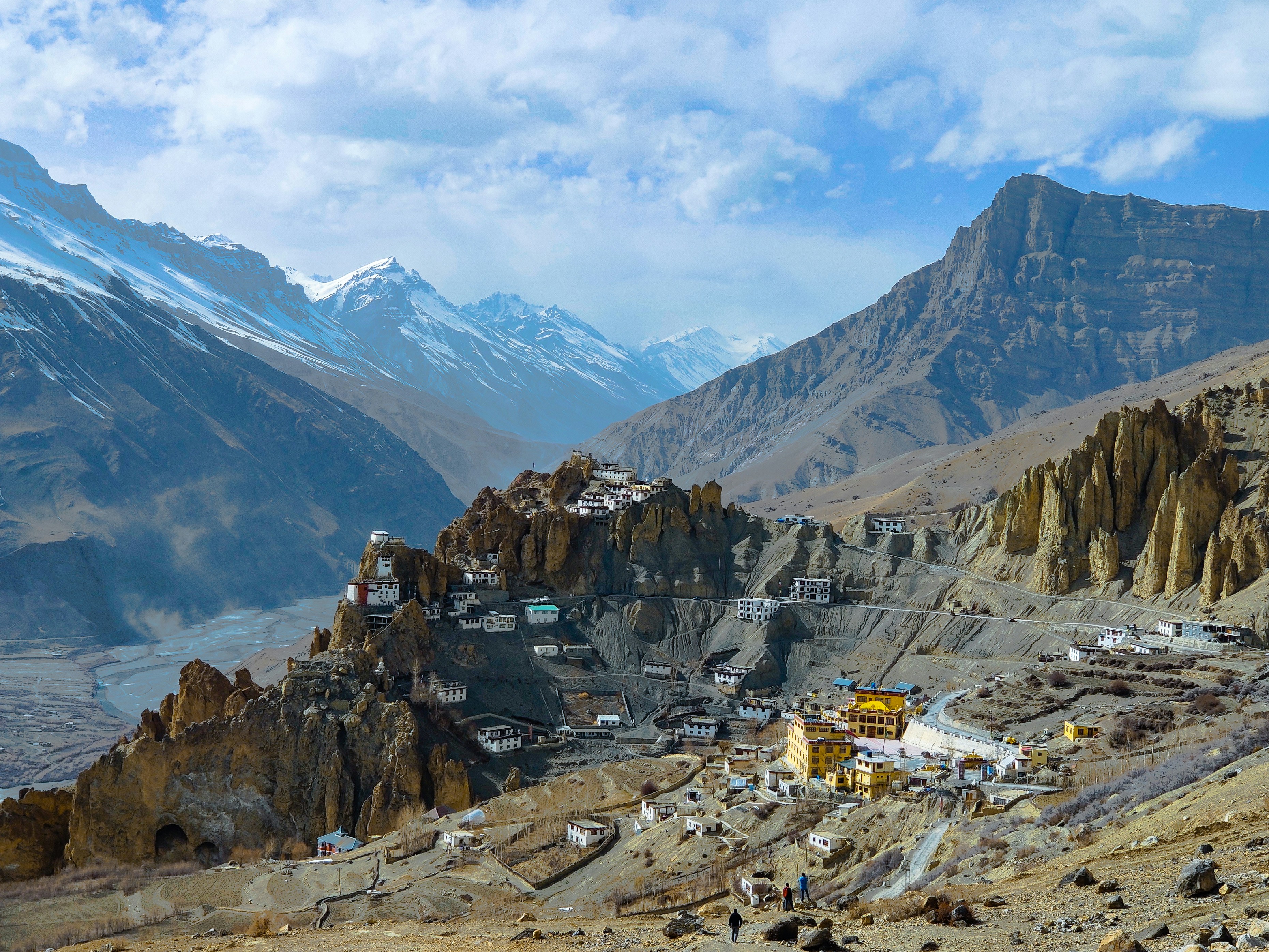 Himachal Pradesh
Spiti Valley: The Complete Travel Guide 2026
A remote high-altitude desert in Himachal Pradesh — monasteries, fossils, and jaw-dropping roads.
 Ladakh
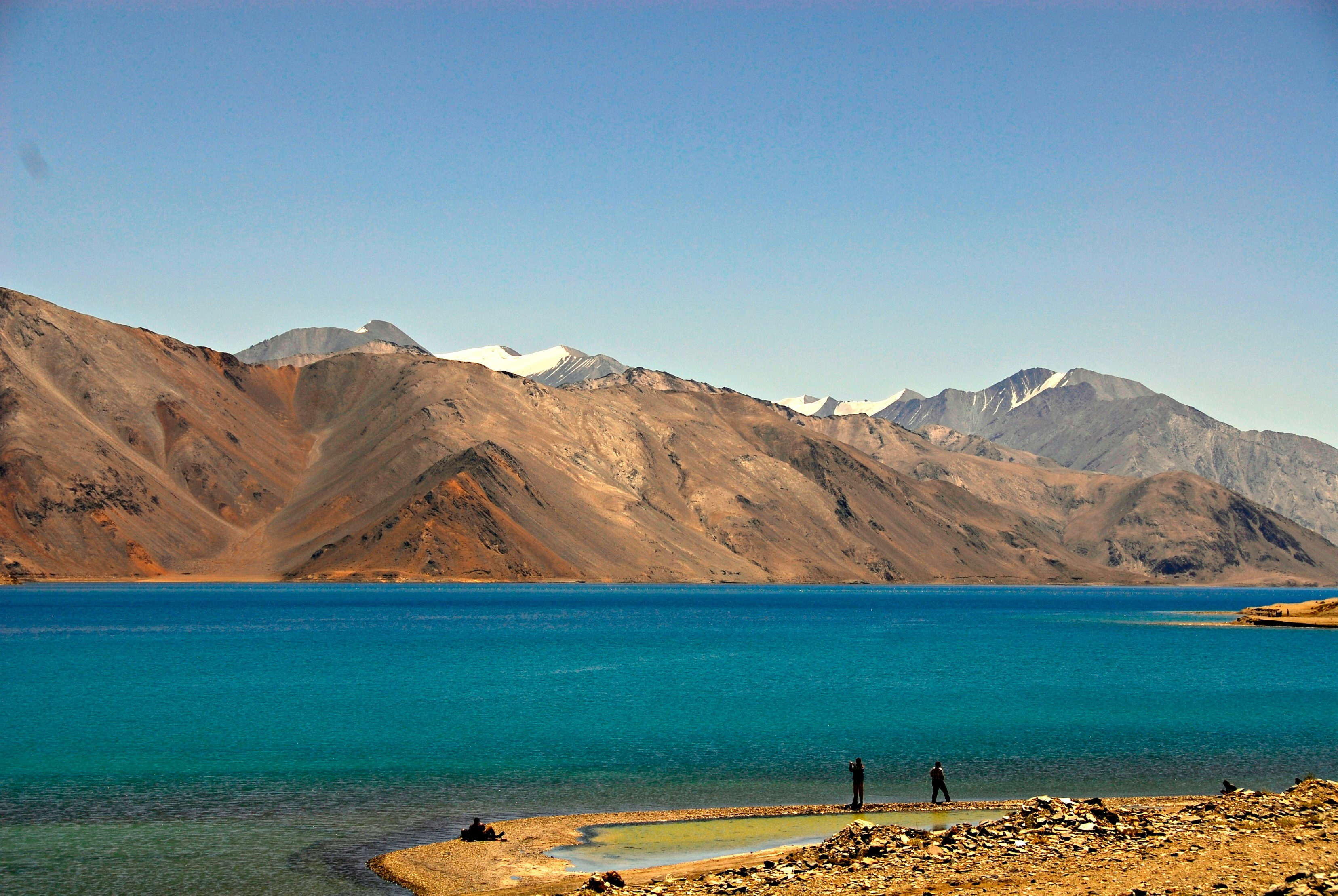
Leh Ladakh Road Trip: Everything You Need to Know
Moonscapes, Buddhist monasteries, and the world's highest motorable passes await on this epic road trip.
 Himachal Pradesh
Kasol & Kheerganga: Backpacker's Paradise
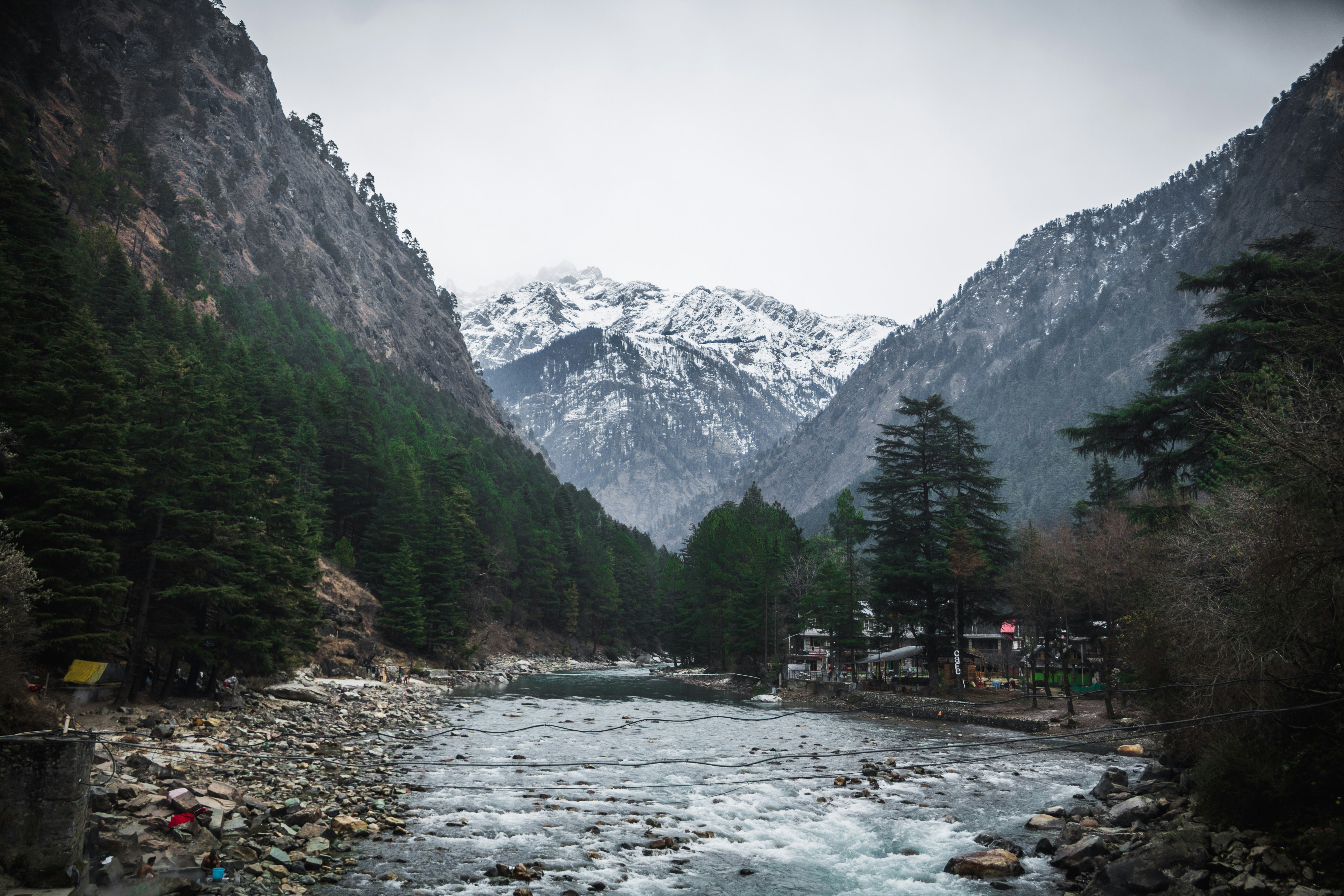
Follow the Parvati River trail to Kheerganga hot springs through pine forests and tiny Himalayan villages.
 Uttarakhand
Rishikesh Adventure Guide: Rafting, Yoga & More
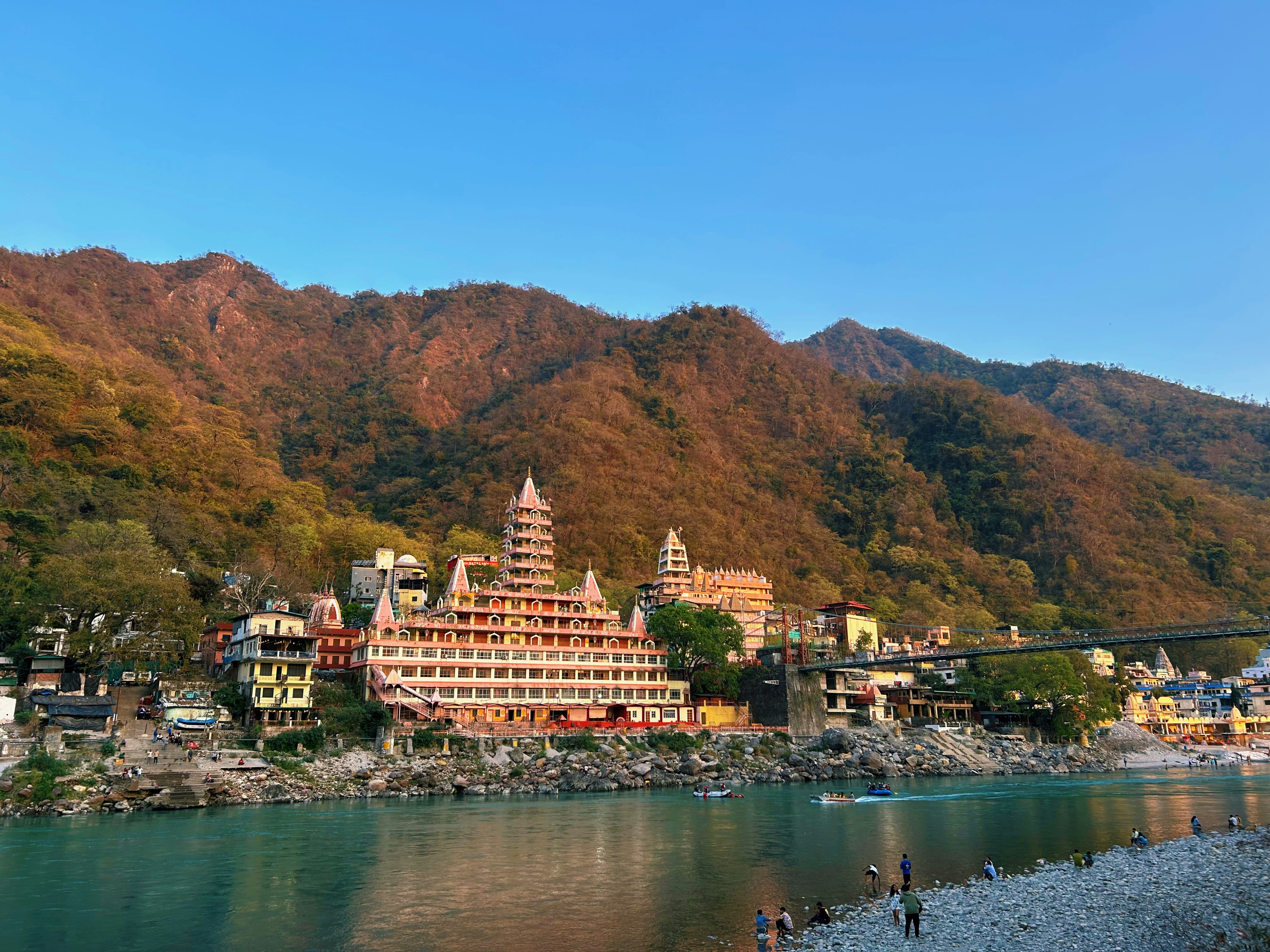
The yoga capital of the world also happens to be India's adventure hub — white water rafting, bungee, and beyond.