A Quieter Kind of Garden
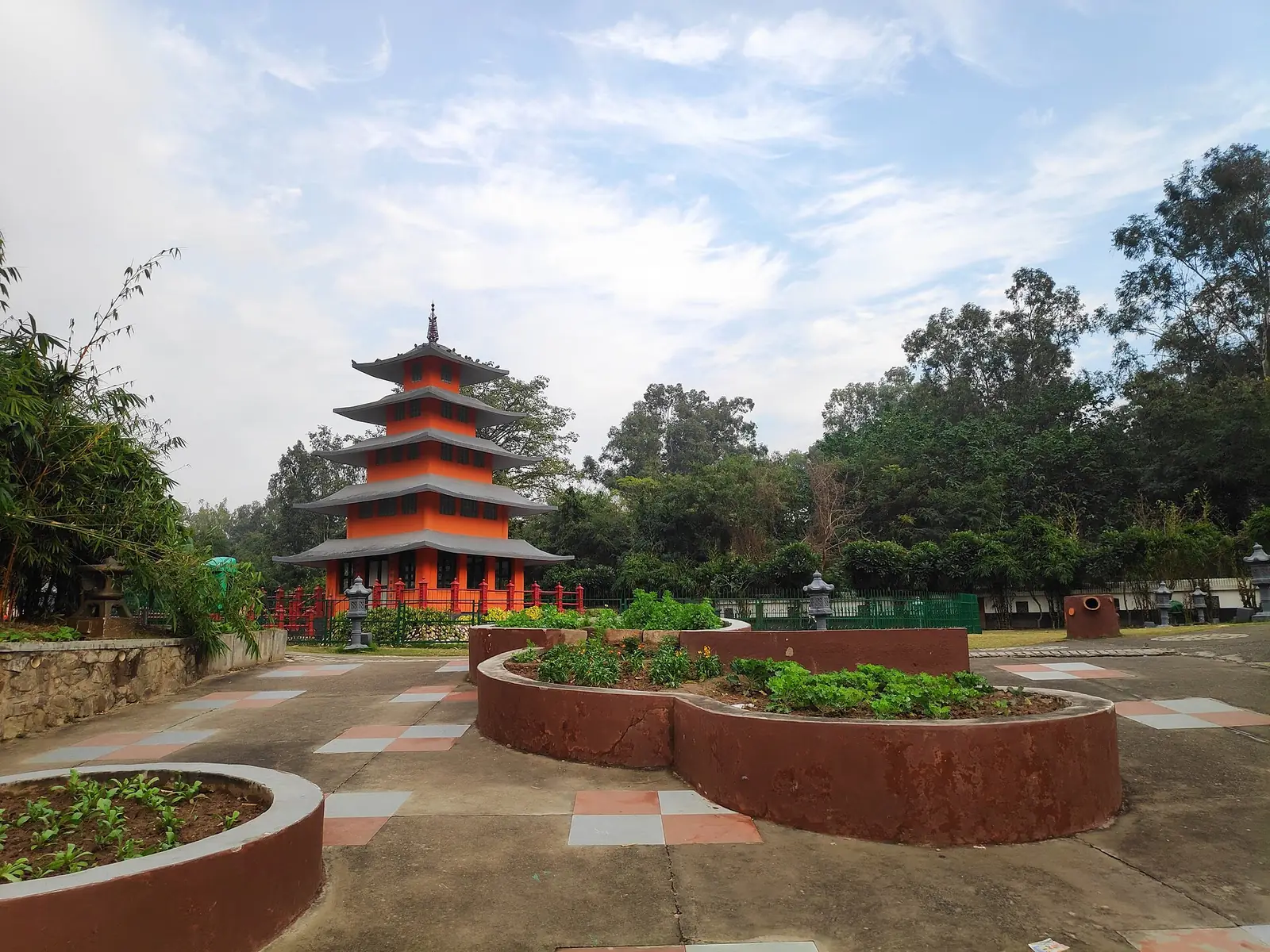
The Japanese Garden is one of the quieter entries on Chandigarh's long list of landscaped gardens, generally placed in one of the city's northern sectors and built around principles borrowed from traditional Japanese garden design rather than the rose beds and open lawns you'll find at the Rose Garden or the sculpture-and-waste aesthetic of the Rock Garden. It's part of the same green fabric as the city's Leisure Valley greenbelt, and it sits comfortably on any Chandigarh itinerary with room for one more calm, unhurried stop.
Where Chandigarh's headline gardens are built for scale and spectacle, the Japanese Garden works on a smaller, more contemplative register — a central pond, arched bridges, pagoda-style pavilions, and gravel paths winding between manicured shrubs. It won't be the highlight of a first-time Chandigarh trip, and it isn't trying to be. It's the kind of place you add to a morning or evening walk when you want fifteen or twenty extra minutes of quiet before or after a busier sight nearby.
Set your expectations accordingly: this is a charming, pretty garden, modest in size compared to Chandigarh's headline attractions, and best appreciated as a peaceful stroll rather than a must-see landmark.
🎏 Japanese Garden at a Glance
Best Time to Visit the Japanese Garden
Since the garden is small, outdoors, and works best as an unhurried stroll, timing matters more here than it might at a bigger sight — you want soft light and few other visitors.
Soft light on the pond, cooler air, and the garden at its quietest — arrive close to opening for an almost solitary walk.
A gentler light and a slightly more social mood, with local walkers passing through toward the end of the day.
Cool, comfortable temperatures make the gravel paths and pond-side benches genuinely pleasant to linger on.
Midday heat is sharp and shade is limited around the open pond area — plan accordingly if visiting in summer.
Our pick: a winter morning, soon after the garden opens — quiet paths, soft light on the water, and cool enough to walk the whole loop without hurrying.
How to Reach the Japanese Garden
The Japanese Garden sits within Chandigarh's well-planned sector grid, making it an easy add-on to a day that already includes other northern-sector sights.
- By Auto/Cab: The simplest way in — any local auto or app-based cab driver will know the garden by name, and it's a short ride from most central sectors.
- By local bus: Chandigarh's city bus network covers the northern sectors reasonably well, though an auto is faster if you're short on time.
- On foot / by cycle: If you're already exploring the city's green belt on foot or by bicycle, the garden is an easy detour from the nearby stretches of the Leisure Valley.
The Garden
What sets the Japanese Garden apart from most of Chandigarh's other green spaces is its aesthetic — it isn't built around lawns and flower beds so much as water, structure, and quiet framing devices borrowed from Japanese landscaping traditions.
Design & Layout
A central pond anchors the garden, crossed by arched bridges that double as natural photo spots and vantage points over the water. Pagoda-style pavilions dot the grounds, offering shaded rest points, while manicured shrubs and winding gravel paths give the whole space a more structured, deliberate feel than the open lawns found elsewhere in the city.
A Quieter Kind of Garden
The garden is noticeably less crowded than the Rose Garden or the Rock Garden, which makes it a genuinely good choice if you want a calm, unhurried walk rather than a busy sightseeing stop. It's popular with locals for exactly that reason — a short, peaceful loop rather than a landmark to tick off, and one that rewards a slower pace over a rushed walkthrough.
Photography Tips
- Shoot from the bridges: The arched bridges over the pond offer the garden's best vantage points, framing both the water and the pavilions beyond.
- Come early for reflections: Calmer water in the early morning gives cleaner reflections of the pavilions and surrounding greenery.
- Use the pavilions as framing devices: Their pagoda-style roofs make good foreground or framing elements for wider shots of the garden.
- Avoid peak midday sun: Flat overhead light does the garden's textures few favours — early morning or late afternoon light works far better.
Nearby Gardens & Sights
The Japanese Garden is easiest to enjoy as part of a wider garden-hopping day rather than a standalone trip. A few natural pairings:
- Leisure Valley: the city's connected green corridor, useful as a walking or cycling spine linking several themed gardens together.
- Rose Garden: Asia's largest rose garden, best in February–March and a short ride away.
- Garden of Fragrance: a small, scent-themed garden that pairs well with a similarly quiet, unhurried visit.
- Bougainvillea Garden: another themed stop along the same green belt.
- Sukhna Lake: Chandigarh's larger, better-known waterfront, a short drive away for anyone wanting a bigger lake experience afterward.
Suggested Visit Plan (30-45 Minutes)
The Japanese Garden doesn't need much time — here's a simple way to see everything without rushing.
Enter & Walk the Pond Loop
- ✓Enter and walk the gravel path around the pond
- ✓Cross one or both of the arched bridges
- ✓Pause at the pavilions for a quick rest
Slow Down & Photograph
- ✓Sit by the water if you're in no hurry
- ✓Photograph the bridges and pavilions
- ✓Continue on toward the Leisure Valley or your next stop
* Add another 30-60 minutes if you're combining this with a walk through the Leisure Valley or a visit to a neighbouring garden.
Budget Breakdown
The Japanese Garden itself costs little to nothing — your main expense is simply getting there and back.
| Expense | Budget | Mid-Range | Luxury |
|---|---|---|---|
| Garden entry | Free / nominal | Free / nominal | Free / nominal |
| Transport to/from garden | ₹60 (auto shared) | ₹150 (auto) | ₹400 (private cab) |
| Photography (optional gear hire) | — | ₹300 | ₹1,000+ |
| Total (approx.) | ₹60 | ₹450 | ₹1,400+ |
* Figures are per person, per visit. The garden pairs naturally with a longer Leisure Valley walk — see that guide for how to link it with nearby gardens.
Essential Tips for Visiting the Japanese Garden
- Set modest expectations: This is a charming, small garden — not a headline Chandigarh attraction — and it's best enjoyed with that in mind.
- Visit during daylight hours: The garden generally keeps to daylight timings, similar to most of Chandigarh's public gardens.
- Combine it with nearby gardens: Pairing it with the Rose Garden or Garden of Fragrance makes for a fuller, more satisfying outing.
- Carry water in warmer months: Shade is limited around the open pond area during peak summer heat.
- Keep noise to a minimum: Part of the garden's appeal is its calm — it's best enjoyed, and best kept, as a quiet space.
✅ Do
- →Visit early morning or evening for the best light
- →Walk both arched bridges over the pond
- →Combine it with a nearby garden or the Leisure Valley
- →Carry water during warmer months
- →Treat it as a calm breather, not a headline stop
❌ Don't
- →Expect a large-scale or must-see landmark
- →Visit at peak midday heat in summer
- →Rush through in five minutes without pausing
- →Make it your only Chandigarh garden stop
- →Confuse it with other similarly named green spaces
Frequently Asked Questions
Is the Japanese Garden in Chandigarh worth visiting?
It's worth visiting if you enjoy quiet, unhurried gardens and have already covered Chandigarh's bigger sights like the Rock Garden and Sukhna Lake. It's modest in scale and won't be the highlight of a first-time trip, but as a calm morning or evening stroll, or a quiet photography stop, it's a genuinely pleasant half-hour.
Where is the Japanese Garden located in Chandigarh?
The Japanese Garden is generally placed in one of Chandigarh's northern sectors, commonly cited as Sector 31, within easy reach of the city's other themed gardens along the broader green belt. Any local auto or cab driver will know it by name.
What is the entry fee for the Japanese Garden, Chandigarh?
Entry is free or available at a nominal charge, in line with most of Chandigarh's public gardens. There's no elaborate ticketing process — you simply walk in during daylight hours.
What are the timings for the Japanese Garden?
The garden is generally open through daylight hours, roughly from morning to early evening, similar to Chandigarh's other public gardens. Exact opening and closing times can shift a little with the season, so it's worth confirming locally if you're planning an early or late visit.
How much time should I spend at the Japanese Garden?
Thirty to forty-five minutes is enough for an unhurried walk around the pond, bridges, and pavilions. Photographers or anyone wanting to simply sit by the water for a while could easily stretch that to an hour.
Can I combine the Japanese Garden with other Chandigarh gardens?
Yes — that's the natural way to visit it. The Japanese Garden sits close to other themed stops along Chandigarh's Leisure Valley greenbelt, so it pairs easily with the Rose Garden, Bougainvillea Garden, or Garden of Fragrance in a single outing rather than a standalone trip.
Published by the Kudozz Club editorial team · Last updated · How we research our guides
Want us to plan this trip for you?
Tell Kudozz Club where you want to go and what kind of trip you’re looking for. We’ll build a Chandigarh itinerary around your dates and budget.
Continue Exploring
View all guides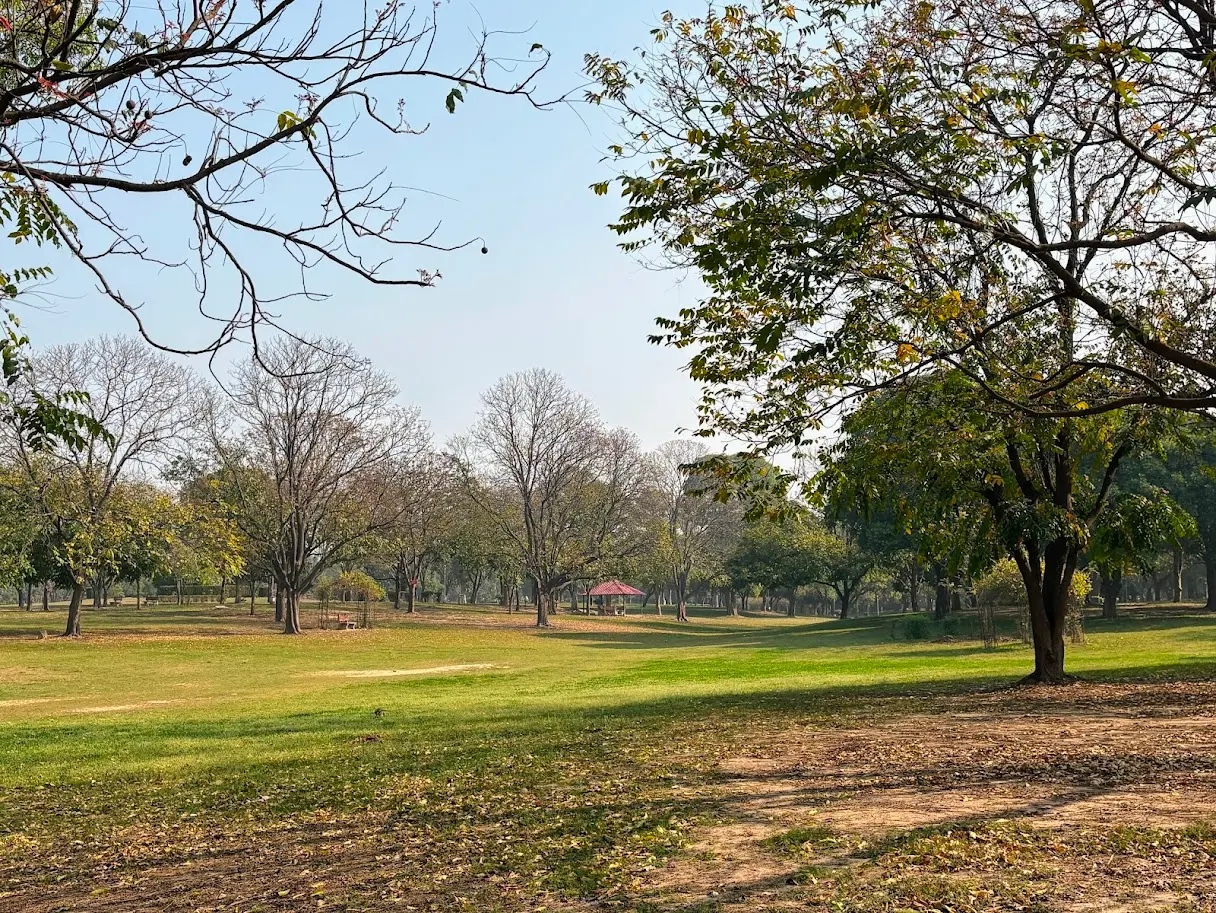 Off-beat
Terraced Garden Chandigarh: Sector 33 Visit Guide
Stepped lawns and seasonal flowerbeds across multiple levels — a quieter picnic and photography alternative to the Rose Garden.
 Off-beat
Garden of Fragrance Chandigarh: Scented Plants & Braille Trail
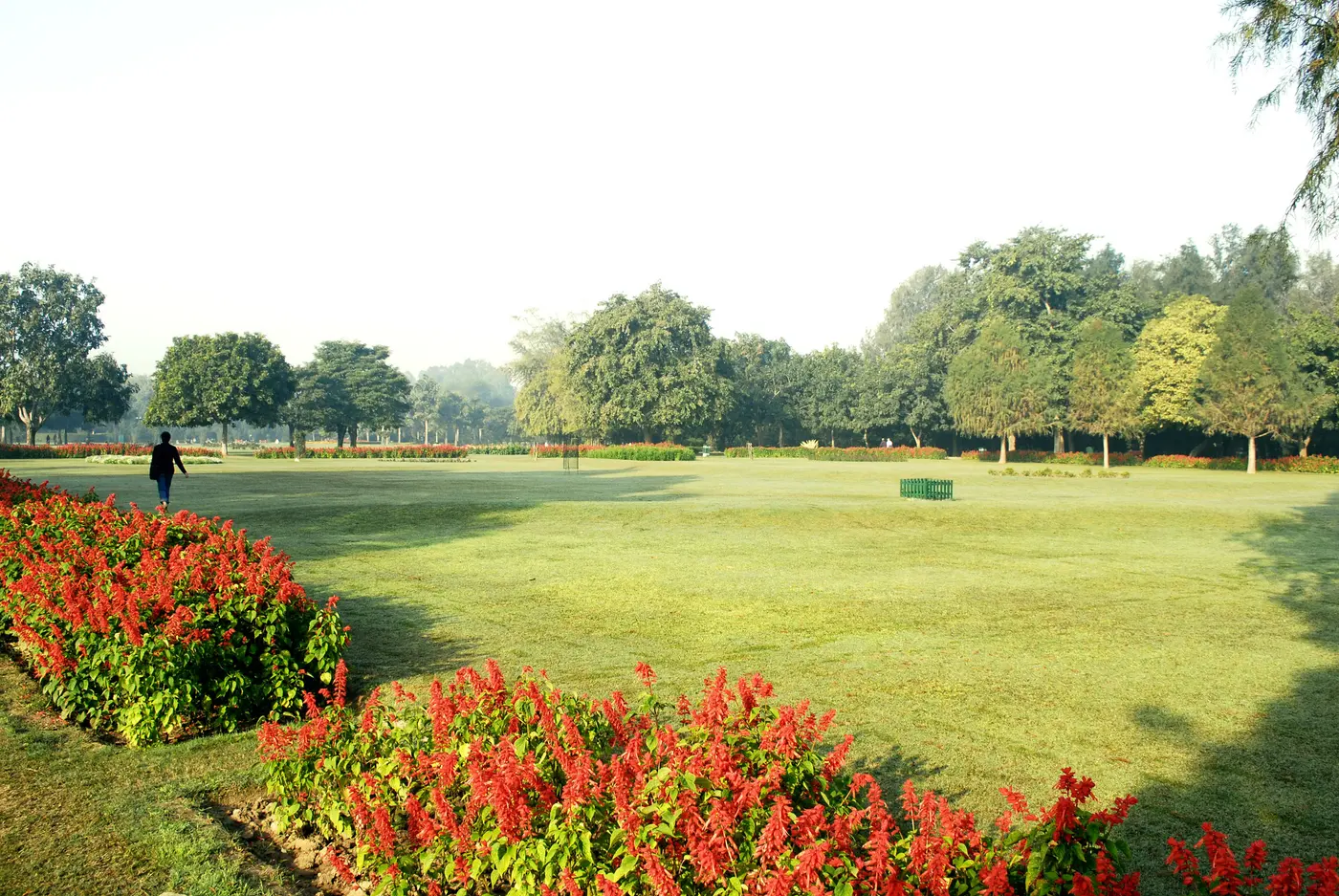
A small garden built around scent rather than sight, with Braille signage for visually impaired visitors — one of Chandigarh's most thoughtful lesser-known gardens.
 Off-beat
Shanti Kunj Chandigarh: A Quiet Garden Near Rose Garden
A small, low-key green pocket near the Rose Garden — Chandigarh's simplest stop for a peaceful walk away from the crowds.
 Off-beat
Bougainvillea Garden Chandigarh: Blooms & Best Time
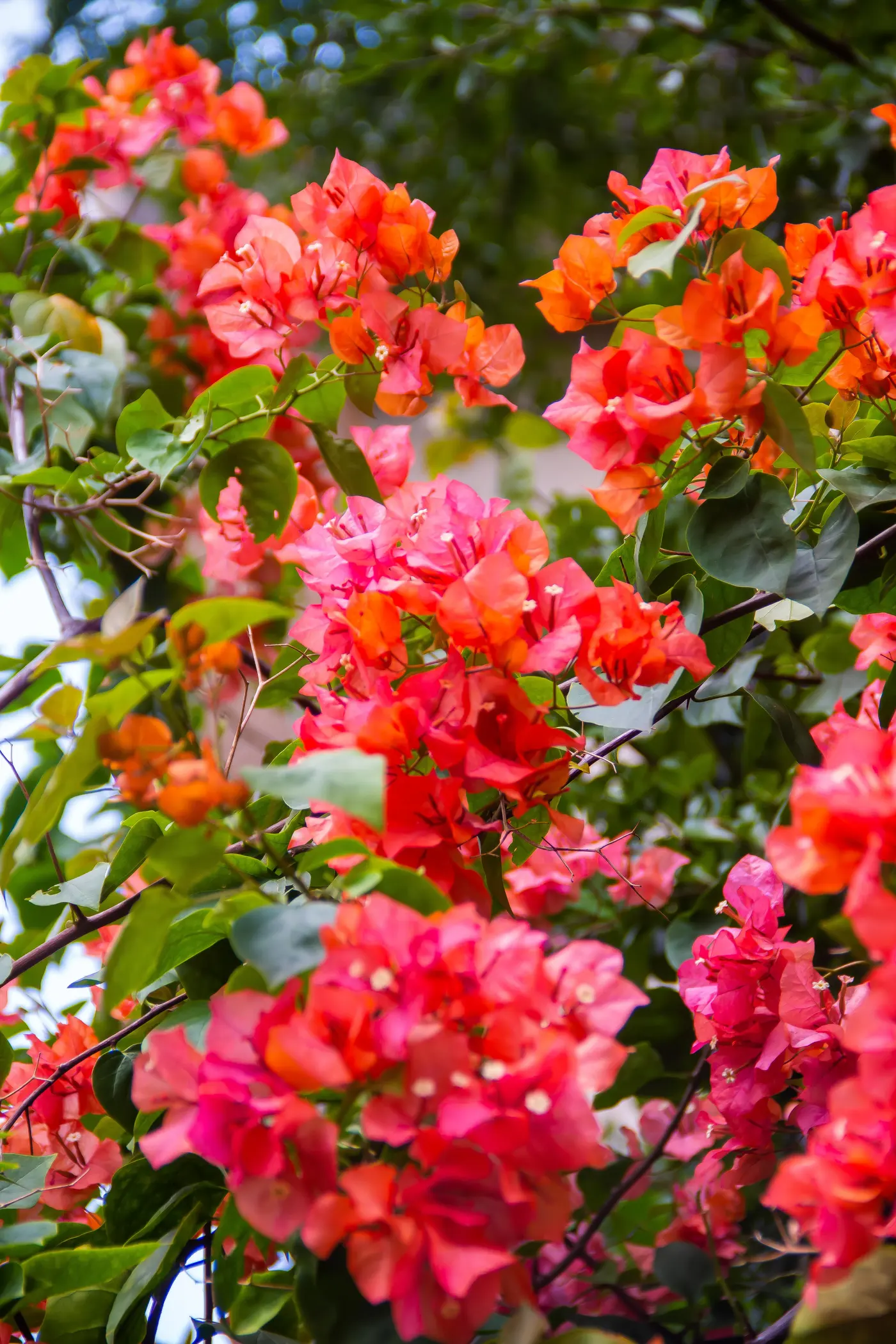
Trellised arches and pruned bougainvillea shrubs bursting into colour every summer — a quiet, mostly-local garden along the Leisure Valley.