Why Jharkhand?
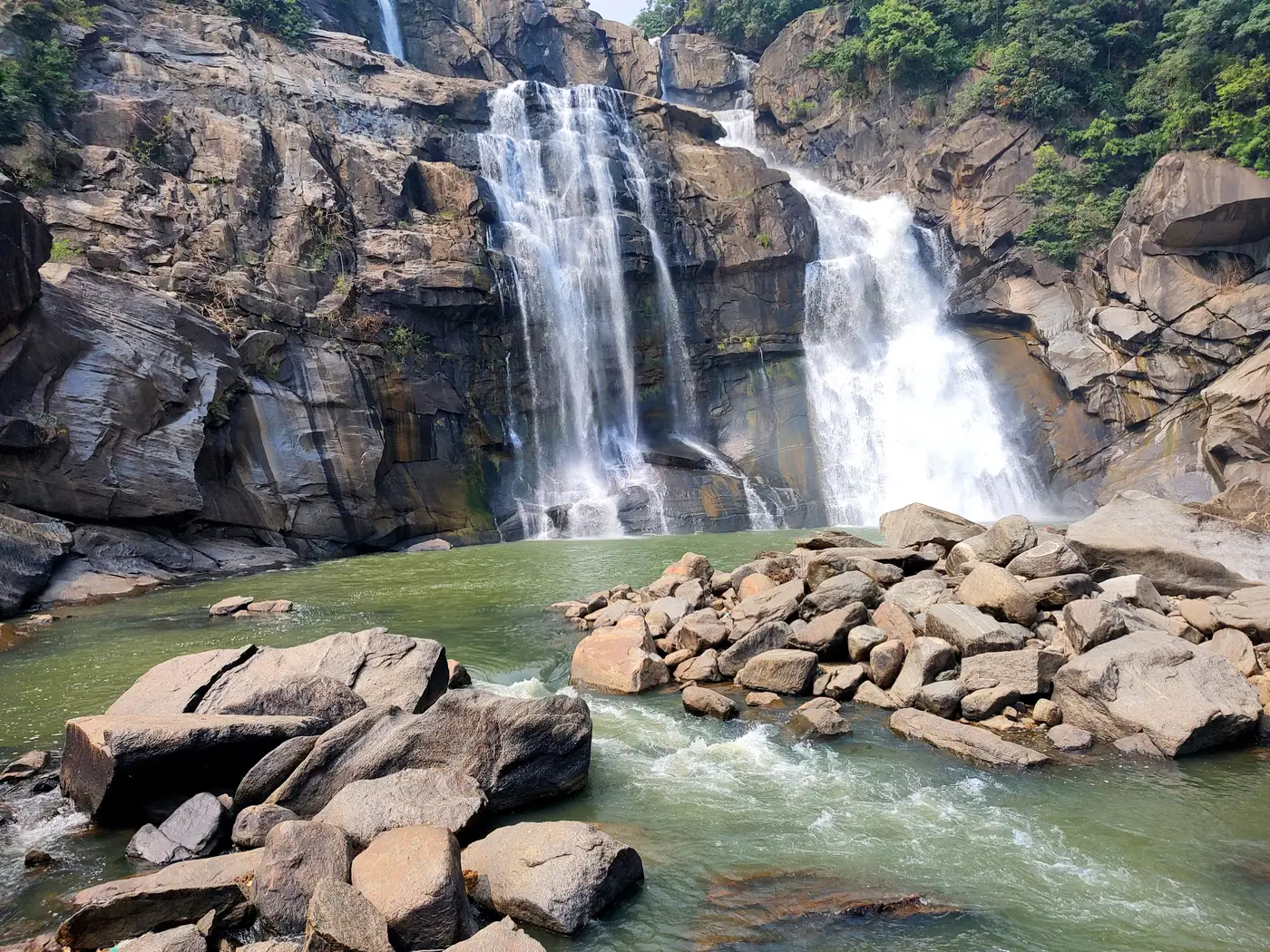
Carved out of southern Bihar in 2000, Jharkhand sits on the mineral-rich Chotanagpur plateau — a landscape of dense sal forests, rolling hills, and rivers that drop off laterite cliffs in a string of genuinely dramatic waterfalls. Ranchi, the state capital, is nicknamed the "City of Waterfalls" for good reason.
Beyond the scenery, Jharkhand carries a distinct tribal heritage — the Santhal, Munda, Ho, Oraon, and other communities together make up close to a quarter of the state's population, and their culture, art, and festivals run through the state far more visibly than most visitors expect. Add to that Betla National Park's tigers and elephants, the pine-covered plateau of Netarhat, and Deoghar's major Shiva pilgrimage, and there's a genuinely rich trip here.
What Jharkhand doesn't have, outside Ranchi and Jamshedpur, is much tourist infrastructure — signage, English-speaking guides, and organised transport all thin out quickly once you leave the two big cities. Plan with flexibility and treat it as a genuine off-the-beaten-path trip, not a polished one.
🌲 Jharkhand at a Glance
Best Time to Visit Jharkhand
Jharkhand's climate swings from a mild winter to a scorching summer and a substantial monsoon — timing matters both for comfort and for how the state's signature waterfalls actually look.
Cool, dry, and pleasant (10–27°C) — the most comfortable window for Netarhat, Betla safaris, and general sightseeing.
Temperatures climb well past 35°C on the plains — Netarhat's higher elevation offers some relief, but daytime sightseeing elsewhere is tough.
Jharkhand receives substantial rain in this window; roads to Betla and Netarhat can get genuinely difficult, though the forest turns vividly green.
Hundru, Dassam, and Jonha Falls are at their most dramatic just after the monsoon eases — worth the tricky road conditions if timed carefully.
Our pick: late September to October if waterfalls are the priority — the falls are at their most dramatic, but check road conditions first. For an all-round easier trip, November to February is the safer, more comfortable choice.
How to Reach Jharkhand
- By Air: Birsa Munda Airport (IXR) in Ranchi is the main gateway, with regular flights from Delhi, Mumbai, Kolkata, and Bengaluru. Jamshedpur also has a smaller airport with limited connections.
- By Rail: Ranchi, Jamshedpur (Tatanagar Junction), and Dhanbad are major rail junctions well connected to Delhi, Kolkata, Mumbai, and most large Indian cities.
- By Road: Ranchi is connected by highway to Kolkata (~430 km), Patna (~330 km), and Varanasi, though drive times are long given the terrain.
Ranchi: City of Waterfalls
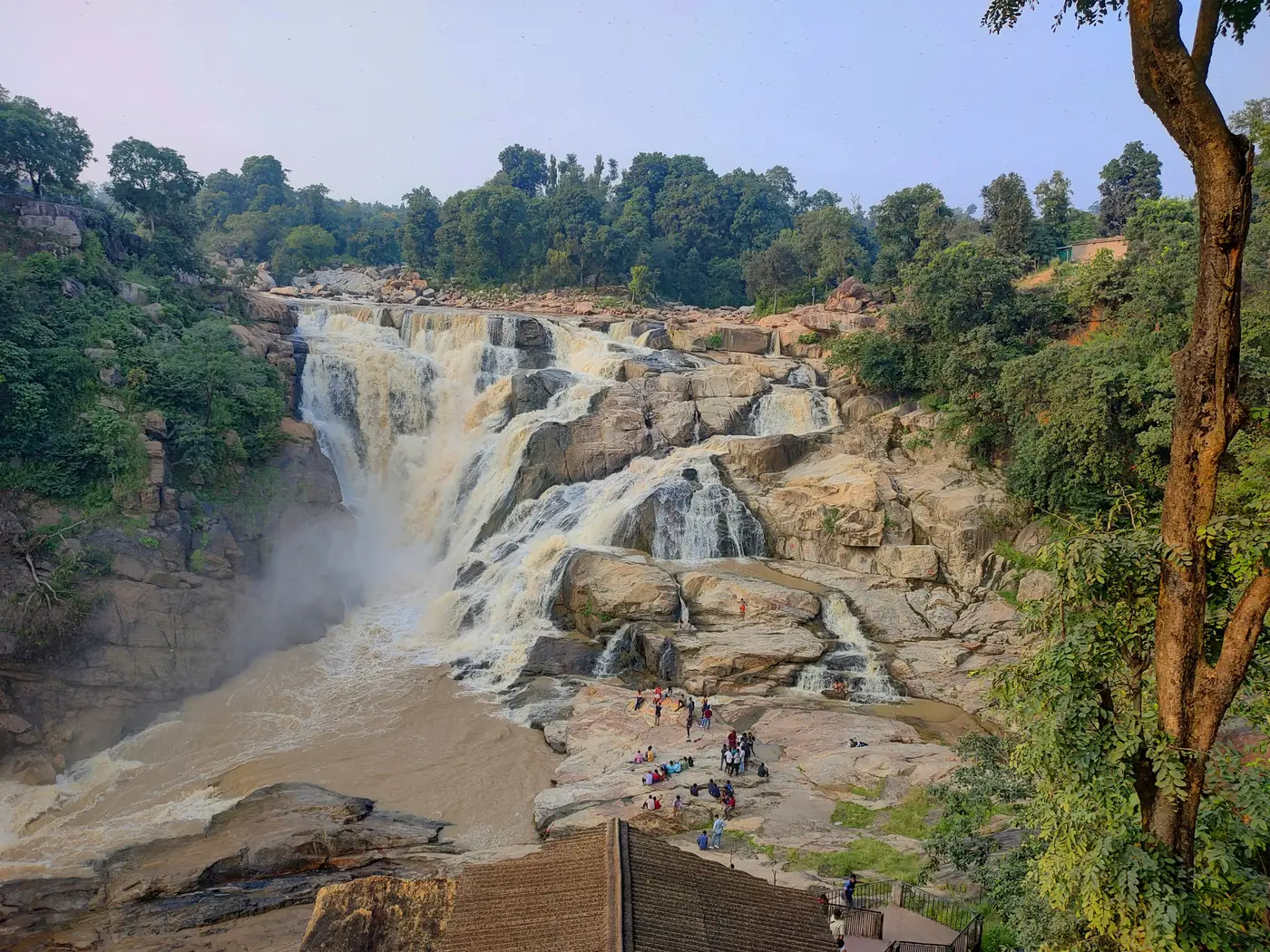
Jharkhand's capital sits on the Chotanagpur plateau and earns its nickname honestly — a cluster of genuinely impressive waterfalls sits within a couple of hours' drive, making Ranchi the natural base for most first-time visitors.
- Hundru Falls: The Subarnarekha River drops around 98 metres here, roughly 45 km from Ranchi — one of the state's most-visited and most dramatic waterfalls, especially just after monsoon.
- Dassam Falls: A wide, powerful cascade about 40 km from Ranchi on the Kanchi River, with a viewing point that gets genuinely misty in season.
- Jonha Falls (Gautamdhara): A quieter, forested waterfall roughly 40 km from Ranchi, with a long flight of steps down to the base and a small temple nearby.
- Rock Garden & Tagore Hill: Closer to the city — Rock Garden overlooks Kanke Dam, while Tagore Hill offers an easy climb and city views, both good for a half-day when you're not chasing waterfalls.
Netarhat: Queen of Chotanagpur
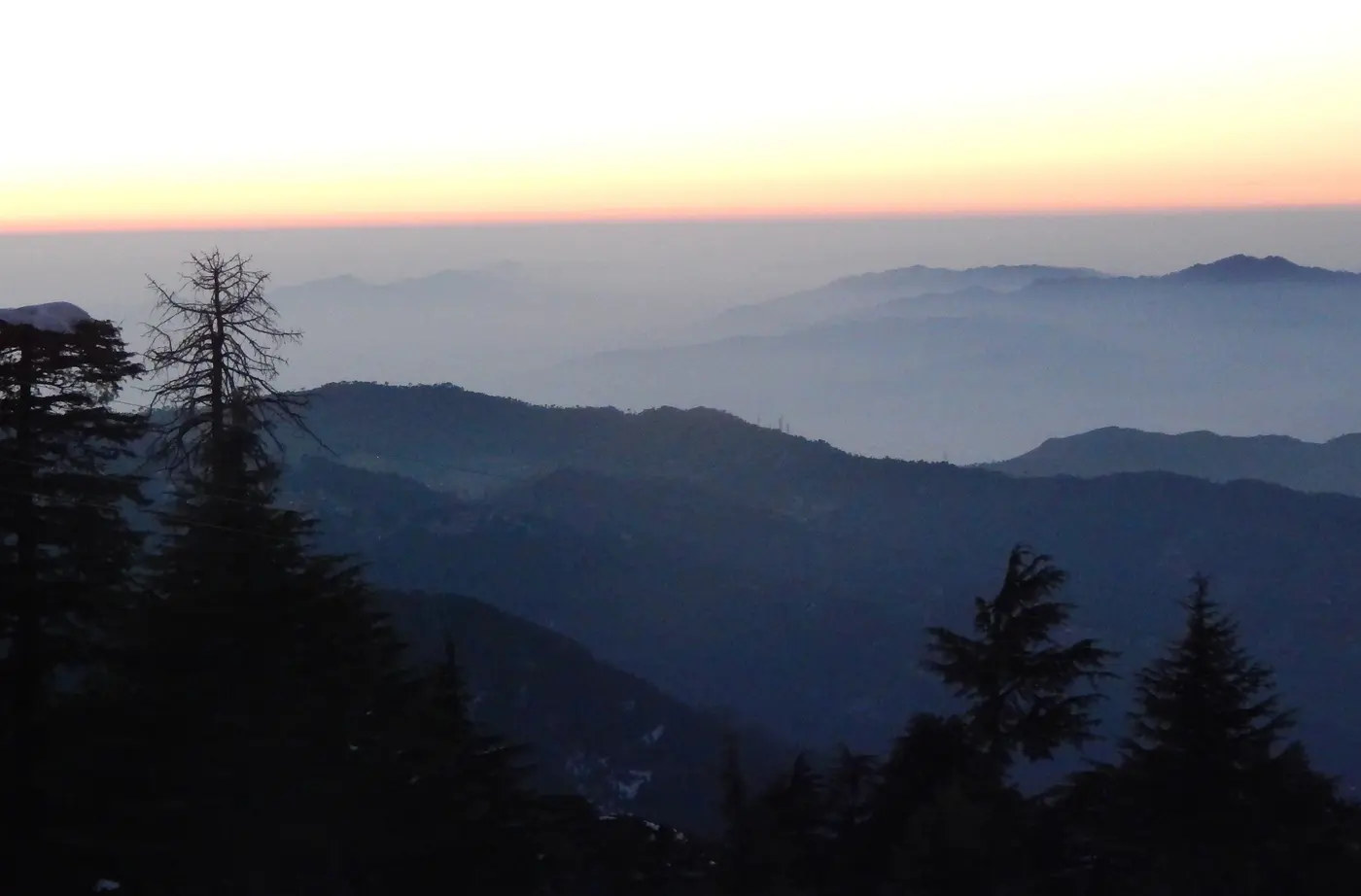
Perched at around 1,070 metres, Netarhat is Jharkhand's best-known hill station — a plateau of pine and sal forest roughly 150 km from Ranchi, prized for its cooler climate and genuinely striking sunrise and sunset points.
- Magnolia Sunset Point: The most popular viewpoint, looking out over layered hills and forest as the sun goes down — best on a clear day.
- Sunrise Point (Koel View Point): An early start, but the plateau's sunrise over the forested valley is one of the state's most rewarding views.
- Netarhat Dam & Upper Ghaghri Falls: A quieter reservoir and a nearby waterfall worth combining into a half-day around the plateau.
- Cooler climate: Netarhat's elevation gives it noticeably cooler temperatures than Ranchi year-round, making it a genuine relief in the hotter months.
Betla National Park
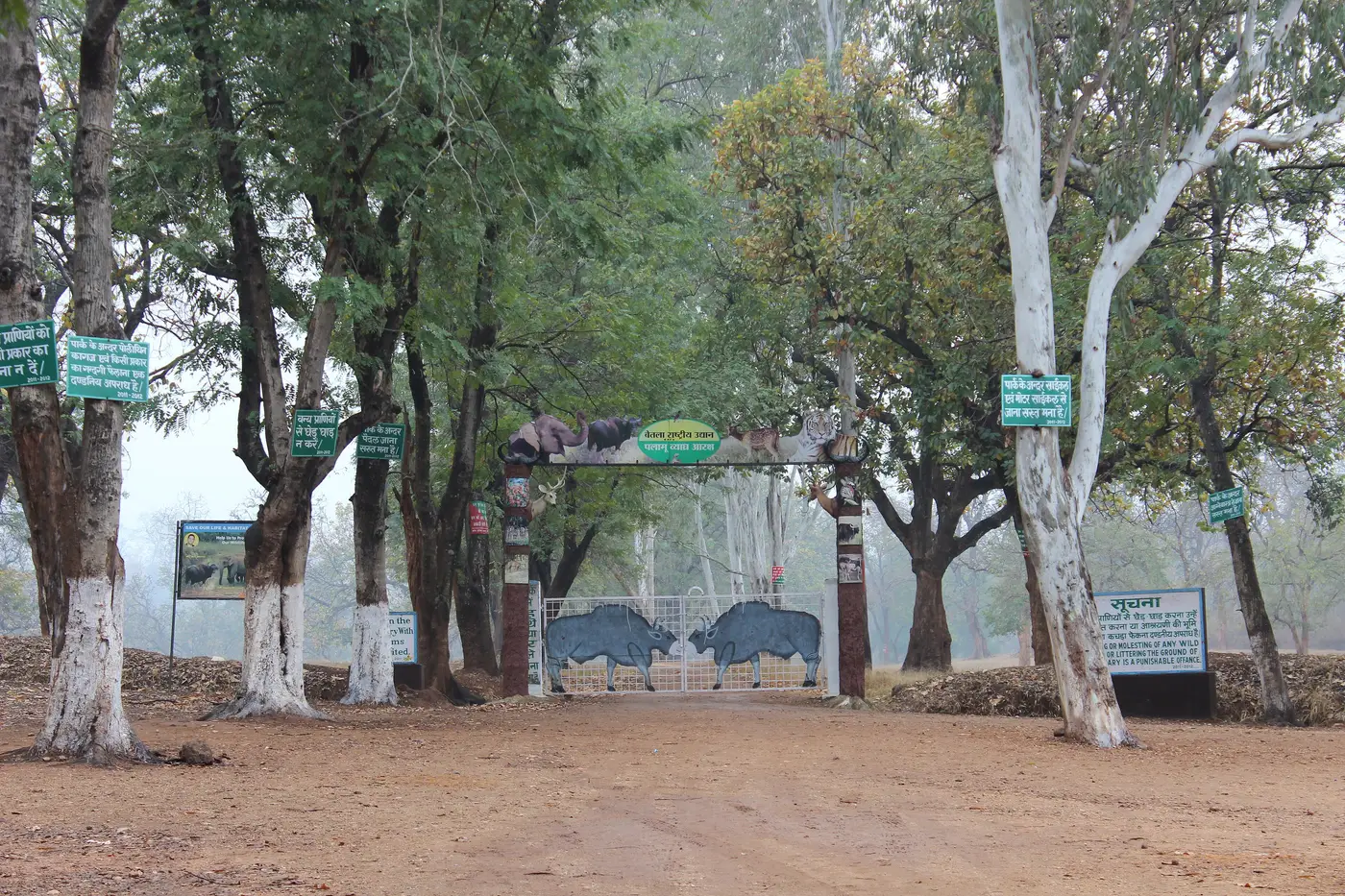
Part of the Palamu Tiger Reserve, Betla National Park is one of India's earliest designated tiger reserves, roughly 25 km from Daltonganj and around 170 km from Ranchi — a genuine wildlife destination that sees a fraction of the visitors that parks in Madhya Pradesh or Rajasthan do.
- Wildlife: Tigers, leopards, wild elephants, sloth bears, gaur (Indian bison), and a wide range of deer species inhabit the reserve's sal and bamboo forest.
- Palamu Forts: Two historic forts — built by the Chero dynasty — sit within the park boundary, an unusual combination of wildlife and history in one visit.
- Safari logistics: Jeep safaris run in morning and afternoon slots; sightings are far less guaranteed than at India's better-known tiger reserves, so go in with realistic expectations.
Deoghar, Patratu Valley & Jamshedpur
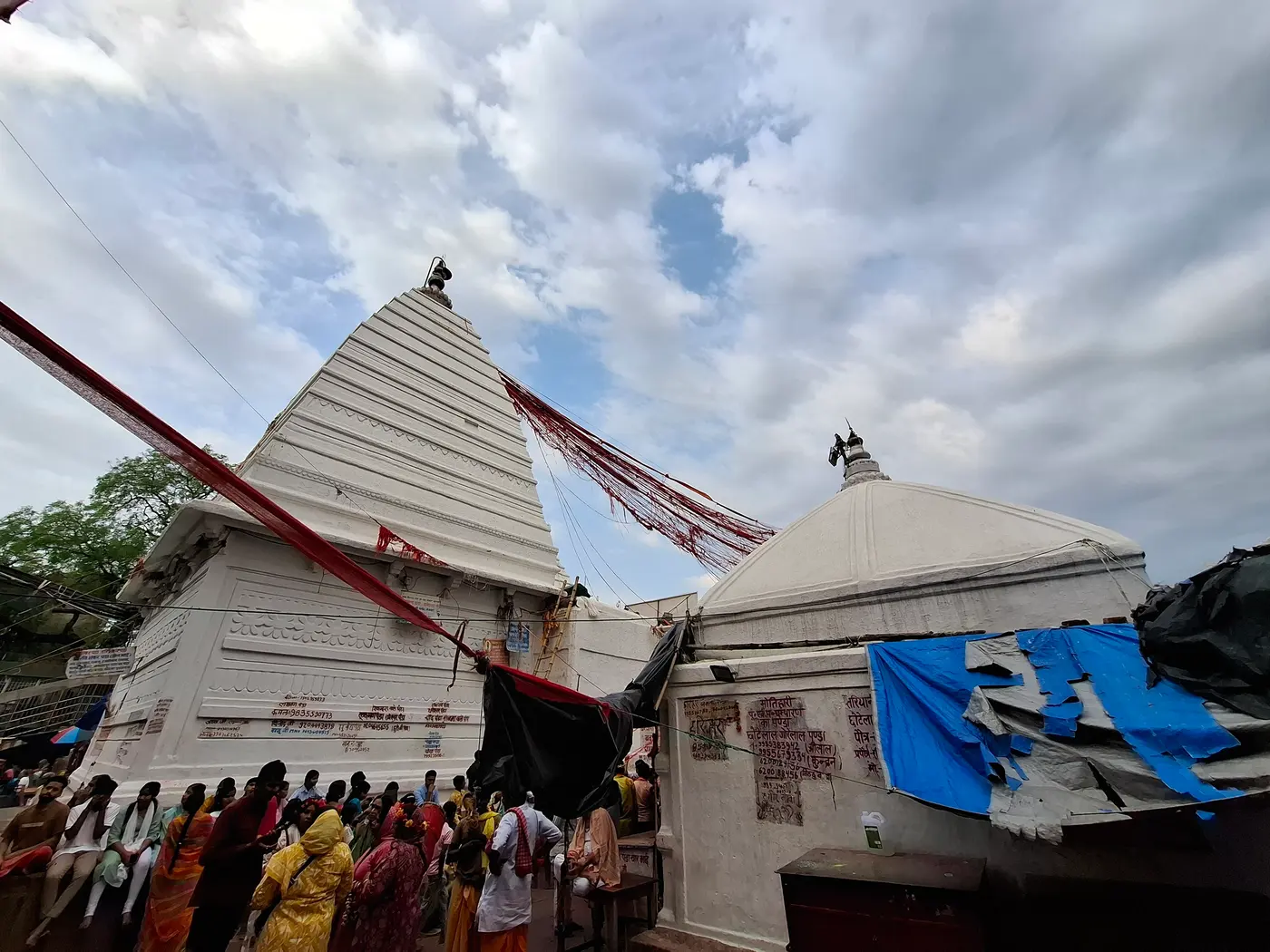
- Deoghar: Home to the Baidyanath Jyotirlinga, one of the twelve Jyotirlingas of Shiva and a major pilgrimage site that draws huge crowds during Shravan month — worth visiting outside that peak if you want a calmer experience.
- Patratu Valley: A scenic dam and a winding, hairpin-laden road that has become popular with road-trippers out of Ranchi — genuinely photogenic, especially in the golden-hour light.
- Jamshedpur: India's first planned industrial city, built around Tata Steel — Jubilee Park is a large, well-maintained green space, and the city itself offers a different, more orderly side of Jharkhand than the forested interior.
Where to Stay
Accommodation is concentrated in Ranchi and Jamshedpur — outside these two cities, options thin out significantly, so plan day trips and overnight stops accordingly.
- → Guesthouses & lodges, Ranchi
- → JTDC tourist lodge, Netarhat
- → Forest rest houses near Betla
- → Business hotels, Ranchi & Jamshedpur
- → Van Vihar-style stays, Betla
- → Boutique stays, central Ranchi
- → Radisson Blu, Ranchi
- → Premium business hotels, Jamshedpur
- → Upscale resorts (limited, Ranchi area)
Base yourself in Ranchi for the waterfalls and day trips, then plan dedicated overnight stops in Netarhat and near Betla — proper tourist accommodation elsewhere in the state is genuinely limited.
What to Eat in Jharkhand
- Litti Chukha: Jharkhand's own spin on the Bihari litti-chokha — roasted wheat-and-sattu balls served with chukha, a tangy potato-tomato mash, rather than the classic Bihari chokha.
- Dhuska: A deep-fried rice-and-lentil pancake, usually served with chana curry or chutney — a common breakfast and street-food staple.
- Rugra: A wild forest mushroom delicacy, gathered seasonally and cooked into a rich curry — a genuine local specialty worth seeking out if it's in season.
- Pittha: Steamed or fried rice-flour dumplings, sometimes stuffed, made in both sweet and savoury versions.
- Bihari-influenced cuisine: Given Jharkhand's shared history with southern Bihar, much of the everyday food carries strong Bihari influence — sattu-based dishes and simple dal-rice thalis are common throughout the state.
5-Day Jharkhand Itinerary
Five days is a reasonable minimum to cover Ranchi's waterfalls, Netarhat, and Betla National Park without excessive rushing.
Ranchi Arrival & City Sights
- ✓Arrive, check in
- ✓Rock Garden & Kanke Dam, Tagore Hill
- ✓Evening: rest and acclimatise
Ranchi Waterfalls
- ✓Hundru Falls in the morning
- ✓Jonha Falls (Gautamdhara) in the afternoon
- ✓Return to Ranchi
Patratu Valley & Netarhat Drive
- ✓Morning stop at Patratu Valley
- ✓Drive on to Netarhat (~5 hrs total)
- ✓Evening: Magnolia Sunset Point
Netarhat to Betla
- ✓Sunrise at Koel View Point
- ✓Drive to Betla National Park area
- ✓Check in near Daltonganj
Betla Safari & Departure
- ✓Morning jeep safari, Betla National Park
- ✓Visit the Palamu Forts
- ✓Drive back toward Ranchi for departure
Budget Breakdown
| Expense | Budget | Mid-Range | Luxury |
|---|---|---|---|
| Accommodation/night | ₹1,000 | ₹3,000 | ₹7,000 |
| Food/day | ₹400 | ₹900 | ₹2,000 |
| Local transport/day | ₹500 | ₹1,200 | ₹2,800 |
| Activities/day | ₹300 | ₹700 | ₹1,500 |
| Daily total | ₹2,200 | ₹5,800 | ₹13,300 |
| 5-Day trip total | ₹11,000 | ₹29,000 | ₹66,500 |
* Excludes flights to Ranchi. Local transport costs run higher than average given the long distances between Ranchi, Netarhat, and Betla National Park.
Essential Travel Tips for Jharkhand
- Hire a car with driver: Public transport to the waterfalls, Netarhat, and Betla is limited and slow — a private vehicle is far more practical for covering the state.
- Plan Netarhat and Betla as overnight trips: Both are far enough from Ranchi that a same-day round trip is rushed and tiring.
- Carry cash: Card and digital payment acceptance is inconsistent outside Ranchi and Jamshedpur's main commercial areas.
- Respect tribal village etiquette: If visiting a Santhal, Munda, or Ho village, go with a local guide and ask before photographing people or ceremonies.
- Check safety advisories for remote forested areas: Parts of Jharkhand's forested interior, including areas near Betla and Palamu, have had periodic security concerns — confirm current guidance before travelling to remote districts.
- Take waterfall safety seriously: Rocks near Hundru, Dassam, and Jonha Falls get slippery, and accidents happen most years — stick to marked viewing areas rather than climbing for a closer look.
✅ Do
- →Hire a car with driver for waterfalls and Betla
- →Book Betla safaris and stays well in advance
- →Try local dishes like litti chukha and dhuska
- →Carry cash for areas outside Ranchi and Jamshedpur
- →Ask permission before photographing tribal communities
- →Plan Netarhat and Betla as overnight stops
❌ Don't
- →Rely on public transport for Netarhat or Betla
- →Rush the Netarhat round trip in a single tight day
- →Climb past marked barriers at waterfalls
- →Rely on cards outside Ranchi and Jamshedpur
- →Travel to remote forested districts without checking advisories
- →Expect Ranchi-level infrastructure once outside the cities
Places to Explore in Jharkhand
Every Jharkhand guide on Kudozz Club, in one place — 14 destinations covered so far, from cities and towns to individual attractions. Use this index to plan beyond the highlights above.
Frequently Asked Questions
How many days do I need for Jharkhand?
Five days is a reasonable minimum to cover Ranchi's waterfalls, Netarhat, and Betla National Park without excessive rushing — roughly two days around Ranchi, one for the drive and stay at Netarhat, and two more for Betla and the return.
What is the best time to visit Jharkhand?
October to March is the most comfortable overall window, with cool, dry weather in the 10–27°C range for Netarhat, Betla safaris, and general sightseeing. If waterfalls are the priority, late September to October is when Hundru, Dassam, and Jonha Falls look their most dramatic, just after the monsoon eases.
How do I reach Jharkhand?
Birsa Munda Airport (IXR) in Ranchi is the main gateway, with regular flights from Delhi, Mumbai, Kolkata, and Bengaluru. Ranchi, Jamshedpur (Tatanagar Junction), and Dhanbad are all major rail junctions well connected to Delhi, Kolkata, and Mumbai, and Ranchi also has road links to Kolkata (~430 km) and Patna (~330 km).
Is Jharkhand safe to visit?
Ranchi and Jamshedpur are well set up for visitors, but tourist infrastructure thins out quickly beyond the two big cities. Parts of the state's forested interior, including areas near Betla and Palamu, have had periodic security concerns, so it's worth checking current advisories before travelling to remote districts.
What is the budget for a trip to Jharkhand?
A budget traveller can expect around ₹2,200 a day for accommodation, food, local transport, and activities, totalling roughly ₹11,000 for a 5-day trip. Mid-range travel runs about ₹5,800 a day (around ₹29,000 for five days), while a luxury trip can reach ₹13,300 a day. This excludes flights to Ranchi.
Are tiger sightings guaranteed at Betla National Park?
No. Betla, part of the Palamu Tiger Reserve, is home to tigers, leopards, wild elephants, sloth bears, and gaur, but sightings are far less guaranteed than at India's better-known reserves in Madhya Pradesh or Rajasthan — it's worth going in with realistic expectations rather than a guaranteed-sighting mindset.
Can Netarhat be visited as a day trip from Ranchi?
It's possible but not recommended. Netarhat sits roughly 150 km and about a 5-hour drive from Ranchi, so a same-day round trip is rushed and tiring — planning it as an overnight stay lets you catch both the Magnolia Sunset Point in the evening and the sunrise at Koel View Point the next morning.
Published by the Kudozz Club editorial team · Last updated · How we research our guides
Want us to plan this trip for you?
Tell Kudozz Club where you want to go and what kind of trip you’re looking for. We’ll build a Jharkhand itinerary around your dates and budget.
Continue Exploring
View all guides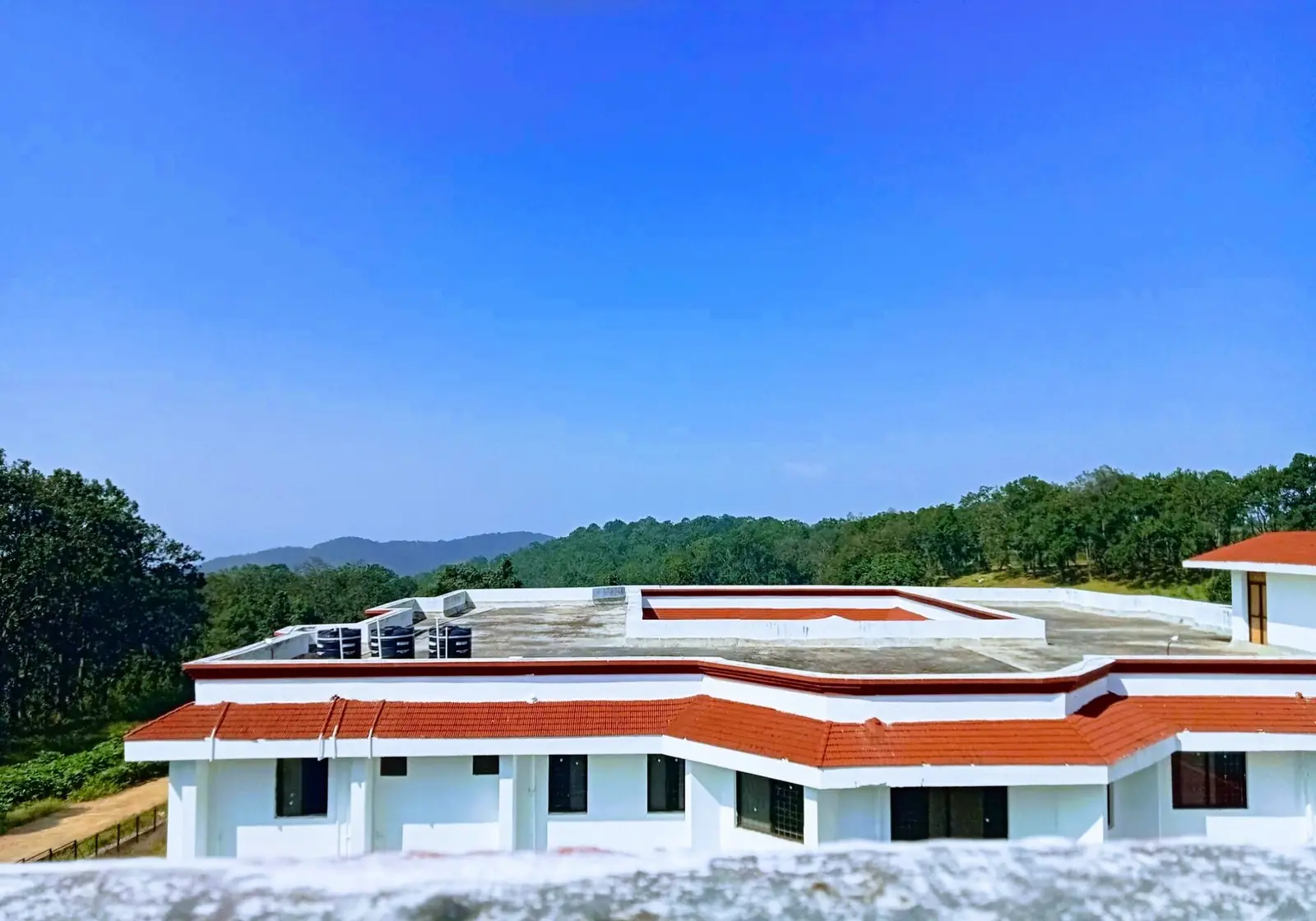 Off-beat
Netarhat Travel Guide: Sunrise Point & Chotanagpur's Hill Queen
A pine-forested plateau hill station nicknamed the 'Queen of Chotanagpur', famous for sunrise and sunset points over the Netarhat range — the complete guide to Netarhat.
 Adventure
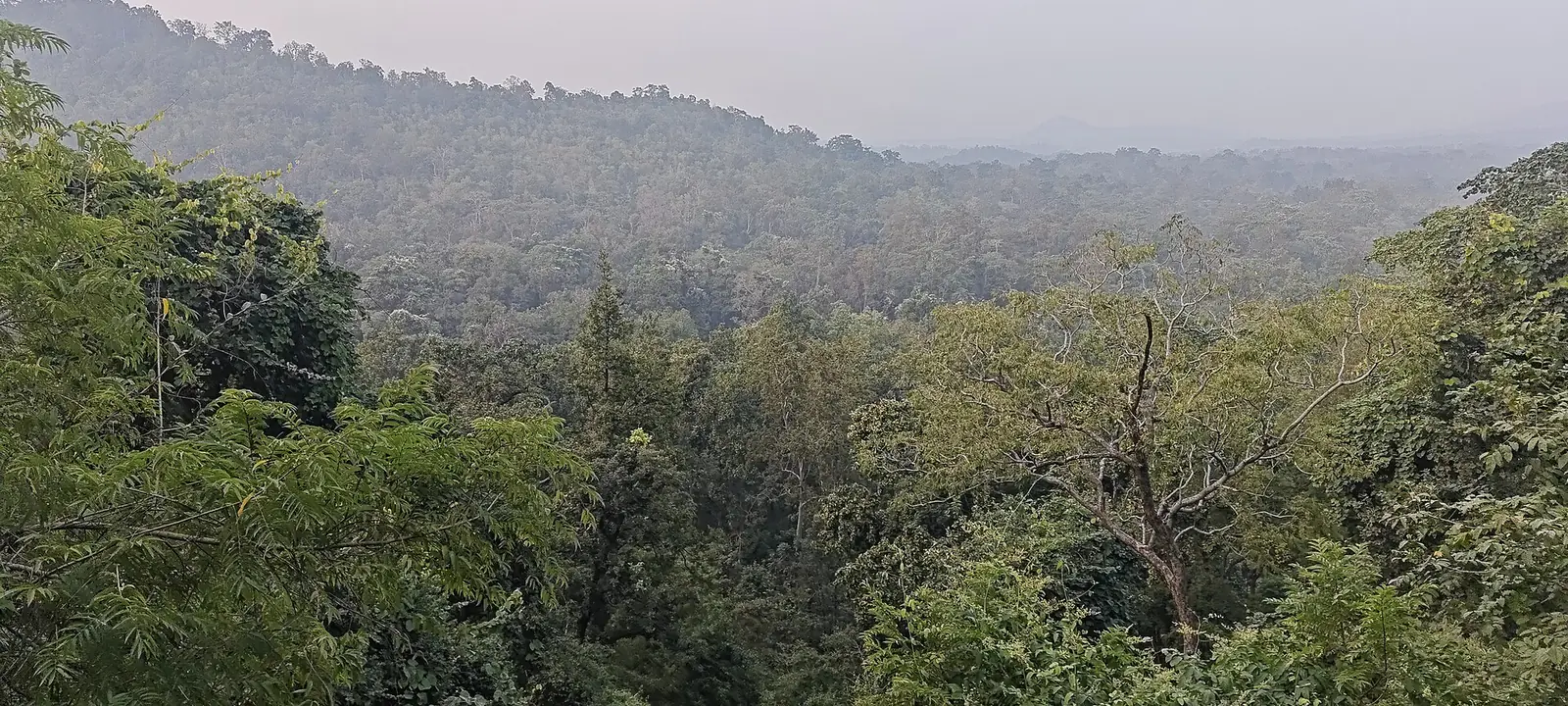
Betla National Park Travel Guide: Tiger Safari & Palamu Forts
One of India's earliest Project Tiger reserves, with two ruined forts hidden inside dense sal forest — the complete guide to Betla National Park.
 Off-beat
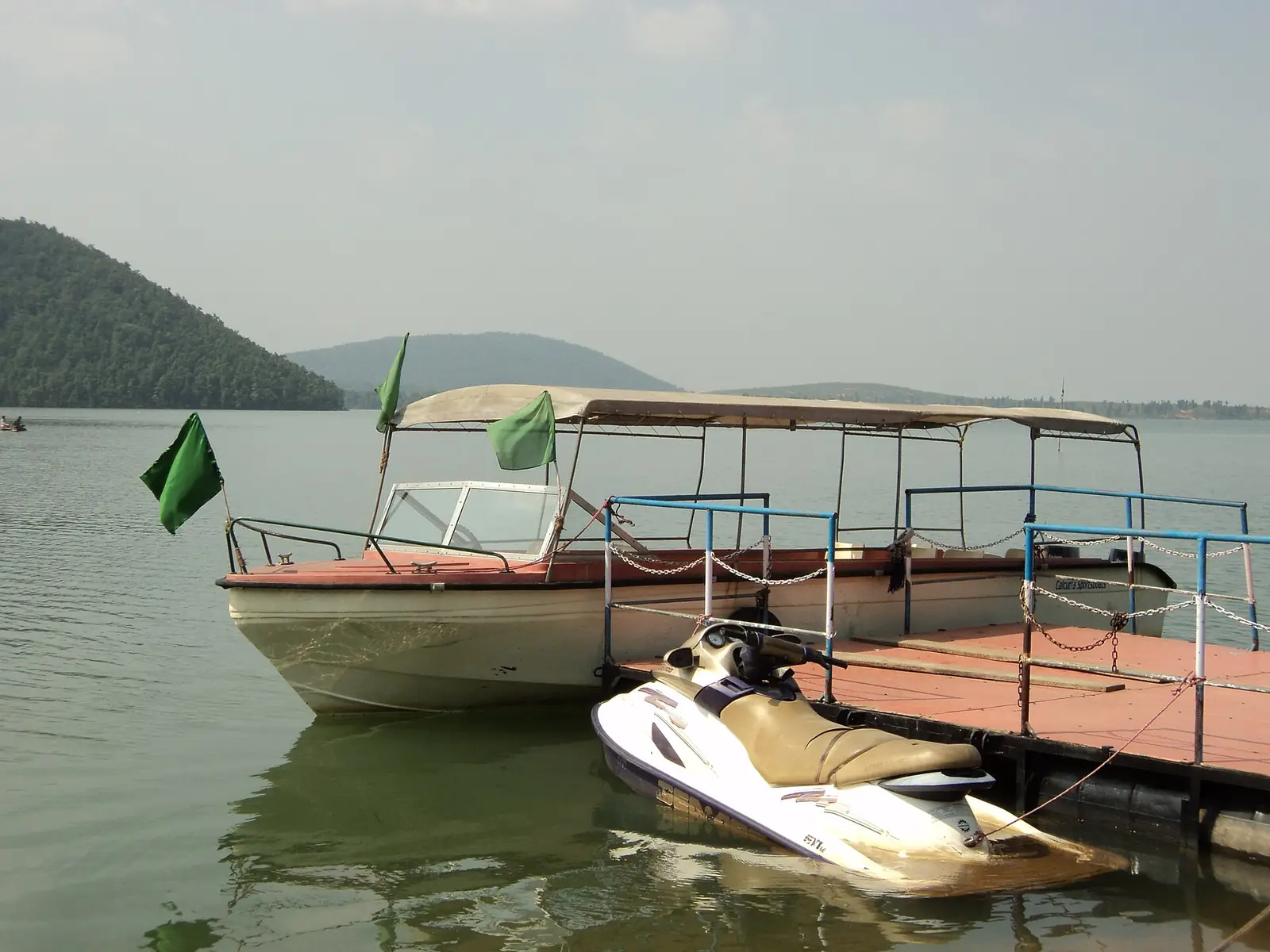
Chandil Dam Travel Guide: Reservoir, Boating & Day Trip Guide
A vast reservoir on the Subarnarekha River ringed by hills, one of the easiest day trips from Jamshedpur — the complete guide to Chandil.
 Off-beat
Saranda Forest Travel Guide: Asia's Largest Sal Forest
A dense, largely untouched sal forest covering nearly a thousand square kilometres of Jharkhand's mineral-rich hills — the complete guide to Saranda Forest.