Why Massanjore?
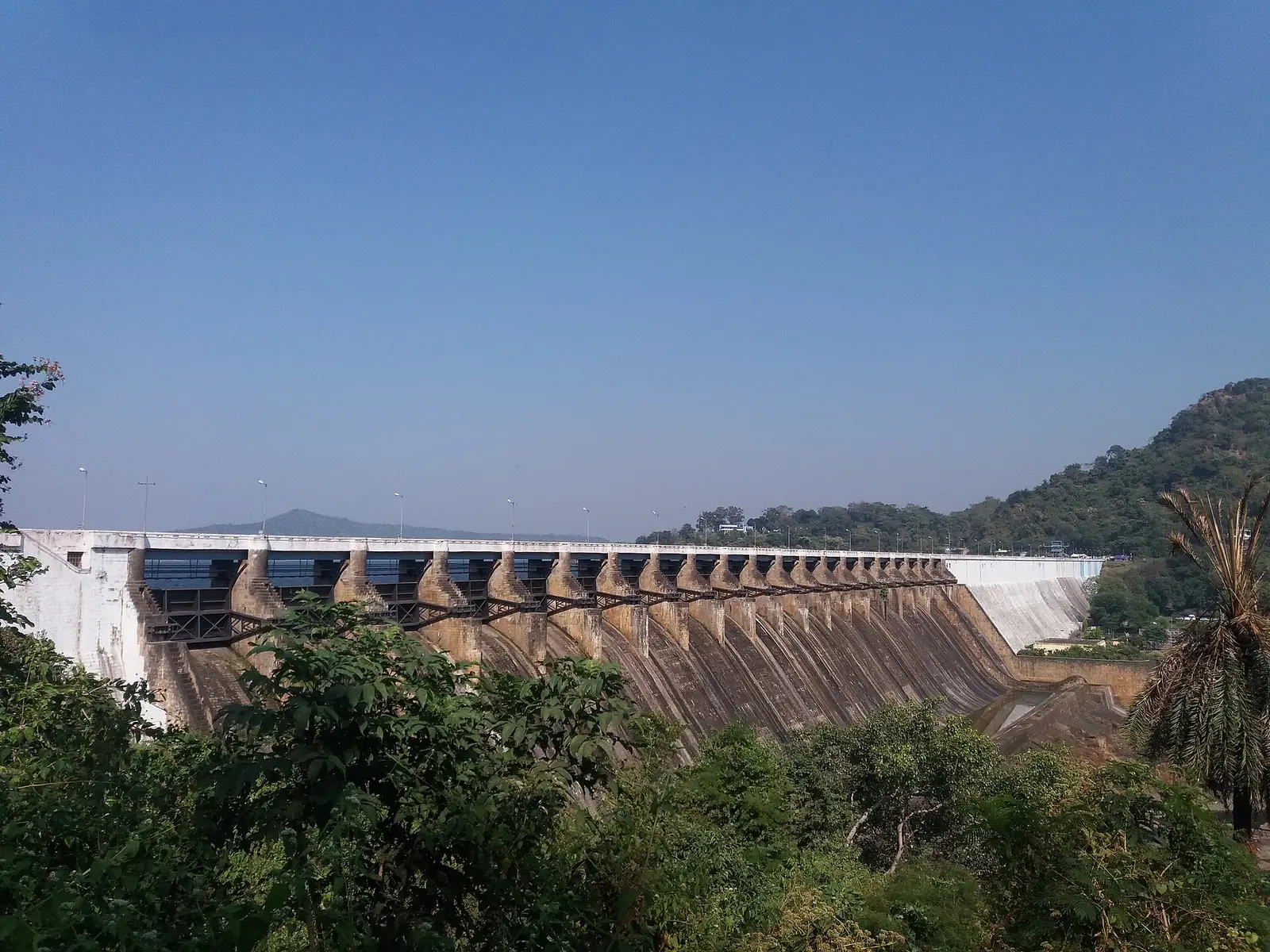
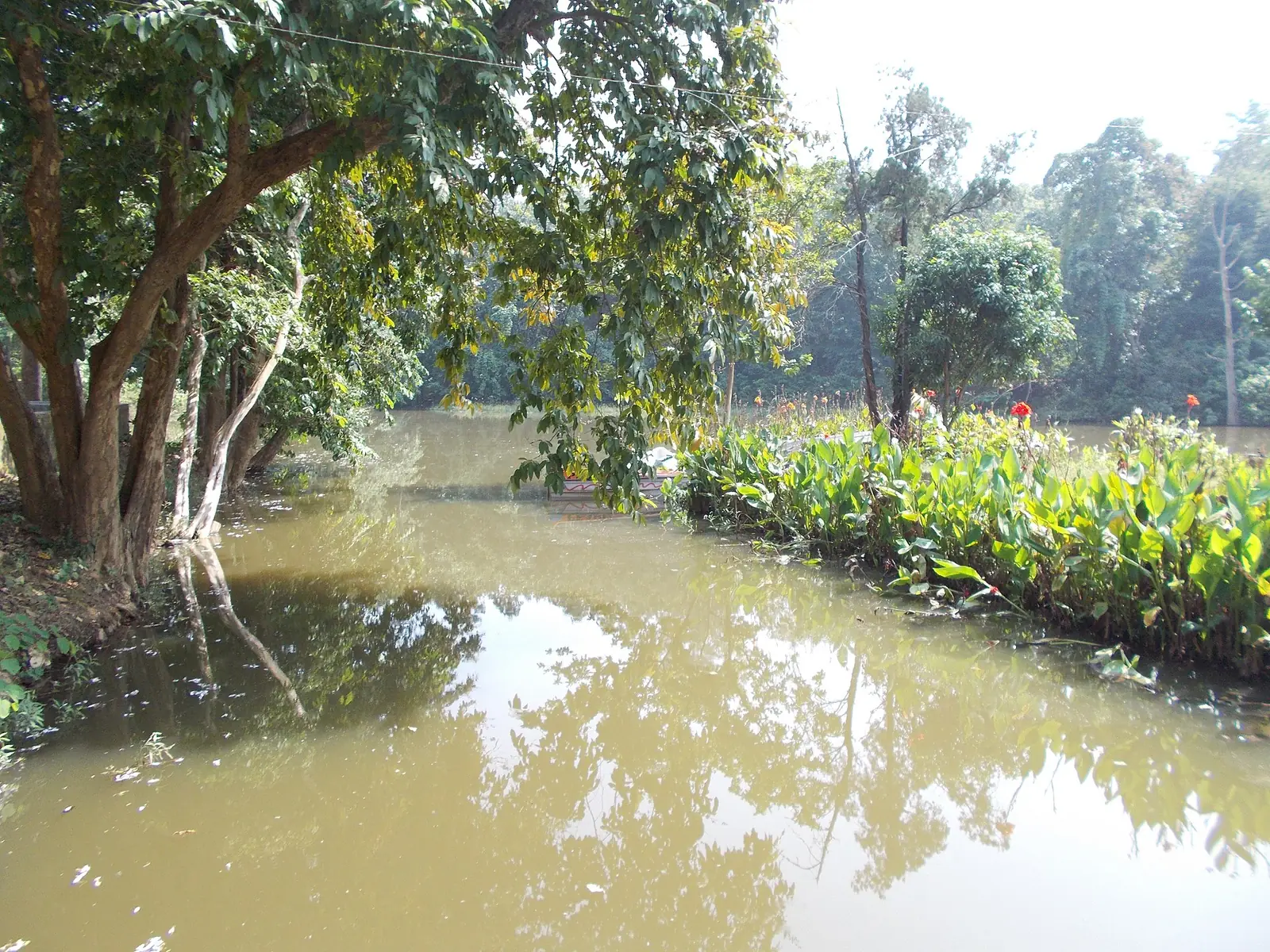
Massanjore Dam sits on the Mayurakshi River right at the border between Jharkhand and West Bengal — a genuinely unusual geographic footnote for a dam built in the 1950s. The reservoir it creates is ringed by sal forest and low hills, making it a peaceful, low-key escape rather than a major sightseeing stop.
Most travelers combine it with a Deoghar trip, using it as a quiet counterpoint to the pilgrimage town's crowds — boating on the reservoir, a walk around the dam, and decent birdlife in the cooler months.
🚤 Massanjore at a Glance
Best Time to Visit Massanjore
Cool, comfortable weather for boating and time around the reservoir, plus the best birdwatching window.
Increasing heat through early summer followed by the monsoon — less comfortable for a full day outdoors.
Our pick: October to March — comfortable weather for boating and the best chance of good birdlife around the reservoir edge.
How to Reach Massanjore
- From Deoghar: Roughly 60-70km by road — the most common approach for most travelers, given Deoghar's airport and railway connectivity.
- From West Bengal: Rampurhat railway station offers an alternative approach from the West Bengal side.
- By Road: Road travel is the primary way to reach Massanjore from either direction — this is a moderately remote destination.
What to See & Do at Massanjore
- The dam and reservoir: The central feature — a large body of water ringed by sal forest and low hills, quiet and largely undeveloped.
- Boating: Available on the reservoir, though availability and conditions can vary — check locally.
- Birdwatching: Decent birdlife around the reservoir edge, especially in the cooler months.
- Walks around the dam area: A peaceful, low-key way to spend an afternoon away from Deoghar's pilgrim crowds.
Where to Stay Near Massanjore
Accommodation right at Massanjore is limited and basic — most travelers either day-trip from Deoghar or find simple local stays for an overnight visit.
- → Basic local guesthouses
- → Simple stays near the dam area
- → Better-appointed hotels in Deoghar (day-trip base)
What to Eat Near Massanjore
- Local eateries: Simple rice-and-dal meals at small local establishments near the dam.
- Bring snacks from Deoghar: If day-tripping, it's sensible to carry food and water rather than relying on limited options at Massanjore itself.
1-Day Massanjore Itinerary
Travel & Reservoir Time
- ✓Depart Deoghar early
- ✓Arrive at Massanjore, explore the dam area
- ✓Boating on the reservoir (subject to availability)
Relax & Return
- ✓Lunch (carried or local eatery)
- ✓Birdwatching/walk around the reservoir edge
- ✓Drive back to Deoghar
Budget Breakdown
| Expense | Approx. Cost |
|---|---|
| Taxi from Deoghar (return) | ₹1,200–₹1,800 |
| Boating | ₹100–₹300 |
| Food (carried or local) | ₹200–₹400 |
| Total day-trip cost (approx.) | ₹1,500–₹2,500 |
* Assumes a day trip from Deoghar and doesn't include your Deoghar accommodation.
Essential Travel Tips for Massanjore
- Combine with Deoghar: The connectivity makes far more sense as an add-on than a standalone trip.
- Check boating availability locally: Conditions can vary day to day.
- Carry food and water: Facilities right at the dam are basic.
- Set quiet-getaway expectations: This is a peaceful reservoir escape, not a major sightseeing stop.
✅ Do
- →Combine Massanjore with a Deoghar itinerary
- →Check boating availability before you go
- →Carry food and water for the day
- →Visit Oct–Mar for the most comfortable weather
- →Bring binoculars if you enjoy birdwatching
❌ Don't
- →Expect developed tourist infrastructure
- →Plan a multi-day trip around Massanjore alone
- →Assume boating will always be available
- →Skip carrying your own food and water
- →Travel without confirming current road conditions in monsoon
Frequently Asked Questions
Where exactly is Massanjore Dam?
It sits right at the Jharkhand-West Bengal border, on the Mayurakshi River — a genuinely unusual geographic footnote, since the dam and its reservoir straddle the two states.
How do I reach Massanjore?
The nearest practical hub is Deoghar (roughly 60-70km away), or you can approach from the West Bengal side via Rampurhat railway station. Road travel is the primary way in either direction.
What is the best time to visit Massanjore?
October to March offers the most comfortable weather for boating and time around the reservoir.
Can I combine Massanjore with a Deoghar trip?
Yes — given the relative proximity and Deoghar's better transport connectivity, most travelers treat Massanjore as an add-on to a Deoghar itinerary rather than a standalone trip.
Is boating available at Massanjore?
Yes, boating on the reservoir is one of the main activities, though availability and conditions can vary — check locally before you go.
Is Massanjore a developed tourist spot?
Not heavily — this is a quiet, low-infrastructure reservoir destination best suited to travelers wanting a peaceful escape rather than a polished sightseeing circuit.
Published by the Kudozz Club editorial team · Last updated · How we research our guides
Want us to plan this trip for you?
Tell Kudozz Club where you want to go and what kind of trip you’re looking for. We’ll build a Massanjore Dam and Jharkhand itinerary around your dates and budget.
Continue Exploring
View all guides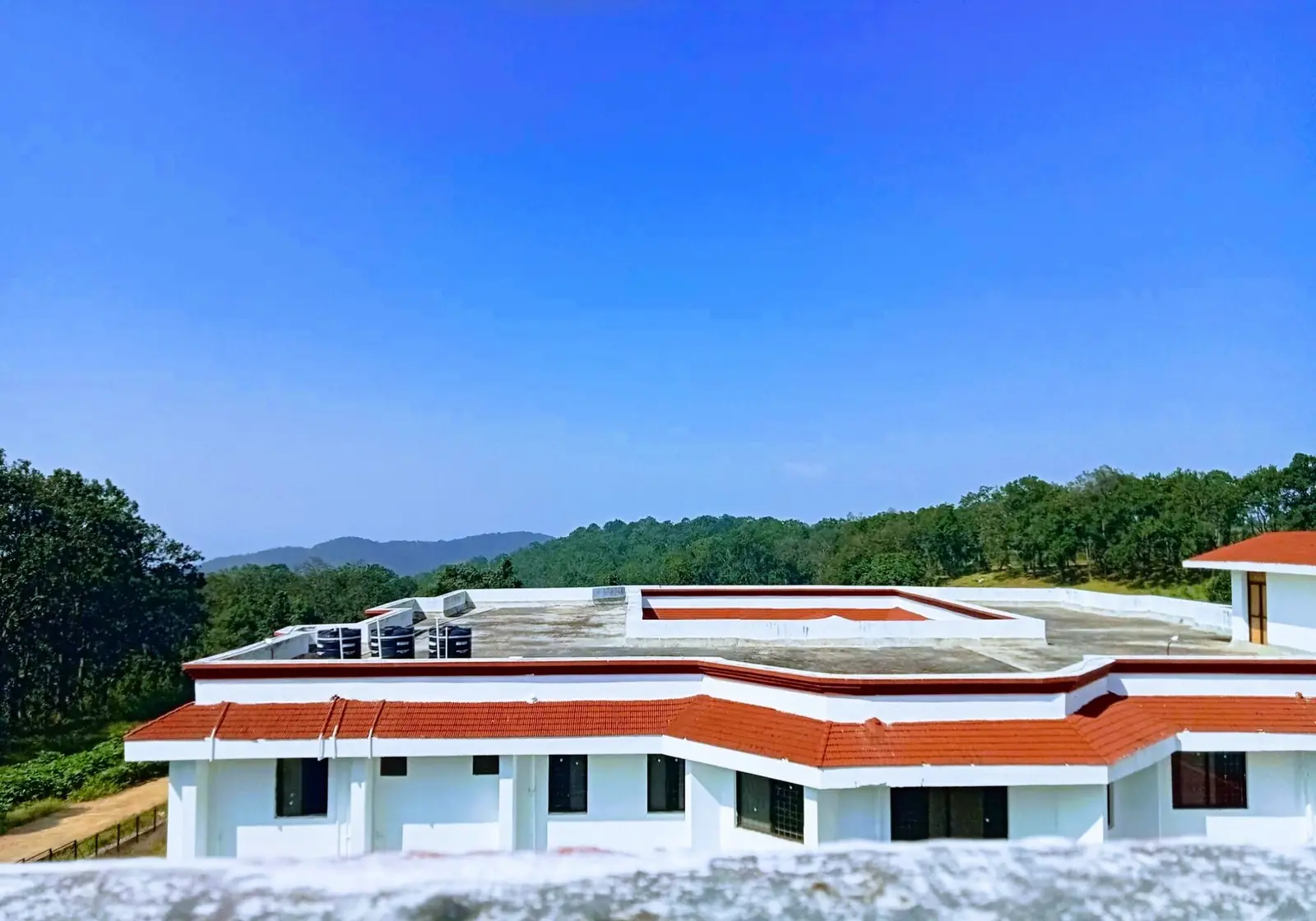 Off-beat
Netarhat Travel Guide: Sunrise Point & Chotanagpur's Hill Queen
A pine-forested plateau hill station nicknamed the 'Queen of Chotanagpur', famous for sunrise and sunset points over the Netarhat range — the complete guide to Netarhat.
 Off-beat
Patratu Valley Travel Guide: Dam, Ghati Road & Best Time to Visit
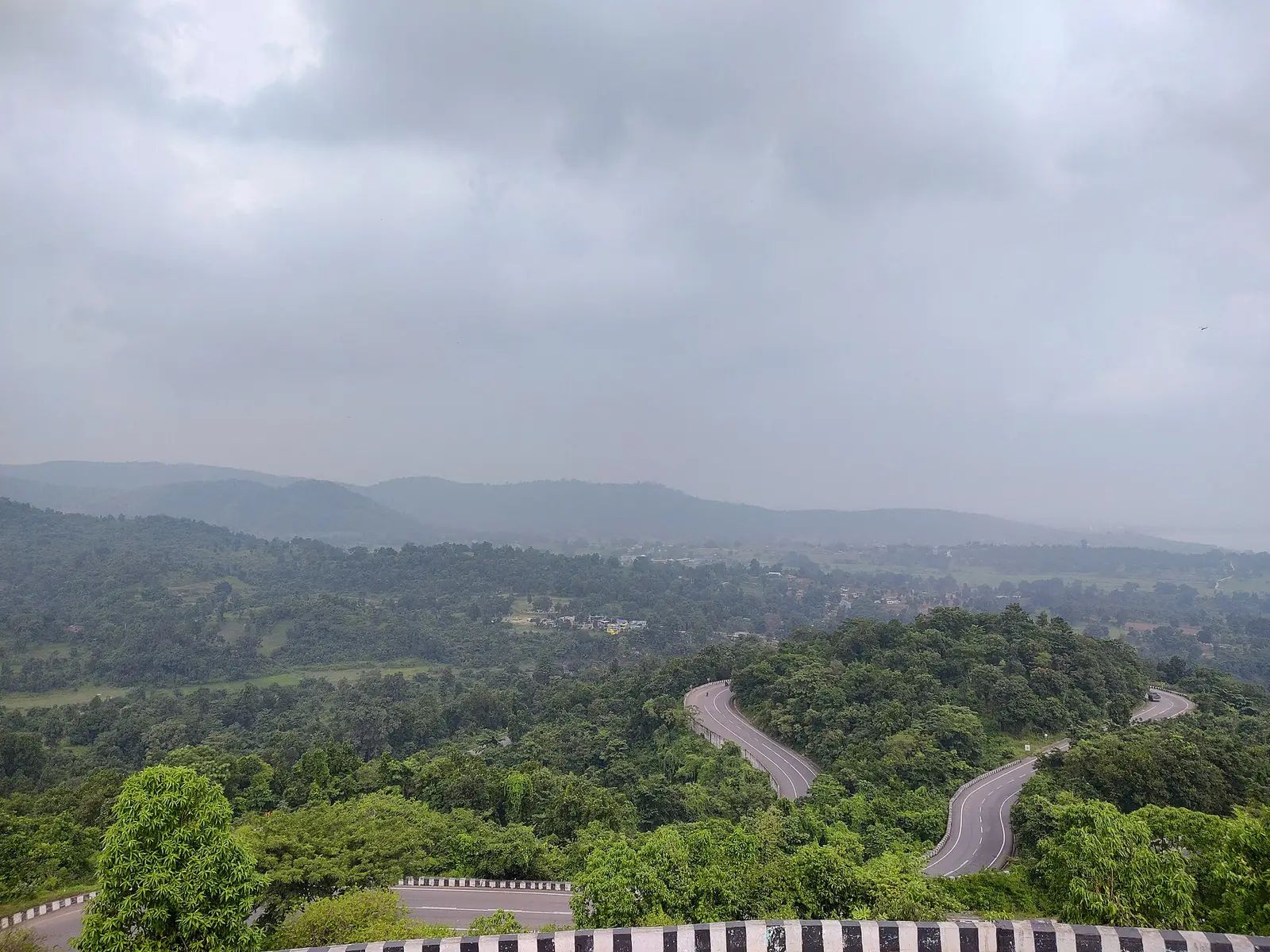
A hairpin-bend valley road above a reservoir, close enough to Ranchi for a half-day escape — the complete guide to Patratu Valley.
 Off-beat
Trikut Hills Travel Guide: Ropeway, Trekking & Deoghar Day Trip
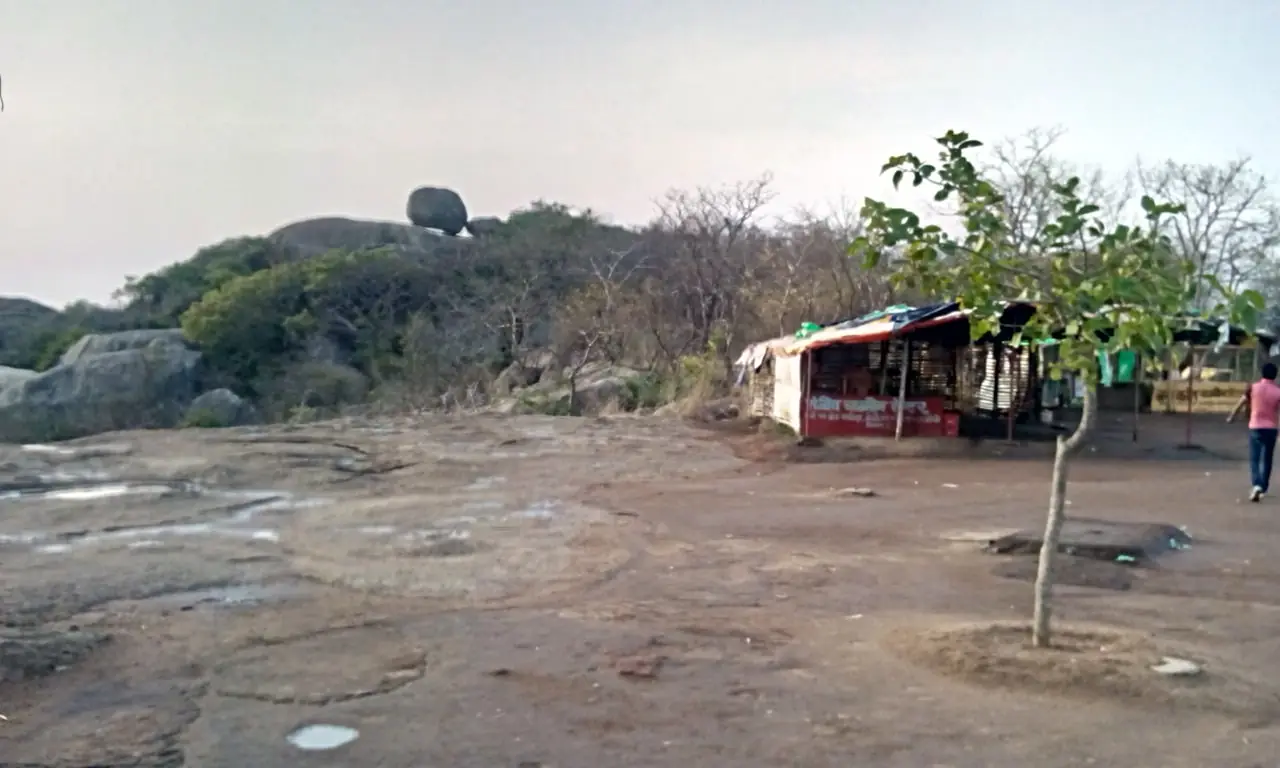
Three volcanic hill peaks with a cable car climbing above the forest, a short detour from Deoghar's temple crowds — the complete guide to Trikut Hills.
 Off-beat
Hazaribagh Travel Guide: Wildlife Sanctuary & Hazaribagh Lake
A plateau hill town named for its 'thousand gardens', with a wildlife sanctuary and canyon views over the Damodar valley — the complete guide to Hazaribagh.