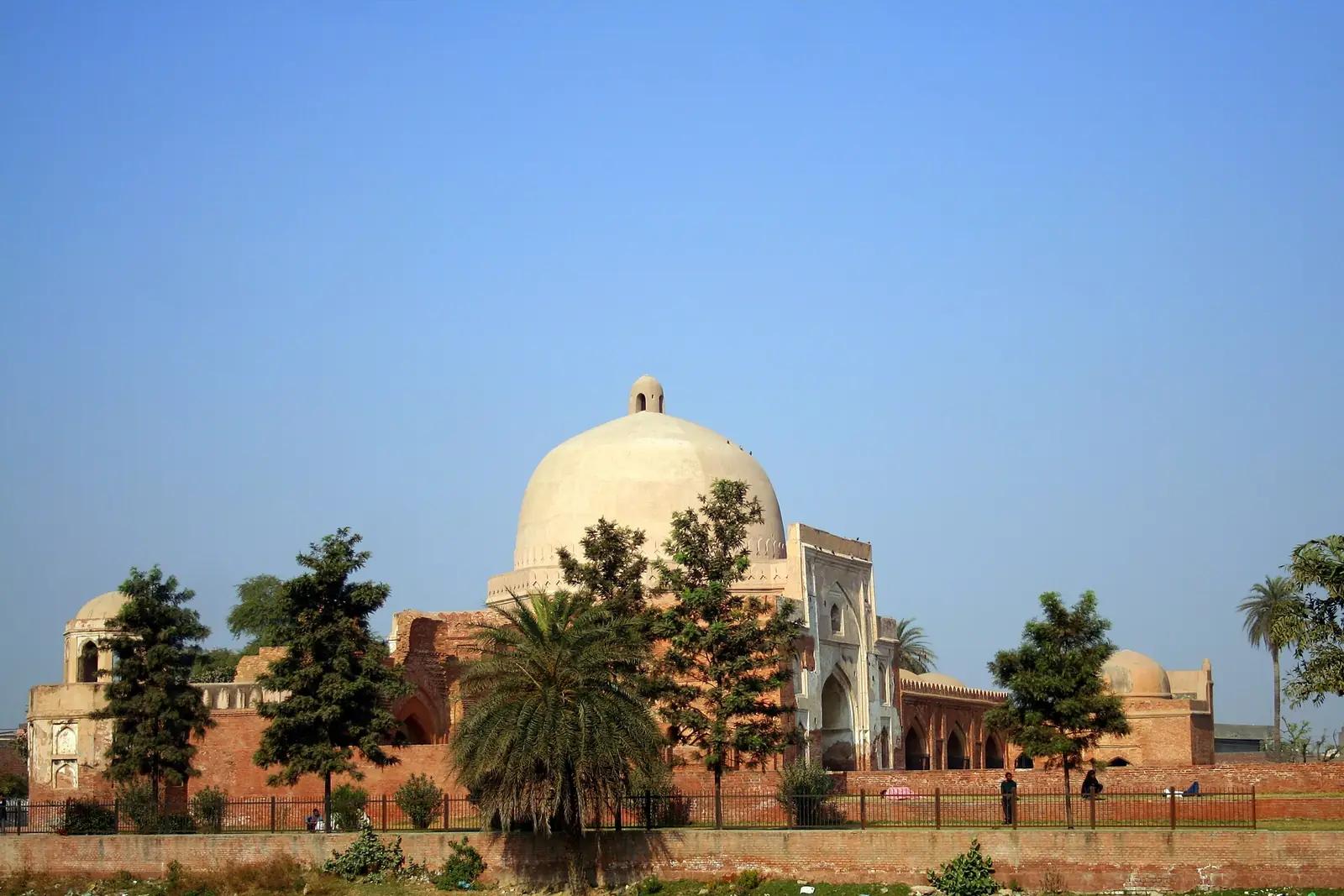
Why Panipat?
Panipat holds an unusual place in Indian history: three separate, genuinely turning-point battles were fought here across three centuries. The First Battle of Panipat (1526) saw Babur defeat the Delhi Sultanate's forces and establish the Mughal Empire. The Second (1556) consolidated Akbar's rule. And the Third (1761) — one of the largest and most consequential battles of the 18th century — pitted the Maratha Empire against Ahmad Shah Durrani's invading forces, reshaping the subcontinent's balance of power.
Beyond the battlefields, modern Panipat has quietly built its own identity as "the City of Weavers" — a genuinely significant handloom and textile manufacturing hub, particularly known for blankets, carpets, and recycled wool textiles.
⚔️ Panipat at a Glance
Best Time to Visit Panipat
Comfortable temperatures for walking between the war memorial, mosque, and old town sites.
Typical North Indian plains heat — sightseeing is best limited to early morning or late afternoon.
Humid with periodic heavy rain, though generally manageable for a day-trip visit.
Our pick: October to March — cool enough for a full day of walking between the city's historic sites without the plains heat working against you.
How to Reach Panipat
- By Air: Delhi's airport is the nearest, about 90km away.
- By Train: Panipat Junction is a major railway station on the Delhi-Ambala line, with frequent connections.
- By Road: Well connected via NH44, the same highway corridor that runs past Murthal — many travelers combine both stops.
Top Things to Do in Panipat
- Panipat War Memorial & Museum: Commemorates the three historic battles fought here, with exhibits providing context on each.
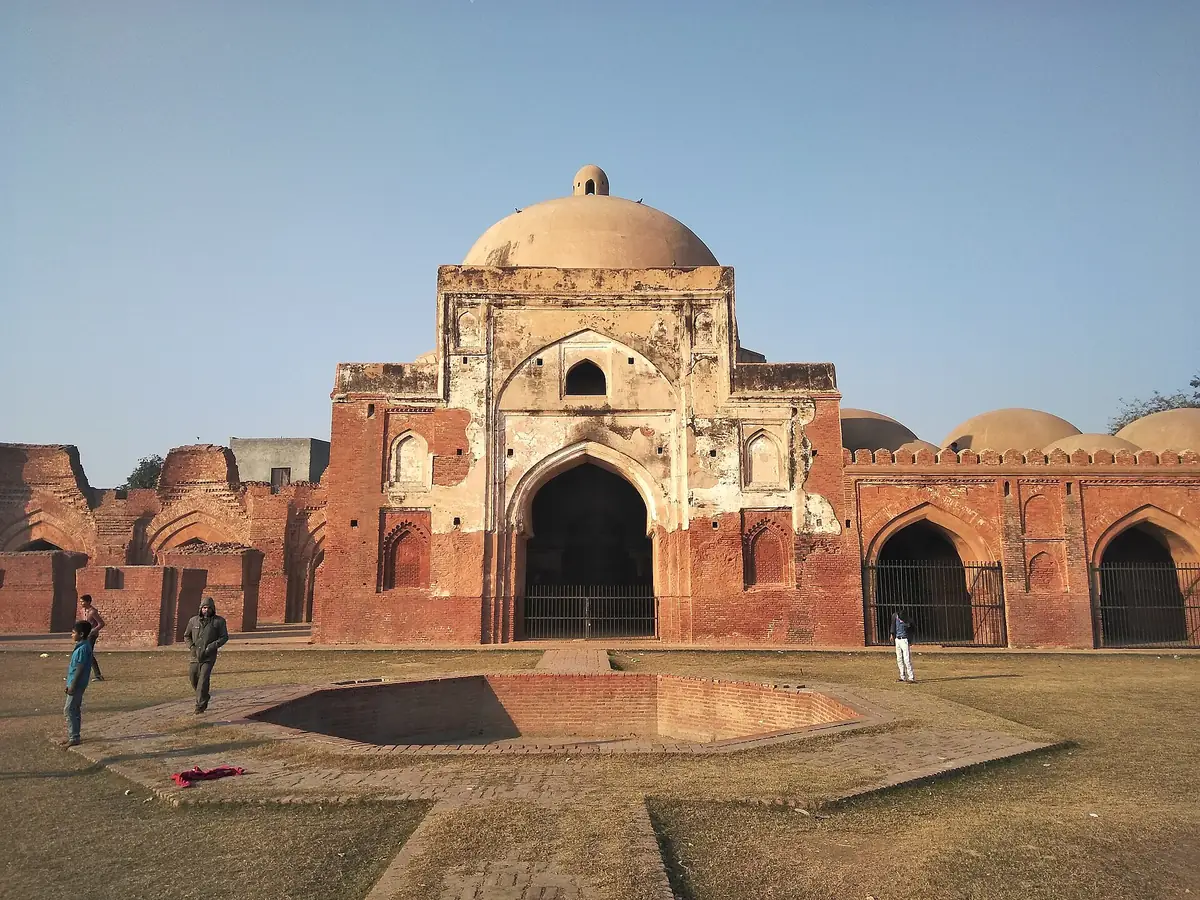
- Kabuli Bagh Mosque: Built by Babur to commemorate his 1526 victory — one of the city's oldest surviving Mughal-era structures.
- Devi Temple: Associated with Mahabharata-era legend as one of the five villages requested by the Pandavas.
- Textile market: Panipat's handloom industry has real local depth — worth a browse for blankets, carpets, and woven textiles.
Where to Stay in Panipat
Given Panipat's proximity to Delhi, most travelers treat it as a day trip rather than an overnight stay — but a handful of options exist if you want to base here.
- → Basic hotels near the railway station
- → Highway-side budget lodges
- → Business hotels in the city centre
- → NH44-adjacent mid-range chains
- → A small number of better-appointed hotels — Panipat isn't a major overnight destination
What to Eat in Panipat
- Haryanvi thalis: Simple, hearty regional vegetarian meals at local restaurants.
- Roadside dhaba food: Given the NH44 location, expect solid highway-dhaba fare across the city.
- Murthal parathas nearby: If you're passing through, Murthal's famous paratha dhabas are a short drive away (cross-reference that guide).
1-Day Panipat Itinerary
War Memorial & Kabuli Bagh
- ✓Visit the Panipat War Memorial and Museum
- ✓Explore Kabuli Bagh Mosque
Old Town & Textile Market
- ✓Devi Temple visit
- ✓Browse the handloom and textile market
- ✓Lunch at a local Haryanvi restaurant
Departure
- ✓Return to Delhi or continue onward via NH44
Budget Breakdown
| Expense | Budget | Mid-Range |
|---|---|---|
| Food/day | ₹350 | ₹800 |
| Local transport | ₹300 | ₹700 |
| Entry fees/shopping | ₹150 | ₹1,000 |
| Day total | ₹800 | ₹2,500 |
* Excludes transport to the region. Most visitors don't need overnight accommodation given the proximity to Delhi.
Essential Travel Tips for Panipat
- Treat it as a focused day trip: A single day comfortably covers the main historical sites.
- Combine with Murthal or Kurukshetra: All three sit along a shared road corridor, making a combined trip efficient.
- Browse the textile market if shopping interests you: Panipat's handloom trade is genuinely significant, not a tourist gimmick.
✅ Do
- →Visit the War Memorial for historical context
- →Combine with Murthal or Kurukshetra on the same trip
- →Browse the handloom textile market
- →Visit in cooler months for comfortable walking
❌ Don't
- →Expect a multi-day sightseeing destination
- →Visit during peak summer heat without planning around it
- →Skip the textile market if you enjoy craft shopping
- →Book overnight accommodation unnecessarily given the proximity to Delhi
Frequently Asked Questions
Why is Panipat historically significant?
Panipat was the site of three major battles that reshaped Indian history: the First Battle of Panipat (1526), where Babur's victory established the Mughal Empire; the Second Battle (1556), which consolidated Akbar's rule; and the Third Battle (1761), a massive and consequential clash between the Maratha Empire and Ahmad Shah Durrani's forces.
How many days do I need in Panipat?
A single focused day is enough to cover the main historical sites — the war memorial, Kabuli Bagh Mosque, and the Devi Temple — comfortably. Most travelers treat it as a day trip rather than an overnight stay.
What is the best time to visit Panipat?
October to March offers the most comfortable weather for walking between the historic sites. Summers get very hot, typical of the North Indian plains.
How do I reach Panipat?
Panipat Junction is a major railway station on the Delhi-Ambala line with frequent connections. The nearest airport is Delhi (~90km), and road access via NH44 is straightforward from both Delhi and Chandigarh directions.
Is Panipat worth visiting for its textile industry?
Yes, if you're interested in shopping or crafts — Panipat is genuinely known as 'the City of Weavers,' a major hub for blankets, carpets, and recycled wool textiles, with a real local market worth browsing.
Can I combine Panipat with other nearby destinations?
Yes — Panipat sits on the same NH44 corridor as Murthal and is a reasonable distance from Kurukshetra, making it easy to combine into a broader Haryana history-and-food road trip.
What is the budget for a trip to Panipat?
A budget day trip can be managed on roughly ₹800-1,200 for food and local transport, since most visitors don't need overnight accommodation given the city's proximity to Delhi.
Published by the Kudozz Club editorial team · Last updated · How we research our guides
Want us to plan this trip for you?
Tell Kudozz Club where you want to go and what kind of trip you’re looking for. We’ll build a Panipat and Haryana itinerary around your dates and budget.
Continue Exploring
View all guides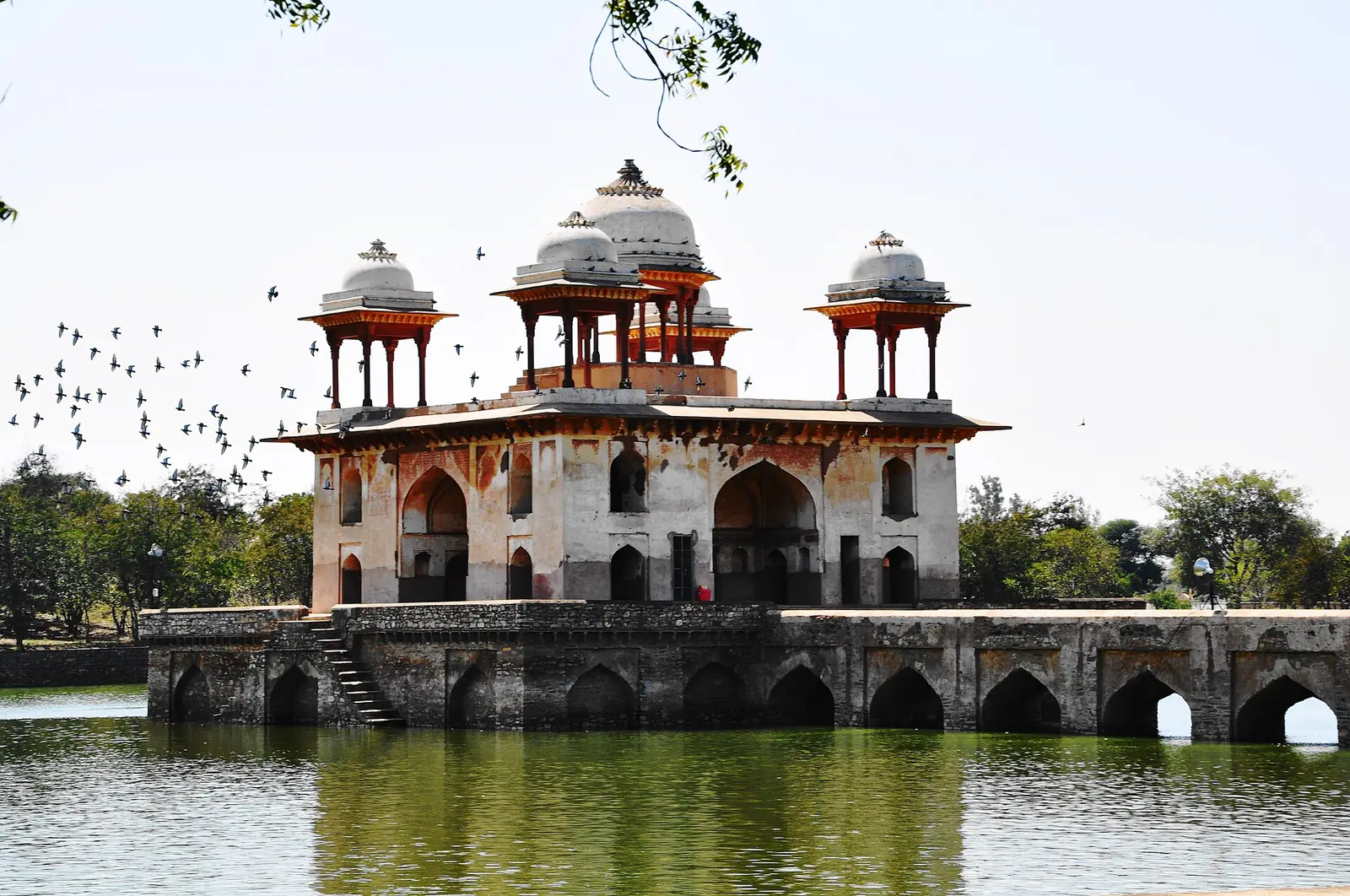 Heritage
Narnaul Travel Guide: Mughal Tombs & Sher Shah Suri Connections
A cluster of well-preserved Mughal-era tombs and gardens in a town most travelers drive straight past — the complete guide to Narnaul.
 Heritage
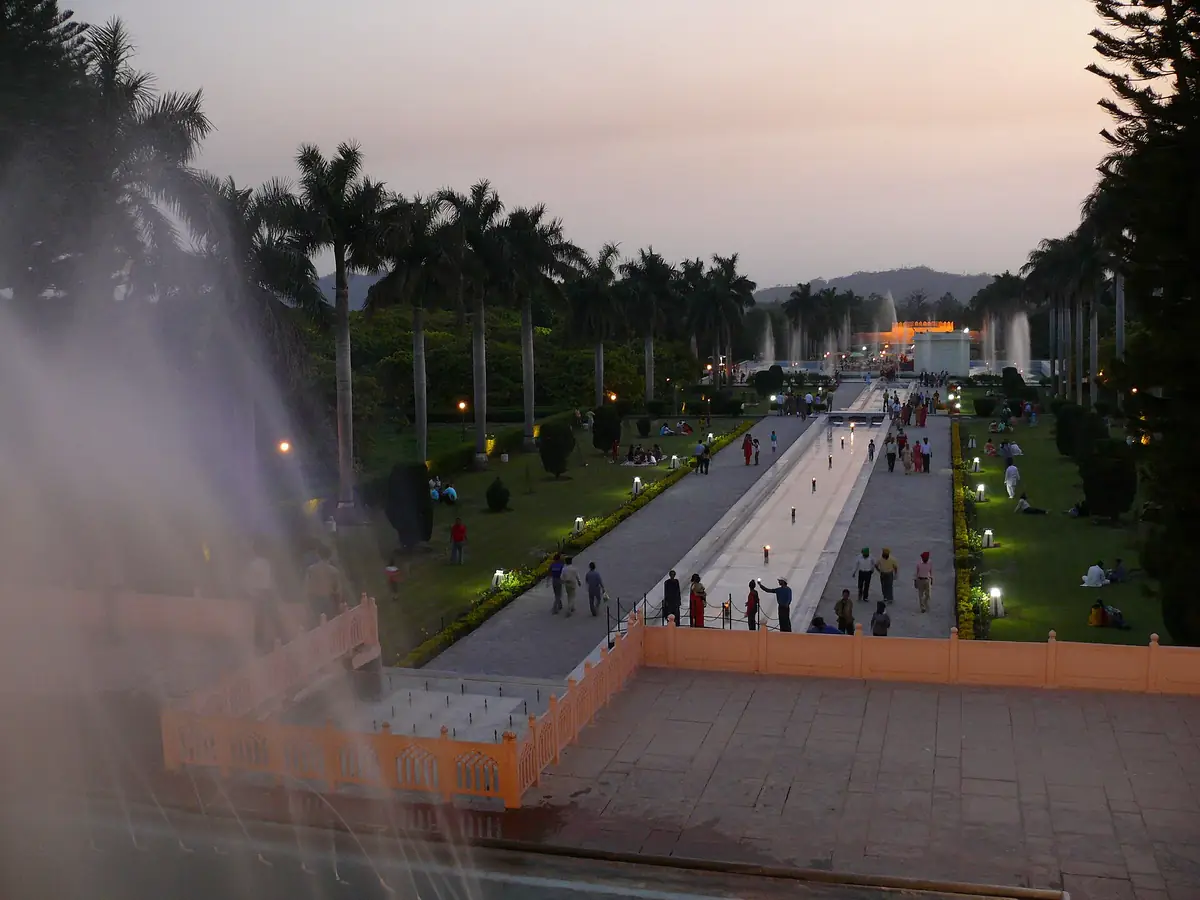
Pinjore Gardens Travel Guide: Mughal Terraces Near Chandigarh
A seven-tiered Mughal garden complex with cascading fountains, built as a royal retreat on the road to Shimla — the complete guide to Pinjore.
 Heritage
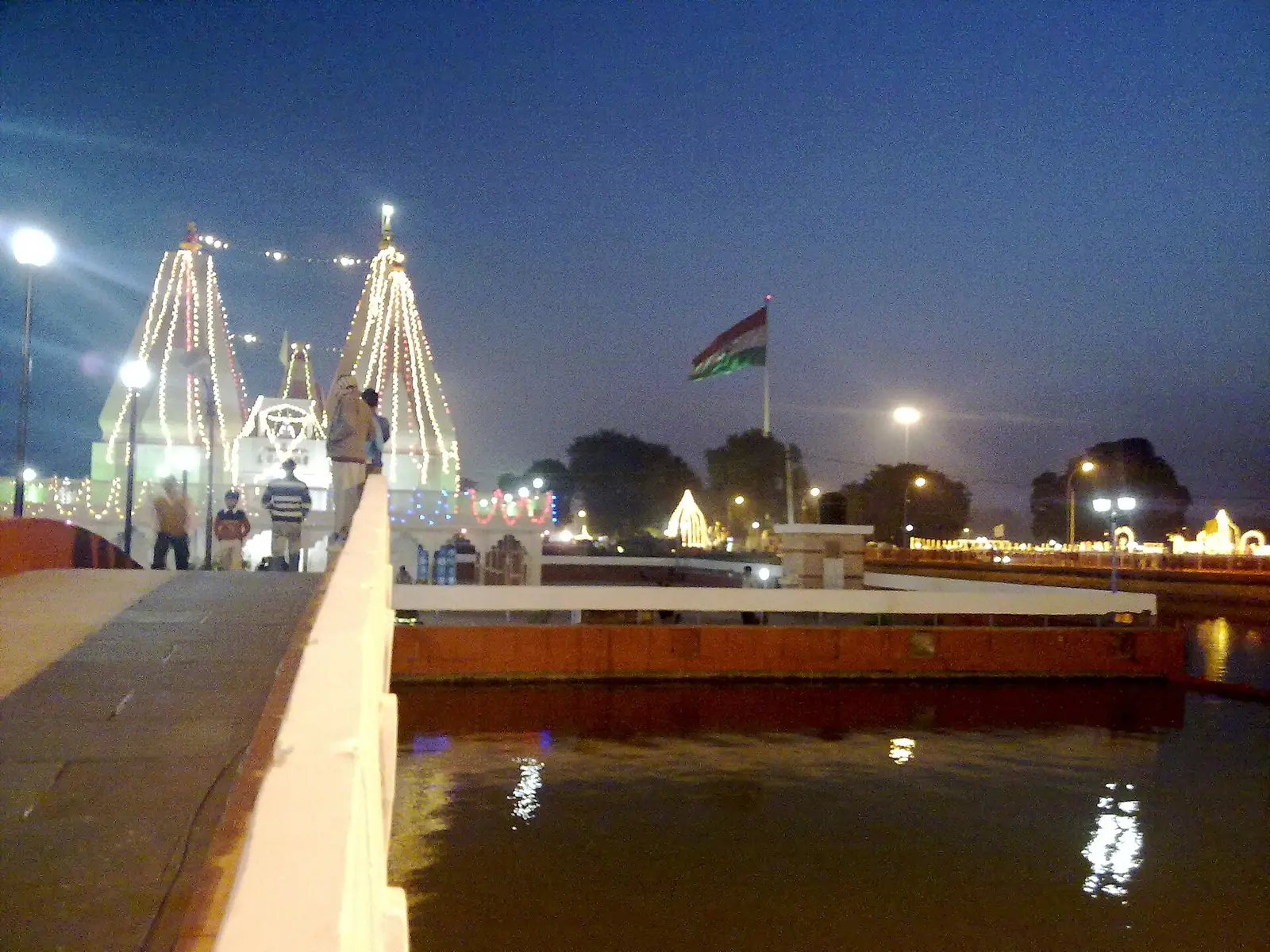
Kurukshetra Travel Guide: Bhagavad Gita's Battlefield & Brahma Sarovar
The ground where the Bhagavad Gita is said to have been spoken, and a sacred tank where millions gather for a solar-eclipse bathing ritual — the complete guide to Kurukshetra.
 Heritage
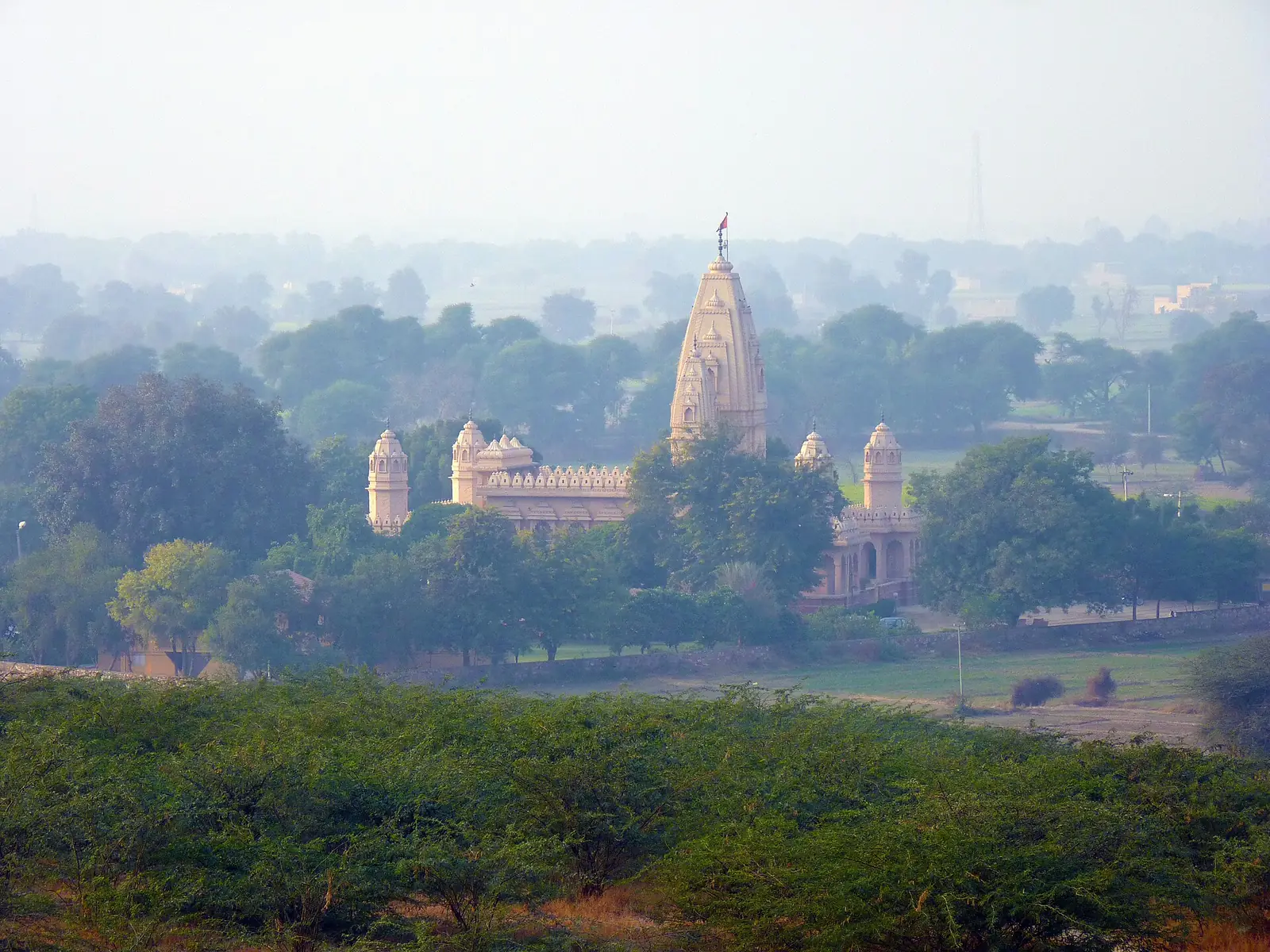
Agroha Travel Guide: Ancient Mound & Agroha Dham
An archaeological mound linked to the legendary origin of the Agarwal community, with excavated coins and pottery dating back over two millennia — the complete guide to Agroha.