Why Anini?
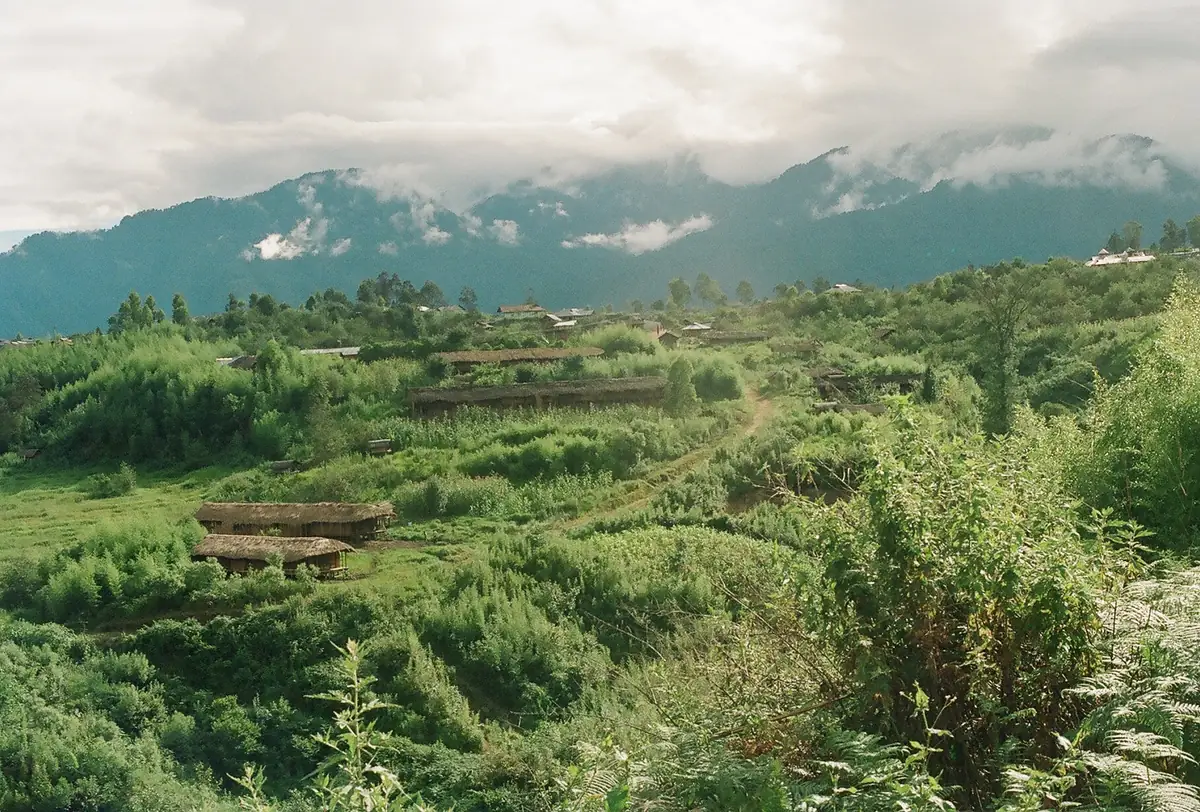
Anini is the headquarters of Dibang Valley district — genuinely one of the least populated districts in India, with a small population spread across a vast, forested, mountainous landscape. There's no single headline monument or landmark drawing travellers here; the draw is the district itself, one of the most untouched, least-visited corners of mainland India.
Road access to Anini has historically been difficult, with a route prone to landslide-related closures — it has only in recent years become more consistently passable, and it's worth being honest about that rather than promising smooth, guaranteed access. The reward for the effort is genuine cultural immersion with the Idu Mishmi community, whose customs, textiles, and traditional reverence for tigers reflect a way of life little touched by outside tourism.
This is a destination for serious off-the-beaten-path travellers with real trip-planning flexibility, not a checklist stop.
🌲 Anini at a Glance
Love the outdoors? See our guide to nature travel in Northeast India.
Best Time to Visit Anini
Before peak monsoon, roads are typically at their most reliable and forests are lush.
This is the riskiest window for road access — avoid unless you have real flexibility and local guidance.
Post-monsoon clarity and generally the most dependable road conditions of the year.
Cold weather with possible snow at higher elevations along the route — verify current conditions.
Our advice: October to November offers the most dependable road conditions — but verify current status directly before setting out regardless of season.
Permits & Road Access
- Inner Line Permit: Required for all Indian citizens entering Arunachal Pradesh — apply online well ahead of travel given Anini's remoteness.
- Road conditions: The Roing-Anini road has historically been prone to landslide closures and has only become more consistently passable in recent years — verify current status before committing to travel dates.
How to Reach Anini
- By Air: Dibrugarh (Assam) is the nearest airport, requiring a long multi-day onward journey.
- By Road: Via Roing (cross-reference that guide), the district headquarters of Lower Dibang Valley and the standard staging point before the final, more demanding stretch to Anini.
Things to Do in Anini
- Idu Mishmi villages: Genuine, unhurried engagement with the district's primary indigenous community — approach respectfully and ask before photographing people.
- Dibang Wildlife Sanctuary: A high- biodiversity forest landscape nearby, though formal tourist infrastructure remains minimal — best explored with local guidance.
- Forest and valley walks: The genuine appeal here is the untouched landscape itself rather than any single marked attraction.
Where to Stay in Anini
Accommodation is very limited — basic guesthouses are essentially the only option, and travellers should book ahead and set modest expectations.
- → Government/circuit-house style stays
- → A small number of local guesthouses
- → Staying in Roing and day-tripping where feasible
What to Eat in Anini
- Home-cooked local meals: Simple rice, vegetable, and meat dishes are the norm — dedicated restaurants are essentially nonexistent this deep into the valley.
- Idu Mishmi traditional food: Reflecting the community's forest-based lifestyle, worth trying if offered through a homestay.
3-Day Anini Itinerary
Given the travel time involved, build real flexibility into this plan around road conditions.
Roing to Anini
- ✓Long drive from Roing, checking road conditions en route
- ✓Arrive Anini, check into a guesthouse
Village Life & Forest
- ✓Morning: visit Idu Mishmi villages respectfully
- ✓Afternoon: forest/valley walk with local guidance
Return Journey
- ✓Morning: farewell to hosts
- ✓Begin the return drive toward Roing
Budget Breakdown
| Expense | Basic |
|---|---|
| Accommodation/night | ₹800 |
| Food/day | ₹400 |
| Vehicle hire (Roing-Anini return) | ₹800/day equivalent |
| Daily total | ₹2,000 |
| 3-Day trip total (excl. travel to Roing) | ₹6,000 |
* Excludes the multi-day journey from Dibrugarh to Roing.
Essential Travel Tips for Anini
- Verify road conditions before departing Roing: This is the single most important planning step for this trip.
- Build in real time flexibility: Rigid itineraries don't work well on this route.
- Carry cash and backup supplies: Facilities along the way are minimal.
- Engage respectfully with the Idu Mishmi community: This is genuine, lived tribal culture, not a tourist performance.
✅ Do
- →Verify current road conditions before setting out
- →Build real flexibility into your itinerary
- →Carry cash and backup food/water supplies
- →Apply for your ILP well in advance
- →Engage respectfully with the Idu Mishmi community
❌ Don't
- →Assume smooth road access year-round
- →Travel without confirming current conditions
- →Expect ATMs, restaurants, or reliable network coverage
- →Attempt this trip without buffer days
- →Photograph villagers without asking first
Frequently Asked Questions
Is Anini worth the effort to reach?
Only if you genuinely want one of the most remote, least-touristed corners of mainland India — Anini has minimal infrastructure and no headline attraction in the conventional sense. It rewards travellers seeking real off-the-beaten-path immersion, not sightseeing convenience.
How do I reach Anini?
By road via Roing, the district headquarters of Lower Dibang Valley. There is no rail or air access to Anini itself — the nearest airport is Dibrugarh in Assam, a long multi-day journey from there.
Is the road to Anini reliable?
It has historically been difficult and prone to landslide-related closures, though it has become more consistently passable in recent years. Verify current road conditions before setting out, especially around monsoon season.
Do I need a permit to visit Anini?
Yes — an Inner Line Permit is required for all Indian citizens entering Arunachal Pradesh, applied for online in advance. Given the district's remoteness, plan this well ahead of travel.
What is the Idu Mishmi community known for?
The Idu Mishmi are the primary indigenous community of Dibang Valley, with distinct customs and textiles, and a traditional reverence for tigers within their belief system. Engaging with the community respectfully is a genuine part of what makes a visit to Anini worthwhile.
What is the best time to visit Anini?
March to June and September to November, avoiding peak monsoon (roughly June to September) when landslide risk on the approach road is highest.
What is the budget for a trip to Anini?
Expect roughly ₹2,000-2,500 a day on a basic trip, with vehicle hire for the long approach from Roing as the dominant cost. Accommodation is very limited and basic.
Published by the Kudozz Club editorial team · Last updated · How we research our guides
Want us to plan this trip for you?
Tell Kudozz Club where you want to go and what kind of trip you’re looking for. We’ll build a Anini and Arunachal Pradesh itinerary around your dates and budget.
Continue Exploring
View all guides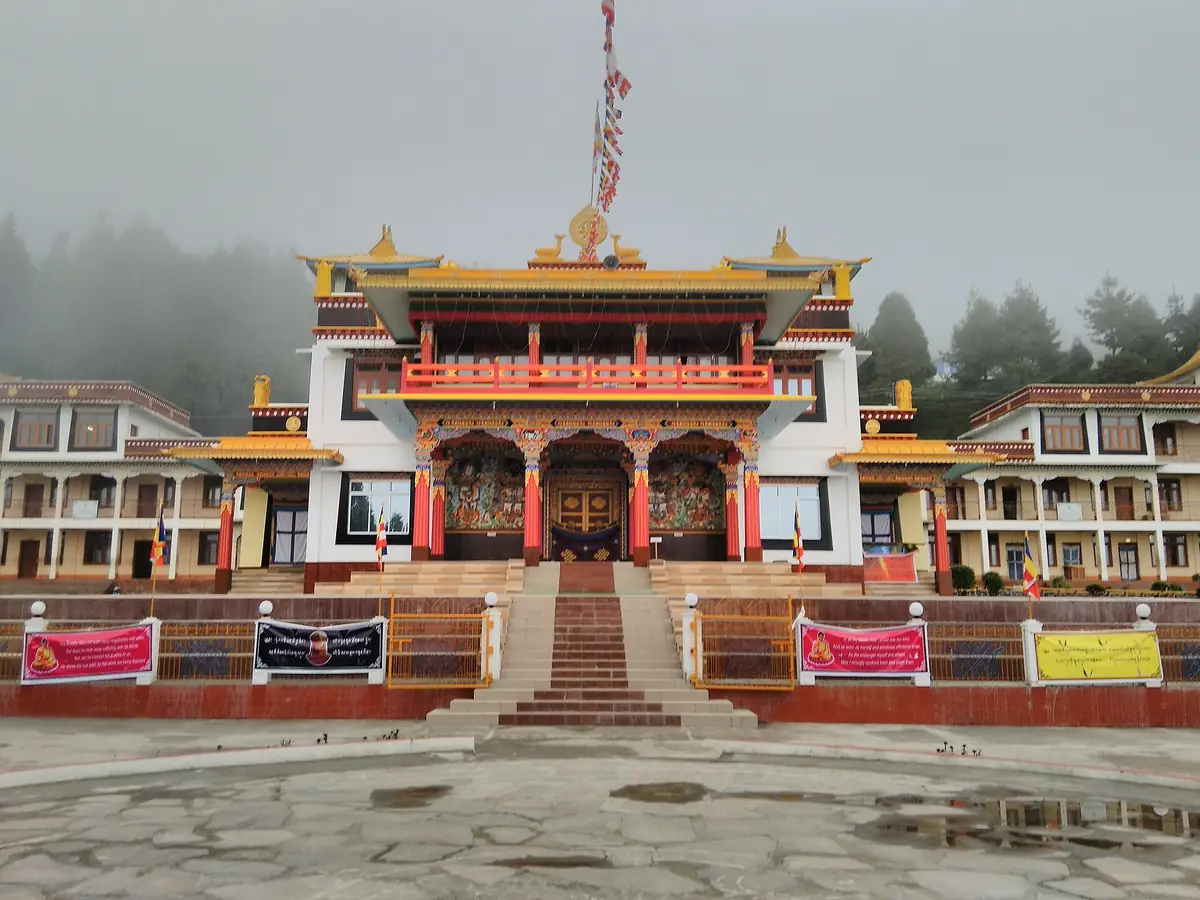 Off-beat
Bomdila Travel Guide: Monastery Town & Gateway to Tawang
A ridge-top monastery town with panoramic Himalayan views, and the last comfortable stop before the long climb to Tawang — the complete guide to Bomdila.
 Off-beat
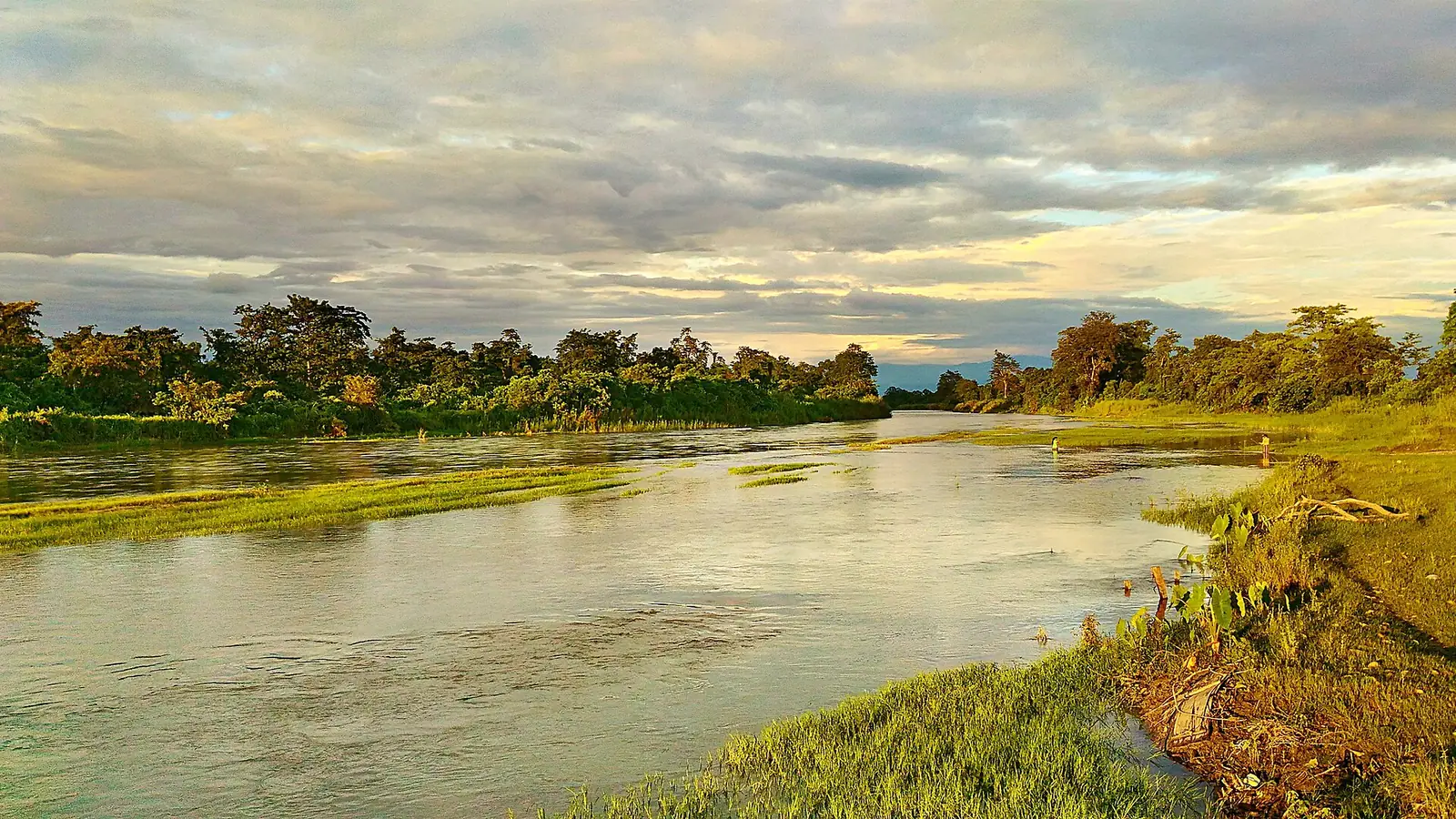
Namsai Travel Guide: The Golden Pagoda of Arunachal
A gleaming Buddhist pagoda modeled on Myanmar's temple architecture, at the heart of a district shaped by Tai Khamti culture — the complete guide to Namsai.
 Off-beat
Dirang Travel Guide: Hot Springs, Apple Orchards & Dirang Dzong
A valley town between Bomdila and Tawang with natural hot springs, apple orchards, and a fortified monastery few travelers stop long enough to see — the complete guide to Dirang.
 Off-beat
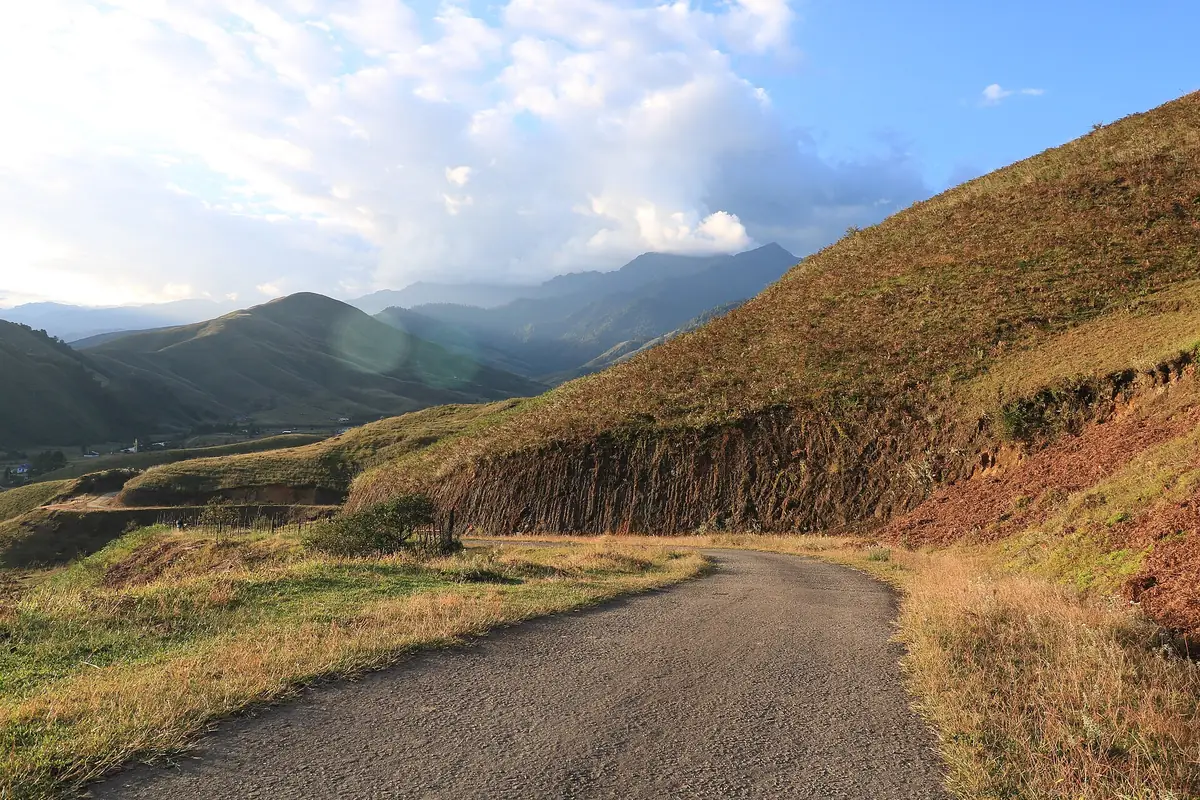
Mechuka Travel Guide: A Hidden Valley on the Tibet Border
A remote, river-cut valley near the Tibet border that stayed almost entirely off the map until recently, with a wooden monastery and a suspension bridge older than most Indian cities' bridges — the complete guide to Mechuka.