Why Bodh Gaya?
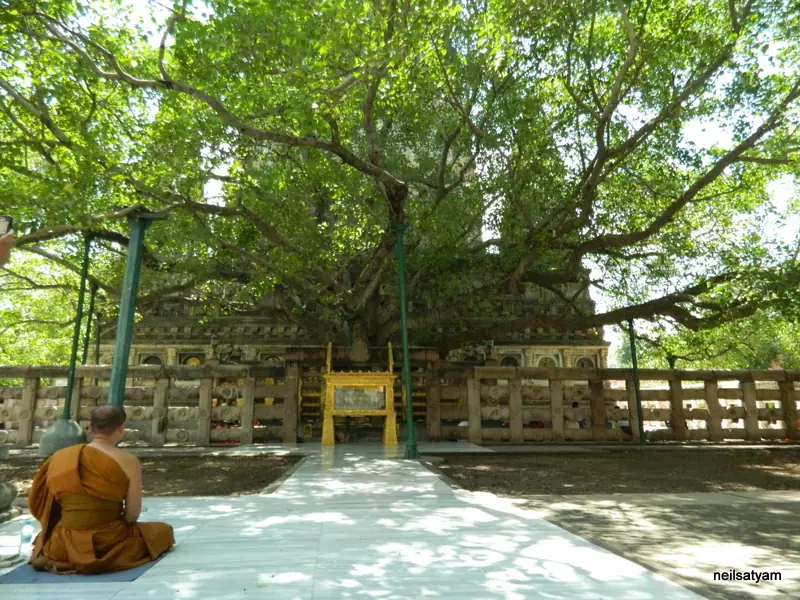
Bodh Gaya marks the traditional site where Siddhartha Gautama attained enlightenment to become the Buddha, making it one of Buddhism's four most sacred pilgrimage places. At the centre of it all stands the Mahabodhi Temple, a UNESCO World Heritage Site whose soaring pyramidal spire has become one of the most recognizable religious silhouettes in Asia.
What makes Bodh Gaya genuinely distinctive beyond the main temple is the ring of international monasteries built around it — Thai, Japanese, Tibetan, Bhutanese, Vietnamese, and more — each constructed in its own national architectural style. Walking between them in a single day is one of the few places on earth where you can see Buddhism's global diversity laid out so plainly.
🙏 Bodh Gaya at a Glance
Looking for activities and experiences? See our guide to the best things to do in Bodh Gaya.
Planning a pilgrimage? See our guide to the Buddhist Circuit.
Best Time to Visit Bodh Gaya
Cool, comfortable weather and the peak pilgrimage/retreat season, when monasteries and meditation centres are most active.
Temperatures climb significantly — manageable but not ideal for a full day of walking between monasteries.
Heavy rain can disrupt sightseeing plans, though the temple complex remains fully functional.
Our pick: December to February — the coolest, most comfortable stretch, and when the international monasteries are at their most active.
How to Reach Bodh Gaya
- By Air: Gaya Airport (GAY), about 13km away, carries some international connections given Bodh Gaya's global Buddhist significance.
- By Train: Gaya Junction is a major, well-connected railway station.
- By Road: Straightforward road access from Gaya and the wider Bihar heritage circuit.
Top Things to Do in Bodh Gaya
- Mahabodhi Temple Complex: The UNESCO-listed centrepiece marking the traditional site of Buddha's enlightenment, with its distinctive pyramidal spire.
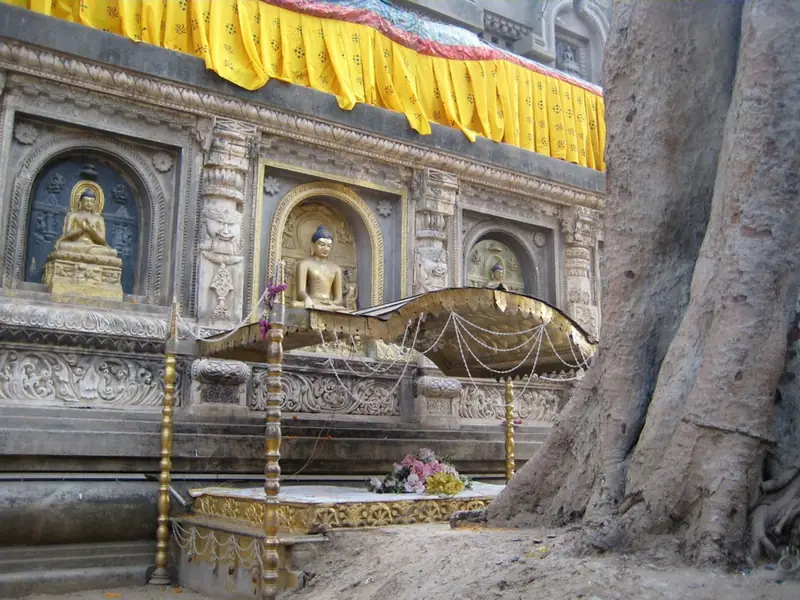
- The Bodhi Tree: A descendant of the original tree under which Buddha is said to have sat, traced through a lineage of cuttings via Sri Lanka.
- Vajrasana: The "Diamond Throne," a stone slab marking the precise traditional spot of enlightenment beside the tree.
- International monasteries: A ring of Thai, Japanese, Tibetan, Bhutanese, and Vietnamese monasteries, each in its own distinct national style.
- Great Buddha Statue: A large seated Buddha statue a short distance from the main temple.
Where to Stay in Bodh Gaya
- → Monastery guesthouses (often the best value)
- → Basic pilgrim lodges
- → Private mid-range hotels
- → Comfortable guesthouses near the temple
- → Premium hotels catering to international visitors
Several monasteries offer very affordable guesthouse rooms to pilgrims and travelers alike — genuinely one of the best-value stays anywhere in this guide.
What to Eat in Bodh Gaya
- Litti chokha: Bihar's signature dish — roasted wheat balls stuffed with sattu, served with mashed spiced vegetables.
- Monastery kitchens: Some monastery guesthouses serve simple vegetarian meals reflecting their home country's cuisine — Tibetan, Thai, or Japanese touches alongside local food.
- Sattu paratha and thekua: Common Bihari staples widely available at local eateries.
2-Day Bodh Gaya Itinerary
Mahabodhi Temple Complex
- ✓Arrive, check in
- ✓Full day at the Mahabodhi Temple, Bodhi Tree, and Vajrasana
- ✓Evening meditation/reflection at the temple grounds
International Monasteries
- ✓Morning: walk between the Thai, Japanese, Tibetan, and Bhutanese monasteries
- ✓Visit the Great Buddha Statue
- ✓Afternoon: departure or onward to Rajgir/Nalanda
Budget Breakdown
| Expense | Budget | Mid-Range | Luxury |
|---|---|---|---|
| Accommodation/night | ₹500 | ₹2,200 | ₹8,000 |
| Food/day | ₹350 | ₹800 | ₹1,800 |
| Local transport per day | ₹200 | ₹500 | ₹1,200 |
| Daily total | ₹1,200 | ₹3,500 | ₹11,000 |
| 2-Day trip total | ₹2,400 | ₹7,000 | ₹22,000 |
* Excludes transport to the region.
Essential Travel Tips for Bodh Gaya
- Dress and behave respectfully: This is an active pilgrimage site of deep significance — modest dress and quiet demeanor are expected throughout.
- Visit the monasteries, not just the main temple: The international ring is what makes Bodh Gaya genuinely distinctive.
- Verify meditation retreat schedules directly: Availability and course dates vary by centre and season.
- Consider a monastery guesthouse: Genuinely good value and a more immersive stay.
✅ Do
- →Dress modestly throughout the temple complex
- →Visit multiple international monasteries, not just the main temple
- →Consider a monastery guesthouse stay
- →Verify retreat schedules directly with centres
- →Combine with Nalanda and Rajgir for a fuller trip
❌ Don't
- →Wear revealing clothing near the temple or monasteries
- →Rush through in a couple of hours
- →Behave loudly or disruptively at an active pilgrimage site
- →Assume meditation retreats are always available without checking
- →Skip the international monasteries to save time
Frequently Asked Questions
How many days do I need in Bodh Gaya?
Two days is a comfortable amount of time — a full day at the Mahabodhi Temple complex itself, and a second day visiting the international monasteries and the Great Buddha Statue at a relaxed pace.
What is the best time to visit Bodh Gaya?
October to March offers the most comfortable weather and coincides with the peak pilgrimage and meditation-retreat season, when the monasteries are most active.
How do I reach Bodh Gaya?
Gaya Airport (GAY), about 13km away, has some international connections given Bodh Gaya's global Buddhist significance. Gaya Junction is a well-connected railway station, and road access is straightforward.
Is the Bodhi Tree the original tree Buddha sat under?
It's a descendant — grown from a cutting of a cutting that was carried to Sri Lanka and later brought back, tracing an unbroken lineage back to the original tree rather than being the literal same plant.
Can I attend a meditation retreat in Bodh Gaya?
Yes — many monasteries and dedicated meditation centres in Bodh Gaya offer courses, especially during the winter season. Availability and schedules vary, so verify current offerings and booking requirements directly with individual centres.
What is the budget for a trip to Bodh Gaya?
A budget traveler can manage on roughly ₹1,200 a day, helped by very affordable monastery guesthouse stays; a mid-range trip runs closer to ₹3,500 a day. A 2-day trip totals roughly ₹2,400 on a budget and ₹7,000 mid-range.
Is Bodh Gaya only for Buddhists?
No — while it's a deeply significant active pilgrimage site for Buddhist practitioners and should be treated with corresponding respect, it's open to all visitors interested in its history, architecture, and atmosphere.
Published by the Kudozz Club editorial team · Last updated · How we research our guides
Want us to plan this trip for you?
Tell Kudozz Club where you want to go and what kind of trip you’re looking for. We’ll build a Bodh Gaya and Bihar itinerary around your dates and budget.
Continue Exploring
View all guides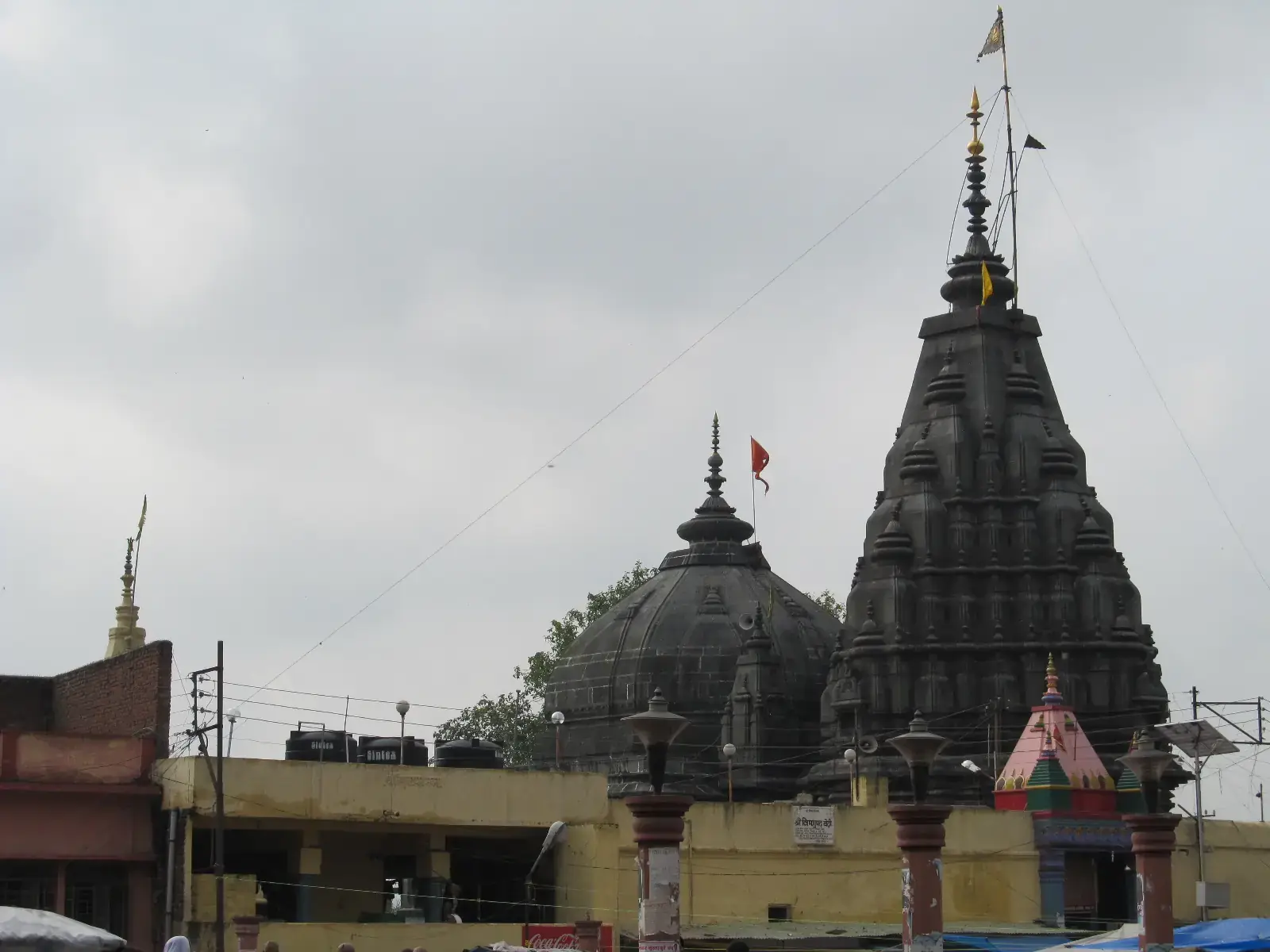 Spiritual Tourism
Spiritual Tourism in Bihar: Bodh Gaya, Gaya, Patna Sahib and Pawapuri
A guide to spiritual tourism in Bihar, where four faiths have key sites: Bodh Gaya, Rajgir, Nalanda and Vaishali for Buddhists; Gaya's Vishnupad temple and the Pind Daan rituals, Sitamarhi and Mundeshwari for Hindus; Takht Sri Patna Sahib for Sikhs; and Pawapuri and Rajgir for Jains, with Chhath, routes and seasons.
Things to DoThings to Do in Bodh Gaya: Mahabodhi Temple, Monasteries & Buddhist Pilgrimage Sites
Things to do in Bodh Gaya: the Mahabodhi Temple and the Bodhi Tree, meditation in the temple gardens, the international monasteries, the Great Buddha Statue, the Archaeological Museum, Sujata's village, the Dungeshwari caves, Gaya's Vishnupad Temple and the Mauryan Barabar Caves.
 Destination Guide
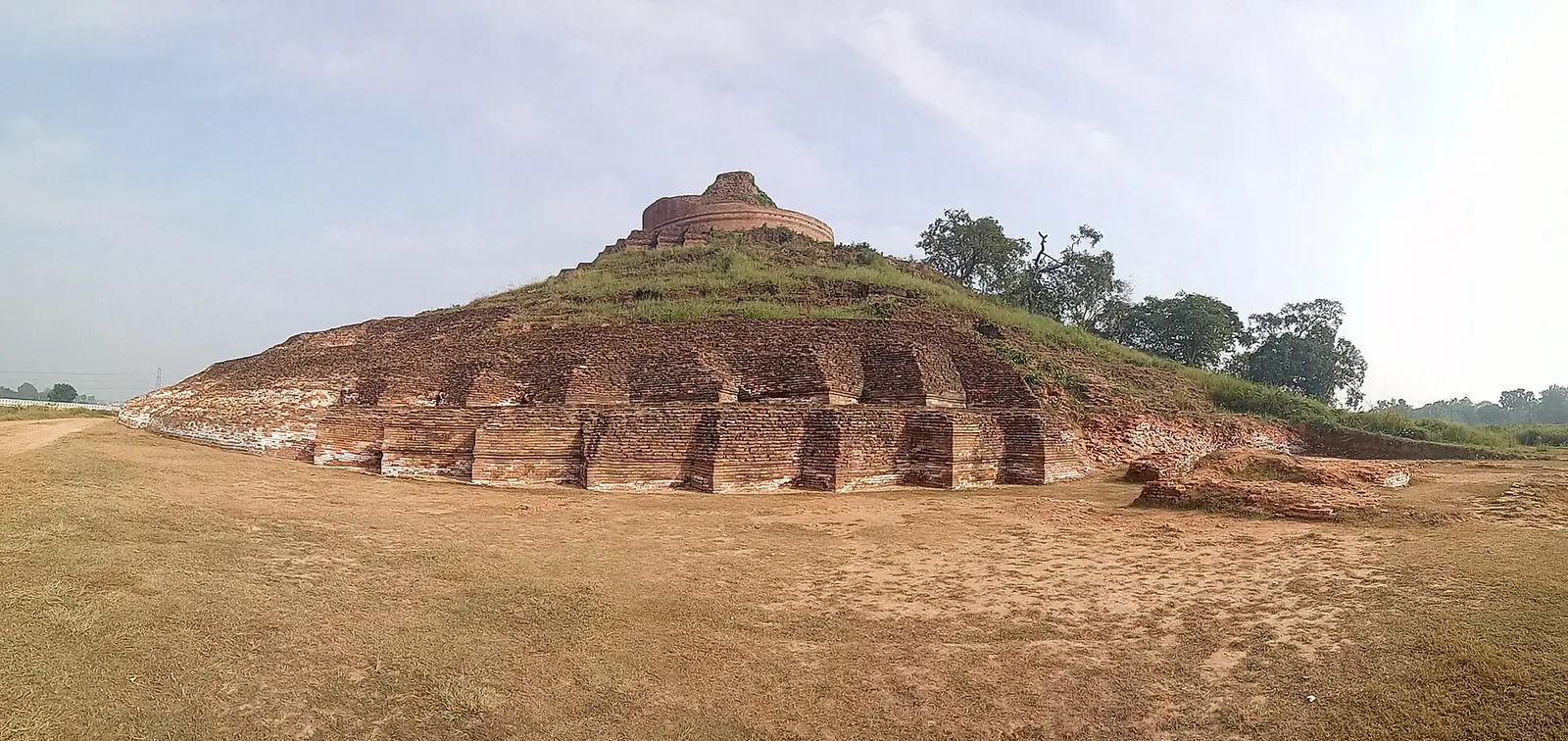
Bihar Travel Guide: Bodh Gaya, Nalanda & Patna
The place where Buddha attained enlightenment, the ruins of one of the world's oldest universities, and the ancient heartland of the Magadha empire — a complete guide to Bihar's temples, ruins, and history for travelers.
 Heritage
Pawapuri Travel Guide: Where Mahavira Attained Nirvana
A lotus-covered temple tank marking the spot where Lord Mahavira, the last Jain Tirthankara, is believed to have attained nirvana — the complete guide to Pawapuri.