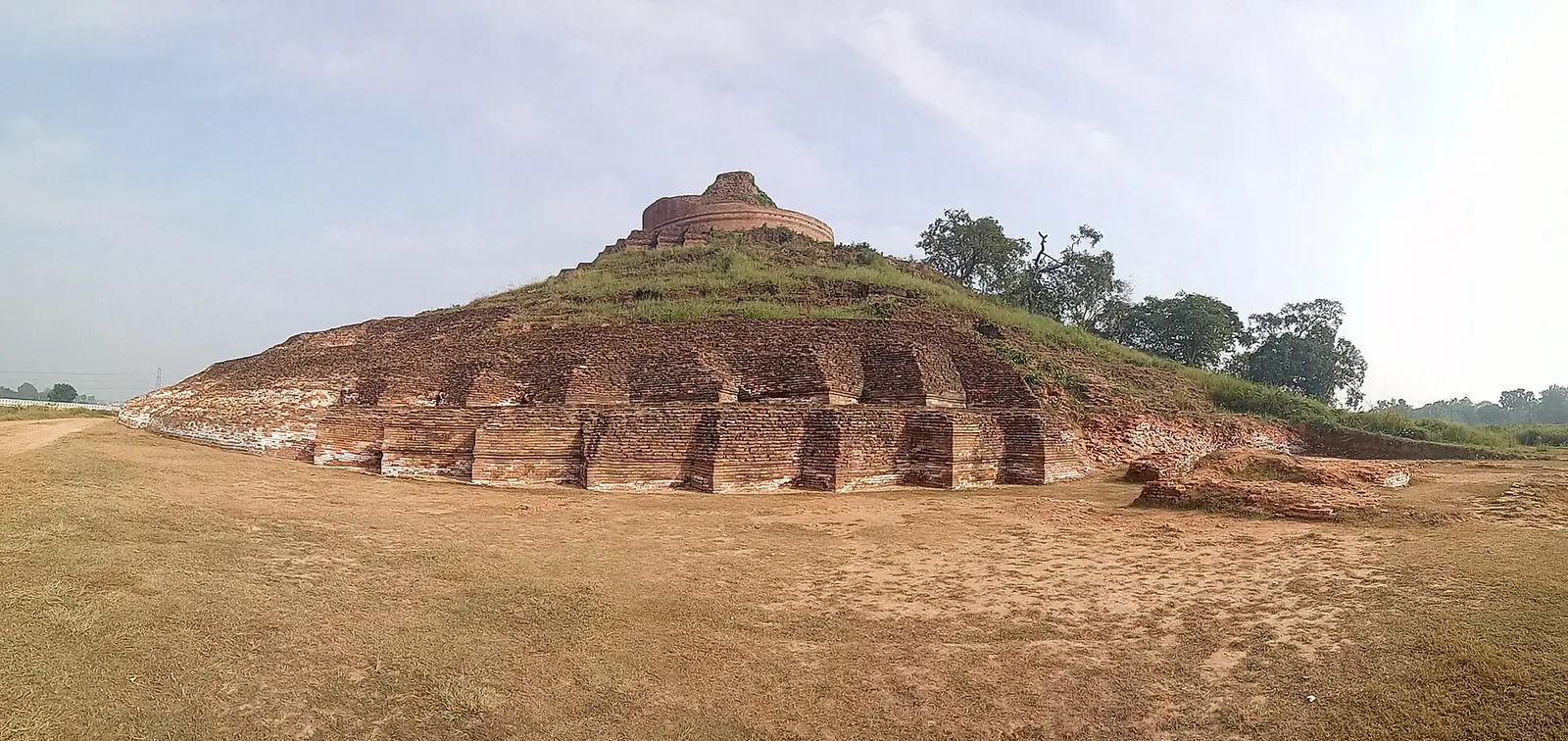
Why Bihar?
Few places on earth carry as much religious and historical weight per square kilometre as Bihar. This is where Siddhartha Gautama sat beneath a Bodhi Tree in Bodh Gaya and attained enlightenment, becoming the Buddha and setting off a religion that today shapes the lives of hundreds of millions of people across Asia. It's also the heartland of the ancient Magadha empire and, later, the Maurya empire under Ashoka — the political and cultural center of much of early Indian history.
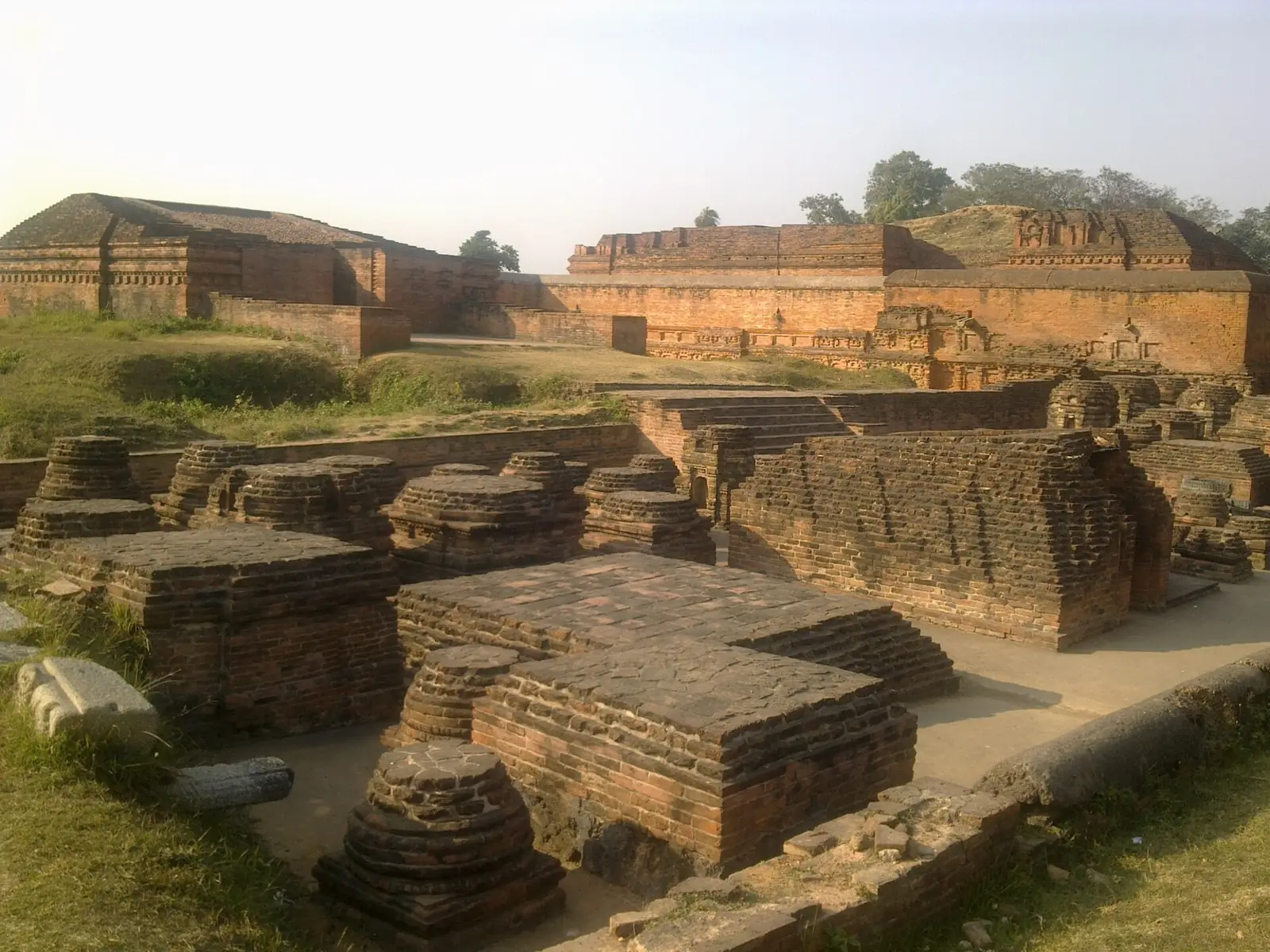
At Nalanda, the excavated ruins of Nalanda Mahavihara mark the site of one of the world's oldest known residential universities, drawing scholars from across Asia centuries before Oxford or Bologna existed. Add Patna's long history as a capital city, Vaishali's claim as one of the world's earliest republics, and Sasaram's striking medieval tomb, and Bihar reads less like a single destination and more like a chapter of world history you can walk through.
That said, it's worth being upfront: outside Bodh Gaya and, to a lesser extent, Patna, general tourist infrastructure is genuinely thin. Bodh Gaya itself is well set up thanks to decades of Buddhist pilgrim traffic — good hotels, reliable food, English-speaking guides — but Rajgir, Nalanda, Vaishali, and Sasaram are day-trip stops rather than places with much of a tourist scene of their own. Go for the history, plan logistics carefully, and keep expectations realistic about creature comforts once you step outside the main hubs.
🪷 Bihar at a Glance
Planning a pilgrimage? See our guide to spiritual places in Bihar.
Best Time to Visit Bihar
Bihar sits deep in the Gangetic plain, which means genuinely extreme summers and a monsoon season that brings real flooding risk in parts of the state — timing a visit matters more here than in most of India.
Cool and comfortable (10–27°C), ideal for temple visits, ruin sightseeing, and full days on the road between towns.
Temperatures regularly cross 40°C across the Gangetic plain — sightseeing outdoors becomes genuinely difficult by midday.
Heavy rains raise real flooding risk in parts of the Gangetic plain, particularly north Bihar — travel disruption is common.
Major Buddhist festival dates draw large numbers of international pilgrims to Bodh Gaya — book accommodation well ahead.
Our pick: November to February, without much debate. Bihar's summer heat and monsoon flooding risk both make the rest of the year a harder sell for sightseeing-heavy travel.
How to Reach Bihar
- By Air: Jay Prakash Narayan International Airport in Patna handles most domestic and some international traffic. Gaya Airport, close to Bodh Gaya, runs direct international flights, especially from Buddhist-majority countries like Thailand, Sri Lanka, Myanmar, and Japan.
- By Rail: Bihar sits on major India rail corridors, and Patna, Gaya, and Rajgir all have strong rail connectivity to Delhi, Kolkata, and much of the country.
- By Road: Bodh Gaya, Nalanda, Rajgir, and Patna are all connected by decent highways, and day trips between them by car are the most practical way to see the state.
Bodh Gaya: Where Buddhism Began
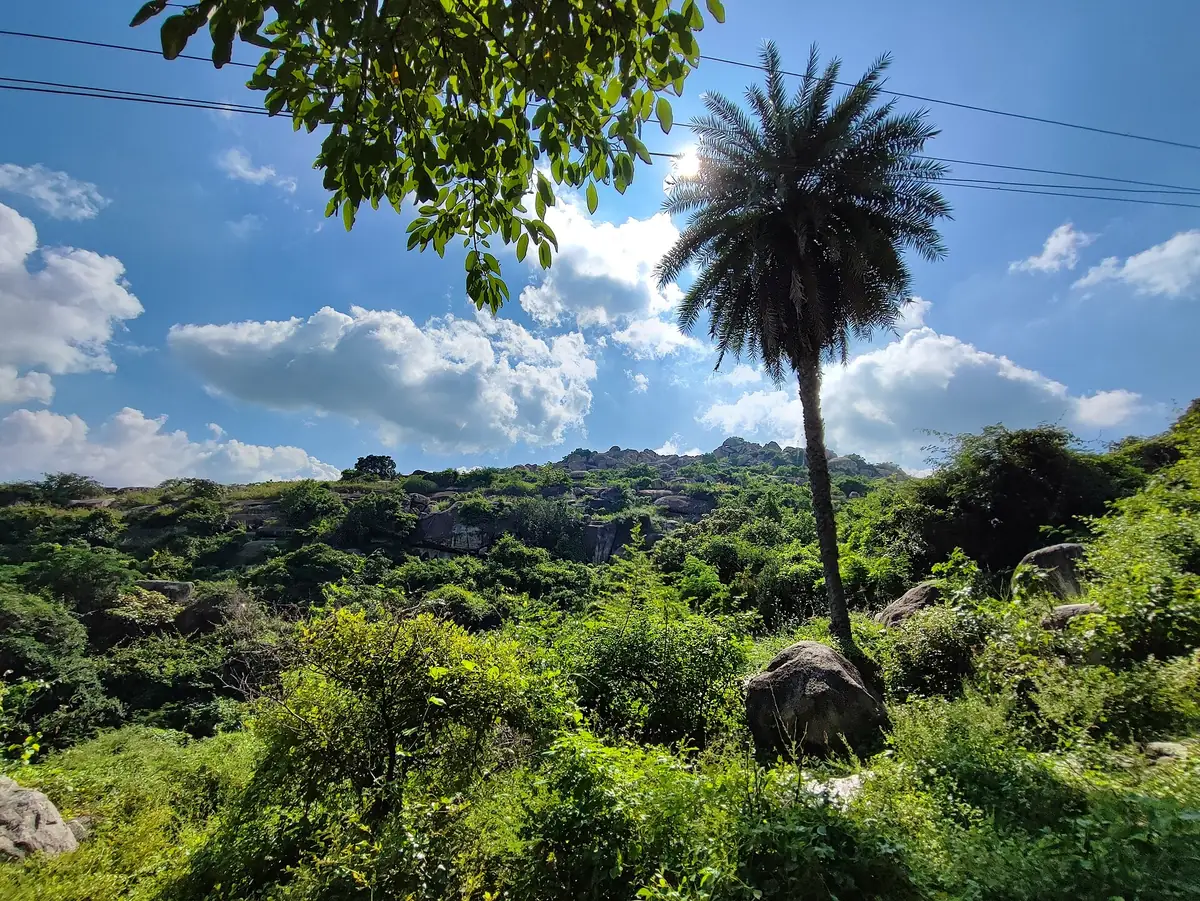
Bodh Gaya is Buddhism's most important pilgrimage site, and the reason most travelers come to Bihar at all. This is where the Buddha is believed to have attained enlightenment, and the town today draws monks, pilgrims, and visitors from across the Buddhist world.
- Mahabodhi Temple: A UNESCO World Heritage Site marking the exact spot of the Buddha's enlightenment, with a descendant of the original Bodhi Tree still standing beside it. The temple complex is active, contemplative, and often crowded with pilgrims in quiet meditation.
- International monasteries: Nations including Thailand, Japan, Bhutan, Tibet, Vietnam, and Myanmar have each built monasteries near the Mahabodhi Temple in their own distinct architectural style — a genuinely unusual cluster to walk between in one town.
- Great Buddha Statue: An 80-foot seated Buddha statue, consecrated by the Dalai Lama in 1989, visible from much of the town.
Nalanda & Rajgir
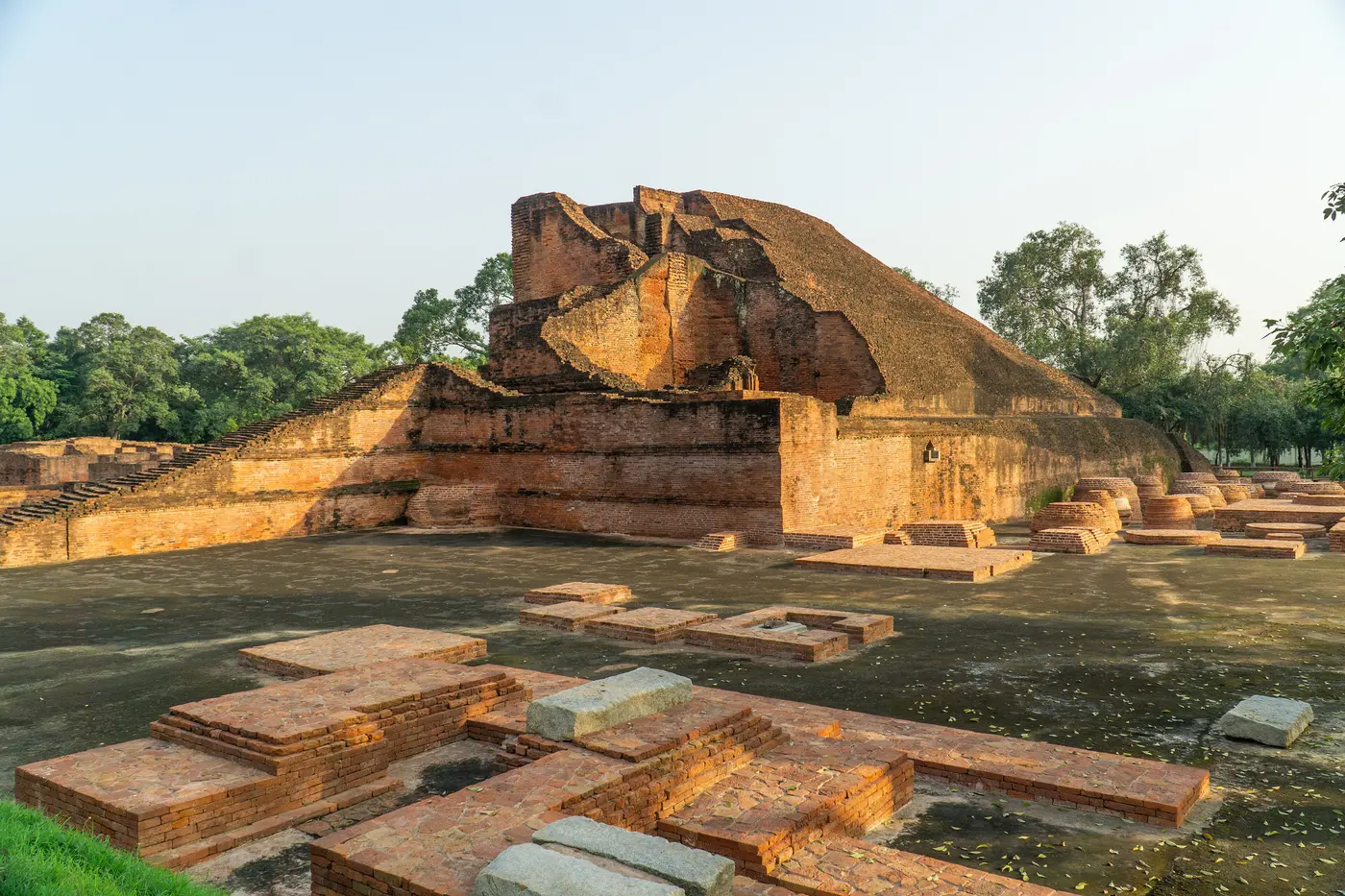
A short drive from Bodh Gaya, Nalanda and Rajgir pack in some of Bihar's deepest history — Buddhist, Jain, and pre-Mauryan alike.
- Nalanda Mahavihara ruins: The excavated remains of one of the world's first residential universities, dating back to the 5th century CE, which once housed thousands of monks and scholars from across Asia before being destroyed in the 12th century. Walking the brick foundations of its old dormitories and lecture halls is genuinely humbling.
- Rajgir's hot springs: Sacred hot springs at the base of the surrounding hills, held to have healing properties and visited by pilgrims of several faiths.
- Griffith's Hill ropeway & Vishwa Shanti Stupa: A cable car ride up to the Peace Pagoda overlooking Rajgir, built by Japanese Buddhist monks — one of the more accessible viewpoints in the region.
- Jain and early Buddhist connections: Rajgir was an ancient capital of the Magadha kingdom and is significant to both Buddhist and Jain history, with several Jain temples on its surrounding hills.
Patna: The Ancient Capital
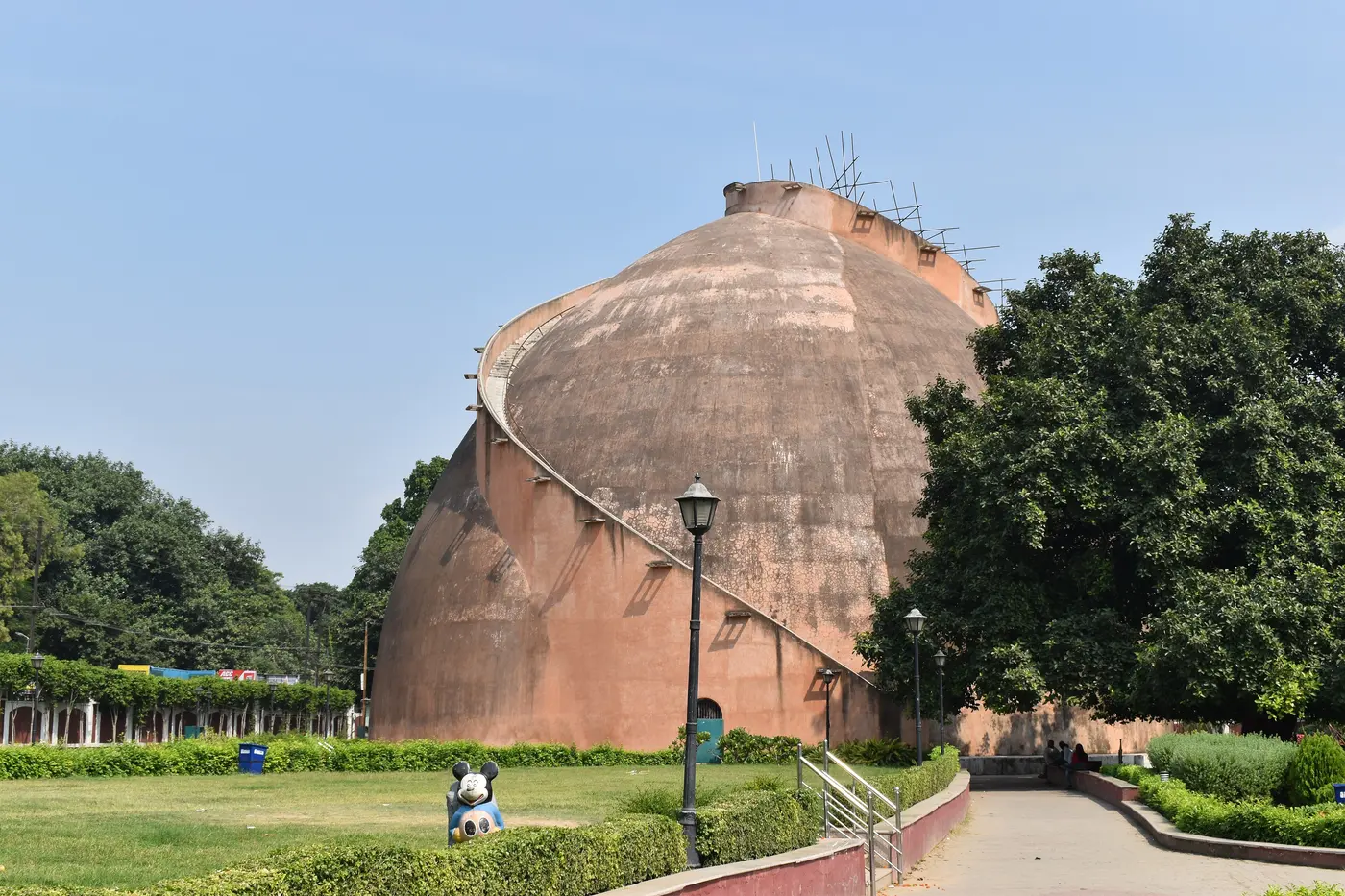
Bihar's capital Patna has been a seat of power since ancient times, once known as Pataliputra, the capital of the Magadha and later Maurya empires under Emperor Ashoka.
- Golghar: A striking beehive-shaped granary built by the British in 1786, with a staircase spiraling up its exterior to a viewpoint over the city and the Ganges.
- Patna Museum: Home to Mauryan and Gupta-era artifacts, including the famed Didarganj Yakshi statue — a good primer on Bihar's ancient history before heading to the sites themselves.
- Patna Sahib Gurdwara: One of Sikhism's most sacred sites, marking the birthplace of Guru Gobind Singh, the tenth Sikh Guru.
- The Ganges riverside: Patna sits directly on the Ganges, and its ghats and riverside areas are worth an unhurried evening walk.
Vaishali & Sasaram
- Vaishali: Considered one of the world's earliest republics, and a significant pilgrimage site for both Buddhists and Jains — the Buddha is said to have delivered his last sermon here, and it's the birthplace of Lord Mahavira, the founder of Jainism.
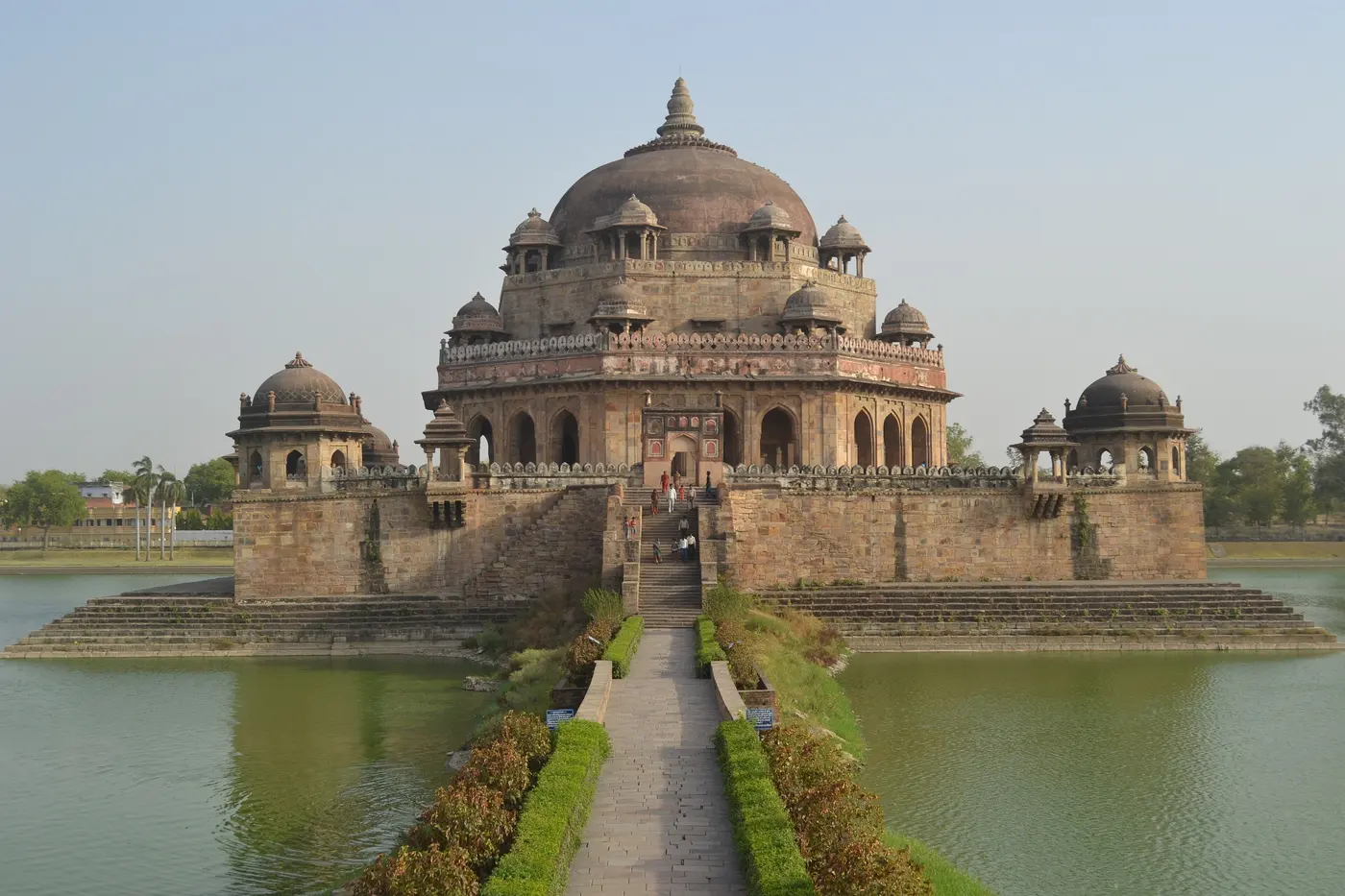
- Sasaram: Home to the tomb of Sher Shah Suri, the 16th-century Afghan ruler who briefly unseated the Mughals — a major medieval Indo-Islamic monument, built on a platform in the middle of an artificial lake.
Both are worthwhile if your itinerary has room, but neither has much in the way of visitor infrastructure — treat them as focused day trips rather than overnight stops.
Where to Stay
Accommodation quality in Bihar varies sharply by town. Bodh Gaya, thanks to decades of Buddhist pilgrim traffic, genuinely punches above its weight with international-standard options. Patna has a reasonable range of business hotels. Rajgir, Nalanda, and other smaller towns are considerably thinner — plan to base yourself in Bodh Gaya or Patna and day-trip out.
- → Monastery guesthouses, Bodh Gaya
- → Budget lodges, central Patna
- → Simple hotels, Rajgir
- → 3-star hotels, Bodh Gaya
- → Business hotels, Patna
- → Resort-style stays, Rajgir
- → International-standard hotels, Bodh Gaya
- → Premium chain hotels, Patna
- → Limited options elsewhere
Book Bodh Gaya accommodation well ahead of major Buddhist festival dates — pilgrim traffic spikes hard, and even mid-range hotels sell out weeks in advance.
What to Eat in Bihar
- Litti Chokha: Bihar's most iconic dish — roasted wheat balls stuffed with spiced, roasted gram flour, served with a smoky mashed vegetable chokha and a generous dollop of ghee.
- Sattu-based dishes: Roasted gram flour (sattu) shows up across Bihari cooking, from sattu paratha to a simple sattu drink mixed with lemon and spices — cheap, filling, and everywhere.
- Thekua: A dense, sweet, deep-fried wheat and jaggery snack, traditionally associated with the Chhath Puja festival but available year-round.
- Bodh Gaya's pilgrim food scene: Thanks to the Buddhist monastery presence, Bodh Gaya has a strong, easy-to-find vegetarian food culture, including Thai, Tibetan, and Japanese options catering to international pilgrims — genuinely convenient for vegetarian travelers.
6-Day Bihar Itinerary
Six days is a comfortable amount of time to properly cover Bodh Gaya, Nalanda and Rajgir, and Patna without rushing the sites that matter most.
Arrive Bodh Gaya
- ✓Fly into Gaya, transfer to Bodh Gaya
- ✓Mahabodhi Temple, evening visit
- ✓Walk past the international monasteries
Bodh Gaya in Depth
- ✓Sunrise visit to the Mahabodhi Temple
- ✓Great Buddha Statue and nearby monasteries
- ✓Explore the town's monastery-run cafes
Nalanda & Rajgir Day Trip
- ✓Drive to Nalanda, explore the university ruins
- ✓Nalanda Archaeological Museum
- ✓Rajgir hot springs and Vishwa Shanti Stupa ropeway
Travel to Patna
- ✓Drive from Bodh Gaya to Patna (~4 hrs)
- ✓Evening walk along the Ganges riverside
- ✓Rest after the transfer
Patna
- ✓Golghar granary and viewpoint
- ✓Patna Museum
- ✓Patna Sahib Gurdwara
Vaishali or Departure
- ✓Optional day trip to Vaishali
- ✓Final shopping or riverside time in Patna
- ✓Departure
Budget Breakdown
| Expense | Budget | Mid-Range | Luxury |
|---|---|---|---|
| Accommodation/night | ₹1,000 | ₹3,200 | ₹8,000 |
| Food/day | ₹400 | ₹900 | ₹2,200 |
| Local transport/day | ₹500 | ₹1,200 | ₹2,800 |
| Day-trip car hire (Nalanda/Rajgir) | ₹1,800 | ₹2,500 | ₹4,000 |
| Daily total | ₹3,700 | ₹7,800 | ₹17,000 |
| 6-Day trip total | ₹22,200 | ₹46,800 | ₹102,000 |
* Excludes flights. A car with driver for the Nalanda and Rajgir day trip is close to essential given thin local transport — factor it in regardless of budget tier.
Essential Travel Tips for Bihar
- Hire a car with driver for day trips: Local transport between Bodh Gaya, Nalanda, Rajgir, and Patna is thin — a hired car makes these connections far more reliable.
- Dress and behave respectfully at religious sites: The Mahabodhi Temple and Patna Sahib Gurdwara are active places of worship — cover shoulders and knees, and keep noise levels down.
- Carry cash outside major towns: Card acceptance drops off quickly beyond Bodh Gaya and Patna's main commercial areas.
- Book ahead during Buddhist festival dates: Pilgrim traffic to Bodh Gaya spikes hard around major Buddhist festivals — accommodation fills up weeks in advance.
- Keep expectations realistic outside the main hubs: Rajgir, Nalanda, and Vaishali have real historical weight but limited tourist infrastructure — treat them as day trips, not overnight bases.
- Avoid the peak summer months entirely: Bihar's April–June heat and July–September flood risk both make sightseeing genuinely difficult.
✅ Do
- →Hire a car with driver for Bodh Gaya–Nalanda–Rajgir–Patna trips
- →Dress modestly at the Mahabodhi Temple and Patna Sahib
- →Book Bodh Gaya stays ahead of major festival dates
- →Carry cash for smaller towns and villages
- →Base yourself in Bodh Gaya or Patna, day-trip elsewhere
- →Visit October–February for comfortable sightseeing
❌ Don't
- →Expect Rajgir or Nalanda to have Bodh Gaya-level infrastructure
- →Rely on cards outside Bodh Gaya and Patna
- →Travel during peak summer heat (April–June)
- →Show up in Bodh Gaya during festival season without booking ahead
- →Underestimate travel time on Bihar's smaller roads
- →Wear revealing clothing at active religious sites
Places to Explore in Bihar
Every Bihar guide on Kudozz Club, in one place — 12 destinations covered so far, from cities and towns to individual attractions. Use this index to plan beyond the highlights above.
Frequently Asked Questions
How many days do I need for Bihar?
Six days is a comfortable amount of time to properly cover Bodh Gaya, Nalanda and Rajgir, and Patna without rushing the sites that matter most — roughly two days in Bodh Gaya, a day trip to Nalanda/Rajgir, and two days in Patna, with room for a Vaishali detour.
What is the best time to visit Bihar?
October to March is the best window, with cool and comfortable weather (10–27°C) ideal for temple visits and ruin sightseeing. April to June brings extreme heat that regularly crosses 40°C, and July to September monsoon carries real flooding risk in parts of the Gangetic plain — best avoided for sightseeing-heavy travel.
How do I reach Bodh Gaya?
Gaya Airport, close to Bodh Gaya, runs direct international flights, especially from Buddhist-majority countries like Thailand, Sri Lanka, Myanmar, and Japan — it's roughly a 15-minute drive from Bodh Gaya versus 2+ hours from Patna. Patna's Jay Prakash Narayan International Airport and strong rail connectivity to Gaya are the alternative routes in.
What is the budget for a trip to Bihar?
A daily budget runs roughly ₹3,700 on a budget trip, ₹7,800 mid-range, or ₹17,000 luxury, with a car with driver for the Nalanda/Rajgir day trip as a near-essential line item given thin local transport. A 6-day trip totals about ₹22,200–₹1,02,000 depending on tier, excluding flights.
Is Bihar safe for solo travellers?
Bodh Gaya is well set up for visitors thanks to decades of Buddhist pilgrim traffic, with good hotels and English-speaking guides, and Patna has a reasonable range of business hotels. Outside these hubs, general tourist infrastructure is genuinely thin, so hiring a car with driver for day trips to Rajgir, Nalanda, and Vaishali, and carrying cash outside major towns, are both recommended.
Is Bihar worth visiting for its history?
Yes — Bihar is where the Buddha attained enlightenment at Bodh Gaya's Mahabodhi Temple, home to the ruins of Nalanda Mahavihara, one of the world's first residential universities predating Oxford by centuries, and the ancient heartland of the Magadha and Maurya empires, plus Vaishali (one of the world's earliest republics) and Sasaram's Sher Shah Suri tomb.
Can Nalanda and Rajgir be visited as a day trip from Bodh Gaya?
Yes, and this is the recommended approach — Nalanda and Rajgir are easily combined as a single day trip from Bodh Gaya. Hire a car with a driver rather than relying on local transport, which is thin between the two.
Published by the Kudozz Club editorial team · Last updated · How we research our guides
Want us to plan this trip for you?
Tell Kudozz Club where you want to go and what kind of trip you’re looking for. We’ll build a Bihar itinerary around your dates and budget.
Continue Exploring
View all guides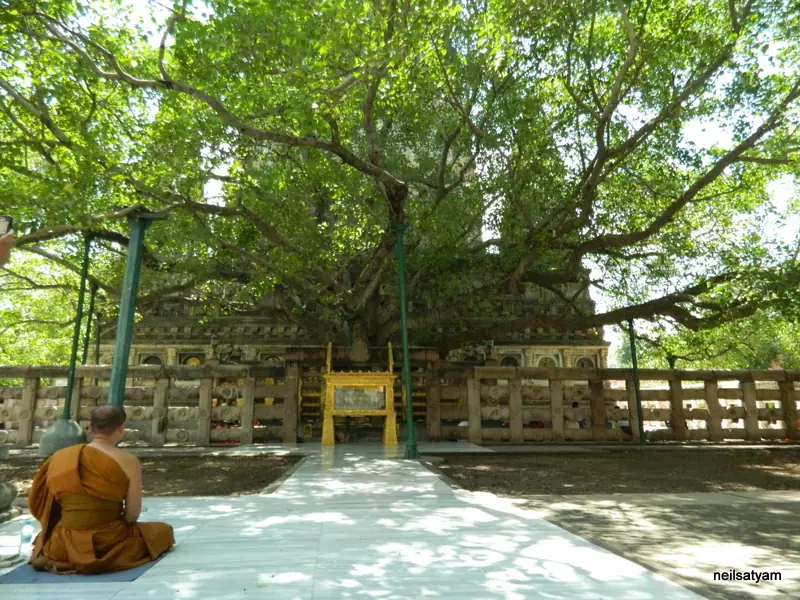 Heritage
Bodh Gaya Travel Guide: Mahabodhi Temple & Buddha's Enlightenment Site
The exact spot where Buddha is believed to have attained enlightenment under a descendant of the original Bodhi Tree — the complete guide to Bodh Gaya.
 Things to Do
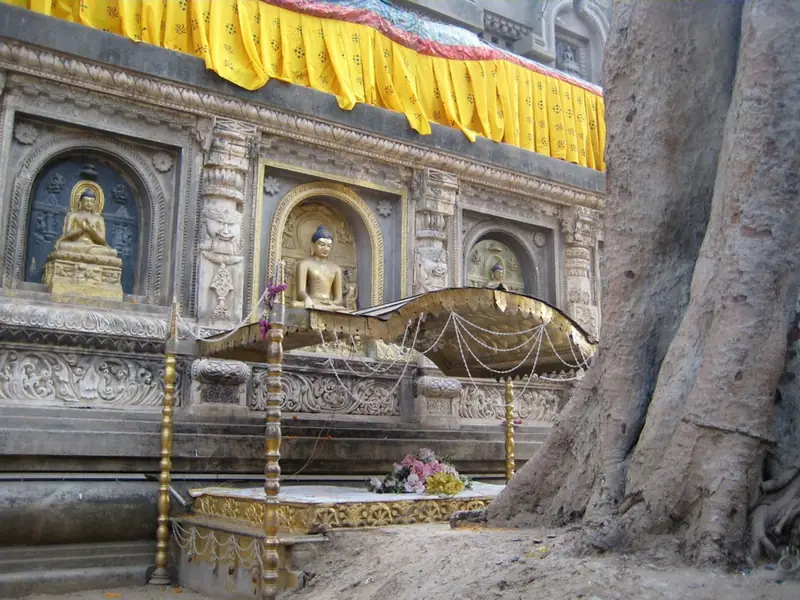
Things to Do in Bodh Gaya: Mahabodhi Temple, Monasteries & Buddhist Pilgrimage Sites
Things to do in Bodh Gaya: the Mahabodhi Temple and the Bodhi Tree, meditation in the temple gardens, the international monasteries, the Great Buddha Statue, the Archaeological Museum, Sujata's village, the Dungeshwari caves, Gaya's Vishnupad Temple and the Mauryan Barabar Caves.
 Spiritual Tourism
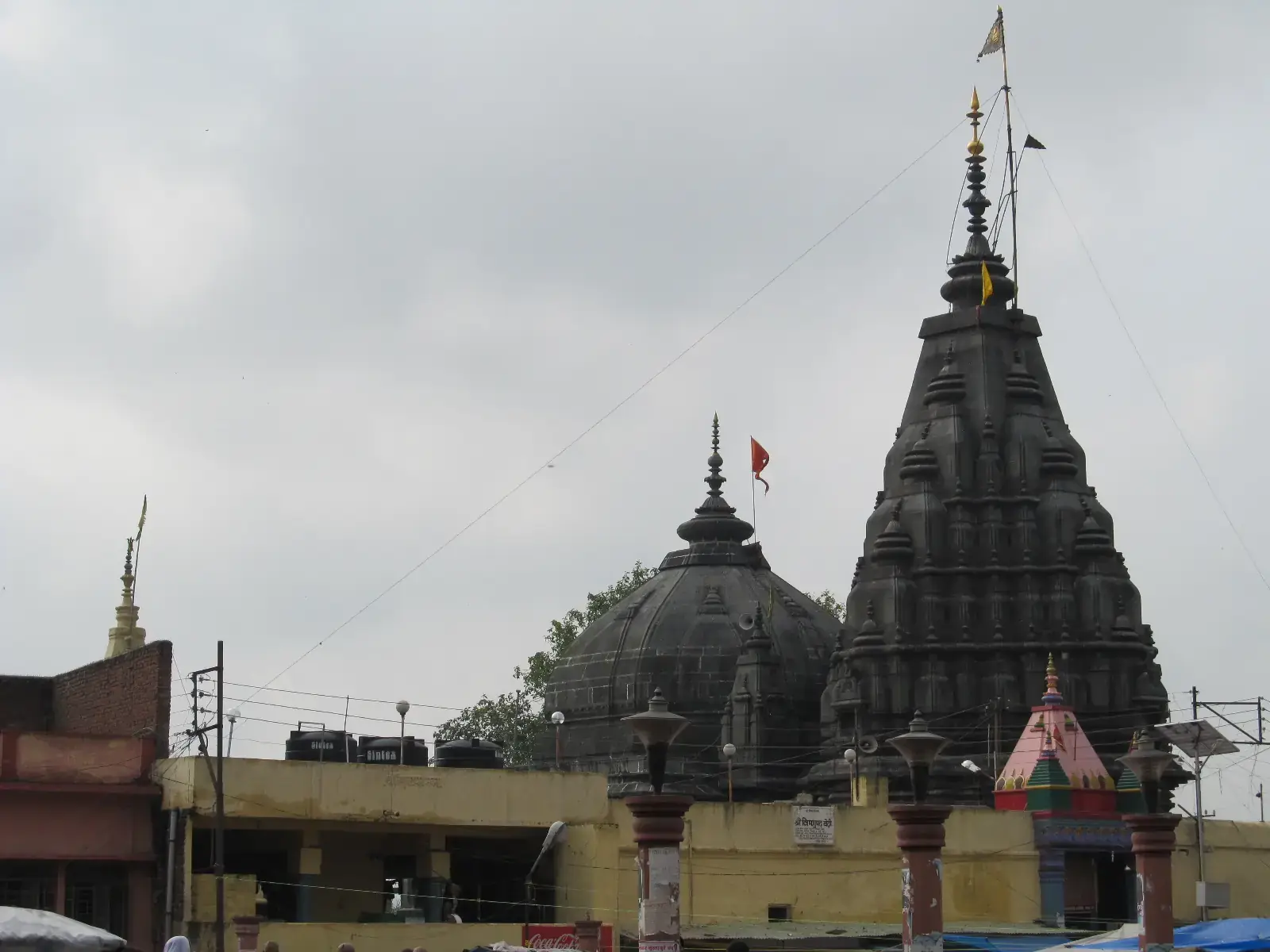
Spiritual Tourism in Bihar: Bodh Gaya, Gaya, Patna Sahib and Pawapuri
A guide to spiritual tourism in Bihar, where four faiths have key sites: Bodh Gaya, Rajgir, Nalanda and Vaishali for Buddhists; Gaya's Vishnupad temple and the Pind Daan rituals, Sitamarhi and Mundeshwari for Hindus; Takht Sri Patna Sahib for Sikhs; and Pawapuri and Rajgir for Jains, with Chhath, routes and seasons.
 Heritage
Nalanda Travel Guide: Ruins of an Ancient Buddhist University
The excavated remains of a residential university that once housed thousands of monks and scholars from across Asia, over a thousand years before Oxford existed — the complete guide to Nalanda.