Why Sasaram?
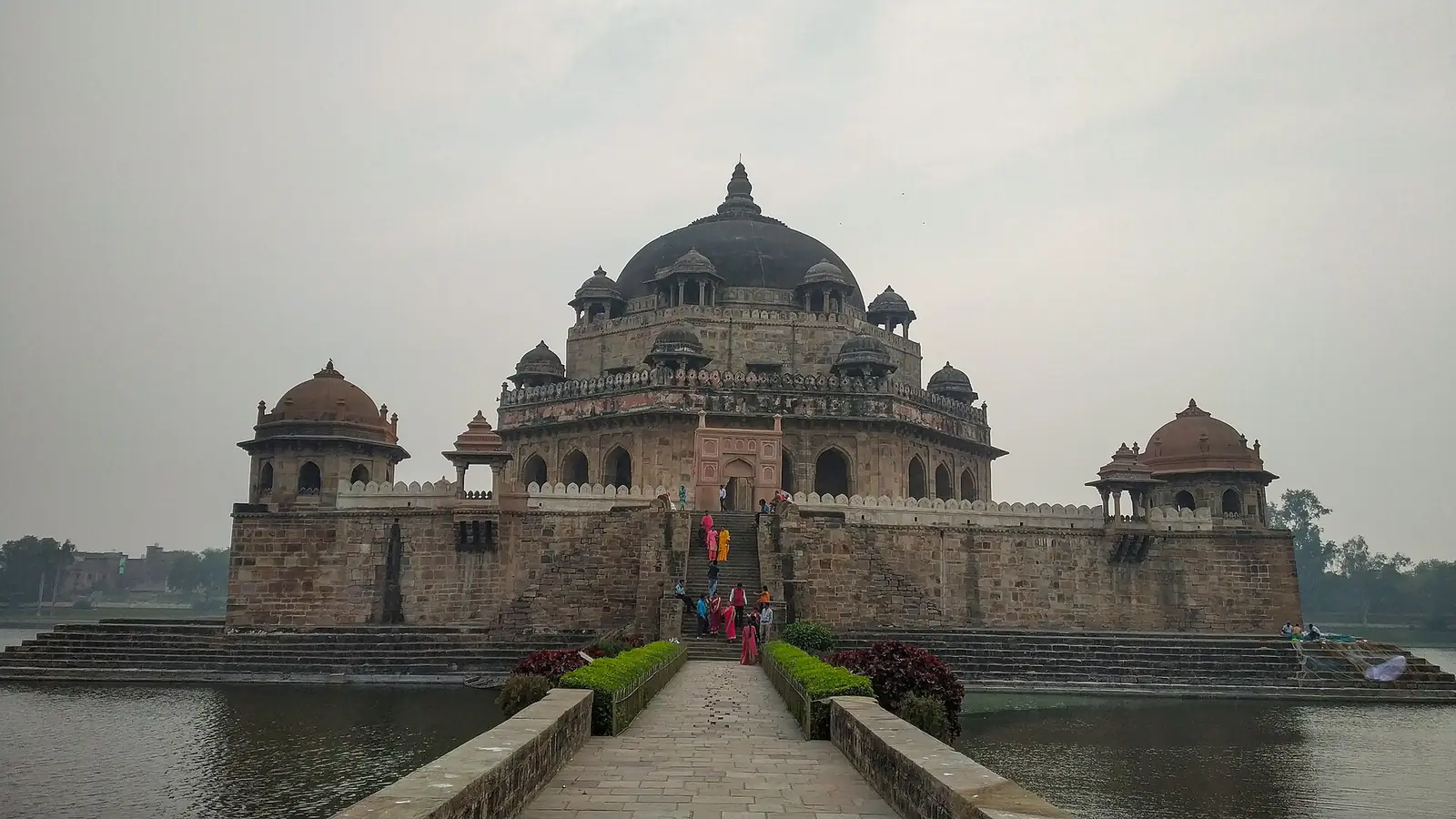
Sher Shah Suri's Tomb in Sasaram is a monumental mausoleum built for the 16th-century emperor who briefly interrupted Mughal rule to found the Suri Empire. It's genuinely significant for its architectural scale — a large domed structure rising from the centre of an artificial lake, reached by a causeway — and for Sher Shah Suri's substantial administrative legacy. He's widely credited with establishing the early version of the Grand Trunk Road, one of South Asia's oldest and longest major roads still in use today, and with currency and administrative reforms that influenced the later rupee system.
Historians often cite the tomb's design as an important precursor influencing later Mughal tomb architecture, including aspects of the Taj Mahal's design lineage — a scholarly observation worth knowing before you visit, not an overclaim.
🏛️ Sasaram at a Glance
Best Time to Visit Sasaram
Cool, comfortable weather ideal for exploring the tomb grounds and lakeside causeway.
Temperatures cross 40°C, making the open, shade-free grounds genuinely uncomfortable.
Heavy rains and flood risk across parts of the Gangetic plain can disrupt travel.
Our pick: November to February for the most comfortable exploration of the tomb and its lakeside grounds.
How to Reach Sasaram
- By Rail: Sasaram has its own railway station on the Delhi-Kolkata main line — genuinely well-connected by rail compared to many Bihar heritage sites.
- By Air: Gaya (~130km) or Varanasi are the nearest airports.
- By Road: Sasaram sits directly on NH19 — the historic Grand Trunk Road route itself, adding a fitting layer of context to the drive in.
Top Things to Do in Sasaram
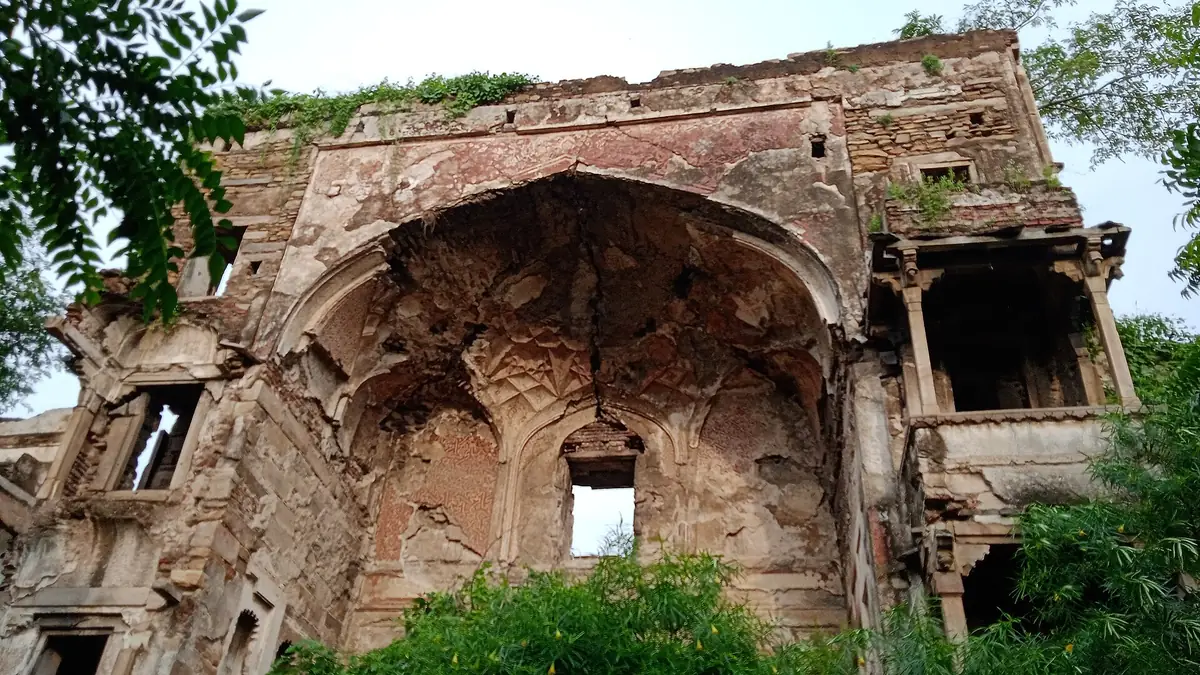
- Sher Shah Suri's Tomb: A large domed mausoleum rising from an artificial lake, reached by a causeway — the town's centrepiece monument.
- Tomb of Sher Shah's father: A smaller, more modest tomb nearby, worth a brief visit for context.
- Grand Trunk Road (NH19): The historic road route Sher Shah Suri helped establish, running right through Sasaram.
Where to Stay in Sasaram
- → Basic lodges near the railway station
- → Business hotels, central Sasaram
- → Very limited — most travelers day-trip in from Gaya/Varanasi
What to Eat in Sasaram
- Litti Chokha: Bihar's signature dish, widely available at local eateries.
- Sattu-based snacks: Cheap, filling roasted gram flour dishes common across the state.
- Highway dhaba food: Given Sasaram's position on NH19, several roadside eateries serve solid North Indian fare for travelers passing through.
1-Day Sasaram Itinerary
Sher Shah Suri's Tomb
- ✓Arrive at Sasaram, check bags if traveling onward
- ✓Explore the tomb complex and lakeside causeway
Secondary Sites & Departure
- ✓Visit the smaller tomb of Sher Shah's father
- ✓Depart via rail (Delhi-Kolkata line) or continue along NH19
Budget Breakdown
| Expense | Budget | Mid-Range |
|---|---|---|
| Accommodation/night | ₹700 | ₹2,200 |
| Food/day | ₹300 | ₹700 |
| Local transport/day | ₹250 | ₹600 |
| Daily total | ₹1,250 | ₹3,500 |
* Excludes travel to the region. Many travelers do this as a rail day-trip stop rather than an overnight base.
Essential Travel Tips for Sasaram
- Take the train if possible: Sasaram's rail connectivity is genuinely better than most Bihar heritage sites.
- Allow time to appreciate the tomb's scale: This is a substantial monument, not a quick photo stop.
- Combine with a Grand Trunk Road route trip: If you're already traveling this historic corridor, Sasaram is a natural stop.
- Carry sun protection: The open lakeside grounds offer little shade.
✅ Do
- →Take the train given Sasaram's strong rail connectivity
- →Allow real time to appreciate the tomb's scale
- →Visit the smaller secondary tomb nearby
- →Carry sun protection for the open grounds
- →Combine with a broader Grand Trunk Road route trip
❌ Don't
- →Rush the visit — the tomb's scale deserves proper time
- →Visit during peak summer heat (Apr–Jun)
- →Skip sun protection at the open lakeside grounds
- →Expect much developed tourist infrastructure beyond the tomb itself
- →Overlook the smaller secondary tomb nearby
Frequently Asked Questions
Who was Sher Shah Suri?
A 16th-century ruler who briefly interrupted Mughal rule by founding the Suri Empire. He's widely credited with establishing the early version of the Grand Trunk Road and introducing currency and administrative reforms that influenced the later rupee system — a substantial legacy beyond just his tomb.
How many days do I need in Sasaram?
A single day is enough to see the tomb and its surroundings properly.
How do I reach Sasaram?
Sasaram has its own railway station on the Delhi-Kolkata main line, making it genuinely well-connected by rail. The nearest airport is Gaya (~130km) or Varanasi, and road access is via NH19 — the historic Grand Trunk Road route.
What is the best time to visit Sasaram?
October to March offers the most comfortable weather for exploring the tomb grounds.
Is Sher Shah Suri's Tomb connected to the Taj Mahal's design?
Historians often cite the tomb's architecture as an important precursor influencing later Mughal tomb design, including aspects of the Taj Mahal's design lineage — a scholarly observation worth knowing rather than an overstated claim.
What else is there to see in Sasaram?
A smaller tomb of Sher Shah Suri's father sits nearby, and the town itself sits directly on NH19, the historic Grand Trunk Road route, which adds context to a visit.
Published by the Kudozz Club editorial team · Last updated · How we research our guides
Want us to plan this trip for you?
Tell Kudozz Club where you want to go and what kind of trip you’re looking for. We’ll build a Sasaram and Bihar itinerary around your dates and budget.
Continue Exploring
View all guides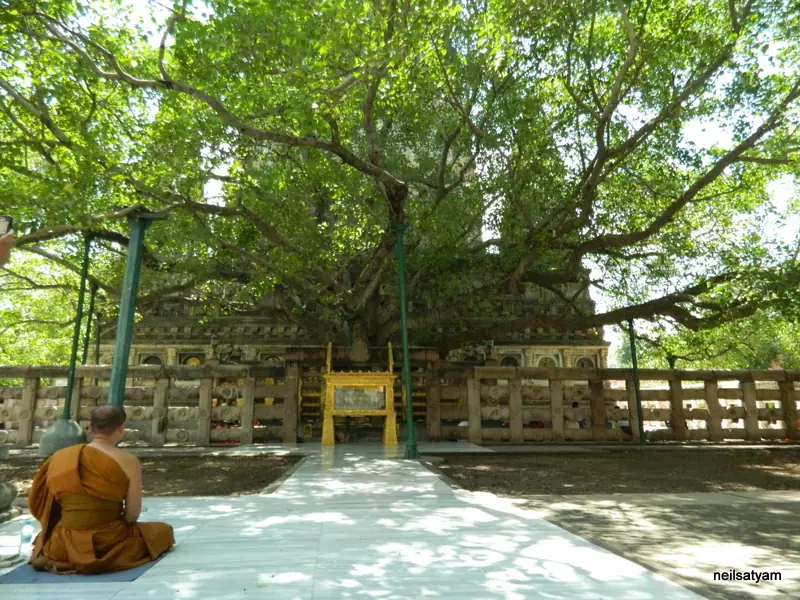 Heritage
Bodh Gaya Travel Guide: Mahabodhi Temple & Buddha's Enlightenment Site
The exact spot where Buddha is believed to have attained enlightenment under a descendant of the original Bodhi Tree — the complete guide to Bodh Gaya.
 Heritage
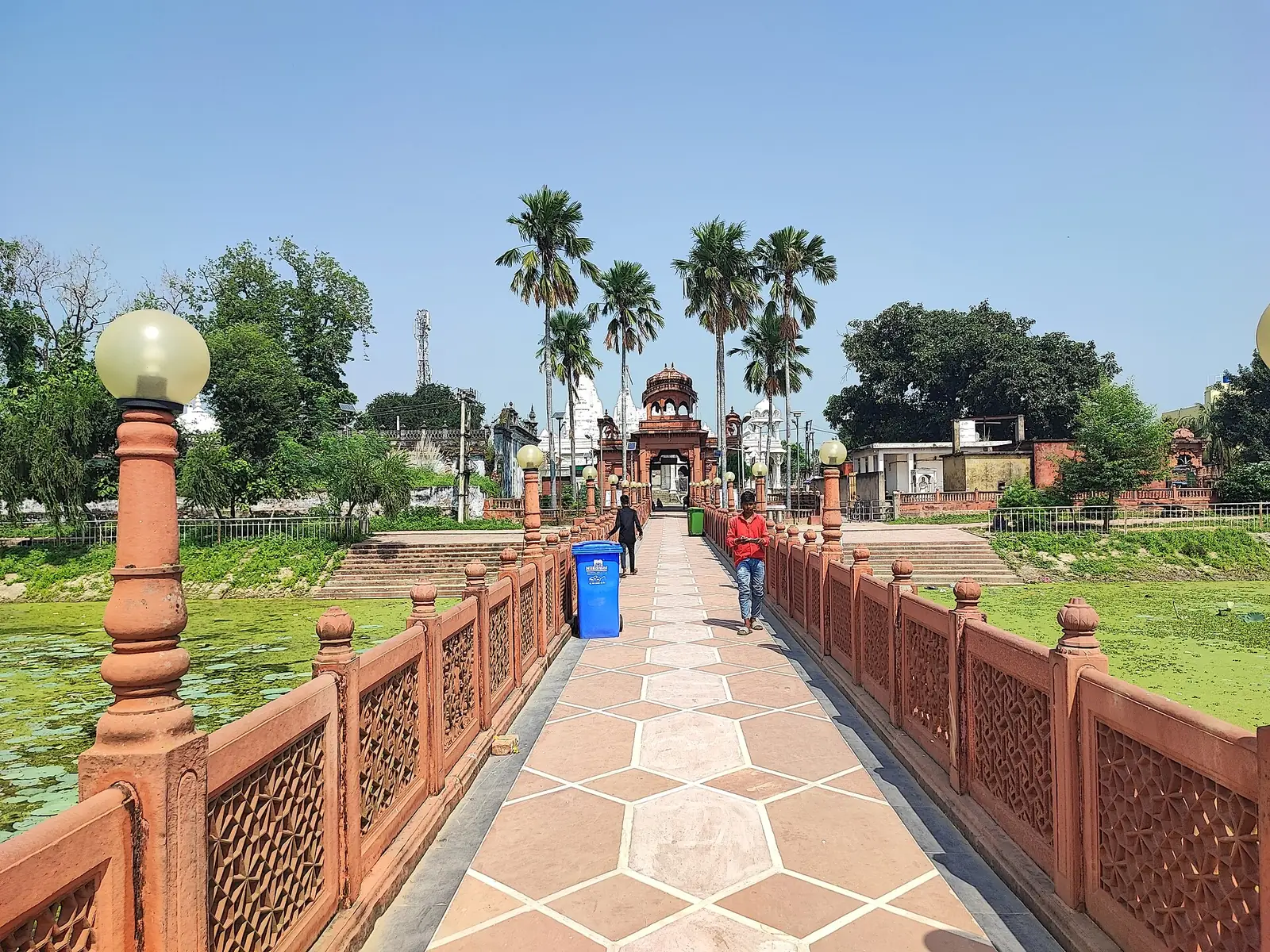
Pawapuri Travel Guide: Where Mahavira Attained Nirvana
A lotus-covered temple tank marking the spot where Lord Mahavira, the last Jain Tirthankara, is believed to have attained nirvana — the complete guide to Pawapuri.
 Heritage
Madhubani Travel Guide: The Town Behind India's Famous Folk Art
The district that gave its name to a distinctive folk-painting style, still practiced by generations of local women artists — the complete guide to Madhubani.
 Heritage
Barabar Caves Travel Guide: India's Oldest Rock-Cut Caves
Polished granite caves carved under Emperor Ashoka nearly 2,300 years ago, believed to have inspired the Marabar Caves in A Passage to India — the complete guide to Barabar Caves.