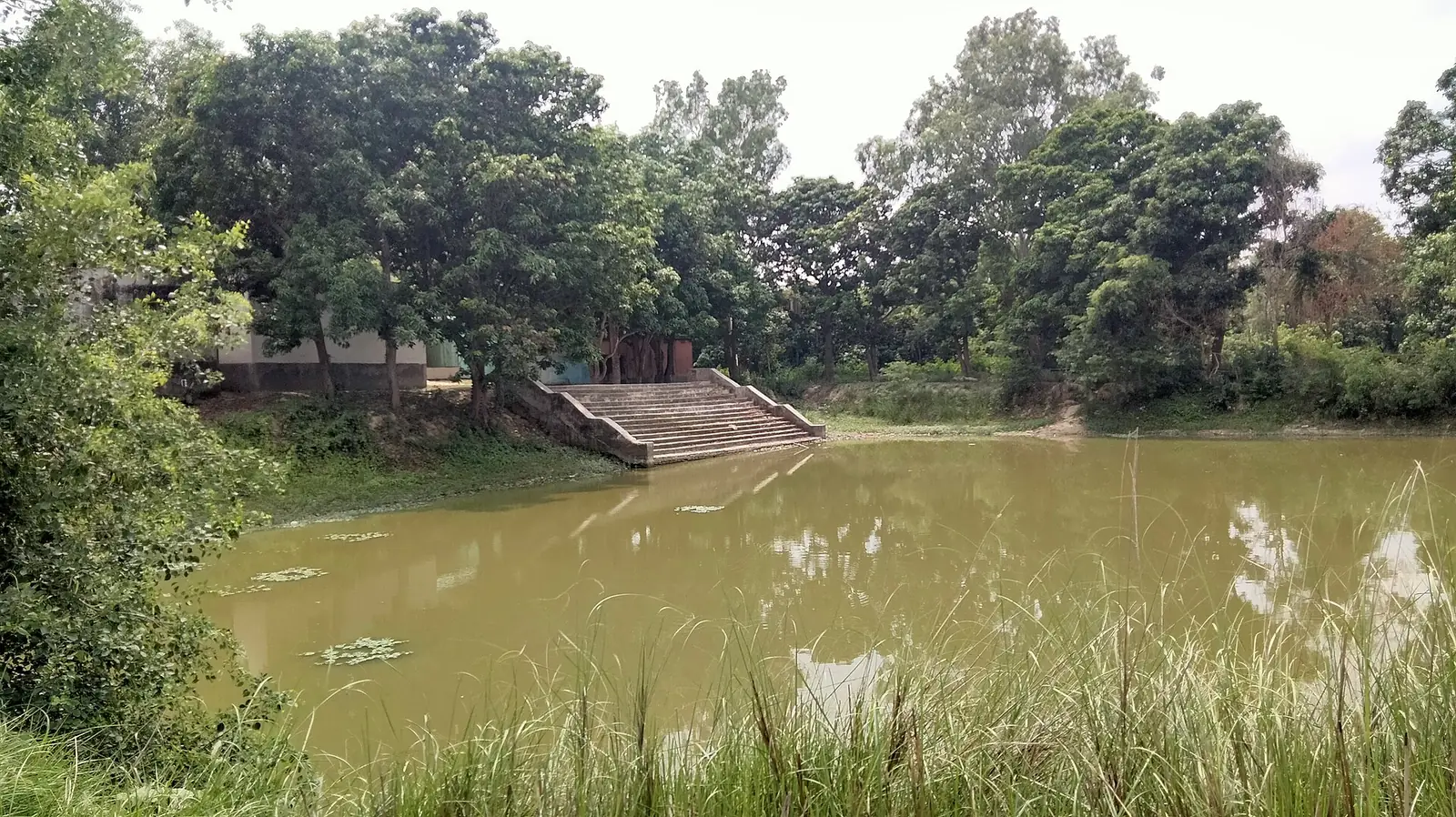
Why Madhubani?
Madhubani gave its name to one of India's most distinctive folk-art traditions — Madhubani art, also known as Mithila painting after the broader cultural region it comes from. Traditionally practiced by women and passed down through generations, the style was historically painted on freshly plastered mud walls and floors of homes for festivals and ceremonies, and is now also produced on paper and canvas, characterized by intricate line work, natural pigments, and recurring motifs from Hindu mythology, nature, and rural life.
Over recent decades, Madhubani art has earned genuine international collector and gallery interest — a real point of pride for the region. Visiting an artist village or cooperative here is the most meaningful way to engage with the craft, watching it made and buying directly from the artists who practice it.
🎨 Madhubani at a Glance
Best Time to Visit Madhubani
Cool, dry, and comfortable for visiting artist villages and moving around the district.
Warmer temperatures make extended village visits less comfortable.
Heavy rain can make rural village roads difficult — plan carefully if visiting in this window.
Our pick: October to March — comfortable weather for exploring artist villages at a relaxed pace.
How to Reach Madhubani
- By Air: Patna is the nearest major airport, about 160km away. Darbhanga has a smaller airport that may offer closer access — verify current connectivity.
- By Train: Madhubani has its own railway station with reasonable connectivity.
- By Road: Road access runs via NH27.
Top Things to Do in Madhubani
- Artist villages and cooperatives: Watch Madhubani art being made and buy directly from practicing artists — the most meaningful way to engage with the craft.
- Mithila cultural heritage: The broader region's folklore and traditions, including its association with Sita from the Ramayana.
- Local markets: A chance to see everyday Mithila regional life alongside the craft villages.
Where to Stay in Madhubani
- → Basic guesthouses in Madhubani town
- → Simple local lodges
- → Better-appointed hotels in town
- → Guesthouses near artist villages
- → Very few premium options — this is an off-the-beaten-path destination
What to Eat in Madhubani
- Litti chokha: Bihar's signature dish — roasted stuffed wheat balls with mashed spiced vegetables.
- Thekua: A traditional sweet, deep-fried wheat and jaggery snack popular across Bihar.
- Local Mithila home cooking: Simple regional vegetarian fare, especially in village settings.
2-Day Madhubani Itinerary
Town & First Artist Village
- ✓Arrive, check in
- ✓Afternoon: visit an artist village or cooperative
- ✓Evening: explore Madhubani town
Deeper Village Visits & Departure
- ✓Morning: visit additional artist workshops
- ✓Late morning: shop directly from artists
- ✓Afternoon: departure
Budget Breakdown
| Expense | Budget | Mid-Range |
|---|---|---|
| Accommodation/night | ₹700 | ₹2,000 |
| Food/day | ₹300 | ₹700 |
| Local transport per day | ₹400 | ₹300 |
| Daily total | ₹1,400 | ₹3,000 |
| 2-Day trip total (excl. art purchases) | ₹2,800 | ₹6,000 |
* Excludes transport to the region and any art purchased directly from artists.
Essential Travel Tips for Madhubani
- Buy directly from artists: Seek out cooperatives or individual artists rather than resellers for authentic, ethically-sourced work.
- Carry cash: Card acceptance is limited in rural artist villages.
- Protect any purchases: Use a rigid carry tube or folder for paper-based paintings.
- Arrange local guidance: A local contact helps you find genuine artist villages rather than tourist-facing shops.
✅ Do
- →Visit an artist village or cooperative directly
- →Buy authentic work straight from practicing artists
- →Carry sufficient cash
- →Arrange local guidance ahead of time
- →Protect any art purchased for the journey home
❌ Don't
- →Buy mass-produced work expecting authentic artist-made pieces
- →Rely on cards in rural village settings
- →Rush village visits — the craft rewards a slower pace
- →Skip protecting paper artwork for transport
- →Visit without any local contact or guidance
Frequently Asked Questions
How many days do I need in Madhubani?
One to two days is enough to visit an artist village or cooperative and see the town itself — this isn't a multi-day sightseeing destination in the conventional sense.
What is the best time to visit Madhubani?
October to March offers the most comfortable weather for visiting artist villages and moving around the district.
How do I reach Madhubani?
Patna is the nearest major airport, about 160km away. Darbhanga has a smaller airport that may be closer — verify current connectivity. Madhubani has its own railway station, and road access runs via NH27.
Can I buy Madhubani art directly from artists?
Yes — visiting an artist village or cooperative and buying directly from practicing artists is genuinely the most meaningful and ethically grounded way to engage with the craft, rather than buying mass-produced versions elsewhere.
What makes Madhubani art distinctive?
It's characterized by intricate line work, natural dyes and pigments, and recurring motifs from Hindu mythology, nature, and rural life — traditionally painted on freshly plastered mud walls and floors, now also on paper and canvas.
Is Madhubani connected to the Ramayana?
The broader Mithila cultural region is traditionally associated with Sita, the central female figure of the Ramayana, giving the area's folklore and art motifs deep mythological roots.
What is the budget for a trip to Madhubani?
A budget traveler can manage on roughly ₹1,400 a day, a mid-range trip closer to ₹3,000 a day, plus whatever you choose to spend on art directly from artists.
Published by the Kudozz Club editorial team · Last updated · How we research our guides
Want us to plan this trip for you?
Tell Kudozz Club where you want to go and what kind of trip you’re looking for. We’ll build a Madhubani and Bihar itinerary around your dates and budget.
Continue Exploring
View all guides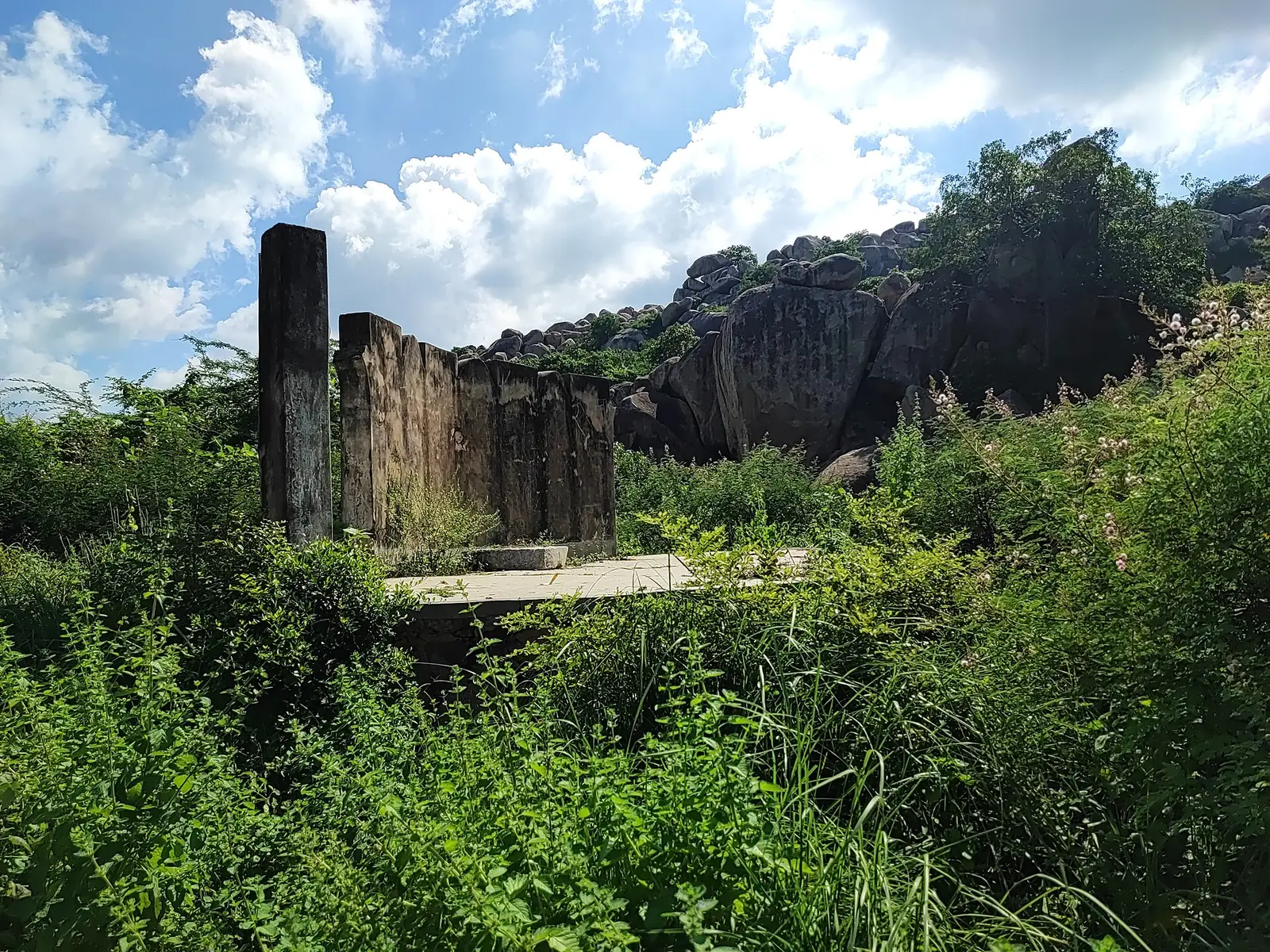 Heritage
Barabar Caves Travel Guide: India's Oldest Rock-Cut Caves
Polished granite caves carved under Emperor Ashoka nearly 2,300 years ago, believed to have inspired the Marabar Caves in A Passage to India — the complete guide to Barabar Caves.
 Heritage
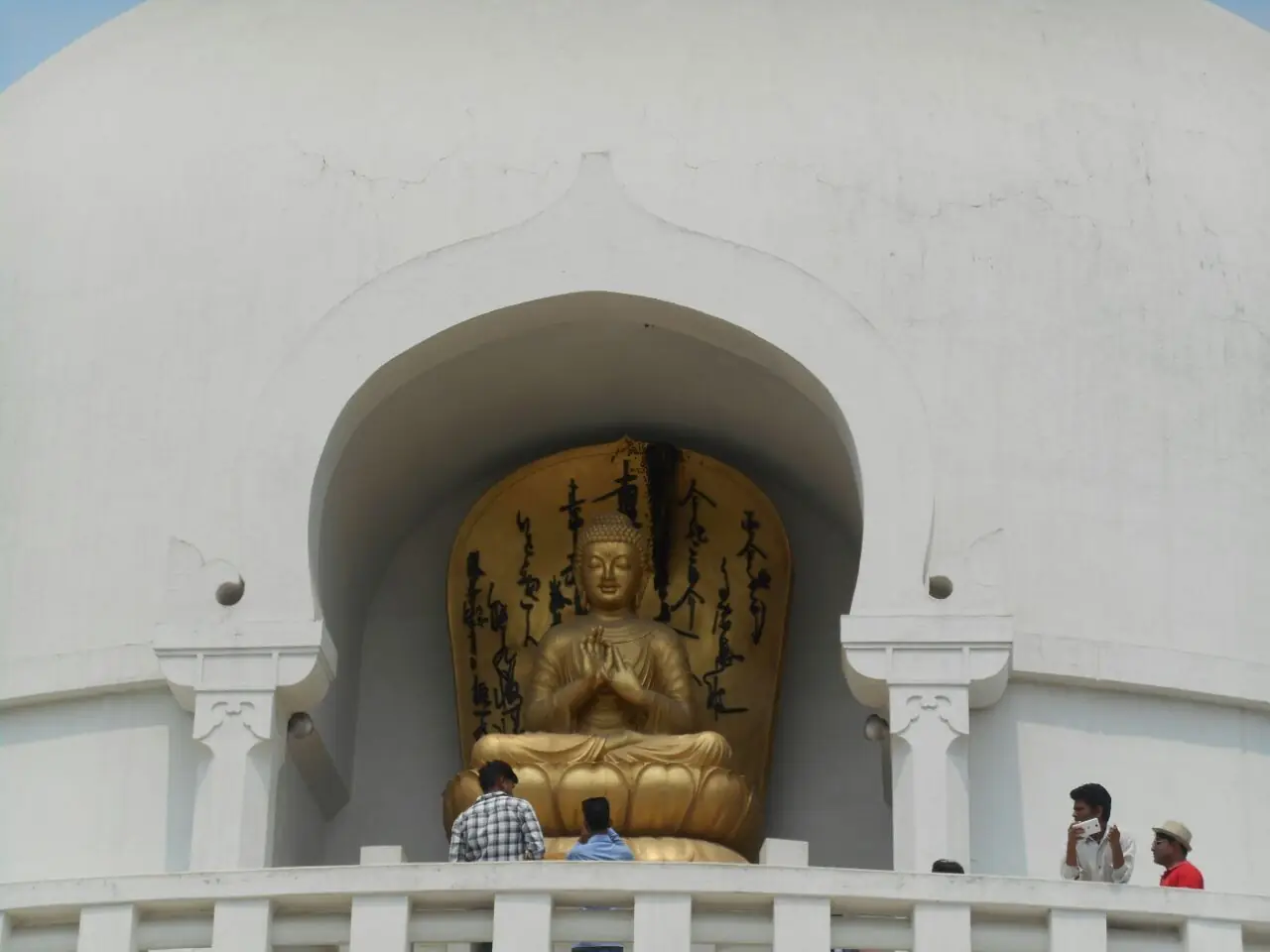
Vaishali Travel Guide: An Ancient Republic & Buddha's Last Sermon
A city often cited as the site of the world's earliest republic, where Buddha delivered his final sermon before his death — the complete guide to Vaishali.
 Heritage
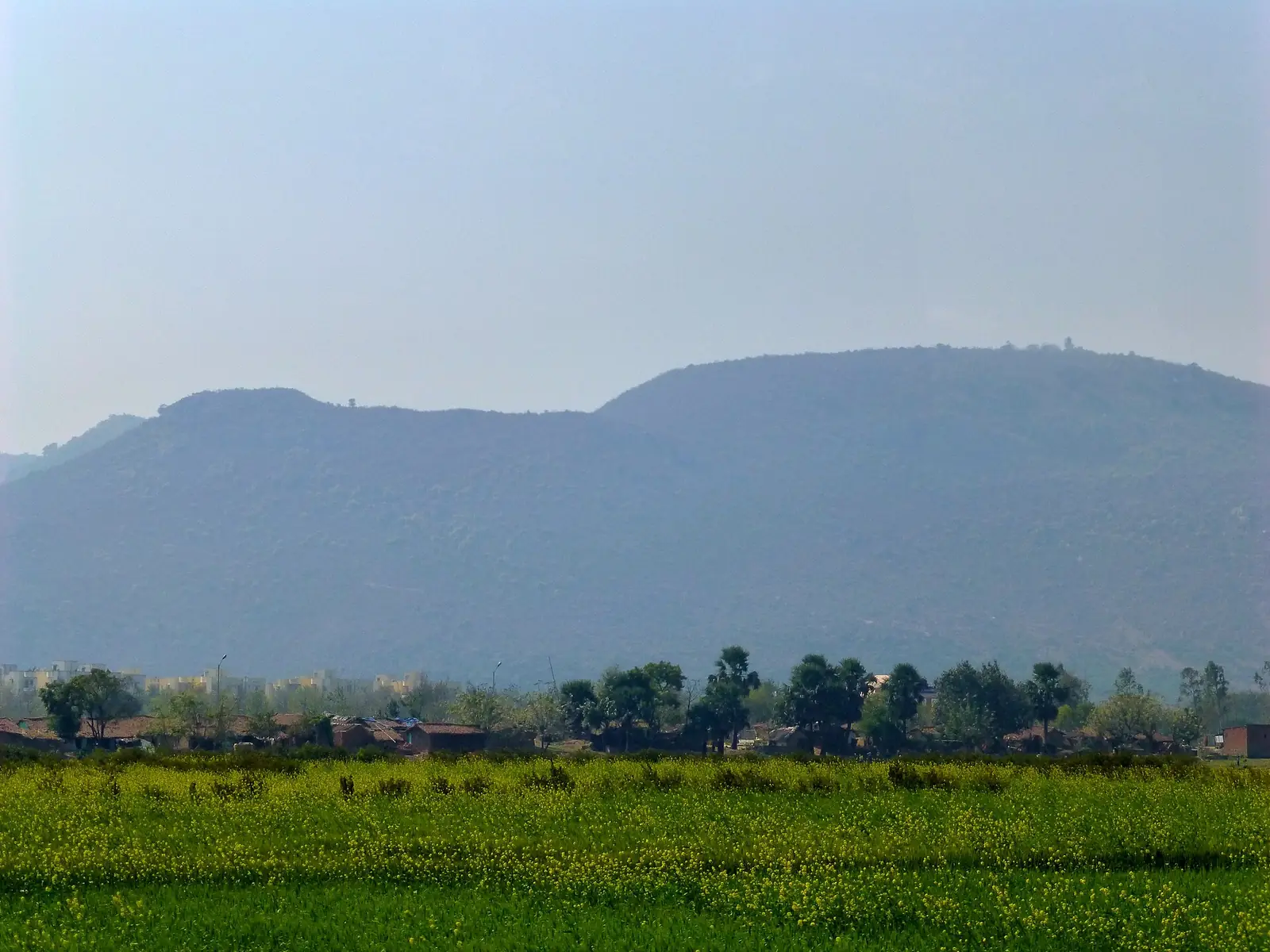
Rajgir Travel Guide: Hot Springs, Ropeway & Buddhist Heritage
A hill-ringed town where Buddha spent years teaching, with natural hot springs, an ancient ropeway, and one of the world's oldest surviving jail sites — the complete guide to Rajgir.
 Heritage
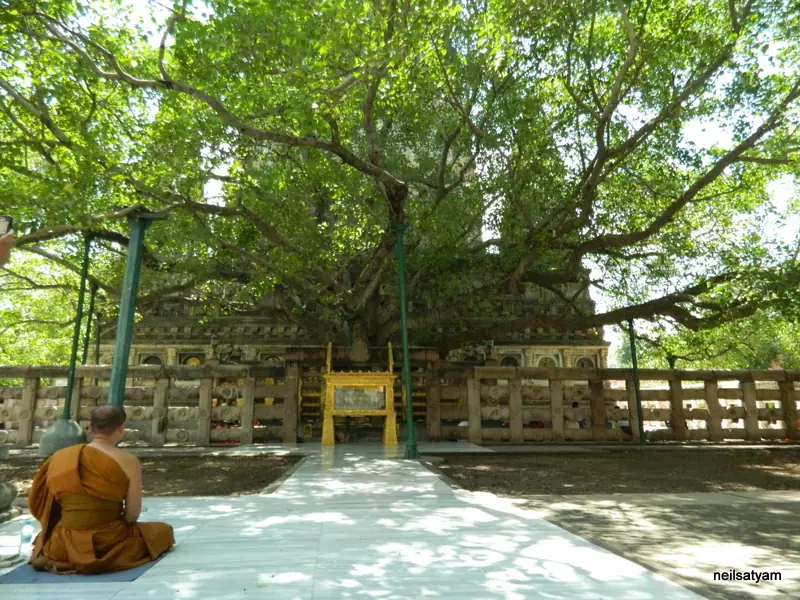
Bodh Gaya Travel Guide: Mahabodhi Temple & Buddha's Enlightenment Site
The exact spot where Buddha is believed to have attained enlightenment under a descendant of the original Bodhi Tree — the complete guide to Bodh Gaya.