Adventure trips go wrong in predictable ways: the wrong season, a trek that is too hard, an operator that cuts corners, or no plan for altitude or weather. Almost all of these can be avoided at the planning stage.
This guide walks through the decisions in order, with links to our detailed guides for each activity. If you would rather hand over the logistics, our team can plan the trip around your dates and level.
Quick answer
To plan an adventure trip in India, first choose the activity and a level that matches your fitness, then pick the region and month when it is in season. Book licensed operators with trained guides and good equipment, buy insurance that covers the activity and altitude, train for four to eight weeks, and build in acclimatisation and weather buffer days. Check permits early for border and protected areas.
Key takeaways
- Start with the season: most Indian adventures have a clear window, and some are closed by law in the monsoon.
- Choose a level honestly; a trek or river that is too hard is the biggest cause of bad trips.
- Book licensed operators and check guides' training, equipment and safety plans.
- Buy insurance that explicitly covers your activity and the altitude you will reach.
- Add buffer days for weather, landslides and acclimatisation.
Step by step
1. Choose the activity and level
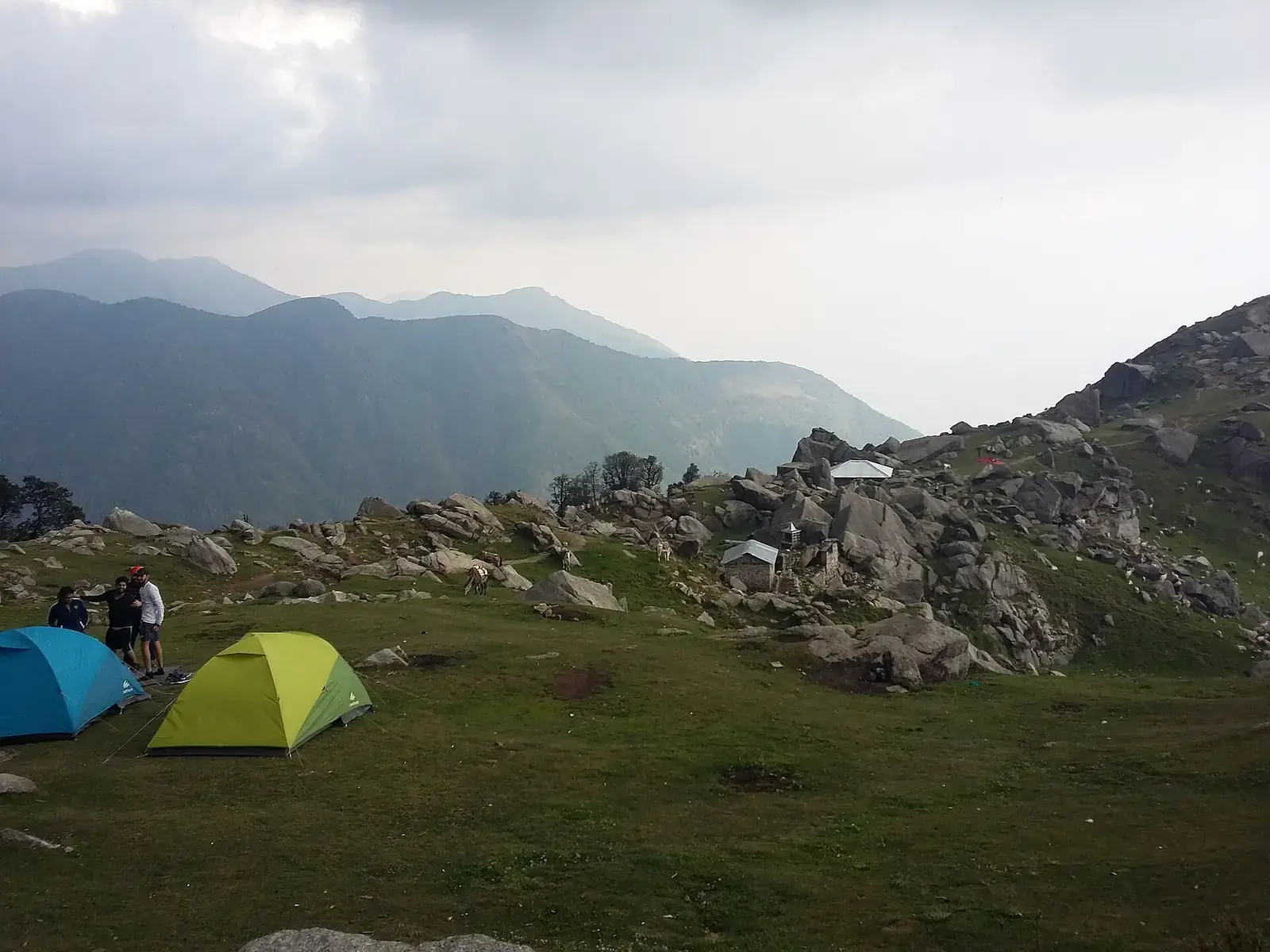
Decide what you want to do and how hard. First-timers should pick activities marked easy or beginner-friendly: a short rafting stretch, a tandem paraglide, a try dive, a two- or three-day trek. Build up over several trips.
2. Match the season
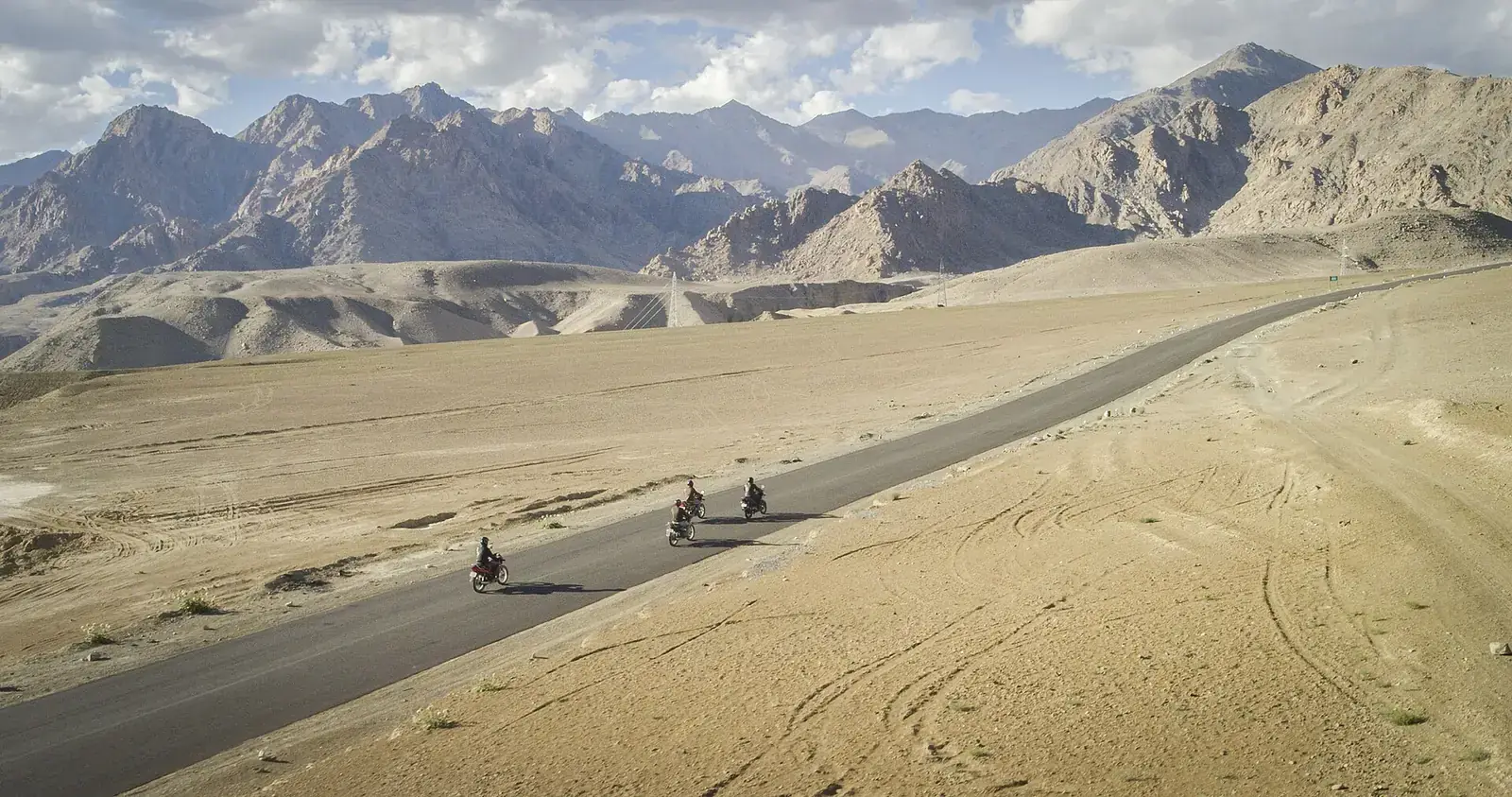
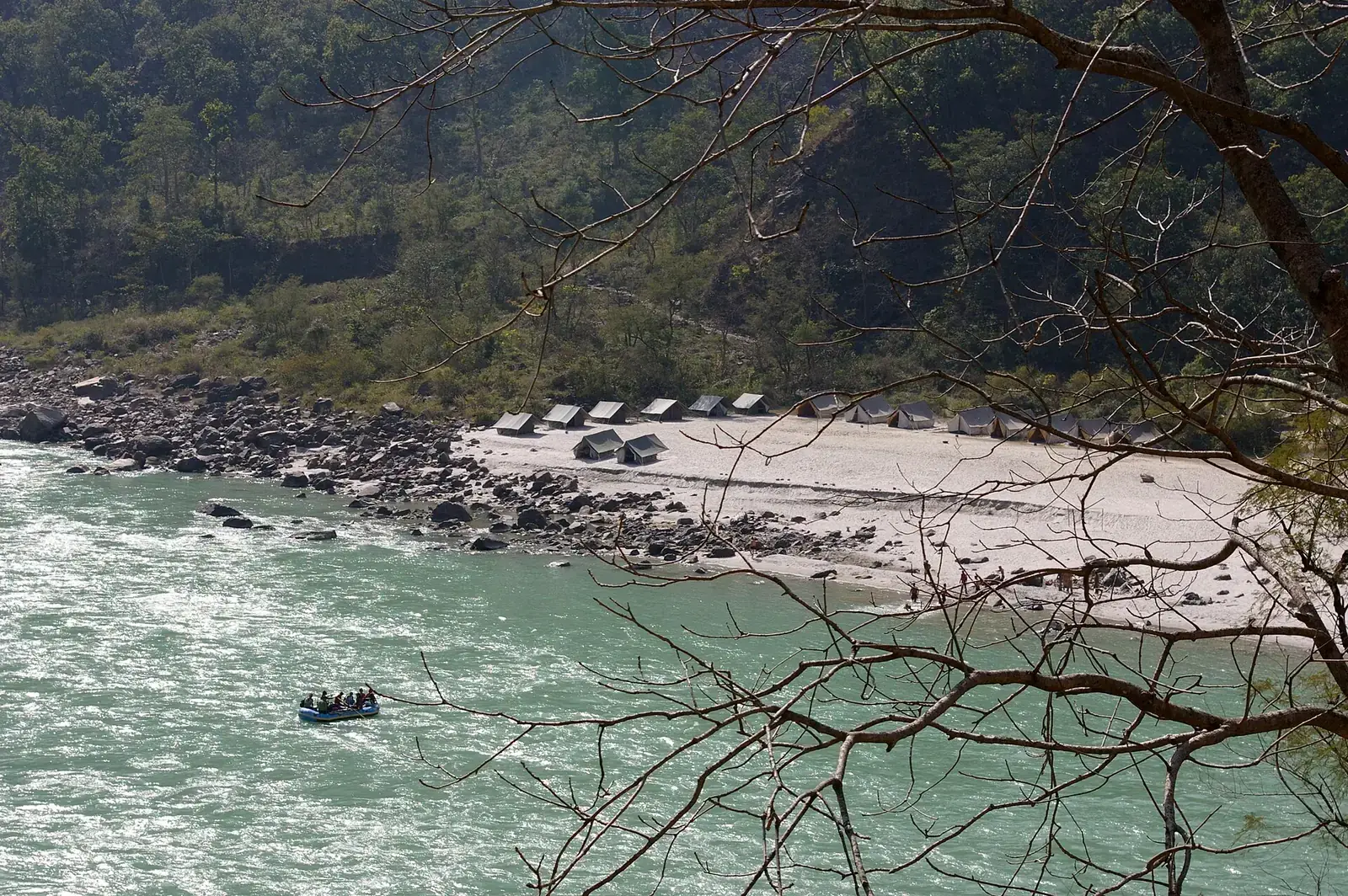
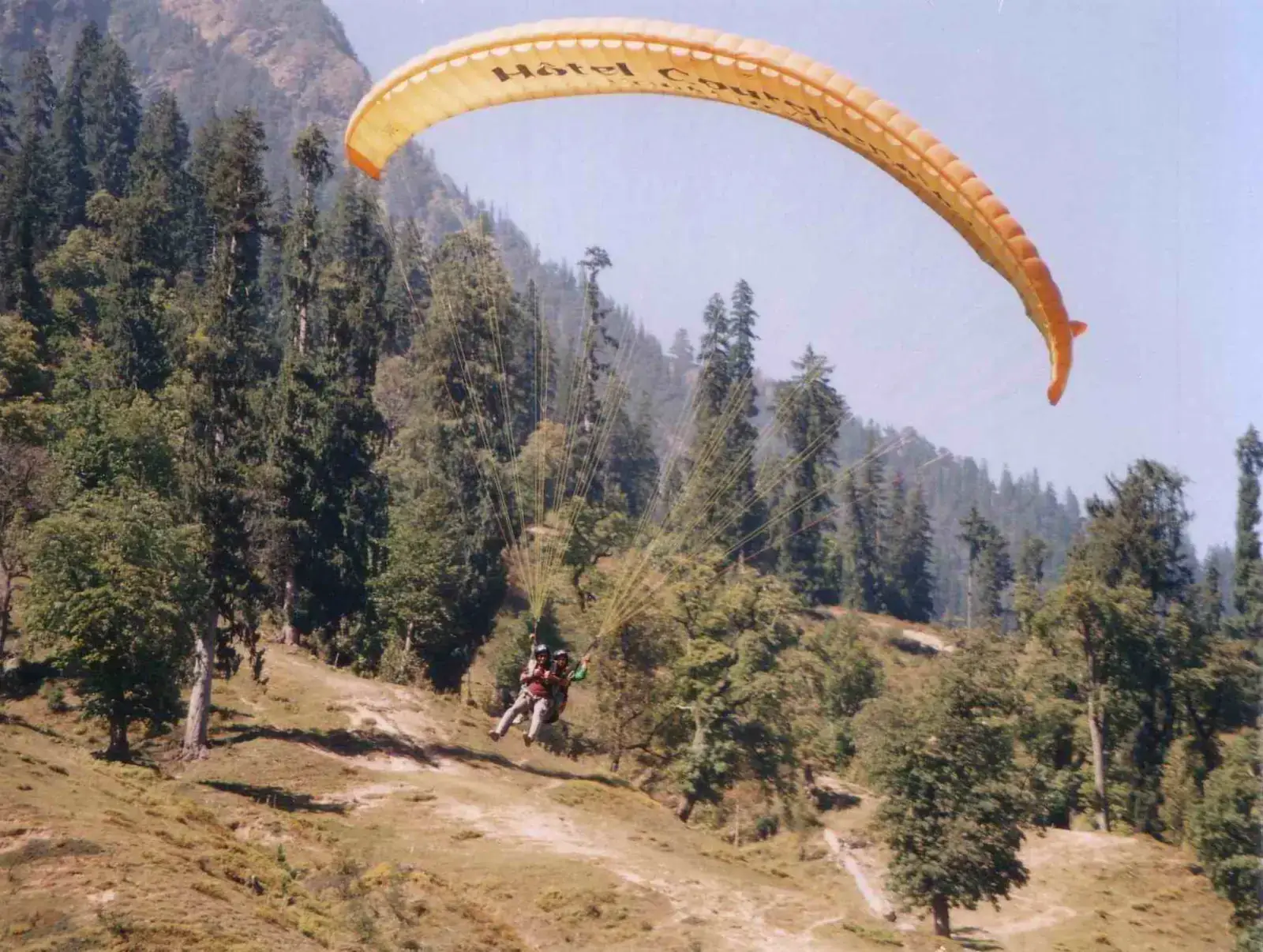
Check when the activity is open and at its best: for example, Ladakh in summer, snow treks in winter, rafting at Rishikesh outside July and August, paragliding at Bir outside mid-July to mid-September, and diving outside the south-west monsoon.
3. Pick the region and base
Choose a base that concentrates what you want to do, to reduce travel time: Rishikesh for water, Manali or Bir for air and mountains, Havelock for diving, Leh for high-altitude trips.
4. Decide how to book
Options range from doing it yourself with local operators, to joining a fixed-departure group, to a tailor-made trip with transport and stays arranged. Group departures cut costs for solo travellers; tailor-made trips suit families and couples who want flexibility.
5. Vet the operator
Ask for licences or registration with the state tourism department, guide certifications and first-aid training, equipment condition, group sizes, and what happens in bad weather or an emergency. The Ministry of Tourism publishes safety guidelines for adventure activities, and industry bodies such as the Adventure Tour Operators Association of India promote standards.
6. Insurance, fitness and health
Many travel policies exclude adventure sports or cap the altitude covered, so read the wording. Train for four to eight weeks for treks and physical activities, see a doctor if you have any condition, and plan acclimatisation for high-altitude trips.
7. Permits and documents
Check whether you need Inner Line Permits, Protected Area Permits, national park permits or activity permits, and apply early. Carry ID and printed copies.
8. Build in buffers
Add at least one spare day to mountain trips for weather, landslides or illness, and avoid tight connections to flights, especially after diving.
What drives the cost
Prices vary by operator, season and group size and change often, so we do not quote fixed rates. When you compare quotes, look at what is included and these main cost drivers.
| Cost factor | Why it matters |
|---|---|
| Season | Peak months and holidays cost more; shoulder seasons are cheaper |
| Group size | Private trips cost more per person than group departures |
| Transport | Flights to Leh, Port Blair or Srinagar and hill taxis are big costs |
| Operator and safety | Better guides, equipment and ratios cost more and are worth it |
| Permits and park fees | National parks, protected areas and some activities charge fees |
| Gear | Rental is cheaper for one trip; buying makes sense if you will go often |
| Stays | From homestays and tents to resorts and glamping |
Planning for different travellers
Families
Choose soft adventures with clear age limits: short rafting stretches such as Brahmpuri, calm-water kayaking, snorkelling with life jackets, sea walks, zip lines, easy treks such as Prashar Lake or Deoria Tal, and desert camps. Check each operator's minimum age before booking, and keep days short.
Couples
Tandem paragliding at Bir, a try dive in the Andamans, a balloon flight at sunrise in Rajasthan, or a snow trek in winter make memorable trips. Mix adventure days with rest days.
Solo travellers
Join fixed-departure groups for treks and expeditions, stay in hostels in adventure hubs such as Rishikesh, Manali and Bir, and always share your plans. Avoid remote routes alone.
Groups
Friends and corporate groups get better rates on private departures and can book entire camps or rafts. Choose activities that suit the least experienced member.
On a budget
Travel in shoulder seasons, use trains and state buses, join group departures, stay in hostels and homestays, and consider state tourism corporations, which run lodges and some activities at modest prices.
Final checklist before you go
- Activity and operator confirmed in writing, with what is included
- Permits applied for and printed
- Insurance that covers the activity and altitude
- Emergency contacts shared with family; 112 is India's emergency number
- Weather and road alerts checked the day before
- Packing list ticked off, with layers for the coldest conditions you may meet
Safety
- Match every activity to your real fitness and experience, not the most ambitious option.
- Use licensed operators and insist on safety briefings and proper equipment.
- Plan acclimatisation for anything above about 2,500 metres.
- Respect seasonal closures and weather warnings; they exist because of past accidents.
- Carry a basic first-aid kit and personal medicines.
What to pack
- Layers for the coldest conditions you expect
- Activity-specific gear or a rental plan
- Documents, permits and copies
- First-aid kit and medicines
- Power bank and offline maps
Plan the trip
FAQs
How do I plan an adventure trip in India?
Choose an activity and level, match it to the right season and region, book a licensed operator, get insurance that covers the activity, train, and allow buffer days.
How much does an adventure trip in India cost?
It depends on season, group size, transport, the operator and permits. Compare what each quote includes rather than headline prices.
Is adventure travel in India safe?
Most activities are safe with licensed operators, trained guides, proper equipment and respect for seasons and weather.
Do I need travel insurance for adventure activities?
It is strongly recommended. Check that the policy covers the specific activity and the altitude you will reach.
What adventure activities suit families in India?
Short rafting stretches, calm-water kayaking, snorkelling, sea walks, zip lines, easy treks and desert camps, within operators' age limits.