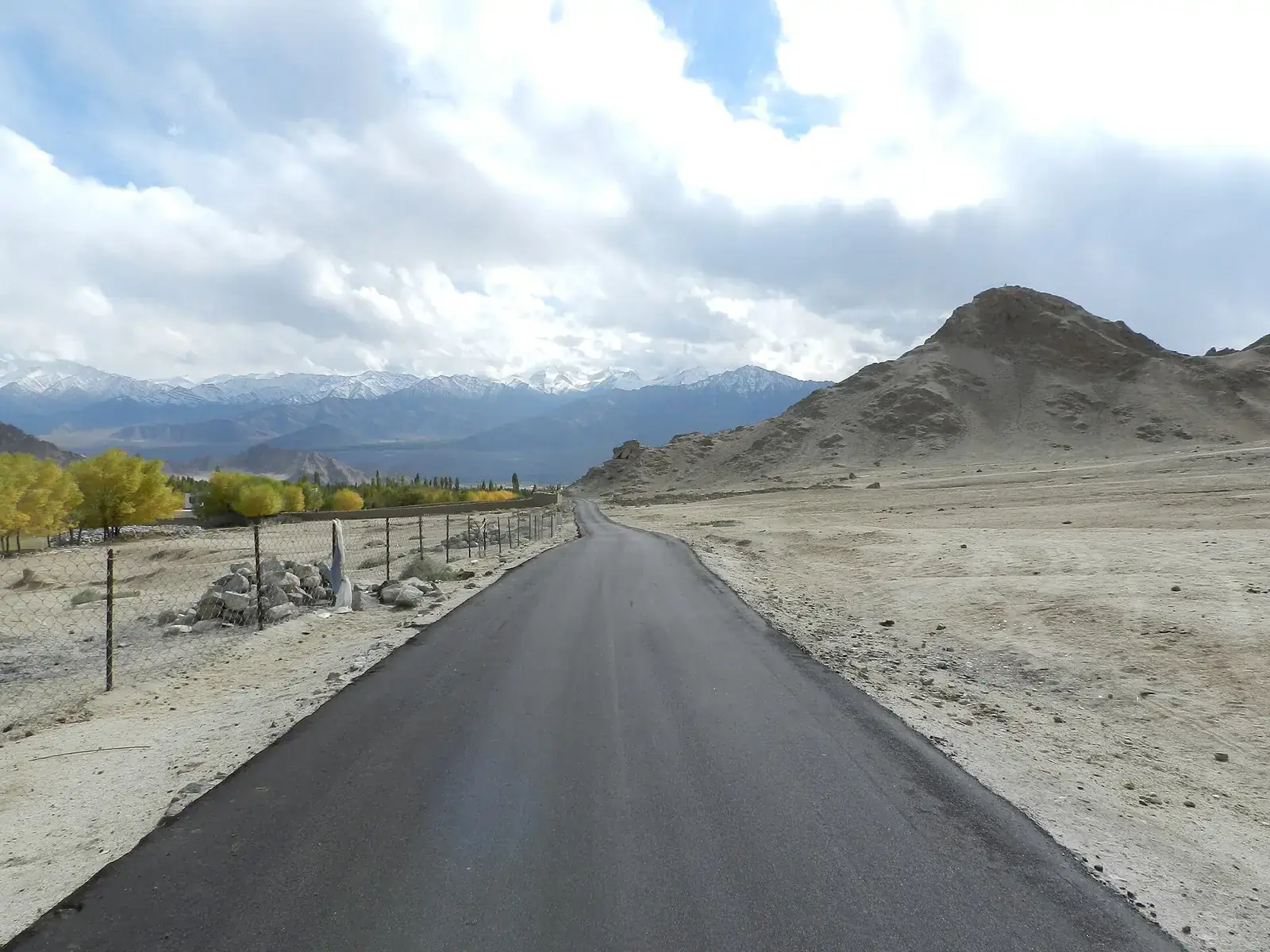
Self-drive travel has grown quickly in India, with rental companies offering cars in most big cities and many tourist towns. It suits travellers who are comfortable with Indian traffic and want to set their own pace. Some routes, though, are better done with a local driver, and a few areas require locally registered vehicles.
This page explains how self-drive rentals work and which routes suit them. It is general guidance, not legal advice; always check the current rules with your rental company and local authorities.
Quick answer
Self-drive trips in India work best on good highways and well-travelled routes such as Delhi to Jaipur or Shimla, Bengaluru to Coorg or Mysuru, Chennai to Pondicherry, Mumbai or Pune to Mahabaleshwar, and the Rajasthan circuit. Rent from a licensed self-drive operator, carry your licence and the car's papers, get a FASTag, and check interstate rules. For high mountains and parts of the Northeast, a local driver is often wiser or required.
Key takeaways
- Rent only from licensed self-drive operators; their cars carry black number plates with yellow lettering.
- Check interstate travel terms, kilometre limits, fuel policy and the security deposit.
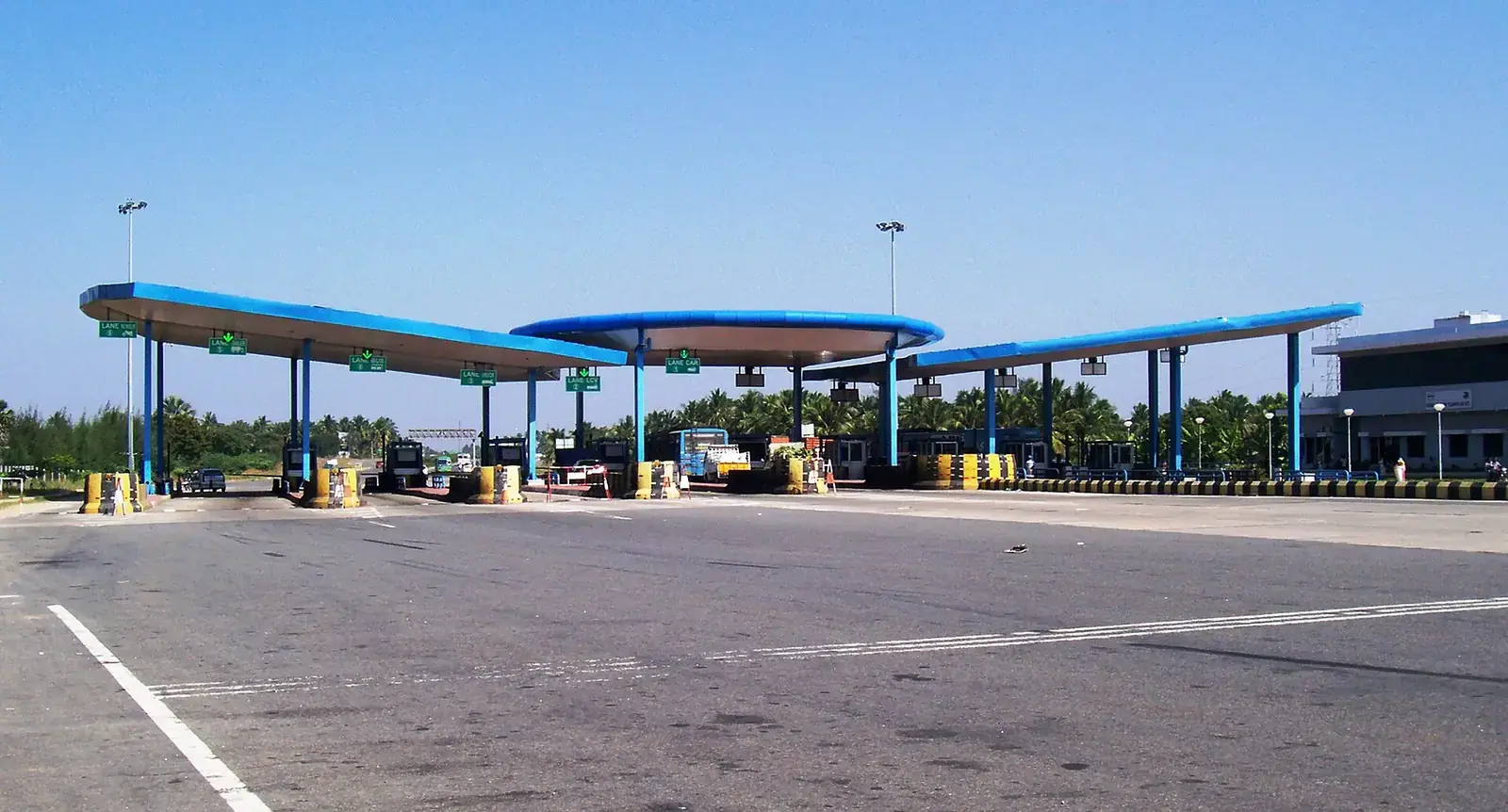
- A FASTag is required at national highway toll plazas.
- Parts of Sikkim, the Northeast and some permit areas require local vehicles or drivers.
- Foreign nationals usually need an International Driving Permit with their home licence.
How self-drive rentals work
- Book online or at a city office; most operators need a valid Indian driving licence and ID.
- Expect a refundable security deposit and a fuel policy (same-to-same or pay-per-use).
- Check kilometre caps, charges for extra kilometres and the insurance excess.
- Inspect and photograph the car before you leave, including tyres and the spare.
- Confirm roadside assistance cover for the regions you will drive in.
Interstate travel and permits
Many self-drive rentals are registered with tourist permits that allow interstate travel, but terms vary; tell the operator where you are going. Some states and hill towns charge entry taxes or green fees to outside vehicles, and permit areas such as North Sikkim, parts of Arunachal and some border areas have their own rules, sometimes requiring locally registered vehicles and drivers.
Best self-drive routes
| Level | Routes |
|---|---|
| First self-drive | Delhi–Jaipur, Delhi–Agra, Bengaluru–Mysuru–Coorg, Chennai–Pondicherry, Pune–Mahabaleshwar |
| Some experience | Delhi–Shimla, Delhi–Rishikesh, Rajasthan circuit, Kochi–Munnar, Mumbai–Goa |
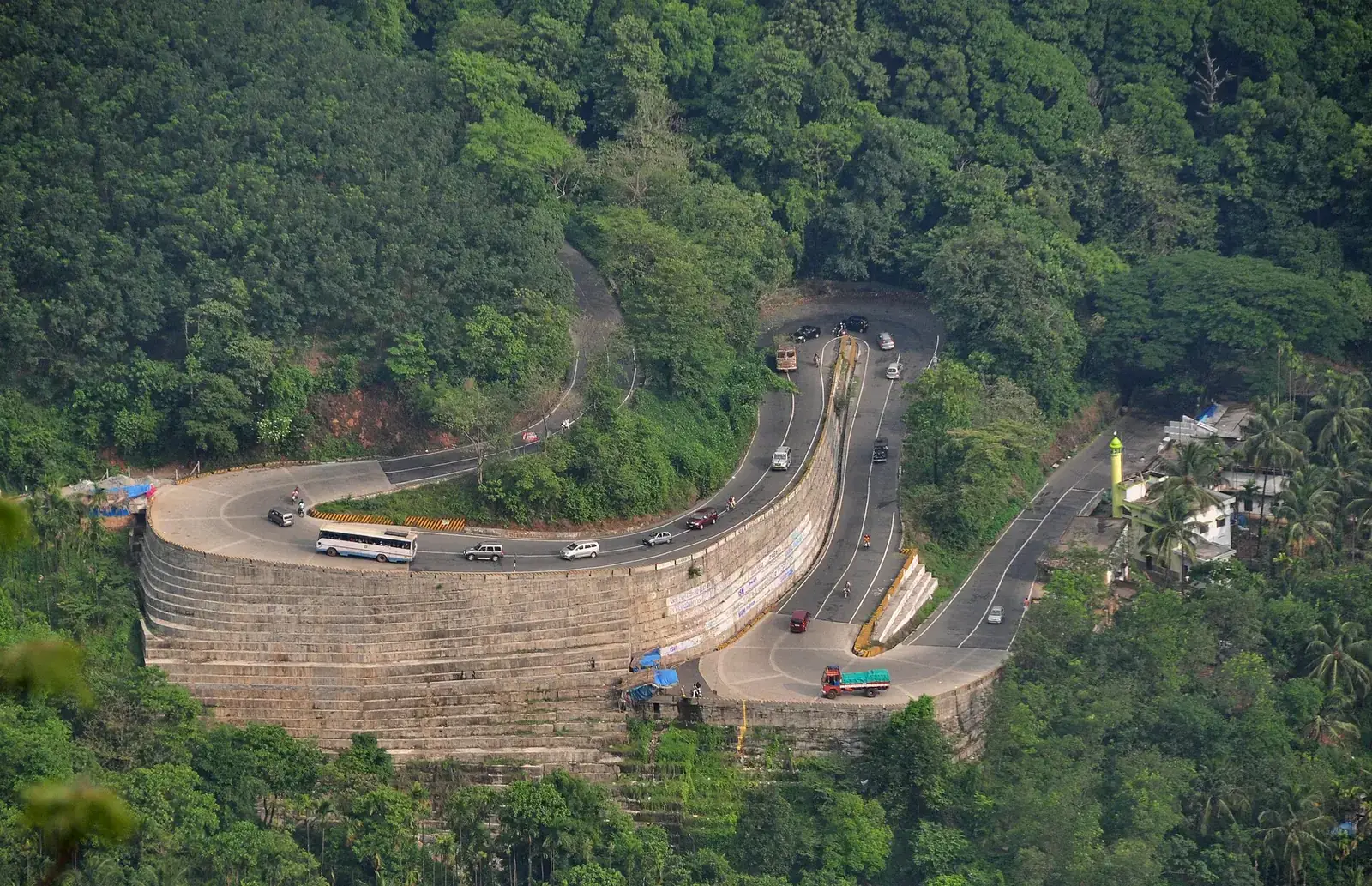
| Experienced | Delhi–Manali, Kumaon, Bengaluru–Ooty via the ghats, Western Ghats in the monsoon |
| Expert and well prepared | Manali–Leh, Srinagar–Leh, the Spiti circuit, Guwahati–Tawang |
Mountain self-drives
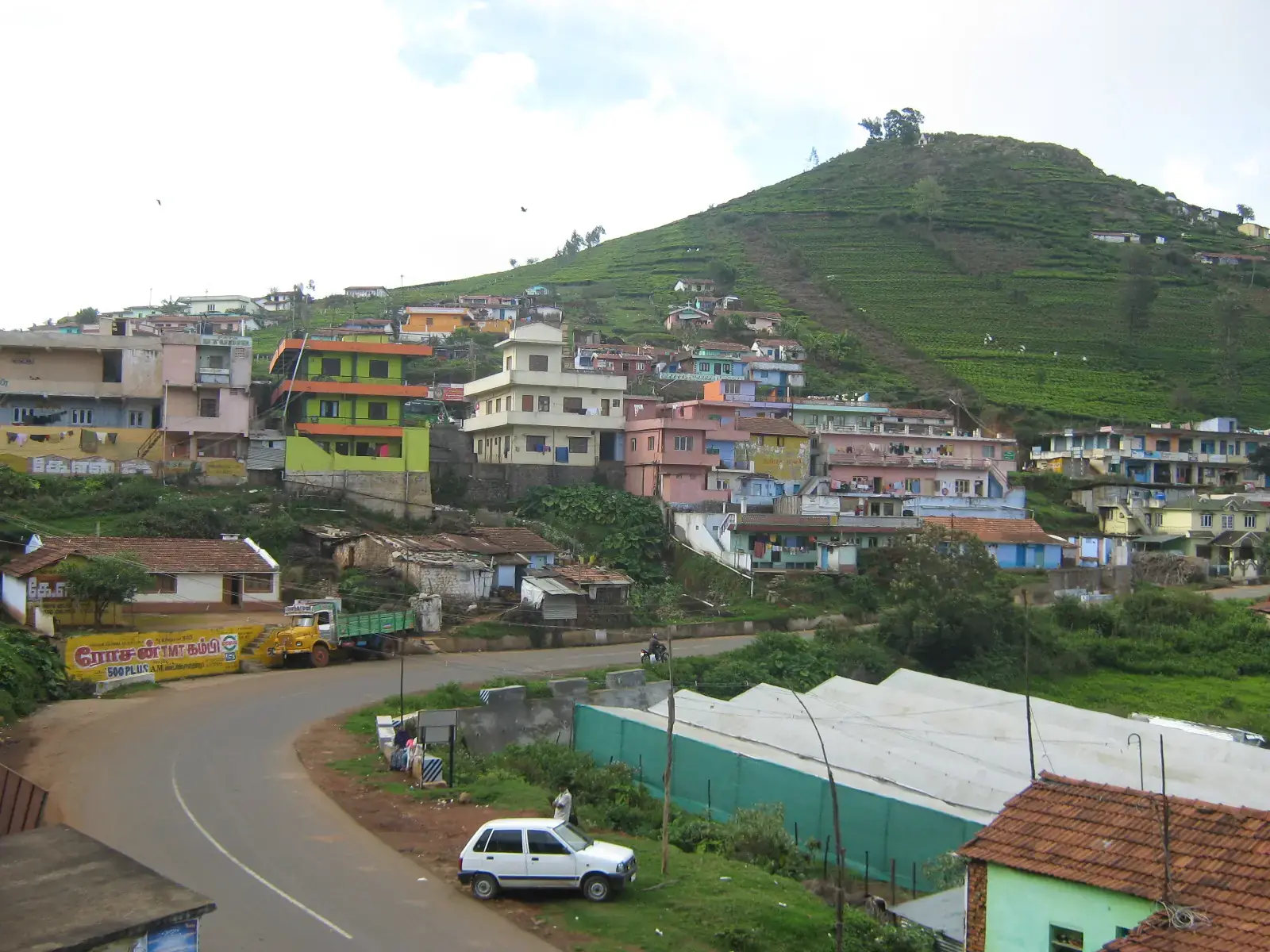
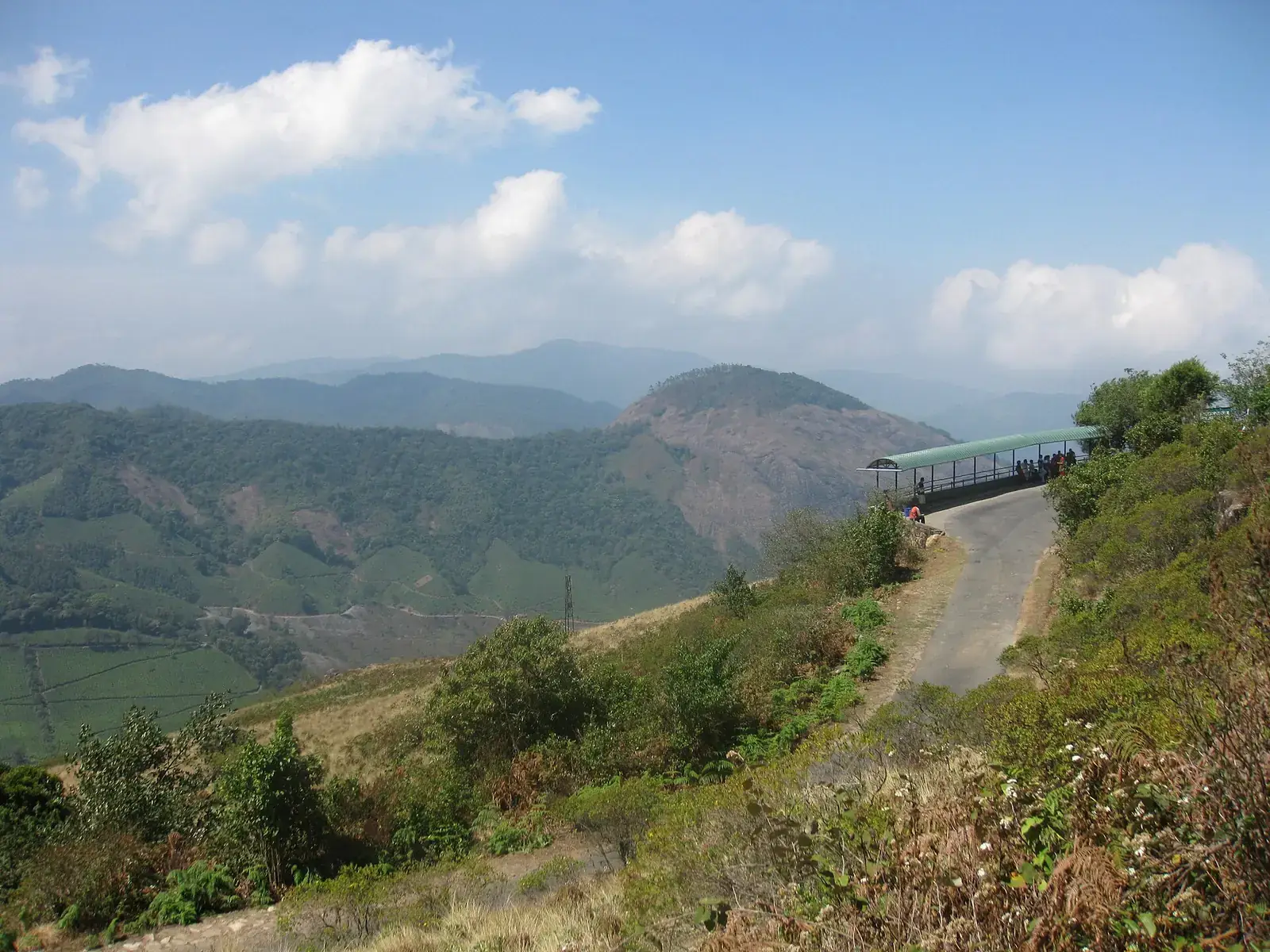
Driving in the Himalaya is rewarding but demanding: narrow roads, hairpin bends, landslides, water crossings and altitude. Choose a car with good ground clearance, check that your rental allows mountain driving, and build in rest days. On high routes such as Manali–Leh or Spiti, many travellers self-drive to the base town and hire a local driver for the hardest stretches.
Coastal self-drives
Coastal routes such as the East Coast Road, the Konkan and Kerala are good for self-drive, with shorter distances and frequent stops. Watch for pedestrians, cyclists and fish-market traffic in villages, and avoid driving onto beaches.
When to hire a car with a driver instead
- High mountain routes, if you are not experienced with them.
- Busy old cities such as Jaipur, Varanasi and Kochi, where parking is hard.
- Permit areas that require local vehicles or drivers.
- Long circuits where you would rather watch the scenery than the road.
For foreign nationals
Visitors usually need an International Driving Permit alongside their home licence, and some rental companies set extra conditions. India drives on the left. Many visitors prefer a car with a driver for their first trip.
Safety
- Carry your driving licence, registration certificate, valid insurance and pollution (PUC) certificate; digital copies in DigiLocker or mParivahan are generally accepted.
- Seat belts are required for all occupants, including in the back.
- Never drive after drinking; drink-driving is an offence and dangerous.
- Mountain roads close or slow down after heavy rain, snow or landslides; check road status and weather updates each morning and avoid driving after dark.
- Permits, tolls, entry fees, pass openings and road works change; check official sources shortly before you travel.
- Distances and driving times are approximate and vary with traffic, weather, road works and stops.
What to pack
- Driving licence, ID and rental agreement
- FASTag linked to the car
- Phone mount and car charger
- Offline maps
Want the route, stops and stays planned around your dates?
FAQs
Can I rent a self-drive car in India?
Yes, from licensed operators in most big cities; their cars carry black number plates with yellow lettering.
Can I take a self-drive rental to another state?
Often yes, but check the operator's terms and any state entry taxes.
Do I need a FASTag for a rental car?
Yes, for national highway toll plazas; most rentals come with one.
Can foreigners drive in India?
Usually with an International Driving Permit and a home licence; check rental terms.
Is self-drive safe in the Himalaya?
It is for experienced drivers with the right car; many hire local drivers for the hardest routes.
What are the best self-drive routes for beginners?
Delhi to Jaipur, Bengaluru to Coorg, Chennai to Pondicherry and Pune to Mahabaleshwar.