
Beyond the Sector Grid
The Chandigarh Botanical Garden, sometimes called Botanical Garden Sarangpur after the village it sits closest to, is a genuinely different kind of green space from what most visitors expect from Chandigarh. Where the city's better-known gardens — the Rose Garden, the Japanese Garden, the Garden of Fragrance — are tightly landscaped and built around a single ornamental theme, the Botanical Garden is a larger, more naturalistic space with a focus on plant conservation and diversity rather than flower displays.
It sits on the city's outskirts, near Sarangpur village close to the newer Chandigarh/Punjab side of the city, well outside the neat sector grid that most of Chandigarh's tourist attractions occupy. That distance is also exactly what gives it its character: fewer visitors, more open space, and a feel closer to a forest reserve than a manicured city park.
For travellers who've already covered the Rock Garden and Rose Garden and want something quieter and greener, this is one of Chandigarh's genuinely off-the-beaten-path options — good for a slow walk, some birdwatching, or simply escaping the city's grid for an hour or two.
🌳 Chandigarh Botanical Garden at a Glance
Best Time to Visit
Because so much of the garden's appeal is in walking through its tree cover and open space, weather matters a good deal more here than at Chandigarh's smaller, partially shaded gardens.
Cool, comfortable temperatures make the longer walking paths genuinely enjoyable, and it's the easiest season for a relaxed couple of hours outdoors.
The garden's quieter, more naturalistic tree cover is at its most active early in the day — a good window for casual birdwatching.
Late summer into autumn brings out the garden's lush, forest-like character more than any other season.
Open, sun-exposed stretches can get uncomfortable in peak summer — an early morning visit is worth it if you're going during these months.
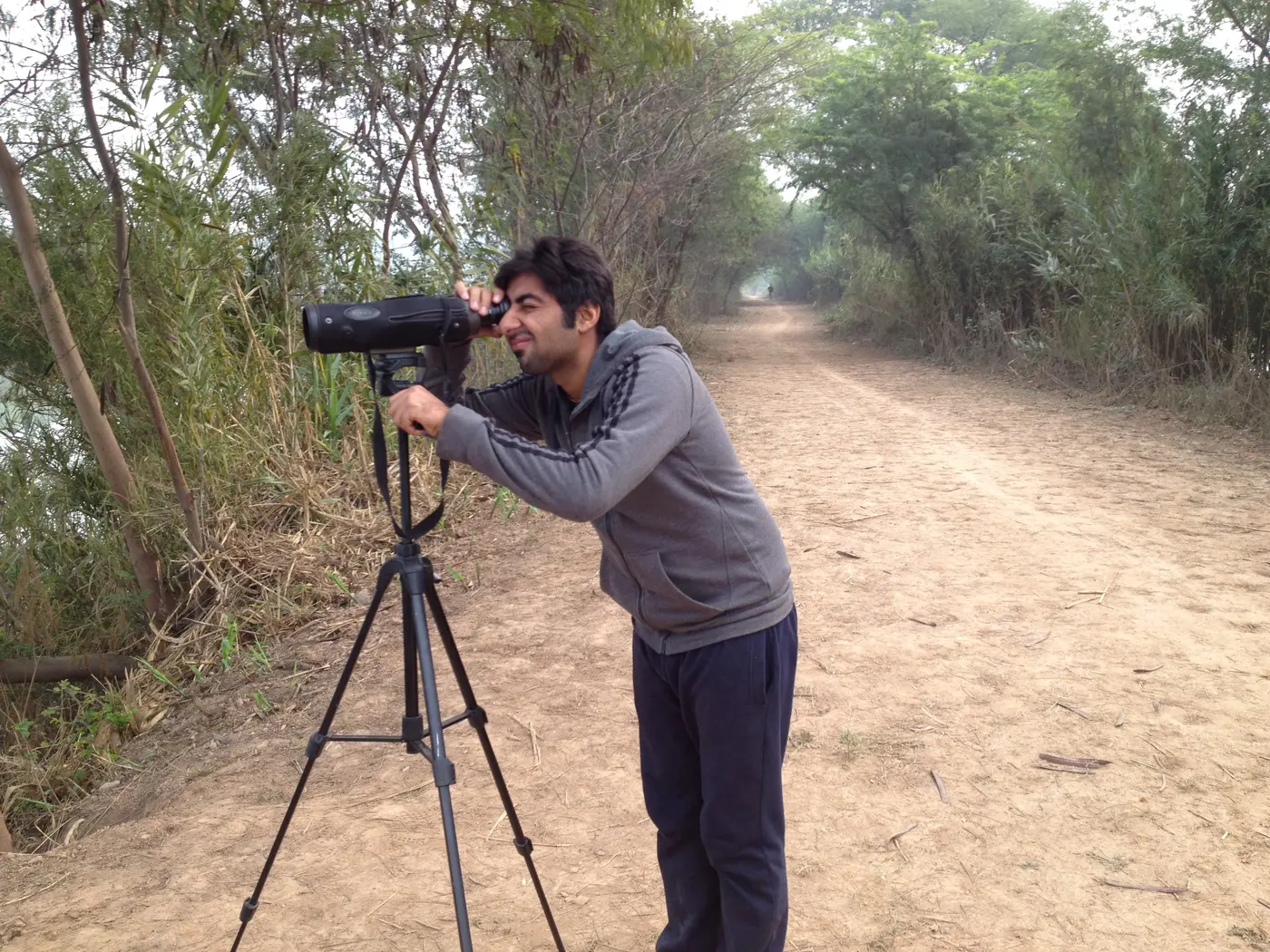
Our pick: a cool-season weekday morning between October and March — comfortable temperatures, active birdlife, and a garden that's already quiet enough without adding peak-summer heat to the mix.
How to Reach
Reaching the Botanical Garden takes a bit more planning than Chandigarh's city-centre attractions, simply because of where it sits.
- By Auto/Cab: The most practical option for most visitors — app-based cabs can take you directly to the garden near Sarangpur, though the ride will run noticeably longer than a trip to any of Chandigarh's central gardens.
- From the city centre: Factor in extra travel time compared to a stop like Sector 17 or the Rose Garden, both of which sit well inside the main sector grid.
- Self-drive: If you have your own vehicle, this is generally the most flexible way to visit, since return transport options can thin out on the outskirts compared to the city centre.
Plant Diversity & Research
Unlike the single-theme gardens elsewhere in the city, the Chandigarh Botanical Garden is built around variety. It houses a wide range of plant and tree species, including native varieties, spread across a considerably larger area than any of Chandigarh's other public gardens — commonly described as roughly 100-plus acres, though this figure is best treated as approximate rather than exact.
Part of what makes the garden distinct is its dual function. It isn't purely a recreational space — it also works as an educational and research-oriented green space, with some sections dedicated to specific plant groups, giving it a more purposeful, less purely decorative feel than the ornamental gardens inside the city. That said, it remains open for public visits, so you don't need any special access or research affiliation to walk through it.
This combination — genuine plant diversity plus a conservation and research angle — is largely what separates a visit here from a stop at any of Chandigarh's other gardens. You're less likely to see tightly clipped hedges or flower beds arranged for photographs, and more likely to walk among a genuinely varied mix of trees and shrubs that feels closer to a protected natural area than a landscaped park.
How It's Different from Chandigarh's Other Gardens
It's worth being clear about what kind of experience this garden offers, since it's genuinely different from most of the destinations covered in our Chandigarh travel guide.
- Scale: Considerably larger than the Rose Garden, Japanese Garden, or Bougainvillea Garden, all of which occupy relatively compact plots within the city grid.
- Character: Naturalistic and forest-like rather than manicured — plants are grown for diversity and conservation value, not for ornamental display.
- Purpose: Doubles as an educational and research space, unlike the purely recreational or ornamental gardens elsewhere in the city.
- Crowds: Genuinely quiet, even compared to already-uncrowded spots like Terraced Garden — its distance from the city centre keeps footfall low.
- Location: On the outskirts near Sarangpur, rather than within the neat sector grid that houses the Rock Garden, Sukhna Lake, and most other attractions.
None of this makes it a "better" or "worse" garden than Chandigarh's ornamental ones — it's simply aimed at a different kind of visit: less about photographing manicured flower beds, more about a slower walk through genuine plant variety.
Getting There, Honestly
It's worth being upfront about the one real downside of this garden: its location. Being on the outskirts near Sarangpur means it requires a longer auto or cab ride than any of Chandigarh's city-centre gardens — this isn't a quick add-on to a Sector 17 or Rock Garden visit in the way that, say, the Leisure Valley gardens are.
That's a reasonable trade-off if a quiet, green, off-the-beaten-path stop is what you're after, but it's worth planning for rather than discovering on the day. A few practical points:
- Budget extra time: The round-trip travel time alone can take up a meaningful chunk of a half-day itinerary, so plan the rest of your day accordingly.
- Arrange return transport in advance: Since it's away from the busier parts of the city, catching an auto or cab back isn't always as immediate as it would be from a central location — asking your driver to wait, or booking a return ride in advance, is the safer approach.
- Check current access details before you go: As with any less-central attraction, it's worth confirming current transport options and the exact route beforehand rather than assuming it will be as straightforward as reaching a city-centre sight.
Suggested Visit Plan (2-3 Hours)
Given the travel time involved, it's worth treating a Botanical Garden visit as a dedicated outing rather than a quick stop.
Travel & Arrival
- ✓Book a cab/auto with a planned return leg
- ✓Factor in the longer ride from the city centre
- ✓Arrive and orient yourself at the entrance
Walk the Grounds
- ✓Walk the main paths through the tree cover
- ✓Take in the range of native plant species
- ✓Pause in quieter sections for birdwatching
Slow Down & Head Back
- ✓Find a shaded spot to sit and unwind
- ✓Take photos of the naturalistic landscape
- ✓Begin the return journey to the city centre
* Timings above include travel — the on-site walk itself can easily be shortened or extended depending on how much time you want to spend among the plant collections.
Budget Breakdown
The garden itself is inexpensive to visit — most of the cost of a trip here comes from the longer transport leg rather than the entry itself.
| Expense | Budget | Mid-Range | Luxury |
|---|---|---|---|
| Garden entry | Free/nominal | Free/nominal | Free/nominal |
| Round-trip transport | ₹250 (shared/app auto) | ₹600 (cab, waiting incl.) | ₹1,200 (private cab, full half-day) |
| Food/water | ₹150 | ₹400 | ₹1,000+ |
| Total (approx.) | ₹400 | ₹1,000 | ₹2,200+ |
* Figures are per person, per visit, and assume a round-trip cab/auto booked in advance. See our full Chandigarh travel guide for a broader daily budget breakdown.
Essential Tips for Visiting
- Plan transport both ways: Given the distance from the city centre, arrange a round trip in advance rather than counting on finding a return ride easily on-site.
- Set aside a proper block of time: This isn't a quick 20-minute stop — budget at least 2-3 hours including travel.
- Come with different expectations than the city gardens: Expect diversity and naturalistic space rather than manicured flower beds.
- Carry water and snacks: Being on the outskirts, nearby food and drink options are sparser than in the city centre.
- Good for a slow, unhurried pace: This garden rewards wandering rather than a checklist approach — leave room in your schedule to simply sit and take it in.
- Check current timings and access: As with any less-central attraction, confirm hours and the exact route before setting out.
✅ Do
- →Book a round-trip cab or auto in advance
- →Set aside a dedicated half-day for the visit
- →Visit October–March for the most comfortable walk
- →Bring water, snacks, and binoculars if you have them
- →Come with a slow, unhurried pace in mind
❌ Don't
- →Treat it as a quick add-on to a city-centre day
- →Expect manicured flower beds like the Rose Garden
- →Assume easy return transport without planning ahead
- →Skip checking current access details beforehand
- →Visit peak summer afternoons without shade planning
Frequently Asked Questions
Where is the Chandigarh Botanical Garden located?
It sits on the outskirts of Chandigarh near Sarangpur village, close to the newer Chandigarh/Punjab side of the city — noticeably further out than the manicured gardens inside the main city grid, which is why it's sometimes referred to as Botanical Garden Sarangpur.
How is this different from the Rose Garden or Japanese Garden?
Those are ornamental, tightly landscaped gardens built around a single flower or design theme within the city's sector grid. The Botanical Garden is a much larger, more naturalistic space focused on plant diversity and conservation rather than manicured flower displays — closer in feel to a forest reserve than a city park.
How big is the Chandigarh Botanical Garden?
It's commonly described as spread over roughly 100-plus acres, considerably larger than most of Chandigarh's other gardens — though it's worth treating this figure as approximate rather than exact.
Is the Chandigarh Botanical Garden good for birdwatching?
Yes — its larger, more naturalistic tree cover and quieter footfall make it a genuinely good spot for a slow walk or casual birdwatching, more so than the tightly manicured gardens closer to the city centre.
Do I need a cab to get there?
It's advisable. Being on the outskirts near Sarangpur, it requires a longer auto or cab ride than Chandigarh's city-centre gardens, and it's worth checking current access and transport options before heading out since it isn't as centrally located as the Rock Garden or Rose Garden.
Is entry to the Botanical Garden free?
Entry is free or available for a nominal charge (approximate), and the garden is open through daylight hours, similar to Chandigarh's other public green spaces.
Published by the Kudozz Club editorial team · Last updated · How we research our guides
Want us to plan this trip for you?
Tell Kudozz Club where you want to go and what kind of trip you’re looking for. We’ll build a Chandigarh itinerary around your dates and budget.
Continue Exploring
View all guides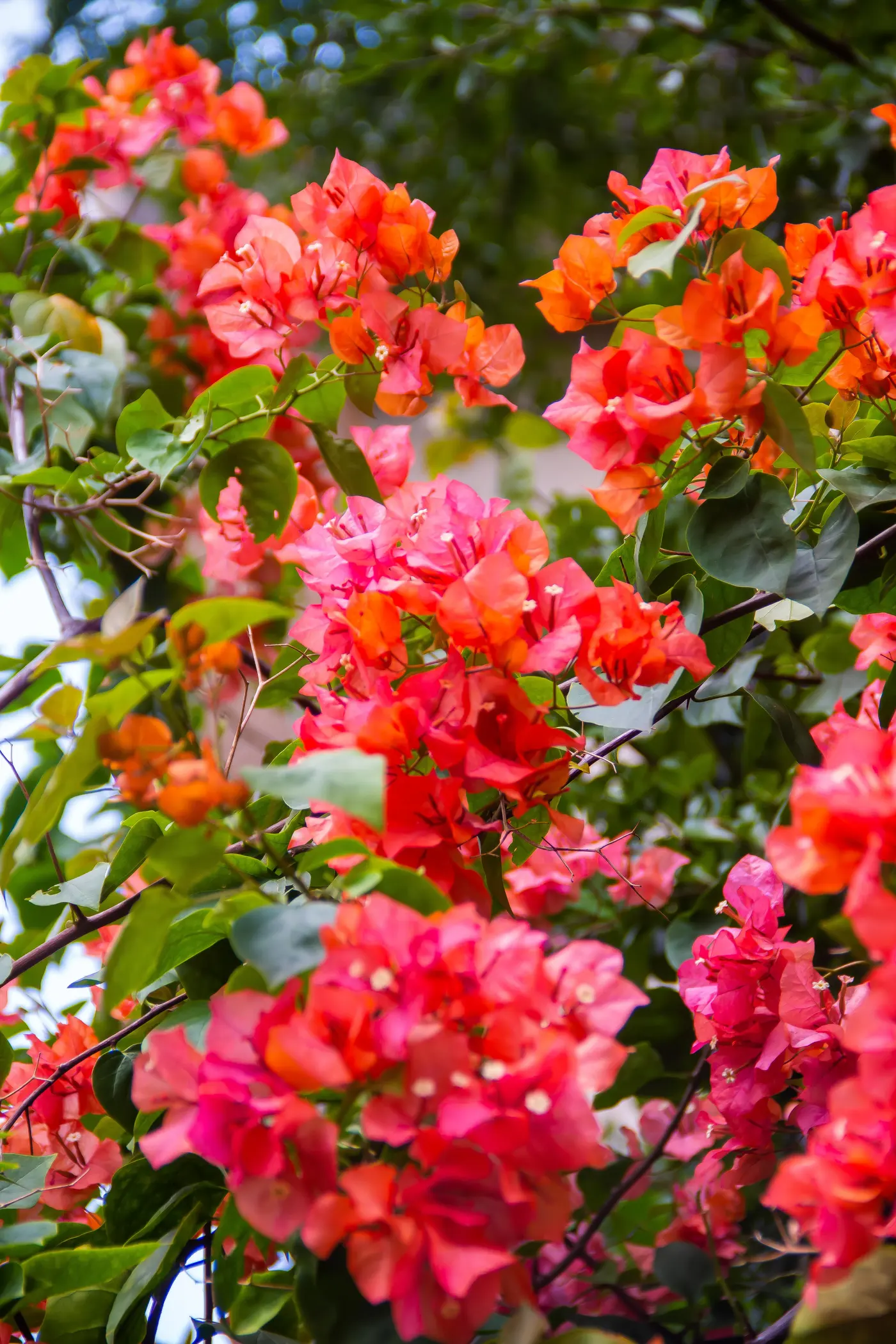 Off-beat
Bougainvillea Garden Chandigarh: Blooms & Best Time
Trellised arches and pruned bougainvillea shrubs bursting into colour every summer — a quiet, mostly-local garden along the Leisure Valley.
 Off-beat
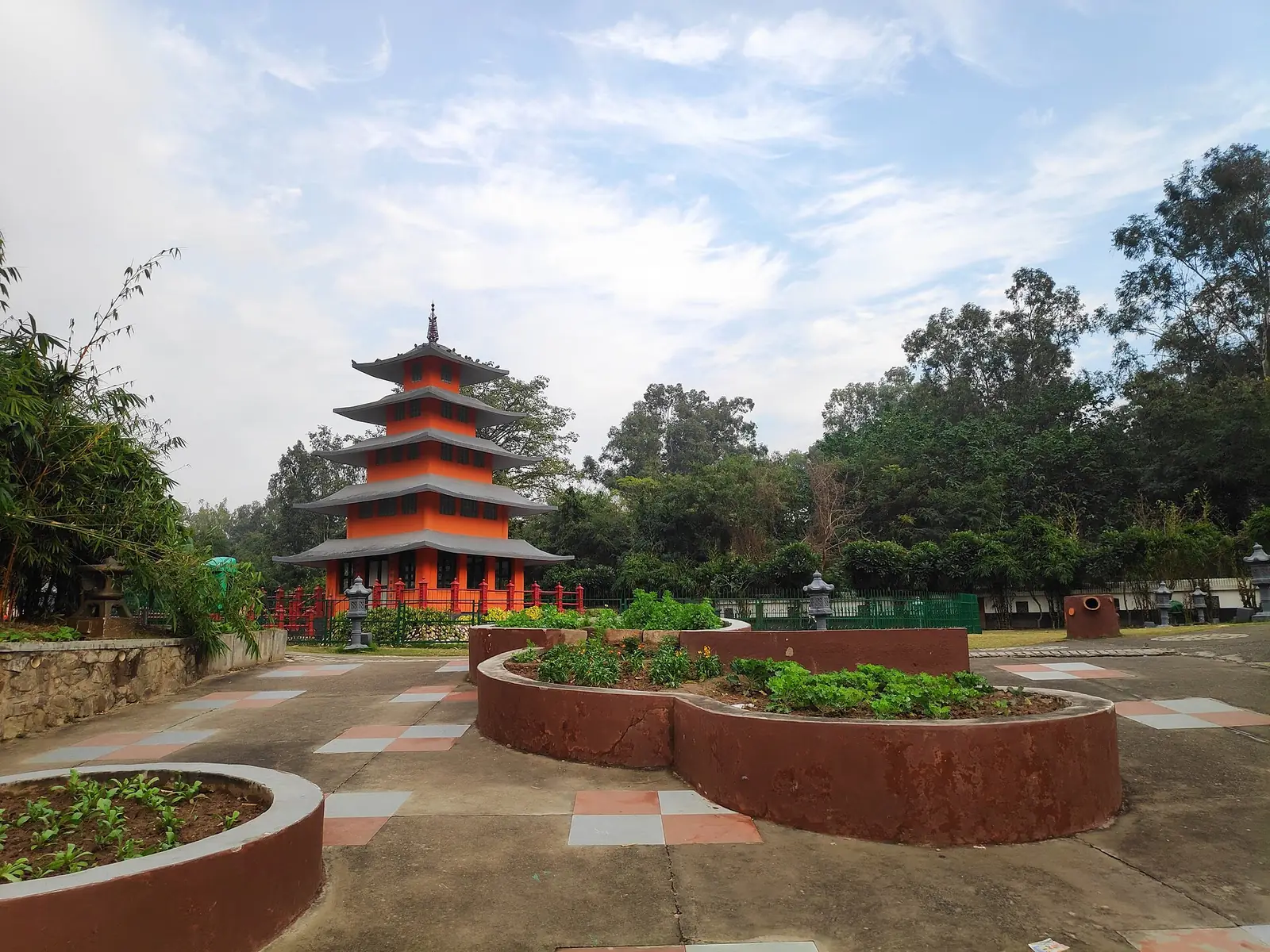
Japanese Garden Chandigarh: Pagodas, Ponds & Best Time
Arched bridges, pagoda pavilions, and a still pond — Chandigarh's quietest themed garden, built around Japanese design principles.
 Off-beat
International Dolls Museum Chandigarh: Visit Guide
Dolls from dozens of countries in traditional costume, tucked inside the Bal Bhavan complex — Chandigarh's quirkiest, most kid-friendly museum stop.
 Off-beat
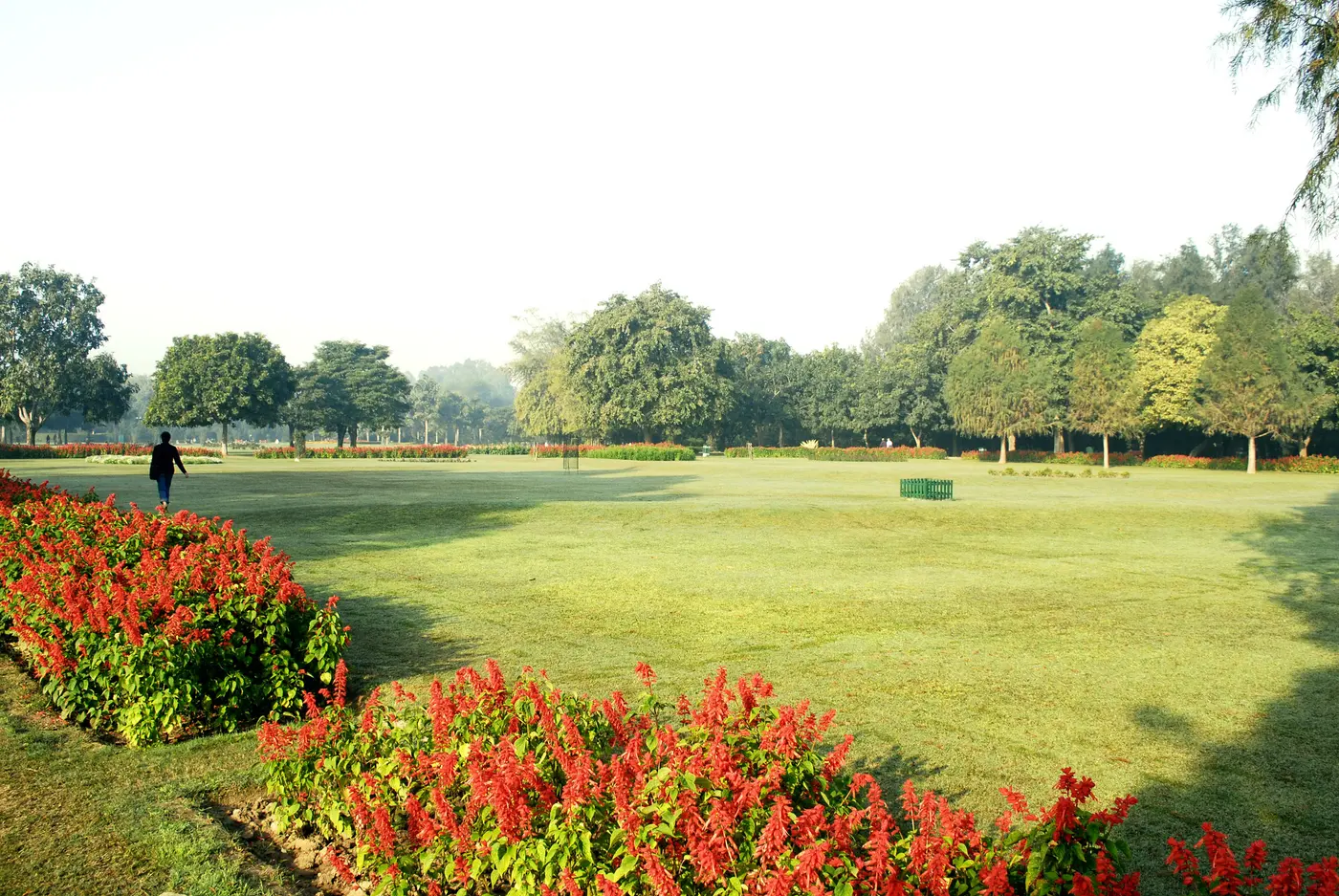
Garden of Fragrance Chandigarh: Scented Plants & Braille Trail
A small garden built around scent rather than sight, with Braille signage for visually impaired visitors — one of Chandigarh's most thoughtful lesser-known gardens.