Why Tripura?
Tucked into a narrow strip of land surrounded on three sides by Bangladesh, Tripura is one of India's smallest and least-visited states — and one of its most historically rich, having been ruled by the Manikya dynasty for centuries before joining India in 1949.
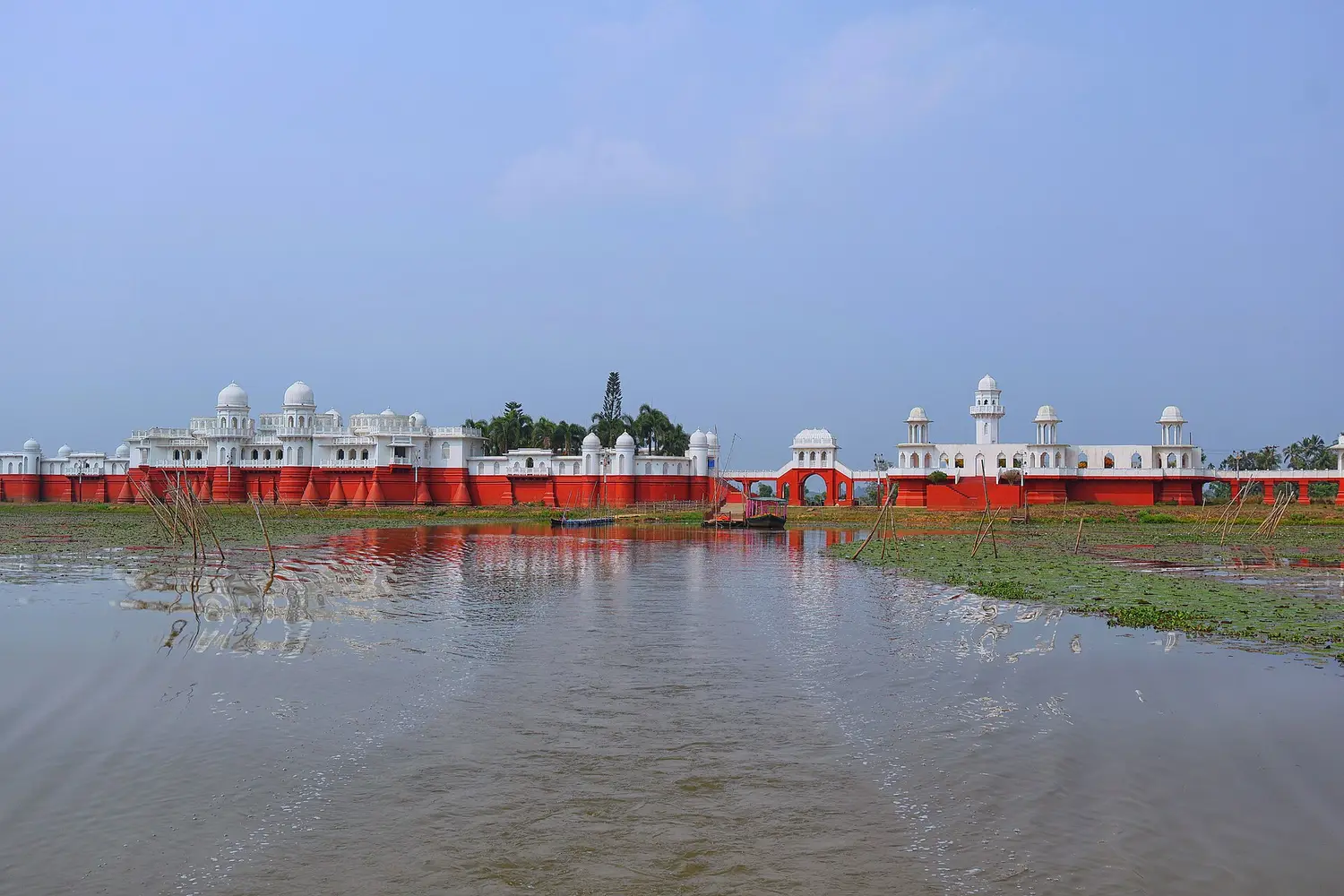
That royal legacy left behind genuinely striking architecture: Ujjayanta Palace, once the seat of the Tripura kings and now a museum in Agartala, and Neermahal, a lake palace that looks like it belongs in Rajasthan rather than the Northeast. Add to that Unakoti — a hillside covered in massive rock-cut carvings dating back over a thousand years — and Tripura's 19 tribal communities, and you have a state that rewards curiosity far beyond its size.
Tripura sees a fraction of the tourists that Meghalaya or Assam do, which means fewer crowds, but also thinner tourist infrastructure — plan with some flexibility and treat it as a genuine off-the-beaten-path trip.
🛕 Tripura at a Glance
Best Time to Visit Tripura
Tripura has a humid subtropical climate with a pronounced monsoon — timing matters for both comfort and accessibility of outdoor sites.
Cool, dry, and pleasant (15–28°C) — the most comfortable window for visiting Unakoti, Neermahal, and Agartala's palaces.
Temperatures and humidity climb ahead of the monsoon, though outdoor sightseeing is still manageable with an early start.
Tripura receives substantial rain in this window; Unakoti's forested paths and rural roads can get genuinely difficult.
Agartala's Durga Puja celebrations are significant and lively — a good time to combine sightseeing with local festival energy.
Our pick: November to February — dry, cool conditions that make both Unakoti's forest trail and a Neermahal boat crossing genuinely pleasant.
How to Reach Tripura
- By Air: Maharaja Bir Bikram Airport (IXA) in Agartala has regular flights from Kolkata, Guwahati, and Delhi — by far the fastest way in.
- By Rail: Agartala railway station is connected to the broader Indian rail network via Assam, though journey times are long from most major cities.
- By Road: Agartala is connected to Guwahati (~500 km) and Silchar by road, though drive times are substantial given the terrain.
Agartala: Palaces & City Sights
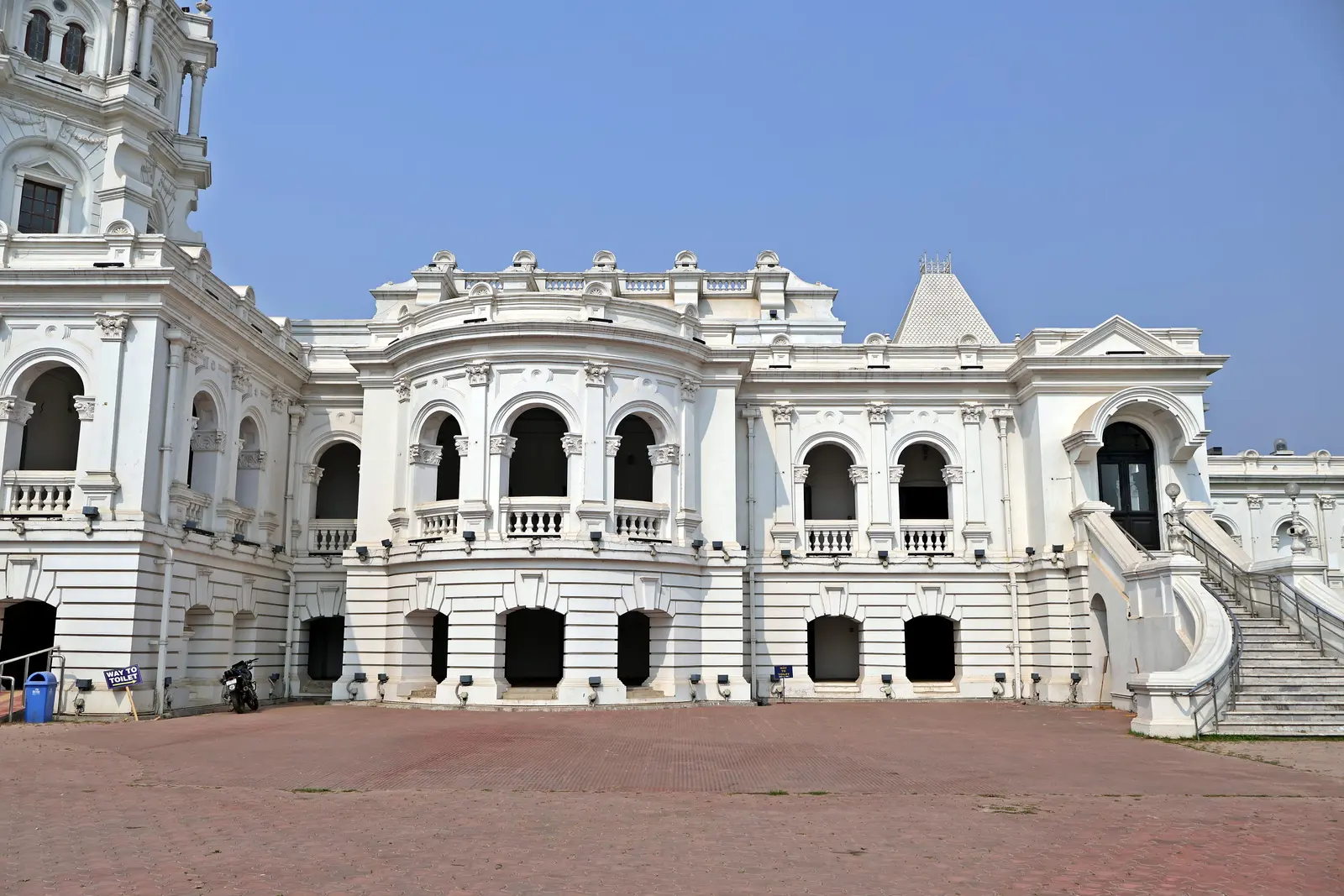
Tripura's capital blends royal heritage with a relaxed, unhurried city pace — most visitors base themselves here for the whole trip.
- Ujjayanta Palace: The former royal residence, now the Tripura State Museum, set in Mughal-style gardens — the city's most significant landmark, illuminated beautifully at night.
- Heritage Park: A well-kept public park near the palace, good for an evening walk.
- Akhaura border crossing: A short distance from Agartala, one of the main India–Bangladesh land border points — an interesting stop even without crossing.
Neermahal: The Lake Palace
Built in 1930 by Maharaja Bir Bikram Kishore Manikya as a summer retreat, Neermahal sits in the middle of Rudrasagar Lake, roughly 53 km from Agartala, and is reached only by boat.
- Boat crossing: Local boats ferry visitors across the lake to the palace — the short ride itself is part of the experience.
- Blended architecture: The palace combines Hindu and Islamic architectural styles, split into a public wing (Andar Mahal) and private residential wing.
- Boat Festival: Held annually on Rudrasagar Lake, featuring boat races and cultural performances — worth timing a visit around if possible.
Unakoti: Ancient Rock Carvings
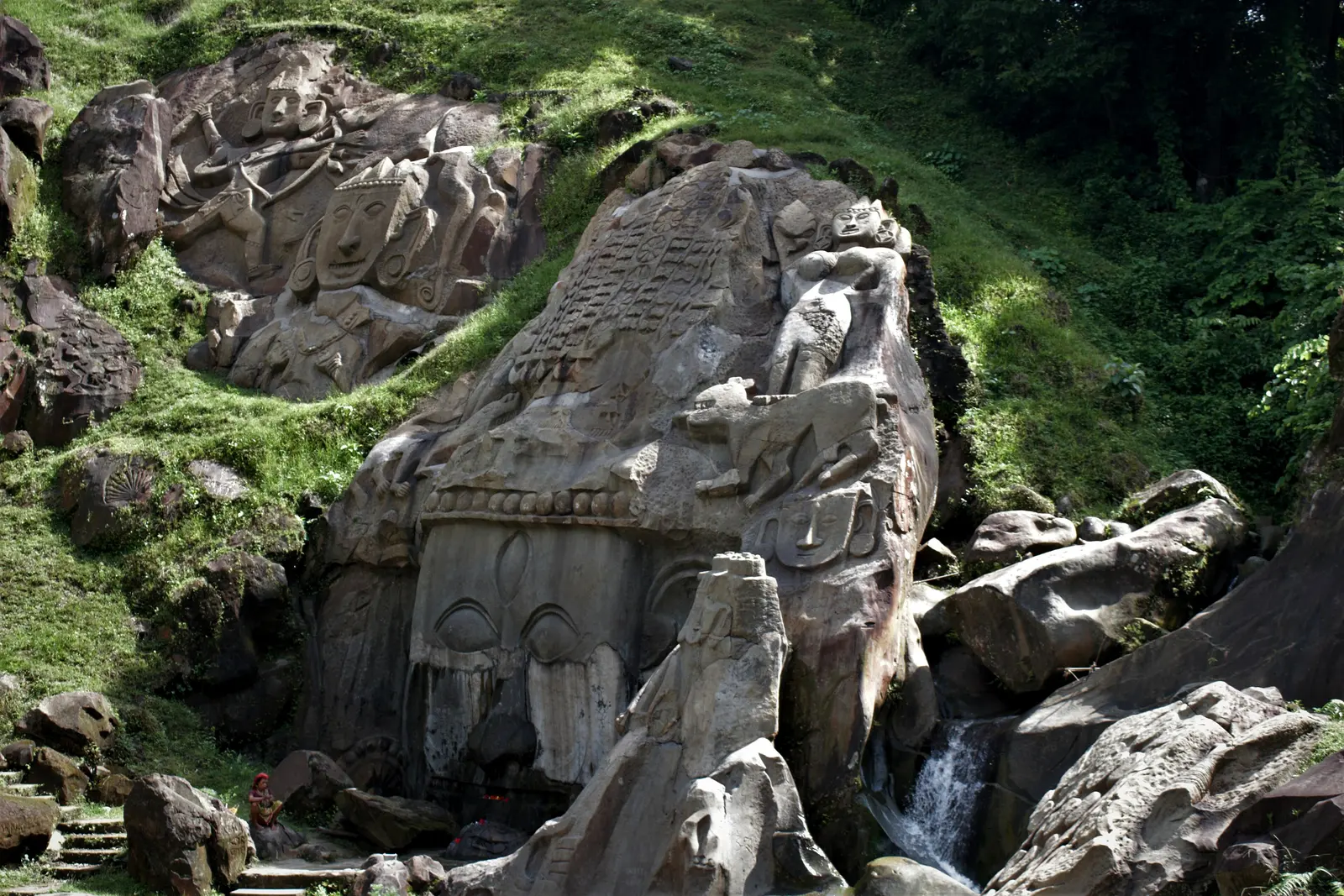
One of Northeast India's most significant archaeological sites, Unakoti (roughly 178 km from Agartala) is a hillside covered in massive rock-cut carvings and bas-reliefs, believed to date back to between the 7th and 9th centuries.
- Unakotishwara Kal Bhairava: A giant carved face of Shiva, roughly 30 feet tall, the site's most iconic image.
- Surrounding carvings: Numerous smaller rock-cut figures and reliefs of gods and goddesses are scattered across the hillside and forest.
- Legend of the name: "Unakoti" means "one less than a crore" (10 million minus one), referencing a local legend about the origin of the carvings.
Matabari, Sepahijala & Tribal Villages
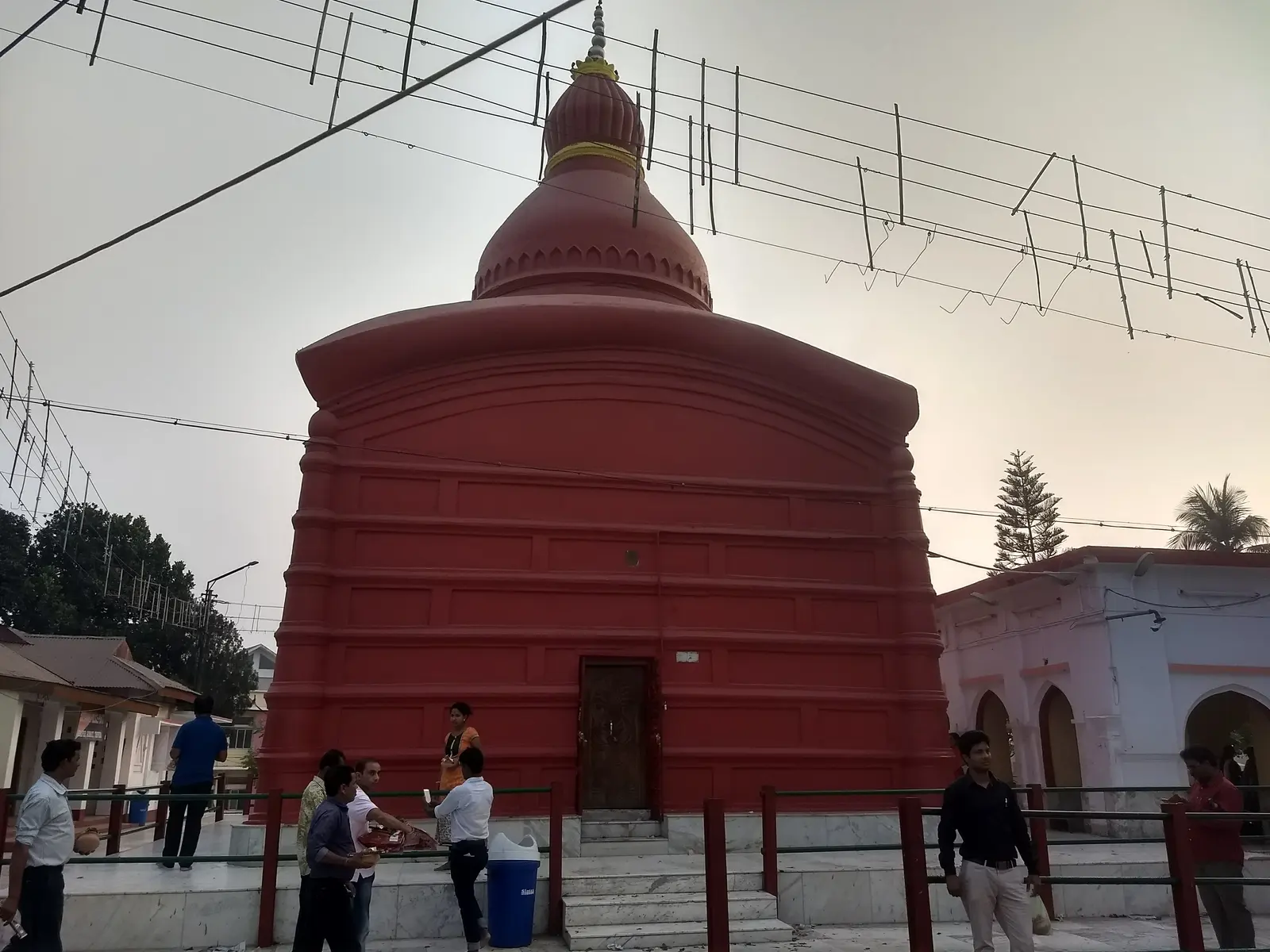
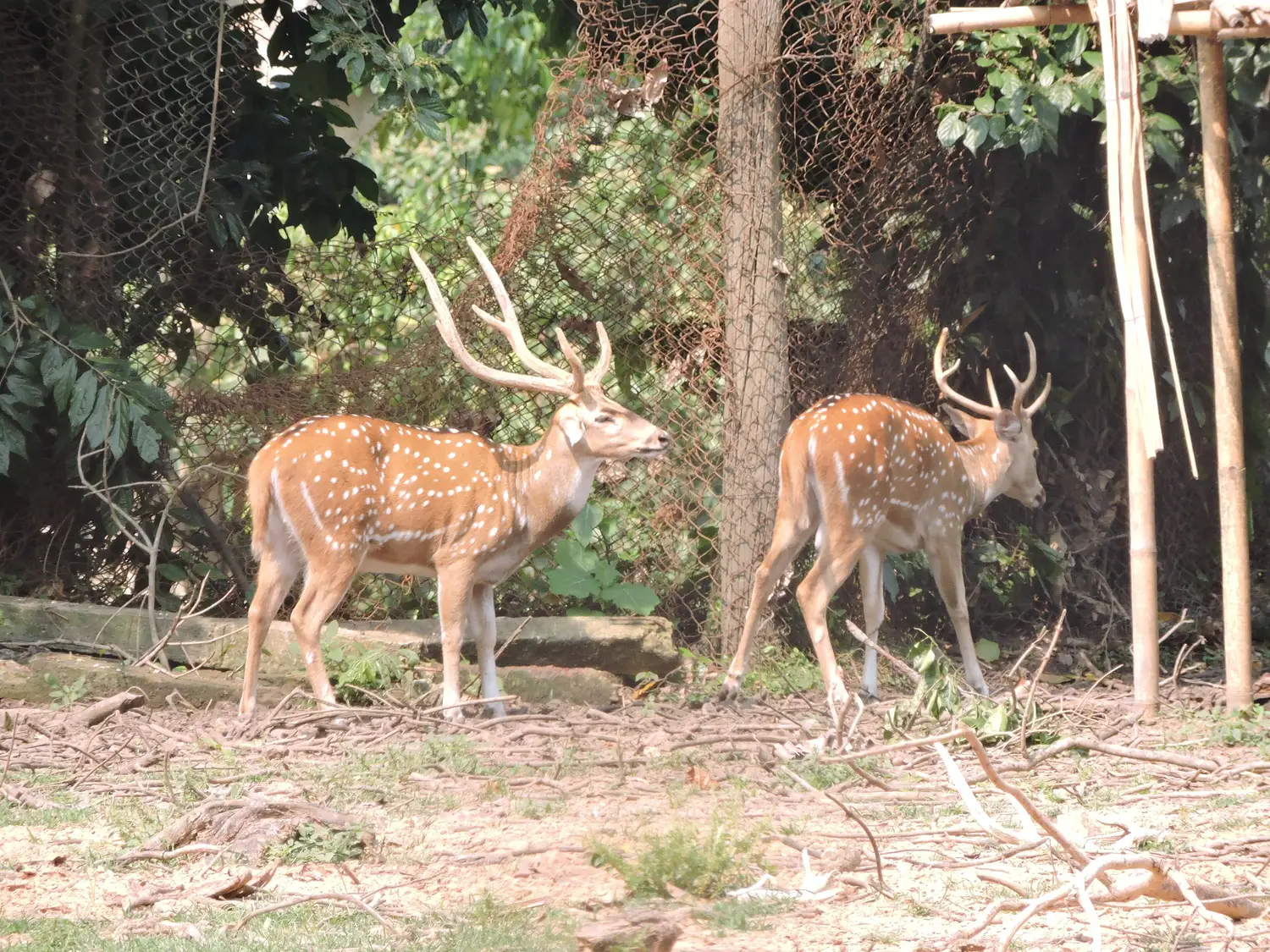
- Tripura Sundari Temple (Matabari): One of the 51 Shakti Peethas of Hindu mythology, a significant pilgrimage site near Udaipur town (South Tripura), roughly 55 km from Agartala.
- Sepahijala Wildlife Sanctuary: A forested reserve with a lake, botanical garden, and primate species including the rare spectacled langur.
- Tribal villages: Tripura is home to 19 recognised tribal communities, including the Tripuri, Reang, and Jamatia — visiting a local village or cultural centre offers insight into traditions distinct from the rest of India.
Where to Stay
Accommodation is concentrated in Agartala — outside the capital, options thin out significantly, so plan day trips accordingly.
- → Guesthouses near Ujjayanta Palace
- → Tourist lodges (TTDC), Agartala
- → Basic stays, Kailashahar (near Unakoti)
- → Business hotels, Agartala
- → Hotel Sonar Tori
- → Boutique stays, central Agartala
- → Ginger Agartala
- → Premium business hotels, Agartala
- → Heritage-style stays (limited)
Base yourself in Agartala for the whole trip and take day trips to Neermahal, Unakoti, and Matabari — dedicated tourist accommodation elsewhere in the state is genuinely limited.
What to Eat in Tripura
- Mui Borok (Bamboo shoot dishes): Fermented bamboo shoot features heavily in Tripuri tribal cuisine, used in both curries and chutneys.
- Wahan Mosdeng: A tribal pork dish cooked with local herbs — a good introduction to Tripura's indigenous food traditions.
- Fish preparations: Given the state's many rivers and lakes, freshwater fish features prominently, often cooked with mustard or bamboo shoot.
- Bengali-influenced dishes: Agartala's food scene also carries strong Bengali influence, reflecting the shared border and cultural history with West Bengal and Bangladesh.
4-Day Tripura Itinerary
Four days is a reasonable minimum to cover Agartala, Neermahal, and Unakoti without excessive rushing.
Agartala
- ✓Arrive, check in
- ✓Ujjayanta Palace and museum
- ✓Evening: Heritage Park walk
Neermahal & Matabari
- ✓Drive to Rudrasagar Lake, boat to Neermahal
- ✓Tripura Sundari Temple, Matabari
- ✓Return to Agartala
Unakoti Day Trip
- ✓Early departure to Unakoti (~4 hrs each way)
- ✓Explore the rock carvings and forest trail
- ✓Overnight in Kailashahar (recommended) or return late to Agartala
Sepahijala & Departure
- ✓Sepahijala Wildlife Sanctuary
- ✓Last-minute Agartala sightseeing
- ✓Departure
Budget Breakdown
| Expense | Budget | Mid-Range | Luxury |
|---|---|---|---|
| Accommodation/night | ₹1,000 | ₹3,000 | ₹7,000 |
| Food/day | ₹400 | ₹900 | ₹2,000 |
| Local transport/day | ₹400 | ₹1,000 | ₹2,500 |
| Activities/day | ₹200 | ₹500 | ₹1,000 |
| Daily total | ₹2,000 | ₹5,400 | ₹12,500 |
| 4-Day trip total | ₹8,000 | ₹21,600 | ₹50,000 |
* Excludes flights to Agartala. Local transport costs are higher than average given the long distances to Unakoti and other outlying sites.
Essential Travel Tips for Tripura
- Hire a car with driver for day trips: Public transport to Neermahal and Unakoti is limited and slow — a private vehicle is far more practical.
- Plan Unakoti as a long day or overnight trip: The distance from Agartala makes a rushed same-day round trip tiring.
- Carry cash: Card and digital payment acceptance is inconsistent outside Agartala's main commercial areas.
- Book flights well ahead in peak season: Agartala has limited flight frequency compared to larger Northeastern hubs like Guwahati.
- Respect tribal village etiquette: If visiting a tribal community, go with a local guide and ask before photographing people or ceremonies.
- Check border-area travel advisories: Given Tripura's proximity to the Bangladesh border, confirm current guidance before visiting areas close to the border.
✅ Do
- →Hire a car with driver for Neermahal and Unakoti
- →Book Agartala flights well ahead in peak season
- →Try tribal Tripuri dishes like Wahan Mosdeng
- →Carry cash for areas outside Agartala
- →Ask permission before photographing tribal communities
- →Consider an overnight stay near Unakoti
❌ Don't
- →Rely on public transport for Unakoti or Neermahal
- →Rush the Unakoti round trip in a single tight day
- →Expect Goa- or Meghalaya-level tourist infrastructure
- →Rely on cards outside Agartala's main areas
- →Travel to border areas without checking current advisories
- →Skip mosquito precautions on forested day trips
Places to Explore in Tripura
Every Tripura guide on Kudozz Club, in one place — 13 destinations covered so far, from cities and towns to individual attractions. Use this index to plan beyond the highlights above.
Frequently Asked Questions
How many days do I need for a Tripura trip?
Four days is a reasonable minimum to cover Agartala, Neermahal, and Unakoti without excessive rushing — one day for Agartala's palaces, one for Neermahal and Matabari, one for the long Unakoti day trip, and one for Sepahijala Wildlife Sanctuary before departure.
What is the best time to visit Tripura?
November to February is the pick — cool, dry conditions (15–28°C) make Unakoti's forest trail and a Neermahal boat crossing genuinely pleasant. Avoid the July–September monsoon, when heavy rainfall makes Unakoti's forested paths and rural roads difficult.
How do I reach Tripura?
Flying into Agartala's Maharaja Bir Bikram Airport (IXA) from Kolkata, Guwahati, or Delhi is by far the most practical option. Road and rail journeys from major Indian cities take a day or more given Tripura's location, connected mainly via Assam.
Is Tripura safe for solo travellers?
Tripura sees far fewer tourists than neighbouring states, which means thinner infrastructure rather than any particular safety concern — the main practical points are hiring a car with driver for day trips to Neermahal and Unakoti (public transport is limited and slow), carrying cash outside Agartala, and checking current advisories before visiting areas close to the Bangladesh border.
What is the budget for a Tripura trip?
A 4-day trip runs roughly ₹8,000 on a budget level up to ₹50,000 on a luxury level, excluding flights to Agartala. Daily costs cover accommodation, food, local transport, and activities, with local transport costing more than average given the long distances to Unakoti and other outlying sites.
What are the top things to do in Tripura?
The highlights are Neermahal, the lake palace reached only by boat across Rudrasagar Lake; Unakoti's massive rock-cut carvings dating back to the 7th–9th centuries; Ujjayanta Palace and Heritage Park in Agartala; the Tripura Sundari Temple at Matabari, one of the 51 Shakti Peethas; and Sepahijala Wildlife Sanctuary with its rare spectacled langurs.
Is Unakoti worth the long drive from Agartala?
Yes, for anyone interested in ancient history — Unakoti is one of Northeast India's most significant archaeological sites, with a giant 30-foot carved face of Shiva (Unakotishwara Kal Bhairava) and numerous smaller rock-cut figures scattered across the hillside. Given the roughly 178 km distance and 4-hour drive each way, consider an overnight stay in nearby Kailashahar rather than rushing back to Agartala the same day.
Published by the Kudozz Club editorial team · Last updated · How we research our guides
Want us to plan this trip for you?
Tell Kudozz Club where you want to go and what kind of trip you’re looking for. We’ll build a Tripura itinerary around your dates and budget.
Continue Exploring
View all guidesHeritageUnakoti Travel Guide: Rock Carvings & How to Reach
One of Northeast India's most significant archaeological sites — a forested hillside covered in thousand-year-old rock-cut carvings, centred on a giant thirty-foot face of Shiva.
 Off-beat
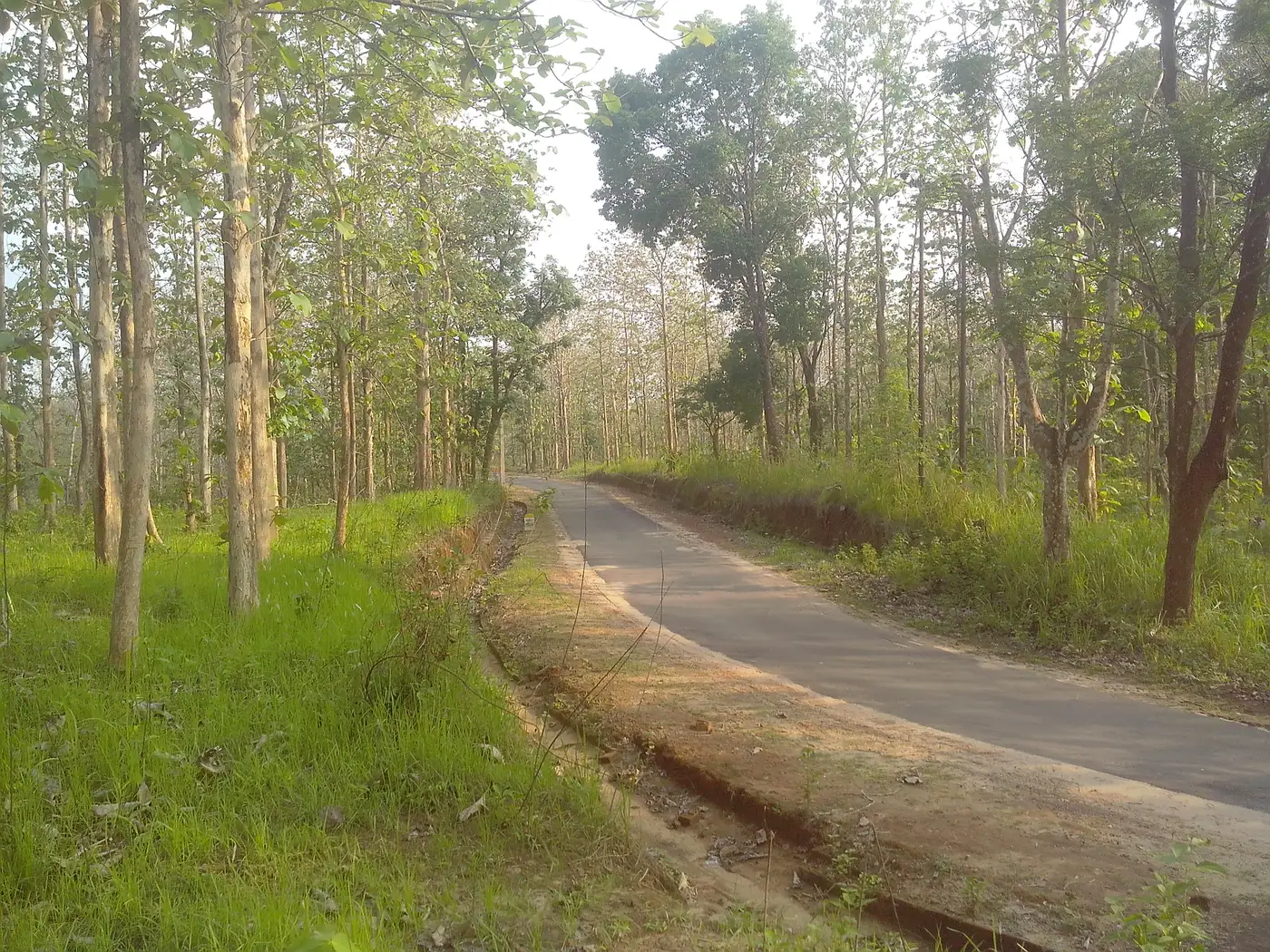
Longtharai Valley Travel Guide: Tips & How to Reach
Rolling hills, tribal villages, and terraced jhum fields in Dhalai district — a corner of Tripura most visitors never reach, and the honest guide to exploring it.
 Off-beat
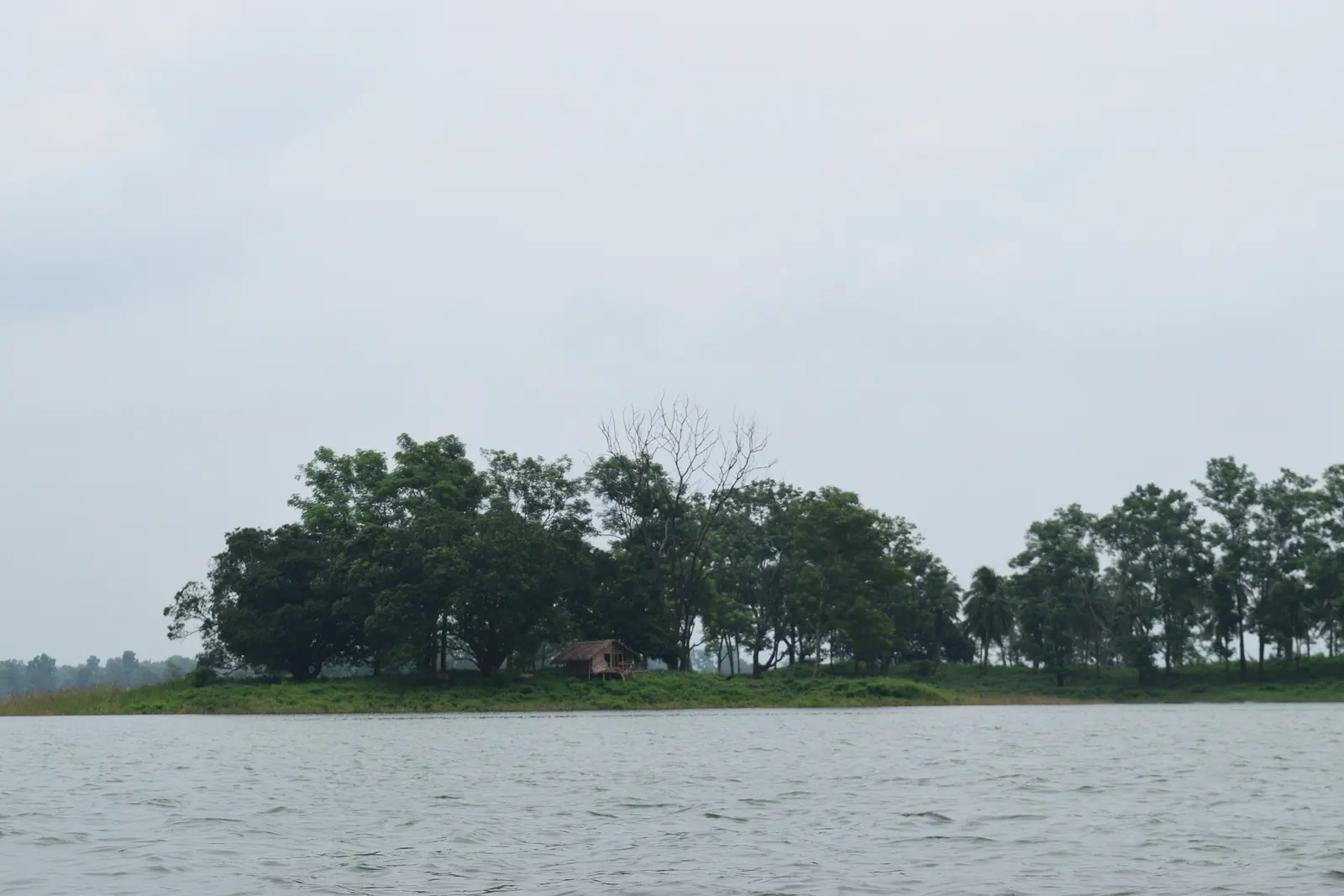
Dumboor Lake Travel Guide: Islands, Boating & Tips
A hydel reservoir scattered with roughly fifty small islands, a sacred river confluence, and one of Tripura's quietest off-beat escapes — the complete Dumboor Lake guide.
 Off-beat
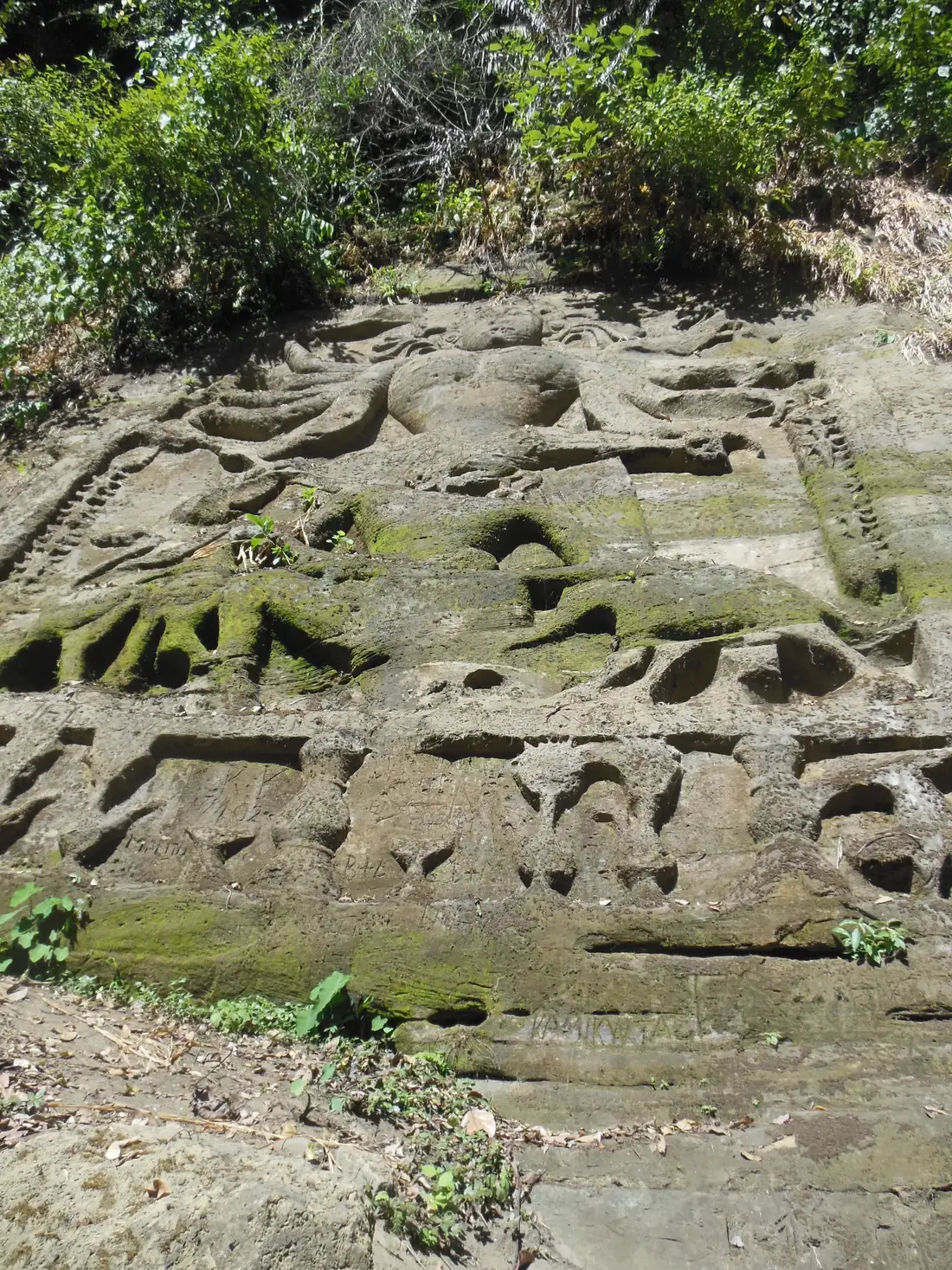
Chabimura Travel Guide: Rock Carvings & Boat Ride
Rock-cut Hindu deities carved into cliffs above the Gomati river, viewable only from a boat gliding through forested riverbanks — the complete Chabimura guide.