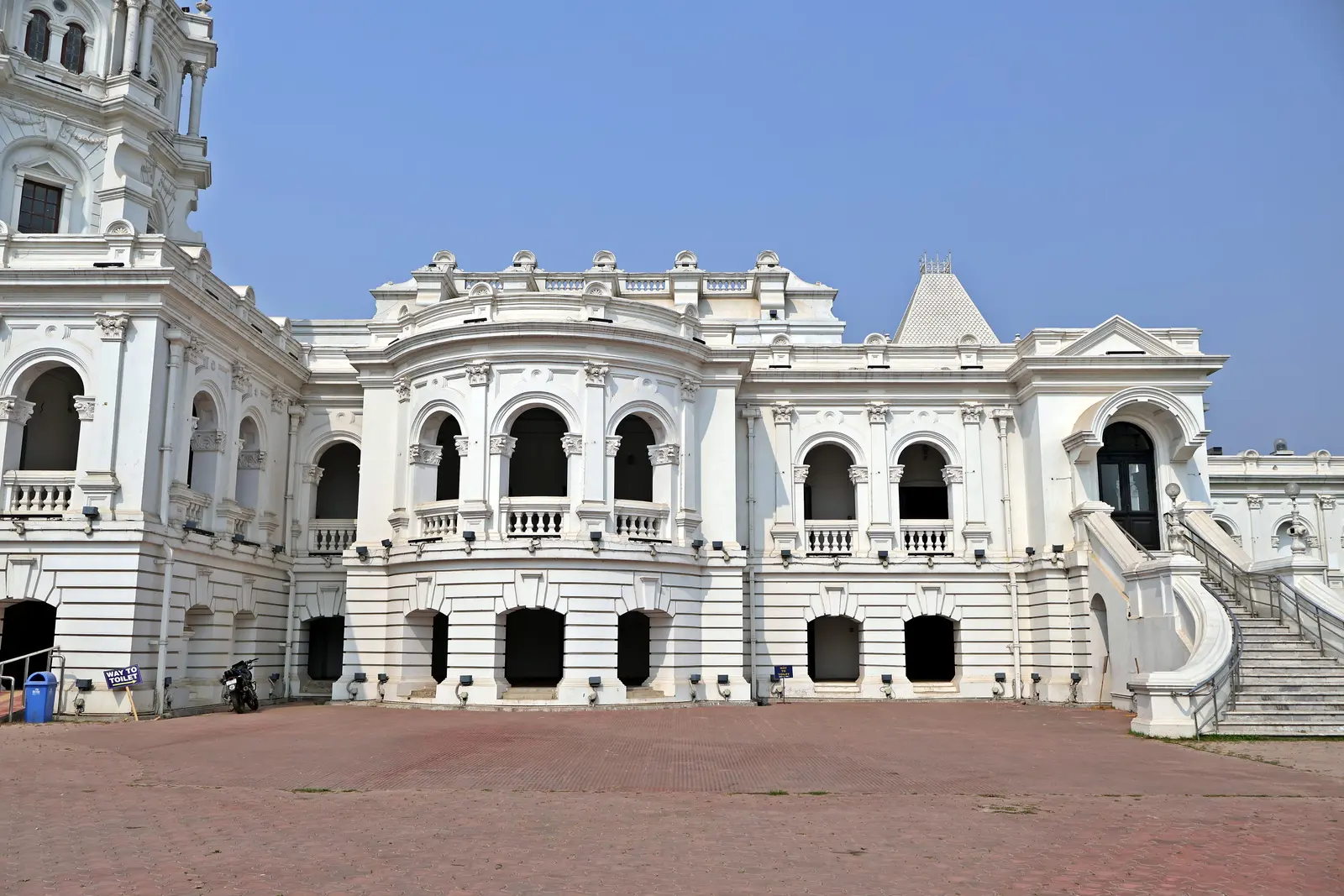
A Royal Residence Turned Museum
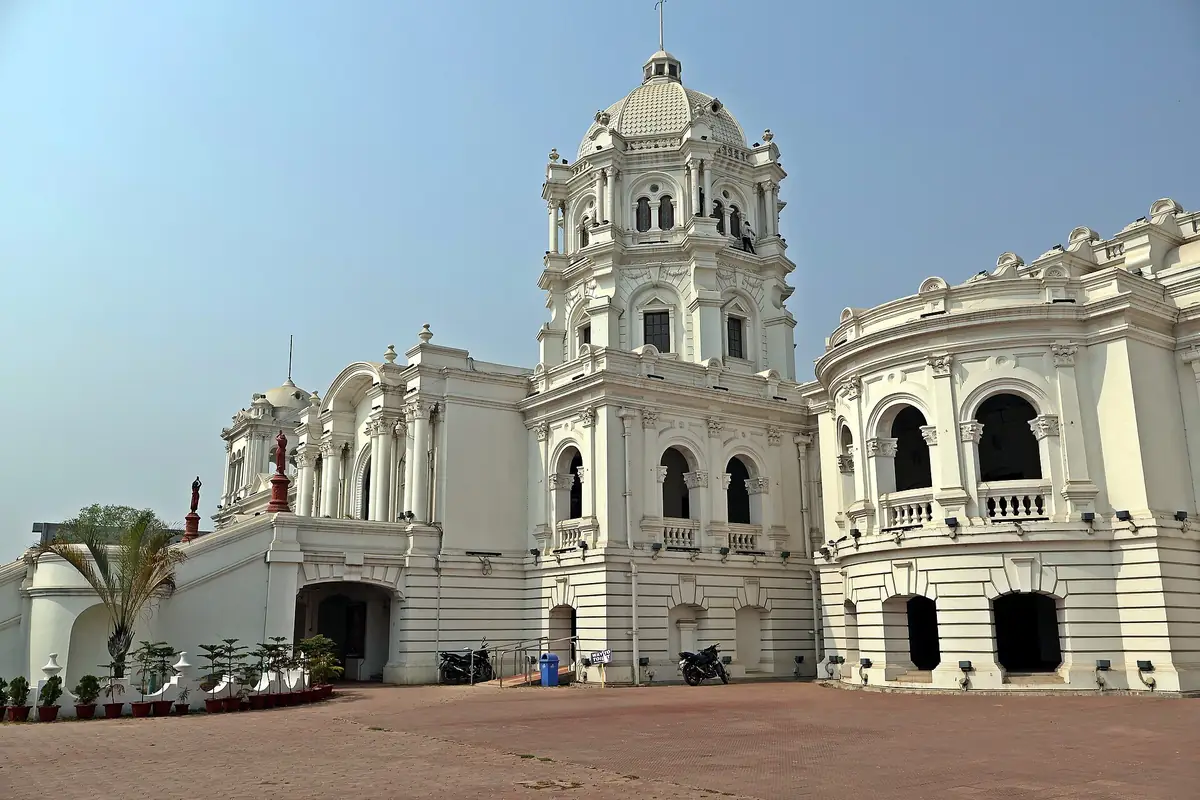
Ujjayanta Palace was built in 1901 by Maharaja Radha Kishore Manikya as the royal residence of the Tripura kings, in the heart of Agartala. The building blends Mughal, colonial, and Hindu-temple architectural styles under three domed roofs, and sits within landscaped, Mughal-style gardens with two ornamental lakes — a scale of grandeur that stands out against the city's otherwise low-key streetscape.
Since 2013, the palace has functioned as the Tripura State Museum, with galleries covering the state's tribal culture, archaeology, and royal history. In the evening the palace and grounds are illuminated, and a light-and-sound show runs on select evenings — arguably the single most photogenic sight in Agartala.
🏰 Ujjayanta Palace at a Glance
Interested in the history? See our guide to palaces in India.
Best Time to Visit Ujjayanta Palace
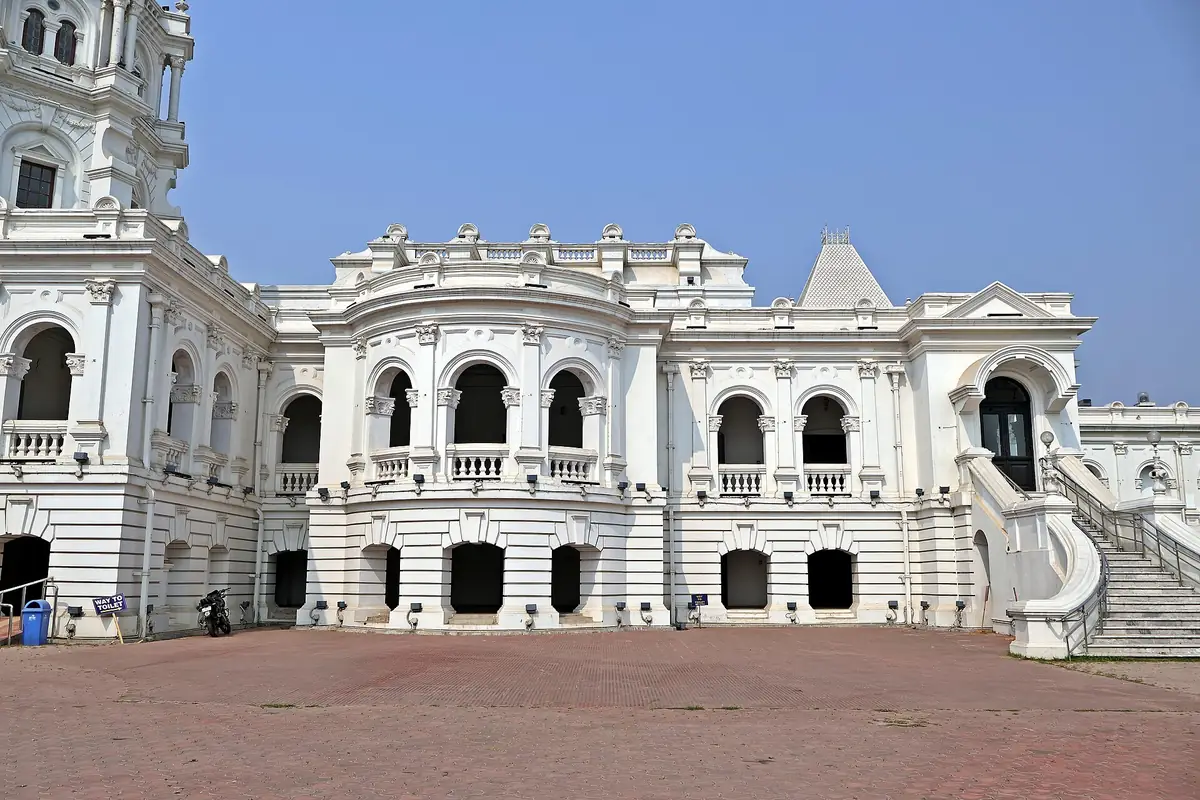
Both the season and the time of day shape how good a visit feels here.
Cool, dry conditions make walking the gardens comfortable, and clear evenings show the illumination at its best.
The warm late-afternoon light suits the palace's domes and facade — arrive a couple of hours before sunset.
The palace is lit up after dark, with a light-and-sound show on select evenings — check current schedules locally.
The gardens stay lush and green, but rain can disrupt an unhurried walk through the grounds.
Our pick: A winter late-afternoon visit — good light for photographs, followed by the evening illumination without the discomfort of summer heat.
How to Reach Ujjayanta Palace
The palace sits centrally within Agartala, making it easy to reach from almost anywhere in the city.
- Within Agartala: Most hotels are a short auto-rickshaw ride away, and some central accommodation is walkable.
- From the airport: Maharaja Bir Bikram Airport (IXA) is roughly a 20–30 minute drive, easily arranged by taxi.
- From the railway station: A short taxi or auto ride connects Agartala railway station to the palace.
History, Architecture & Galleries
The Architecture
Built in 1901, the palace blends Mughal, colonial, and Hindu-temple influences under three prominent domes — a distinctive silhouette that's become the visual shorthand for Tripura itself in tourism material.
Museum Galleries
Inside, the Tripura State Museum's galleries cover the state's tribal culture and 19 recognised communities, archaeological finds, and the royal history of the Manikya dynasty — a genuinely useful primer before heading out to sites like Unakoti or Udaipur.
The Gardens & Lakes
The Mughal-style gardens, with their two ornamental lakes, are worth as much time as the museum itself — a calm, manicured contrast to the busier streets outside.
Evening Illumination
After dark, the palace facade is lit up, and a light-and-sound show runs on select evenings — check locally for the current schedule, as timings can vary.
Where to Stay Near Ujjayanta Palace
Since the palace sits centrally in Agartala, most of the city's accommodation options are within easy reach — see our full Agartala guide for the complete breakdown. In short:
- → Guesthouses near the palace grounds
- → Tourist lodges, central Agartala
- → Business hotels within walking distance
- → Hotel Sonar Tori
- → Ginger Agartala
- → Premium hotels, central Agartala
Suggested Visit Plan
Gardens First
- ✓Arrive in the late afternoon
- ✓Walk the Mughal-style gardens and both lakes
- ✓Photograph the palace facade in warm light
Museum Galleries
- ✓Tour the tribal culture and history galleries
- ✓See the archaeology and royal-history exhibits
- ✓Allow roughly an hour for the full museum
Evening Illumination
- ✓Stay for the after-dark illumination
- ✓Check locally for a light-and-sound show
- ✓Combine with a walk through neighbouring Heritage Park
Where to Eat Nearby
- Cafes near the palace gate: A handful of small cafes and snack stalls cluster near the main entrance, useful for a quick bite between the gardens and museum.
- Central Agartala restaurants: A short auto ride opens up Agartala's wider restaurant scene, spanning Bengali and tribal Tripuri cuisine.
- Hotel restaurants: Most mid-range and luxury hotels nearby serve a reliable mix of local and standard Indian dishes.
Budget Breakdown
| Expense | Amount |
|---|---|
| Entry fee | ₹40 – ₹100 (approx.) |
| Still camera fee | ₹50 – ₹100 (approx.) |
| Auto/taxi from central Agartala | ₹50 – ₹200 |
| Light-and-sound show (if held) | ₹50 – ₹150 (approx.) |
* Fees are approximate and subject to change — confirm current rates at the gate.
Essential Tips for Visiting Ujjayanta Palace
- Check the Monday closure: The palace is usually closed on Mondays — confirm before planning your visit around it.
- Carry small change: Entry and camera fees are typically collected in cash at the gate.
- Dress modestly: As with most heritage and museum sites in India, modest clothing is appreciated.
- Ask before photographing specific exhibits: Some galleries may restrict photography — follow posted signage.
- Arrive with enough daylight left: Time your visit to catch both good afternoon light and the evening illumination.
✅ Do
- →Arrive in the late afternoon for the best light
- →Stay for the evening illumination
- →Carry cash for entry and camera fees
- →Combine with a walk through Heritage Park
- →Confirm the light-and-sound show schedule locally
- →Allow at least 1.5 hours for gardens and galleries
❌ Don't
- →Plan a Monday visit without confirming timings
- →Expect card payment at the gate
- →Rush through in under an hour
- →Ignore posted photography restrictions
- →Arrive right at closing time
- →Skip the gardens in favour of just the museum
Frequently Asked Questions
What are Ujjayanta Palace's timings?
The palace is usually closed on Mondays, in line with most Indian state museums, and open through the afternoon on other days — timings can shift, so it's worth confirming locally or with your hotel before visiting.
Is there an entry fee for Ujjayanta Palace?
Yes, a modest entry fee applies, with a separate (also modest) fee for still cameras. Fees are typically collected at the gate — carry small change.
Is photography allowed inside Ujjayanta Palace?
Photography is generally allowed in the gardens and museum galleries for a small camera fee, though some galleries or specific exhibits may restrict it — follow posted signage and staff instructions on site.
How much time do I need at Ujjayanta Palace?
Budget 1.5–2 hours to walk the gardens, view the two lakes, and go through the main museum galleries at an unhurried pace. Add extra time if you plan to stay for the evening illumination.
What's the best time of day to visit?
Late afternoon works best — good light for photographing the architecture, followed by the evening illumination of the palace facade, which is genuinely one of Agartala's best free sights.
What else is near Ujjayanta Palace?
Heritage Park sits just next to the palace, making for an easy combined visit. See our full Agartala guide for the rest of the city's sights.
Published by the Kudozz Club editorial team · Last updated · How we research our guides
Want us to plan this trip for you?
Tell Kudozz Club where you want to go and what kind of trip you’re looking for. We’ll build a Ujjayanta Palace and Tripura itinerary around your dates and budget.
Continue Exploring
View all guides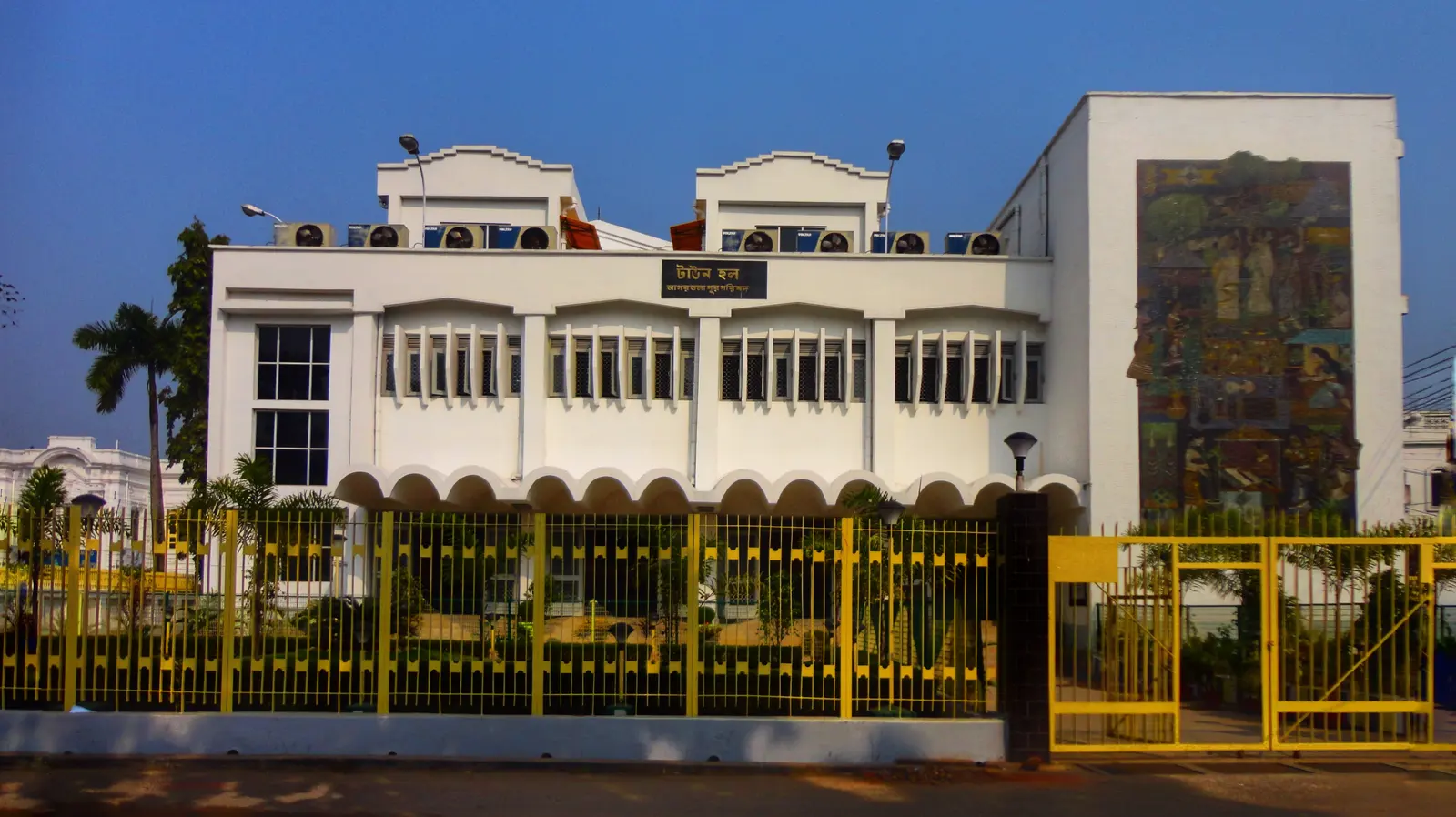 Destination Guide
Agartala Travel Guide: Palaces, Sightseeing & Tips
A royal palace turned museum, unhurried streets a stone's throw from Bangladesh, and the practical gateway to one of India's most overlooked states — the complete Agartala guide.
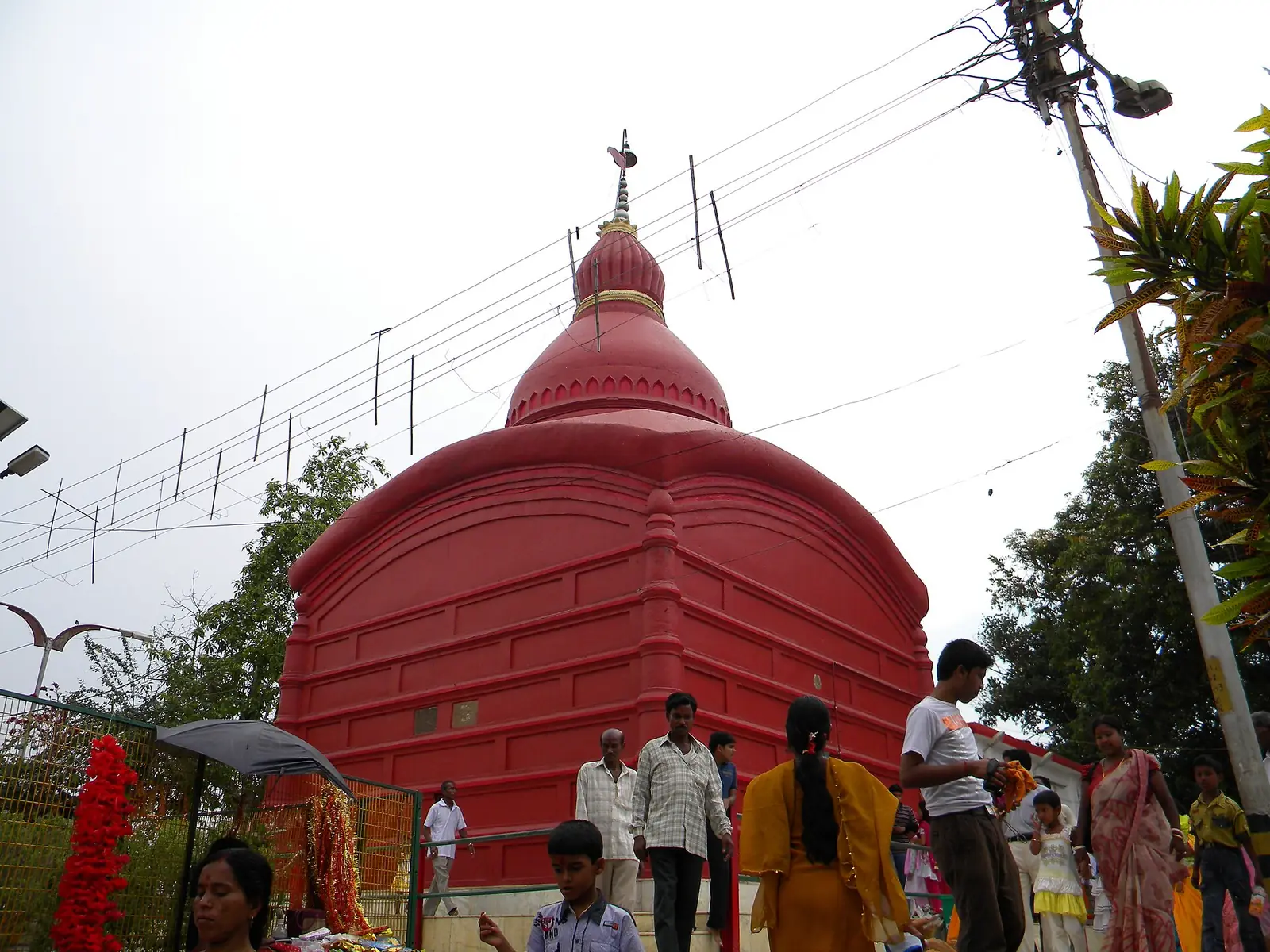 Heritage
Udaipur Tripura Travel Guide: Lakes & Old Capital
Not the Rajasthan lake city — Tripura's own Udaipur was the old Manikya capital, ringed by sacred lakes and home to one of Hinduism's 51 Shakti Peethas.
 Things to Do
Things to Do in Agartala: Palaces, Temples, the Border Ceremony & Neermahal
Things to do in Agartala: Ujjayanta Palace and the State Museum, Heritage Park, the Akhaura border retreat ceremony, Chaturdash Devata and Jagannath Bari temples, Sepahijala Wildlife Sanctuary, Neermahal lake palace, Tripura Sundari Temple and the Unakoti rock carvings.
 Heritage
Jageshwar Temple Travel Guide: History & Visit Tips
A cluster of roughly 124 ancient stone temples set inside a dense deodar forest near Almora, dating mostly from the 7th-14th centuries.