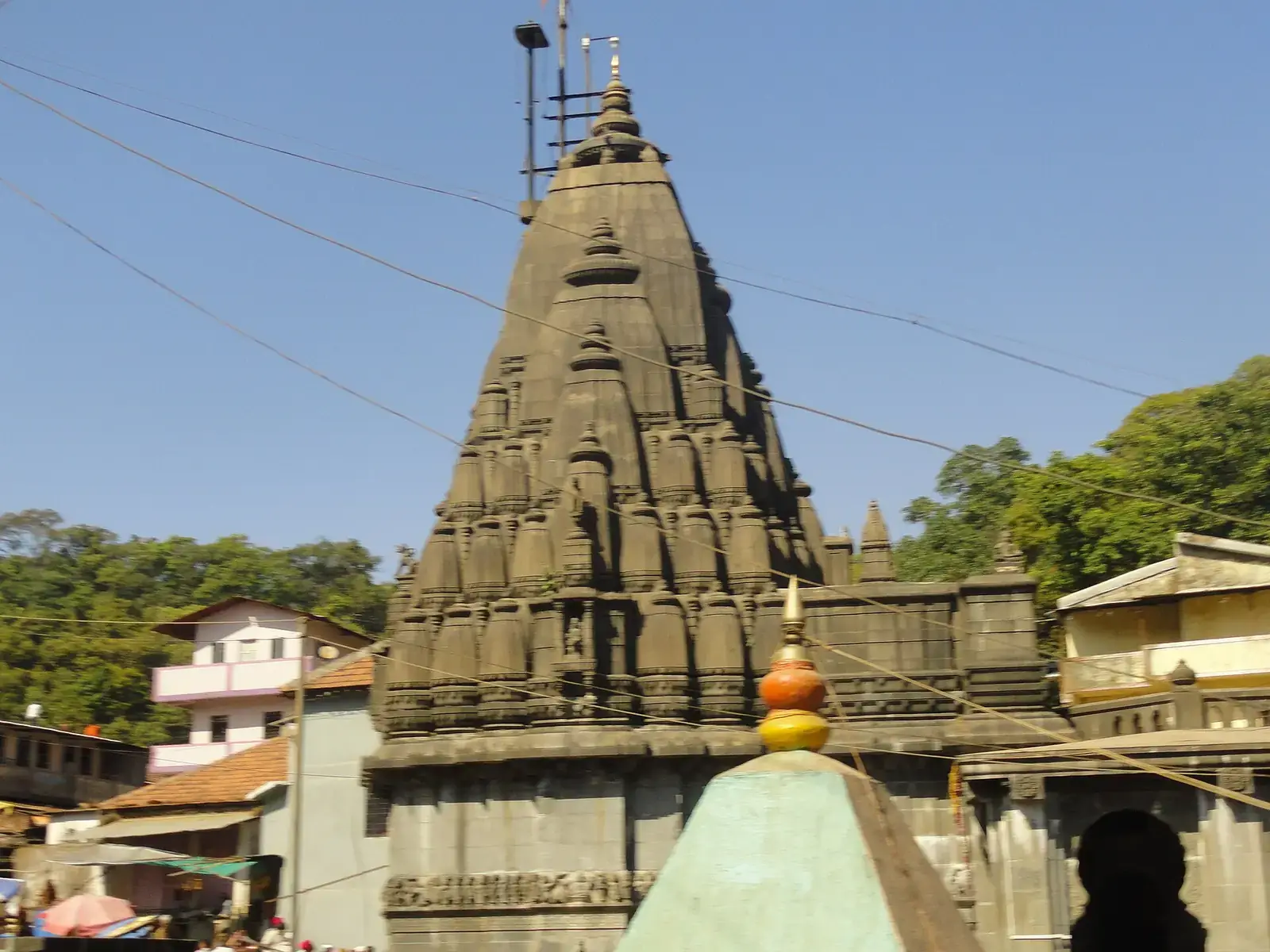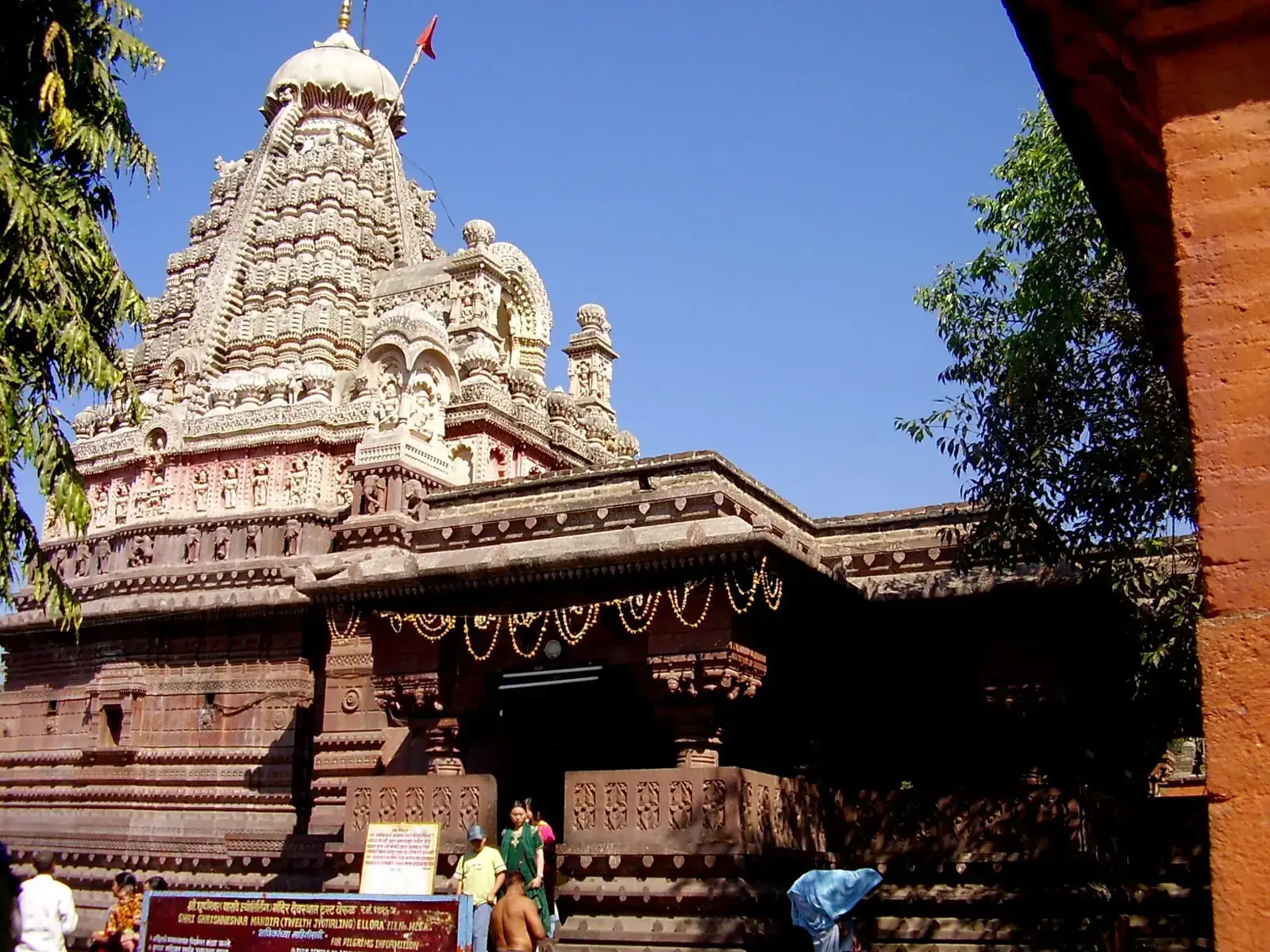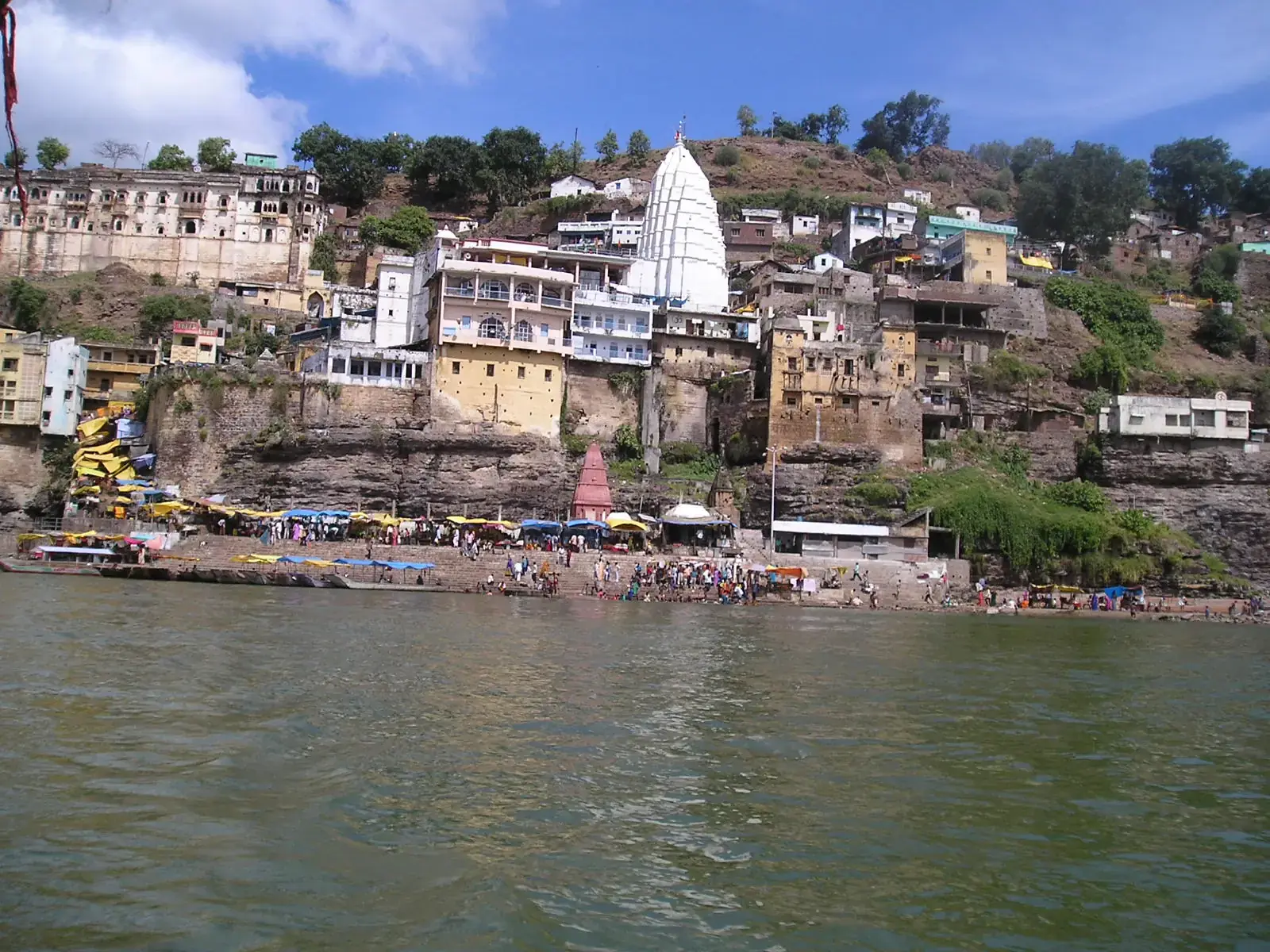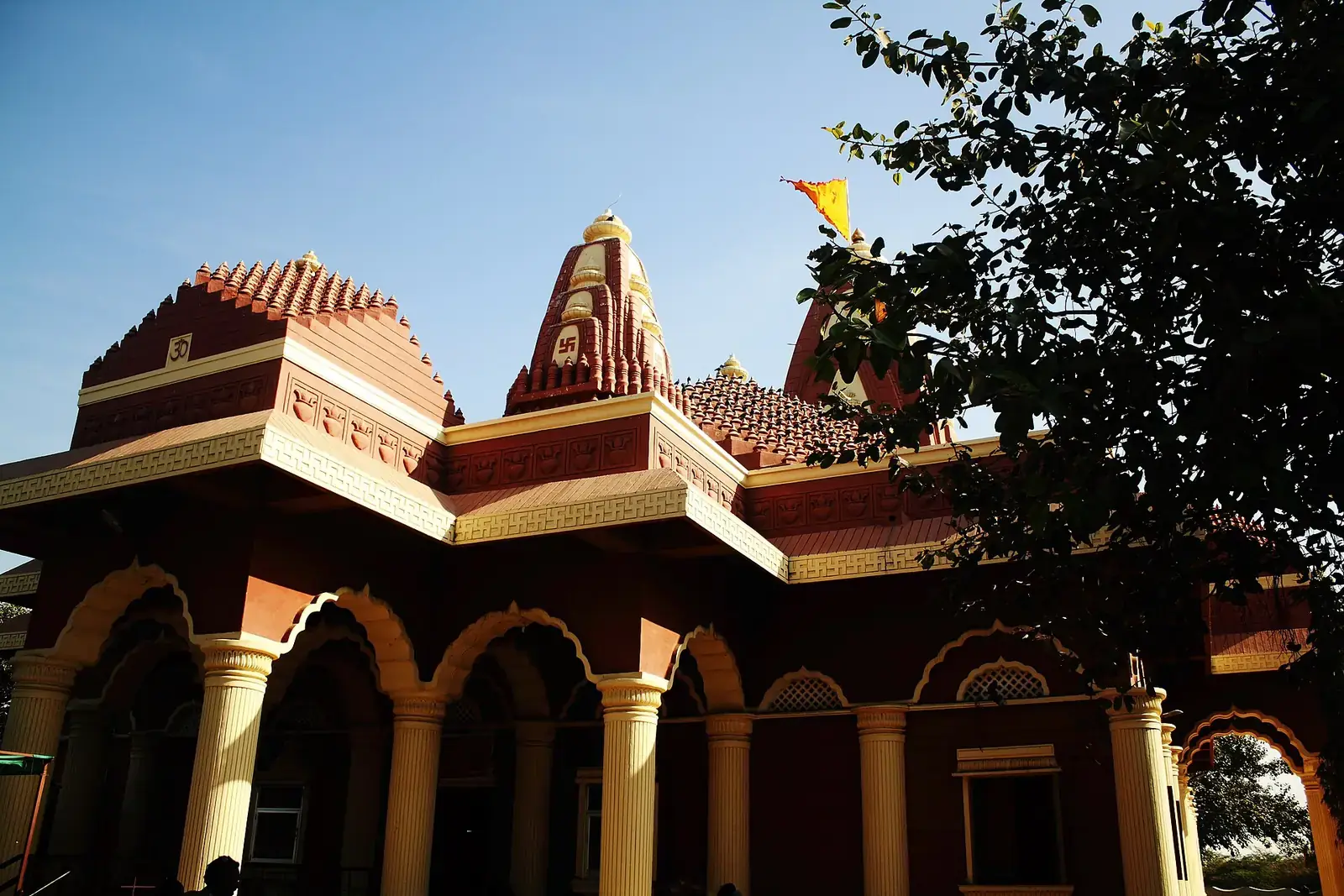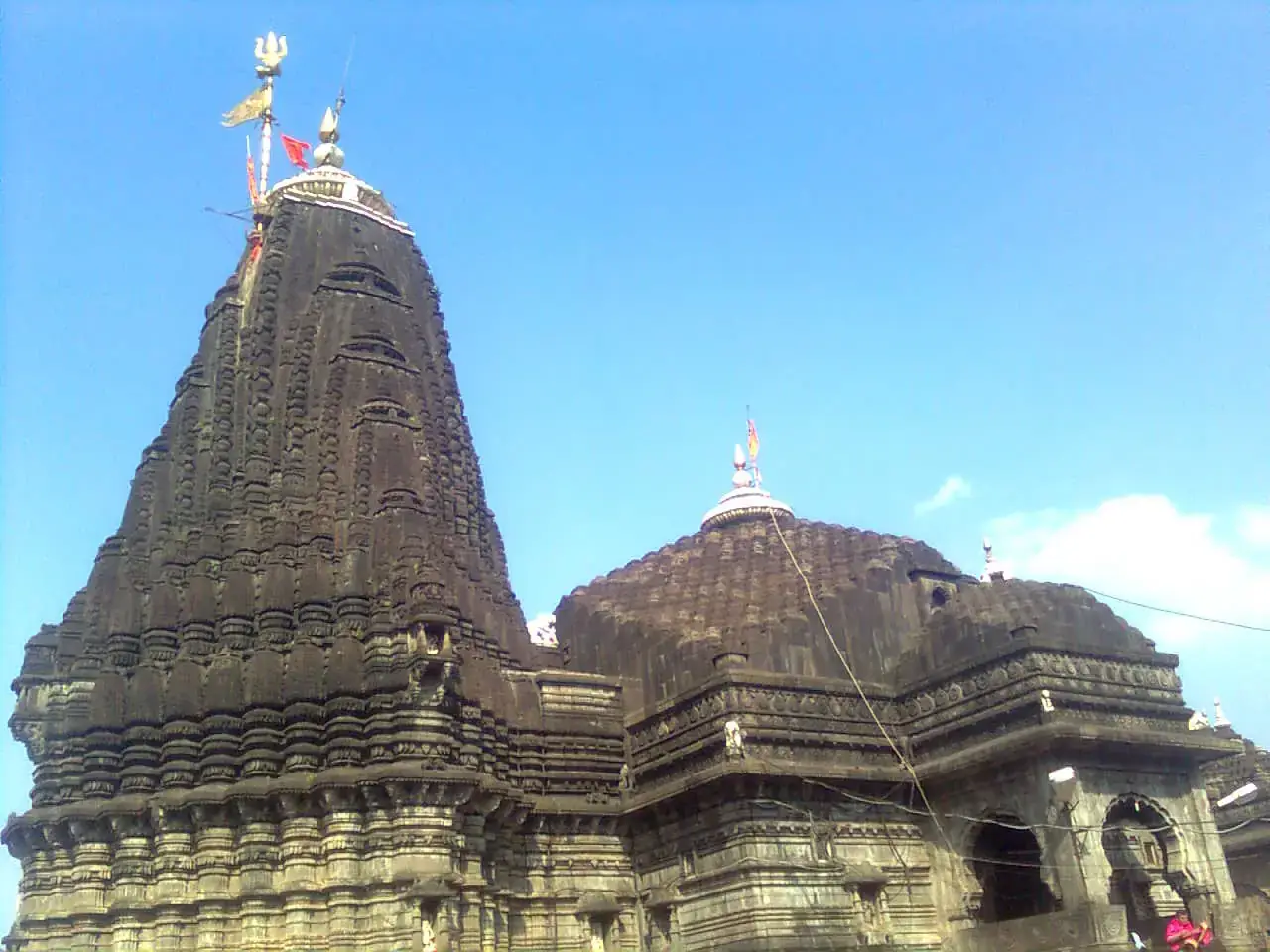
Three of the twelve Jyotirlingas are in Maharashtra by every common reckoning: Trimbakeshwar near Nashik, Bhimashankar in the Sahyadri hills north-west of Pune, and Grishneshwar beside the Ellora Caves. Many Maharashtrian pilgrims also count Aundha Nagnath (Hingoli district) as Nageshwar and Parli Vaijnath (Beed district) as Vaidyanath.
Visiting all five makes a satisfying road trip of about a week, with Shirdi, Ellora and Nashik's Panchavati along the way.
Quick answer
Maharashtra's Jyotirlingas are Trimbakeshwar (near Nashik), Bhimashankar (Pune district) and Grishneshwar (near Ellora). Some traditions also count Aundha Nagnath and Parli Vaijnath. A practical route from Pune is Bhimashankar, Trimbakeshwar, Grishneshwar, then Aundha Nagnath and Parli Vaijnath, about five to seven days by road. The three main temples alone take three to four days.
Key takeaways
- Trimbakeshwar, Bhimashankar and Grishneshwar are Maharashtra's three undisputed Jyotirlingas.
- Aundha Nagnath and Parli Vaijnath are counted by some traditions; many pilgrims visit them too.
- The three main temples take three to four days by road from Pune or Mumbai.
- All five take about five to seven days.
- Monsoon is scenic at Bhimashankar and Trimbakeshwar, but ghat roads can be slow.
The temples
| Temple | District | Nearest city | Our guide |
|---|---|---|---|
| Trimbakeshwar | Nashik | Nashik (about 30 km) | Trimbakeshwar Jyotirlinga |
| Bhimashankar | Pune | Pune (about 110 km) | Bhimashankar Jyotirlinga |
| Grishneshwar | Chhatrapati Sambhajinagar | Chhatrapati Sambhajinagar (about 30 km) | Grishneshwar Jyotirlinga |
| Aundha Nagnath | Hingoli | Nanded | Covered here |
| Parli Vaijnath | Beed | Latur, Parbhani | Covered here |
The three main temples
Trimbakeshwar
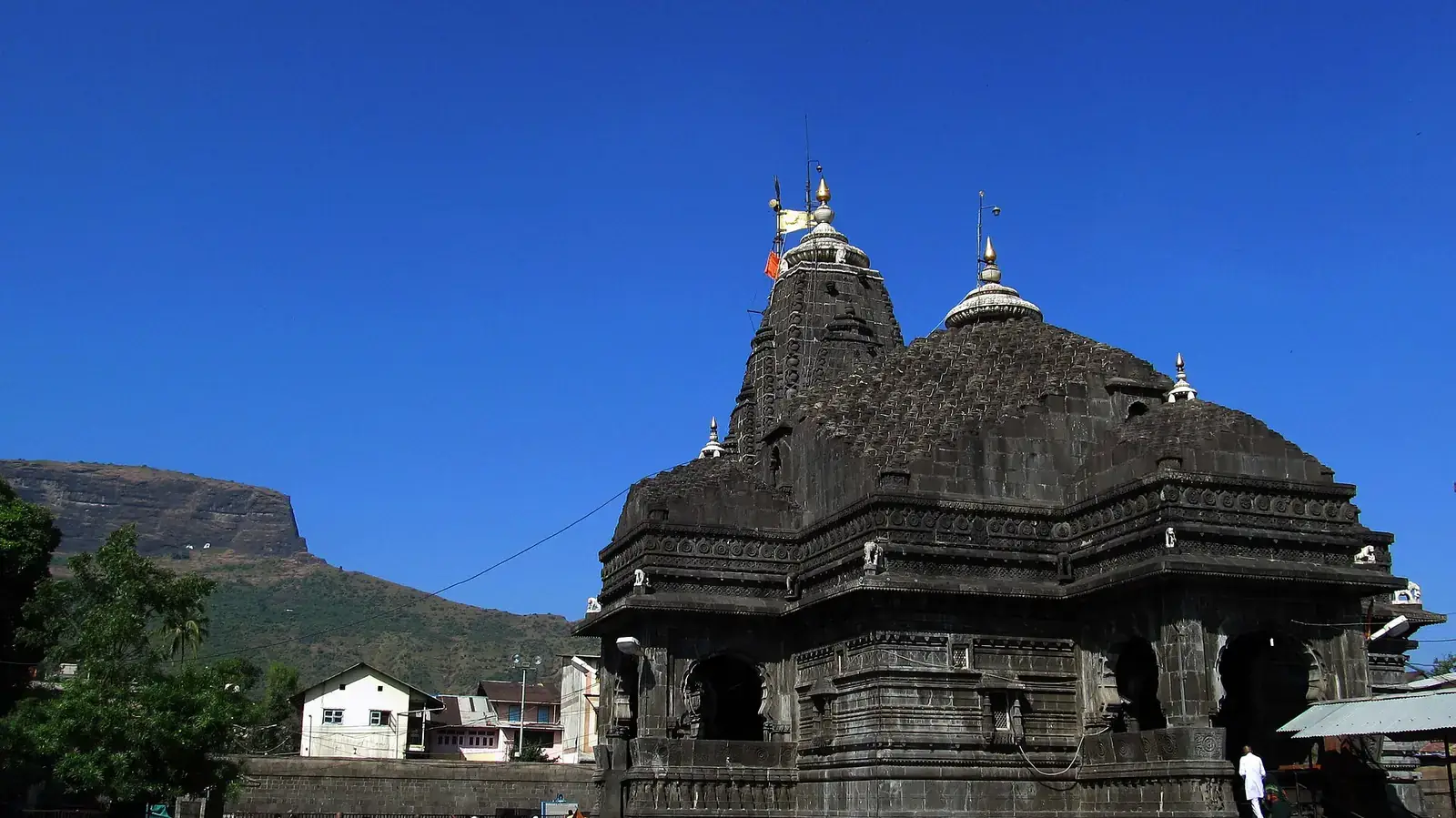
An 18th-century black-stone temple at the foot of Brahmagiri, where the Godavari rises. The linga is set in a hollow, with three small forms said to represent Brahma, Vishnu and Shiva.
Bhimashankar
A temple in forest at the source of the Bhima river, inside Bhimashankar Wildlife Sanctuary.
Grishneshwar
A red-stone temple in Verul village, rebuilt in the 18th century by Ahilyabai Holkar, a short walk from the Ellora Caves.
Aundha Nagnath and Parli Vaijnath
Aundha Nagnath
A Hemadpanti-style stone temple in Hingoli district, revered by many as the Nageshwar Jyotirlinga. The more widely followed identification is the temple near Dwarka in Gujarat.
- Nearest city
- Nanded, about 60 km
Parli Vaijnath
A hilltop temple in Beed district, revered as the Vaidyanath Jyotirlinga, citing the stotram's words 'Paralyam Vaidyanatham'. Deoghar in Jharkhand is the more widely followed identification.
- Nearest towns
- Latur, Parbhani
We describe both claims because they matter to pilgrims on this route; we do not rank one tradition over another.
A sample route from Pune
| Day | Plan |
|---|---|
| 1 | Pune to Bhimashankar (about 110 km); darshan and forest walk |
| 2 | Drive to Nashik; evening at Panchavati |
| 3 | Trimbakeshwar darshan; Kushavarta tank |
| 4 | Drive to Chhatrapati Sambhajinagar via Shirdi (optional) |
| 5 | Grishneshwar and the Ellora Caves (closed on Tuesdays) |
| 6 | Aundha Nagnath |
| 7 | Parli Vaijnath; return via Latur or Parbhani by train, or drive back |
Where to stay on the route
- Bhimashankar: simple lodges at the hilltop, or stay in Pune or Manchar.
- Trimbakeshwar: guesthouses and hotels in Trimbak, or more choice in Nashik.
- Grishneshwar: hotels in Chhatrapati Sambhajinagar, or lodges at Verul near Ellora.
- Aundha Nagnath and Parli Vaijnath: basic lodges and dharamshalas; Nanded, Latur and Parbhani have more hotels.
Book ahead for Shravan Mondays and Maha Shivratri, when rooms near every temple fill quickly.
When to go
- October to February: pleasant for road travel and temple queues.
- June to September: lush and misty, but ghat roads are slow and trekking trails slippery.
- Maha Shivratri and Shravan Mondays: very large crowds at all the temples.
- March to May: hot on the Deccan plateau; start darshan early.
Safety
- Darshan waits vary from minutes to many hours; no one can guarantee quick darshan, so plan buffer time.
- Dress modestly (shoulders and knees covered) and follow each temple's rules on phones, bags and photography.
- Avoid night driving on the Bhimashankar ghat road.
- At Grishneshwar, men are usually asked to remove shirts before entering the sanctum; follow the notices.
What to pack
- Light cotton clothing
- Rain jacket in the monsoon
- Slip-on footwear
- Water and snacks for road days
Want this pilgrimage turned into a practical itinerary?
FAQs
How many Jyotirlingas are in Maharashtra?
Three are undisputed: Trimbakeshwar, Bhimashankar and Grishneshwar. Some traditions also count Aundha Nagnath and Parli Vaijnath, making five.
Which Jyotirlinga is closest to Mumbai?
Trimbakeshwar and Bhimashankar are both about four to five hours by road.
How many days are needed for the Maharashtra Jyotirlingas?
Three to four days for the main three; five to seven days to add Aundha Nagnath and Parli Vaijnath.
Can I combine Shirdi with the Jyotirlinga tour?
Yes. Shirdi lies between Nashik and Chhatrapati Sambhajinagar.
Which airport is best for the Maharashtra Jyotirlinga route?
Pune for Bhimashankar, and Chhatrapati Sambhajinagar or Nashik for the others; Mumbai works for longer road trips.
What is the best time for a Maharashtra Jyotirlinga tour?
October to February for comfort; the monsoon is scenic but slower.