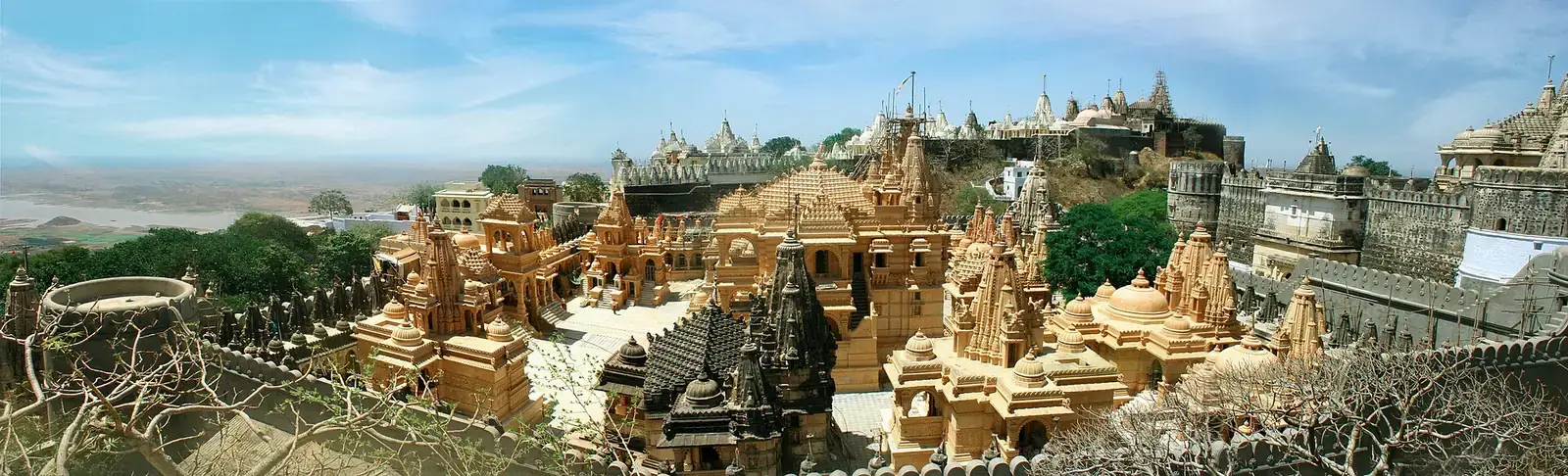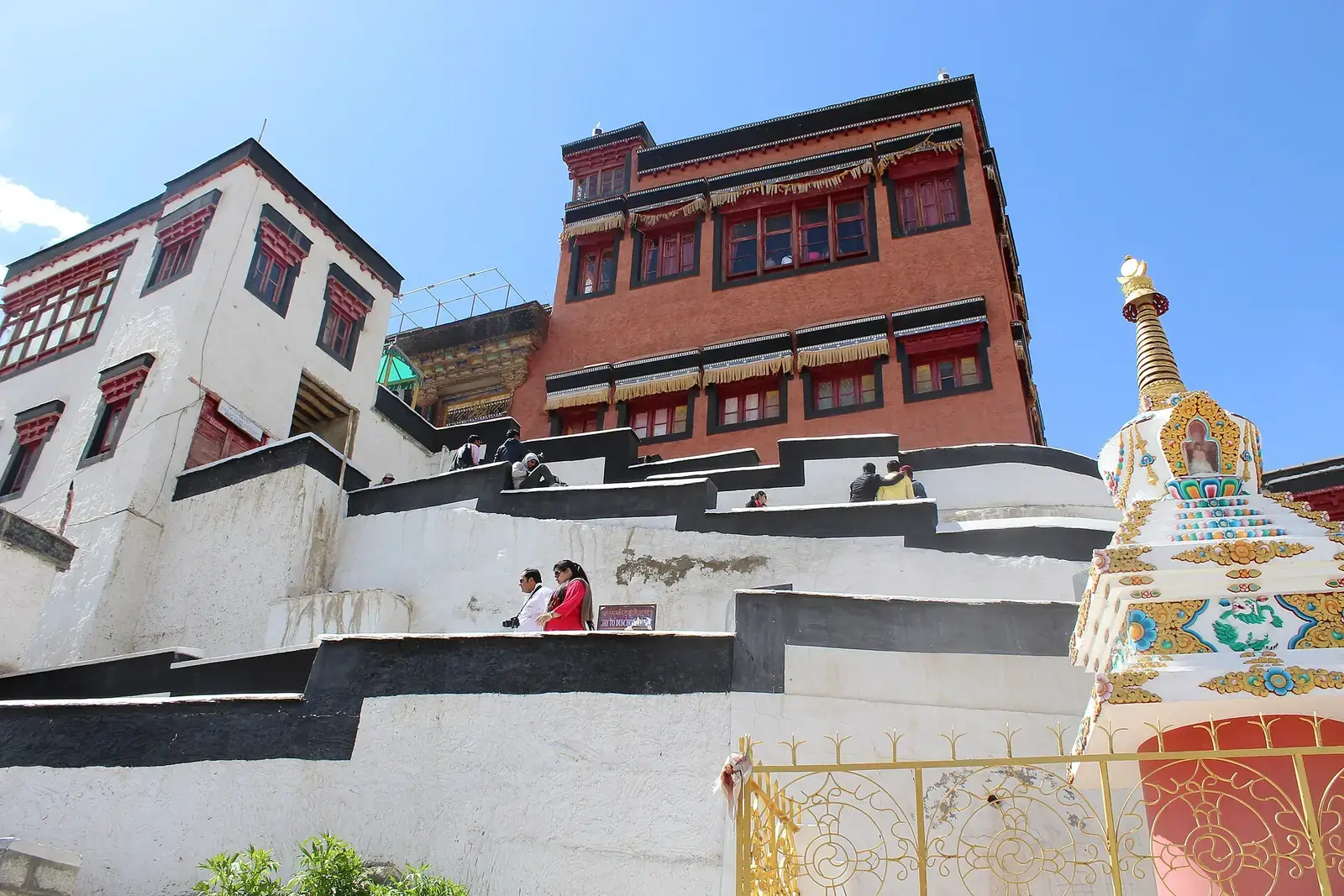
Buddhism began in India, and its heritage survives in two forms. In the plains are the ancient sites: the places of the Buddha's life, great stupas such as Sanchi, painted caves such as Ajanta, and the ruins of monastic universities. In the Himalaya and beyond are living monasteries, many belonging to Tibetan Buddhist traditions, where daily prayers and festivals continue.
This guide covers both, region by region. For the route through Bihar and Uttar Pradesh, see our Buddhist Circuit guide.
Quick answer
Beyond the Buddhist Circuit of Bodh Gaya, Sarnath and Kushinagar, India's main Buddhist sites include Sanchi's stupas and the Ajanta caves (both UNESCO sites), the monasteries of Ladakh (Hemis, Thiksey, Diskit), Spiti (Key, Tabo), Sikkim (Rumtek, Pemayangtse), Dharamshala's Tsuglagkhang, Tawang in Arunachal and the Namdroling monastery at Bylakuppe in Karnataka. Himalayan monasteries are best visited from May to October.
Key takeaways
- The Buddhist Circuit covers the places of the Buddha's life in Bihar and Uttar Pradesh.
- Sanchi and Ajanta are UNESCO World Heritage Sites with some of the oldest Buddhist art in India.
- Ladakh, Spiti, Sikkim and Tawang have living Tibetan Buddhist monasteries.
- Dharamshala is home to the Dalai Lama's temple complex.
- Monastery festivals follow the Tibetan calendar; check dates each year.
Buddhist India by region
| Region | Main sites | Best time |
|---|---|---|
| Bihar and Uttar Pradesh | Bodh Gaya, Rajgir, Nalanda, Vaishali, Sarnath, Kushinagar, Shravasti | October to March |
| Central India | Sanchi (Madhya Pradesh), Ajanta (Maharashtra) | October to March |
| Ladakh | Hemis, Thiksey, Diskit, Lamayuru, Alchi | May to October |
| Himachal | Tsuglagkhang (Dharamshala), Key and Tabo (Spiti) | March to June, September to November |
| Sikkim and Darjeeling | Rumtek, Pemayangtse, Enchey, Ghoom | March to May, October to December |
| Arunachal | Tawang Monastery | March to June, September to November |
| South and east | Namdroling at Bylakuppe (Karnataka); Ratnagiri, Udayagiri and Lalitgiri (Odisha) | October to March |
Ancient sites
Sanchi
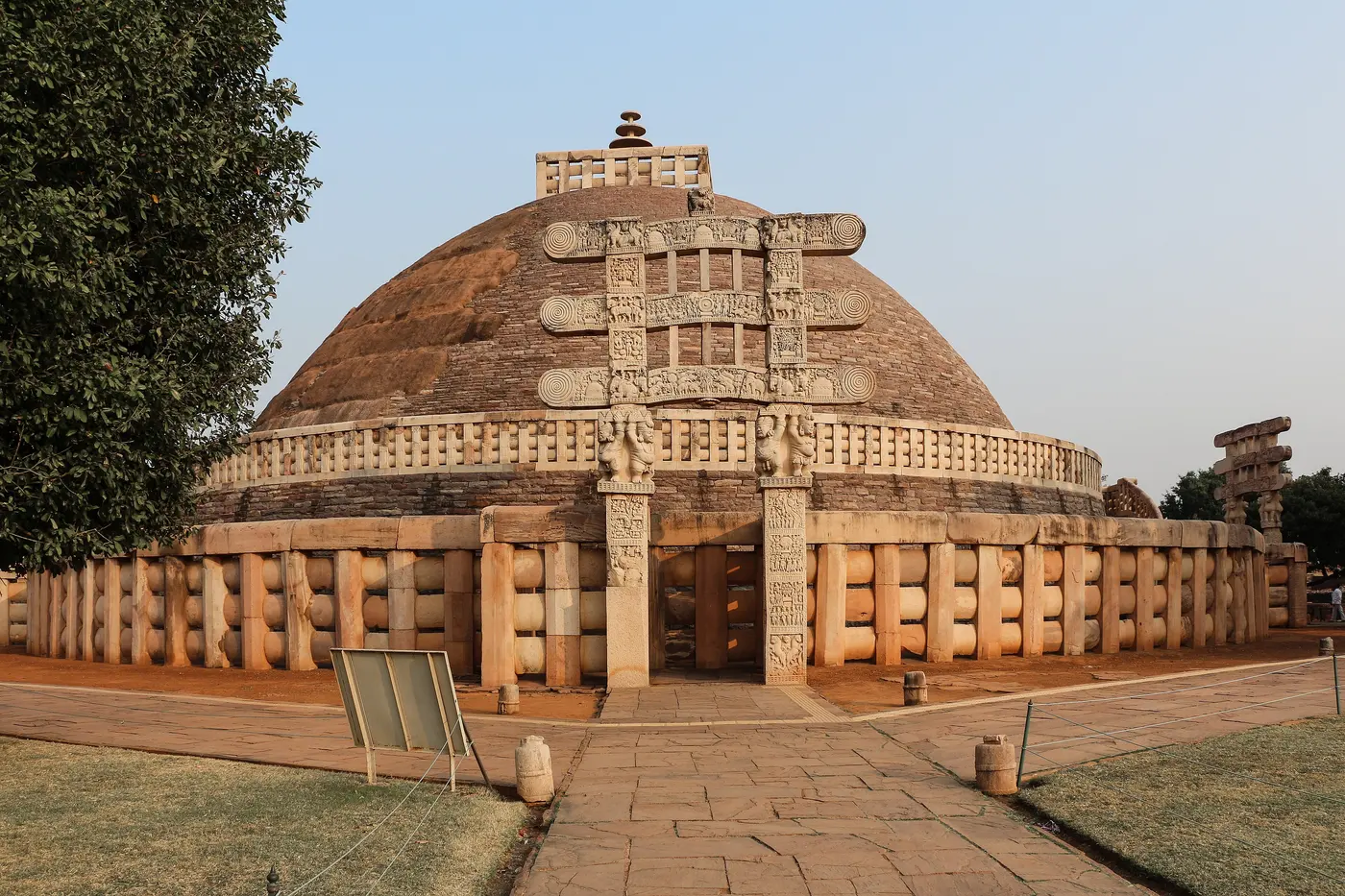
The Great Stupa, begun under Ashoka in the 3rd century BCE, with carved gateways; a UNESCO site near Bhopal.
Ajanta
Rock-cut monasteries and prayer halls with painted murals of the Buddha's lives, a UNESCO site.
Odisha and Andhra
Ratnagiri, Udayagiri and Lalitgiri in Odisha; Amaravati in Andhra Pradesh.
Himalayan monasteries
Ladakh
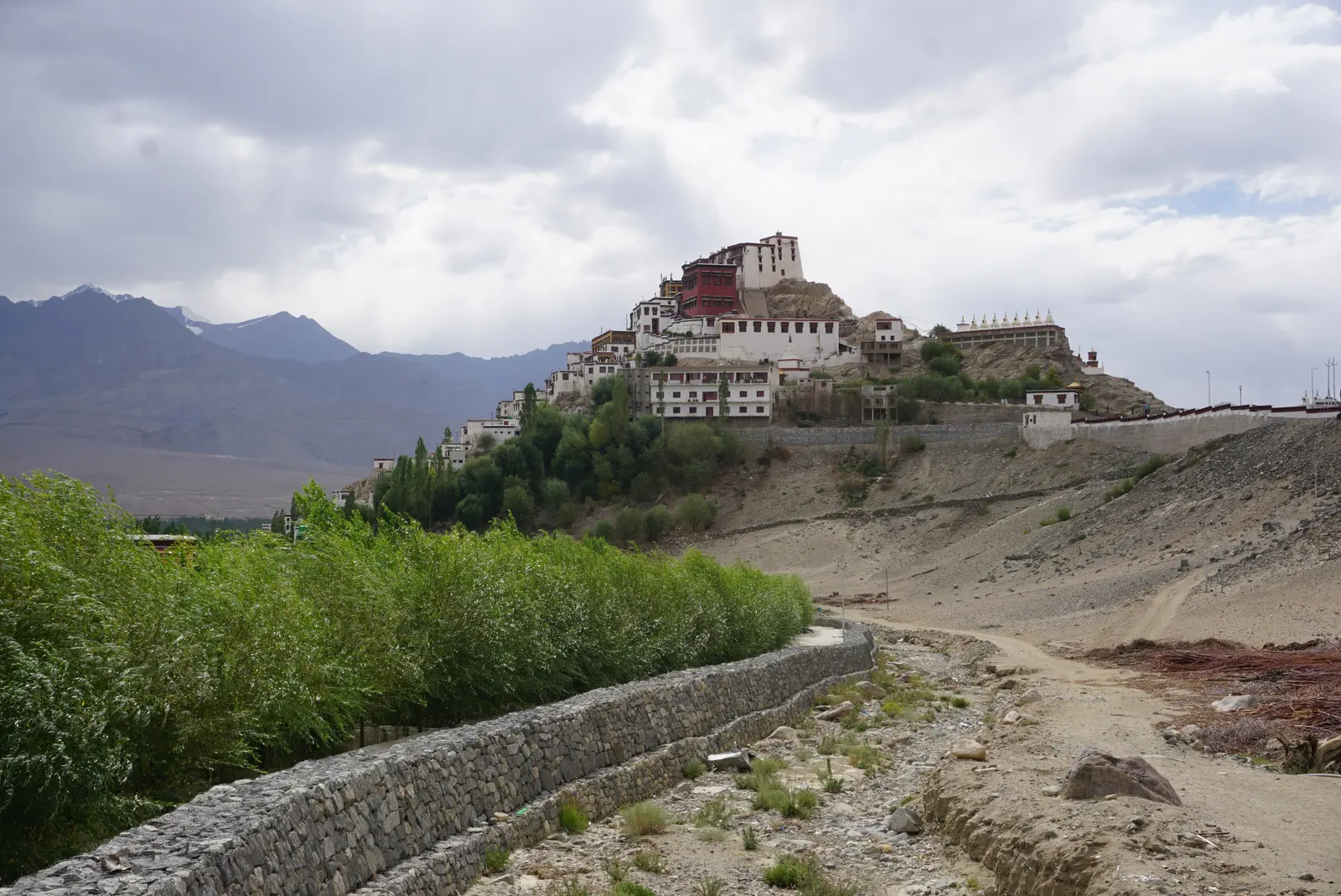
Hemis, known for its summer festival, hilltop Thiksey, Diskit in Nubra, Lamayuru and the old murals of Alchi.
Dharamshala and Spiti
McLeod Ganj's Tsuglagkhang complex, and Spiti's Key and Tabo monasteries.
Monastery festivals
- Hemis festival (Ladakh), usually in June or July, with masked cham dances.
- Losar, the Tibetan New Year, in February or March.
- Buddha Purnima, marking the Buddha's birth, enlightenment and passing, in April or May.
- Torgya at Tawang and other monastery festivals, dated by the Tibetan calendar.
Dates move each year with the lunar calendar; check before planning a trip around a festival.
Visiting etiquette
- Walk clockwise around stupas, prayer wheels and temples.
- Remove shoes where asked, and dress modestly.
- Do not touch or point at images, and never sit with your feet towards an altar.
- Ask before photographing monks or ceremonies; many prayer halls ban photography.
How to plan a Buddhist trip
Choose between the plains and the mountains. The Buddhist Circuit and the ancient sites (Sanchi, Ajanta, Odisha) are best between October and March. The Himalayan monasteries are best from late spring to autumn, when roads and passes are open.
Allow time for altitude in Ladakh, Spiti and Tawang: two days to acclimatise in Leh before visiting monasteries is sensible. Many monasteries hold morning prayers that visitors may watch quietly; ask locally for timings. Some, like Tawang and parts of Sikkim, need permits arranged in advance.
Safety
- High-altitude monasteries (Ladakh, Spiti, Tawang) need acclimatisation.
- Carry permits where required, such as Tawang and parts of Ladakh and Sikkim.
- These are active places of worship: dress modestly, keep your voice low, and ask before photographing people at prayer.
- Mountain roads can close in winter and the monsoon.
What to pack
- Warm layers for the Himalaya
- Modest clothing that covers shoulders and knees
- Sun protection at altitude
- Permits and ID
- Slip-on shoes for monasteries
Want this pilgrimage turned into a practical itinerary?
FAQs
What are the most important Buddhist sites in India?
Bodh Gaya, Sarnath and Kushinagar, followed by Rajgir, Vaishali, Shravasti, Nalanda, Sanchi and Ajanta.
Where are the best monasteries in India?
Ladakh (Hemis, Thiksey), Spiti (Key, Tabo), Sikkim (Rumtek), Tawang in Arunachal and Namdroling at Bylakuppe.
Which Buddhist sites are UNESCO World Heritage Sites?
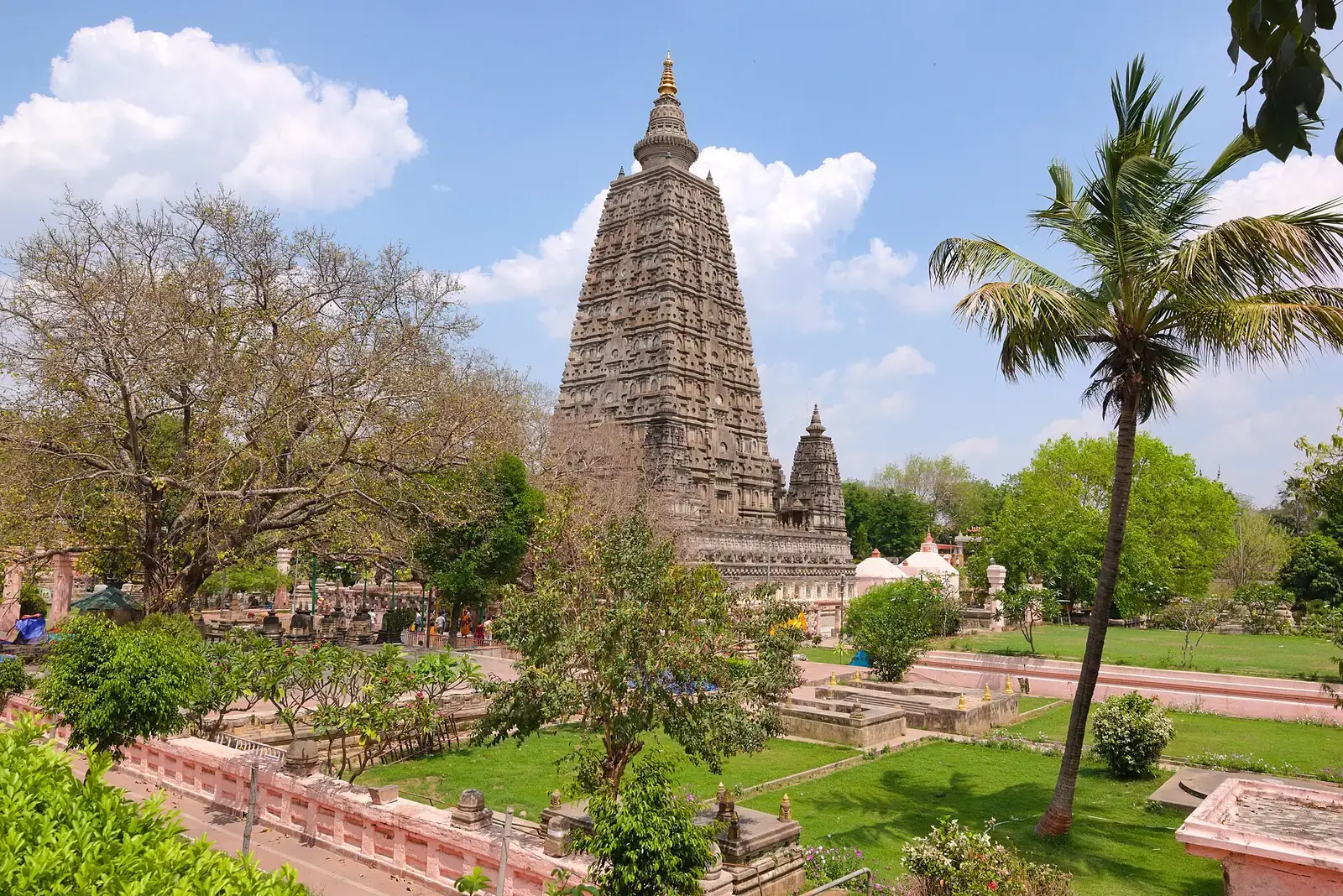
The Mahabodhi Temple at Bodh Gaya, Nalanda, Sanchi, the Ajanta caves and, since July 2026, the Ancient Buddhist Site of Sarnath.
When is the best time to visit Himalayan monasteries?
May to October for Ladakh and Spiti; spring and autumn for Sikkim and Tawang.
Is photography allowed in monasteries?
It varies. Many prayer halls ban photography, especially of images and ceremonies; ask the monks first.
Do I need permits to visit Buddhist sites in the Himalaya?
Some areas do, including Tawang and parts of Ladakh and Sikkim. Arrange permits before travelling.
Can visitors attend monastery prayers?
Often, yes, if you sit quietly at the back; follow the monks' guidance.