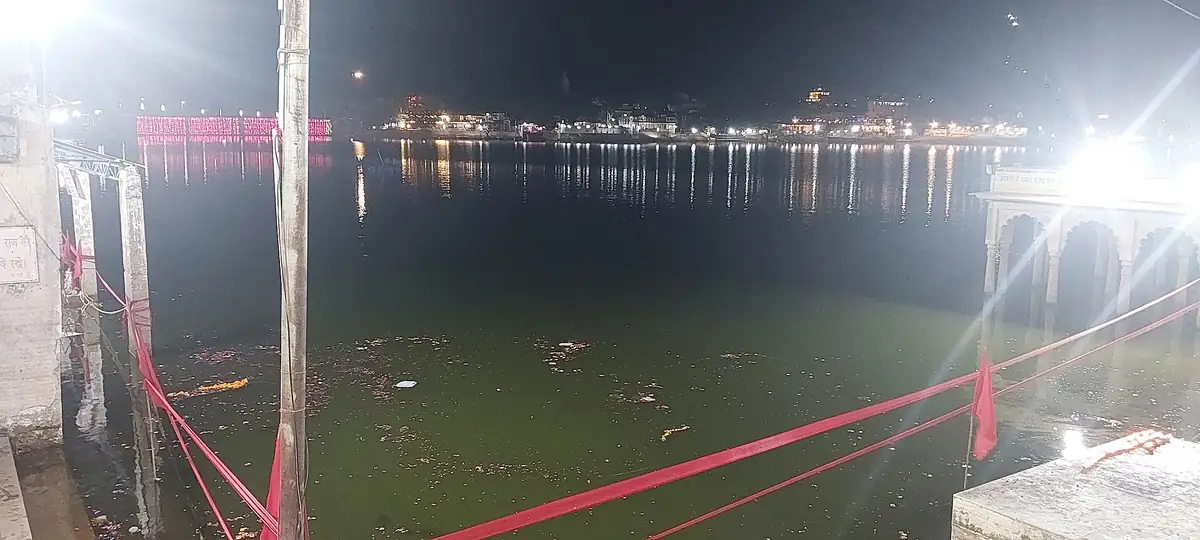
Pushkar is a small town in the Aravalli hills about 15 km from Ajmer, built around a lake that Hindus regard as one of the most sacred in India. According to legend, the lake formed where a lotus fell from Brahma's hand. The town has more than 50 ghats and hundreds of temples, and alcohol and meat are not served within its limits.
Beyond its religious importance, Pushkar has become a relaxed stop on the Rajasthan backpacker trail, with rooftop cafés, a long bazaar and hilltop temples for sunrise and sunset. In late October or November it hosts the Pushkar Camel Fair, when the town swells with traders, livestock and visitors.
One or two nights is enough for most people outside fair time.
For how to get there, when to go and where to stay, see our Pushkar travel guide.
Quick answer: best things to do in Pushkar
- Attend the evening aarti at Varaha or Gau Ghat
- Visit the Brahma Temple
- Climb or take the ropeway to Savitri Temple for sunset
- Hike up to Gayatri (Pap Mochani) Temple for sunrise
- Shop the Sadar Bazaar for textiles, silver and leather
- Eat malpua and dal baati at the town's old eateries
- Visit during the Pushkar Camel Fair
- Ride a camel or horse into the dunes outside town
Going by road? See our guide to the Rajasthan road trip.
Interested in the history? See our guide to cultural festivals in India.
Planning a pilgrimage? See our guide to spiritual places in Rajasthan.
Planning something active? Read our guide to hot air balloon rides in India.
Ghats and temples
Watch the evening aarti on the ghats
Every evening, priests perform aarti on the ghats with lamps, bells and chanting as the sun sets behind the hills. Varaha Ghat and Gau Ghat are the main places to watch. Sit quietly on the steps and follow local customs: remove shoes near the water, and ask before photographing people bathing.
Be aware of people offering flowers and then asking for large donations for a puja. A polite refusal is fine; if you want to make an offering, agree on the amount first.
- Time needed
- 1 hour
- Best time
- Sunset
- Good to know
- Remove shoes on the ghats
Visit the Brahma Temple
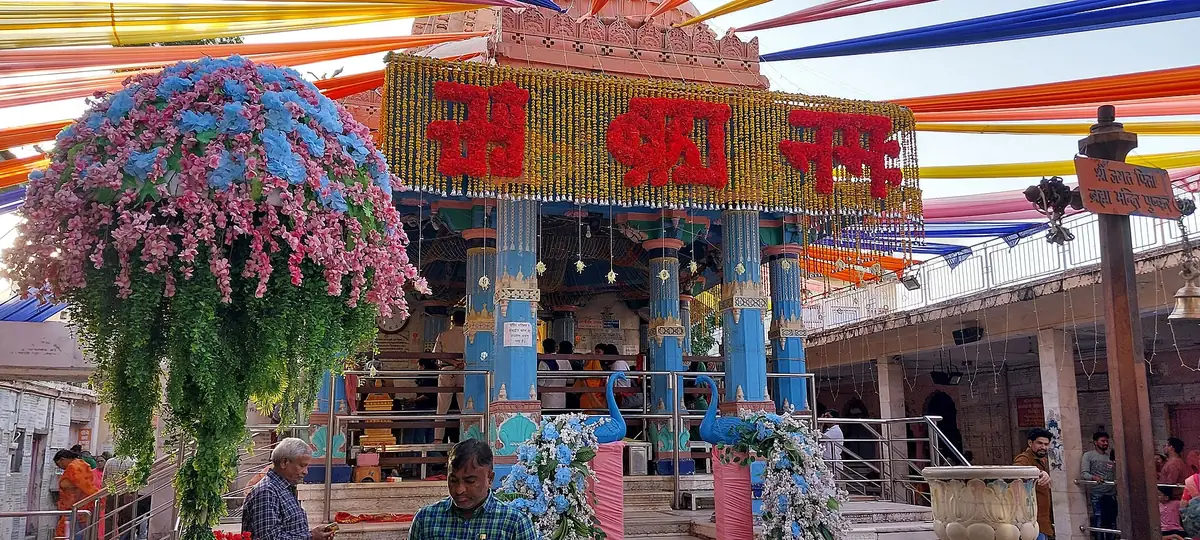
The Jagatpita Brahma Temple, with its red spire, is one of the very few temples in India dedicated to Brahma, the creator in the Hindu trinity. The present structure dates largely from the 14th century. Cameras and phones are usually not permitted inside; there are lockers nearby.
- Time needed
- 30–45 minutes
- Good to know
- Leave bags, cameras and shoes outside
Take the ropeway or climb to Savitri Temple
Savitri Temple sits on Ratnagiri Hill south-west of the lake and is dedicated to Brahma's consort. A ropeway runs to the top, or you can climb the steps in about 45 minutes. Sunset from here, with the whole town and lake below and the desert beyond, is one of the best views in Rajasthan.
- Time needed
- 1.5–2 hours
- Best time
- Sunset (or sunrise)
- Good for
- Couples, photographers
Hike to Gayatri Temple for sunrise
On the opposite side of town, a shorter climb leads to the Gayatri (Pap Mochani) Temple. It faces east and is the better choice for sunrise, looking over the lake as the town wakes up.
- Time needed
- 1 hour
- Best time
- Sunrise
See the Rangji and Old Rangji temples
The Rangji Temple, dedicated to Vishnu, is unusual for its mix of south Indian gopuram, Rajput and Mughal styles. It is a short walk from the main bazaar.
Bazaar, cafés and food
Shop the Sadar Bazaar
The main bazaar runs in a long curve around the lake and sells embroidered and block-printed textiles, silver jewellery, leather bags and journals, bells and musical instruments. It is one of the better places in Rajasthan for inexpensive clothes and gifts. Bargain gently.
- Time needed
- 2 hours
- Best time
- Late afternoon and evening
Eat malpua and rooftop thalis
Pushkar is fully vegetarian and alcohol-free. Try malpua, sweet fried pancakes soaked in syrup and sold hot from old sweet shops near the main bazaar, along with kachori and lassi. Rooftop cafés serve everything from thalis to Israeli and Italian food, a reflection of the town's long-staying travellers.
- Good for
- Food lovers
Join a music or yoga session
Pushkar's long-staying traveller community means there are yoga classes, meditation sessions and small music workshops (tabla, harmonium) available through guesthouses and studios. Quality varies; ask for recommendations and try a single class first.
- Good for
- Long-stay travellers
The Camel Fair and desert experiences
Experience the Pushkar Camel Fair
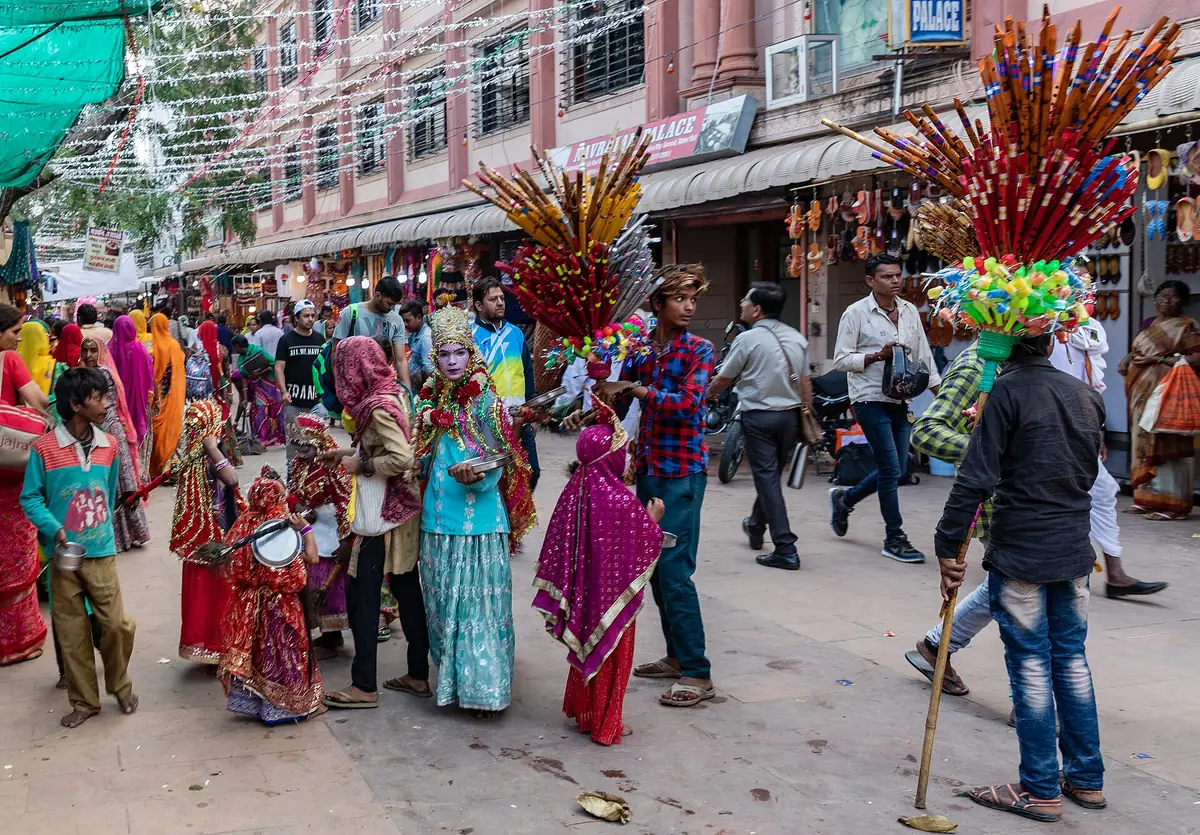
The Pushkar Mela is held around the Kartik Purnima full moon, usually in November. For several days, herders from across Rajasthan trade camels, horses and cattle on the fairground west of town, followed by the religious festival when pilgrims bathe in the lake. There are camel races, competitions, folk performances and a large market.
Accommodation fills months ahead and prices rise sharply. The trading days at the start of the fair are the most authentic; the full-moon days are the most crowded.
- When
- Around Kartik Purnima, usually November
- Time needed
- 2–3 days
- Good to know
- Book stays very early
Ride into the dunes
Small dunes begin just outside Pushkar, and camel or horse rides at sunset are easy to arrange through guesthouses. It is a gentler, shorter taste of the desert than Jaisalmer, and there are several overnight camps in the area.
- Time needed
- 2–3 hours
- Best time
- Late afternoon
- Good for
- Families, first-time visitors
Things to do in Pushkar by type of traveller
Couples: Sunset from Savitri Temple, a quiet rooftop dinner overlooking the lake and a camel ride into the dunes.
Families: The ropeway, the evening aarti, short camel rides and the bazaar work well with children; the town is small and walkable.
Pilgrims: A holy dip in the lake, the Brahma Temple and the hilltop temples of Savitri and Gayatri, ideally around Kartik Purnima.
What to do in Pushkar with one day
Climb to Gayatri Temple for sunrise, then walk the ghats and visit the Brahma Temple before it gets busy. Spend the late morning in the bazaar and have lunch on a rooftop. In the afternoon, take the ropeway to Savitri Temple for sunset, then come down for the evening aarti and a dinner of thali and malpua.
Practical tips for Pushkar
- Pushkar is fully vegetarian and alcohol-free; respect this in your guesthouse too.
- Politely decline flower offerings on the ghats unless you want to take part in a puja, and agree any donation amount in advance.
- Remove shoes before stepping onto the ghats and ask before photographing people bathing.
- During the Camel Fair, prices for rooms and tents rise sharply and book out months ahead.
- Ajmer, 15 km away, is the nearest large railway station.
Plan the rest of your Pushkar trip
Pushkar things to do: FAQs
What are the best things to do in Pushkar?
Watch the evening aarti on the ghats, visit the Brahma Temple, see sunset from Savitri Temple and sunrise from Gayatri Temple, shop the Sadar Bazaar, and, in November, visit the Pushkar Camel Fair.
How many days are enough for Pushkar?
One or two nights is enough outside fair time. During the Camel Fair, two to three days lets you see the trading and the festivities.
When is the Pushkar Camel Fair?
It is held around the Kartik Purnima full moon, usually in November. Exact dates change each year with the lunar calendar.
Is alcohol available in Pushkar?
No. Pushkar is a holy town, and alcohol, meat and eggs are not served within town limits.
How far is Pushkar from Ajmer and Jaipur?
Pushkar is about 15 km from Ajmer, across Nag Pahar, and roughly three hours by road from Jaipur. Ajmer is the nearest major railway station.
Things to do near Pushkar
- Things to do in Ajmer: the Ajmer Sharif Dargah, 15 km away
- Things to do in Jaipur: about three hours north-east
- Things to do in Jodhpur: Mehrangarh and the Blue City to the west
More things to do in Rajasthan
Published by the Kudozz Club editorial team · Last updated · How we research our guides
Want us to plan this trip for you?
Tell Kudozz Club where you want to go and what kind of trip you’re looking for. We’ll build a Pushkar and Rajasthan itinerary around your dates and budget.
Continue Exploring
View all guides Spiritual Tourism
Spiritual Tourism in Rajasthan: Pushkar, Ajmer, Nathdwara and Jain Temples
A guide to spiritual tourism in Rajasthan: Pushkar's lake and Brahma temple, the dargah of Khwaja Moinuddin Chishti at Ajmer, Shrinathji at Nathdwara and Eklingji near Udaipur, the Jain temples of Ranakpur and Dilwara, Khatu Shyam Ji, Salasar Balaji, Karni Mata and Galtaji, festivals, routes and seasons.
 Heritage
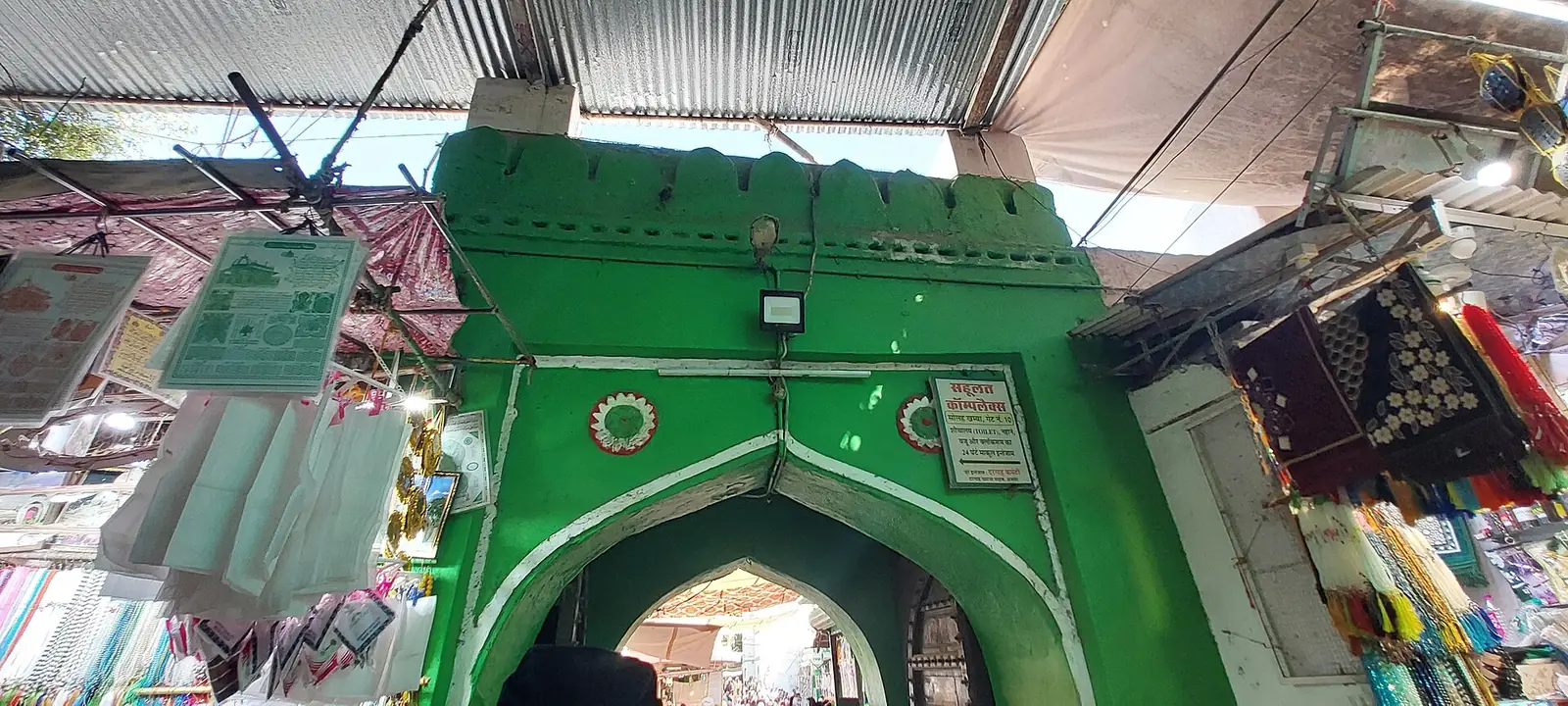
Ajmer Travel Guide: Dargah Sharif & Ana Sagar
One of India's most important Sufi shrines, a 12th-century lake, and a mosque built from a repurposed Sanskrit college — the complete Ajmer guide.
 Heritage
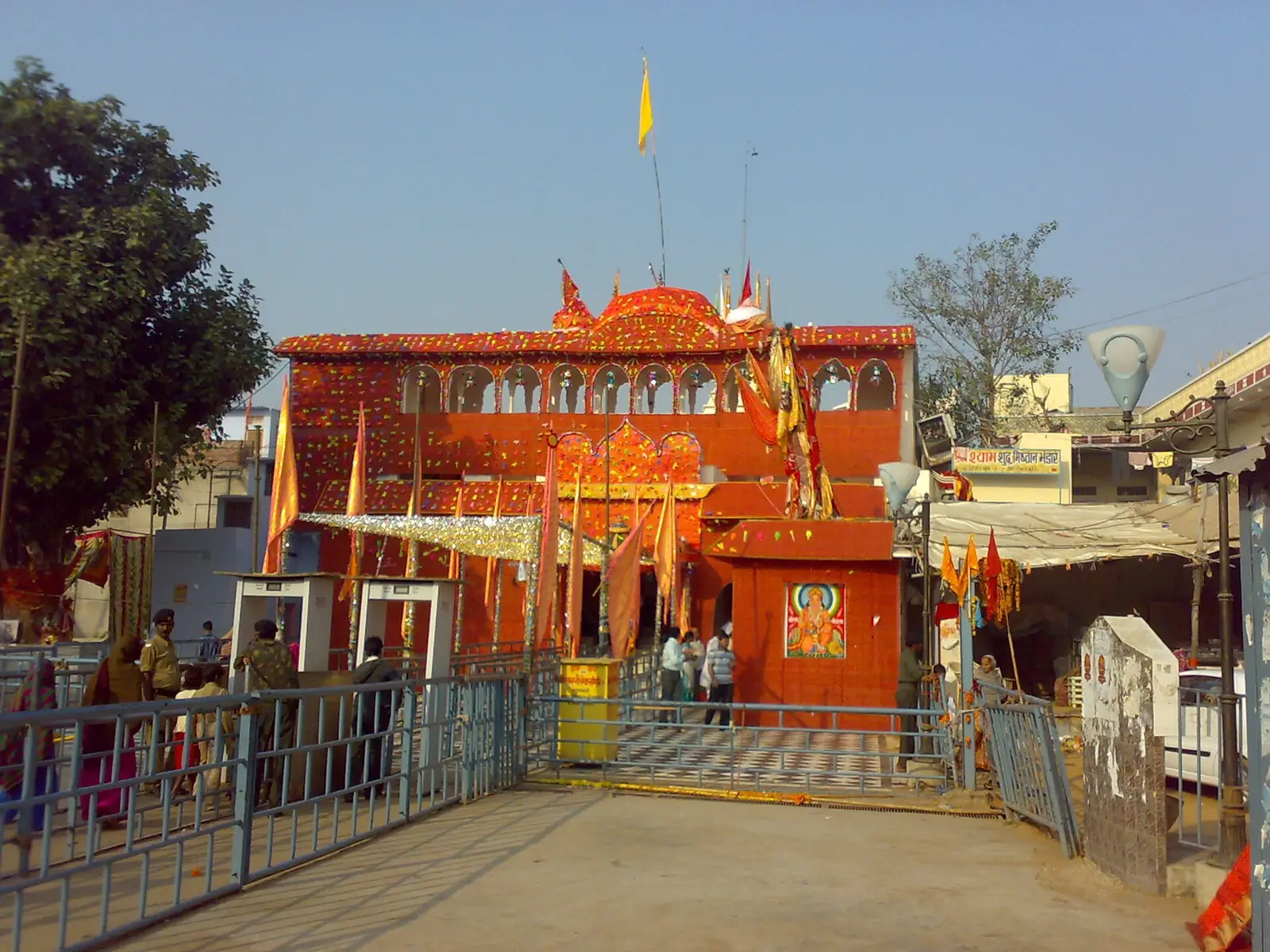
Khatu Shyam Ji Guide: Temple & Best Time
A legend of ultimate sacrifice, waves of devotional song, and one of Rajasthan's most intensely visited pilgrimage towns — the complete Khatu Shyam Ji guide.
 Heritage
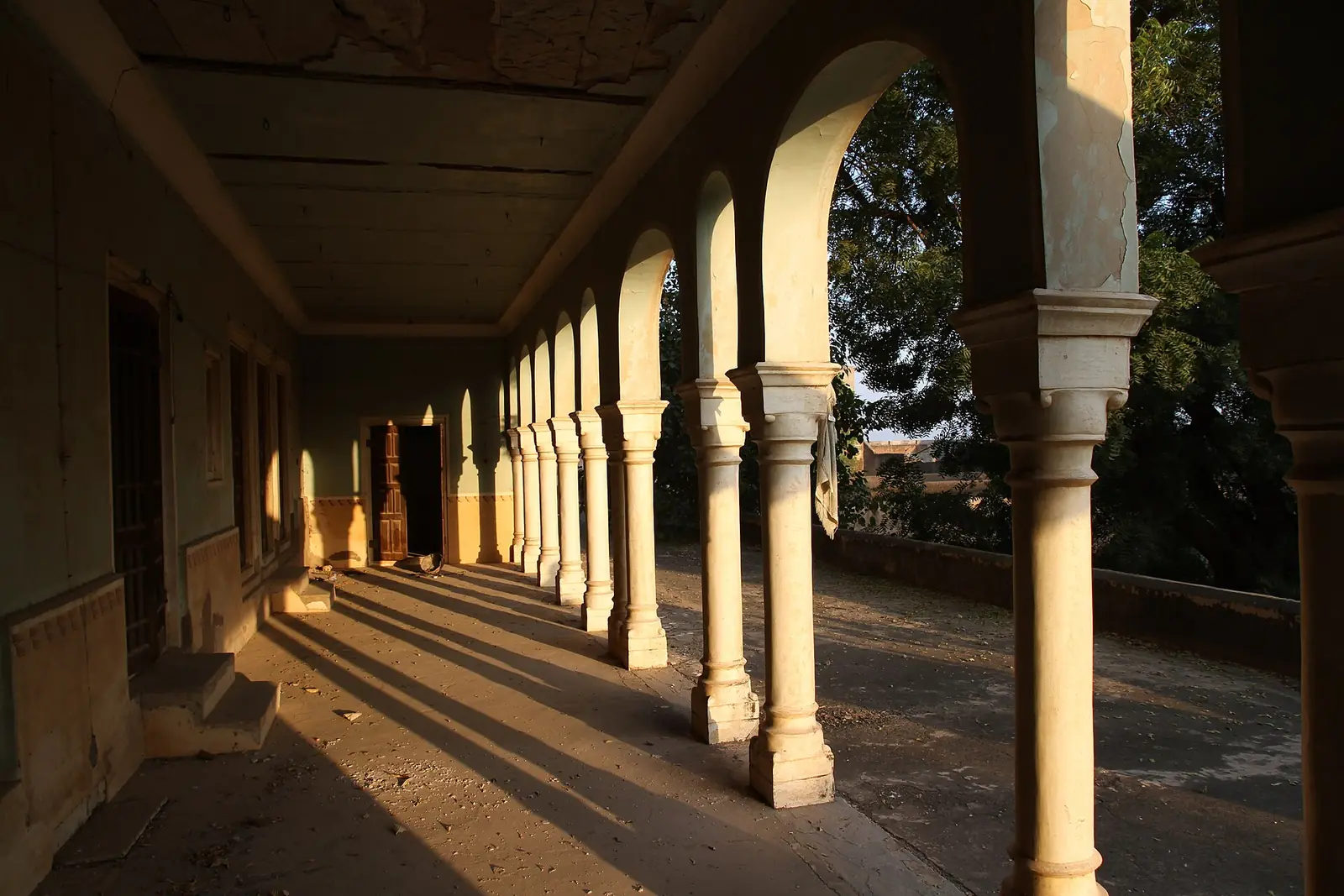
Mandawa Travel Guide: Shekhawati Havelis & Tips
A desert town where merchant fortunes were painted onto every wall — the complete guide to Mandawa's frescoed havelis and Shekhawati's open-air art tradition.